To fix smoker temperature swings, start by ensuring your smoker is clean, properly vented, and your fuel source is consistent. Adjusting airflow vents carefully and using a quality thermometer allows stable heat control. Avoid opening the smoker unnecessarily, and add fuel in small increments to prevent sudden spikes or drops in temperature.
Maintaining a steady temperature during smoking is essential as fluctuations can affect the texture and flavor of your meat. Temperature swings commonly happen because of inconsistent fuel, improper vent adjustments, or external weather conditions. Addressing these issues early can result in tender, evenly smoked dishes without unpredictable cooking times.
This article explores the main causes of temperature swings in smokers, practical tips for controlling heat, and specific strategies using different types of smokers. We'll also compare smoker categories to find the best approach to stable cooking, ensuring your barbecue sessions yield excellent results with minimal stress.
Common Causes of Smoker Temperature Swings
Fuel Quality and Consistency
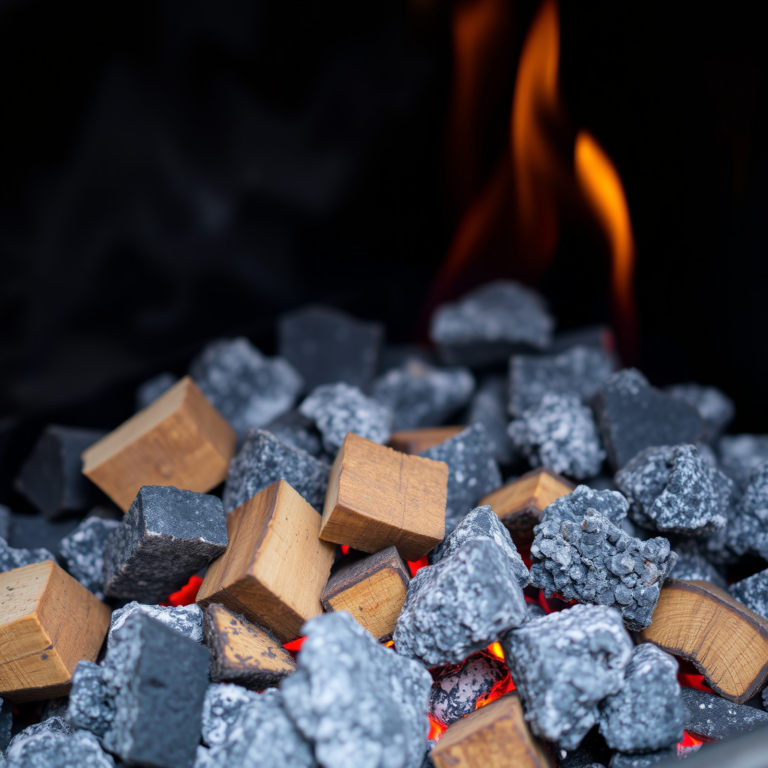
Irregular fuel, such as damp wood or unreliable charcoal, leads to unpredictable heat output. High moisture content in fuel reduces combustion efficiency and can cause the smoker to cool down unexpectedly or flare up sporadically.
Using properly dried hardwood or lump charcoal with a uniform size helps maintain steady combustion over time. Avoid mixing fuel types mid-cook as inconsistent burn rates destabilize temperature control.
- Dry wood with moisture below 20%
- Uniform lump charcoal sizes
- Avoid mixing fuels during cooking
Airflow and Vent Adjustments
Airflow drives combustion. If the intake or exhaust vents are partially closed or fluctuating due to wind, the fire might burn too hot or starve for oxygen, leading to temperature swings.
Consistently managing vent positions is critical. Small vent increments can fine-tune oxygen supply, and ensuring vents aren’t blocked maintains a steady fire. External factors like wind require occasional adjustments to vents.
- Set intake vent for controlled oxygen flow
- Keep exhaust vent open to stabilize draft
- Adjust vents based on wind conditions
Techniques to Stabilize Smoker Temperature
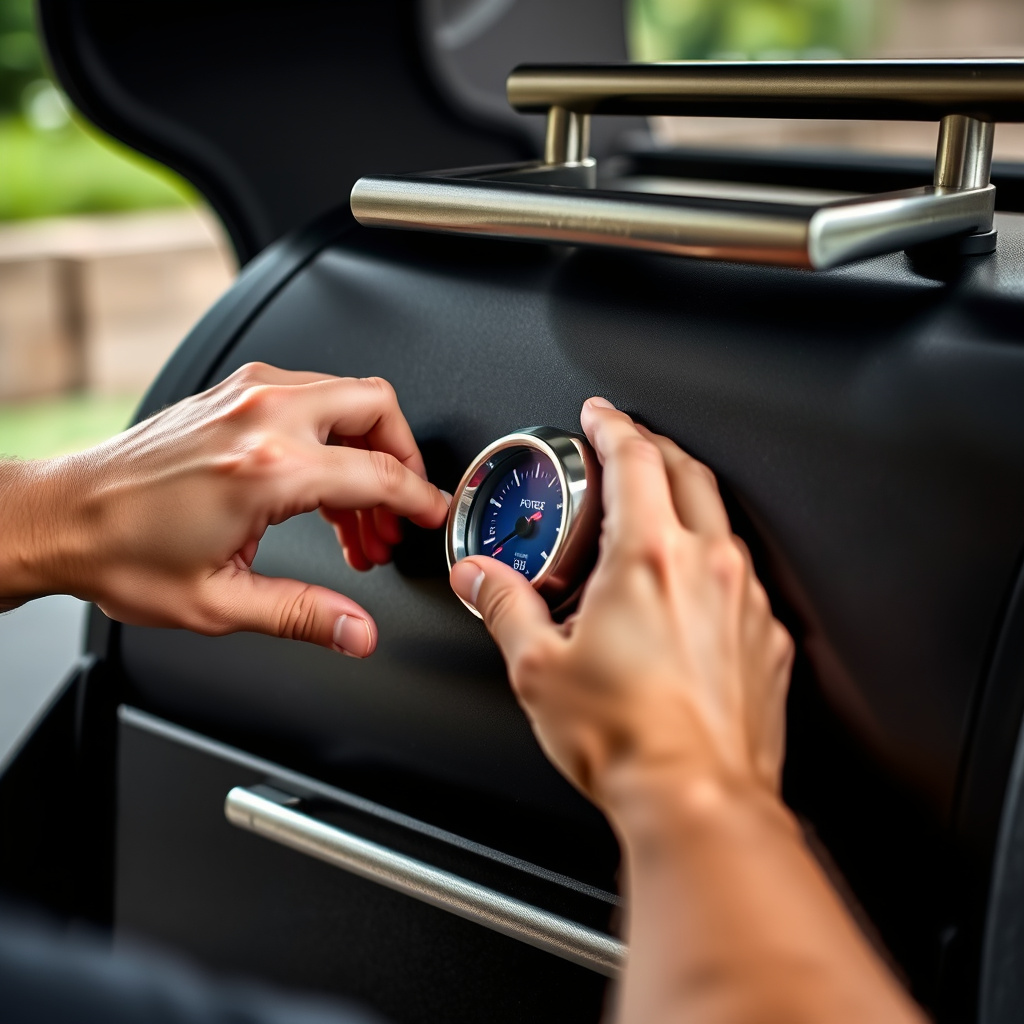
Using Water Pans and Heat Deflectors
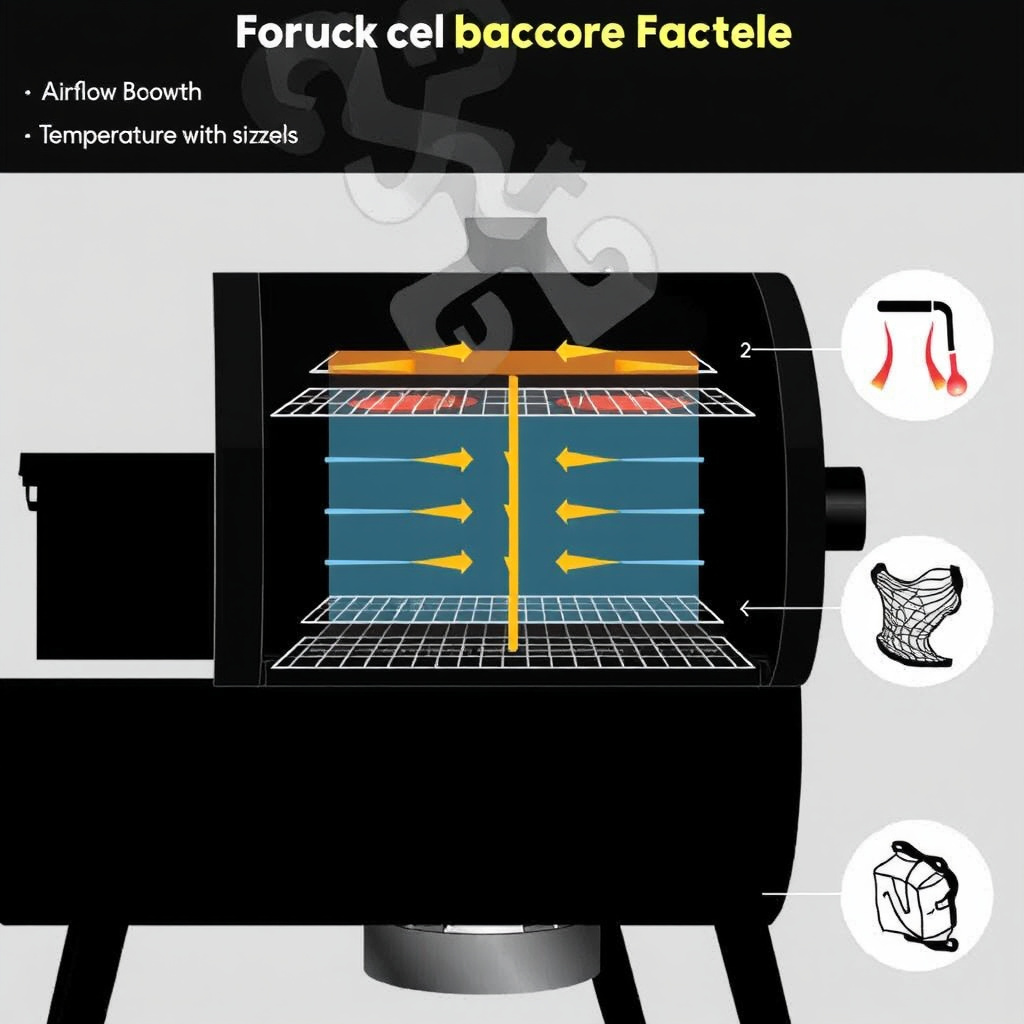
Water pans act as thermal buffers, absorbing and radiating heat evenly inside the smoker. They help moderate temperature spikes by stabilizing the internal environment and increasing humidity, which prevents meat from drying.
Heat deflectors shield direct heat from the fire, promoting convection heat circulation. Placing a deflector correctly reduces hot spots and helps maintain a consistent temperature profile within the cooking chamber.
- Fill water pan with hot water before smoking
- Position heat deflector above or beside fuel source
- Refill water pan periodically during long smokes
Gradual Fuel Addition and Thermometer Use
Adding small fuel increments rather than all at once avoids sudden temperature spikes. This approach gives you controlled heat boost while maintaining stability.
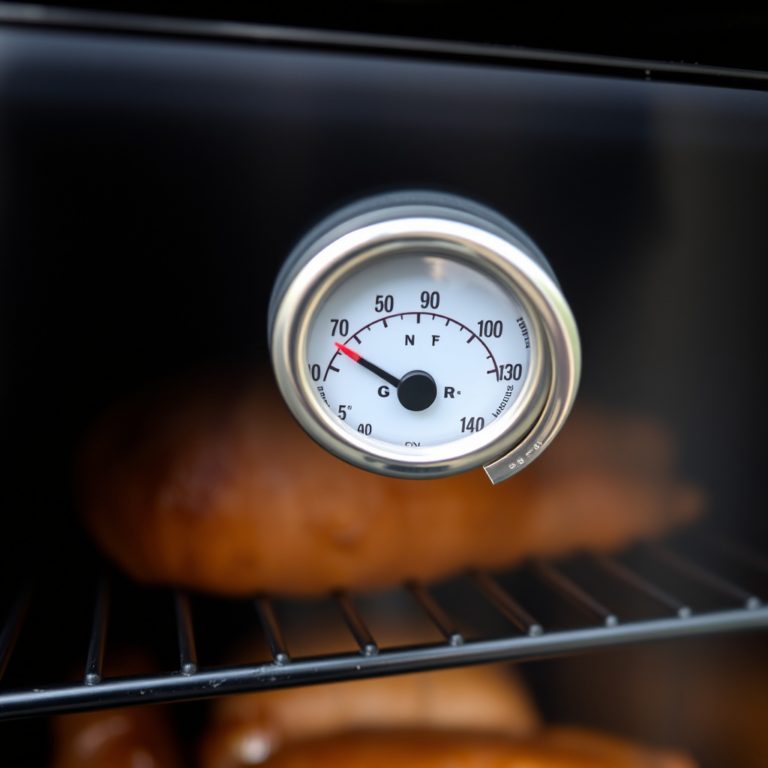
Using a reliable digital thermometer lets you monitor temperature real-time. Some advanced models with alarms help alert when temperatures drift outside desired ranges, giving you time to adjust vents or fuel.
- Add small charcoal or wood chunks gradually
- Use accurate temperature probes
- Monitor and tweak vents as needed
Smoker Types and Their Impact on Temperature Control
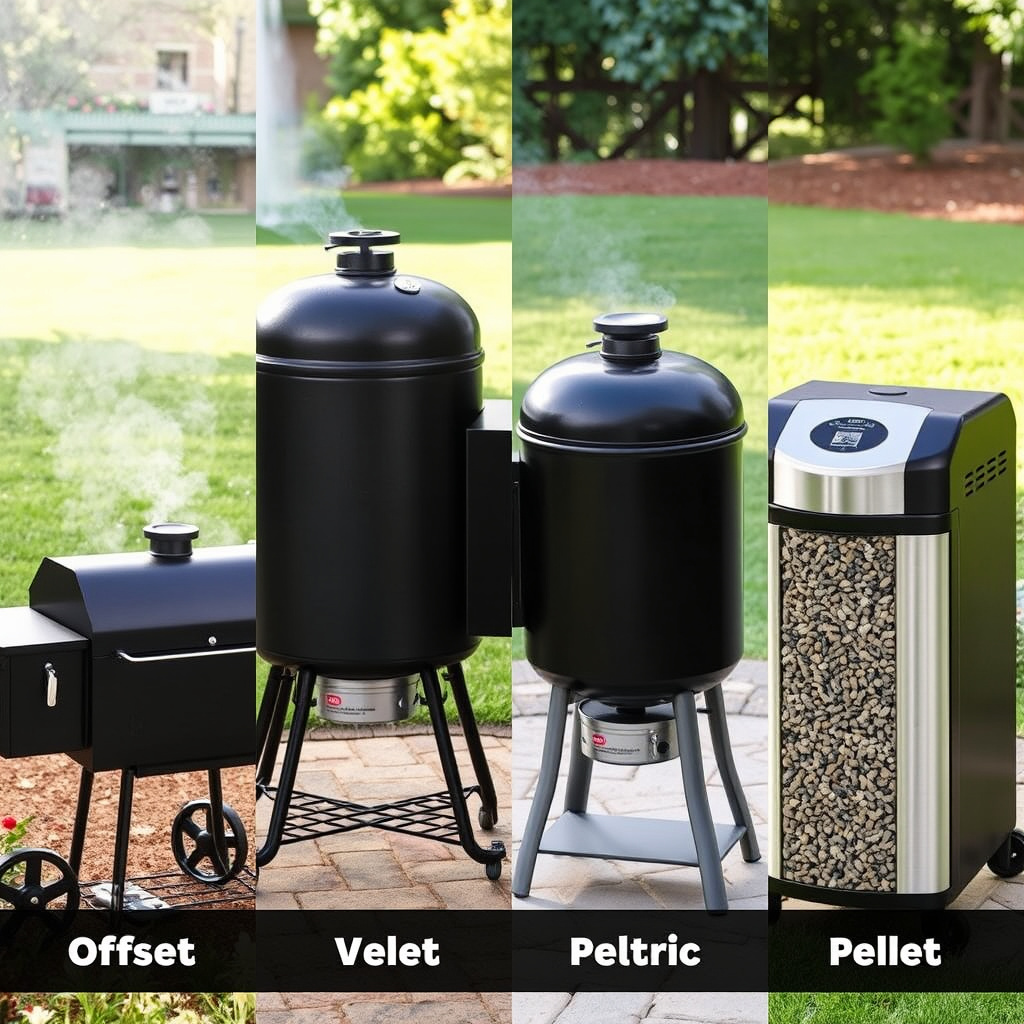
Offset and Vertical Smokers
Offset smokers offer great flavor but can be challenging to stabilize due to reliance on manual fuel and airflow management. They require frequent vent adjustments and vigilant fuel tending to prevent swings.
Vertical smokers are simpler for temperature control as the heat source is usually below the cooking chamber. They benefit from fewer air leaks and easier insertion of water pans, making temperature less erratic once set.
Electric and Pellet Smokers
Electric smokers typically have thermostatic controls, providing steady heat but may falter if airflow isn’t optimal or fuel pellets are damp. Monitoring pellet quality is essential to avoid odd temperature behavior.
Pellet smokers use automated fuel feeders and fans to maintain temperature, offering excellent stability. However, power outages or mechanical faults can cause swings, so regular maintenance and checking fuel supply is key.
Environmental Factors Affecting Smoker Temperature
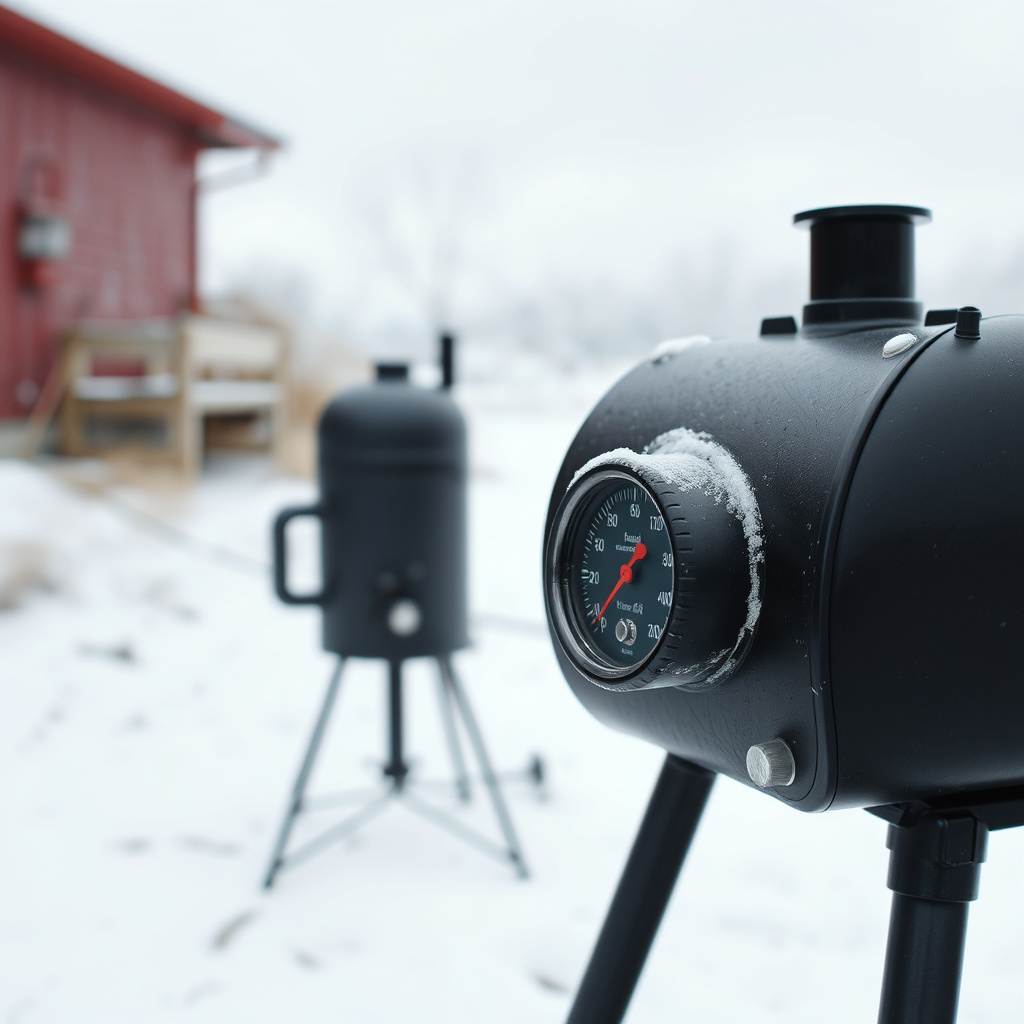
Weather Conditions and Wind
Cold ambient temperatures and wind can pull heat away from the smoker and disrupt its airflow balance, causing rapid cooling or erratic heating.
Sheltering the smoker from wind or using windbreaks helps maintain airflow consistency. In cold weather, using insulated blankets designed for smokers can reduce heat loss and temperature swings significantly.
- Position smoker in sheltered area
- Use windbreaks or barriers
- Consider insulated covers for cold days
Placement and Surface Stability
Uneven ground or unstable surfaces can cause air leaks if smoker parts don’t seal properly, and shifting vents can alter airflow unpredictably.
Placing the smoker on a flat, level surface ensures stable vent alignment and consistent sealing, preventing airflow issues that impact temperature control.
- Ensure smoker is level on flat surface
- Check seals and door latches regularly
- Avoid placing smoker where it can be jostled
Advanced Monitoring and Automation for Temperature Control
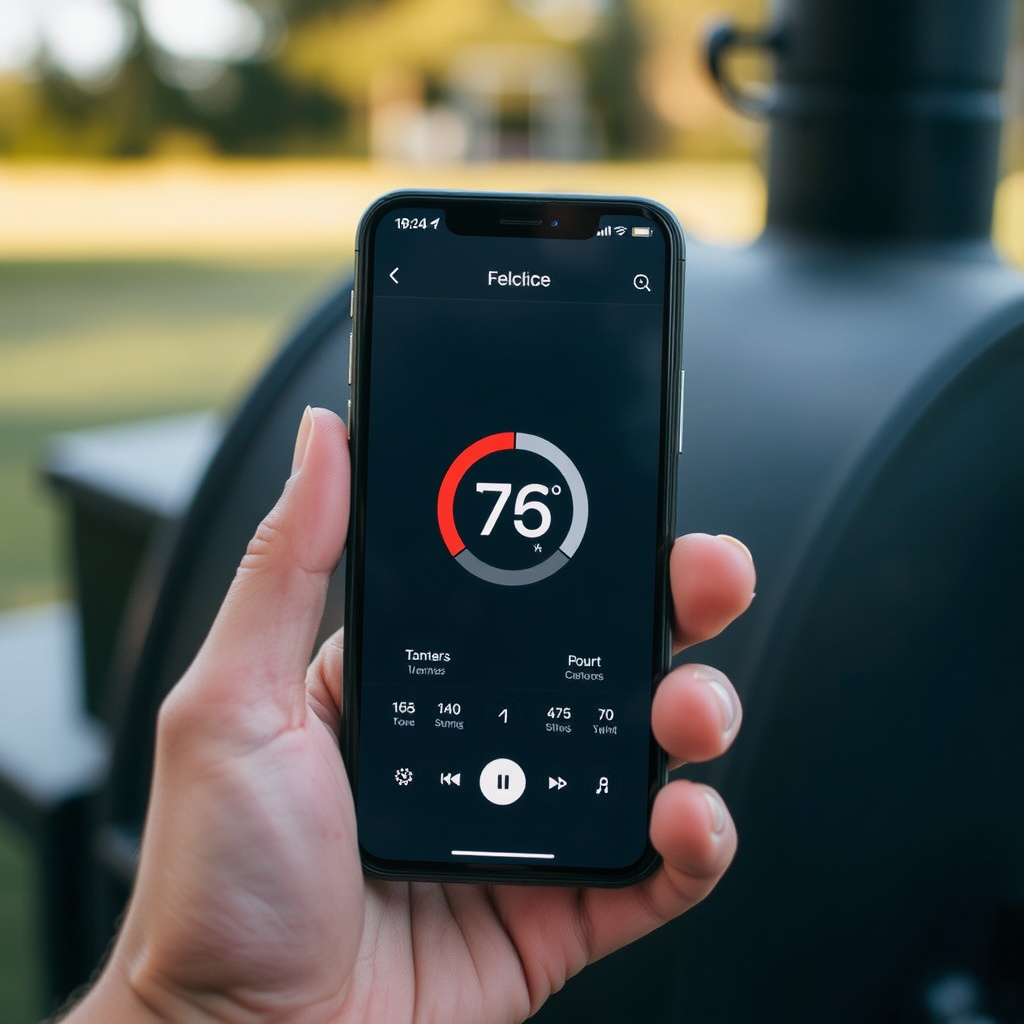
Wireless Thermometer Systems
Wireless thermometers provide temperature readings remotely and allow constant monitoring without opening the smoker. Many models can send alerts or maintain logs to analyze patterns causing swings.
Some systems support multiple probes, giving insight into pit temperature and meat internal temperature simultaneously, helping manage heat more precisely.
- Real-time remote temperature alerts
- Multiple probe capability
- Data logging for trend analysis
For a broader understanding of barbecue cooking methods and related smoker types, see the detailed overview on smoking meat techniques. smoking meat techniques.
Automated Pellet Feeders and Fan Controls
Advanced pellet smokers use sensors and controllers to automatically adjust pellet feed and fan speeds, minimizing manual intervention and temperature variation.
These automated features reduce temperature swings by reacting quickly to heat drops or rises, maintaining a more consistent cook especially during long smoking sessions.
- Automatic fuel delivery adjustments
- Variable speed fans for airflow control
- Reduced manual vent adjustments
Smoker Temperature Control Category Comparison
Here’s a comparison of common smoker types focusing on their temperature stability, ease of control, and typical maintenance needs.
| Smoker Type | Temperature Stability | Ease of Temperature Control | Maintenance Requirement |
|---|---|---|---|
| Offset Smoker | Moderate | Requires frequent manual adjustments | High — regular cleaning and vent checks |
| Vertical Water Smoker | Good | Relatively easy with proper setup | Moderate — water pan refilling and vent cleaning |
| Electric Smoker | High | Thermostatic but relies on fuel quality | Low — periodic cleaning and electrical checks |
| Pellet Smoker | Very High | Automated feeding and fan system | Moderate — pellet quality and mechanical upkeep |
Frequently Asked Questions
Why does my smoker temperature keep dropping suddenly?
Sudden temperature drops often happen due to airflow blockages, damp or insufficient fuel, or opening the smoker door frequently, which lets heat escape and disrupts combustion.
Can using a water pan really help stabilize smoker temperature?
Yes, water pans absorb and radiate heat evenly, creating a more stable cooking environment and moderating temperature swings while maintaining humidity inside the smoker.
How often should I adjust smoker vents to maintain temperature?
Adjust smoker vents in small increments when temperature drifts beyond your target range. Regular monitoring is necessary especially with wind or changing fuel conditions.
Are digital thermometers better for controlling smoker temperature?
Digital thermometers with probes provide accurate, real-time data which helps maintain consistent temperatures by allowing timely adjustments to fuel and vents.
Does wind really affect how my smoker performs?
Wind can disrupt airflow and cooling, causing the fire to burn unevenly and the temperature to swing. Using windbreaks or placing the smoker in sheltered areas helps minimize this effect.
Key Takeaways
- Stable fuel and proper airflow are the foundation for fixing smoker temperature swings.
- Using water pans and heat deflectors helps moderate temperature fluctuations.
- Automated and electric smokers offer superior temperature consistency with less manual intervention.
- Environmental conditions like wind and cold require active management to maintain steady temperatures.
Conclusion
Fixing smoker temperature swings involves understanding how fuel, airflow, and environmental factors interact with your particular smoker model. Consistently dry, quality fuel combined with careful vent adjustment provides substantial control over heat output. Adding a water pan or heat deflector can buffer rapid temperature changes caused by direct flame exposure. Monitoring with reliable thermometers completes the control loop, providing real-time feedback for timely adjustments. Recognizing the smoker type you use also informs how aggressively you need to manage these variables for steady performance.
For those who want smoother control with less babysitting, pellet and electric smokers with integrated thermostats and automated feeders stand out as excellent options. Offset smokers require more hands-on management but reward with rich flavor profiles. Vertical water smokers strike a balance, delivering manageable temperature stability and ease of use. Evaluate your cooking style and patience level when choosing a smoker or optimizing your current setup to reduce frustration with temperature swings.
Start by inspecting your fuel quality and vent positioning during your next smoke, adjusting in small increments. Consider trying water pans to stabilize heat and keep vents clean and unobstructed. For frequent smokers seeking convenience, wireless thermometer systems or automated pellet smokers offer impressive stability and less guesswork. Effectively controlling smoker temperature elevates your barbecue outcomes, giving you tender, juicy meats cooked consistently to perfection.