A vertical smoker is a type of barbecue smoker designed with a tall, upright cooking chamber that uses indirect heat and smoke to slowly cook and flavor food. Unlike horizontal smokers, the vertical design allows heat and smoke to rise naturally from the firebox or charcoal area at the bottom to the food racks above. This method produces a consistent temperature and rich smoky flavor for meats like ribs, brisket, and chicken.
Vertical smokers matter to backyard cooks and pitmasters because they combine efficient heat use, compact design, and ease of fuel management. Their upright shape usually means they take up less floor space, making them ideal for smaller patios or decks. They also allow for multiple racks inside, increasing your cooking capacity compared to some smaller grills or smokers.
In this article, you'll learn about the key components of a vertical smoker, the types of fuel it can use, how to operate one effectively, and what features to look for when buying. We'll also compare popular vertical smoker styles and include tips for beginners aiming to produce flavorful smoked dishes every time.
Understanding the Basic Design of a Vertical Smoker
Core Components and Structure
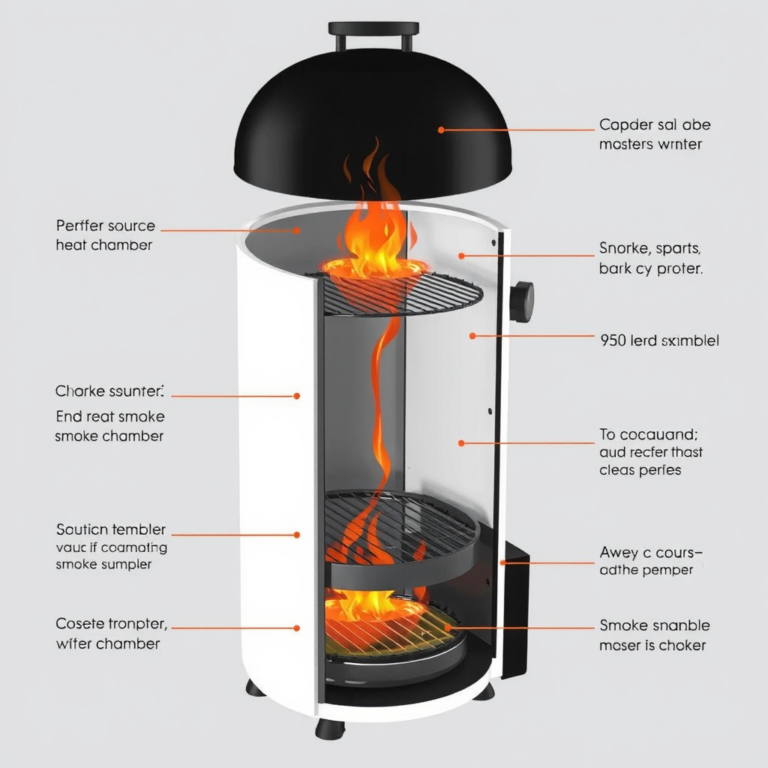
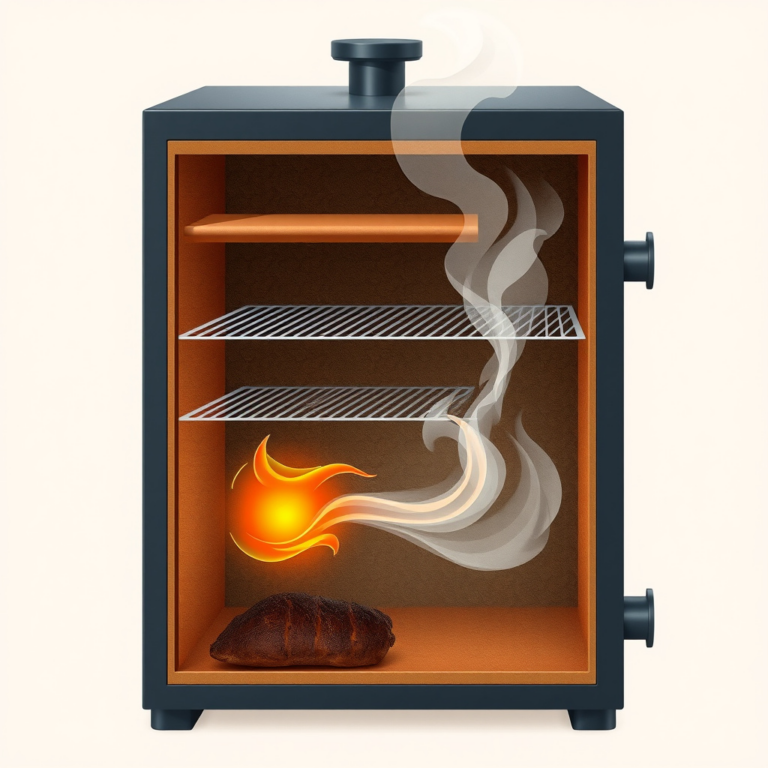
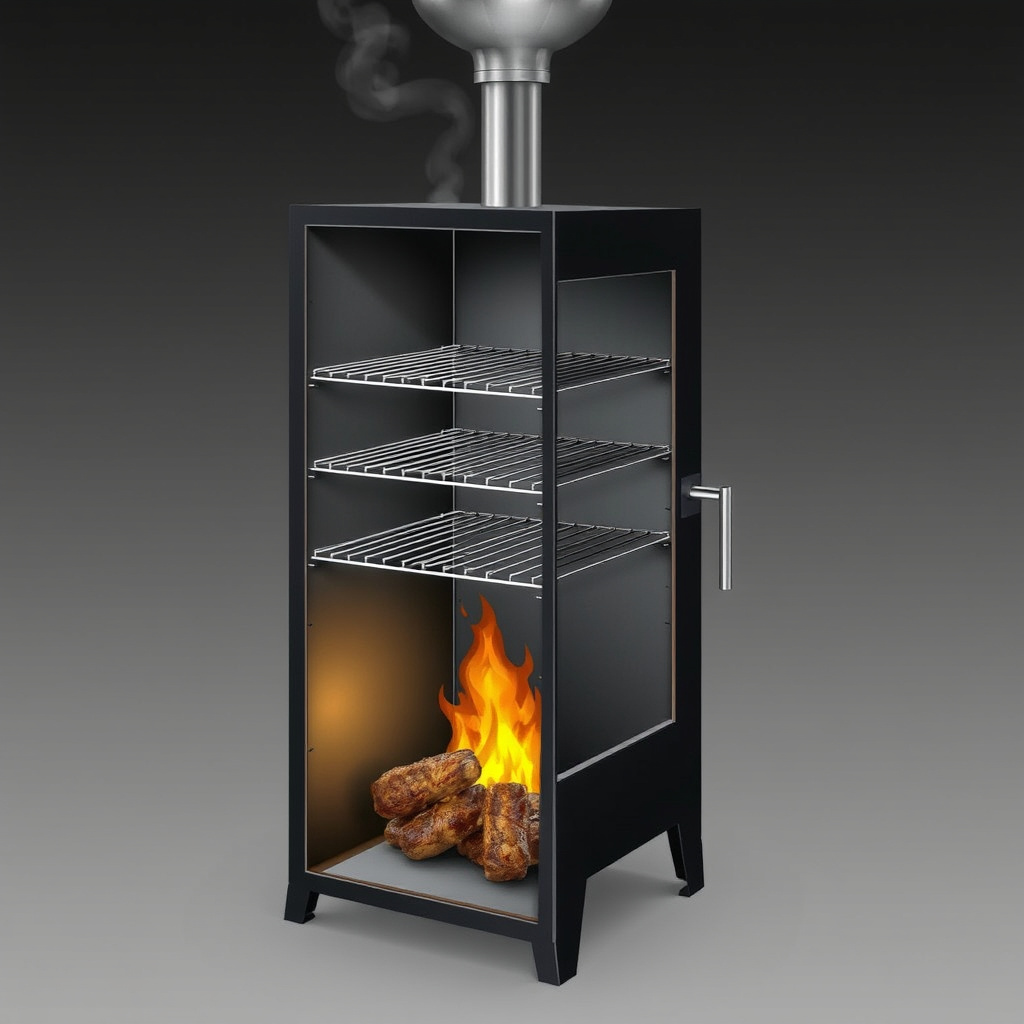
A vertical smoker typically features a cylindrical or box-shaped tall cooking chamber with multiple racks arranged vertically. The firebox or charcoal tray is located at the bottom, providing indirect heat to the food above. Smoke generated from burning wood or charcoal rises through the chamber and exits through a chimney or vent at the top, circulating flavors evenly around the meat.
This vertical arrangement helps maintain a steady temperature gradient as heat naturally rises. Adjustable vents control airflow, allowing users to regulate temperature and smoke density precisely, which is essential for ensuring that the food cooks evenly and absorbs the desired smoky flavors.
- Firebox or charcoal tray at the base
- Multiple cooking racks stacked vertically
- Chimney or smokestack at the top
- Adjustable intake and exhaust vents
Common Materials and Construction Quality
Vertical smokers are commonly made from stainless steel or heavy-gauge cold-rolled steel for durability and heat retention. Thicker steel walls increase insulation, helping to stabilize temperatures over long smoking sessions. Some models feature porcelain or enamel coatings for rust resistance and easier cleaning.
Weld quality, gasket seals, and vent construction also influence performance. Well-sealed doors and vents prevent heat and smoke leaks, which can cause temperature swings. Construction quality affects both the smoker's longevity and the consistency of your cooking results.
- Heavy steel for heat retention
- Porcelain/enamel coating options
- Sealed doors and vents
- Quality welds and durable hardware
Fuel Types Used in Vertical Smokers
Charcoal as a Primary Fuel Source
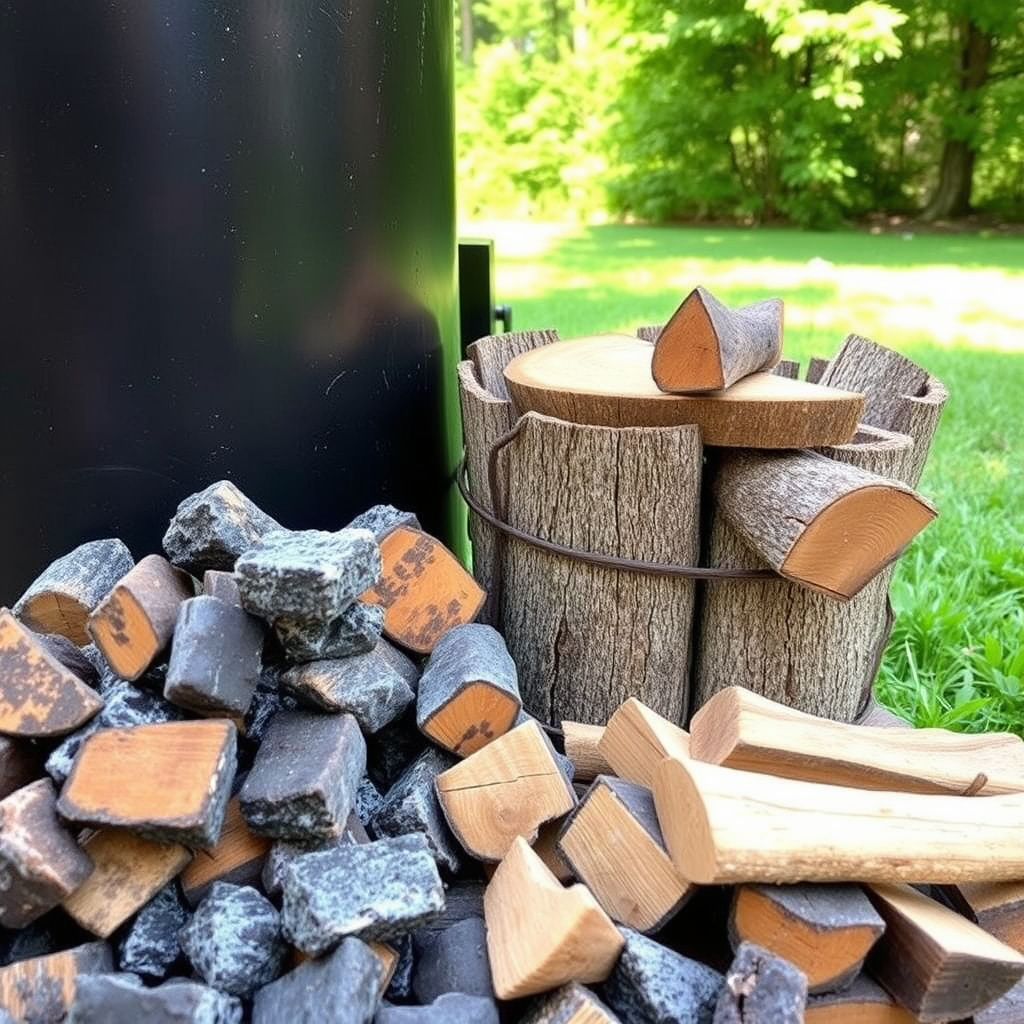
Charcoal remains the most popular fuel choice for vertical smokers because it burns hot and evenly, imparting a clean, classic smoky flavor. Lump charcoal or briquettes can be used depending on the desired burn time and consistency. Charcoal briquettes offer uniform heat, while lump charcoal ignites faster and burns hotter but less predictably.
Managing charcoal involves setting up air vents and adding fuel periodically to maintain a stable temperature, which can take practice but allows excellent control over the smoking environment.
- Burns clean and hot
- Requires frequent monitoring
- Traditional smoky flavor
- Can be combined with wood chunks
Using Wood and Other Fuels
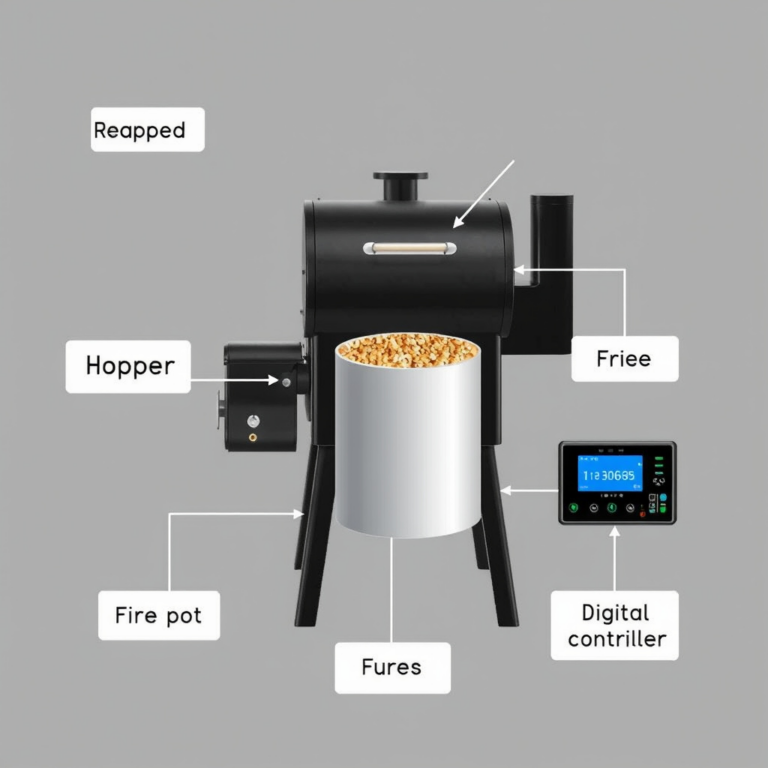
Wood chunks or chips are often added to charcoal to enhance smoke flavor. Different woods like hickory, apple, or mesquite each provide distinct aromas and intensities. Some vertical smokers allow use of electric heating elements or propane burners for temperature control without traditional charcoal, which can be more convenient for beginners.
Electric or propane vertical smokers offer faster startup and easier temperature maintenance but sometimes sacrifice the traditional wood-smoke flavor beloved by barbecue purists.
- Wood chunks add distinct smoke flavor
- Electric and propane options for ease
- Wood types influence taste profile
- Alternative fuels impact smoke quality differently
Mastering Temperature Control in a Vertical Smoker
Adjusting Airflow for Consistent Heat
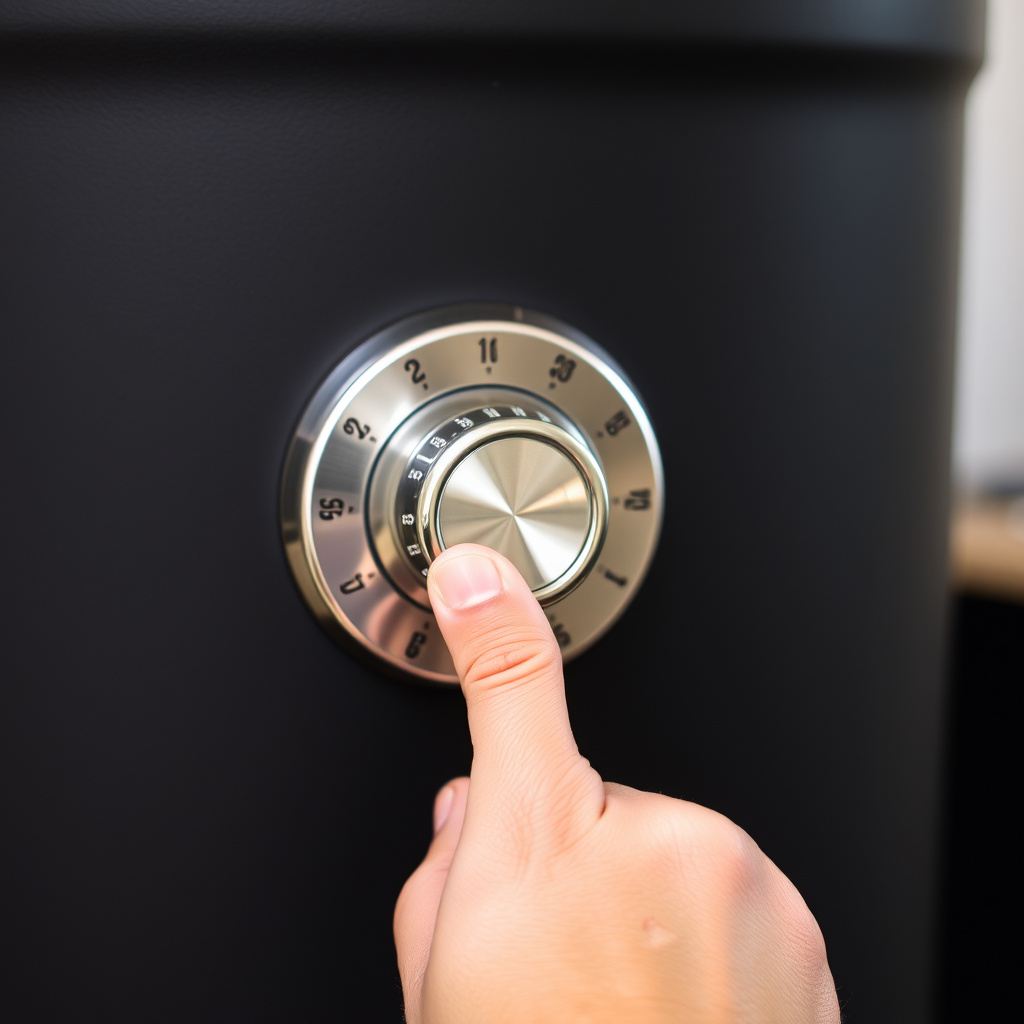
Temperature control in a vertical smoker depends heavily on managing airflow through intake and exhaust vents. Opening vents increases oxygen flow to the fire, raising the temperature, while closing them slows combustion and lowers heat. Balancing these vents correctly creates a steady burn and consistent cooking temperatures over hours.
Regular monitoring of vents throughout the smoking session is necessary, especially when cooking large cuts of meat that require low-and-slow heat over many hours.
- Use intake vent to supply oxygen
- Chimney vent controls exhaust smoke
- Small adjustments impact temperature
- Keep vents stable for steady cooking
For more on this, see our related guide: The Difference Between a Pellet Grill and a Smoker: Which One Suits Your BBQ Style?.
Using Thermometers Effectively
An integrated temperature gauge is often mounted on the smoker door but may not reflect the internal cooking temperature accurately. Many users supplement this with digital probes placed near the meat to monitor the food’s internal temperature precisely.
Dual-probe thermometers allow simultaneous monitoring of ambient smoker temperature and meat temperature, helping to avoid undercooking or overcooking specific cuts.
- Don't rely solely on built-in gauges
- Use wireless or wired digital probes
- Monitor both smoke chamber and meat temps
- Adjust vents based on thermometer readings
Benefits of Vertical Smokers for Backyard BBQ
Space and Capacity Advantages
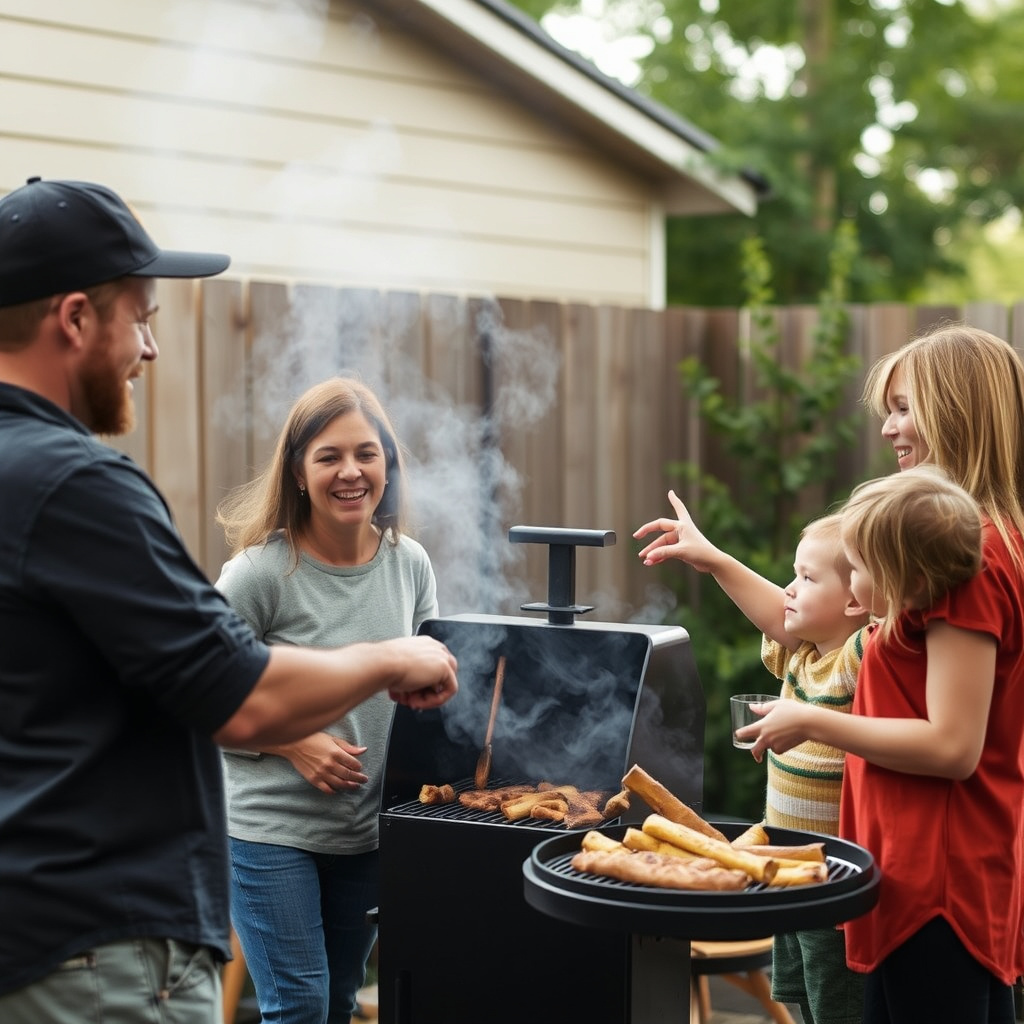
Vertical smokers typically take up less patio space due to their upright design, which fits easily into smaller outdoor areas. Their stacked racks maximize cooking area inside while keeping a compact footprint. This makes them ideal for homeowners without large outdoor spaces but who want to smoke multiple items at once.
Larger vertical smokers can accommodate whole chickens, racks of ribs, or brisket alongside side dishes or vegetables, offering versatile cooking capacity for family gatherings or weekend barbecues.
- Compact vertical footprint
- Multiple rack layers for capacity
- Fits small patios or decks
- Cook diverse foods simultaneously
Flavor Profile and Cooking Results
Vertical smokers excel at producing even smoke and heat circulation, rendering tender, juicy, and deeply smoky meats with a classic bark crust. The gentle indirect heat minimizes drying out and focuses on achieving richly flavored results that are the hallmark of traditional barbecue smoking.
The water pan common in vertical smokers helps regulate temperature and adds moisture to the cooking chamber, preventing meat from drying during long smoke sessions.
- Even smoke distribution
- Moist cooking environment with water pan
- Tender, flavorful results
- Classic smoked meat texture and crust
Choosing Your First Vertical Smoker
Key Features to Look For
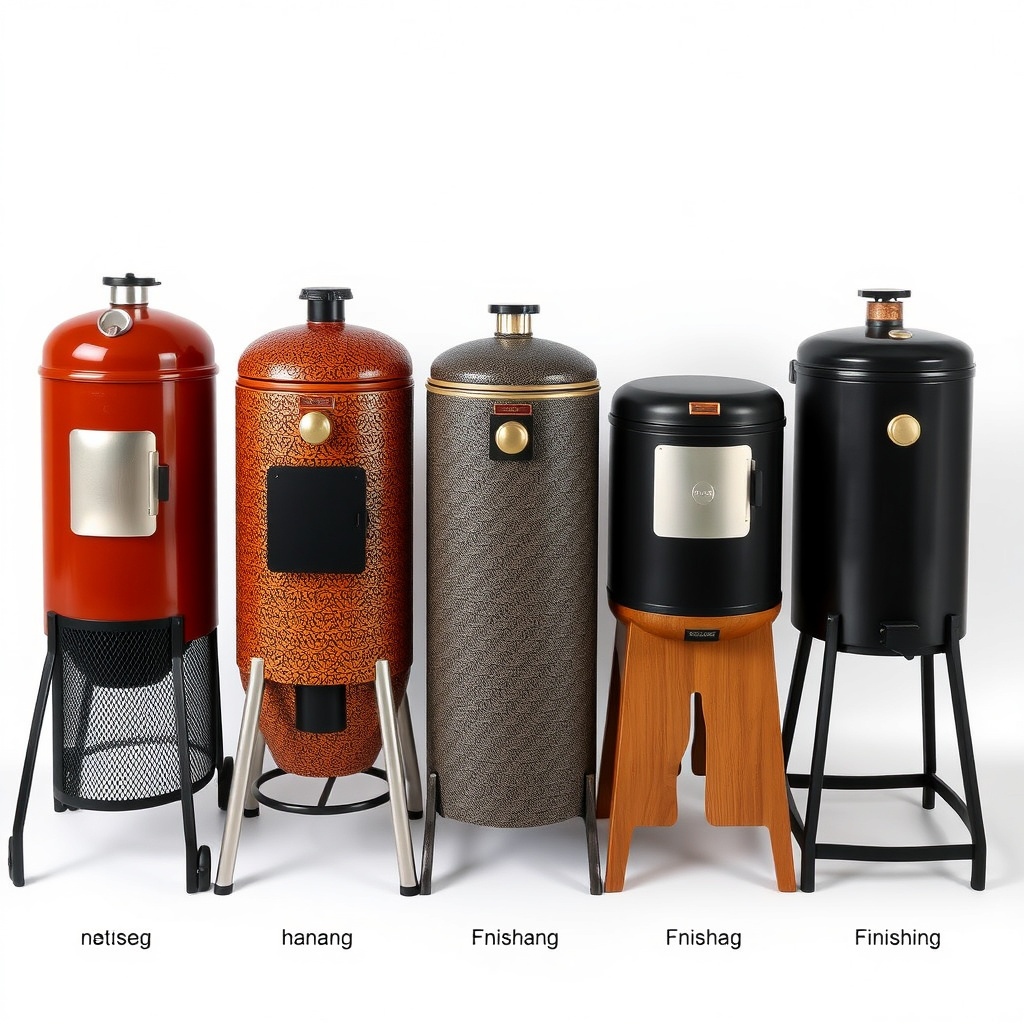
When selecting a vertical smoker, consider build quality, cooking surface area, insulation, and vent control precision. Look for models with sturdy construction and reliable seals to maintain temperature. Features like an integrated water pan, thermometer, and multiple adjustable racks improve convenience and versatility.
Size matters: smaller smokers suit casual cooks or limited space, while larger units handle bigger meals or frequent use. Portability and fuel options also influence which vertical smoker fits your lifestyle.
- Durable steel body with good insulation
- Adjustable air vents and chimneys
- Multiple cooking racks
- Integrated water pan and thermometer
For more on this, see our related guide: Understanding the Difference Between a Grill and a Smoker.
Popular Vertical Smoker Styles
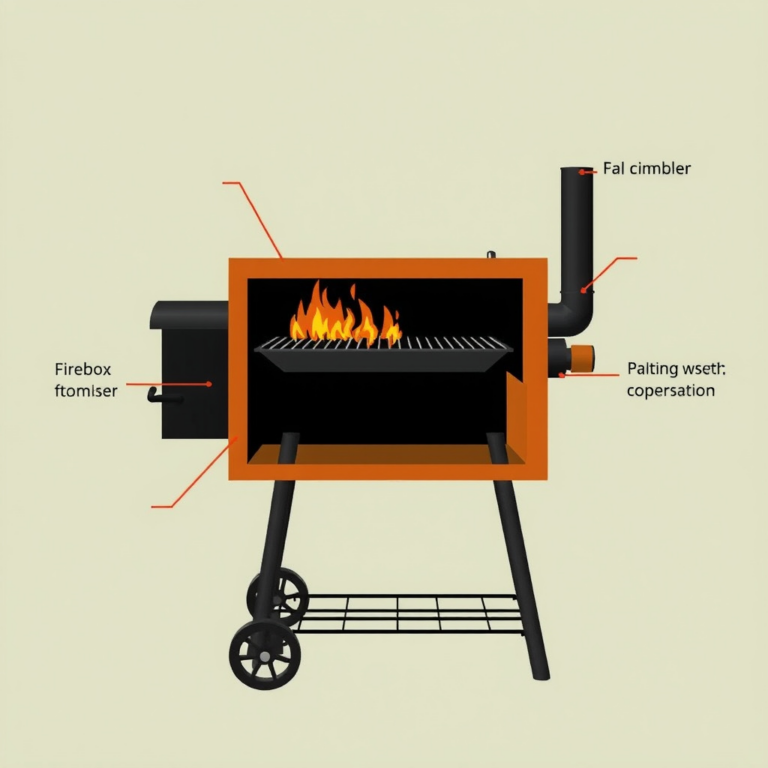
Bullet smokers are a common vertical smoker style featuring a tall, cylindrical shape with a firebox at the bottom and chimney on top. They are favored for efficient heat use and even smoke flow. Offset vertical smokers separate the firebox to one side for easier charcoal management. Electric vertical smokers appeal to beginners for ease of use but offer varied smoke quality.
Each style offers trade-offs in temperature range, fuel management, and portability, so match your preferred cooking method and budget carefully when shopping.
- Bullet-style upright cylinders
- Offset vertical smokers with side firebox
- Electric vertical smokers for simplicity
- Varying sizes and fuel compatibility
Maintaining and Cleaning Your Vertical Smoker
Routine Cleaning Steps
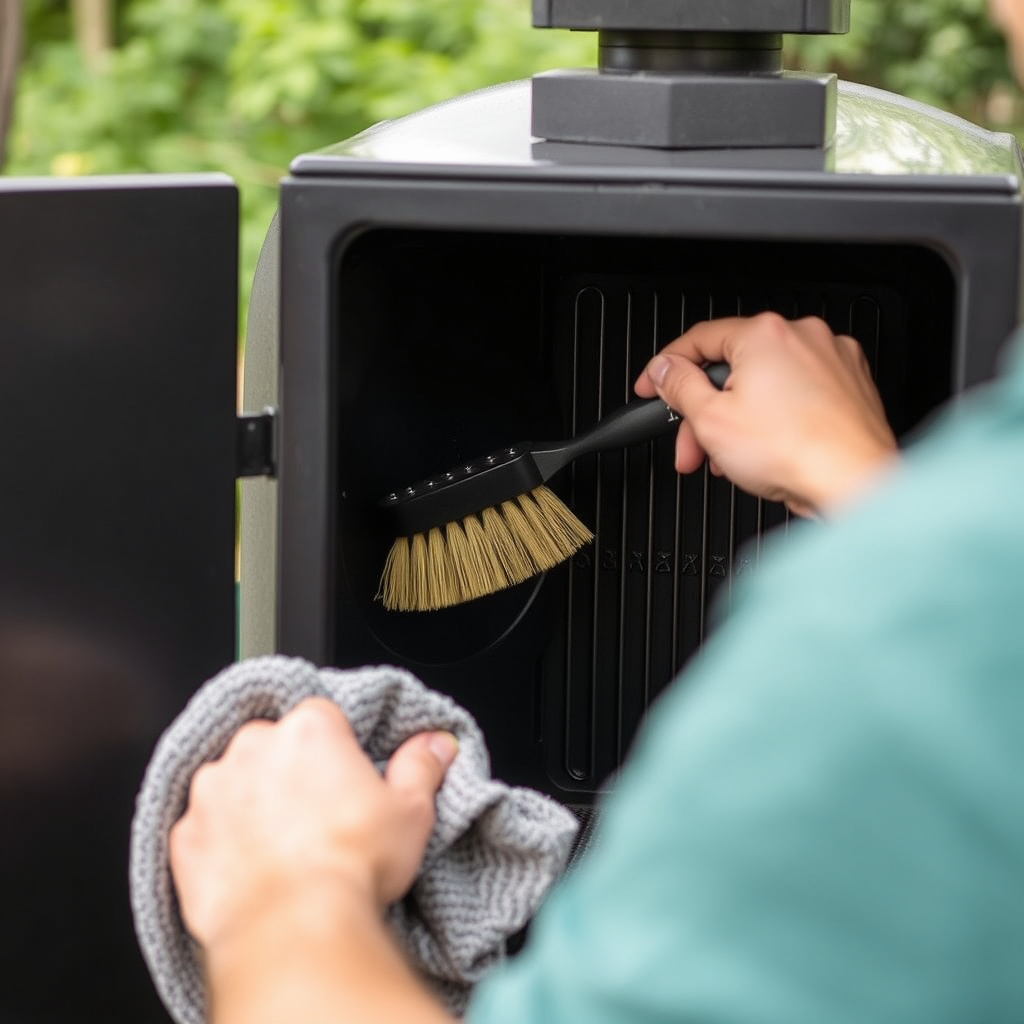
After each use, allow the smoker to cool then remove ash and grease to prevent rust and buildup that affect flavor. Clean cooking grates with a stiff brush and wipe down interior walls to remove soot. Empty the water pan and rinse it thoroughly.
Regular cleaning prolongs the smoker’s lifespan and reduces odors or off-flavors in future cooks.
- Remove ash and charcoal residue
- Scrub cooking racks after each use
- Wipe down interior surfaces
- Empty and clean the water pan
For more technical background on various smoker designs, you can refer to the vertical smoker Wikipedia page. Vertical smoker Wikipedia page.
Long-Term Maintenance Tips
Inspect door seals and vents for wear, replacing them if they allow heat leaks. Apply heat-resistant paint or coatings if exterior rust appears. Lubricate hinges or moving parts for smooth operation. Store the smoker covered or indoors during extended off-seasons to protect from weather.
Periodic maintenance keeps temperature control reliable and prevents issues that can interfere with smoking performance.
- Check and replace seals as needed
- Touch up rust spots with heat-resistant paint
- Lubricate hinges and latches
- Cover or store indoors off-season
Vertical Smoker Styles Category Comparison
Here's how popular types of vertical smokers stack up in key performance and usability features.
| Style | Fuel Type | Cooking Capacity | Ease of Use | Price Range |
|---|---|---|---|---|
| Bullet Smoker | Charcoal, Wood | Medium to Large | Moderate | $150-$400 |
| Offset Vertical Smoker | Charcoal, Wood | Large | Challenging | $300-$600 |
| Electric Vertical Smoker | Electric | Small to Medium | Easy | $200-$500 |
| Propane Vertical Smoker | Propane | Medium | Easy | $250-$450 |
| Kamado Vertical Style | Charcoal | Medium | Moderate | $400-$700 |
Frequently Asked Questions
How does a vertical smoker differ from a horizontal smoker?
A vertical smoker has a tall, upright design where heat and smoke rise vertically through stacked racks. A horizontal smoker has a side firebox or offset chamber with a horizontal cooking chamber. Vertical smokers use space efficiently and produce even smoke circulation.
Can I use propane in a typical vertical smoker?
Most traditional vertical smokers are designed for charcoal or wood. However, some models are built with propane burners for easier temperature control, but these tend to differ in design and flavor profile.
Is it necessary to add a water pan in a vertical smoker?
A water pan adds moisture to the cooking chamber, helping regulate temperature and keeping meat juicy during long smokes. While not mandatory, it’s highly recommended for better results, especially with lean cuts.
How often should I clean my vertical smoker?
Basic cleaning after each use, including ash removal and scrubbing racks, helps maintain performance. More thorough maintenance like sealing checks and exterior care is advised seasonally or after extended use.
What’s the ideal temperature range for smoking meat in a vertical smoker?
Most smoking is done between 225°F and 275°F. This low-and-slow range tenderizes meat while maximizing smoke absorption and flavor development.
Key Takeaways
- Vertical smokers cook by indirect heat with smoke rising vertically through the chamber.
- Charcoal and wood fuel are traditional, while electric and propane models offer easier control.
- Managing airflow through vents is essential for consistent temperature.
- Choose smoker size and features based on space, capacity, and cooking style.
Conclusion
Understanding what a vertical smoker is and how it operates can help you make a confident choice for your backyard cooking. The design's upright cooking chamber and indirect heat provide efficient smoke distribution and tender results. It’s critical to consider your available space, fuel preferences, and control needs for selecting the right model. Paying attention to construction quality and vent design will yield consistent, flavorful smoking outcomes.
For beginners or casual backyard chefs, an electric vertical smoker offers straightforward temperature control and a compact footprint ideal for small patios. More experienced cooks who enjoy the ritual of managing charcoal and wood flavors often prefer bullet-style vertical smokers. Offset vertical smokers are best for those wanting larger capacity and a traditional wood-fire experience. Knowing these categories simplifies your purchase, maximizing satisfaction with your BBQ setup.
The next step is to evaluate your cooking goals, measure your space carefully, and explore tested vertical smoker models that fit your budget. Visit stores or reputable online retailers, check customer reviews focusing on airflow control and durability, and imagine the smoky meals you’ll create. Starting with a well-chosen beginner-friendly model can build your skill and confidence in smoking delicious meats with rich, complex flavors.