An offset smoker is a type of barbecue cooker where the firebox is attached to the side of the cooking chamber rather than underneath it. This design allows smoke and heat from the firebox to flow horizontally through the cooking chamber before exiting through a chimney. Offset smokers are prized for their ability to impart authentic smoky flavor and allow for indirect cooking at low temperatures.
This setup is preferred by pitmasters who enjoy traditional smoking methods because it combines both flavor control and cooking versatility. Unlike vertical or electric smokers, the offset design requires manual fire management, giving the cook more influence over heat and smoke production. It’s especially popular for smoking large cuts of meat over extended periods.
In this article, we will explore how offset smokers work, their advantages and disadvantages, the different types available, and what to look for when choosing one. We will also compare offset smokers against other barbecue smoker styles to help you decide if it fits your cooking style and needs.
Offset Smoker Design and Functionality
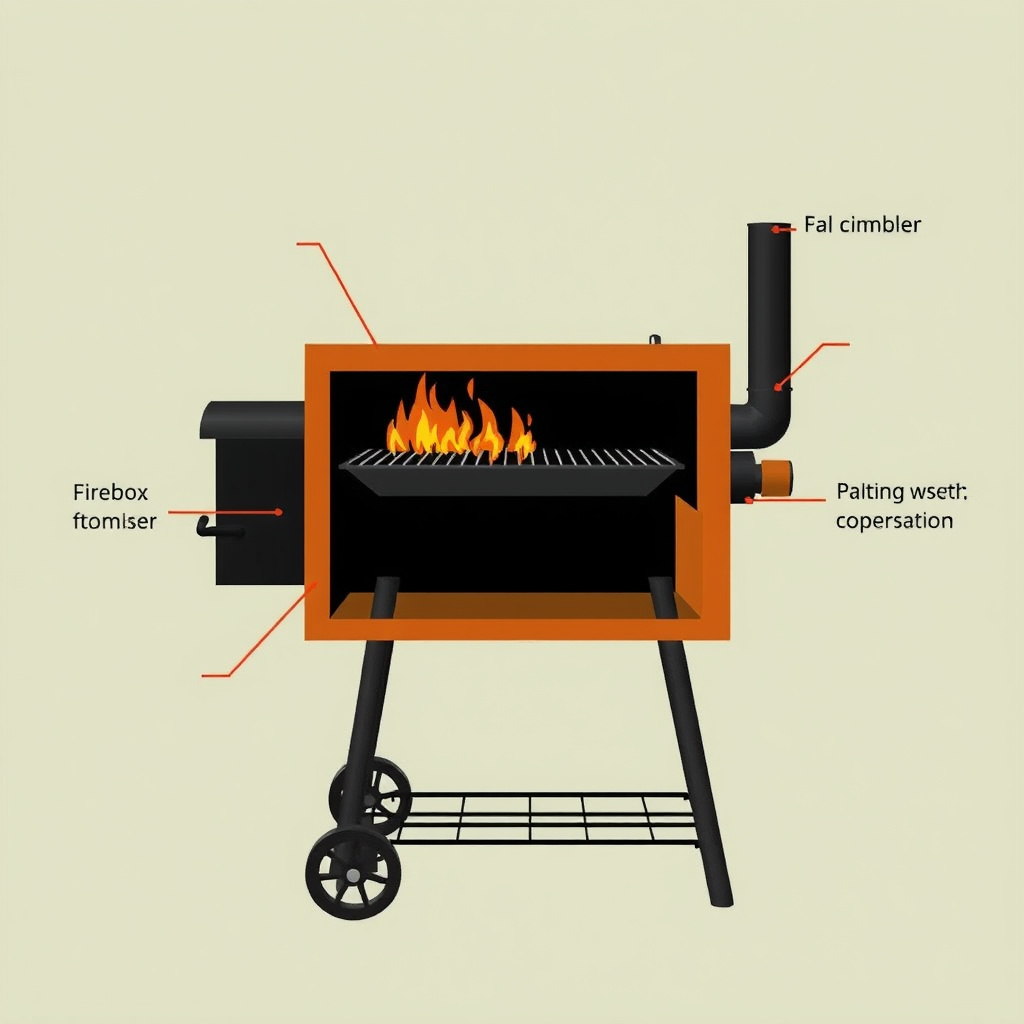
How an Offset Smoker Works
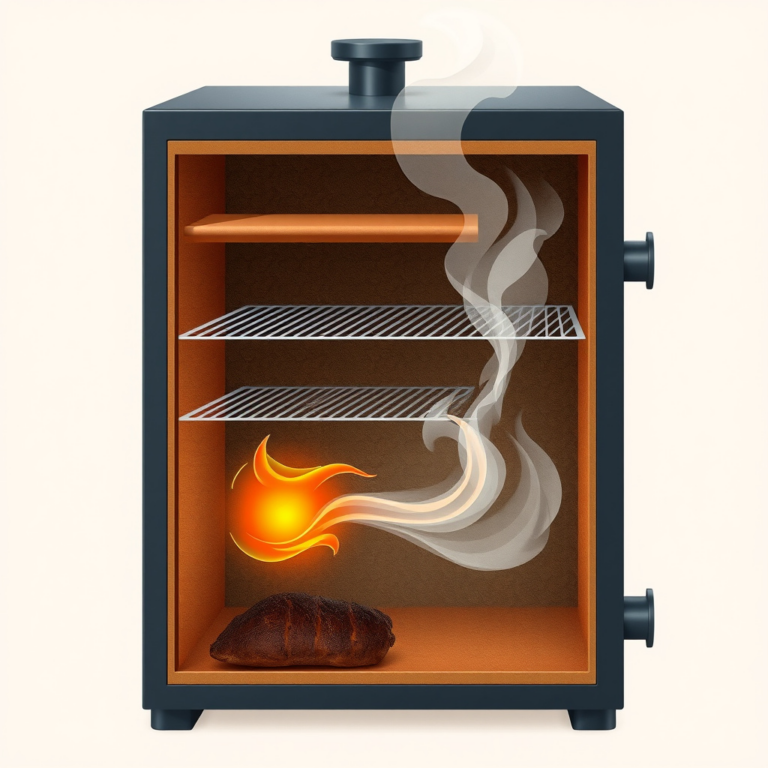
The core of an offset smoker is its side firebox where wood or charcoal burns. Heat and smoke travel from this firebox into the larger cooking chamber horizontally, exposing the food to indirect heat and smoke before exiting through the chimney. This indirect cooking helps maintain low and steady temperatures essential for smoking.
The smoker’s chimney placement creates a draft that pulls smoke through the chamber, circulating flavor evenly around the food. Vent controls on the firebox and chimney allow adjustment of airflow, impacting both temperature and smoke density.
Key Components of an Offset Smoker
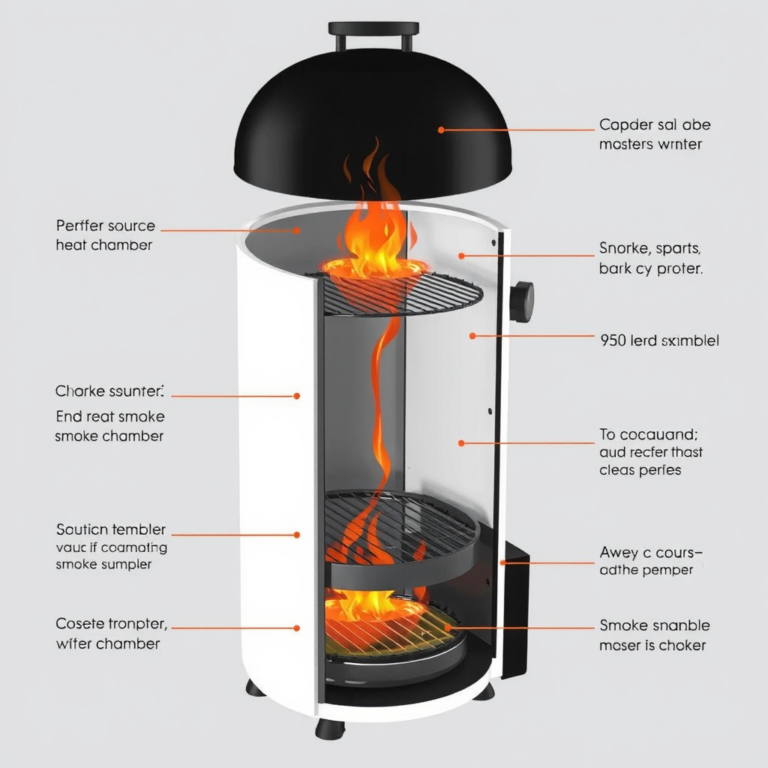
Aside from the firebox and cooking chamber, offset smokers include dampers and vents for airflow regulation, grates for placing food, and sometimes water pans to add moisture during cooking. These components work together to balance heat, smoke, and humidity.
The build material, often heavy-gauge steel, affects heat retention and durability. Some models have additional accessories such as shelves, thermometers, and wheels for portability.
- Side firebox for fuel and heat source
- Main cooking chamber with grates
- Chimney with adjustable damper
- Air intake vents
- Water pan (optional)
Benefits of Using an Offset Smoker
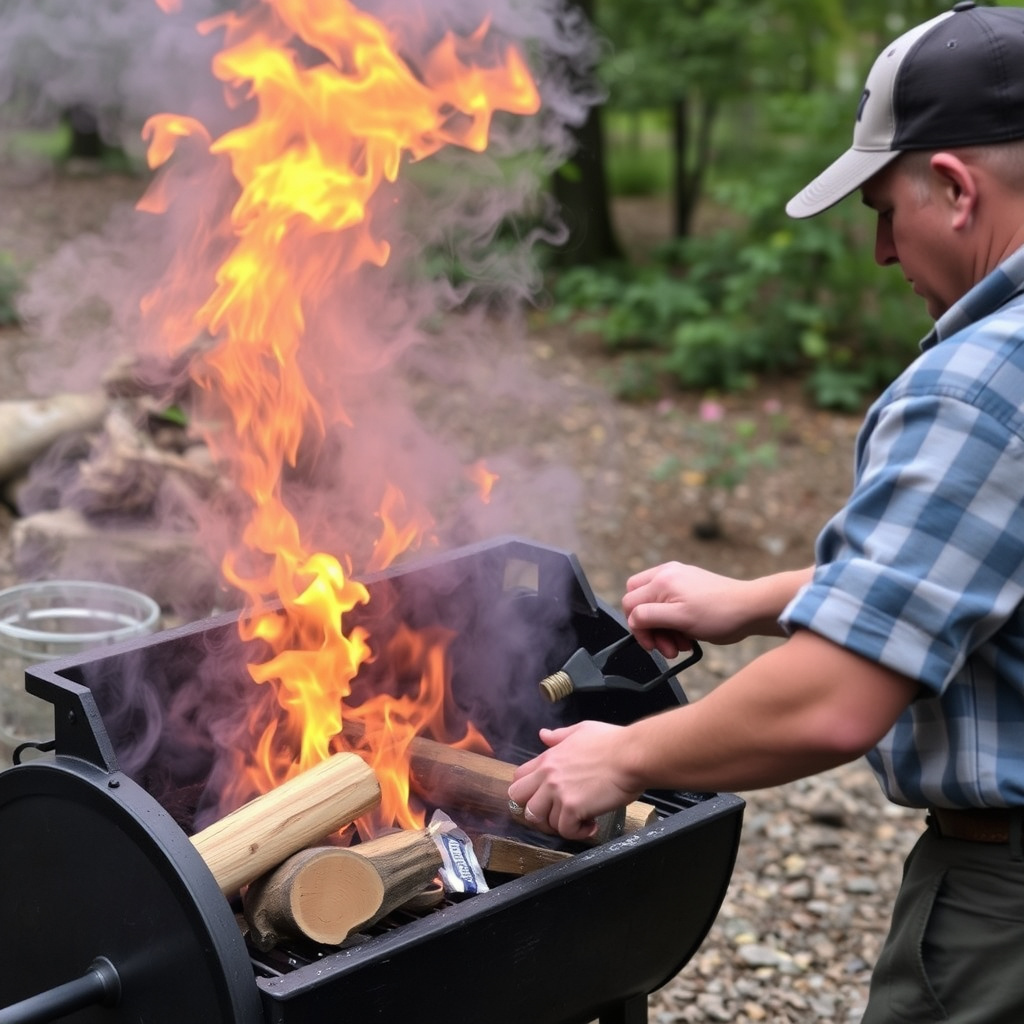
Authentic Smoke Flavor and Cooking Control
One of the biggest draws of an offset smoker is the authentic smoky flavor it imparts. Because the smoke flows directly from burning wood into the cooking chamber, meats absorb complex smoke compounds naturally.
The ability to manually control the fire and airflow lets cooks fine-tune temperature and smoke levels for different recipes, making this an ideal choice for those who enjoy hands-on BBQ techniques.
Versatility and Capacity
Offset smokers often provide large cooking surfaces, perfect for smoking multiple racks or large cuts at once. This makes them popular for gatherings and events.
They allow for various cooking methods beyond smoking, including grilling and indirect roasting, adding to their versatility.
Challenges and Maintenance of Offset Smokers

Learning Curve and Fire Management
Offset smokers require regular attention and fire management skills that beginners may find challenging. Maintaining steady temperature and smoke levels means frequently adjusting fuel and airflow.
Mastering the temperature ranges and fueling techniques is key, which involves monitoring vents and adding wood or charcoal periodically during a long smoke.
For more on this, see our related guide: The Difference Between a Pellet Grill and a Smoker: Which One Suits Your BBQ Style?.
Cleaning and Longevity
Because offset smokers rely on wood and charcoal, creosote and soot buildup inside require regular cleaning to prevent blockages and maintain flavor quality.
Additionally, exposure to heat and weather means rust can occur, so good maintenance including seasoning the metal and covering the unit when not in use extends the smoker's lifespan.
- Regular ash removal
- Interior cleaning of soot
- Inspecting and sealing rust-prone areas
Types of Offset Smokers
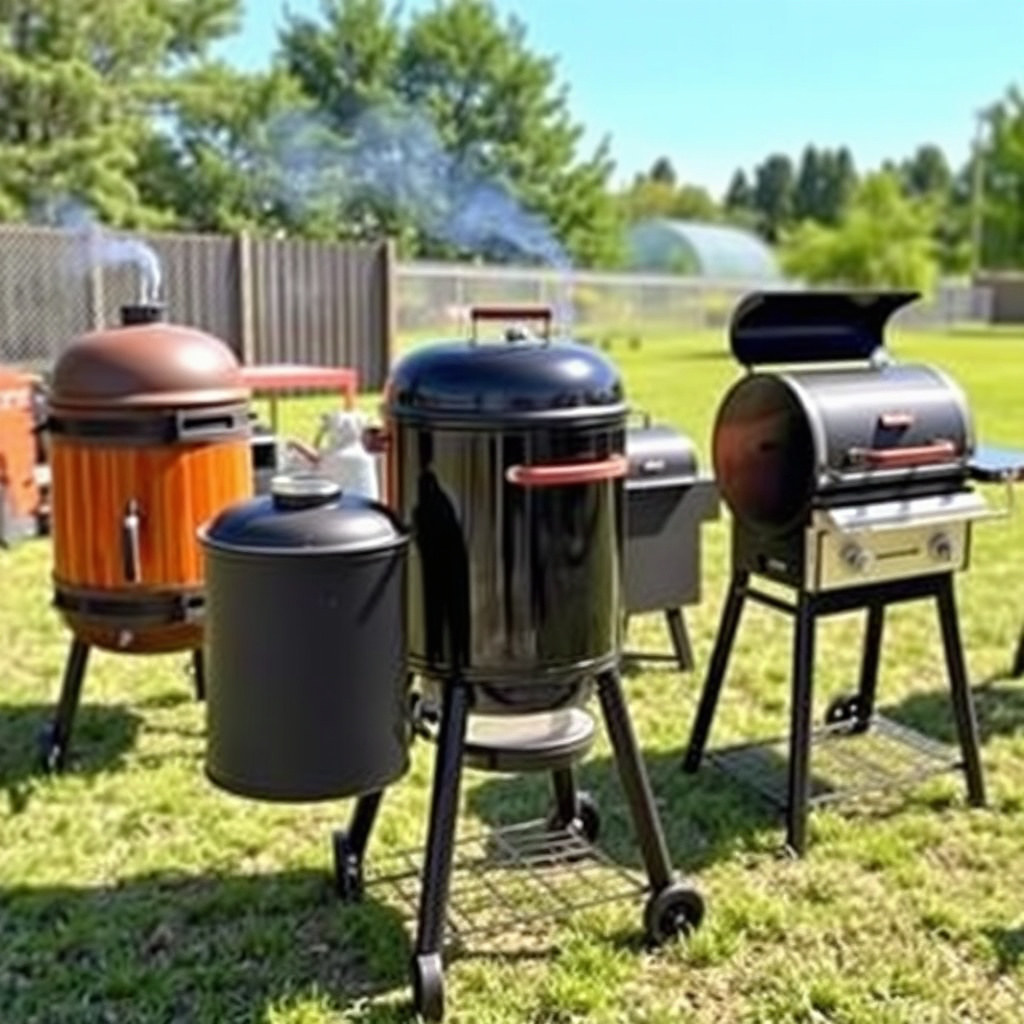
Barrel Offset Smokers
Barrel offset smokers feature a horizontal cooking chamber that resembles a section of a barrel attached to a firebox. This traditional profile is common among backyard BBQ enthusiasts for its even heat distribution and moderate capacity.
Their relatively simple design makes them approachable for new users, while still offering the signature flavor of an offset smoker.
Commercial and Custom Offset Smokers
Commercial-grade offset smokers often have larger capacities and heavier steel construction to withstand frequent use. Some custom models include advanced features like multiple fireboxes or built-in thermometers and racks for precise cooking.
These smokers are chosen by BBQ restaurants and serious pitmasters looking for durability and large output.
Comparing Offset Smokers to Other Smoker Types
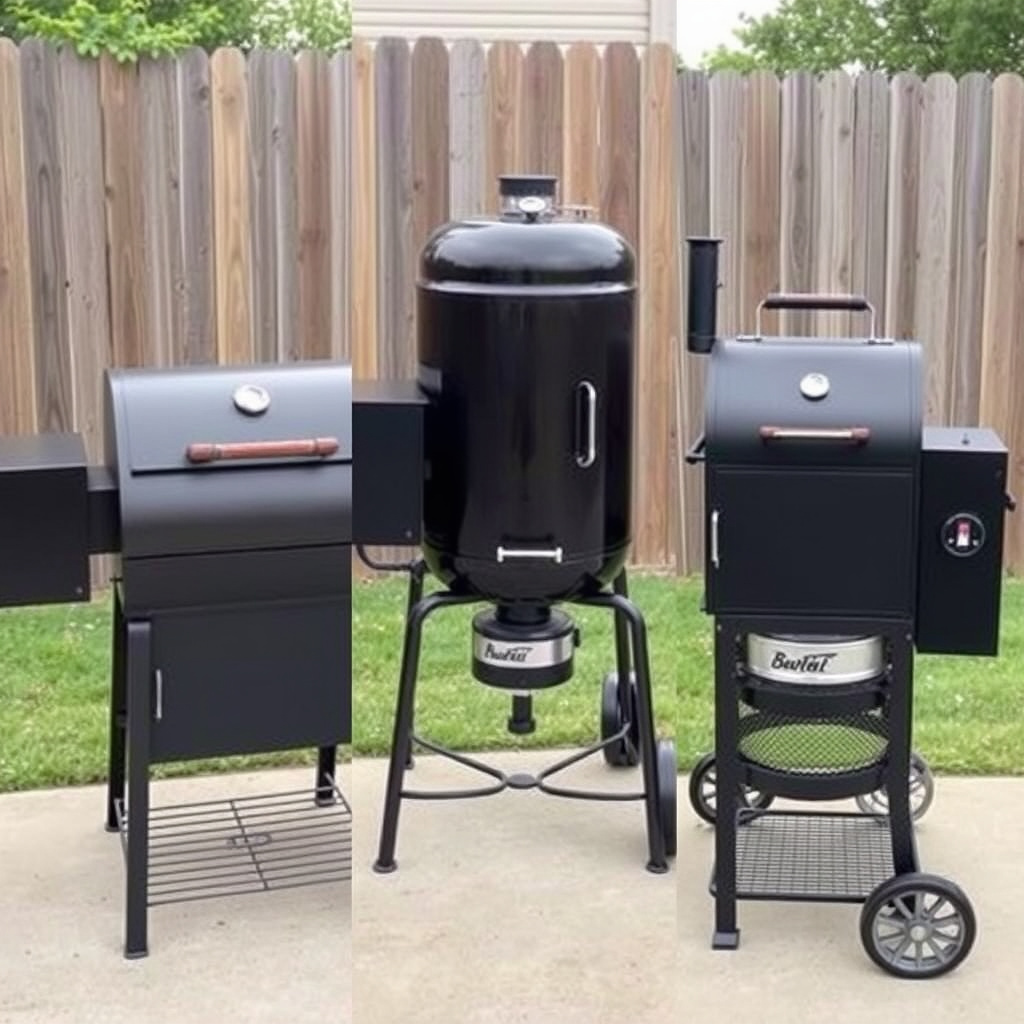
Offset vs Traditional BBQ Smoker
Traditional BBQ smokers include various designs, but offset smokers stand out due to their horizontal heat flow and separate firebox. This separation provides more control over smoke and temperature than some vertical smokers where fuel sits beneath food.
However, traditional smokers like bullet or vertical smokers can be easier to maintain with minimal fire tending, trading off some flavor complexity.
For more on this, see our related guide: Understanding the Difference Between a Grill and a Smoker.
Offset Smokers vs Pellet and Electric Smokers
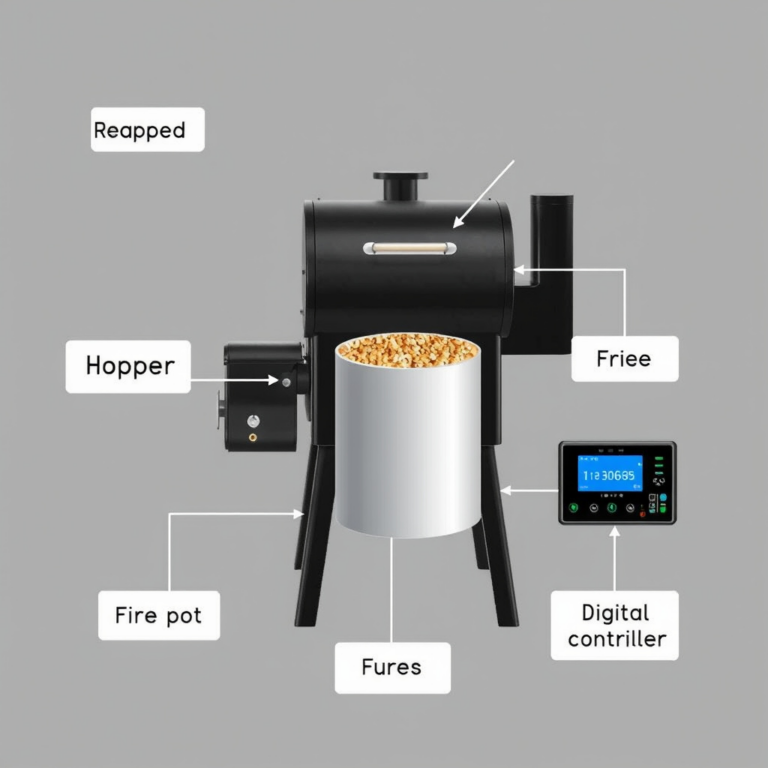
Unlike pellet or electric smokers that use automated fuel feeding and controls, offset smokers demand direct management of wood or charcoal. This manual control contributes to an authentic flavor but can require more time and attention.
Pellet and electric smokers offer convenience and consistency but often lack the deep smoky flavor profile that offset smokers achieve through burning real wood.
Choosing the Right Offset Smoker for You
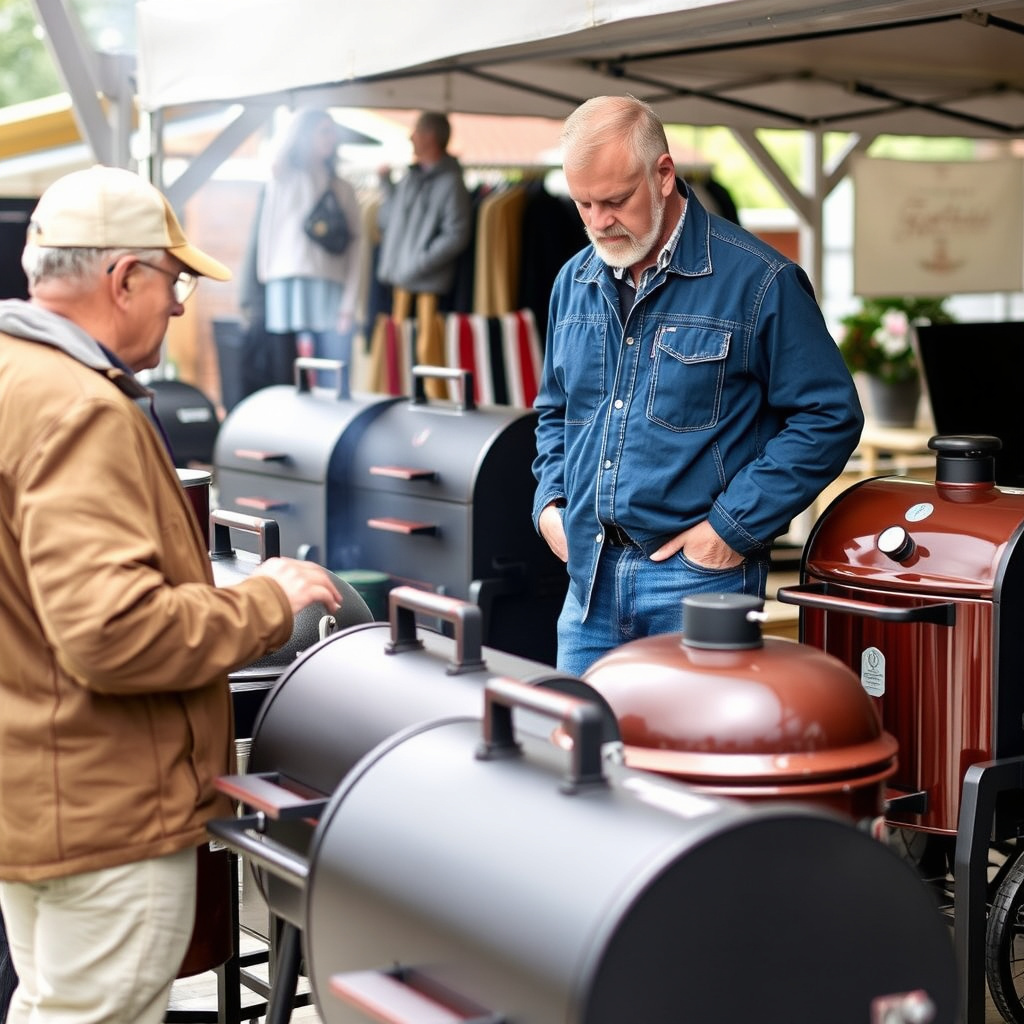
Factors to Consider
Size and capacity are crucial: consider how much food you typically smoke and where you plan to cook. Larger smokers demand more fuel and space but offer greater flexibility for hosting or commercial use.
Material thickness affects heat retention and durability; thicker steel typically performs better for extended cooks but weighs more.
- Cooking area size
- Build material and thickness
- Portability features
- Budget
For a general overview and historical context, you can refer to Wikipedia’s offset smoker description. Wikipedia’s offset smoker description.
Accessoires and Enhancements
Look for features like built-in thermometers, adjustable vents, and additional shelves or storage. Water pans help regulate humidity, which can improve the texture of smoked meats.
Some users invest in custom modifications, like smoke diffusers or dual fireboxes, to optimize performance once they’re experienced with the basics.
Offset Smoker Types Category Comparison
Here's a comparison of common offset smoker types to help you decide which suits your needs best.
| Type | Capacity (sq ft) | Material | Ease of Use | Price Range |
|---|---|---|---|---|
| Barrel Offset | 200-300 | Steel 1/4 inch | Moderate | $300 – $700 |
| Commercial/Custom | 400-700+ | Heavy Gauge Steel | Challenging | $1500 – $5000 |
| Vertical Offset | 150-250 | Steel 3/16 inch | Easier | $400 – $900 |
| Portable Offset | 100-150 | Steel 1/8 inch | Easiest | $250 – $500 |
Frequently Asked Questions
Can I use charcoal instead of wood in an offset smoker?
Yes, charcoal can be used in an offset smoker and often serves as a reliable heat source. Many pitmasters mix lump charcoal with wood chunks or chips to maintain steady heat while adding smoky flavor.
How do I control the temperature in an offset smoker?
Temperature is controlled by adjusting the fire size inside the firebox and regulating airflow via vents and the chimney damper. Opening vents increases oxygen flow and temperature, while closing them lowers heat.
Are offset smokers suitable for beginners?
While offset smokers offer excellent flavor, they require more skill to operate due to manual fire management. Beginners can use them but should expect a learning curve to maintain consistent temperatures.
What kind of wood is best for offset smokers?
Hardwoods like oak, hickory, mesquite, and fruitwoods such as apple or cherry are popular choices. They burn steadily and impart rich, desirable smoke flavors without overpowering the food.
Do I need a water pan in my offset smoker?
A water pan helps regulate moisture inside the cooking chamber, preventing meat from drying out and stabilizing temperature. It’s highly recommended for long smokes in offset smokers.
Key Takeaways
- Offset smokers use a side firebox for indirect heat and smoke flow.
- They offer rich, authentic smoky flavor through manual fire management.
- These smokers require attention and skill to maintain steady temperatures.
- Types vary from small barrel models to large commercial-grade units.
Conclusion
Deciding whether an offset smoker fits your barbecue routine comes down to your appetite for hands-on fire management and authentic smoky flavor. If you enjoy tending a wood fire and prefer indirect cooking with the potential for deep smoke infusion, the offset smoker's design delivers excellent results through its side firebox and horizontal smoke flow. Patience and practice will help you master temperature control and airflow adjustments, which are essential to get the best from this classic smoker type. The balance of durability, smoking capacity, and flavor make offset smokers a favorite among purists who prize tradition in barbecue.
For those new to smoking, starting with a barrel offset smoker may provide an accessible introduction. Its manageable size and straightforward design can help develop the skills of fire tending and smoke control. Experienced pitmasters or commercial users might prefer a heavy-gauge steel commercial or custom offset smoker for greater capacity and ruggedness. These units support longer cooks and larger batches without sacrificing the signature smoky profile. Comparing these models to vertical, pellet, or electric smokers reveals how offset smokers excel in flavor depth but require more active involvement.
Ultimately, if you prioritize flavor complexity and traditional barbecue methods over convenience, an offset smoker is a rewarding investment. Start by choosing a model suited to your space and cooking volume, look for solid build materials, and prepare to spend time learning to manage your fire effectively. With this commitment, you’ll be well on your way to creating richly smoked meats and developing a satisfying outdoor cooking ritual.