An electric smoker is a device that uses electricity to generate consistent heat and smoke for cooking and flavoring meats, fish, and other foods. It heats wood chips or pellets to produce smoke without the need for charcoal or gas, allowing users to smoke foods at controlled temperatures easily.
Electric smokers are popular among home cooks because they offer a hands-off smoking experience, maintaining stable temperatures ideal for slow-cooked barbecue and smoked dishes. Unlike traditional smokers that require constant monitoring and fuel management, electric smokers streamline the process with simple controls and reliable heat sources.
This article will explain electric smoker types, their main components, how to use one effectively, notable pros and cons, tips for getting the best flavor, and comparisons to other smoking methods. Understanding these factors will help you decide if an electric smoker suits your cooking style and needs.
How Electric Smokers Work
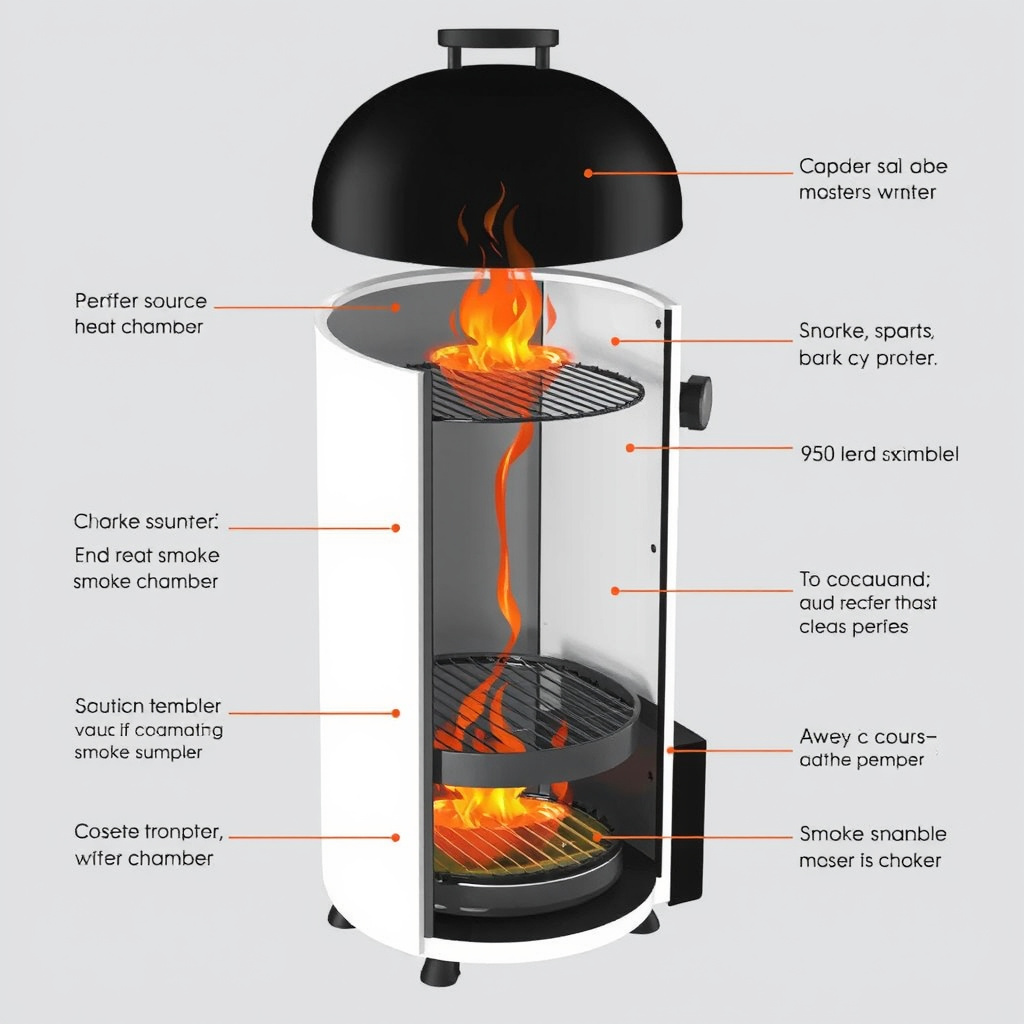
Core Components of an Electric Smoker
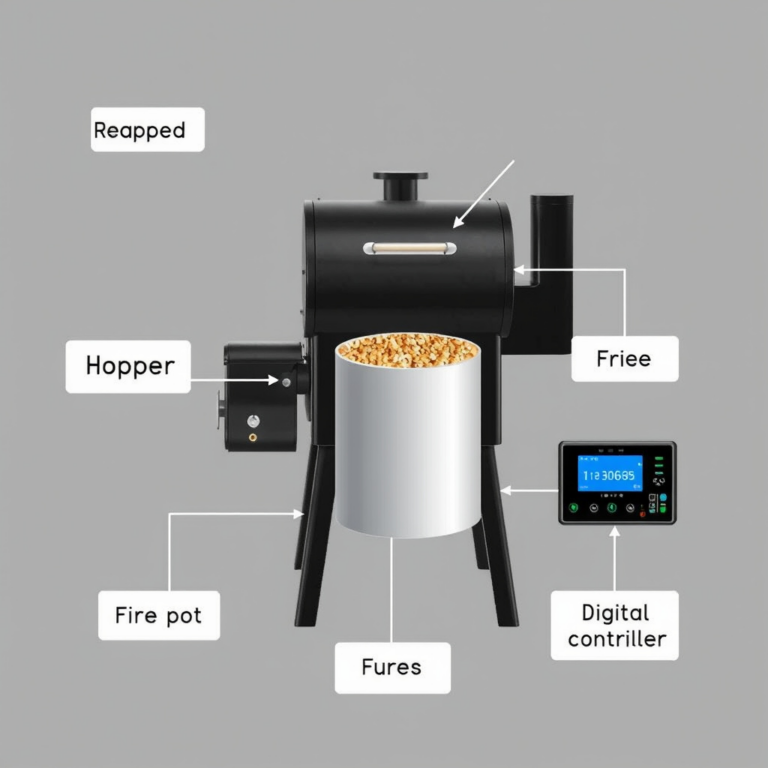
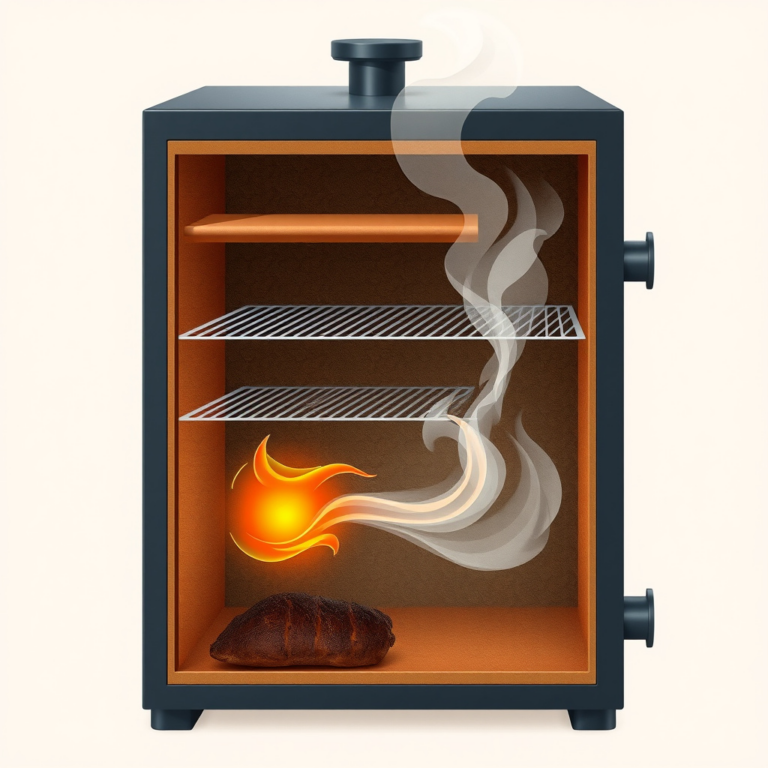
Electric smokers consist of a heating element that warms wood chips placed on or near it to create smoke, a cooking chamber to hold the food, and temperature controls allowing users to set precise heat levels. Some models include water pans to add moisture during smoking.
The heating element is powered by electricity, which eliminates the need for charcoal or propane fuel. By generating steady heat, electric smokers ensure a consistent smoking environment for several hours, making them convenient for long smoking sessions.
Generating Smoke with Wood Chips
Wood chips, usually made from hardwoods like hickory, mesquite, apple, or cherry, are placed inside a tray that sits directly above or beside the heating element. When heated, these chips smolder and release flavorful smoke, which infuses the food inside the chamber.
The size and type of wood chips influence the intensity and flavor profile of the smoke. Electric smokers allow for controlled smoldering, minimizing flare-ups and making managing smoke straightforward compared to traditional methods.
Types of Electric Smokers
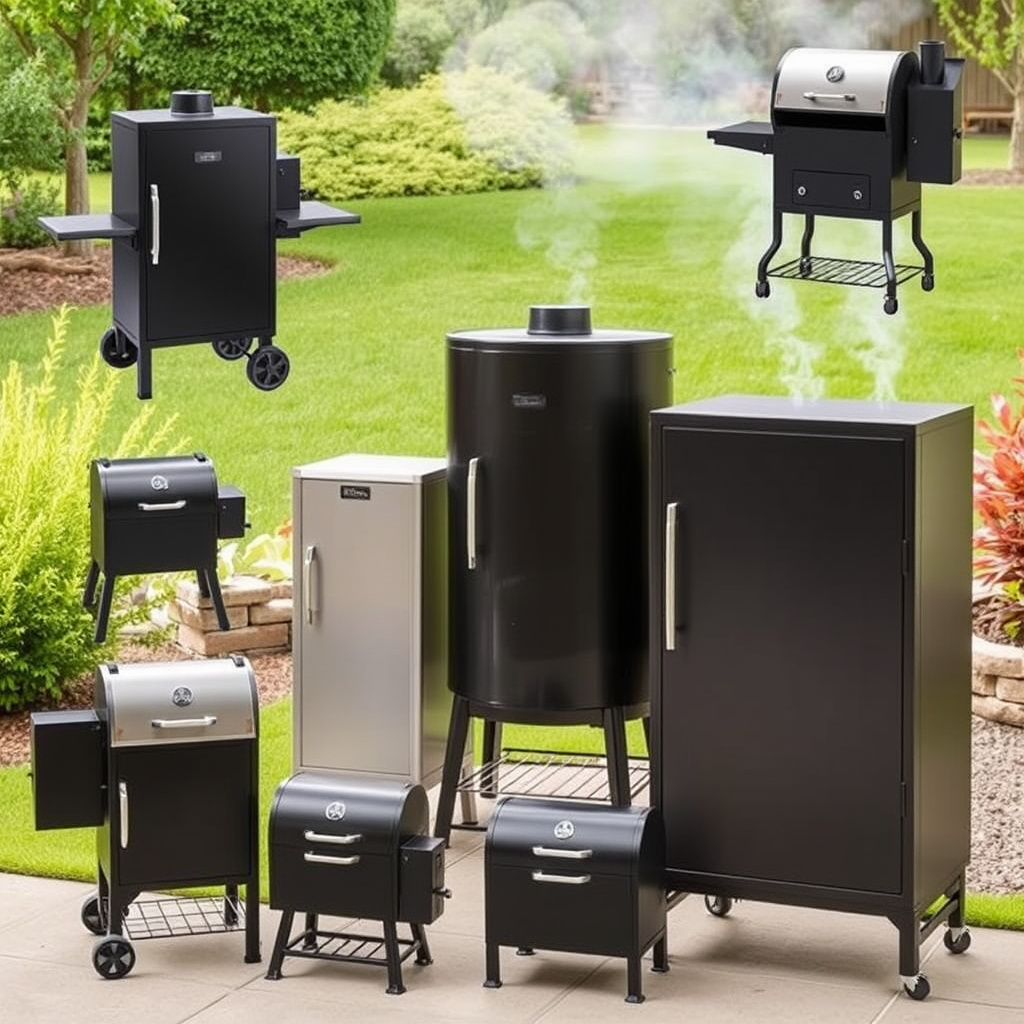
Compact and Portable Electric Smokers
Compact electric smokers are small units designed for portability and smaller cooking volumes. They are ideal for apartment balconies or occasional smoker use and often feature simple one or two-tier cooking racks.
These smokers typically operate on lower wattages and have fewer control options but provide good functionality for beginners or cooks with limited space.
- Lightweight and easy to move
- Limited cooking capacity
- Simplified controls
Cabinet Style Electric Smokers
Cabinet style electric smokers are larger and designed for backyard use. They have multiple racks to smoke larger quantities of food and advanced temperature and smoke control features.
These smokers are usually insulated to improve heat retention and may include features like digital temperature displays and automatic smoke controls to optimize cooking convenience.
- Higher cooking capacity
- More temperature control precision
- Better insulation for heat consistency
Advantages and Limitations of Electric Smokers
Benefits of Using an Electric Smoker
Electric smokers offer ease of use with precise temperature control, which prevents common smoker issues such as temperature spikes or fuel shortages. This reliability is appreciated by novice and experienced smokers alike.
They produce clean smoke with little odor outside the smoker, and require minimal monitoring, freeing users for other meal prep tasks. Additionally, they tend to be more compact and usable in settings where open flames are not allowed.
- Simple to operate
- Consistent temperature control
- Less mess and smoke odor
- Safe indoor/outdoor use
For more on this, see our related guide: The Difference Between a Pellet Grill and a Smoker: Which One Suits Your BBQ Style?.
Limitations and Drawbacks
Electric smokers lack the intense heat and smoke variety possible with charcoal or wood-fired smokers, which some barbecue enthusiasts believe affects flavor depth. They also depend on electrical power, limiting use in areas without outlets.
Additionally, the smoke produced is milder and the smoking times may be longer compared to traditional fuels, which might be less appealing for those seeking very smoky or fast smoked dishes.
- Less smoky flavor intensity
- Requires electrical outlet
- Longer smoking times
How to Use an Electric Smoker Effectively
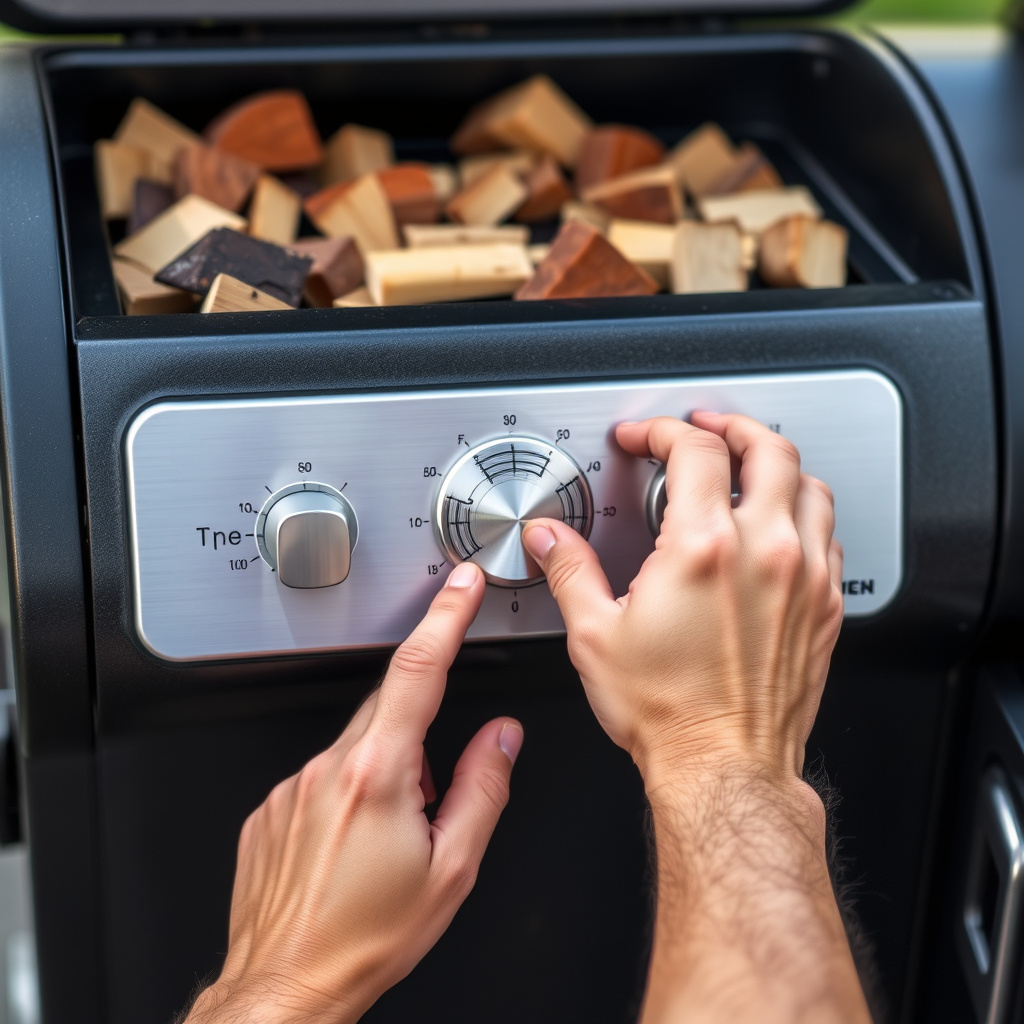
Preparing Your Smoker and Food
Start by placing your preferred wood chips in the designated tray and adding water to the built-in pan if your model includes one to maintain moisture. Preheat the smoker to the target temperature before placing food inside to ensure consistent cooking conditions.
Season or marinate your food beforehand to complement the smoke flavors, and arrange the items evenly on the racks to promote air circulation and even smoking.
Maintaining Temperature and Smoke
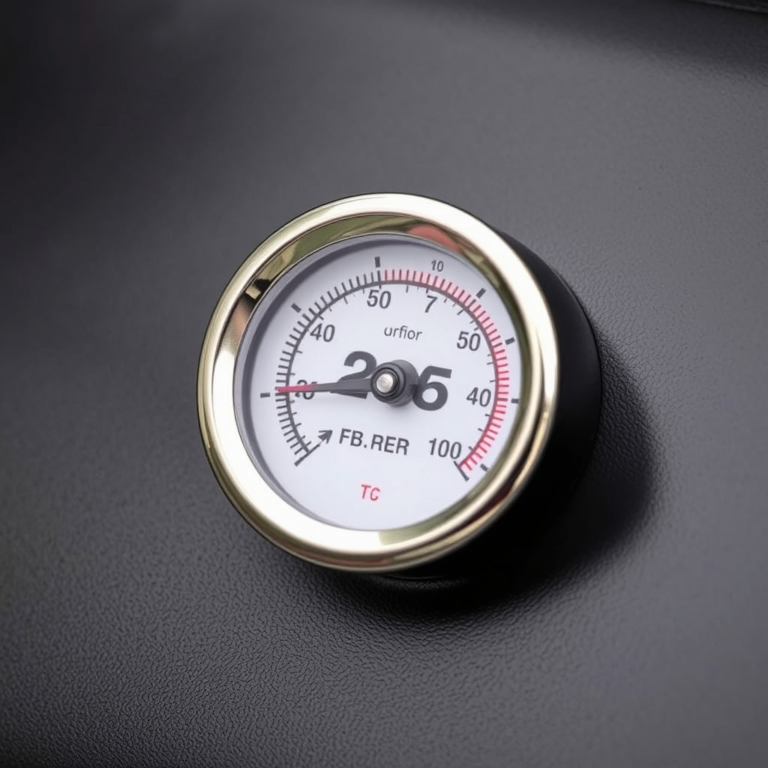
Use the built-in thermostat or digital controls to maintain steady temperature levels throughout your cooking session. Check periodically to add wood chips as they are consumed to maintain a continuous smoke flow without over-smoking the food.
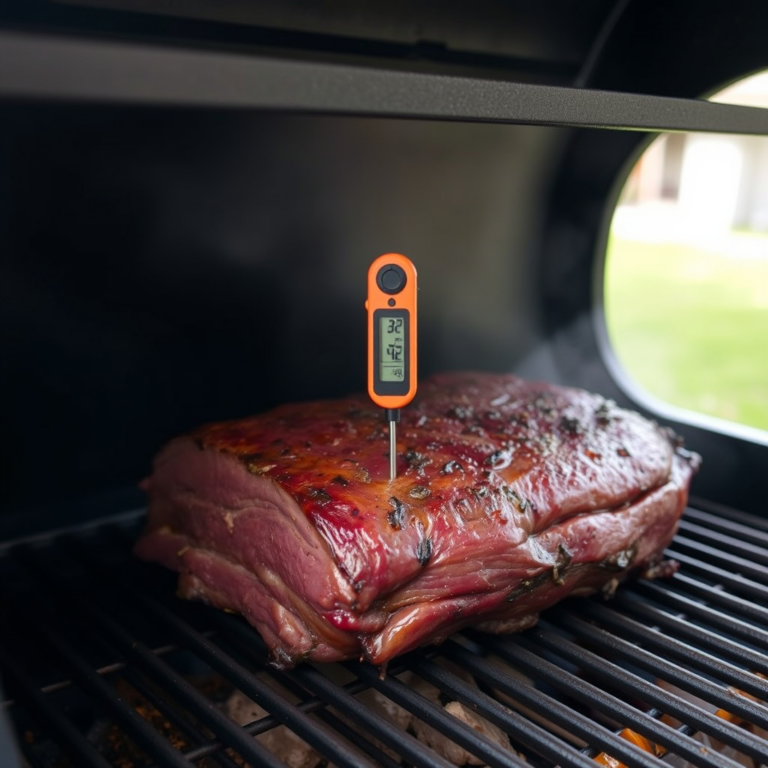
Avoid opening the smoker frequently, as this causes heat loss and lengthens cooking times. Use a meat thermometer to monitor doneness without disturbing the smoker environment.
Electric Smoker vs. Other Smoking Methods
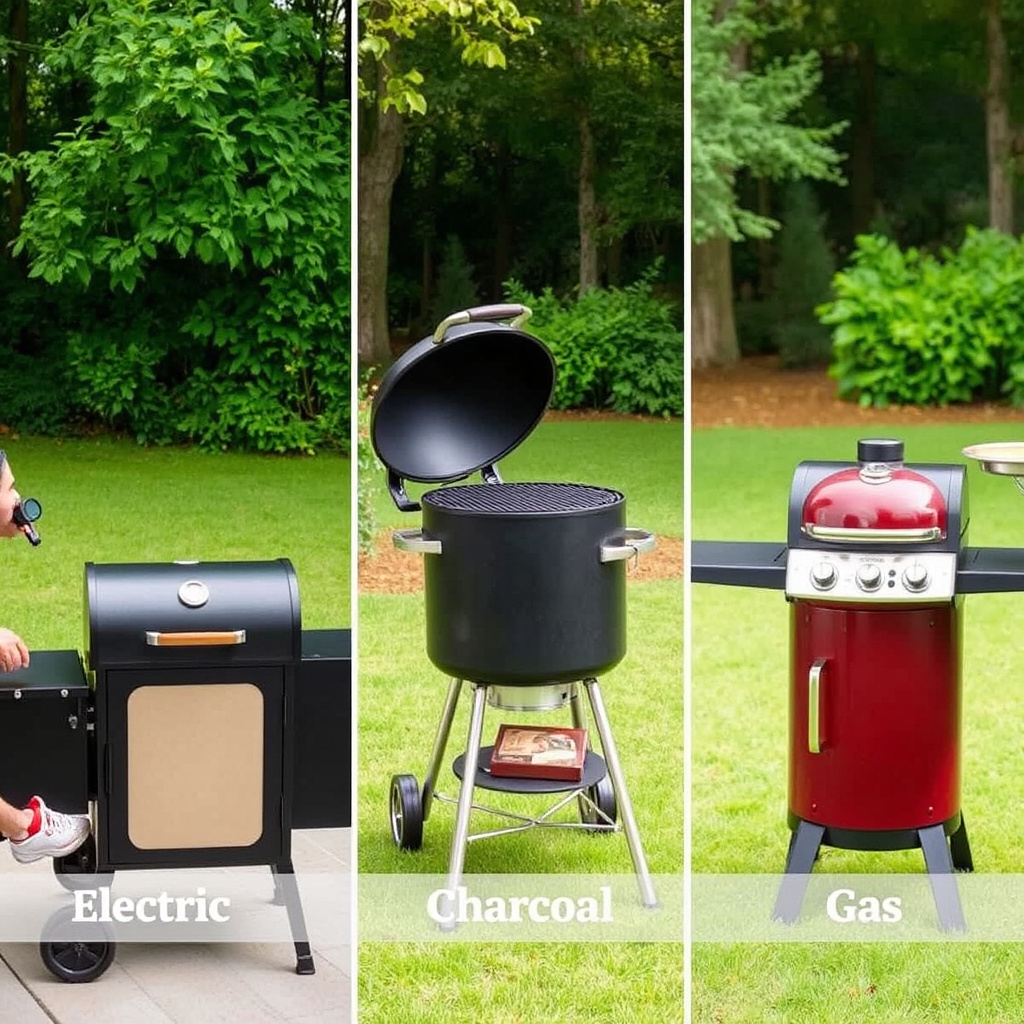
Electric vs. Charcoal Smokers
Charcoal smokers use burning charcoal and wood chunks to generate high heat and rich smoke, delivering traditional smoky flavor complexity. However, they require constant attention to control temperature and fuel.
Electric smokers offer more consistent temperature control and ease of use but tend to produce lighter smoke flavor and rely on electricity, which charcoal does not require.
- Charcoal provides richer smoke flavor
- Electric offers more precise temperature control
- Electric is easier for beginners
For more on this, see our related guide: Understanding the Difference Between a Grill and a Smoker.
Electric vs. Gas Smokers
Gas smokers use propane to generate heat and often combine wood chips for smoke. They heat up quickly and maintain steady temperatures but require propane tanks and careful fuel management.
Electric smokers are cleaner with simpler operation, no fuel refilling, and safe for indoor use, though they may not provide as intense smoke compared to gas-fired models.
- Gas heats faster than electric
- Electric has simpler fuel setup
- Gas offers stronger smoke intensity
Choosing the Right Electric Smoker for Your Needs
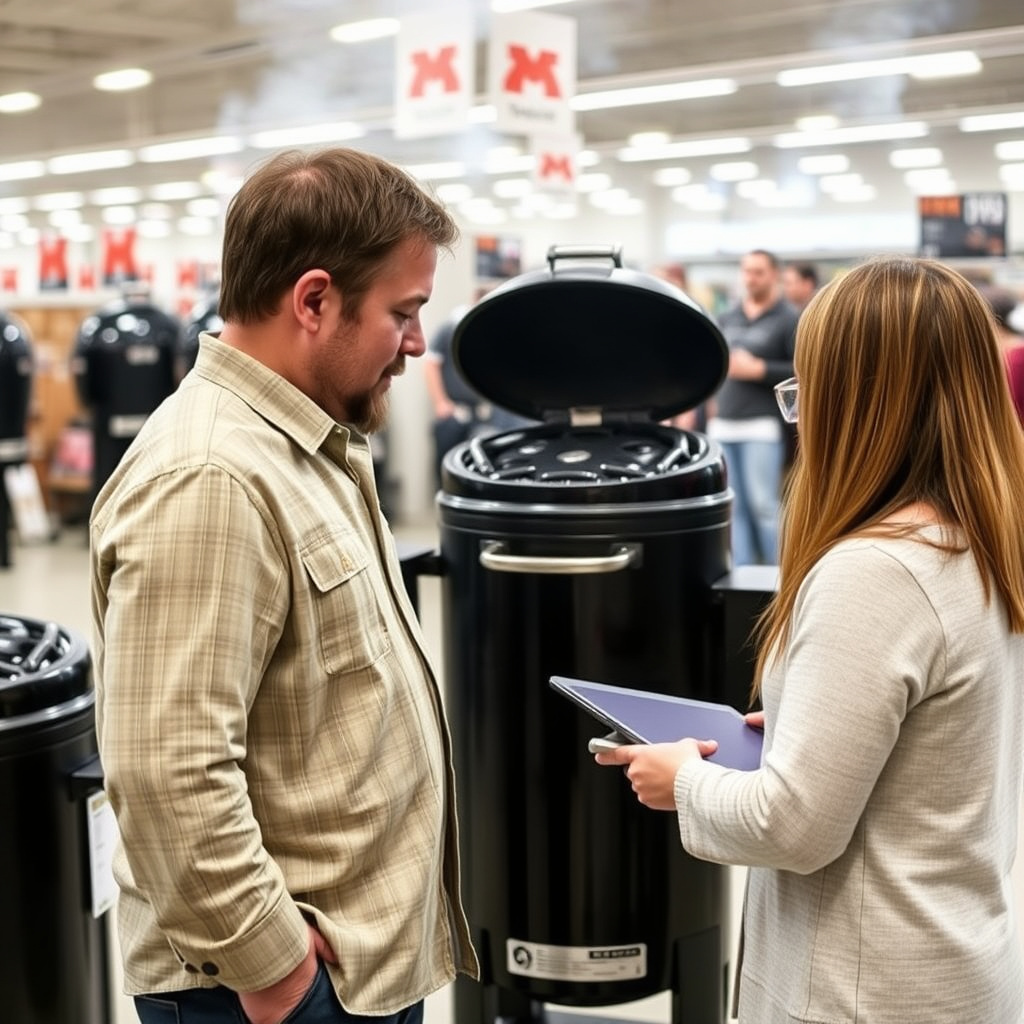
Consider Cooking Capacity and Space
Think about how much food you plan to smoke regularly. Smaller, compact smokers fit apartments or small patios but limit quantity, while larger cabinet smokers accommodate big batches for gatherings or meal prepping.
Also consider where you will store and use the smoker. Some electric smokers are portable for easy storage, while others are better suited for stationary outdoor use due to size and power requirements.
For a deeper technical background on smokers and their types, check out the electric smoker Wikipedia page. electric smoker Wikipedia page.
Features and Price Points
Basic electric smokers offer excellent value for beginners and those on budget, with manual temperature dials and basic wood chip trays. More expensive models provide digital controls, preset cooking modes, and better insulation.
If you want precise smoke control and additional features like timers, remote monitoring, or high-quality construction materials, expect to invest more, but these features often improve cooking results and user convenience.
- Manual vs. digital controls
- Number of cooking racks
- Quality of insulation
- Price range from $100 to $500+
Electric Smoker Category Comparison
Below is a comparison of distinct electric smoker types to help you find one that fits your smoking style and space.
| Category | Cooking Capacity | Portability | Temperature Control | Price Range |
|---|---|---|---|---|
| Compact/Portable | 1-2 racks (up to 10 lbs) | Highly portable | Basic manual controls | $100-$150 |
| Cabinet Style | 3-5 racks (20-30 lbs) | Limited portability | Digital or manual controls | $200-$400 |
| Advanced Digital Models | 4-6 racks (30+ lbs) | Stationary | Precise digital controls, presets | $300-$600 |
| Budget Models | 1-3 racks (up to 15 lbs) | Moderate portability | Manual controls only | $80-$130 |
Frequently Asked Questions
Can electric smokers be used indoors?
Electric smokers produce smoke and should generally be used outdoors or in well-ventilated areas to avoid indoor smoke buildup for safety and comfort.
What types of wood chips work best in electric smokers?
Hardwoods like hickory, apple, mesquite, and cherry are popular for electric smokers, each offering unique smoke flavors suited for different meats and dishes.
How long does it take to smoke meat with an electric smoker?
Smoking times vary by meat type and temperature but typically range from 2 to 8 hours at low temperatures between 200°F and 275°F.
Do electric smokers require much maintenance?
Electric smokers are relatively low maintenance; regular cleaning of ash, wood chip trays, and grease pans is necessary to maintain performance and hygiene.
Are electric smokers suitable for beginners?
Yes, electric smokers are user-friendly with straightforward controls and consistent temperatures, making them ideal for new smokers.
Key Takeaways
- Electric smokers use electricity to generate heat and smoke with wood chips for consistent flavor
- They are easy to operate with precise temperature control and minimal monitoring
- Various types exist including compact and cabinet styles with differing capacities
- Electric smokers provide milder smoke flavor but offer convenience and safety benefits
Conclusion
Choosing an electric smoker involves balancing convenience, flavor preferences, and how much food you intend to smoke at once. Because electric smokers maintain steady, low heat using electricity to burn wood chips, they simplify the smoking process while providing flavorful results. Considering your space, power availability, and cooking volume will guide you toward the right model without overwhelming complication.
For smaller households or those new to smoking, a compact electric smoker with manual controls works well to explore smoke-cooked dishes. More serious backyard cooks who regularly prepare large quantities might prefer larger cabinet smokers with digital controls for better heat and smoke regulation. Recognizing that electric smokers tend to produce lighter smoke can also steer you toward combining flavors through marinades, rubs, or choosing wood chip types carefully.
If you want a straightforward, consistent way to make delicious smoked foods without the unpredictability of charcoal or gas smokers, an electric smoker is a practical option. Start by selecting a model that matches your usage patterns and experiment with wood chips to create signature tastes. With routine care and temperature attention, your electric smoker can become a go-to cooking appliance for flavorful meals.