Smoking salmon usually takes between 2 to 4 hours depending on the thickness of the fillets and the smoking method used. For hot smoking, maintaining a temperature around 225°F (107°C), salmon is typically smoked for about 2.5 to 3.5 hours until it reaches an internal temperature of 145°F (63°C). Cold smoking requires longer, often 6 to 12 hours, but it keeps the fish raw while imparting flavor.
This timing matters because smoking salmon too quickly can result in dryness, while smoking it too long at low temperatures can raise food safety concerns. The smoking duration impacts the texture and taste, whether you're aiming for flaky cooked fish from hot smoking or silky delicacy from cold smoking.
This article will guide you through the different smoking styles, appropriate smoking times, temperature controls, and safety tips to help you master how long to smoke salmon for the best results in your kitchen or smoker setup.
Types of Smoking Salmon and Their Timing
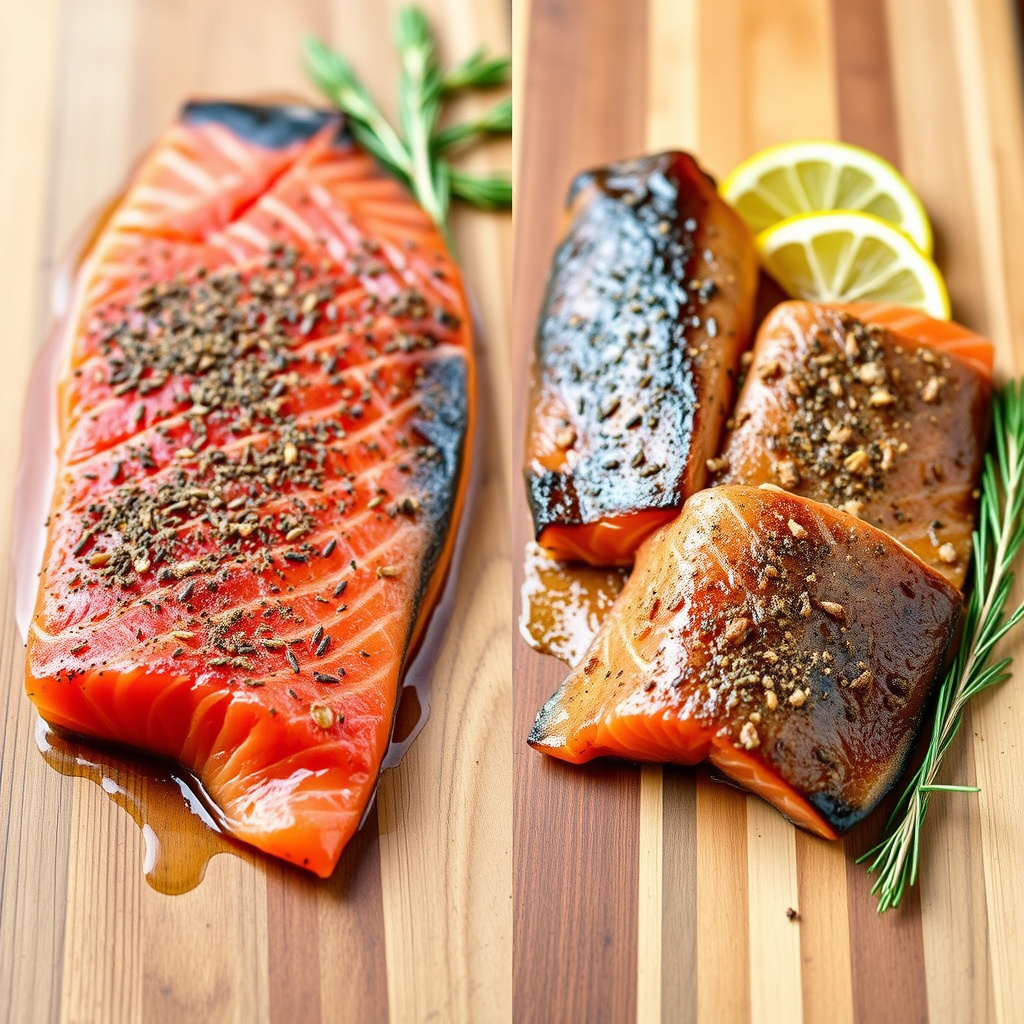
Hot Smoking Salmon: Process and Duration
Hot smoking salmon cooks it thoroughly, typically at temperatures between 175°F and 225°F. The smoking time ranges from 2 to 4 hours depending on fillet thickness, aiming for an internal temperature of 145°F. This method results in salmon that flakes easily and has a smoky, savory flavor.
Because heat fully cooks the salmon, it's safe to eat immediately once done. Hot smoking also firms up the texture, making it suitable for sliced servings or as an ingredient in various dishes.
- Typical temperature: 175°F to 225°F
- Smoking time: 2 to 4 hours
- Internal temp goal: 145°F
- Cooked, flaky texture
Cold Smoking Salmon: Time and Considerations
Cold smoking salmon involves exposing the fish to smoke at temperatures below 90°F, usually between 70°F and 90°F. This process can last anywhere from 6 to 12 hours or more, depending on the desired intensity of smoke flavor and the thickness of the salmon. Cold smoked salmon remains uncooked and has a silky texture.
Due to the lower temperatures, the fish must be cured beforehand to prevent bacterial growth. The long smoking time penetrates flavors deeply, creating a delicacy often served thinly sliced on bagels or appetizers.
- Typical temperature: 70°F to 90°F
- Smoking time: 6 to 12 hours or more
- Requires curing before smoking
- Silky, raw-like texture
Preparing Salmon for Smoking
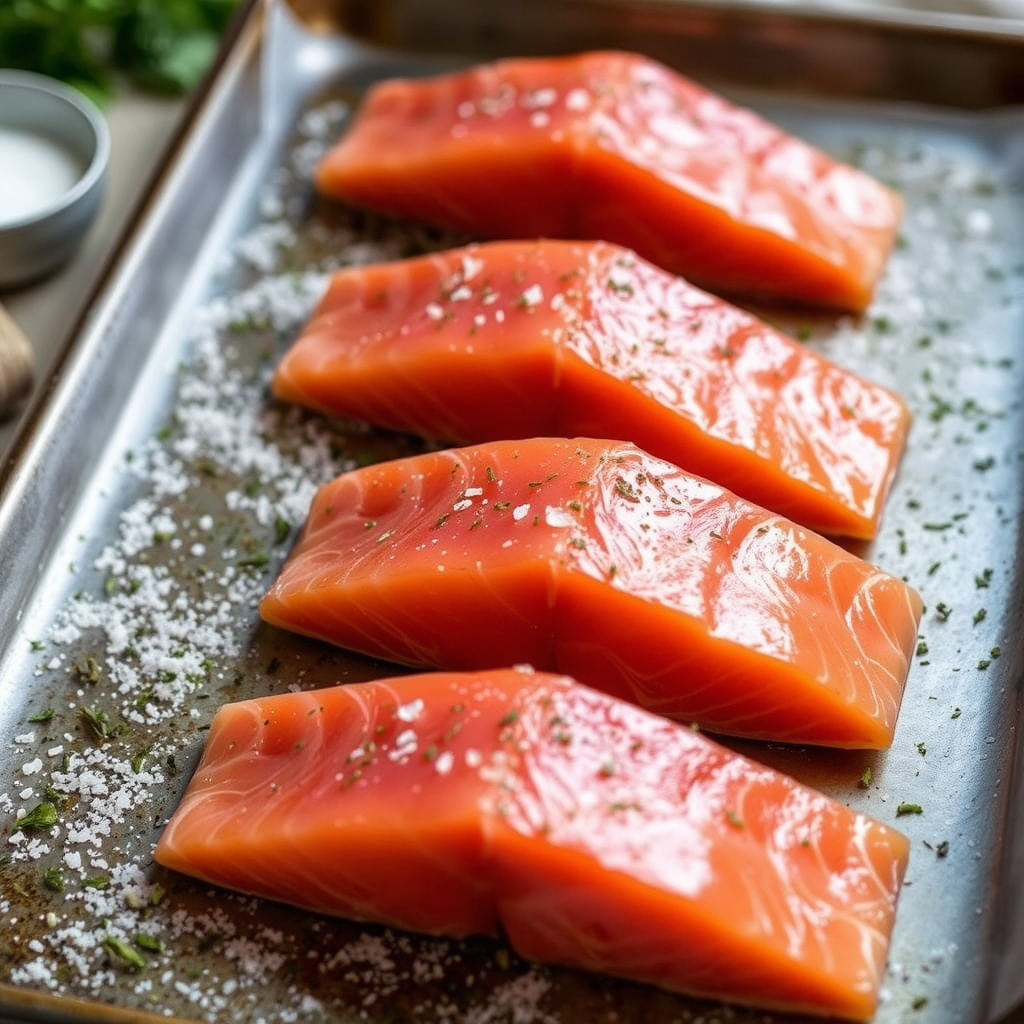
Curing Salmon before Smoking
Curing is the essential first step to prepare salmon, especially for cold smoking. It typically involves coating the fish with a mixture of salt, sugar, and sometimes spices to draw out moisture and firm the flesh. This process can take anywhere from 4 to 24 hours depending on fillet thickness and desired saltiness.
For hot smoking, a shorter cure or brine may be used to add moisture and flavor while ensuring food safety. Proper curing develops texture and prevents spoilage during the smoking session.
- Use equal parts salt and sugar
- Cure time varies: 4–24 hours
- Ensure even coating on fillets
- Rinse and dry before smoking
Choosing the Right Salmon Cut
The thickness and cut of salmon affects smoking duration. Fillets around 1 to 1.5 inches thick are ideal for balancing cooking time and flavor absorption. Thicker cuts will require longer smoking and careful temperature control to avoid drying the exterior while undercooking the center.
Whole side fillets or center cuts are preferred because they provide consistent thickness, ensuring even smoking and reliable timing for optimal results.
- Ideal thickness: 1 to 1.5 inches
- Fillets preferred over chunks
- Consistent thickness aids timing
- Center cuts smoke more evenly
Controlling Temperature and Smoke
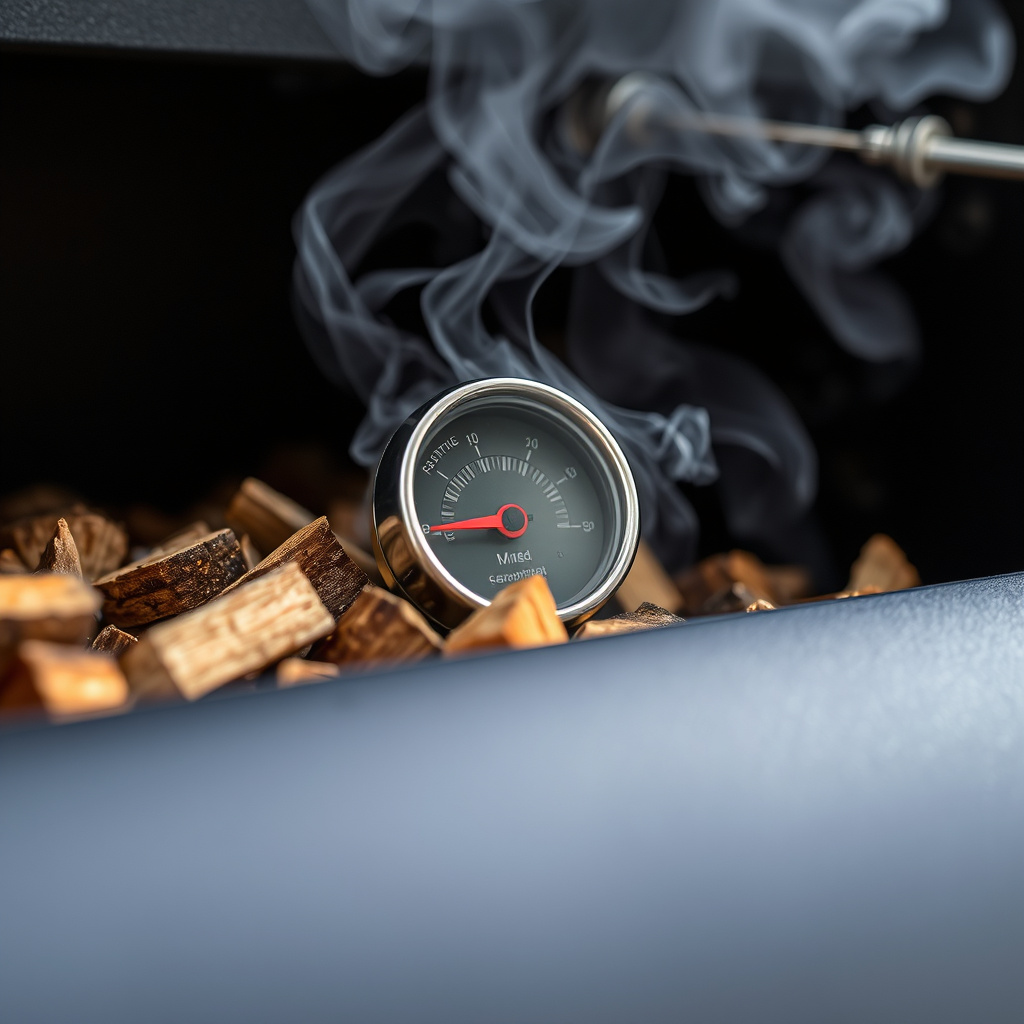
Maintaining Consistent Smoking Temperature
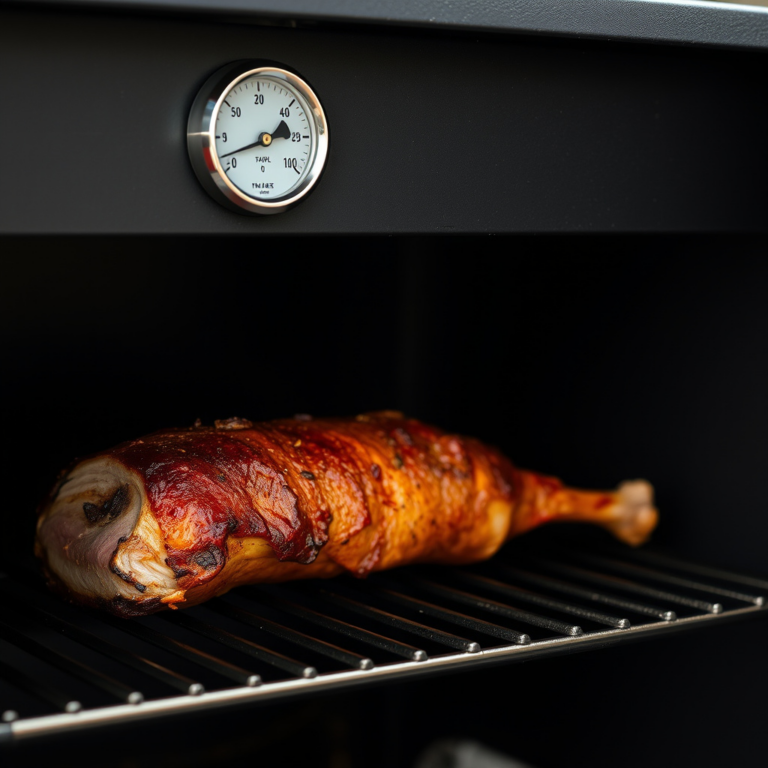
Keeping stable smoker temperature is critical for timing how long to smoke salmon. Fluctuations can cause uneven cooking and affect texture. For hot smoking, a temperature range of 175°F to 225°F is ideal, while cold smoking requires staying under 90°F consistently.
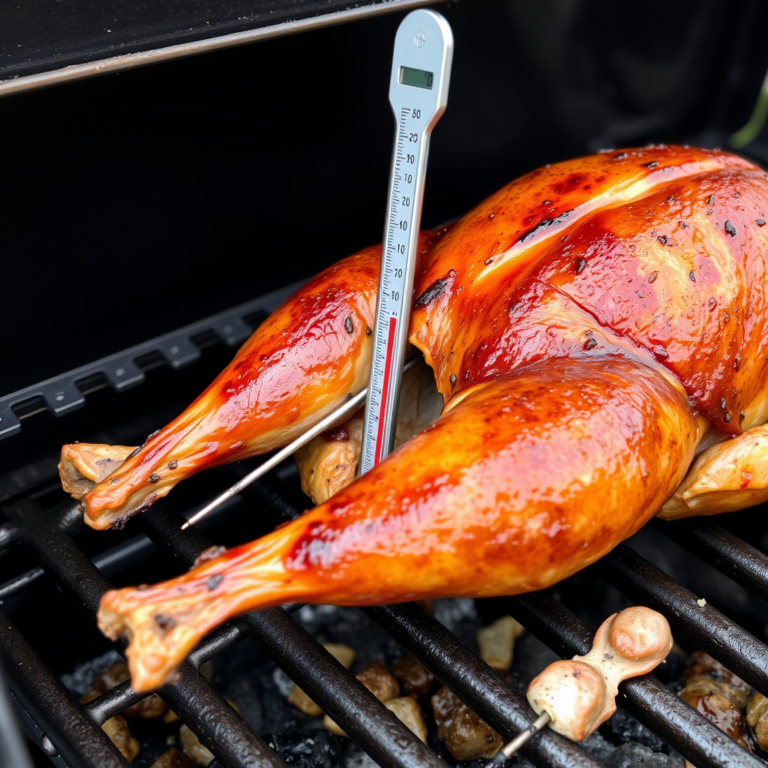
Using a reliable thermometer and adjustable vents in your smoker helps maintain specific temperatures. Monitoring throughout the smoking session prevents overcooking or under-smoking the salmon.
- Use a digital smoker thermometer
- Adjust vents to control airflow
- Avoid direct heat contact with salmon
- Check temperature regularly
For more on this, see our related guide: How Long to Grill Salmon: Perfect Timing for Juicy Flavor.
Selecting Wood Chips for Salmon Smoking
The choice of wood chips greatly influences the flavor profile during the smoking process. Mild woods like alder, fruitwoods (apple or cherry), or maple provide gentle smoke that complements salmon without overpowering it.
Hardwoods such as hickory or mesquite offer stronger smoke, better suited for thicker or heartier fish cuts. Soaking chips before use can moderate smoke intensity and prolong smoke production during long sessions.
- Mild woods: alder, apple, cherry
- Stronger woods: hickory, mesquite
- Soak chips for 30 minutes to slow burn
- Avoid too heavy smoke to prevent bitterness
Signs of Properly Smoked Salmon
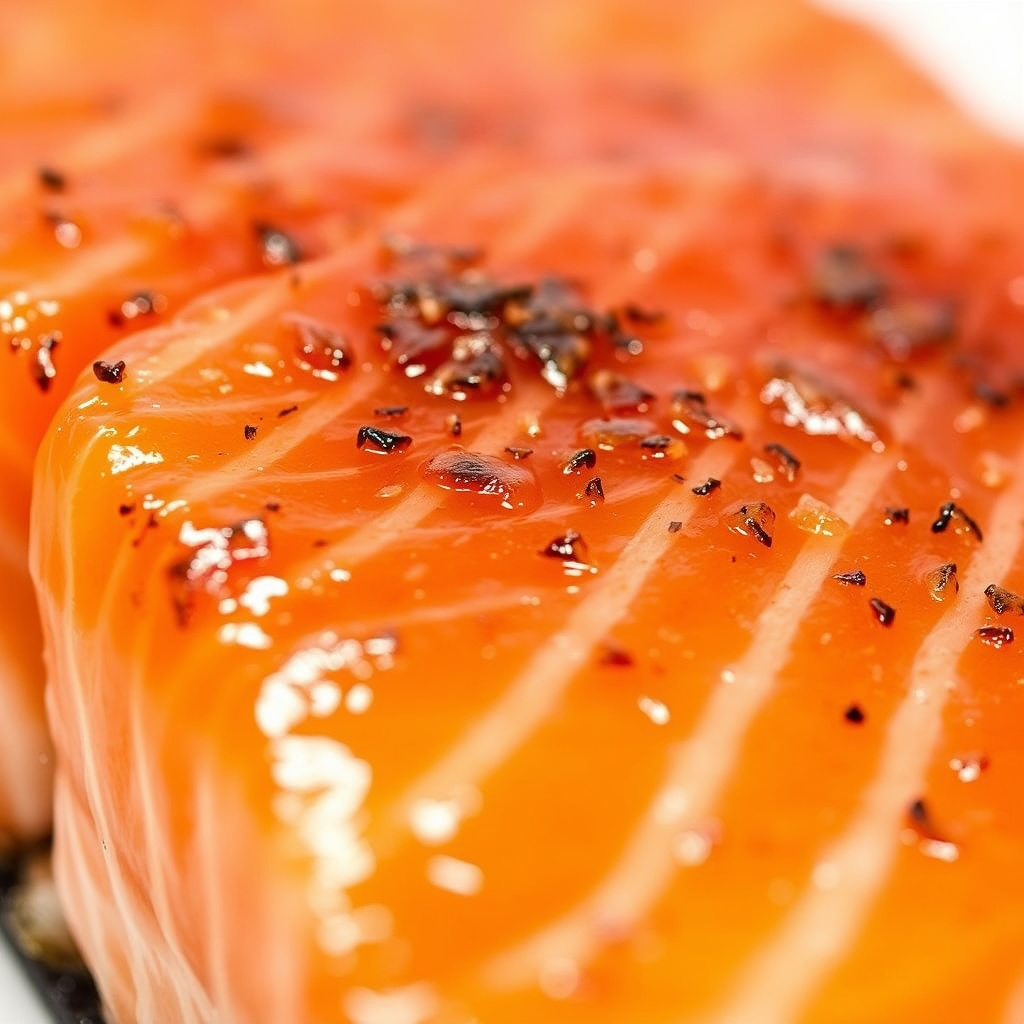
Checking Doneness in Hot Smoked Salmon
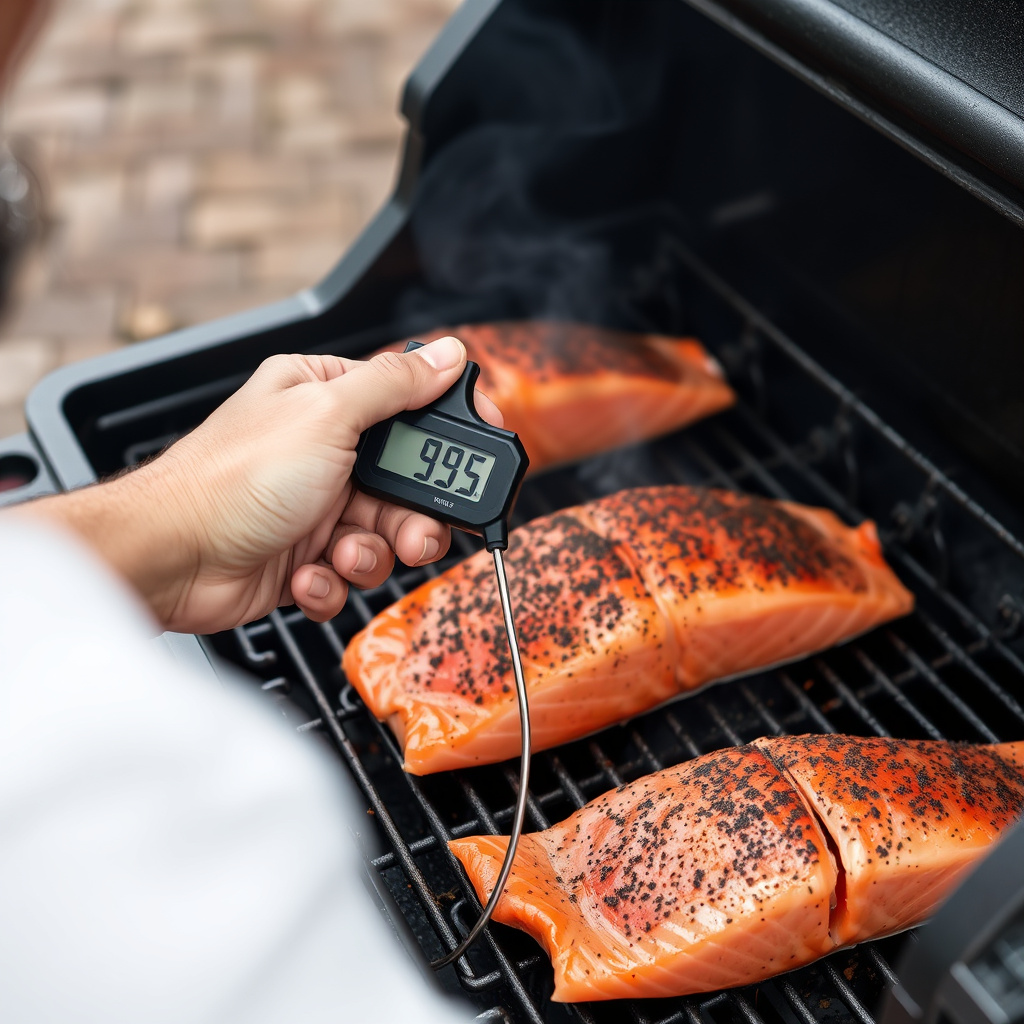
To confirm when hot smoked salmon is done, check its internal temperature with a probe thermometer aiming for 145°F. The flesh should easily flake apart but still appear moist inside. Overcooked salmon becomes dry and tough.
Visual cues include a firm texture and glowing pink-orange color. If unsure, pulling the salmon from heat once these signs appear avoids over-smoking.
- Internal temp: 145°F
- Flaky yet moist texture
- Firm and colored flesh
- Avoid drying out
Evaluating Texture in Cold Smoked Salmon
Cold smoked salmon should remain tender and silky rather than flaky or firm. The flesh feels smooth and moist with a translucent quality. The smoke flavor is prominent but not harsh.
Because it’s not cooked, cold smoked salmon quality depends on good curing and proper smoking duration to avoid sliminess or spoilage.
- Tender, silky texture
- Translucent appearance
- Rich but gentle smoke flavor
- Use soon after smoking for freshness
Safety Tips When Smoking Salmon
Preventing Foodborne Illness
Salmon must reach safe temperatures to prevent foodborne bacteria. Hot smoking provides this safety by cooking the fish to at least 145°F internally. Cold smoking requires pre-curing and refrigeration before and after to inhibit pathogens.
Cross-contamination from tools or surfaces should be avoided by cleaning thoroughly and using separate utensils for raw and smoked fish.
- Cook hot smoked salmon to 145°F
- Cure cold smoked salmon properly
- Store salmon at safe refrigeration temps
- Maintain hygiene and clean equipment
For more on this, see our related guide: Can You Grill Frozen Chicken? A Safe and Delicious Guide.
Storage and Shelf Life of Smoked Salmon
Hot smoked salmon can be refrigerated for up to one week or frozen for longer storage. Cold smoked salmon lasts less due to being raw and should be consumed within a few days refrigerated or weeks if frozen properly.
Packaging in vacuum-sealed bags or airtight containers helps retain freshness and prevent odor absorption from other foods.
- Refrigerate hot smoked salmon up to 7 days
- Consume cold smoked salmon within days
- Freeze for longer shelf life
- Use airtight packaging
Additional Flavor Enhancements for Smoking Salmon
Marinades and Rubs to Complement Smoking
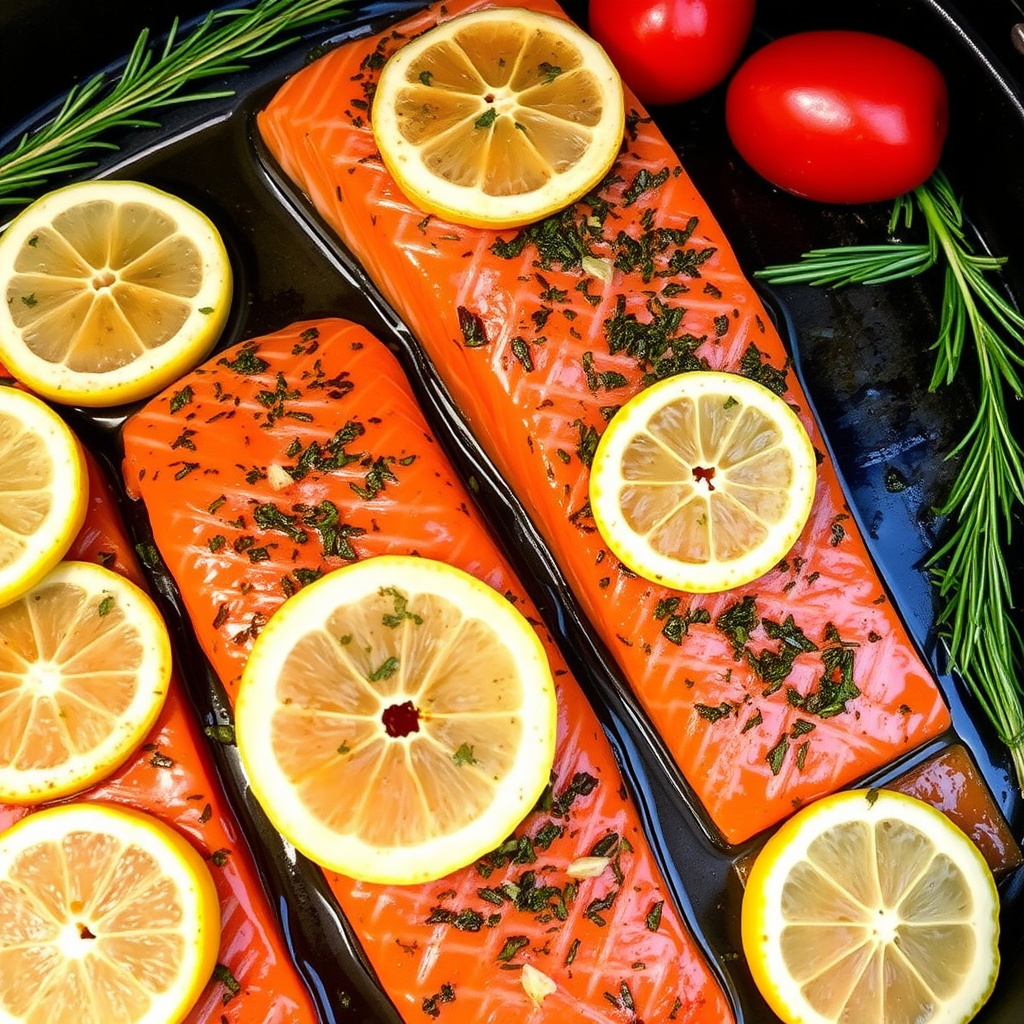
Applying a marinade or dry rub before smoking can add layers of flavor to salmon. Ingredients like brown sugar, mustard, dill, garlic, or citrus zest pair well with smoky notes and balance richness.
Marinating times vary but generally for hot smoking only a short soak is needed to prevent excess moisture. Dry rubs can be applied right before placing the fish in the smoker.
- Use brown sugar and mustard rubs
- Add fresh herbs like dill or thyme
- Citrus zest adds brightness
- Short marinating times preferred
For further reading on smoking salmon and other seafood, consider exploring smoking salmon techniques on Wikipedia. smoking salmon techniques on Wikipedia.
Finishing Touches Post-Smoking
After smoking, salmon benefits from resting to allow flavors to settle. Adding a squeeze of lemon juice or a brush of honey glaze can enhance moisture and brightness. Garnishing with fresh herbs or cracked pepper provides visual appeal and aroma.
These finishing touches elevate both cold and hot smoked salmon presentations for serving or gifting.
- Rest salmon before slicing
- Lemon juice brightens flavor
- Honey glaze adds sweetness
- Fresh herbs enhance aroma
Smoke Salmon Methods Comparison
Explore key differences between hot smoking and cold smoking salmon based on temperature, time, texture, safety, and flavor.
| Method | Temperature Range | Smoking Time | Texture | Food Safety |
|---|---|---|---|---|
| Hot Smoking | 175°F–225°F | 2–4 hours | Cooked, flaky | Internal temp 145°F ensures safety |
| Cold Smoking | 70°F–90°F | 6–12+ hours | Raw-like, silky | Requires curing to prevent bacteria |
| Combination (Smoke then Cook) | Varies | Cold smoke 6+ hours, then cook | Smoky plus fully cooked | Cooked after smoking for safety |
Frequently Asked Questions
How do I know when smoked salmon is done?
For hot smoked salmon, it's done when the internal temperature reaches 145°F and the flesh flakes easily but remains moist. For cold smoked salmon, look for a silky texture and smoky aroma after sufficient curing and smoking time.
Can I cold smoke salmon without curing it first?
Cold smoking without curing is unsafe because the low temperatures don't kill bacteria. Always cure salmon thoroughly before cold smoking to reduce moisture and inhibit bacterial growth.
What wood chips are best for smoking salmon?
Mild woods like alder, apple, or cherry are best for smoking salmon because they impart a gentle flavor that complements rather than overpowers the delicate fish.
How should I store smoked salmon after smoking?
Store hot smoked salmon in the refrigerator for up to a week or freeze it for longer keeping. Cold smoked salmon, being raw, should be consumed within a few days refrigerated or frozen promptly to maintain safety.
Is it possible to over-smoke salmon?
Yes, over-smoking salmon can cause it to become dry, bitter, or overly tough. Monitoring time and temperature carefully helps maintain optimal texture and flavor.
Key Takeaways
- Hot smoke salmon at 175–225°F for 2–4 hours until 145°F internal temp
- Cold smoking takes 6–12+ hours with prior curing and lower temps
- Proper curing and temperature control are essential for safety
- Choose mild wood chips like alder or fruitwoods for balanced flavor
Conclusion
Knowing how long to smoke salmon depends heavily on the method you choose and the thickness of the fish. Hot smoking delivers fully cooked, flaky salmon in a few hours, while cold smoking requires a longer duration and careful curing to maintain safety and texture. The key to success is balancing smoke exposure, temperature, and timing to enhance flavor without drying or spoiling the fish.
For everyday home cooks interested in quick, safe smoked salmon, hot smoking at 175°F to 225°F for roughly 3 hours is practical and reliable. If aiming for authentic silky cold smoked salmon, commit to curing beforehand and a slow smoke below 90°F for 8 hours or more. Each technique serves different culinary preferences, and understanding these time and temperature parameters helps you tailor results to your taste.
Once you select your smoking method and prepare your salmon with the appropriate cure and wood chips, use a good thermometer and monitor your smoker consistently. Rest your salmon before serving to allow flavors to settle. Whether you prefer the classic hot smoked style or delicate cold smoked delicacies, applying the right smoking duration creates delicious salmon worth savoring.