Smoking cheese involves exposing it to smoke from burning wood chips at low temperatures, typically below 90°F, to infuse a rich smoky flavor without melting the cheese. The key is controlling the temperature to avoid softening or melting while ensuring the smoke can penetrate the cheese surface.
Understanding how to smoke cheese properly matters because cheese easily melts when exposed to heat, which can ruin texture and flavor. Proper smoking preserves the cheese’s firmness and creates a delicious smoky aroma and taste, enhancing any cheese variety you choose to smoke.
This article will explain the essential equipment needed for cold smoking cheese, recommend the best cheeses for smoking, detail a step-by-step smoking process, highlight safety tips, and offer advice on storage and serving to enjoy your smoked cheese at its best.
Equipment Needed to Smoke Cheese
Choosing the Right Smoker
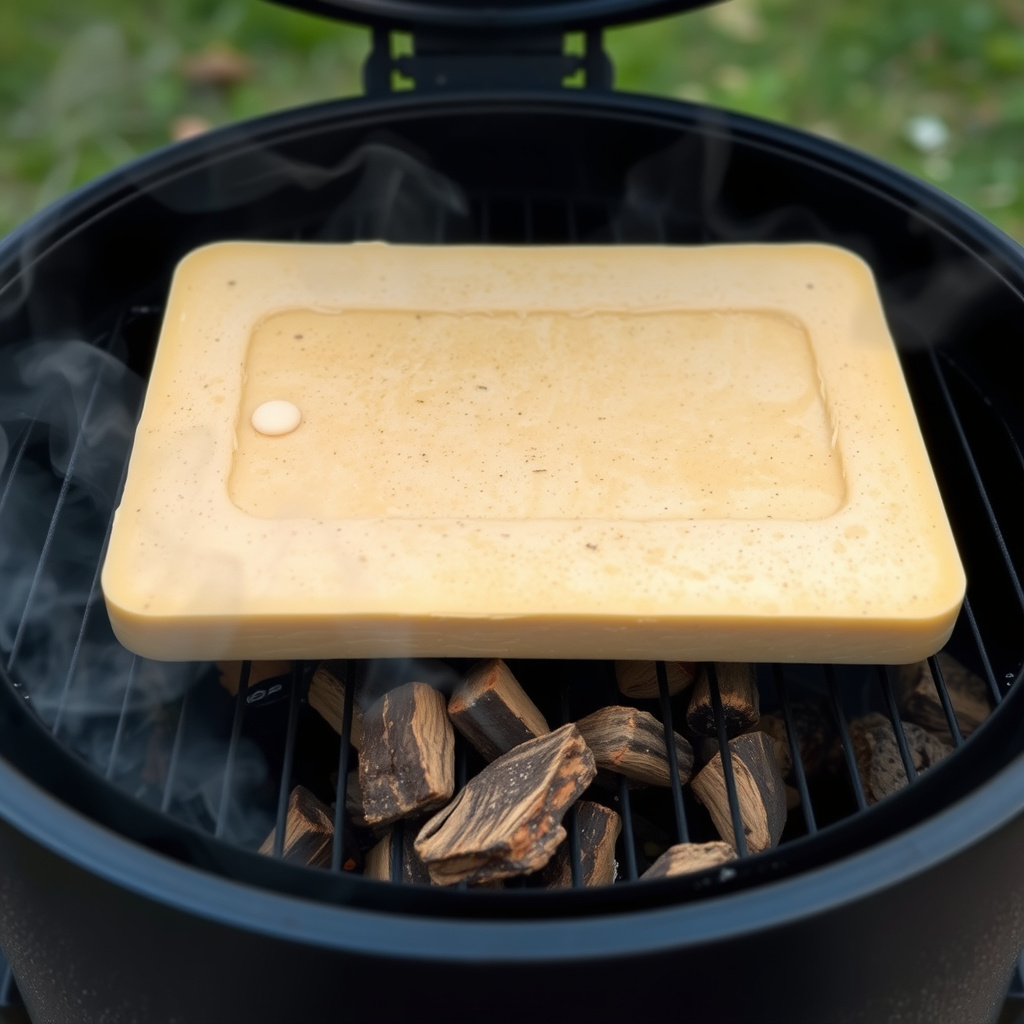
A cold smoker or a grill adapted for cold smoking is needed to smoke cheese as it produces smoke without raising the temperature too high. Pellet smokers or dedicated cold smoke generators are popular tools to maintain temperatures below 90°F, avoiding cheese melt.
Some people use a traditional charcoal grill set up with indirect heat and smoke tubes filled with wood chips. The aim is to funnel smoke in a controlled manner ensuring the cheese sees smoke but stays cool.
- Cold smoker
- Pellet smoker with cold smoke feature
- Charcoal grill with smoke generator
- Thermometer to monitor temperature
Wood Chips Selection
Selecting mild-flavored hardwood chips such as apple, cherry, or maple works best for smoking cheese. Strong woods like hickory or mesquite can overpower the cheese flavor.
Soaking wood chips (optional) controls the smoke duration, although some prefer dry chips for a purer smoke. The choice depends on how intense the smoke flavor you prefer.
- Apple wood for sweet notes
- Cherry wood for subtle fruitiness
- Maple wood for mild sweetness
Best Types of Cheese for Smoking

Semi-Hard and Hard Cheeses
Semi-hard and hard cheeses like cheddar, gouda, and Swiss are excellent for smoking since their dense texture holds up well during the smoking process, maintaining shape and absorbing smoke flavor effectively.
These cheeses also develop a pleasant firmer rind when smoked, enhancing the flavor experience when sliced or melted later.
- Sharp cheddar
- Aged gouda
- Swiss cheese
For more on this, see our related guide: How to Use a Smoker Box on a Gas Grill for Perfectly Smoked Flavors.
Soft Cheeses and Suitable Exceptions
Soft cheeses like mozzarella and cream cheese are generally less suitable for smoking because they tend to melt or degrade quickly under smoke heat. However, firm versions of mozzarella or smoked ricotta are exceptions when carefully cold smoked.
If attempting softer cheese, keep smoking time short and temperature very low to prevent texture loss.
- Firm mozzarella (cold smoked)
- Ricotta (cold smoked briefly)
Step-by-Step Process for How to Smoke Cheese
Preparing Cheese for Smoking
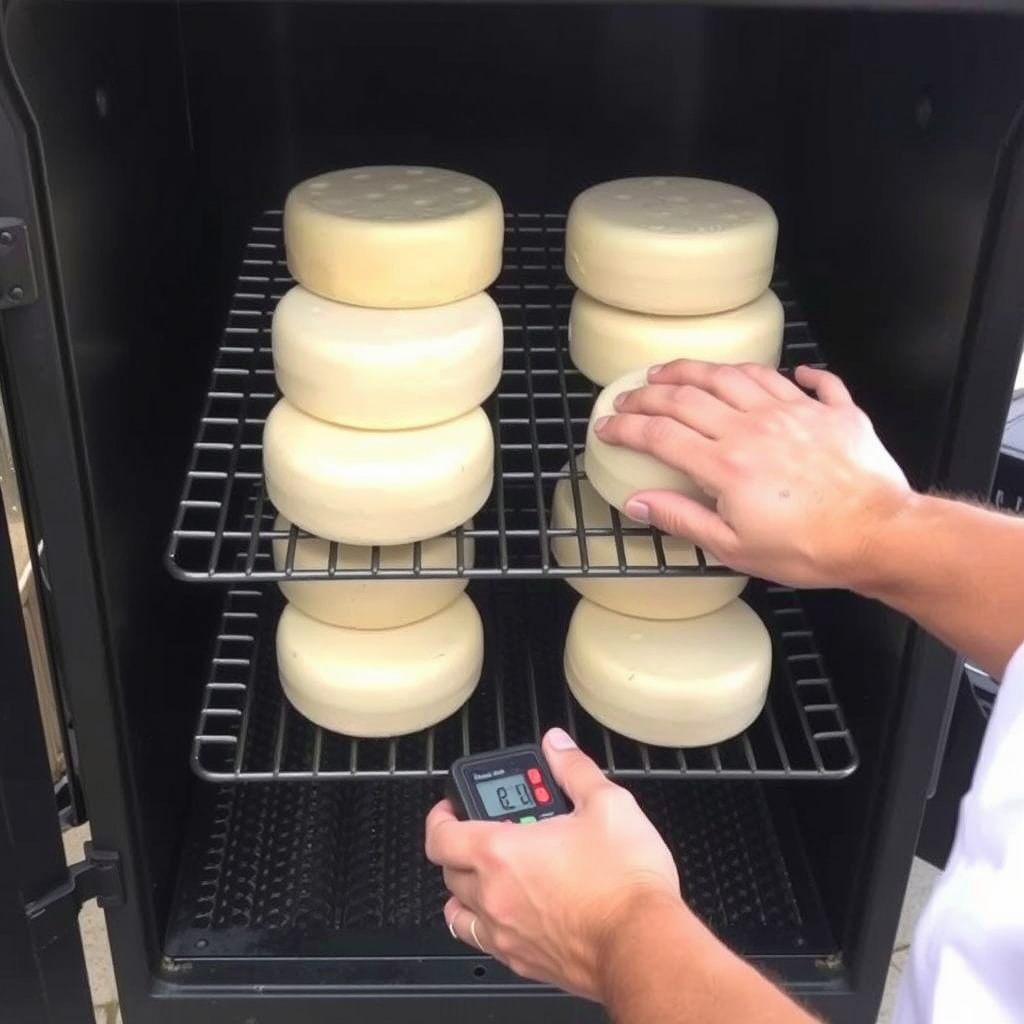
Before smoking, cut cheese into blocks or wedges about 1 to 2 inches thick to allow even smoke penetration and easy handling. Dry the cheese surface with paper towels to lessen moisture which can prevent smoke absorption.
Chill cheese blocks in the fridge to firm up, minimizing risk of melting once smoke exposure begins.
- Cut into 1-2 inch blocks
- Pat dry with paper towels
- Chill before smoking
Smoking Duration and Conditions
Place the cheese inside the smoker once the temperature stabilizes below 90°F. Smoke for 2 to 4 hours depending on desired smokiness. Longer smoking increases flavor but watch carefully to avoid heat buildup.
Maintain good airflow for consistent smoke and check the temperature frequently with a reliable thermometer to protect the cheese texture.
- Maintain temperature below 90°F
- Smoke for 2-4 hours
- Monitor smoker temperature regularly
Safety and Practical Tips for Smoking Cheese
Avoiding Melt and Texture Loss
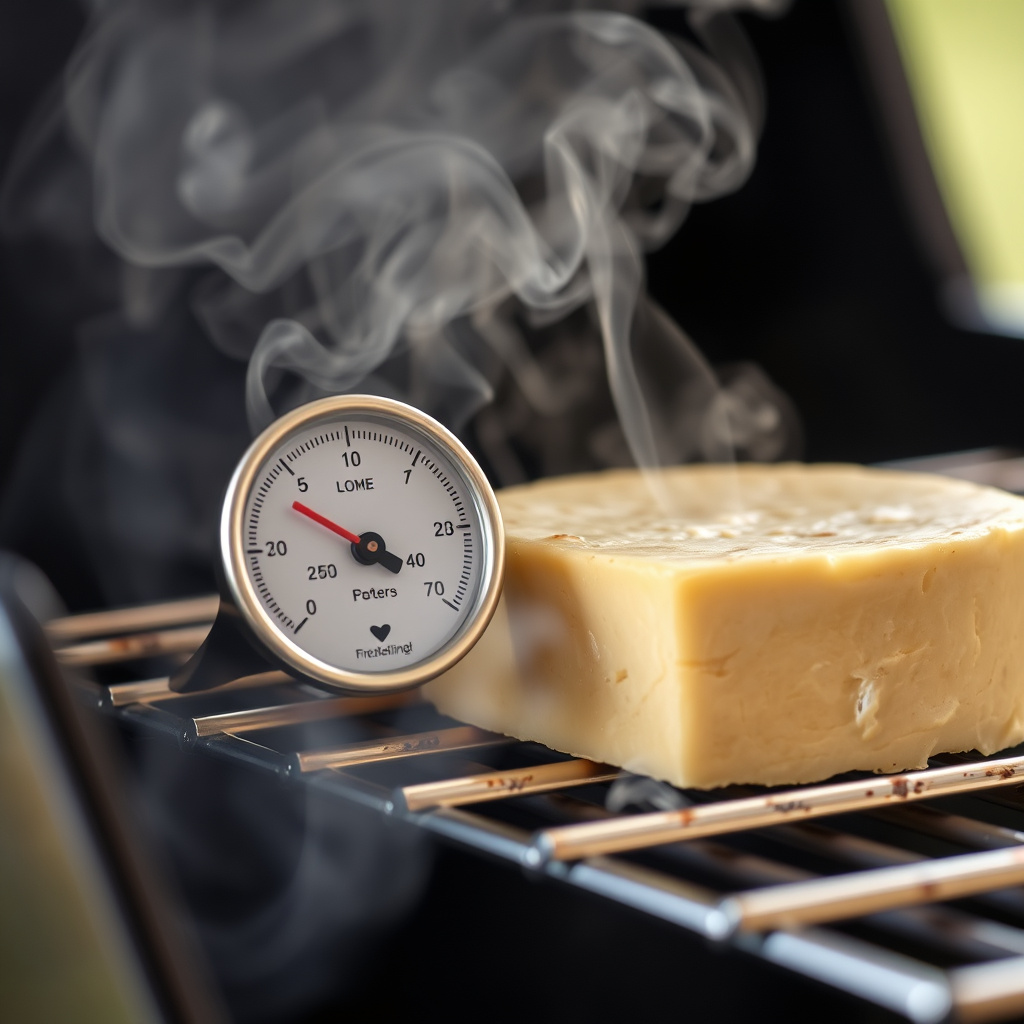
The major safety concern is keeping smoker temperature low enough to prevent melting. Using cold smoke equipment or controlling heat source is essential.
Regularly check the internal smoker temperature and adjust airflow or heat if it rises above 90°F. Melting cheese ruins texture and presentation.
For more on this, see our related guide: Understanding the Difference Between a Grill and a Griddle.
Handling and Storage After Smoking
After smoking, wrap cheese in parchment or wax paper and refrigerate. Smoking adds preservative properties but refrigeration is needed to maintain freshness.
Cheese can be stored for up to two weeks smoked. Peel off the rind before serving, or cut slices and enjoy the smoky flavor enhanced texture.
Serving and Using Smoked Cheese

Serving Suggestions
Smoked cheese pairs wonderfully on charcuterie boards, grated over pastas, or melted in grilled sandwiches. Its smoky flavor adds richness and complexity to simple dishes.
Serve sliced smoked cheddar alongside nuts and fruits for a balanced appetizer.
For a detailed overview of cold smoking techniques, including how they apply to cheese, visit this informative Wikipedia page. Cold smoking cheese explained.
Incorporating Smoked Cheese in Recipes
Replace standard cheese with smoked variants in recipes like mac and cheese or quesadillas for deeper flavor profiles.
Gradually increasing smoked cheese quantities can help spice up classic dishes with an aromatic twist.
Popular Cheese Types for Smoking Category Comparison
This table compares characteristics of commonly smoked cheese types to help choose the best option for your smoking project.
| Cheese Type | Texture Durability | Flavor Absorption | Suggested Smoking Time |
|---|---|---|---|
| Cheddar | Firm, holds shape well | Excellent | 3-4 hours |
| Gouda | Semi-hard, smooth texture | Very good | 3-4 hours |
| Swiss | Firm with holes | Good | 2-3 hours |
| Mozzarella (Firm) | Semi-soft | Moderate | 1-2 hours |
| Ricotta | Soft, crumbly | Moderate | 1 hour or less |
Frequently Asked Questions
What is the ideal temperature for smoking cheese?
The ideal temperature for smoking cheese is below 90°F (32°C) to prevent melting while allowing smoke to infuse flavor.
Can I cold smoke cheese indoors?
Cold smoking cheese indoors is not recommended due to smoke buildup and safety hazards; it's best done outdoors or in a well-ventilated area.
How long does smoked cheese last after smoking?
Smoked cheese lasts about two weeks in the refrigerator when properly wrapped and stored.
Does smoking cheese make it taste salty?
Smoking cheese generally enhances its natural flavor but does not increase saltiness; however, saltier cheeses often absorb smoke better.
Can I use any kind of wood chips for smoking cheese?
Using mild-flavored wood chips like apple, cherry, or maple is best for smoking cheese, while strong woods like hickory may overpower the taste.
Key Takeaways
- Cold smoking cheese requires maintaining temperatures below 90°F to prevent melting.
- Semi-hard cheeses like cheddar and gouda are ideal for smoking due to their texture.
- Mild wood chips such as apple and cherry provide the best smoke flavor for cheese.
- Proper storage after smoking preserves smoked cheese freshness for up to two weeks.
Conclusion
Knowing how to smoke cheese centers on controlling temperature and choosing the right equipment and cheese types. Maintaining a smoker at a low temperature below 90°F allows smoke to infuse flavor without compromising texture. Patience during smoking and proper preparation of cheese blocks help achieve balanced smokiness and texture. Familiarity with your smoker’s airflow and heat control is valuable to avoid accidental heating that could spoil your cheese.
If you want a reliable starting point, semi-hard cheeses like sharp cheddar or gouda are excellent candidates for smoking due to their density and flavor profile. When using a cold smoker or a grill converted for cold smoking, applying mild wood chips such as apple or cherry enhances the natural cheese taste without overpowering it. Avoid smoking soft cheeses unless purposefully cold smoking for a short time. Afterwards, refrigerate smoked cheese wrapped in breathable paper to preserve the flavor and keep the texture intact.
For your first attempt at smoking cheese, set up your smoker with a thermometer, select a smooth, firm cheese, and maintain low temperatures throughout the process. This will help you refine smoking length and wood chip choice based on preferred flavor strength. After smoking, try incorporating your smoked cheese into dishes or serve it on a cheese board to appreciate the nuanced aroma and taste that smoking adds.