Smoking a turkey is a fantastic way to infuse rich, smoky flavors while keeping the meat tender and juicy. The process involves preparing the turkey, selecting the right wood, and maintaining steady temperatures for several hours until the bird is perfectly cooked. With the right technique, anyone can achieve delicious smoked turkey results.
Beyond traditional roasting, smoking allows the turkey to absorb subtle flavors from the wood smoke, enhancing the overall taste. Whether for a holiday feast or a special gathering, smoking a turkey adds a unique dimension that elevates this classic dish to a new level.
This guide covers everything from prepping the bird and choosing smoking woods to controlling heat and timing the cook. You’ll also find advice on brining, seasoning, and resting your turkey after smoking to ensure each bite is flavorful and moist.
Preparing Your Turkey for Smoking
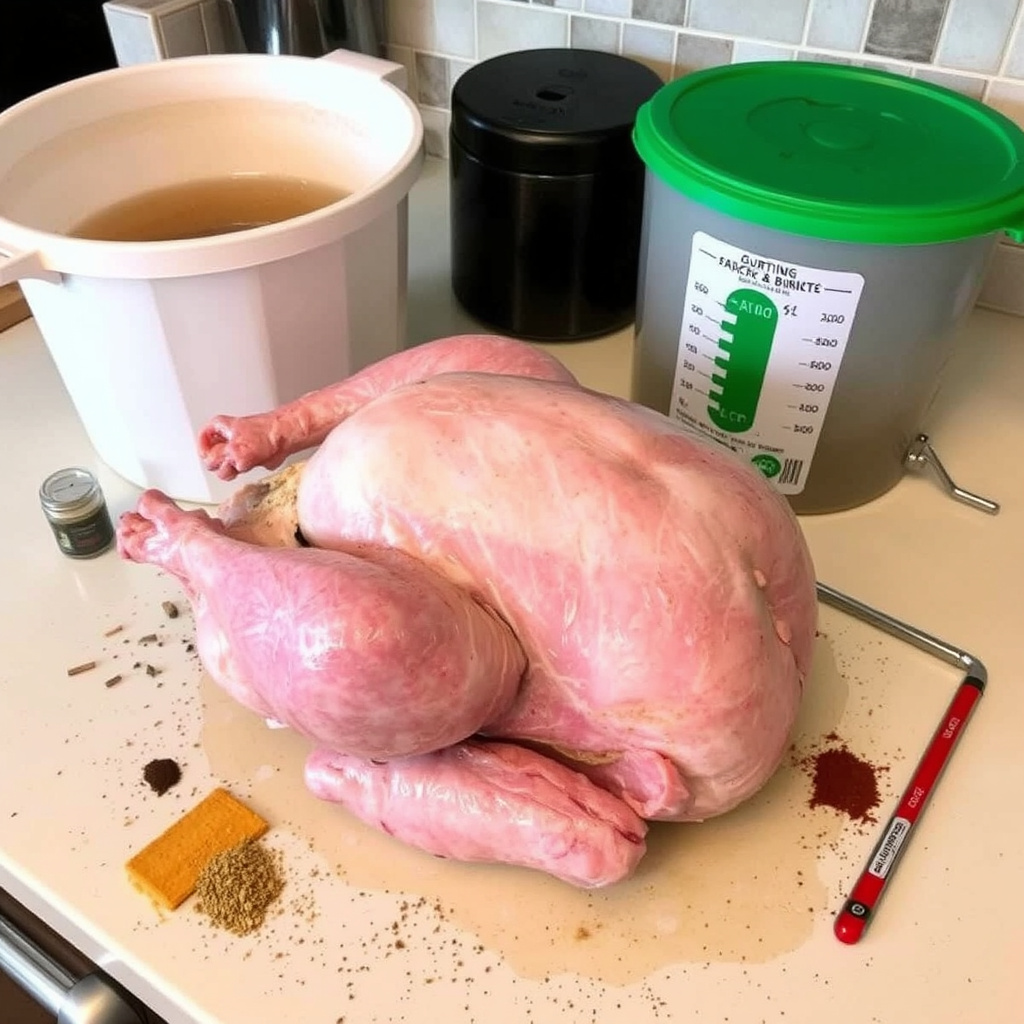
Thawing and Cleaning the Turkey
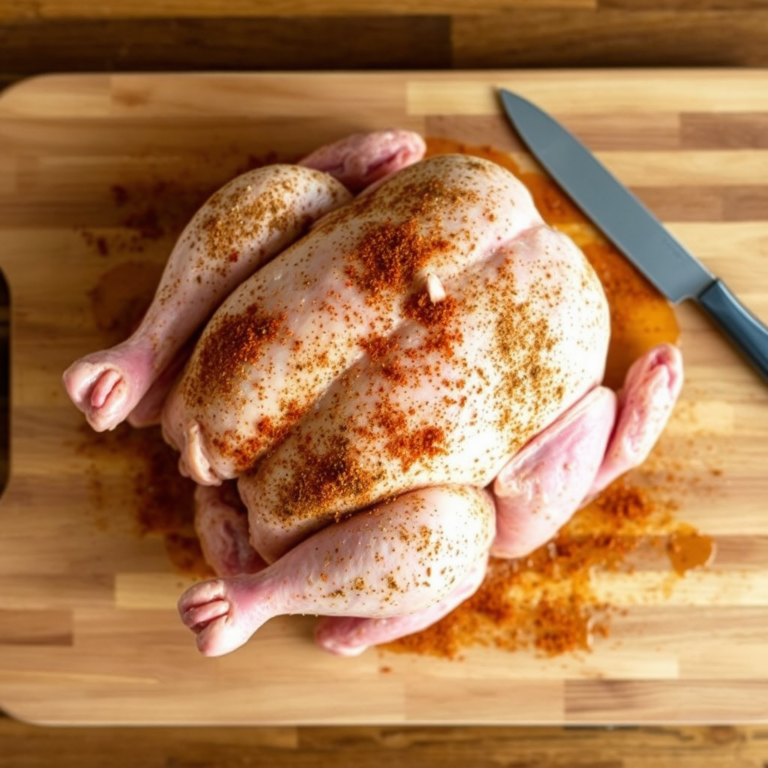
Start with a fully thawed turkey for even cooking. Thaw it in the refrigerator for several days, depending on the bird's weight. Once thawed, remove giblets and pat the turkey dry using paper towels to ensure the skin crisps up during smoking.
Cleaning also involves trimming excess skin and fat around the neck and cavity openings. This promotes better smoke penetration and prevents flare-ups during the smoking process.
- Thaw turkey in fridge 24 hours per 4-5 pounds
- Remove giblets and neck
- Pat dry thoroughly
- Trim excess fat and skin
Brining and Seasoning Options
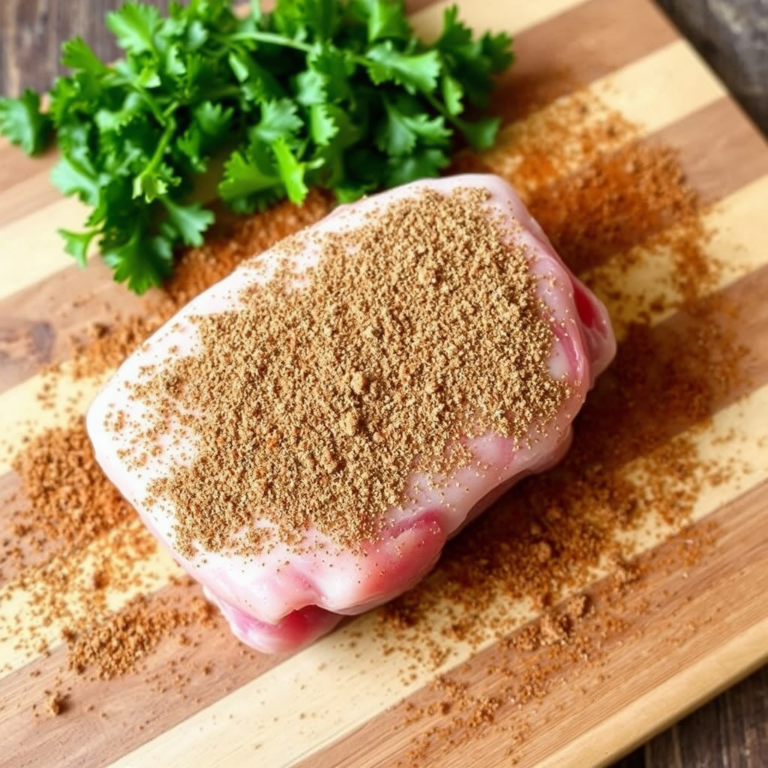
Brining enhances moisture retention and adds subtle flavor to the turkey. You can use a wet brine with water, salt, sugar, and herbs or a dry brine by rubbing salt and seasoning directly onto the skin and under it.
Season the bird a few hours before smoking or the night before if time allows. Include complementary herbs and spices such as garlic, paprika, thyme, and black pepper for balanced flavors.
- Wet brine: 1 cup salt + 1/2 cup sugar per gallon water
- Dry brine: 1 tablespoon kosher salt per 5 pounds turkey
- Add herbs like thyme, rosemary, garlic powder
- Refrigerate after brining, uncovered for skin drying
Choosing the Right Wood for Smoking
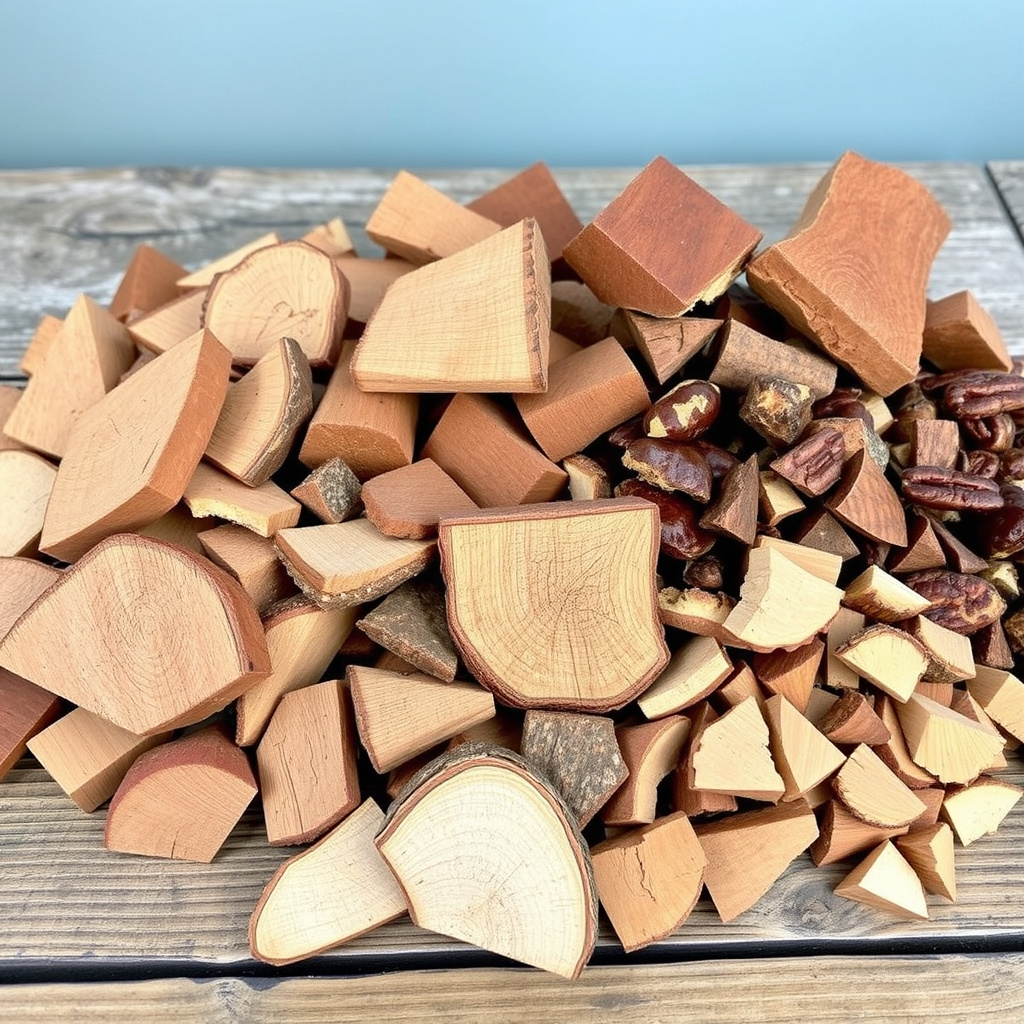
Best Wood for Smoking Turkey
The type of wood used influences the intensity and flavor of the smoke. Mild fruit woods like apple and cherry add a sweet, subtle smoke, while hardwoods like hickory and pecan offer a stronger, more robust flavor.
Mixing woods can balance flavor strength. For beginners, fruit woods are often recommended because they won’t overpower the delicate turkey meat.
- Apple wood: mild, sweet flavor
- Cherry wood: fruity, slightly sweet
- Hickory: strong, bacon-like flavor
- Pecan: rich, nutty flavor
For more on this, see our related guide: How to Smoke Meat on a Charcoal Grill: A Step-by-Step Guide.
Preparing Wood for Consistent Smoke
Use dry wood chips or chunks that have been soaked in water for 30-60 minutes to prevent quick burning. Soaking ensures slow, steady smoke generation for several hours.
Keep a supply of wood nearby to replenish the smoker during long cooks, maintaining a consistent smoke level without flare-ups or soot buildup.
- Soak wood chips in water for 30-60 minutes
- Use chunks for longer smoke duration
- Avoid resinous softwoods like pine
- Add wood as needed to maintain smoke
Setting Up and Controlling the Smoker
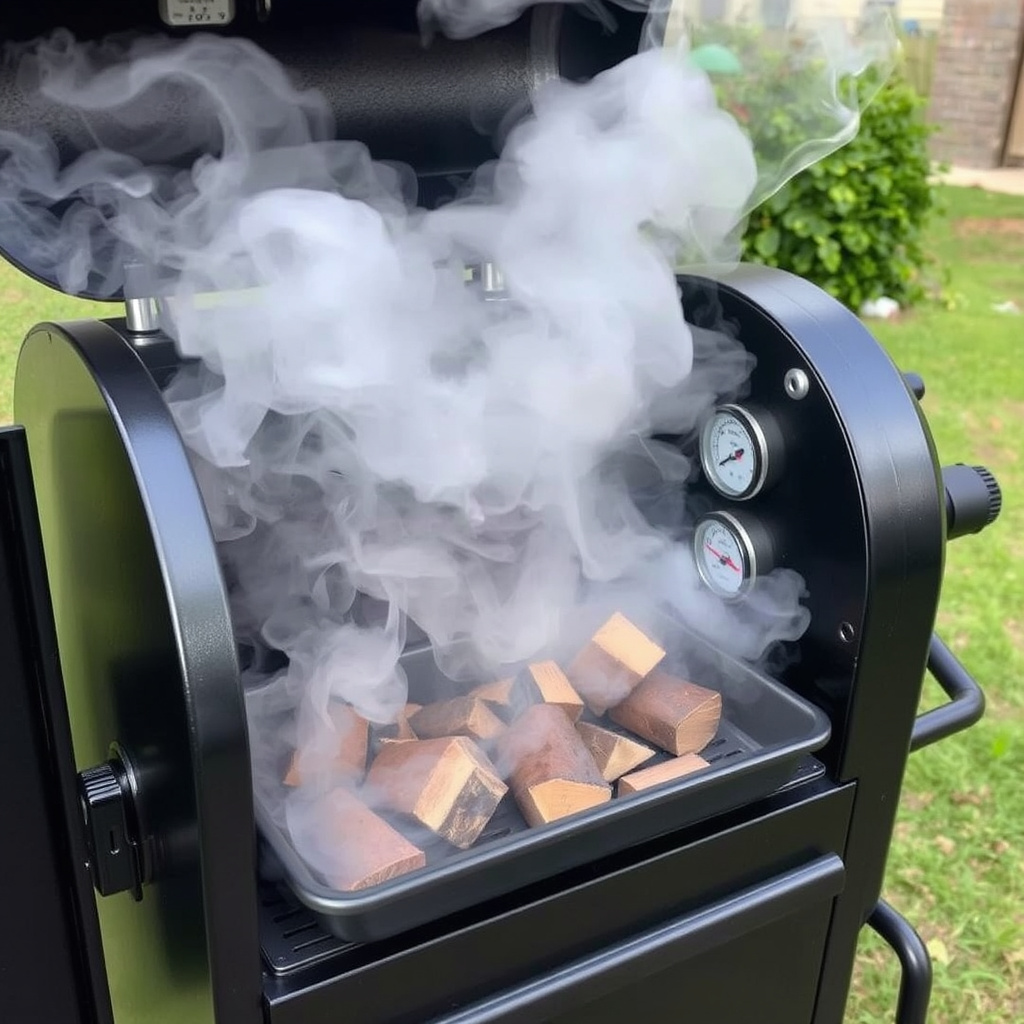
Temperature Management
Maintain a stable smoker temperature between 225°F and 275°F for optimal turkey smoking. Keeping the temperature steady over several hours ensures the meat cooks evenly without drying out.
Use a reliable smoker thermometer and adjust air vents gradually to control heat. Avoid opening the smoker frequently to preserve heat and smoke.
- Target smoking temp: 225°F – 275°F
- Use a digital thermometer for accuracy
- Adjust vents to regulate airflow and heat
- Avoid frequent lid opening
Placement and Monitoring of the Turkey
Place the turkey breast side up on the smoker grate, away from direct heat sources to avoid flare-ups. Use a drip pan beneath to catch drippings and prevent flare-ups.
Monitor internal temperature with a probe inserted into the thickest part of the breast or thigh. Plan for about 30-40 minutes of smoking per pound of bird.
- Position turkey away from direct heat
- Use drip pan to catch grease
- Insert meat thermometer in thickest part
- Estimate 30-40 minutes per pound cooking time
Smoking Techniques and Tips
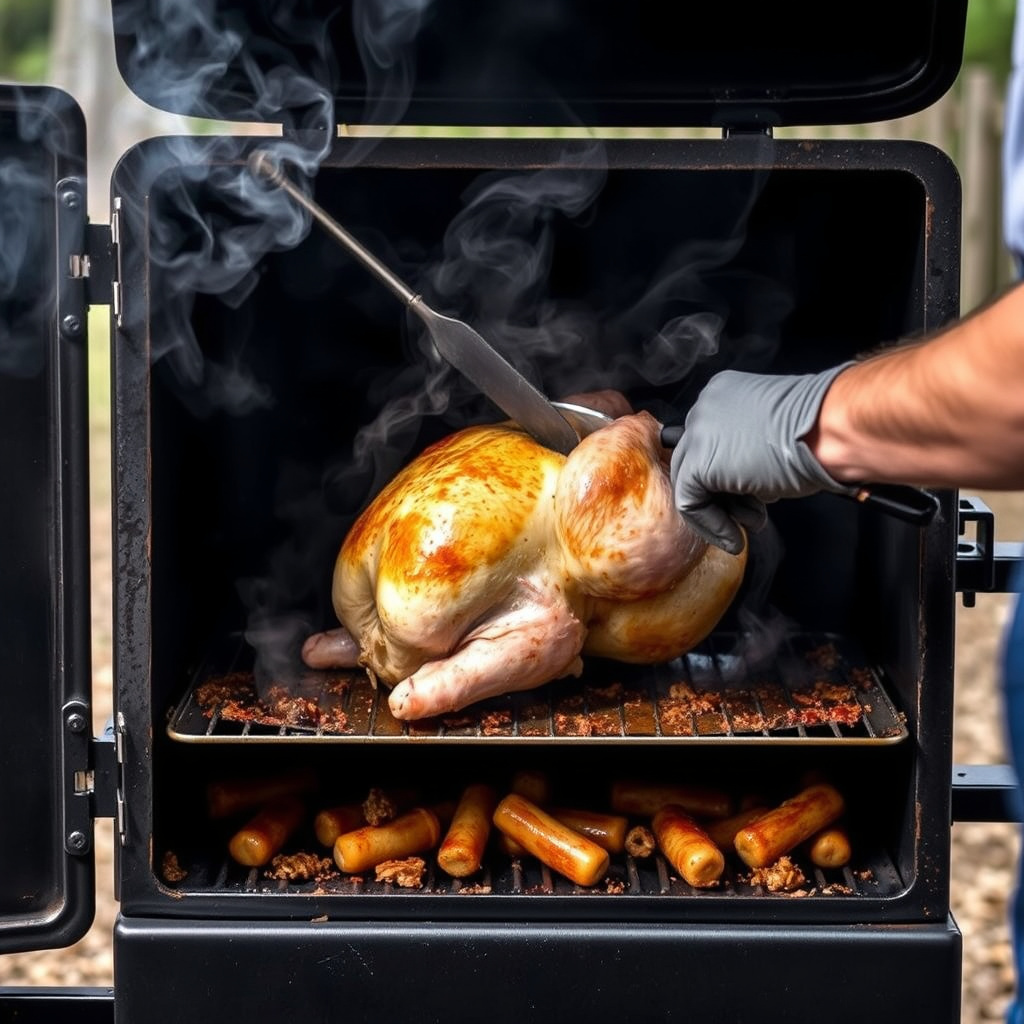
Basting and Moisture Retention
Basting the turkey occasionally with melted butter, broth, or a marinade helps maintain moisture on the surface and adds flavor layers. However, avoid over-basting as it can cause temperature fluctuations.
Alternatively, place a water pan inside the smoker chamber to keep humidity high, which prevents the skin from drying while allowing it to crisp nicely.
- Baste every 45 minutes if desired
- Use melted butter or herb broth
- Place water pan to add humidity
- Limit lid openings to maintain heat
For more on this, see our related guide: How to Grill a Turkey: Step-by-Step Guide for Juicy Results.
Wrapping and Finishing
To avoid overly dark or dry skin, consider wrapping the turkey loosely with foil once it reaches an internal temperature of 150°F. This helps protect the meat while finishing the cook.
Allow the turkey to rest covered in foil for 20-30 minutes after smoking to redistribute juices, resulting in a moist final product.
- Wrap foil after 150°F internal temperature
- Rest turkey 20-30 minutes before carving
- Use a clean thermometer to check doneness
- Final internal temp should reach 165°F
Carving and Serving Your Smoked Turkey
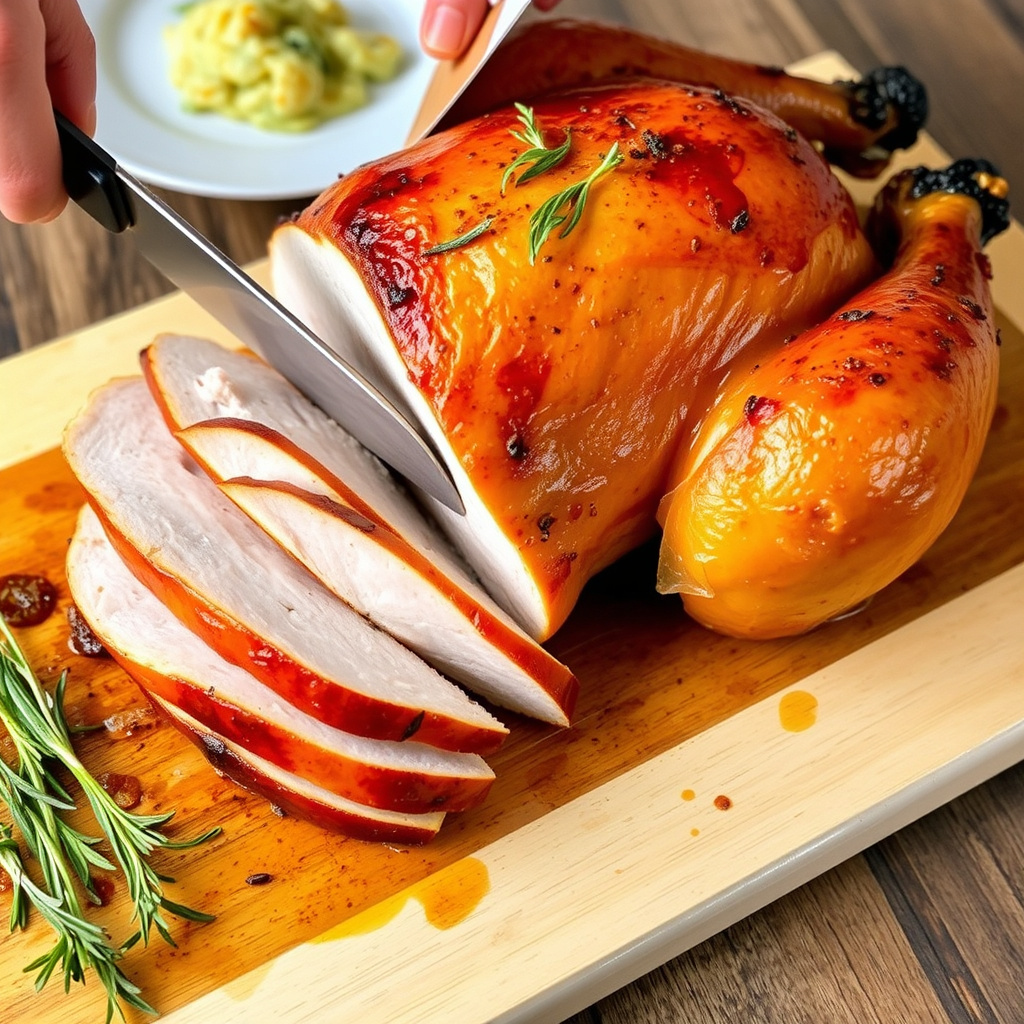
Proper Carving Techniques
Use a sharp carving knife or electric slicer for thin, even slices. Remove the legs and wings first, then carve breast meat against the grain to maximize tenderness.
Carving while the meat is still warm but rested helps retain juices. Avoid cutting too early as it can cause moisture loss.
- Slice breast meat against the grain
- Separate legs and wings first
- Carve after resting period
- Use a sharp, clean knife
For additional information on smoking methods and meat preparation, reading about smoking meat techniques can be helpful. smoking meat techniques.
Serving Suggestions and Storage
Serve smoked turkey with complementary sides such as cranberry sauce, roasted vegetables, or smoked gravy to enhance the smoky flavor.
Leftovers should be cooled quickly and refrigerated within two hours. Warm gently when reheating to maintain moisture and texture.
- Pair with savory sides and sauces
- Cool leftovers promptly
- Reheat gently to avoid drying
- Store in airtight containers
Comparing Popular Wood Types for Smoking Turkey
Here's a table summarizing different wood types commonly used to smoke turkey, highlighting their flavor profiles and best uses.
| Wood Type | Flavor Profile | Burn Time | Best For |
|---|---|---|---|
| Apple | Mild, sweet, fruity | 2-3 hours (chips) | Beginners, subtle flavor |
| Cherry | Slightly sweet, rich | 2-3 hours (chips) | Balanced flavor, pairs well with herbs |
| Hickory | Strong, smoky, bacon-like | 3-4 hours (chunks) | Bold smoke flavor lovers |
| Pecan | Rich, nutty, sweet | 3-4 hours (chunks) | Deep flavor without overpowering |
Frequently Asked Questions
How long does it take to smoke a turkey?
Smoking a turkey generally takes about 30-40 minutes per pound at 225°F-275°F. A 12-pound bird will take roughly 6 to 8 hours, depending on your smoker and temperature consistency.
Do I need to brine a turkey before smoking?
Brining is not mandatory but highly recommended for moisture retention and enhanced flavor. Both wet and dry brines work well before smoking to keep the meat juicy.
What temperature should smoked turkey reach to be safe?
The internal temperature of smoked turkey should reach 165°F in the thickest part of the breast or thigh to ensure it is safe to eat.
Can I smoke a frozen turkey?
Smoking a frozen turkey is not advisable because it cooks unevenly and can increase food safety risks. Fully thaw the turkey before smoking for even cooking.
Should I baste the turkey while smoking?
Basting is optional. It can add flavor and moisture but can also cause heat fluctuations if done too often. Using a water pan for humidity might be easier to maintain consistent moisture.
Key Takeaways
- Thoroughly prepare and dry your turkey before smoking for best results.
- Choose mild woods like apple or cherry for a balanced smoke flavor.
- Maintain stable smoker temperatures between 225°F and 275°F.
- Rest the turkey after smoking to keep it juicy and flavorful.
Conclusion
Understanding how to smoke a turkey involves combining preparation, temperature control, wood selection, and smoking time. Each step affects the final flavor and texture of your bird. By focusing on proper thawing, brining, and seasoning, along with consistent smoker operation, you can achieve moist meat infused with pleasant smoky notes.
If you prefer subtle, sweet smoke, fruit woods like apple or cherry complement your turkey perfectly. For those who enjoy stronger smoke, hickory or pecan provide a deeper flavor profile. Brining your turkey beforehand enhances moisture retention regardless of the wood used. Carefully monitoring internal temperature using a thermometer ensures your bird is both delicious and safe.
Starting your smoking process early allows ample time for the turkey to reach 165°F safely. Rest it after cooking for 20-30 minutes to allow juices to settle. Armed with these techniques, you can confidently prepare smoked turkey for any occasion. Try experimenting with different wood blends and seasonings to make it your own signature dish.