Smoking chicken involves cooking the meat slowly at low temperatures with wood smoke to infuse deep flavors. To smoke chicken successfully, you need proper preparation, maintaining consistent temperatures around 225°F to 275°F, and choosing the right woods to complement the chicken's natural taste.
The process matters because smoking not only imparts a signature smoky aroma and flavor but also keeps the chicken moist and tender. Unlike grilling or baking, smoking requires patience and control, but the flavorful result makes the effort worthwhile for backyard cooks and BBQ enthusiasts.
This guide will walk you through everything from selecting and preparing the chicken, setting up your smoker, choosing smoke woods, to monitoring internal temperatures and finishing techniques for the best smoked chicken every time.
Preparing Your Chicken for Smoking
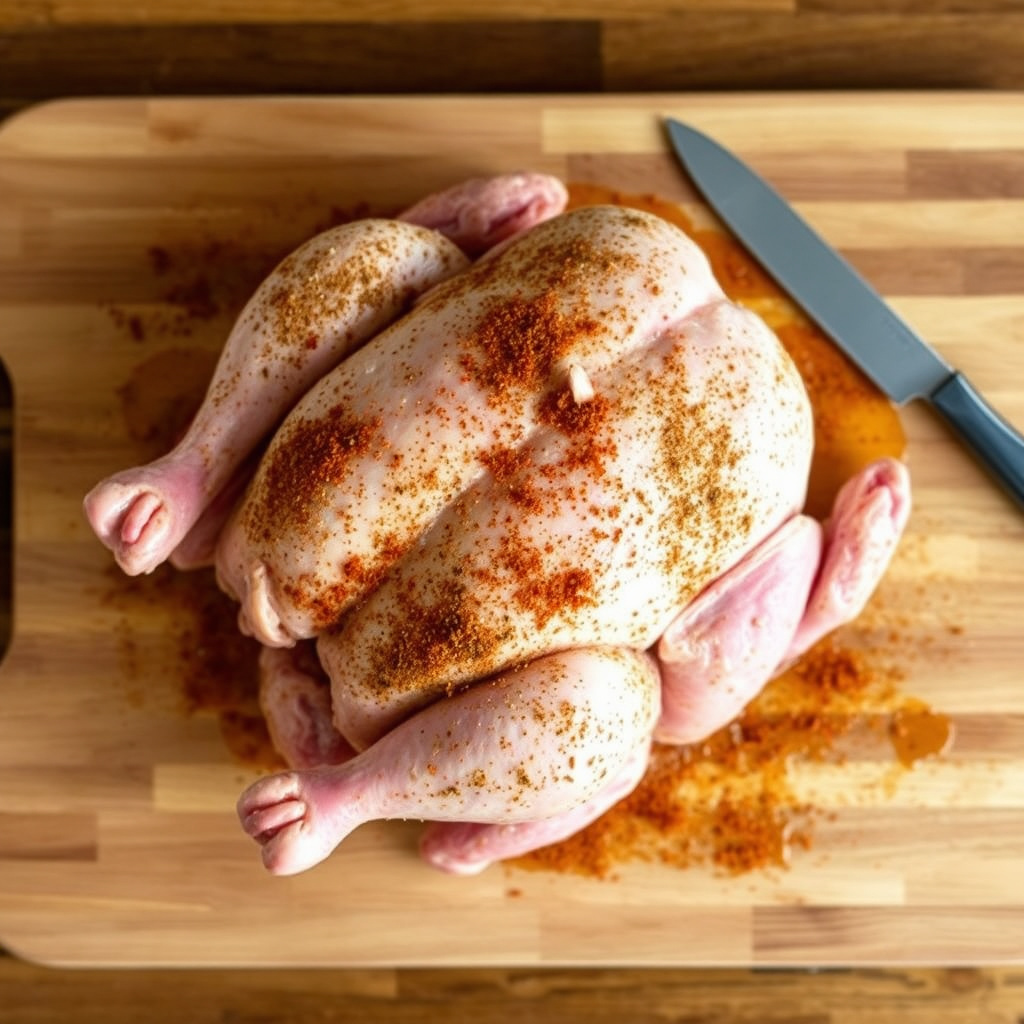
Choosing the Right Chicken Cuts
Whole chickens, thighs, breasts, and drumsticks all work well for smoking, but each requires slight adjustments in cooking time. Whole chickens offer balanced flavor and moisture retention, while thighs are naturally fattier and more forgiving to smoke.
If you prefer quicker smoking, bone-in thighs and drumsticks are excellent choices, staying juicy even with longer cooks. Breasts can dry out quickly if over-smoked, so consider brining or smoking at lower temperatures for shorter periods.
- Whole chicken: 3-5 hours cooking
- Thighs and drumsticks: 2-3 hours cooking
- Breasts: 1.5-2.5 hours cooking with care
Seasoning and Brining Techniques
Brining the chicken before smoking improves moisture retention and tenderness. A simple saltwater brine with sugar and aromatics for 4-12 hours plumps the meat and enhances smoke penetration.
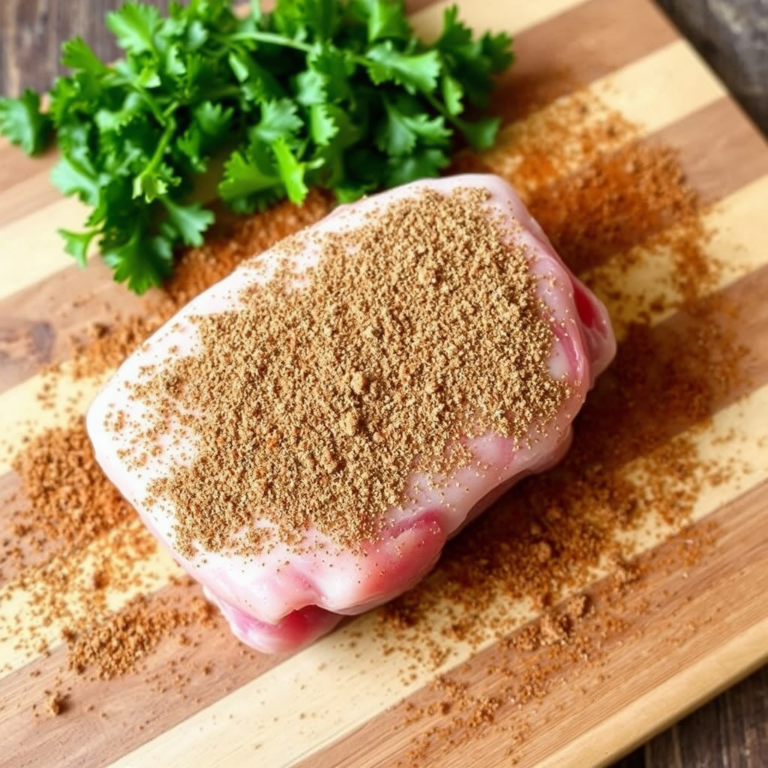
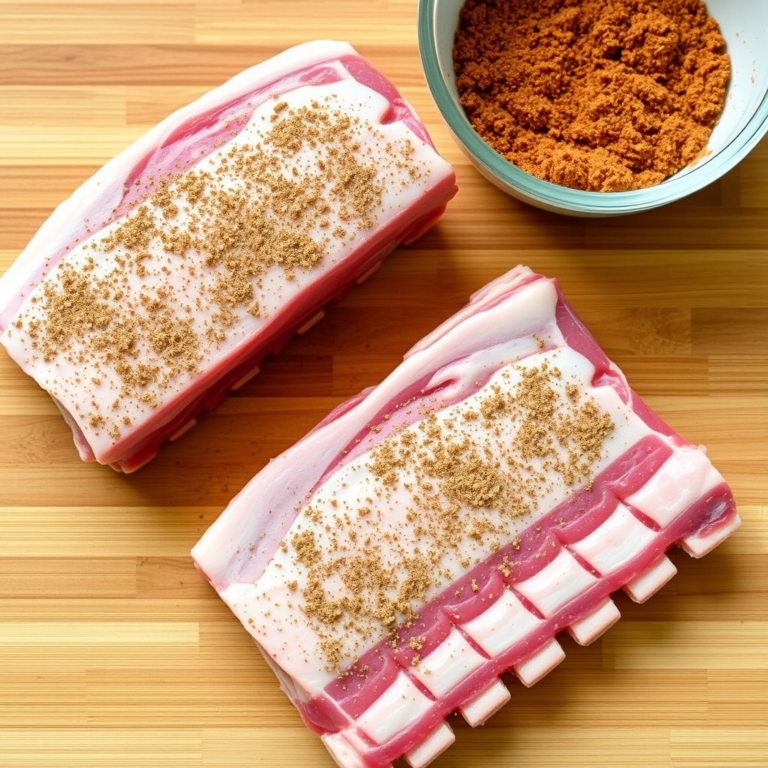
After brining, pat the chicken dry and apply your favorite rub. Dry rubs with salt, pepper, paprika, and garlic powder create a flavorful crust. Avoid heavy sauces at the start to allow smoke to penetrate the surface.
- Basic brine: water, salt, sugar, bay leaves
- Pat dry before applying dry rub
- Common rub ingredients: paprika, garlic, onion powder
Setting Up Your Smoker for Chicken
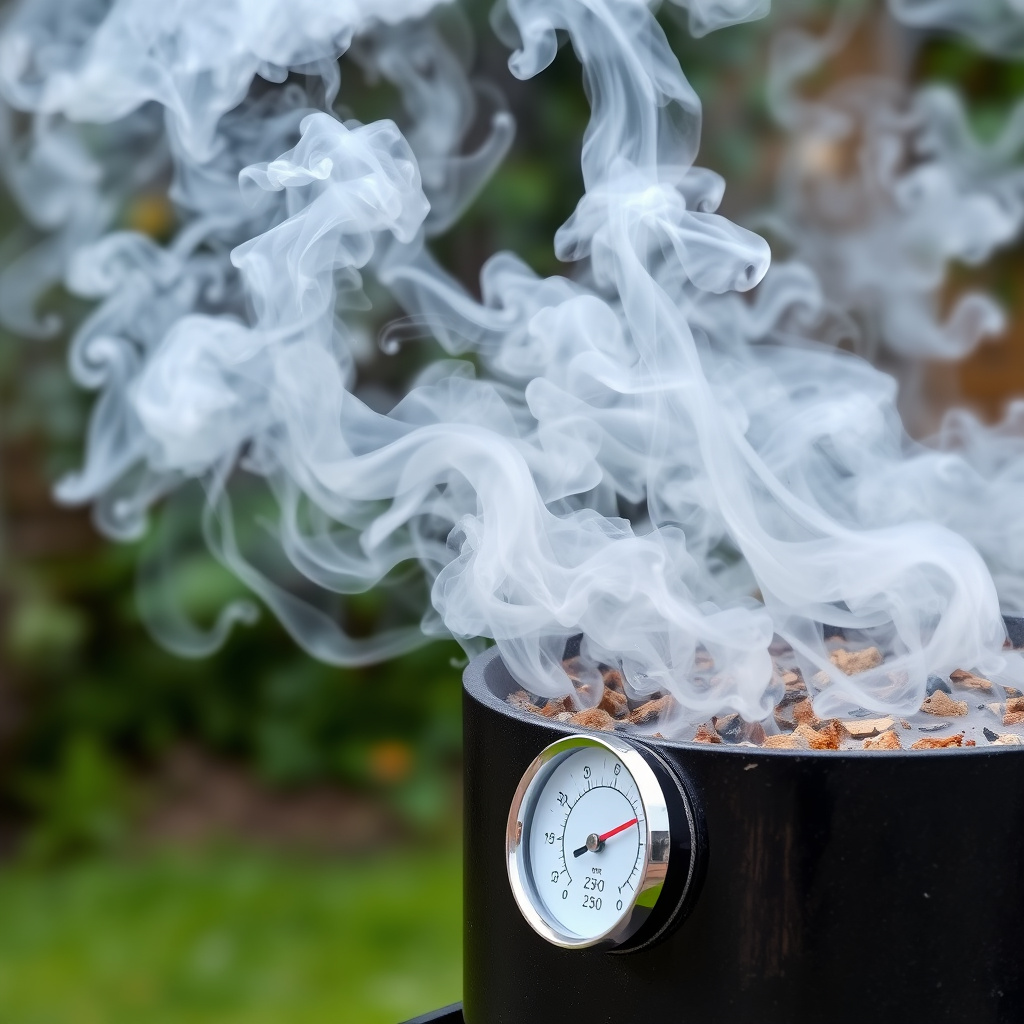
Maintaining Ideal Temperature Range
Smoking chicken requires steady temperatures between 225°F and 275°F. Temperatures below 225°F increase cooking time too much, risking dryness, while going over 275°F may shrink the meat and toughen textures.
Use a reliable smoker thermometer to monitor ambient temperature. Adjust air vents or fuel source regularly to keep the temperature steady and prevent hot or cold spots inside the smoker.
- Target temperature: 225°F–275°F
- Monitor with a digital smoker thermometer
- Adjust vents to control airflow and heat
For more on this, see our related guide: How to Smoke Meat on a Charcoal Grill: A Step-by-Step Guide.
Choosing Charcoal or Pellet Fuel
Charcoal offers traditional smoky flavor and allows manual control over heat and smoke intensity. You can add wood chips for additional aroma. Pellet smokers deliver consistent temperatures automatically but may provide a less intense smoke flavor.
For beginners, pellet smokers simplify the process, while charcoal smokers require more attention but reward with nuanced smoky profiles. Whichever fuel you choose, ensure clean, quality sources to avoid off-flavors.
- Charcoal: manual heat and smoke control
- Pellet: steady temperature, less hands-on
- Add wood chips for flavor enhancement
Selecting the Best Wood for Smoking Chicken
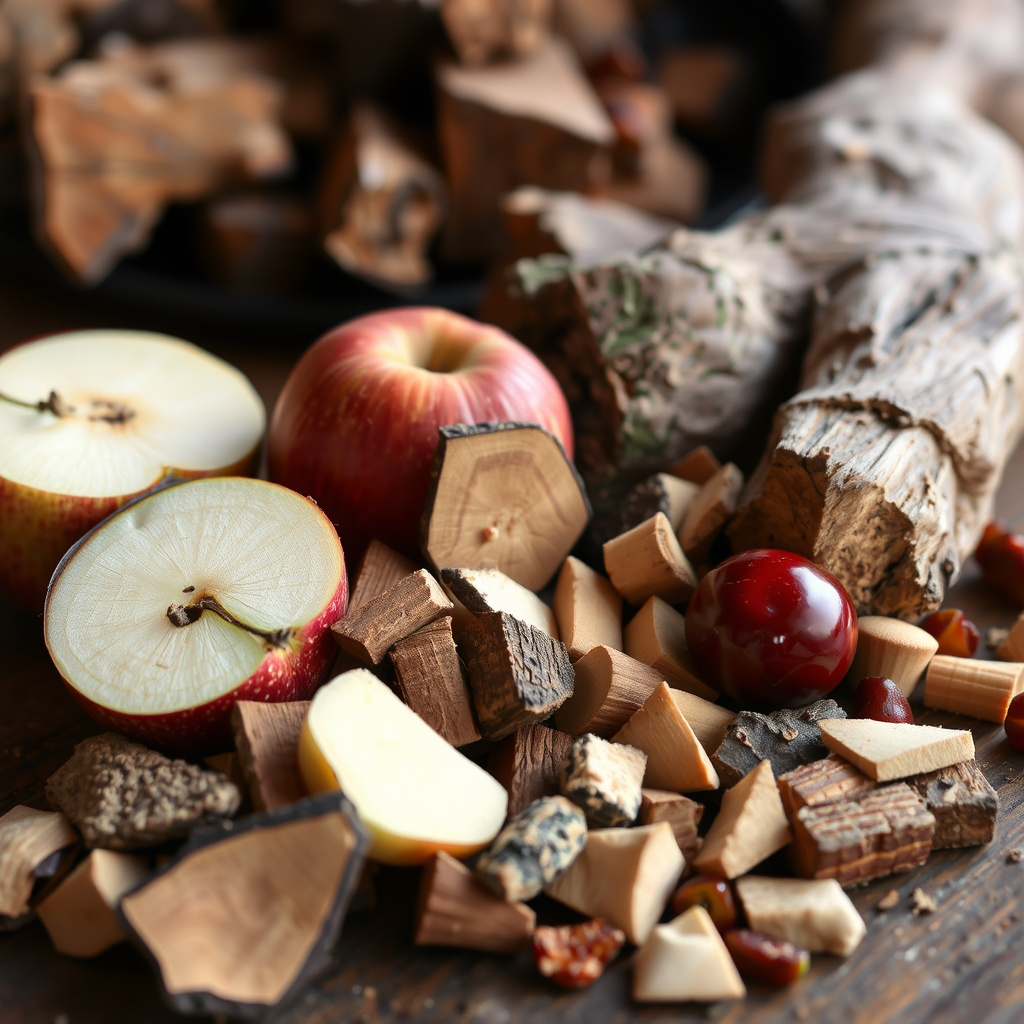
Mild Woods for Balanced Flavor
Fruity woods like apple and cherry produce a mild, subtly sweet smoke flavor ideal for chicken. These woods don’t overpower the delicate poultry taste, enhancing without masking the natural profile.
Apple wood is especially popular for whole chicken smoking because it pairs well with most seasonings, while cherry adds a rich color to the skin and a slightly deeper sweetness.
- Apple wood: light, sweet, mild smoke
- Cherry wood: fruity, slightly sweet, deep color
Stronger Woods for Bold Smoke
Hickory and oak provide stronger, more assertive smoke flavors. Hickory has a bacon-like aroma that enriches chicken but should be used sparingly to avoid bitterness. Oak offers balanced smokiness and burns steadily for long cooks.
Mixing stronger woods with milder fruit woods can create complex flavor layers. Use small amounts of hickory combined with fruit woods to complement smoked chicken well.
- Hickory: strong, savory, bacon-like smoke
- Oak: medium intensity, steady burn
- Create blends with fruit woods to balance flavors
Smoking Process and Temperature Monitoring
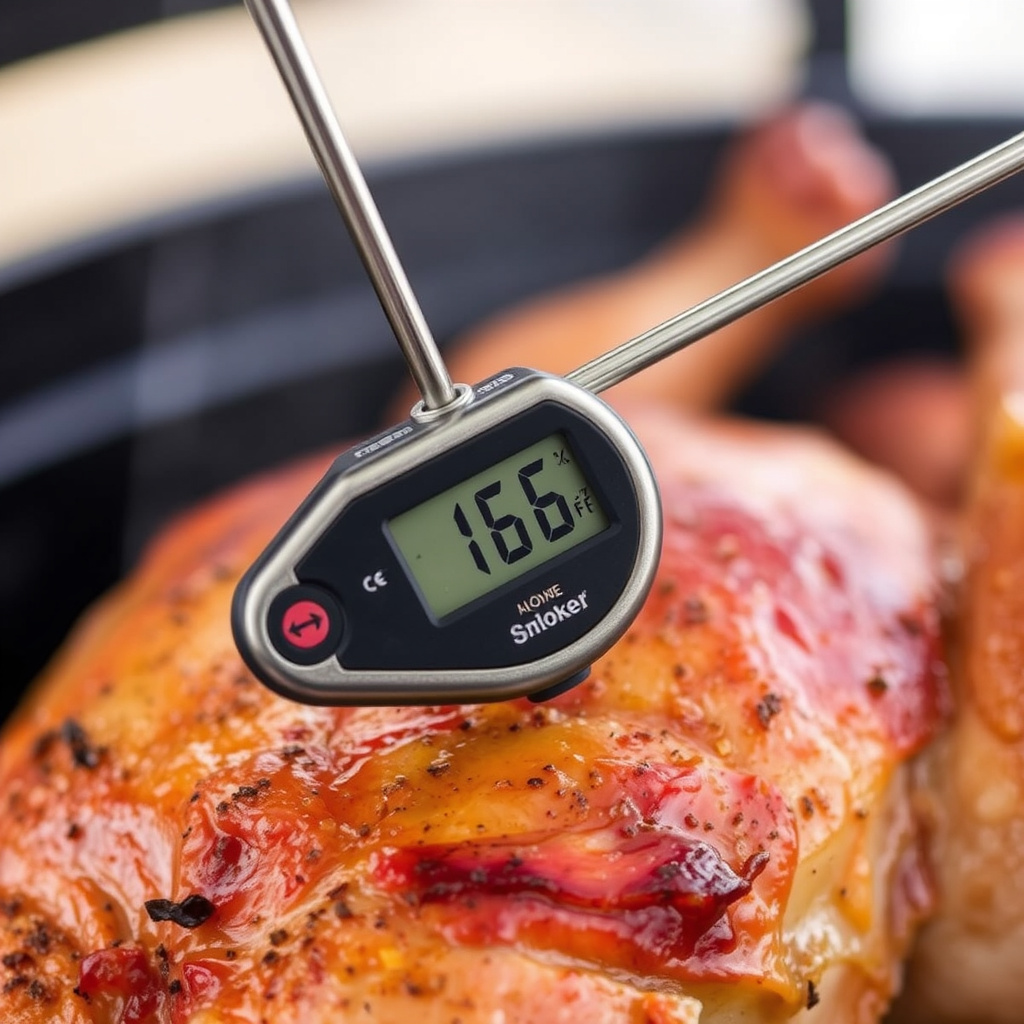
How to Smoke Chicken Properly
Place the prepared chicken on the smoker rack away from direct heat for indirect cooking. Let the smoke envelop the meat as it gently cooks through. Resist opening the smoker too often to maintain steady temperature and smoke concentration.
Smoking times vary, but a whole chicken typically takes 3 to 5 hours. Use a water pan inside your smoker to create humidity, keeping the meat moist and stabilizing temperature fluctuations.
- Use indirect heat placement
- Avoid opening smoker frequently
- Consider a water pan for moisture
For more on this, see our related guide: How to Smoke Meat on a Gas Grill: A Step-by-Step Guide.
Knowing When Your Chicken is Done
The USDA recommends cooking chicken to an internal temperature of 165°F in the thickest part. Use a quality meat thermometer to avoid guessing and inserting it properly in the breast or thigh.
Sometimes chicken benefits from ‘carryover cooking’ — resting after smoking to allow internal temperatures to rise a few degrees and juices redistribute, yielding juicier results.
- Target internal temperature: 165°F
- Insert thermometer in thickest part
- Let rest 10-15 minutes after smoking
Finishing Techniques and Serving Tips
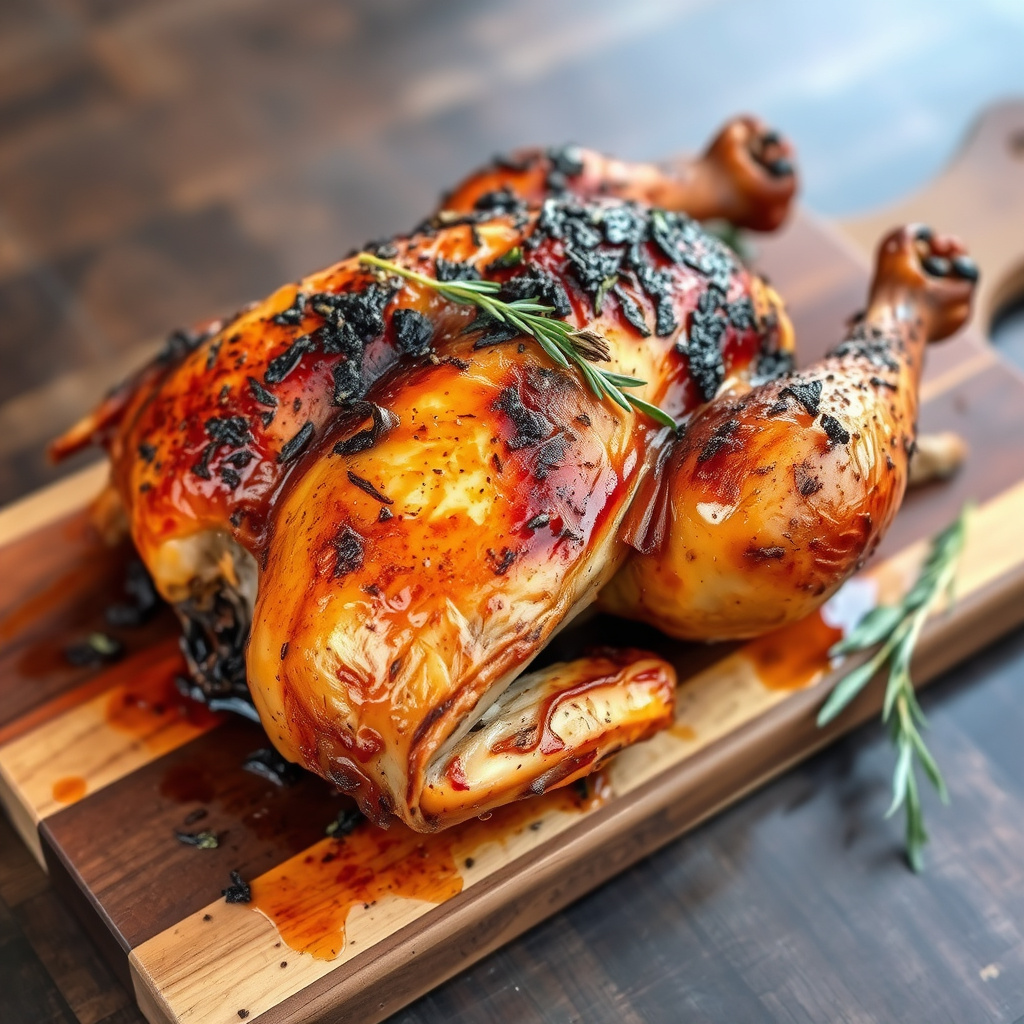
Creating Crispy Skin After Smoking
Smoked chicken skin can be tender but not always crispy. To add texture, finish the chicken on a hot grill or under a broiler for a few minutes to crisp the skin without drying out the meat.
Another method is to apply a light brush of oil or butter before crisping and avoid covering the chicken while resting to retain crispness.
- Finish on grill or broiler for crisp skin
- Brush with oil or butter before crisping
- Avoid covering chicken while resting
For more detailed information on smoking methods and culinary effects, you can explore the Wikipedia page on smoking in cooking. Smoking chicken techniques.
Serving Suggestions for Smoked Chicken
Serve your smoked chicken alongside classic BBQ sides like coleslaw, baked beans, and cornbread. Smoked chicken also pairs well with fresh salads and grilled vegetables for a lighter meal.
Leftovers can be shredded for sandwiches, tacos, or added to salads. The smoky flavor enhances a variety of dishes making smoked chicken versatile beyond the initial meal.
- Classic sides: coleslaw, baked beans, cornbread
- Use leftovers in sandwiches and tacos
- Pair with grilled vegetables for variety
Smoking Chicken Methods Comparison
This table compares common smoking methods and their characteristics to help choose the best approach for your smoked chicken.
| Method | Fuel Type | Flavor Profile | Temperature Control | Ease of Use | Typical Cook Time |
|---|---|---|---|---|---|
| Charcoal Smoker | Charcoal + Wood Chips | Rich, traditional smoky flavor | Manual, requires adjustments | Moderate | 3-5 hours |
| Pellet Smoker | Wood Pellets | Consistent medium smoke | Automatic, easy to maintain | Easy | 3-5 hours |
| Electric Smoker | Electric heating element + wood chips | Mild smoke flavor | Automatic, precise | Very easy | 3-5 hours |
| Stick Burner (Offset) | Wood logs | Strong, intense smoke | Manual, requires experience | Difficult | 3-6 hours |
Frequently Asked Questions
Can I smoke chicken without a dedicated smoker?
Yes, you can use a charcoal or gas grill set up for indirect heat with added wood chips to create smoke. Maintain low temperatures and monitor carefully for best results.
Should I soak wood chips before smoking chicken?
Soaking wood chips is optional. Dry chips ignite faster and produce stronger smoke, while soaked chips burn slower and provide steadier smoke, reducing flare-ups.
How long does it take to smoke a whole chicken?
Smoking a whole chicken typically takes between 3 to 5 hours at 225°F to 275°F depending on size and smoker performance.
Is it necessary to brine chicken before smoking?
Brining is recommended but not mandatory. It improves moisture retention and tenderness, especially for lean cuts like breasts.
How do I keep smoked chicken moist during cooking?
Use a water pan in the smoker, avoid opening the lid frequently, and consider brining. These techniques help maintain humidity and keep chicken juicy.
Key Takeaways
- Maintain smoker temperature between 225°F and 275°F for best results.
- Use fruit woods like apple or cherry for mild smoke flavors that complement chicken.
- Brining and proper seasoning enhance moisture and flavor depth.
- Use a meat thermometer to verify chicken is safely cooked to 165°F.
Conclusion
When deciding how to smoke chicken, the key lies in balancing time, temperature, wood choice, and preparation. Smoking is a slow cooking process that rewards patience and attention to detail, creating tender, flavorful chicken with a distinctive smoky aroma. Selecting the right cut and seasoning, controlling temperature carefully, and monitoring internal doneness are essential steps to achieve delicious results. This method transforms simple poultry into a satisfying centerpiece whether using whole chickens or portions.
For backyard enthusiasts, charcoal smokers using fruit woods like apple or cherry offer a classic experience for rich flavor, while pellet smokers provide consistent temperature control and simplicity. Thighs and drumsticks are forgiving options for beginners, absorbing smoke effectively and resisting drying out. If crispy skin is desired, finishing on a hot grill or broiler enhances texture. Brining the chicken beforehand adds moisture and flavor uplift that many find indispensable.
To get started, prepare your chicken with a proper brine and rub, select your wood carefully for complementary smoke, and keep the smoker steady at about 250°F. Use a quality meat thermometer to confirm an internal temperature of 165°F, then rest the meat before serving. With practice and these techniques, you'll confidently produce delicious smoked chicken worthy of any barbecue gathering.