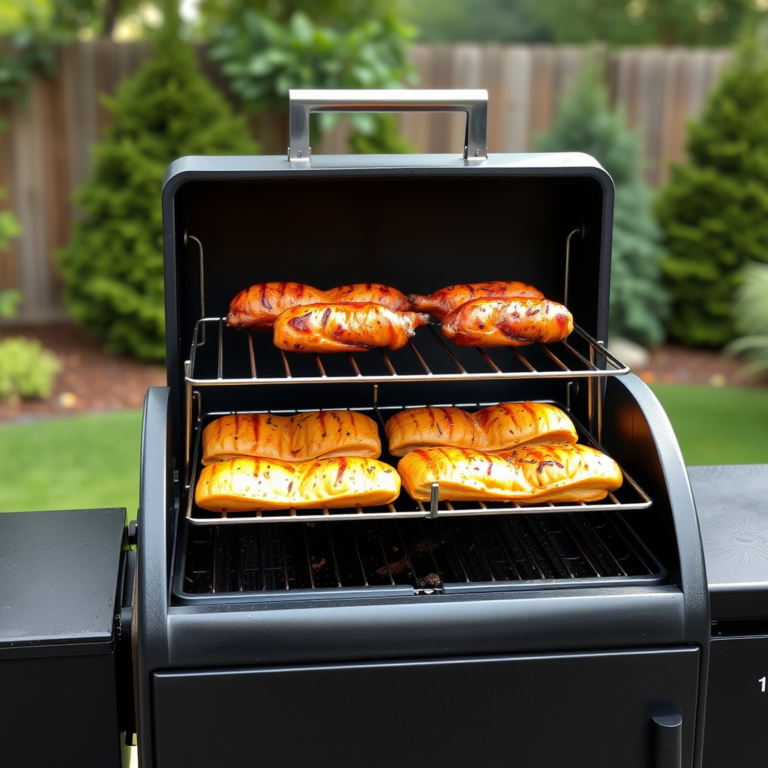
Smoking ribs involves slow-cooking pork ribs over indirect heat with wood smoke, producing tender, juicy meat packed with smoky flavor. The key is controlling temperature and smoke to break down collagen without drying out the meat, resulting in ribs that pull cleanly from the bone with a rich bark on the surface.
This method matters because ribs cooked too quickly or with too much smoke become tough, dry, or bitter. Smoking ribs properly enhances both texture and taste, making them a barbecue favorite. Understanding the smoking process helps turn your backyard pit into a source of restaurant-quality ribs.
In this guide, you'll find detailed coverage on selecting ribs, preparing your smoker, choosing wood, managing temperature and time, applying rubs and sauces, and slicing the ribs after smoking. Whether you're a novice or looking to improve your technique, these steps will help you master how to smoke ribs.
Preparing Your Ribs for Smoking
Selecting the Right Type of Ribs
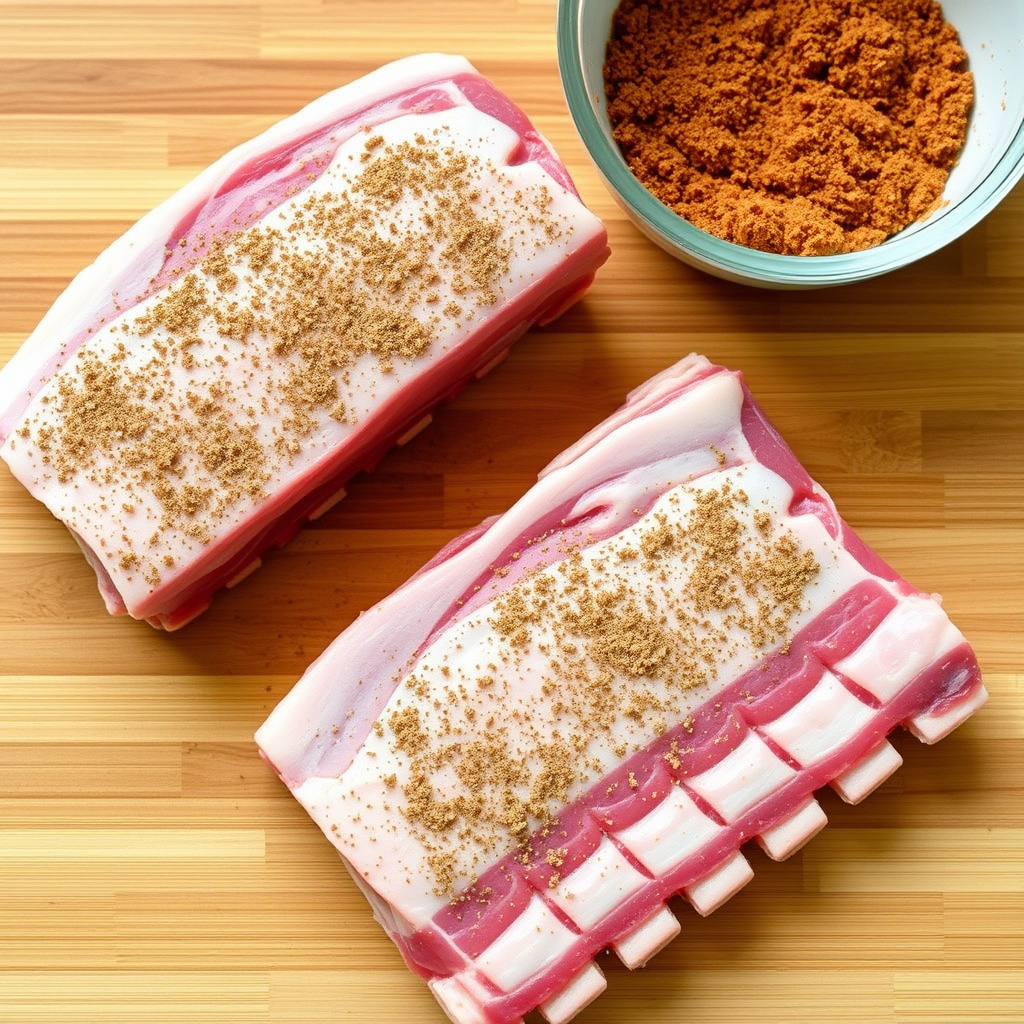
Choosing between baby back ribs, spare ribs, and St. Louis style ribs is essential for smoking success. Baby back ribs are leaner and cook faster, making them ideal for quick smokers. Spare ribs have more fat and connective tissue, which breaks down nicely during long smoking sessions, producing richer flavor.
St. Louis ribs are spare ribs trimmed into a uniform rectangular shape that promotes even cooking. Your choice affects cook time and texture, so select based on your smoker type and desired eating experience.
- Baby back ribs: tender, quick-cooking
- Spare ribs: fattier, longer smoke time
- St. Louis style: trimmed spare ribs
Trimming and Removing the Membrane
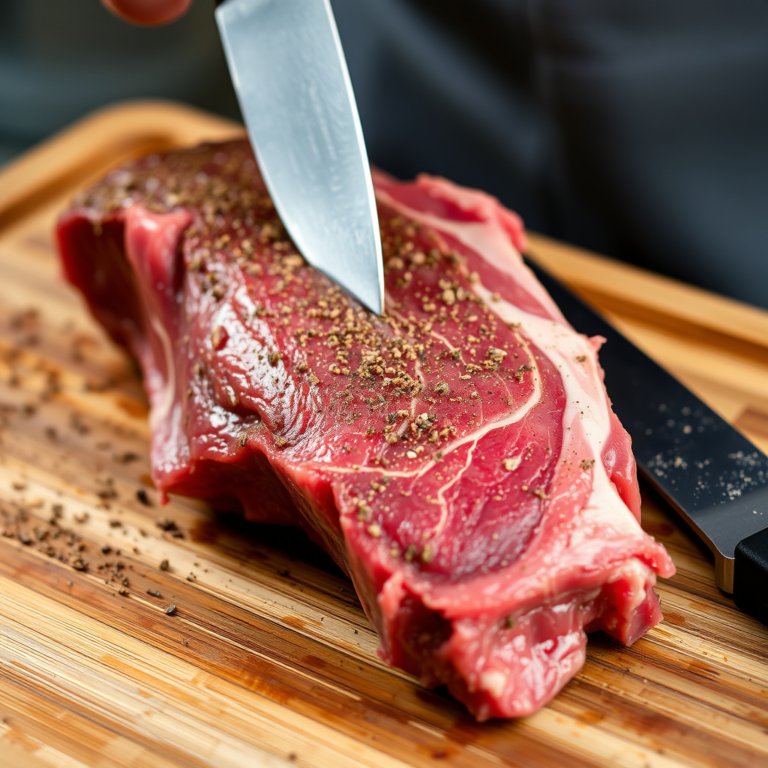
Before applying rubs, remove the tough silver skin membrane from the bone side of the ribs. This barrier prevents smoke and seasoning from penetrating the meat fully and can create a chewy texture if left intact.
Use a butter knife or your fingers to loosen a corner of the membrane, then pull it off in one piece. Trimming excess fat from the ribs also aids even cooking and smoke absorption.
Seasoning and Rubs for Smoked Ribs
Creating or Choosing the Perfect Dry Rub
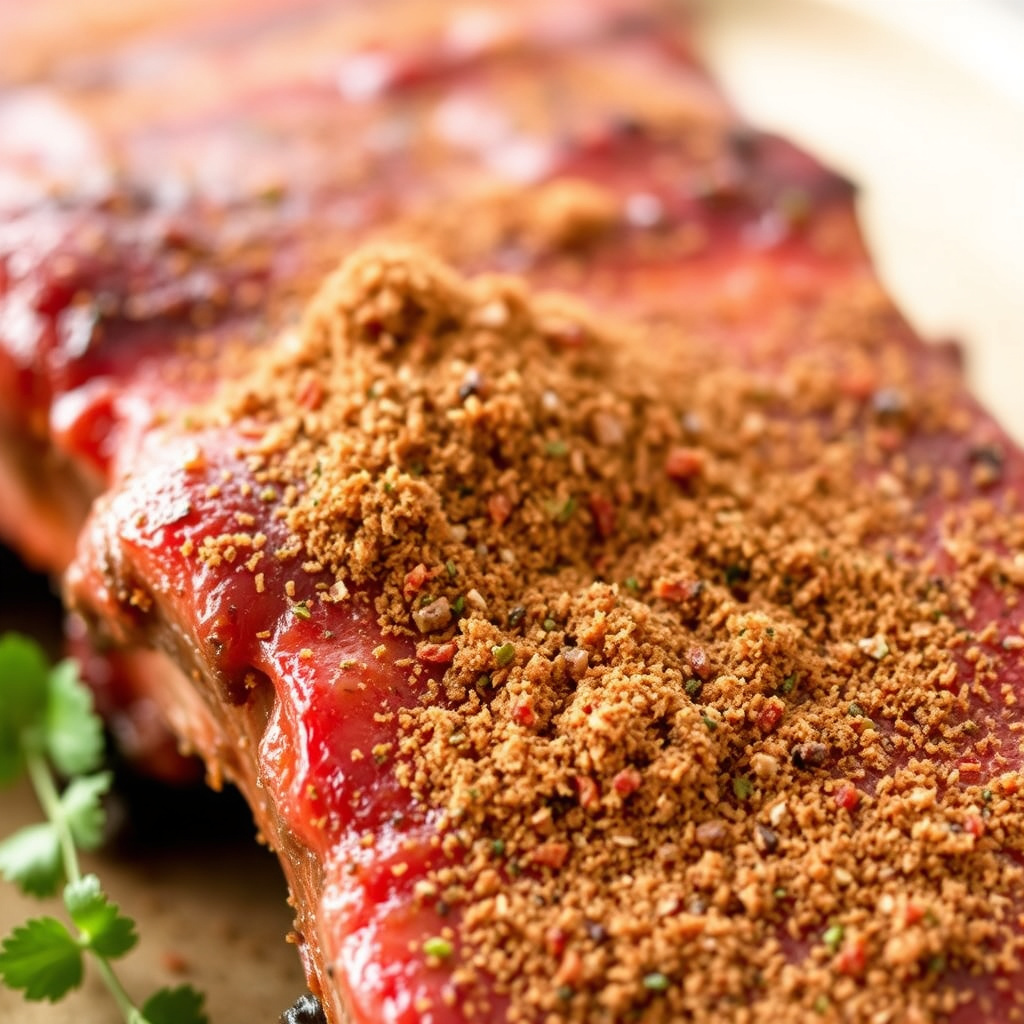
A dry rub combines spices, sugar, and salt to build flavor and form the crust known as bark while smoking ribs. Classic rub ingredients include paprika, brown sugar, garlic powder, onion powder, and black pepper. You can customize rubs to suit sweeter, spicier, or smokier preferences.
Apply the rub evenly onto the ribs, rubbing it into every surface to allow the flavors to penetrate during the smoke session. For even better absorption, let the ribs rest with the rub in the refrigerator for a few hours or overnight before smoking.
- Paprika for smoky color
- Brown sugar for sweetness and caramelization
- Salt to enhance flavors
- Garlic and onion powders for depth
For more on this, see our related guide: How to Smoke Meat on a Charcoal Grill: A Step-by-Step Guide.
When and How to Apply Sauce
Most pitmasters recommend applying barbecue sauce near the end of the smoking process to prevent burning due to the sauce's sugar content. Typically, sauce is brushed on during the last 30 minutes of cooking to glaze the ribs evenly.
If you prefer ribs without sauce or want to serve sauce on the side, focus on achieving excellent bark and seasoning with the rub only. This method highlights the smoky and savory notes of your cooking method.
Smoking Techniques and Temperature Control
Choosing the Best Wood for Smoking Ribs
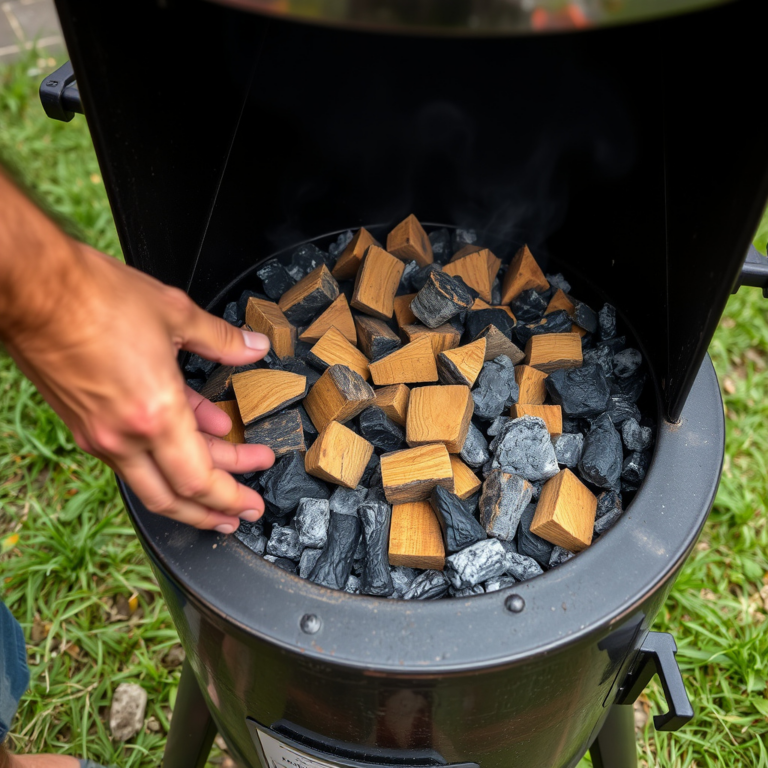
Hickory, apple, cherry, and oak are popular woods that lend complementary flavors to smoked ribs. Hickory offers a strong smoky flavor often associated with traditional barbecue, while apple and cherry provide a lighter, fruity smoke that blends well with the sweetness of the rub.
Oak is a versatile wood producing medium smoke that pairs well with any rib type. Avoid woods like mesquite for ribs, as their intense smoke can overpower the delicate pork.
- Hickory: strong, classic barbecue flavor
- Apple: sweet, mild fruity smoke
- Cherry: sweet and rich aromatic smoke
- Oak: balanced medium smoke
Maintaining Consistent Temperature for Tenderness
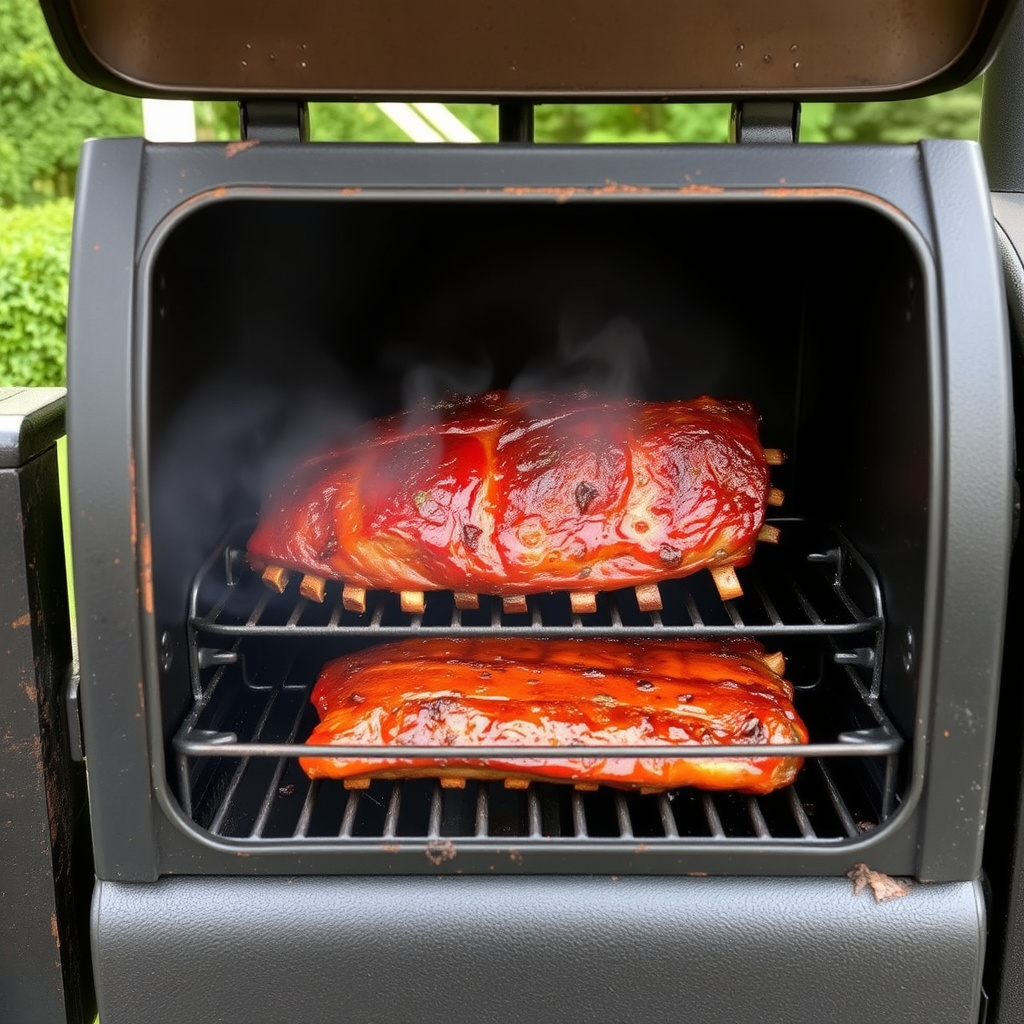
Keeping your smoker steady at around 225°F to 250°F ensures ribs cook slowly enough for collagen to break down, producing tender meat without drying it out. Fluctuations outside this range risk undercooking or toughness.
Use a reliable thermometer and adjust vents and fuel to maintain temperature. Indirect heat is critical, so position ribs away from direct flames and replenish wood and charcoal as needed to sustain fire.
The Smoking Process: Time and Techniques
Understanding the 3-2-1 Smoking Method
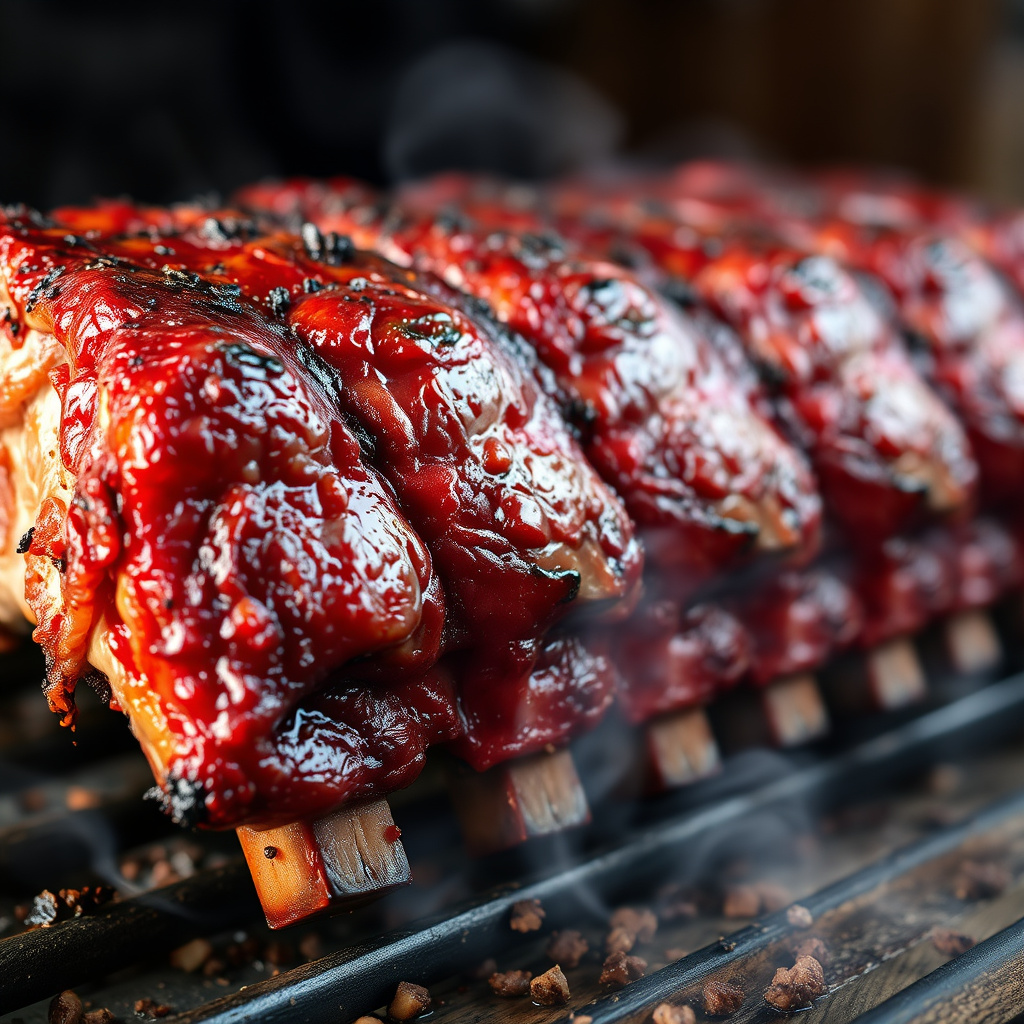
The 3-2-1 method breaks the cook into three hours smoking the ribs unwrapped, two hours wrapped in foil to tenderize, and one hour unwrapped again to firm the bark. This technique is popular for spare ribs and produces tender, juicy meat with a deep smoke flavor.
Adjustments may be needed depending on rib type and smoker performance. Baby back ribs may require less time, and skipping the foil wrap produces a firmer bark but requires more careful moisture management.
- 3 hours unwrapped smoking
- 2 hours wrapped to tenderize
- 1 hour unwrapped finishing
For more on this, see our related guide: How to Smoke Meat on a Gas Grill: A Step-by-Step Guide.
Using Water Pans and Spritzing
Water pans placed inside the smoker stabilize temperature and add humidity, which helps keep ribs moist during long cooks. Spritzing ribs periodically with apple juice, vinegar, or another liquid also assists in maintaining surface moisture.
These techniques prevent the meat from drying and create a more appealing bark texture. Typically, spritz every 30-45 minutes during the smoking phases when ribs are unwrapped.
- Place water pan near heat source
- Spritz with apple juice or vinegar
- Promotes moist environment and bark formation
Finishing and Serving Smoked Ribs
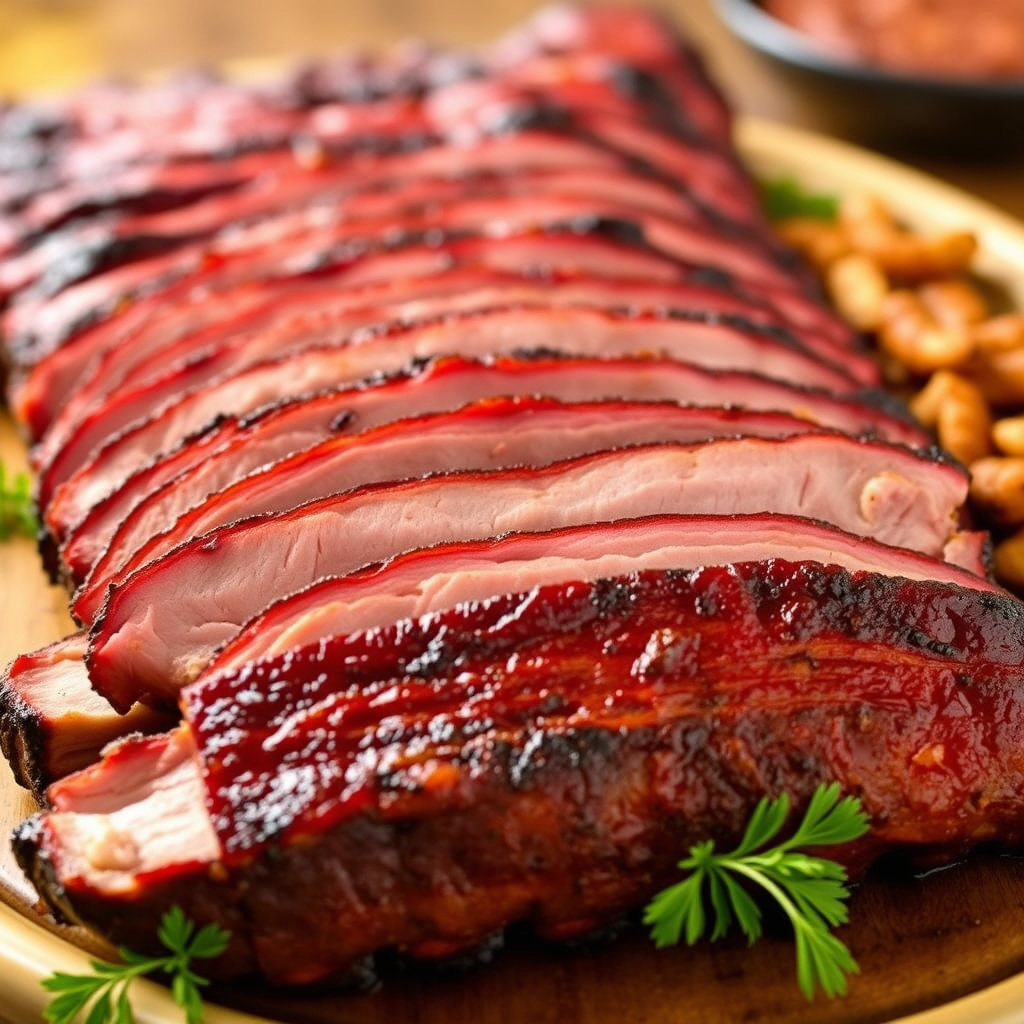
Knowing When Ribs Are Done
Finished ribs are tender but not falling apart completely. A good indicator is when the meat pulls away from the ends of the bones by about a quarter inch. Another test is the bend test: ribs should bend and crack but not break when lifted from the middle.
Internal temperature should be around 195°F to 203°F for ideal tenderness. Overcooked ribs may fall apart excessively, while undercooked ribs will be tough and chewy.
For more detailed history and diverse barbecue styles, check out the Wikipedia guide on Barbecue. Wikipedia guide on Barbecue.
Proper Slicing and Presentation
Slice between the bones for serving to ensure individual ribs hold together. Present ribs with a brush of sauce if desired and garnish with fresh herbs or pickles for balance.
Serving ribs promptly after smoking preserves juiciness and bark crispness. Leftovers can be reheated gently or repurposed into sandwiches and salads.
- Slice between bones
- Serve with sauce or sides
- Use for sandwiches if leftover
Types of Ribs and Smoking Recommendations
Here's a quick comparison of common rib types and their optimal smoking approaches for flavor and tenderness.
| Rib Type | Cook Time | Best Smoking Temperature | Flavor Profile |
|---|---|---|---|
| Baby Back Ribs | 4-5 hours | 225-250°F | Lean, mild pork flavor |
| Spare Ribs | 5-6 hours | 225-250°F | Rich, fatty, hearty flavor |
| St. Louis Style Ribs | 5-6 hours | 225-250°F | Even cook, balanced flavor |
| Country-Style Ribs | 3-4 hours | 250°F | Meatier, less rib bone, great for smoking |
Frequently Asked Questions
Can I smoke ribs without a dedicated smoker?
Yes, ribs can be smoked using a charcoal grill with indirect heat and a water pan for moisture. Adjust vents to control temperature and add wood chips for smoke flavor carefully.
How long should I smoke ribs for tender results?
Smoking ribs typically takes between 4 to 6 hours at 225°F to 250°F. The exact time depends on rib type and smoker consistency.
What wood type is best for smoking ribs?
Hickory is a classic choice for strong smoke flavor, while fruit woods like apple or cherry offer milder, sweeter smoke. Oak is balanced and versatile.
Should I wrap the ribs during smoking?
Wrapping ribs in foil during the middle phase, like in the 3-2-1 method, helps retain moisture and tenderize meat but can soften the bark.
How do I know when smoked ribs are done?
Ribs are done when the meat pulls back from the bone edges about a quarter inch and they bend with a slight crack but do not break entirely.
Key Takeaways
- Slow smoking at 225-250°F produces tender, juicy ribs.
- Removing the membrane and applying a dry rub enhances flavor and texture.
- Choosing the right wood affects the smoke flavor profile significantly.
- The 3-2-1 smoking method balances bark formation and meat tenderness.
Conclusion
Mastering how to smoke ribs requires attention to preparation, temperature control, and timing. Selecting quality ribs and removing the membrane allow smoke and seasoning to penetrate fully. Maintaining steady heat around 225-250°F breaks down tough connective tissue over several hours, resulting in tender, flavorful meat that showcases the art of smoking.
If you prefer leaner ribs and a shorter cook, baby back ribs smoked directly with mild wood like apple produce delicious results. For a richer taste and softer texture, spare ribs or St. Louis style cooked using the 3-2-1 method with hickory or oak are excellent choices. Applying sauce at the end keeps sugars from burning, while water pans and spritzing maintain moisture.
Begin by prepping your ribs with a solid dry rub and choosing your smoker’s fuel carefully. Be patient during the smoking process, monitoring temperature and smoke levels, and confirm doneness with visual cues and temperature checks. This approach delivers ribs worth savoring and sharing, elevating any barbecue occasion.