Smoking pulled pork requires patience, the right equipment, and proper technique to produce tender, juicy meat with rich smoky flavors. To start, select a well-marbled pork shoulder or Boston butt, season it with a dry rub, and smoke it low and slow at around 225°F for several hours until it reaches the ideal internal temperature of 195-205°F. This process breaks down connective tissue, making the meat easy to shred.
Smoke imparts a complex, savory depth to pork that grilling alone can't achieve, making it a favorite for barbecue, neighborhood gatherings, or special meals. Mastering how to smoke pulled pork is essential since ignoring factors like temperature control or wood choice can result in dry or unevenly cooked meat.
This guide explains how to prepare your pork, choose the right wood for smoking, manage your smoker's temperature, and when to wrap and rest the meat. You’ll also find insights on seasoning, shredding techniques, and finishing touches that elevate your pulled pork to barbecue excellence.
Selecting and Preparing the Pork Shoulder
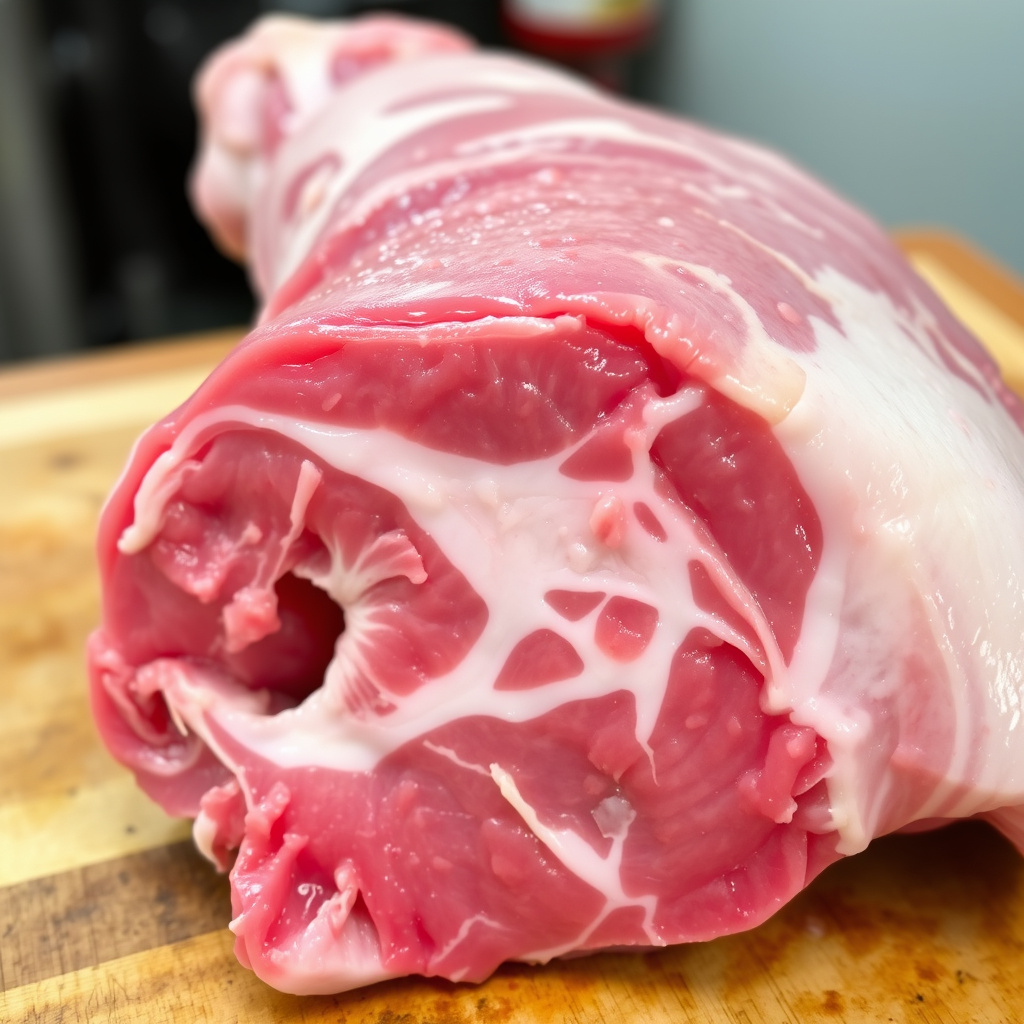
Choosing the Right Cut for Smoking
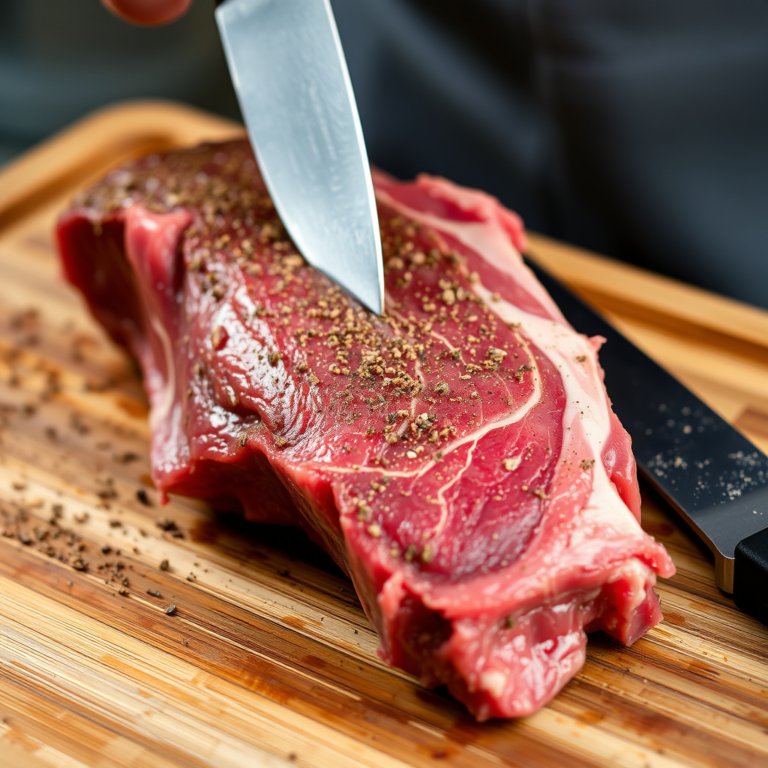
Pork shoulder, also called Boston butt, is the ideal cut for smoking pulled pork due to its balance of fat and connective tissue. This marbling melts during smoking and bastes the meat, keeping it moist. Select a piece weighing between 5 to 8 pounds with a good layer of fat, sometimes called the fat cap, as it helps render flavor during cooking.
Avoid lean cuts like pork loin that will dry out over long smoking. A well-marbled shoulder can stand hours of low-heat smoking without losing tenderness or moisture, creating the succulent pull-apart texture desired in pulled pork.
- Pork shoulder (Boston butt) is preferred
- Prefer pieces with visible fat marbling
- Ideal weight 5 to 8 pounds
- Avoid leaner cuts like pork loin
Seasoning and Dry Rub Application
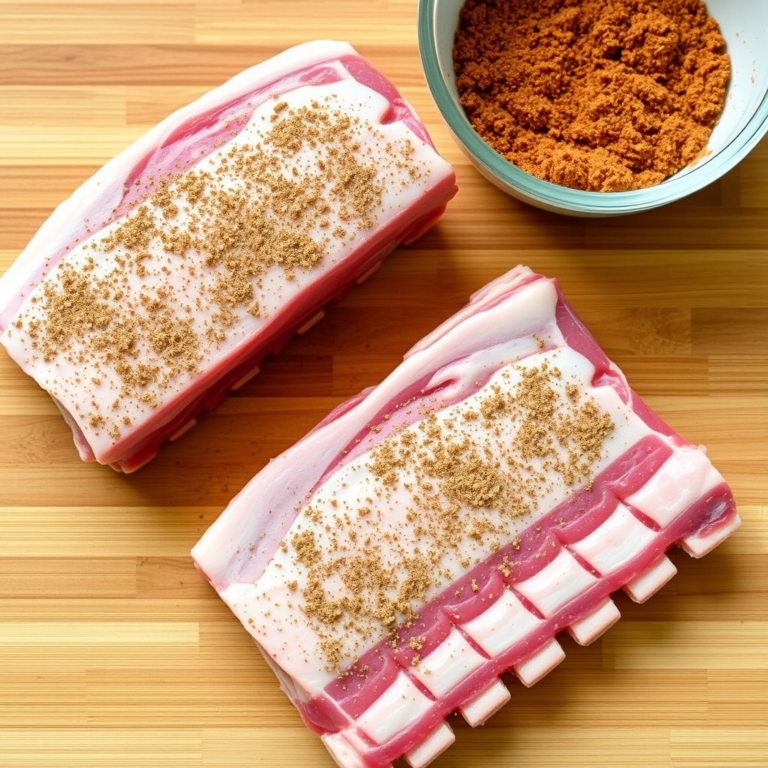
Before smoking, applying a dry rub enhances flavor and assists in bark formation. A simple rub contains salt, black pepper, paprika, brown sugar, garlic powder, and onion powder. Mix these ingredients evenly to create a balanced profile that complements the pork's natural savoriness.
Rub this mixture thoroughly on all sides of the pork shoulder, pressing lightly to adhere it. This step should be done at least an hour before smoking to allow the rub's flavors to penetrate but can be done up to overnight if you refrigerate the seasoned meat.
- Use a balanced rub of salt, sugar, and spices
- Apply liberally and evenly over the meat
- Let the pork rest with rub for 1 hour to overnight
Choosing the Best Wood for Smoking Pork
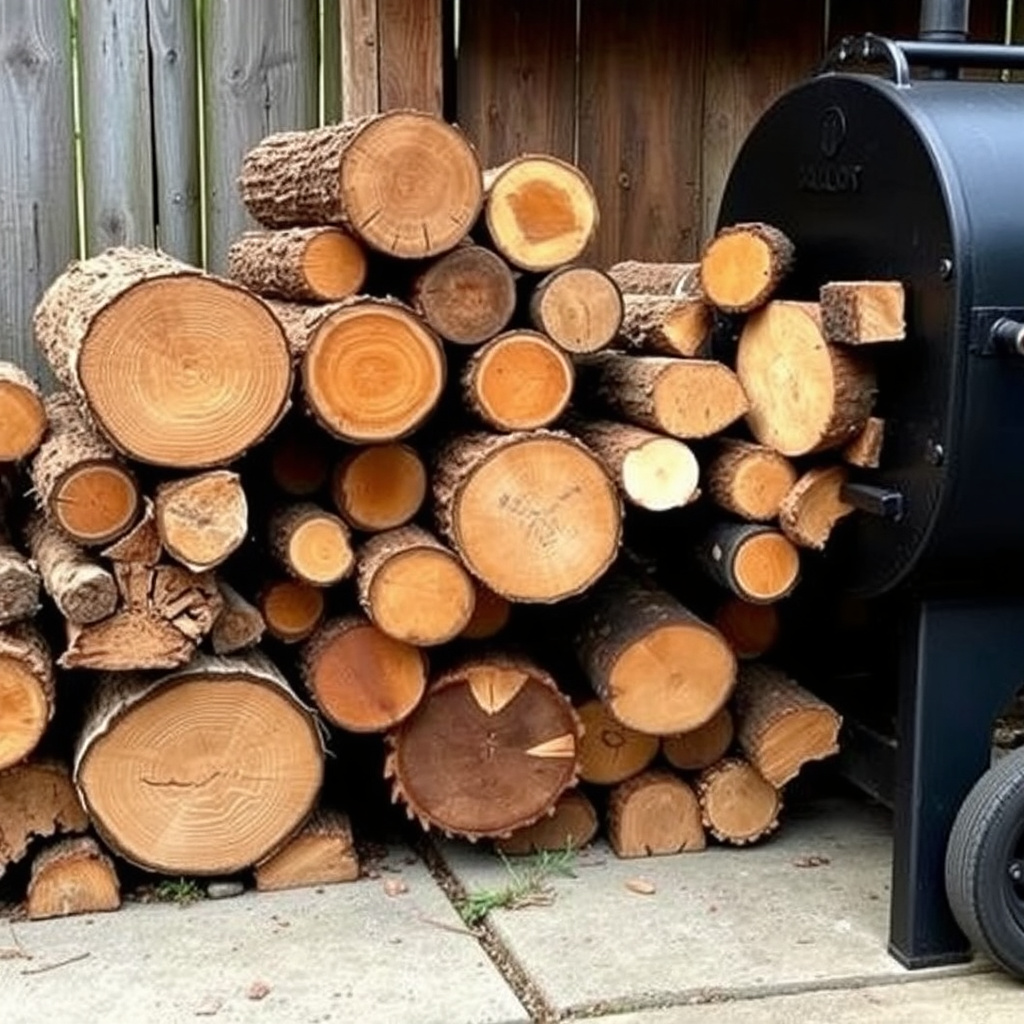
Types of Wood Suitable for Pulled Pork
Selecting the right wood significantly impacts the flavor profile of smoked pulled pork. Hickory is a classic choice, providing a strong, smoky flavor often associated with traditional barbecue. For a milder touch, fruitwoods like apple and cherry impart a subtle sweetness that pairs well with pork.
Avoid softwoods like pine or cedar that produce resinous smoke and bitter flavors. Oak is another versatile option, giving a medium smoky taste suitable for those preferring something between fruitwood and hickory.
- Hickory for bold smoky flavor
- Apple and cherry for mild sweet smoke
- Oak offers medium smoky profile
- Avoid resinous softwoods like pine
How to Use Wood Chips or Chunks in Your Smoker
Using wood chunks or chips depends on the smoker type. Wood chunks produce longer smoke and are better suited for longer cooks like pulled pork. Soaking chips in water can extend smoke time but may cause temperature drops.
Add wood gradually to maintain steady smoke without overpowering. Too much smoke or constant puffing of smoke indicates incomplete combustion, which can impart a bitter taste, so aim for thin, steady blue smoke during the process.
- Use wood chunks for prolonged smoking sessions
- Soak chips optionally to slow burning
- Add wood gradually for steady smoke
- Aim for thin blue smoke, not thick white smoke
Managing Smoker Temperature and Time
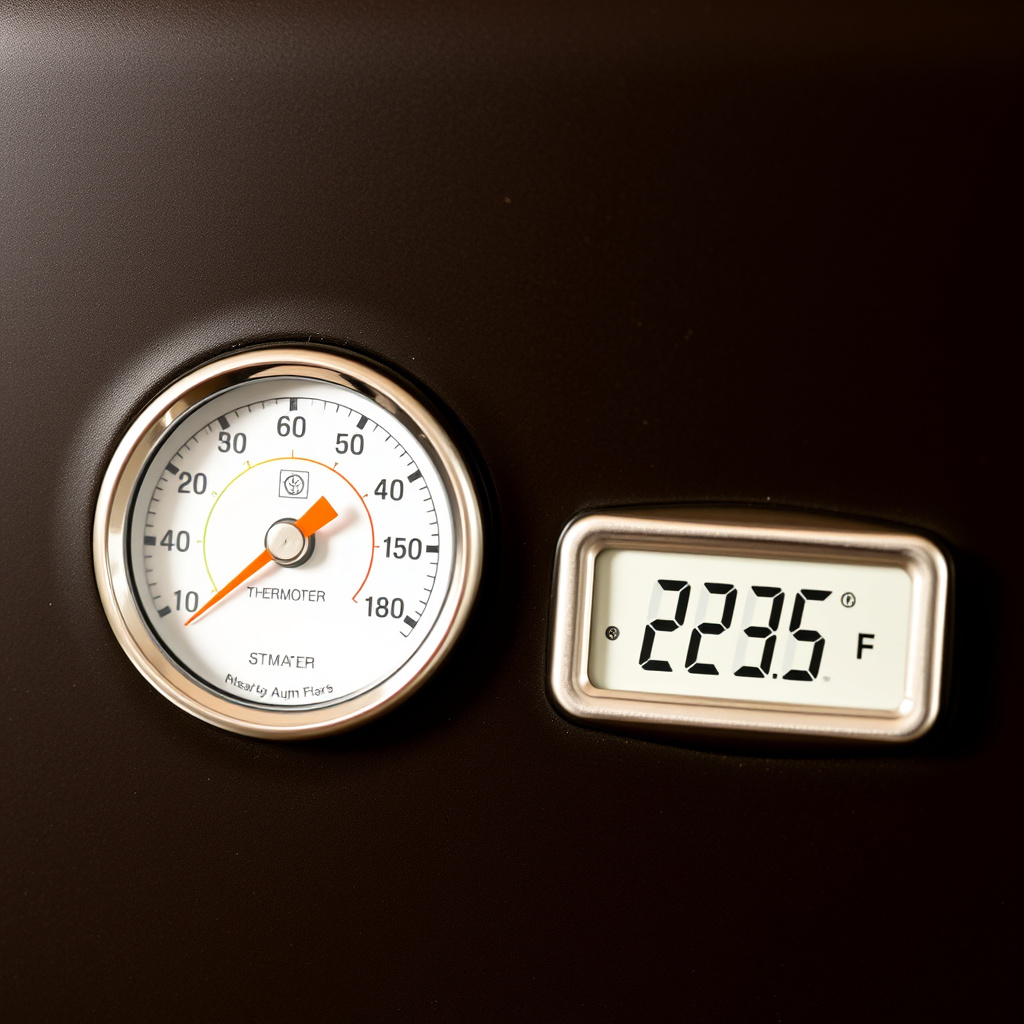
Maintaining the Ideal Smoking Temperature
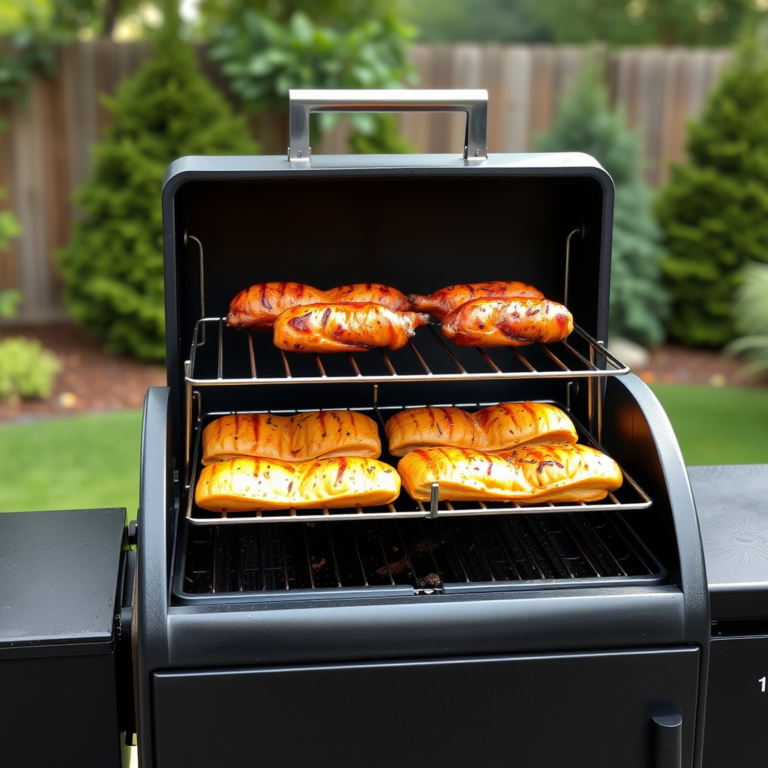
Keeping your smoker at a consistent low temperature of around 225°F is critical for tender pulled pork. This slow cooking allows collagen and connective tissue to dissolve, making the meat easy to shred. Use a quality thermometer to monitor both smoker temperature and internal meat temperature.
Avoid temperature spikes that dry out the pork or underheat that lengthens cook time unnecessarily. Adjust vents carefully for airflow regulation and fuel use, whether charcoal, wood, or pellet smoker.
- Maintain smoker temperature near 225°F
- Use reliable thermometers for accuracy
- Adjust vents or pellet feed for control
- Avoid fluctuating temps for consistent results
Estimating Smoke Time and Doneness
Smoking pulled pork typically takes 1.5 to 2 hours per pound at 225°F, but the real indicator is internal temperature. Aim for 195°F minimum, up to 205°F, to fully break down collagen for that juicy pull-apart texture.
Use a probe thermometer to check doneness in the pork’s thickest part. Once the temperature is reached, remove the pork, wrap it in foil or butcher paper, and rest it for about an hour to let juices redistribute before shredding.
- Plan 1.5 to 2 hours per pound cooking time
- Check for internal temp 195-205°F for tenderness
- Rest meat wrapped for 45-60 minutes after smoking
- Use instant-read or probe thermometer
Techniques for Wrapping and Resting Pulled Pork
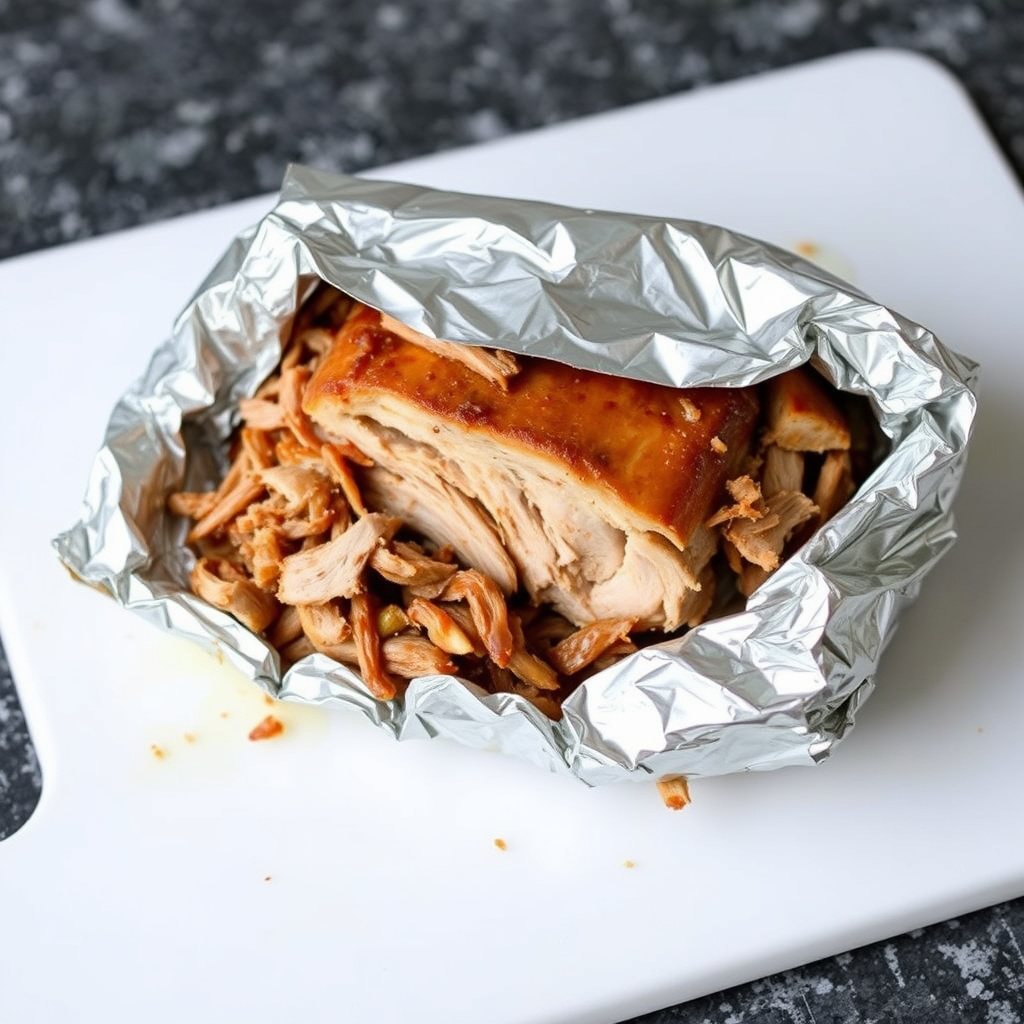
When and How to Wrap Pulled Pork During Smoking
Wrapping pulled pork part way into the smoke — commonly called the 'Texas crutch' — speeds cooking and prevents the meat from drying out once it reaches around 165-170°F. Use foil for a tighter seal or butcher paper for more breathability while retaining moisture.
Wrapping helps push through the 'stall,' a temperature plateau when the meat surface evaporates moisture and cools. This technique produces tender results without sacrificing bark texture significantly.
- Wrap at 165-170°F internal temperature
- Use foil for moisture retention or butcher paper
- Wrap tightly but allow some space for steam
- Helps overcome temperature stall during smoking
Resting the Meat for Maximum Juiciness
After removing the pork from the smoker, resting lets juices redistribute into the muscle fibers rather than leaking out when sliced or shredded. Rest pork wrapped in foil or a cooler for 45 minutes to an hour.
This step is just as important as the smoke itself for end tenderness and moistness. Patience during resting ensures every bite is succulent and flavorful.
- Rest wrapped pork for 45-60 minutes
- Use a cooler or insulated container to retain heat
- Prevents juice loss during shredding
- Enhances final tenderness and flavor
Shredding and Serving Smoked Pulled Pork
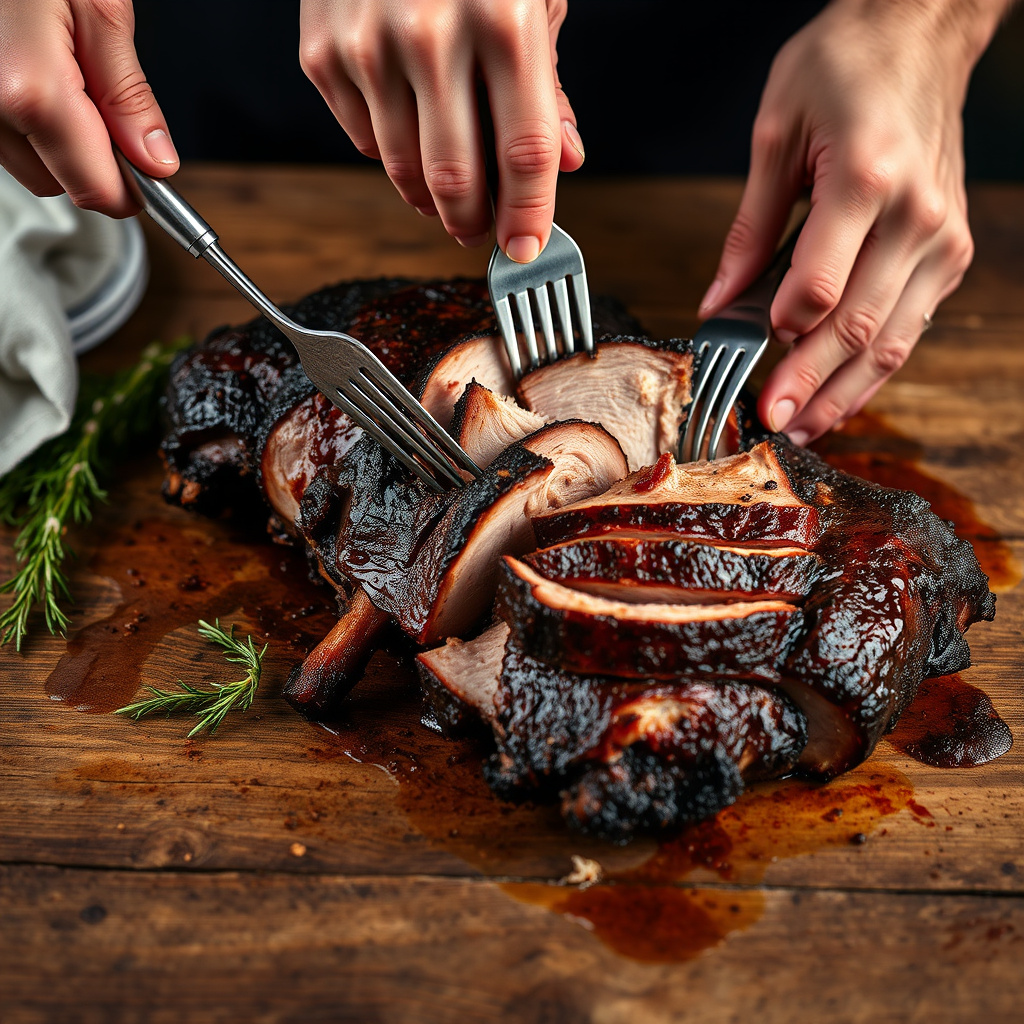
Best Tools and Methods for Shredding Pulled Pork
After resting, use two forks or meat claws to pull the pork apart into shreds. If the meat is fully cooked and rested correctly, it should easily separate with minimal effort. Some prefer to reserve pieces of bark for added texture in the final dish.
Avoid chopping with a knife if you want authentic pulled pork texture, as shredding aligns with traditional barbecue style and enhances mouthfeel when eaten alone or in sandwiches.
- Use forks or meat claws for shredding
- Reserve bark pieces for texture contrast
- Avoid slicing for traditional pulled texture
- Pull shreds to desired size and consistency
Serving Suggestions and Finishing Touches
Pulled pork shines on its own or dressed with barbecue sauce lightly tossed before serving. It pairs exceptionally well in buns with coleslaw, pickles, or alongside baked beans and corn bread.
For added flavor layers, you can mix in vinegar-based or mustard sauces depending on regional barbecue styles. Fresh buns and tangy slaw complete the classic pulled pork sandwich experience.
- Serve with barbecue sauce or dry
- Classic pulled pork sandwich with slaw
- Accompany with baked beans or cornbread
- Mix sauces to match regional preferences
Troubleshooting Common Smoking Issues
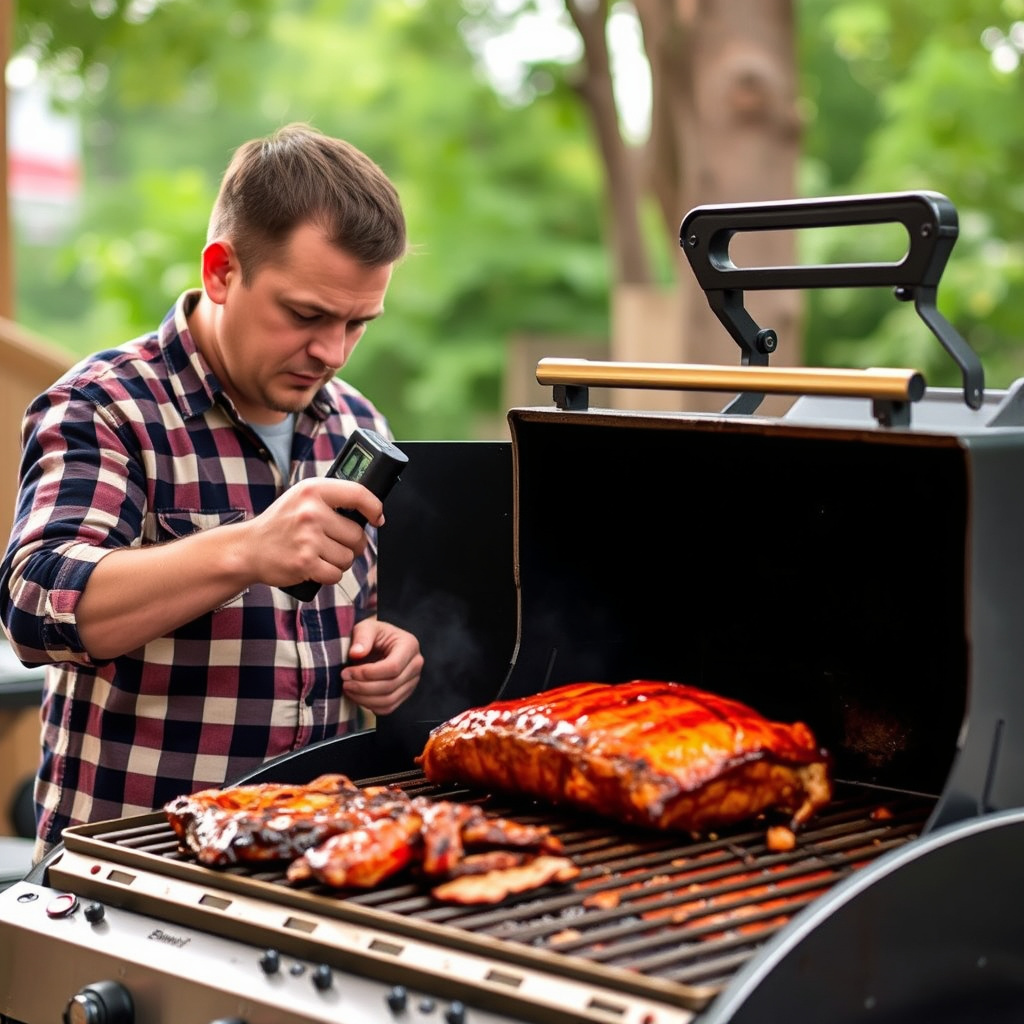
Preventing Dry or Tough Pulled Pork
Dry pulled pork often results from overcooking, temperature spikes, or lean cuts. Monitoring both smoker and internal meat temperatures closely prevents drying. Wrapping the meat during the stall phase also helps retain moisture.
Starting with well-marbled pork shoulder and not rushing the cooking time creates tender, juicy results. Resting after smoking allows fibers to reabsorb juices, preventing toughness.
For additional background on the origins and preparation styles of pulled pork, you can visit the Wikipedia article on Pulled Pork. Wikipedia article on Pulled Pork.
Handling Excess Smoke or Bitter Flavor
Too much smoke or incomplete combustion causes bitter, sooty flavors. Ensuring airflow is balanced and adding wood gradually produces clean, thin blue smoke favored in barbecue communities.
Avoid using resinous woods or wood chips soaked too long as both can generate unpleasant tastes. Regularly clean and maintain your smoker to promote efficient burning.
Pulled Pork Smoking Wood Type Comparison
Here's a comparison of popular woods for smoking pulled pork, highlighting flavor impact and burning characteristics.
| Wood Type | Flavor Profile | Burn Duration | Best Use Cases |
|---|---|---|---|
| Hickory | Strong, smoky, bacon-like | Long | Traditional barbecue, bold flavor lovers |
| Apple | Mild, sweet, fruity | Medium | Gentle smoke, subtle sweetness |
| Cherry | Mild sweet with a hint of tartness | Medium | Adds color, balanced smoke |
| Oak | Medium smoky, earthy | Long | Versatile for moderate smoky flavor |
| Mesquite | Intense, earthy, slightly bitter | Short | Quick smokes, not for long cooks |
Frequently Asked Questions
How long does it take to smoke pulled pork?
Smoking pulled pork generally takes 1.5 to 2 hours per pound at 225°F, but the key indicator is an internal temperature of 195-205°F for ideal tenderness.
Should I wrap pulled pork during smoking?
Wrapping pulled pork around 165-170°F can speed cooking and retain moisture during the stall, improving tenderness while maintaining good bark texture.
What is the best wood for smoking pork?
The best wood for smoking pork depends on preferred flavor: hickory provides bold smoke, while apple or cherry offer milder, sweeter profiles.
How do I know when pulled pork is done?
Pulled pork is done when it reaches an internal temperature between 195°F and 205°F and the meat easily shreds with a fork, indicating collagen breakdown.
Can I smoke pulled pork without a dedicated smoker?
Yes, you can use a charcoal or gas grill set up for indirect cooking with wood chips for smoke, but temperature control and smoke consistency are more challenging.
Key Takeaways
- Choose a well-marbled pork shoulder for juiciness and tenderness
- Use hardwoods like hickory, apple, or cherry for balanced smoky flavor
- Maintain a steady smoker temperature around 225°F for several hours
- Wrap and rest the pork to maximize moisture retention and shredding quality
Conclusion
When learning how to smoke pulled pork, combining the right cut, seasoning, wood choice, and temperature control forms the foundation for rich, tender barbecue. Consistency in maintaining low heat and monitoring internal temperature eliminates common issues like dryness or toughness. Remember that patience is part of the process; rushing the cook undermines the lengthy collagen breakdown needed for perfect shredded pork.
If you prefer bold smoky flavor, hickory wood pairs wonderfully with pork shoulder, especially when complemented with a classic rub. For those liking sweeter, milder notes, fruitwoods such as apple or cherry provide complexity without overpowering. Employ the Texas crutch wrapping technique to power through cooking stalls and finish resting carefully before shredding. With these methods, your smoked pulled pork will be juicy and flavorful every time.
Start your smoking adventure by sourcing a quality pork shoulder and selecting your preferred wood. Prepare your rub, maintain steady smoker conditions, and use a reliable thermometer to track doneness. Once rested, shred and serve your creation hot off the smoker for a satisfying barbecue meal. Each step makes a difference, so give the process the time it deserves and enjoy the rewards.