Smoking a brisket is a rewarding process that transforms a tough cut of beef into tender, flavorful meat through low and slow cooking with smoke. The key to how to smoke brisket lies in controlling temperature, choosing the right wood, seasoning properly, and allowing enough time for the collagen to break down and render the meat tender.
Brisket is a prized cut in barbecue that requires patience and practice since the cooking times extend over many hours and the process can be affected by many variables like smoker type, weather, and brisket size. Understanding the roles of temperature control, smoke quality, and resting periods is critical to achieve the delicate texture and smoky flavor enthusiasts crave.
This guide covers preparing the brisket, selecting and managing the right smoker, wood choices for flavor, cooking steps, internal temperatures, resting, slicing, and serving tips. You’ll find details on common pitfalls and troubleshooting so you can confidently smoke your own brisket at home.
Preparing Your Brisket for Smoking
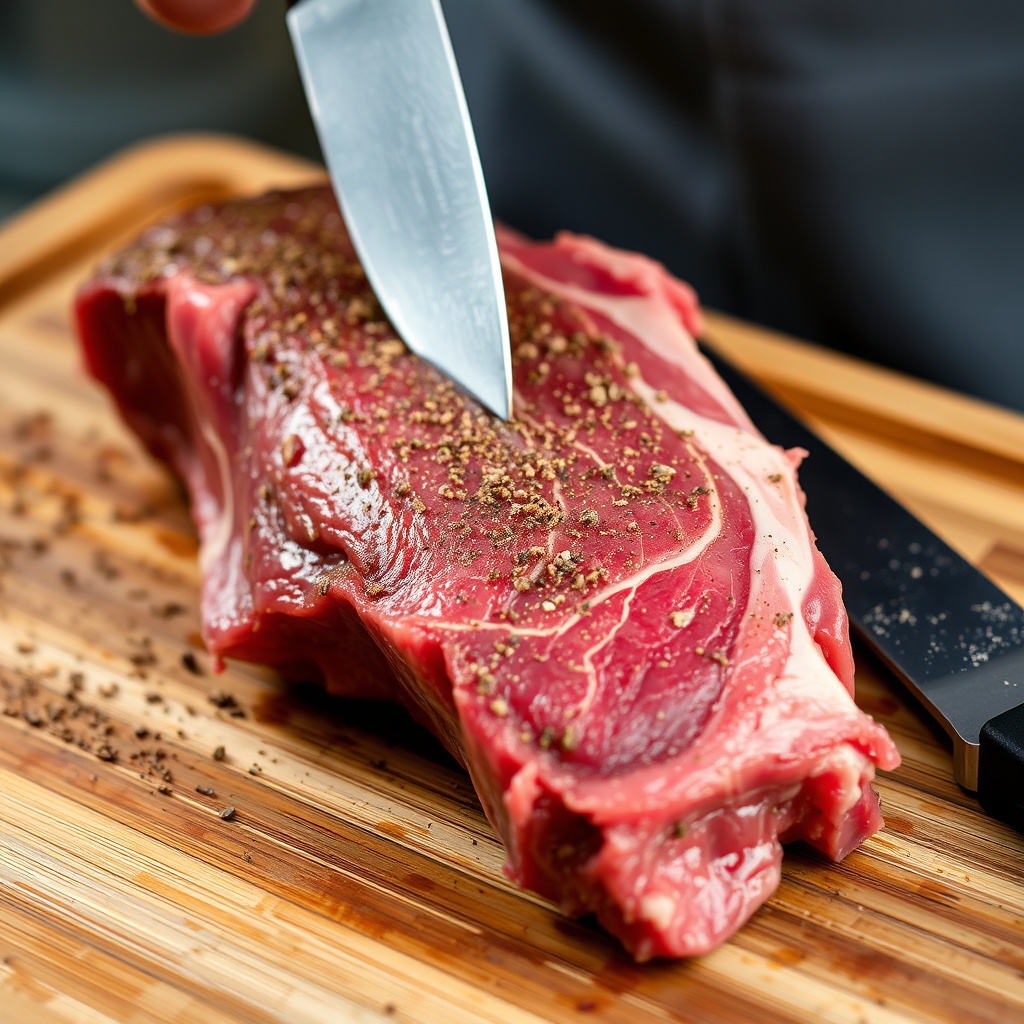
Trimming the Brisket
Proper trimming of the brisket is essential to ensure even cooking and flavor penetration. Remove excess fat, leaving about a quarter-inch fat cap to keep the meat moist during the long cook. Trim away silver skin and any hard, woody fat that won’t render down.
Trimming affects how smoke adheres to the meat and how heat reaches the brisket’s interior. Over-trimming can dry the meat, while minimal trimming may leave too much fat causing greasy patches.
- Leave about 1/4 inch fat cap
- Remove silver skin and hard fat
- Trim uneven edges for even thickness
Seasoning Techniques
A simple rub often enhances the brisket’s natural flavors. Classic barbecue seasoning involves coarse salt and black pepper in roughly equal parts, sometimes with added garlic or paprika. The seasoning can be applied right before smoking or several hours ahead for deeper flavor.
Some pitmasters use a binder such as mustard or oil to help the rub stick. Avoid heavy marinades as they can interfere with smoke absorption. The goal is to balance flavor without overpowering the brisket’s inherent taste.
- Use coarse salt and black pepper rub
- Apply binder if desired to hold rub
- Season several hours before or just before cooking
Choosing Your Smoker and Wood for Smoking Brisket
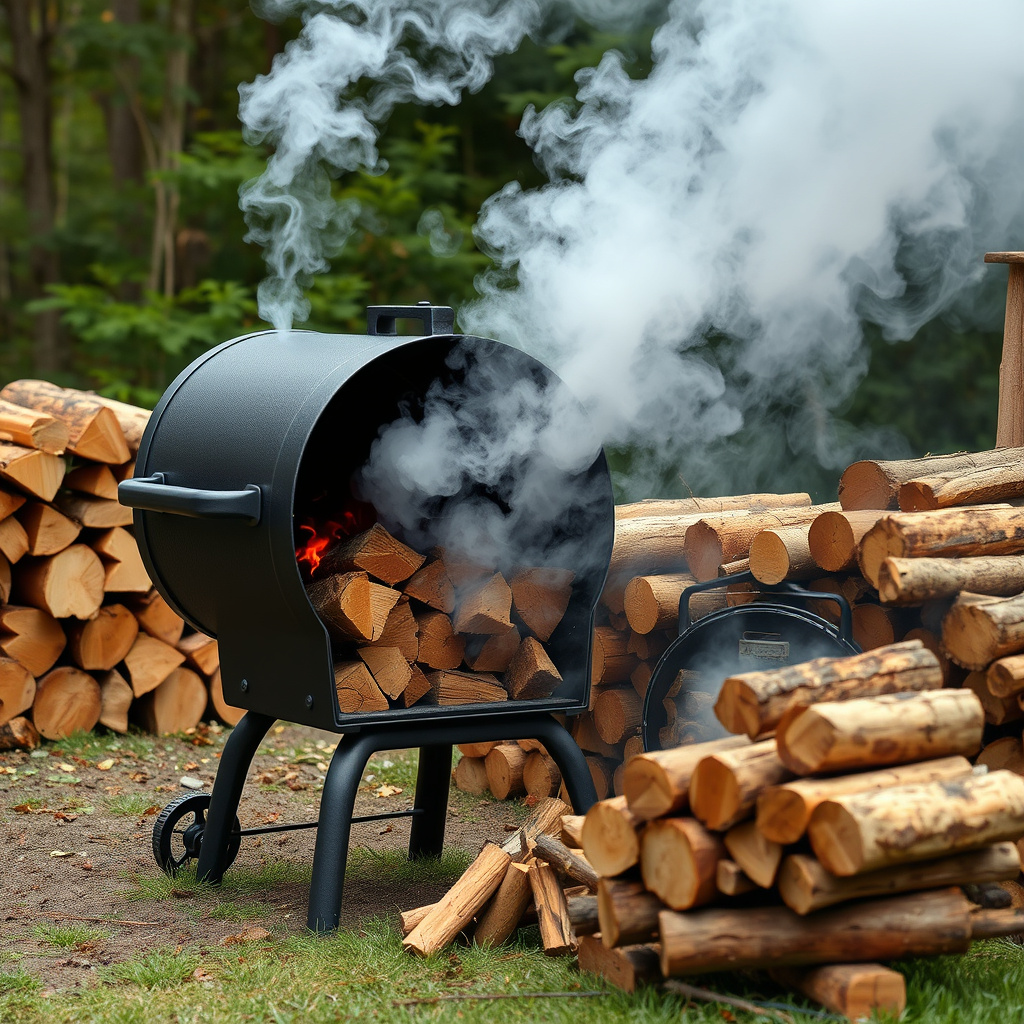
Types of Smokers Suitable for Brisket
There are multiple smoker types effective for brisket, including offset smokers, pellet smokers, electric smokers, and vertical water smokers. Offset smokers generate authentic smoky flavor but require active management. Pellet smokers automate temperature control, making them good for beginners.
Choosing the right smoker depends on your experience level, budget, and the control you want over the cook. Consistent temperature in the 225-250°F range is key regardless of smoker style to break down collagen without drying the meat.
- Offset smokers for traditional flavor
- Pellet smokers for controlled ease
- Electric smokers for convenience
- Water smokers for moisture retention
For more on this, see our related guide: How to Smoke Meat on a Charcoal Grill: A Step-by-Step Guide.
Best Wood for Smoking Brisket
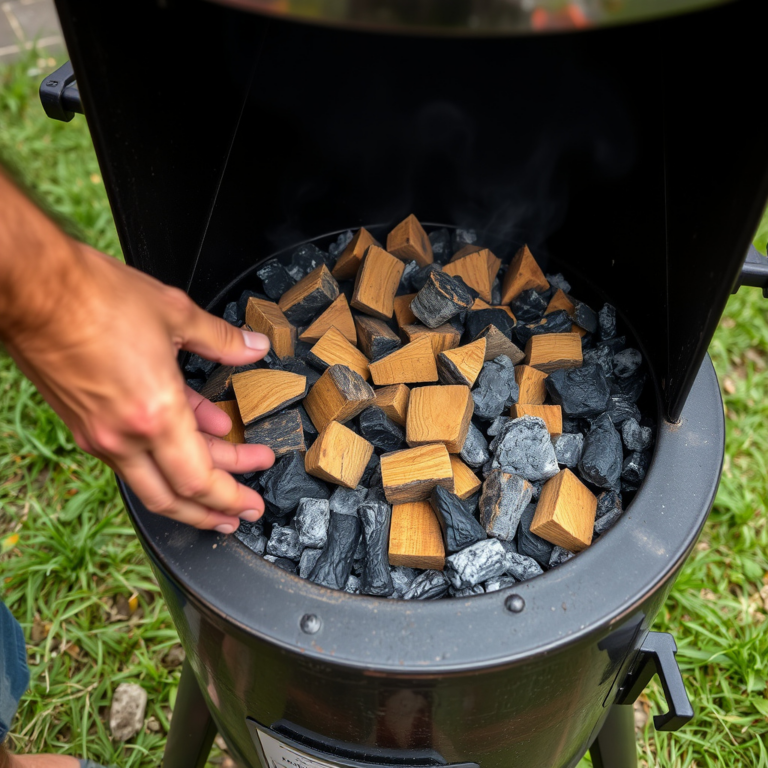
Wood choice influences the brisket’s smoky flavor profile. Oak is a popular all-around hardwood that produces medium smoke intensity without bitterness. Hickory offers a strong, sweet smoke often favored in Texas-style barbecue. Mesquite gives bold, intense flavor suited to faster cooks but can overwhelm if overused.
Fruitwoods like apple or cherry add milder, sweeter smoke that complements the meat without masking it. Combining woods is common to balance flavor complexity, such as mixing oak with a bit of hickory or fruitwood for subtle nuance.
- Oak for balanced smoke
- Hickory for strong, sweet flavor
- Mesquite for intense smokiness
- Apple or cherry for mild sweetness
Temperature Management and Smoking Process
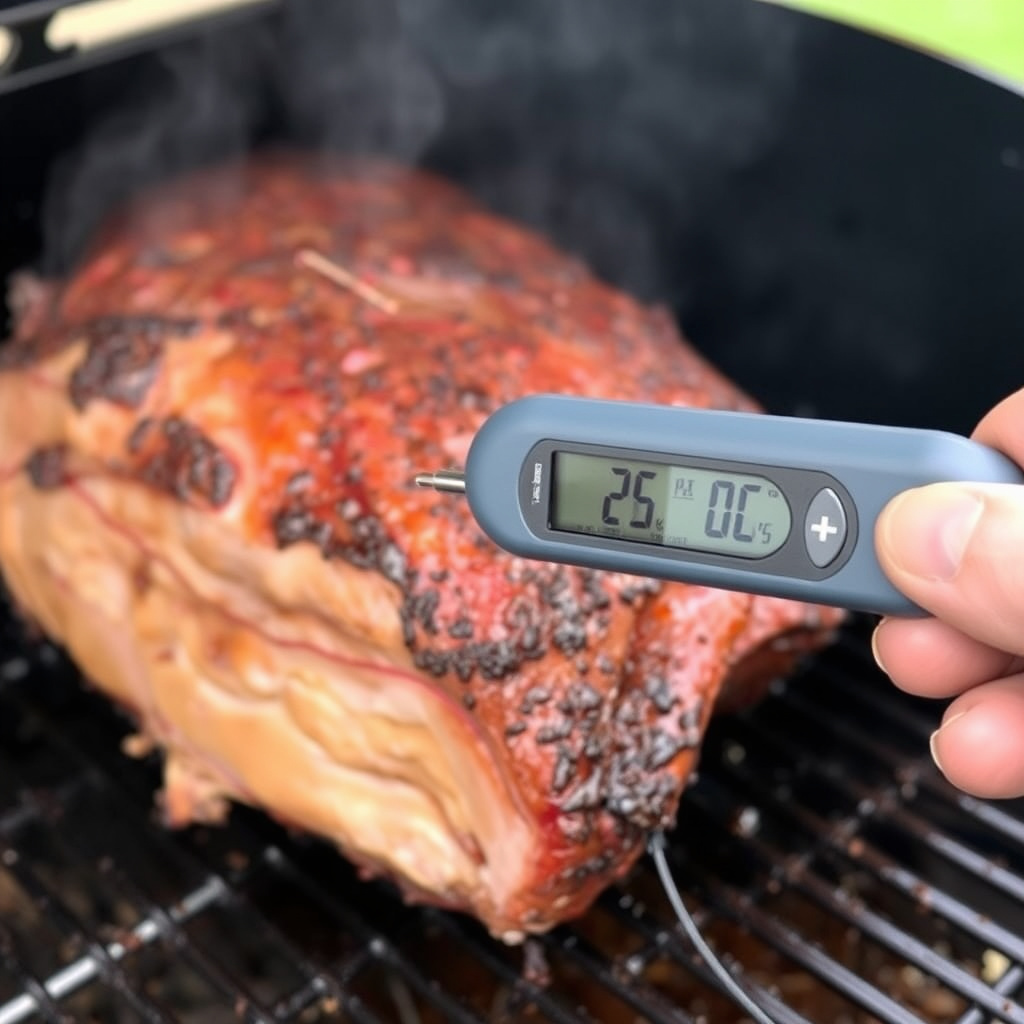
Maintaining Low and Slow Cooking Temperature
Brisket needs to be smoked at a steady temperature of about 225°F to 250°F to properly render fats and dissolve collagen. Fluctuating temperatures can cause toughness or drying. Use a smoker thermometer and avoid frequent lid opening which causes heat loss.
Patience is key as brisket cooks for 10-16 hours depending on size. Maintaining consistent fuel and airflow will keep smoke steady and temperature consistent throughout the process.
- Keep smoker between 225°F and 250°F
- Monitor temperature with a reliable probe
- Avoid frequent smoker door openings
Monitoring Internal Brisket Temperature
Internal meat temperature is a critical indicator of doneness. Start checking around the 150°F mark; the brisket enters a 'stall' phase where temperature plateaus for hours as moisture evaporates.
Final target temperature for brisket is usually between 195°F and 205°F. At this point, collagen has melted thoroughly. Probe tenderness is a more reliable test than just temperature numbers alone.
- Target final internal temp: 195–205°F
- Use meat probe for accuracy
- Check tenderness with probe, not just temp
Wrapping and Resting Your Smoked Brisket
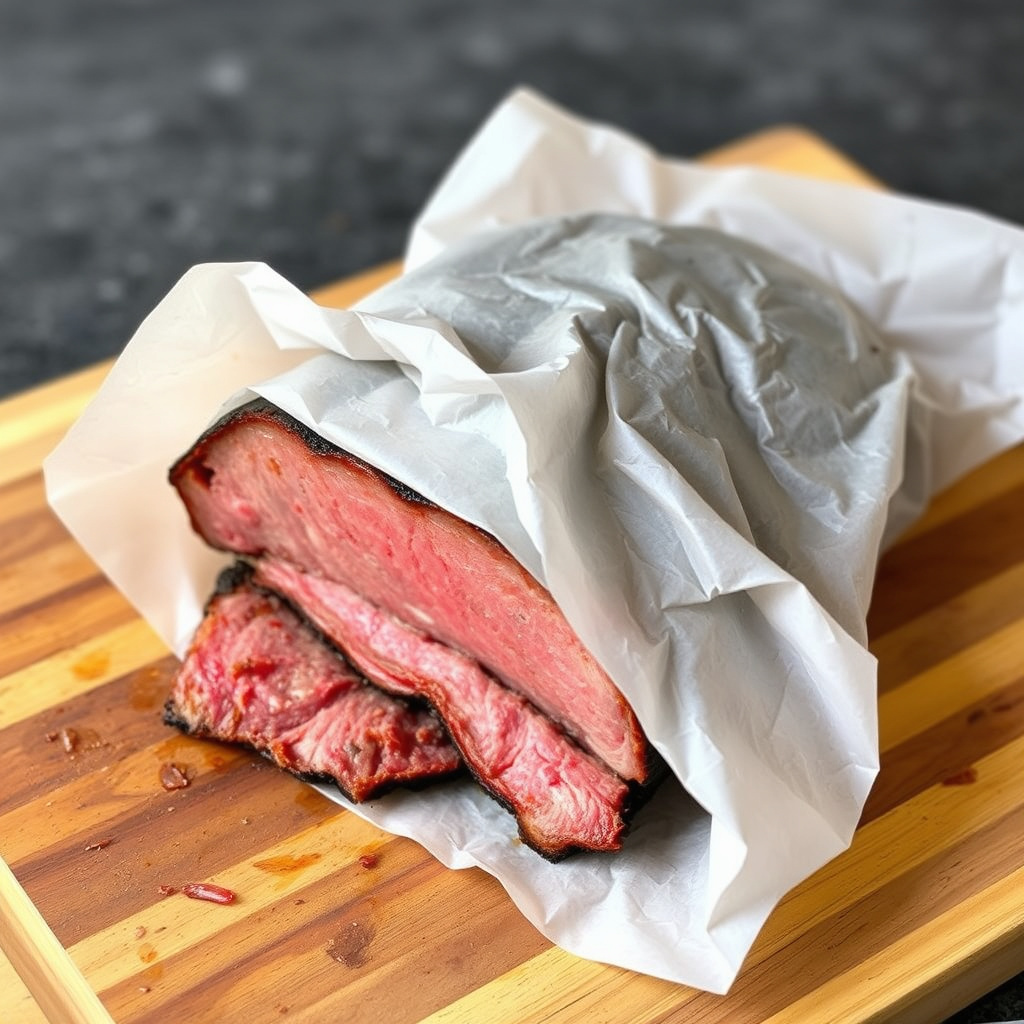
When and How to Wrap Brisket
Wrapping the brisket with butcher paper or aluminum foil once it reaches about 160°F helps retain moisture and shortens cooking time by speeding through the stall phase while still allowing bark to develop.
Butcher paper is breathable, preserving bark texture better than foil which traps all moisture, softening the crust. Wrap brisket tightly but loosely enough to allow air circulation.
- Wrap around 160°F internal temp
- Use butcher paper to maintain bark
- Foil traps more moisture, softens bark
For more on this, see our related guide: How to Smoke Meat on a Gas Grill: A Step-by-Step Guide.
Resting and Slicing Techniques
Allow brisket to rest for at least one hour after removing from smoker to let juices redistribute evenly. Resting wrapped in a cooler or warm spot improves tenderness significantly.
Slice brisket against the grain in thin, even slices for best tenderness. Identify the grain direction on both the flat and point muscles as they run differently.
- Rest for 1 hour wrapped to retain moisture
- Slice against the grain thinly
- Separate flat and point muscles before slicing
Common Challenges and Troubleshooting
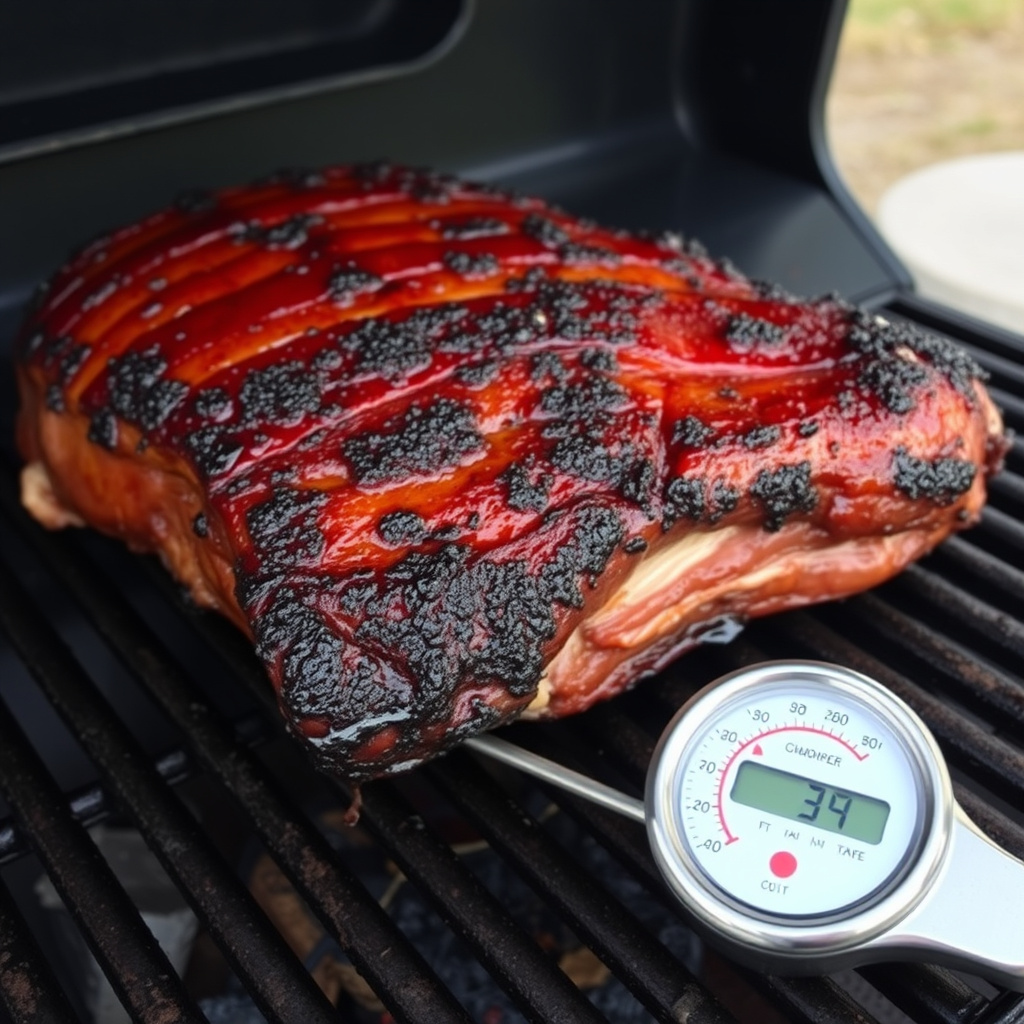
Handling Temperature Fluctuations
Temperature swings can cause uneven cooking or drying out of the brisket. To manage this, use insulated smoker covers and avoid frequent opening which lets heat escape.
Adding small amounts of fuel gradually and maintaining proper airflow through vents helps keep temperatures stable throughout the long cook.
- Use smoker insulation if needed
- Add fuel gradually
- Maintain steady airflow control
For more background on brisket cuts and barbecue traditions, you can explore brisket smoking techniques on Wikipedia. Brisket smoking techniques on Wikipedia.
Dealing with Dry or Tough Brisket
Dry or tough brisket usually results from cooking too hot, not reaching internal temperature window, or insufficient resting time. Low and slow cooking allows collagen to convert fully, tenderizing the meat.
Cover rest periods and reslicing against the grain can sometimes salvage slightly overcooked briskets. Injecting moistening sauces after cooking can add salvageable moisture.
- Cook low and slow between 225–250°F
- Confirm internal temp reaches 195–205°F
- Rest properly before slicing
Smoker Types for Smoking Brisket: Category Comparison
Here’s a breakdown of common smoker types used for brisket, comparing ease of use, flavor contribution, and maintenance.
| Smoker Type | Ease of Use | Flavor Quality | Temperature Control | Typical Price Range |
|---|---|---|---|---|
| Offset Smoker | Moderate (requires tending) | Authentic, rich smoke | Manual, requires experience | $300–$1500 |
| Pellet Smoker | Easy (automatic) | Moderate to good smoke | Automatic precise | $400–$2500 |
| Electric Smoker | Very easy | Milder smoke flavor | Automatic stable | $200–$700 |
| Water Smoker | Moderate | Moist, mild smoke | Manual moderate | $150–$500 |
Frequently Asked Questions
How long does it take to smoke a brisket?
Smoking a brisket typically takes between 10 to 16 hours depending on size, temperature consistency, and smoker type. Low and slow cooking at 225–250°F is standard.
Should I wrap brisket during smoking?
Wrapping brisket in butcher paper or foil around 160°F helps retain moisture and speeds cooking through the stall, but butcher paper preserves bark texture better.
What wood is best for smoking brisket?
Oak is the most popular choice for balanced smoke, while hickory offers stronger flavor and fruitwoods like apple or cherry provide mild sweetness.
How do I know when my brisket is done?
Brisket is done when it reaches an internal temperature of 195–205°F and the probe slides in with little resistance, indicating tender collagen breakdown.
Can I prepare brisket ahead of smoking?
Yes, you can trim and apply rub to brisket several hours or even a day before smoking. Letting it rest uncovered in the fridge helps develop flavor and bark.
Key Takeaways
- Maintain steady smoker temperature of 225–250°F for low and slow cooking.
- Choose appropriate wood like oak or hickory for flavorful smoke.
- Wrap brisket at 160°F to retain moisture and manage the stall.
- Rest brisket after cooking for at least one hour before slicing.
Conclusion
Mastering how to smoke brisket involves balancing multiple factors: trimming correctly, seasoning well, managing smoker temperature, choosing the right wood, and understanding internal temperatures for doneness. Patience and steady attention to temperature control allow the tough brisket cut to tenderize through collagen conversion and infuse smoky flavor. Consistency and practice refine the process, giving you confidence to produce tender, juicy brisket that rivals professional barbecue joints.
If you prefer a hands-on cooking experience with robust smoky flavors, an offset smoker combined with oak or hickory wood is an excellent choice. For newbies or busy cooks, pellet smokers offer automation for consistent temperature and decent smoke flavor. Wrapping with butcher paper at the stall preserves bark texture while helping the brisket cook faster. Resting the meat wrapped after cooking ensures juices redistribute evenly, enhancing tenderness and sliceability. These concrete steps form the backbone of successful brisket smoking.
Start by selecting a brisket sized to your smoker’s capacity, trim and season it well, and plan your cook for low and slow over many hours. Use a reliable thermometer for internal meat temperature and be prepared to wrap and rest appropriately. With attention to these details, smoking your own brisket can be a satisfying accomplishment and a delicious centerpiece for gatherings.