Using a Masterbuilt smoker is straightforward and rewarding once you understand the basic steps. Start by setting up your smoker, preparing your food, and controlling the temperature to ensure a steady, low heat and smoke flow. This method unlocks rich, smoky flavors in your meat.
Masterbuilt smokers are popular for their reliable design and ease of use, making them a favorite in backyard BBQ setups. Smoking meat properly requires attention to temperature control and smoke production, which are both manageable with Masterbuilt models.
This article will cover how to prepare, set up, and operate your Masterbuilt smoker effectively. We’ll also explore temperature management, selecting wood chips, and cleaning tips to maintain your smoker for long-term use.
Getting Started with Your Masterbuilt Smoker
Unpacking and Assembly
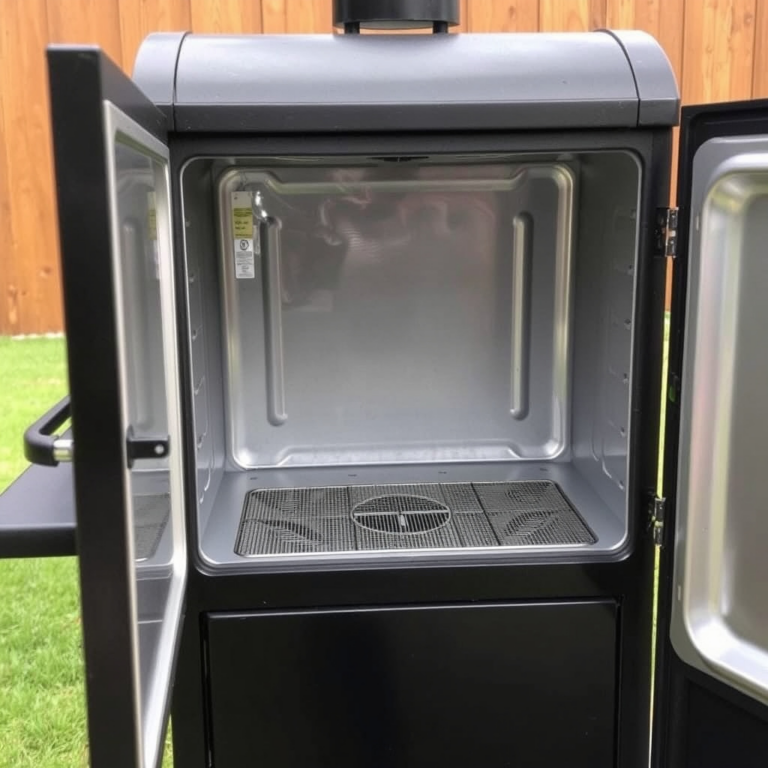
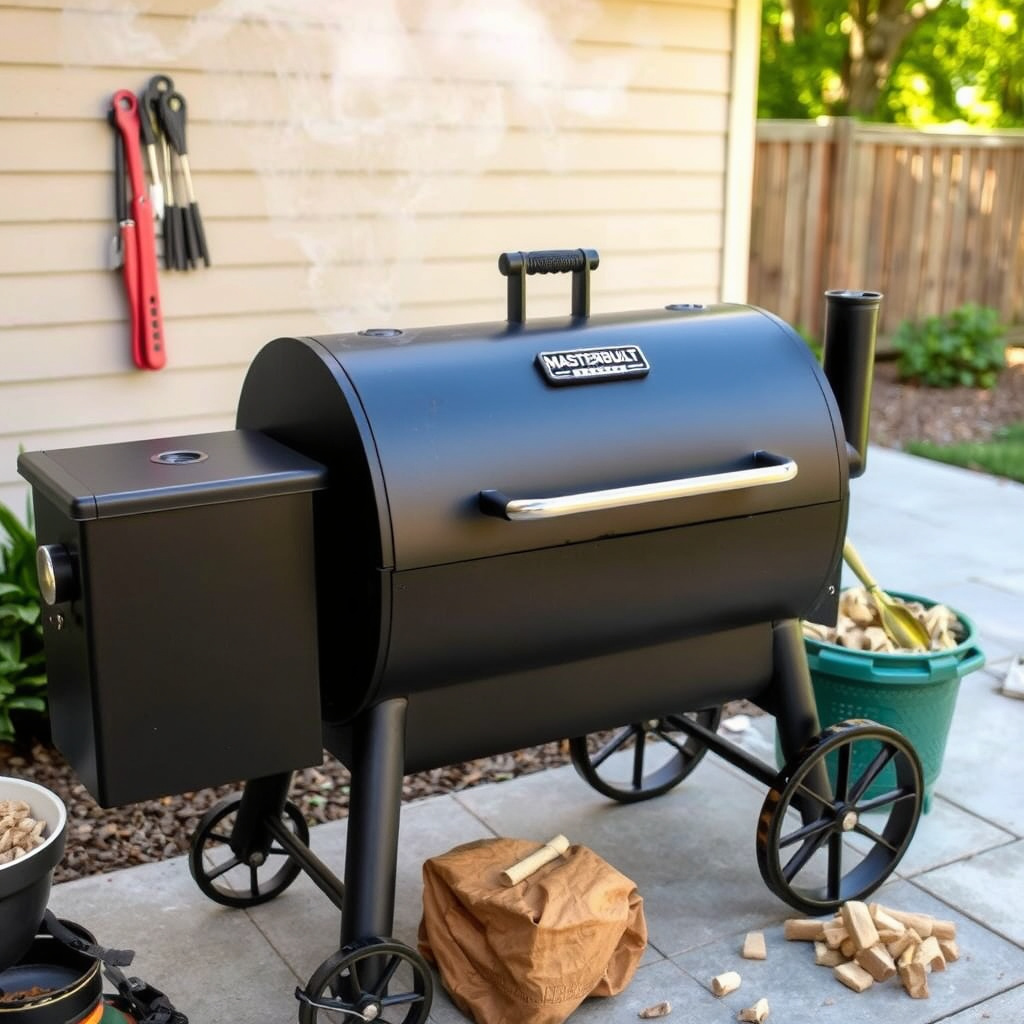
Begin by unpacking all components of your Masterbuilt smoker carefully. Most models come partially assembled, but you may need to attach the legs, shelves, and water pan manually according to the included instructions.
Ensure you place the smoker on a level, spacious outdoor surface away from flammable materials. Proper assembly and placement maximize safety and efficiency during smoking sessions.
- Attach legs and shelves firmly
- Position water pan inside smoker
- Check door seals and gaskets
Initial Cleaning and Preparation
Before first use, clean the interior racks and surfaces with warm soapy water and rinse thoroughly. This removes factory residues and prepares the smoker for food contact.
Dry the components completely and season the smoker by running it empty at around 275°F for 30-60 minutes. This also burns off any remaining oils and primes the cooking chamber.
Masterbuilt Smoker Temperature Control and Settings
Setting the Temperature
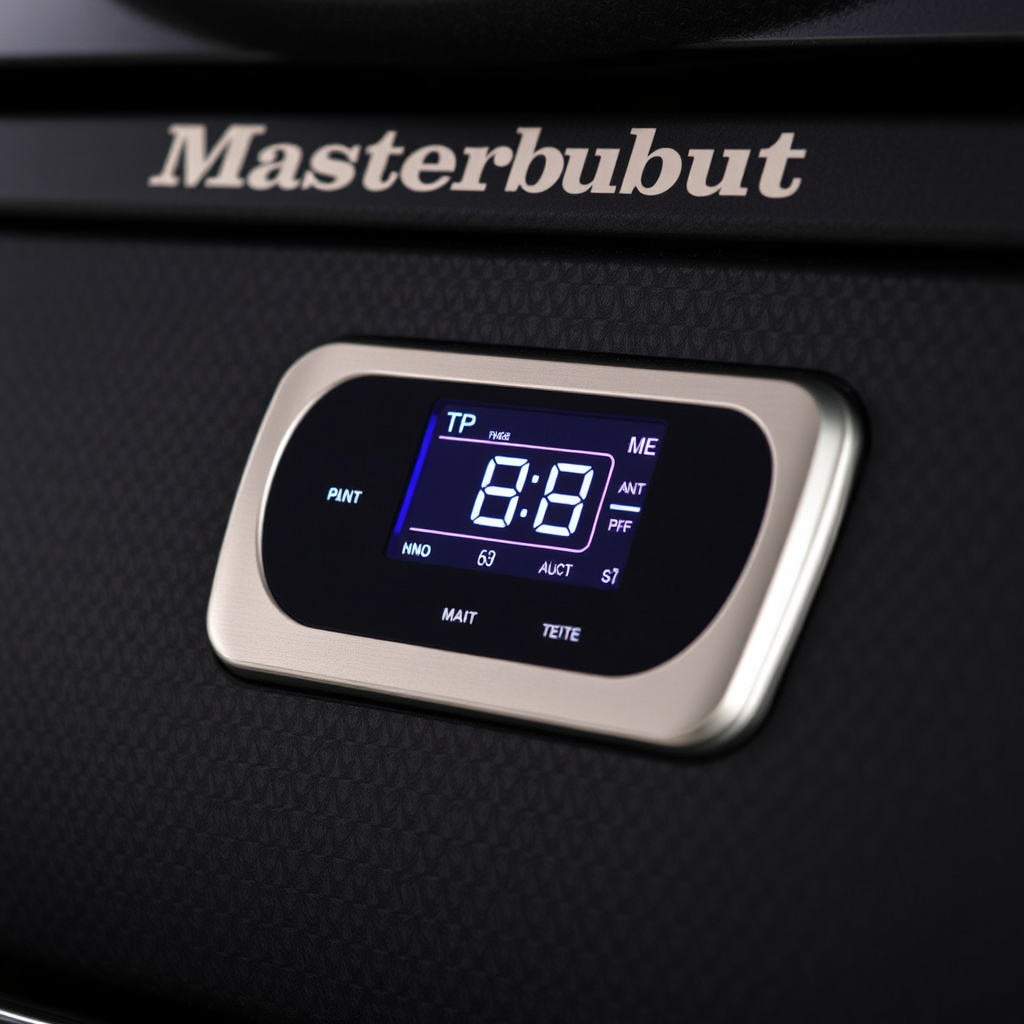
Masterbuilt smokers typically feature a digital control panel or manual dial depending on the model. Set your desired smoking temperature, generally between 225°F and 275°F for most meats, and allow it to preheat fully before adding food.
Accurate temperature control is vital because fluctuating heat can dry out meat or cause uneven cooking. Use the built-in thermometer or an additional probe thermometer for precision.
- Preheat smoker for 15-20 minutes
- Maintain temperature with water pan
- Avoid frequent opening of the smoker door
Adjusting for Different Recipe Needs
Lower temperatures around 200°F to 225°F suit longer, slow smoking processes like brisket or pork shoulder. Higher temperatures up to 275°F accelerate cook times for smaller cuts or poultry without compromising moisture.
Be ready to adjust the setting based on weather conditions, wood chip burn rate, and how your smoker holds heat over the course of several hours.
Choosing and Using Wood Chips in a Masterbuilt Smoker
Selecting the Right Wood Chips
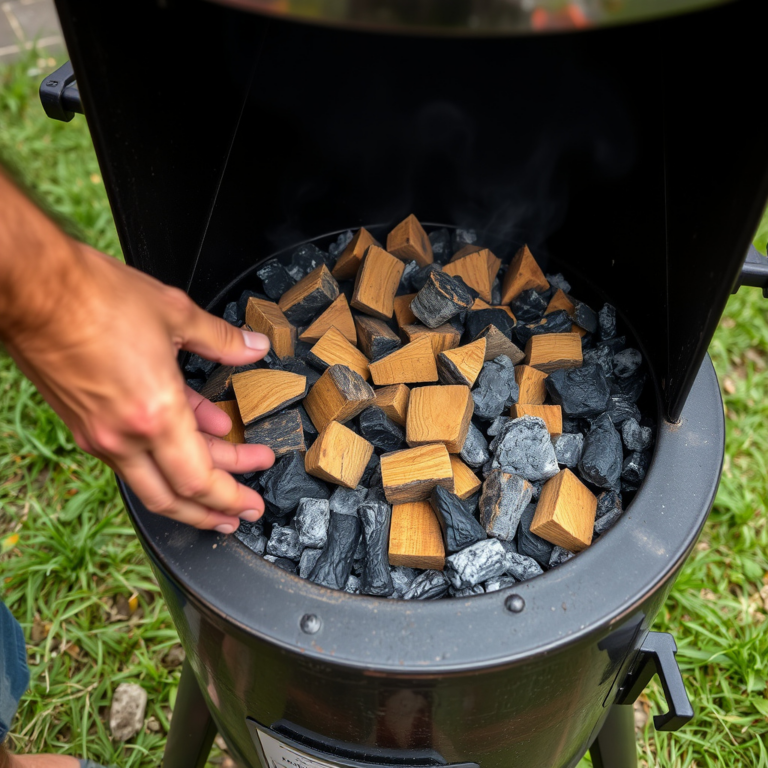
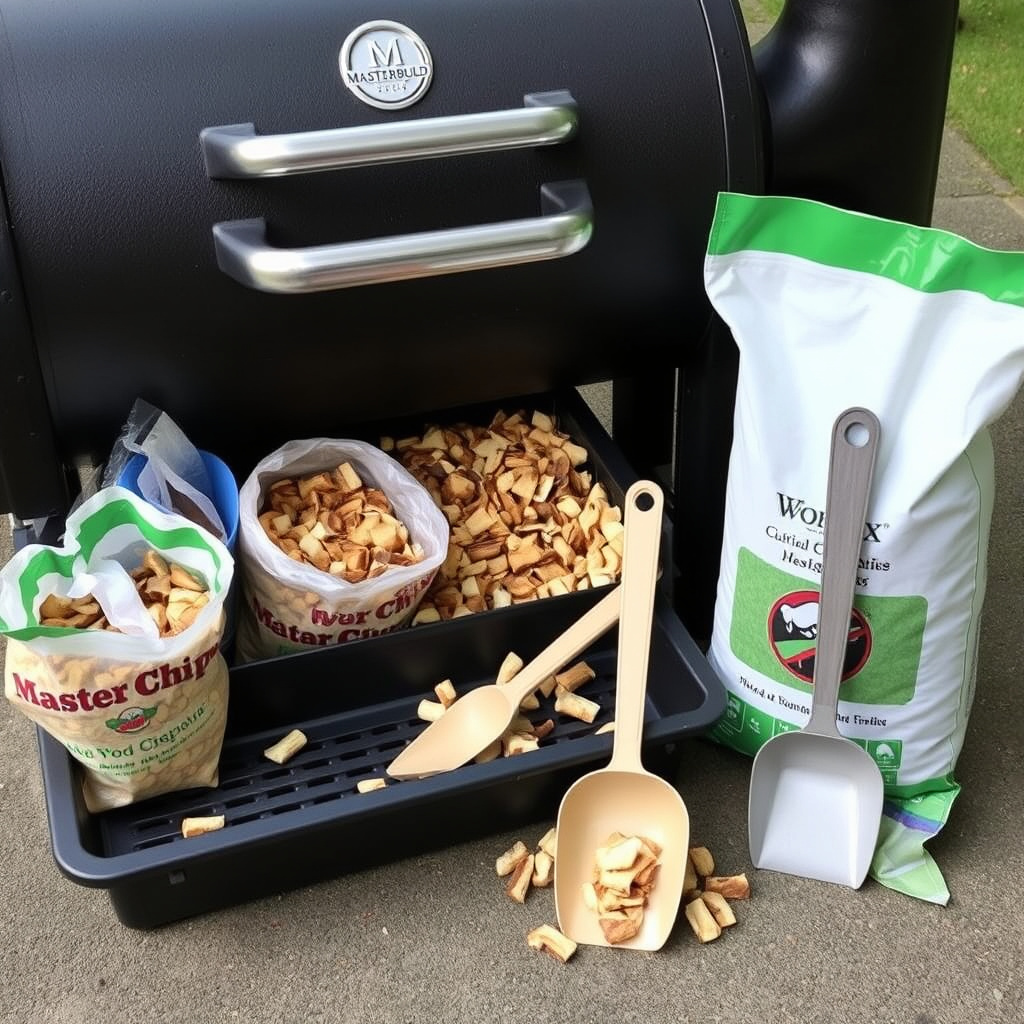
Masterbuilt smokers use wood chips placed in a dedicated tray to generate smoke. Popular choices include hickory for robust flavor, apple for sweeter notes, and mesquite for a stronger smoky taste.
Experiment with different types to match the meat you are smoking and your personal taste. Avoid using resinous woods like pine, which create unpleasant flavors and harmful smoke.
- Hickory – great with beef and pork
- Apple – pairs well with poultry and fish
- Mesquite – bold for red meats
For more on this, see our related guide: Understanding the Difference Between a Grill and a Smoker.
Loading and Replenishing Wood Chips
Load the wood chip tray according to the smoker’s instructions, usually filling it to capacity without overpacking to allow air flow. Add soaked chips for slower smoke release or dry chips for more intense initial smoke.
Monitor the chip tray during smoking and add more as needed, typically every 30 to 60 minutes, to maintain a consistent smoke level without closing the smoker frequently.
- Use a chip tray scoop or spoon
- Avoid opening the door too often to keep temperature steady
Preparing Food for Smoking in a Masterbuilt Smoker
Seasoning and Marinating
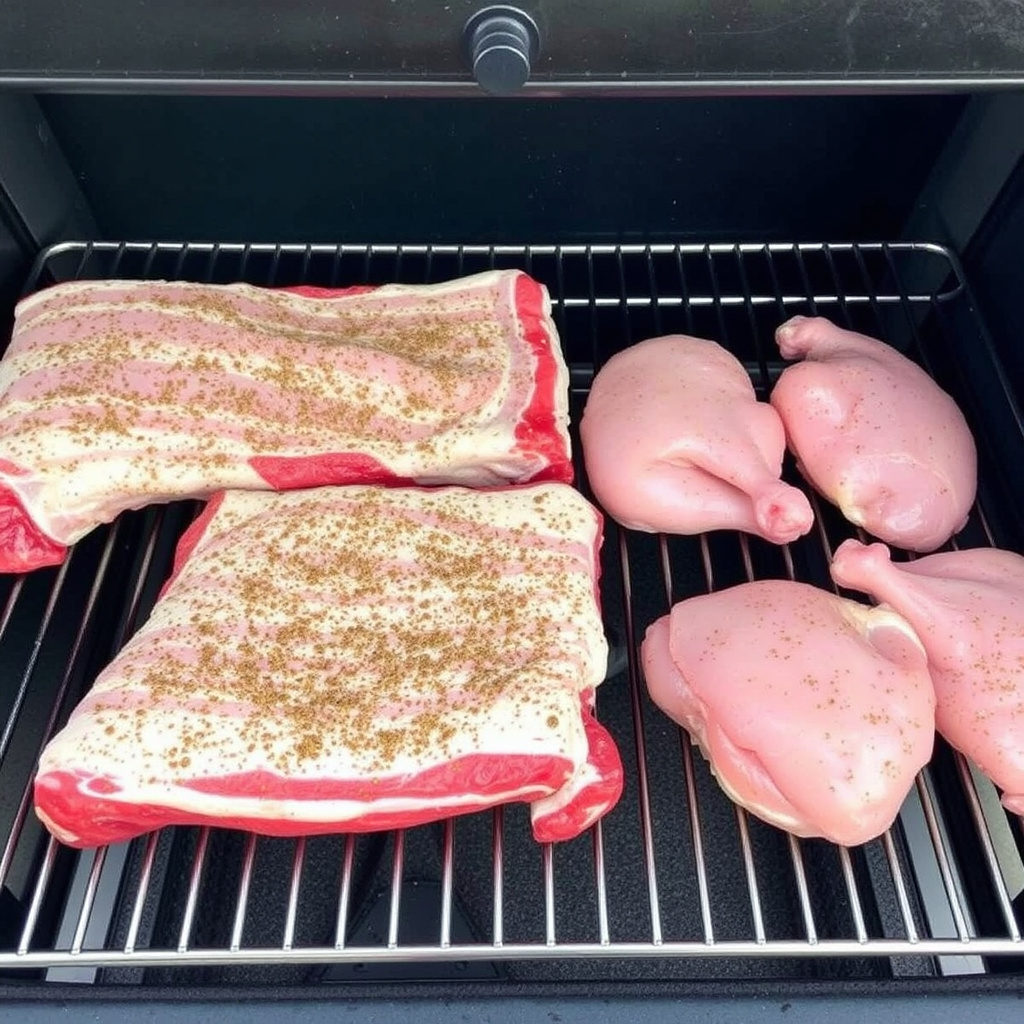
Proper seasoning enhances smoked flavors. Rubs made of salt, pepper, paprika, and brown sugar are traditional for pork and beef. Marinades with acidic ingredients like vinegar or citrus juice help tenderize poultry and fish.
Apply seasoning generously and allow meat to rest uncovered in the fridge for several hours or overnight before smoking. This helps flavors penetrate deeply for a rich taste.
- Dry rubs for dry smoking
- Wet marinades for moisture and flavor infusion
- Rest meat 4-12 hours before smoking
Arranging Meat Inside the Smoker
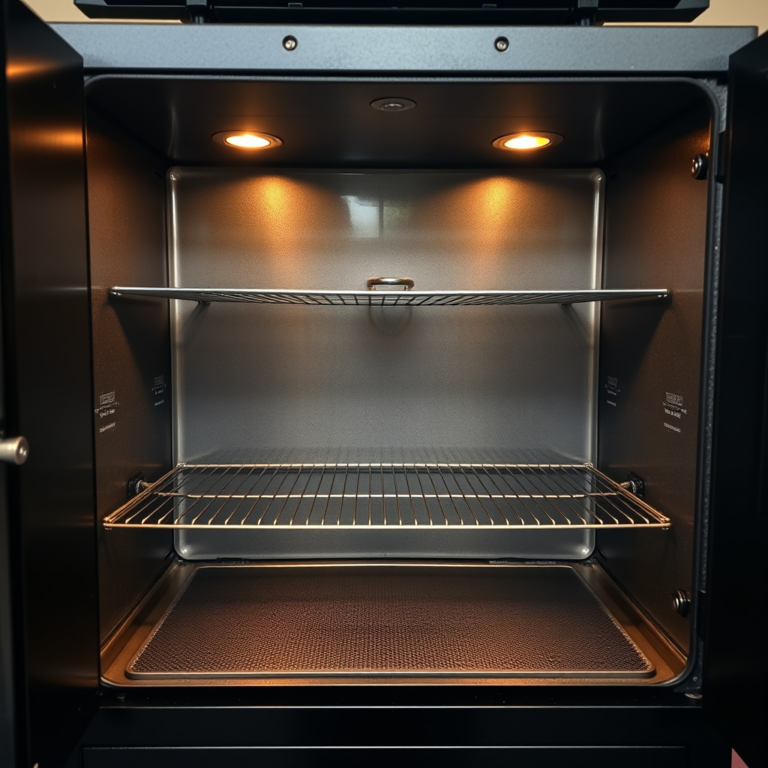
Place meat pieces on smoker racks leaving space between items for proper smoke circulation. Avoid overcrowding which can cause uneven cooking and insufficient smoke exposure.
Use drip pans under fatty cuts to catch drippings and prevent flare-ups, helping maintain clean smoke and easier cleanup.
- Space meat 1-2 inches apart
- Use drip pan under ribs, pork shoulder, or brisket
Maintaining and Cleaning Your Masterbuilt Smoker
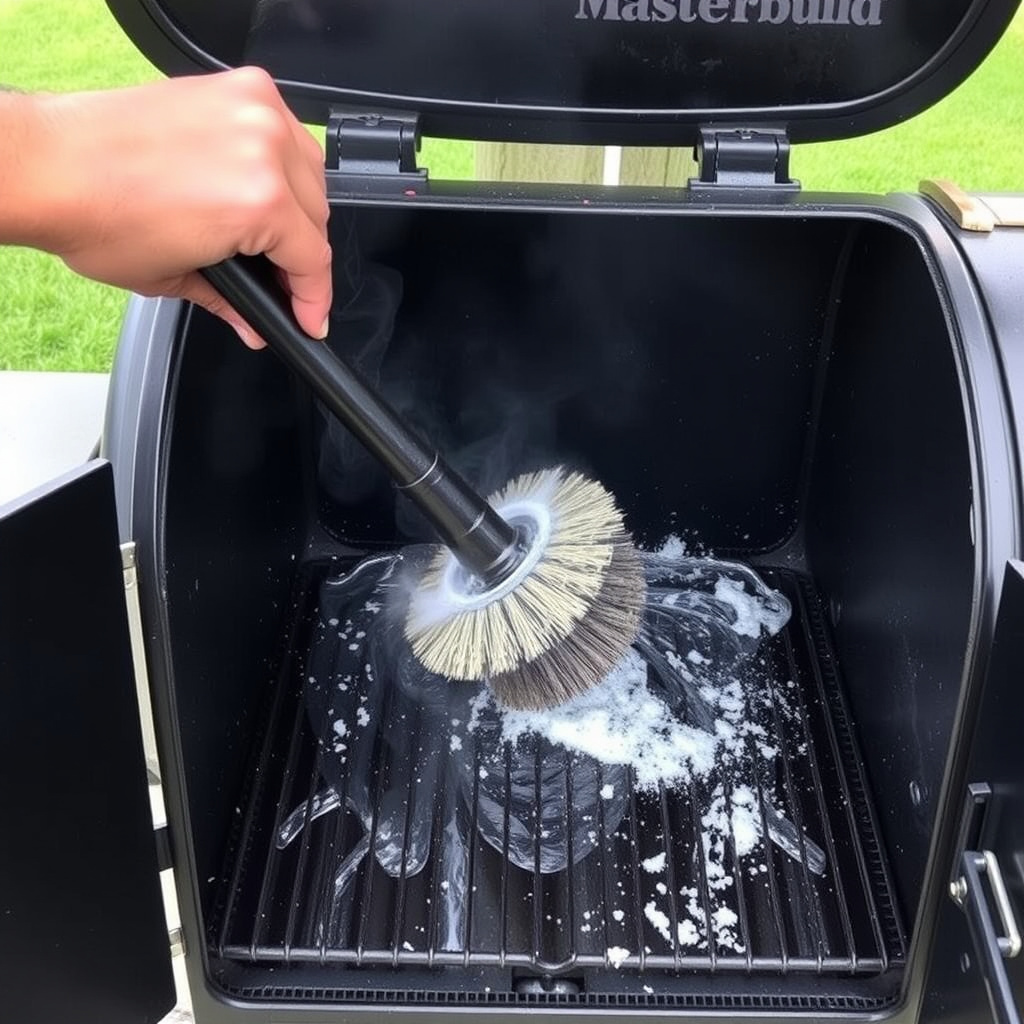
Routine Cleaning After Each Use
After every smoking session, allow the smoker to cool then remove racks, trays, and pans for cleaning. Wash with warm soapy water and a non-abrasive sponge to remove grease and residue.
Wipe down the interior walls and door seals to prevent buildup that can affect performance and flavor. Regular cleaning extends the life of your smoker and keeps smoke tasting fresh.
- Clean racks and pans after every use
- Wipe interior surfaces periodically
Deep Cleaning and Seasonal Maintenance
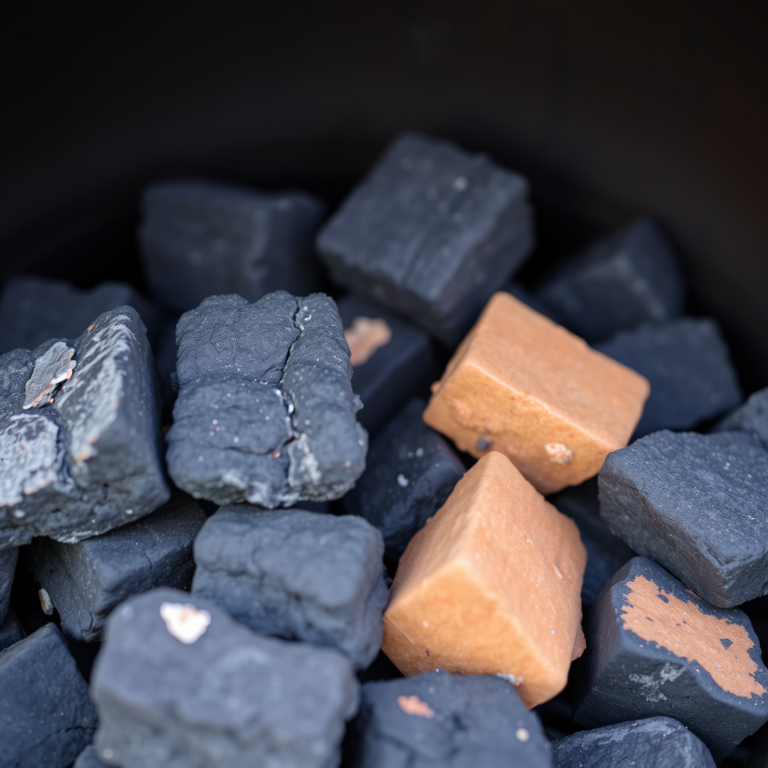
Every few months, perform a deep clean by scraping off carbon deposits and ash from the smoker chamber and heat source area. Inspect seals, gaskets, and wiring connections, replacing any worn parts.
Lubricate any hinges and ensure the control panel and thermometers operate correctly to maintain accurate settings for the next smoking season.
- Remove ash and burnt residue
- Inspect seals for leaks
- Test digital controls and thermometers
Safety Tips for Using a Masterbuilt Smoker
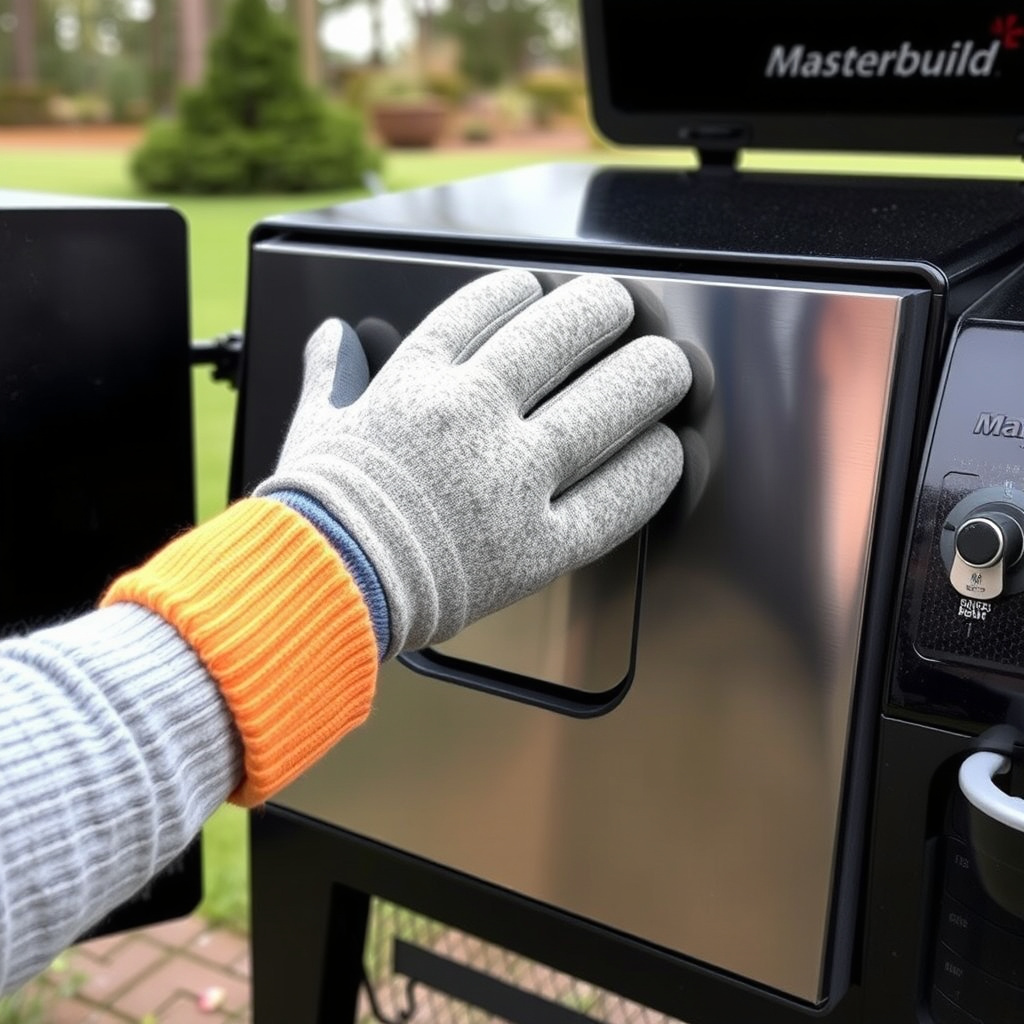
Safe Placement and Setup
Always place your Masterbuilt smoker on a stable, non-flammable surface like concrete or stone away from structures and flammable objects. Avoid windy conditions that may affect flame control or spread sparks.
Keep a fire extinguisher nearby and never leave the smoker unattended while it is on to avoid hazards or uncontrolled fires.
- Place smoker outdoors with good ventilation
- Keep away from decks, plants, or wooden fences
For a detailed overview of smoking as a cooking method, consider checking out the Masterbuilt smoker Wikipedia page. Masterbuilt smoker Wikipedia page.
Handling Heat and Smoke Safely
Use heat-resistant gloves when accessing the smoker door or handling hot components. Always open the door cautiously to avoid flare-ups or sudden temperature changes.
Monitor smoke color to detect flare-ups or excessive burning, which could affect food taste and safety. Keep children and pets at a safe distance during operation.
- Use gloves for hot surfaces
- Open door slowly to control smoke release
Masterbuilt Smoker Models Comparison
Here’s a comparison of popular Masterbuilt smoker models to help identify which suits your smoking needs based on capacity, features, and price.
| Model | Type | Cooking Capacity (lbs) | Temperature Control | Price Range |
|---|---|---|---|---|
| Electric Digital Smoker 30" | Electric | Up to 30 | Digital, adjustable up to 275°F | $150-$250 |
| Electric Digital Smoker 40" | Electric | Up to 40 | Digital, temperature range 100-275°F | $250-$350 |
| Bluetooth Electric Smoker | Electric | Up to 40 | Bluetooth control and app monitoring | $350-$450 |
| Propane Vertical Smoker | Propane | Up to 30 | Manual dial control up to 350°F | $200-$300 |
| Charcoal Bucket Smoker | Charcoal | Up to 15 | Manual air vent adjustment | $100-$150 |
Frequently Asked Questions
How long does it take to smoke meat in a Masterbuilt smoker?
Smoking times vary depending on meat type and temperature but generally range from 4 to 10 hours for cuts like ribs or brisket at 225–275°F.
Can I use any type of wood chips with a Masterbuilt smoker?
Use only recommended wood chips like hickory, apple, or mesquite for safe, enjoyable smoke flavors. Avoid resinous or treated woods that produce harmful smoke.
How do I clean the Masterbuilt smoker after use?
Remove racks and trays, wash with warm soapy water, and wipe down the interior. Periodically clean ash and grease buildup to maintain performance.
Is it necessary to soak wood chips before using them?
Soaking wood chips is optional; soaked chips smolder longer for milder smoke, while dry chips burn faster and produce stronger smoke immediately.
What temperature should I smoke brisket at using a Masterbuilt smoker?
Smoke brisket at low temperatures between 225°F and 250°F for tender, juicy results over an extended 8-12 hour cook time.
Key Takeaways
- Masterbuilt smokers offer user-friendly temperature control for consistent smoking.
- Choose wood chips according to meat type to enhance flavor.
- Proper seasoning and rack placement improve smoking results.
- Regular cleaning preserves smoker functionality and food quality.
Conclusion
Using a Masterbuilt smoker effectively combines understanding the equipment setup, temperature management, and suitable wood chip selection. Paying attention to these factors allows you to produce perfectly smoked meats with rich flavor and ideal texture. Having a clear plan for seasoning, monitoring, and cleaning keeps the process enjoyable and productive over time. The approachable design of Masterbuilt smokers makes it easier to focus on the smoking technique itself rather than wrestling with complicated hardware.
If you're a beginner looking to dive into smoked BBQ, the Electric Digital Smoker 30" model is a great start due to its straightforward digital control and adequate capacity for most families. For more advanced cooks craving more space and smart features, the Bluetooth Electric Smoker offers excellent app-based monitoring and greater precision. Charcoal or propane options suit those who prefer traditional or hands-on temperature control methods and distinct flavor. Matching the model to your cooking style and typical batch sizes will improve your overall satisfaction and results.
The next step is to gather your favorite meat cuts and seasoning recipes, prepare the smoker per this guide, and begin experimenting with low and slow smoking sessions. By controlling smoke, temperature, and timing carefully, you can develop your own BBQ mastery with your Masterbuilt smoker. Keeping it clean and safe will let you enjoy flavorful results for many years to come.