Starting a charcoal smoker properly involves lighting the charcoal to the right temperature and arranging it for even heat and smoke flow. This means using enough charcoal, igniting it safely, and waiting until the coals form a gray ash layer before you begin cooking. Doing these steps correctly affects the flavor and cook time of your smoked food.
Charcoal smokers rely on indirect heat and slow cooking to infuse meats with smoky flavor. If the smoker doesn’t get hot enough, or if the smoke is too thick or erratic, the taste and texture of the food will suffer. Understanding how to build a stable fire is key for a successful smoking session that yields tender, flavorful results.
This guide will cover the main steps for starting a charcoal smoker, from choosing the right charcoal and lighting techniques to arranging coals and controlling airflow. You'll also find tips for maintaining temperature and managing smoke, so your BBQ turns out just right every time.
Choosing the Right Charcoal for Your Smoker
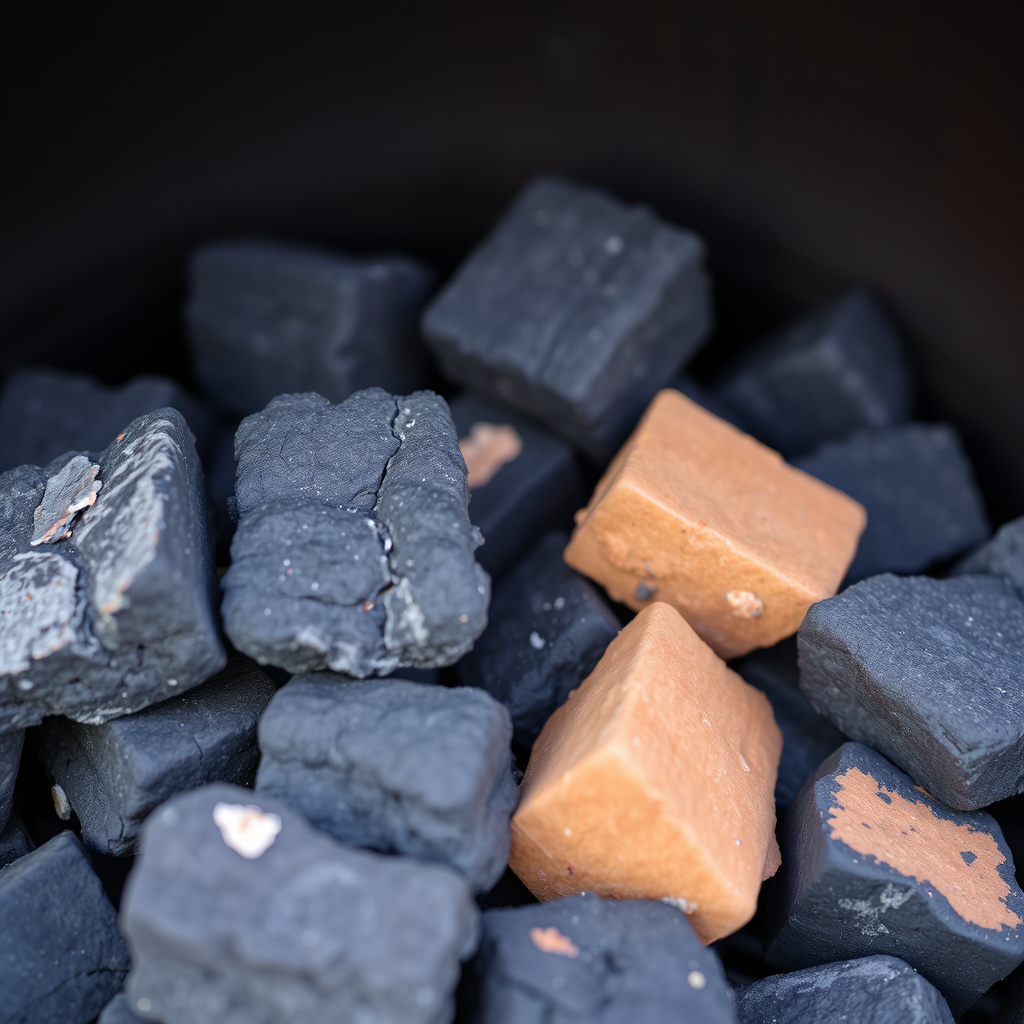
Natural Lump Charcoal vs Briquettes
Natural lump charcoal burns hotter and faster than briquettes and produces less ash, which helps maintain clean airflow inside a smoker. However, lump charcoal can burn unevenly, requiring more frequent adjustments during smoking.
Briquettes offer a consistent shape and burn time, providing steady heat well-suited for long smoking sessions. They contain binders that help them hold their form and burn uniformly but produce more ash, which can block vents if not cleaned regularly.
- Lump charcoal: hotter, low ash, less uniform burn
- Briquettes: steady heat, more ash, consistent shape
Selecting the Best Charcoal for Smoking
For reliable smoking, many pitmasters prefer high-quality hardwood lump charcoal because it adds a natural smoky flavor and burns cleaner. Selecting charcoal with no fillers or chemicals is important to avoid off-flavors in your food.
If you use briquettes, opt for premium options made from natural ingredients without chemical additives. Some smokers combine briquettes with chunks of hardwood for enhanced smoke flavor and longer heat retention.
- Look for 100% natural, additive-free charcoal
- Consider mixing charcoal types for flavor and heat balance
Lighting Methods for Charcoal Smokers
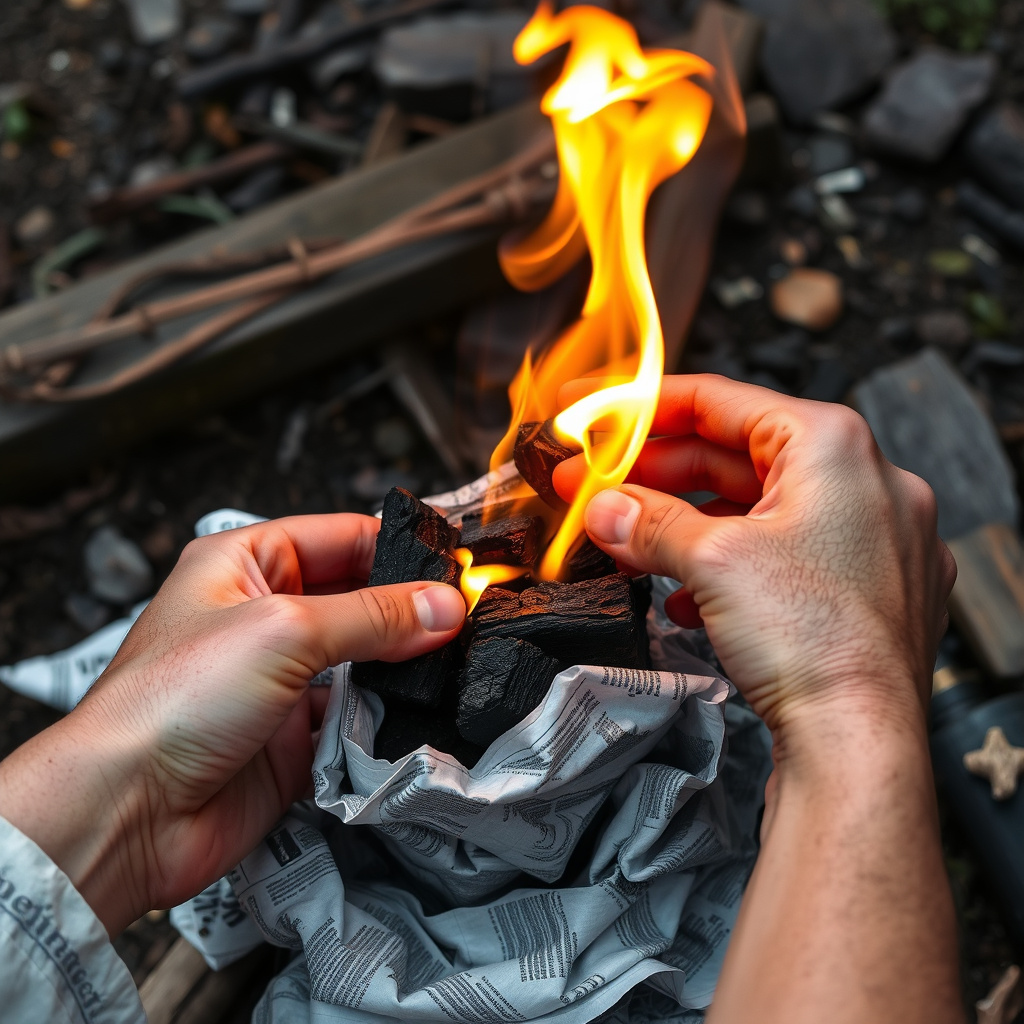
Using a Chimney Starter
A chimney starter is the most effective way to light charcoal quickly without lighter fluid. Fill the metal cylinder with charcoal, place crumpled newspaper or a natural fire starter under it, then ignite the paper.
Within 10-15 minutes, the charcoal at the top will be glowing red with a coating of gray ash, indicating it's ready to transfer to the smoker. This method produces even heating and avoids chemical odors caused by lighter fluid.
- Fill chimney with charcoal
- Light newspaper beneath
- Wait for ash-gray coals (~10-15 minutes)
For more on this, see our related guide: How Do Charcoal Grills Work? A Complete Guide to Charcoal Grilling Mechanics.
Alternative Lighting Techniques
If you don’t have a chimney starter, arrange charcoal in a pyramid and use natural fire starters or an electric starter to ignite the base. Avoid using lighter fluid as it can impart unwanted flavors to your food.
Some smokers also use an electric charcoal starter or an induction coil designed for outdoor grilling. These methods are safer and cleaner but may require external power and extra equipment.
- Avoid lighter fluid to prevent chemical taste
- Use natural starters or electric starters as safer options
Arranging the Charcoal for Optimal Smoking
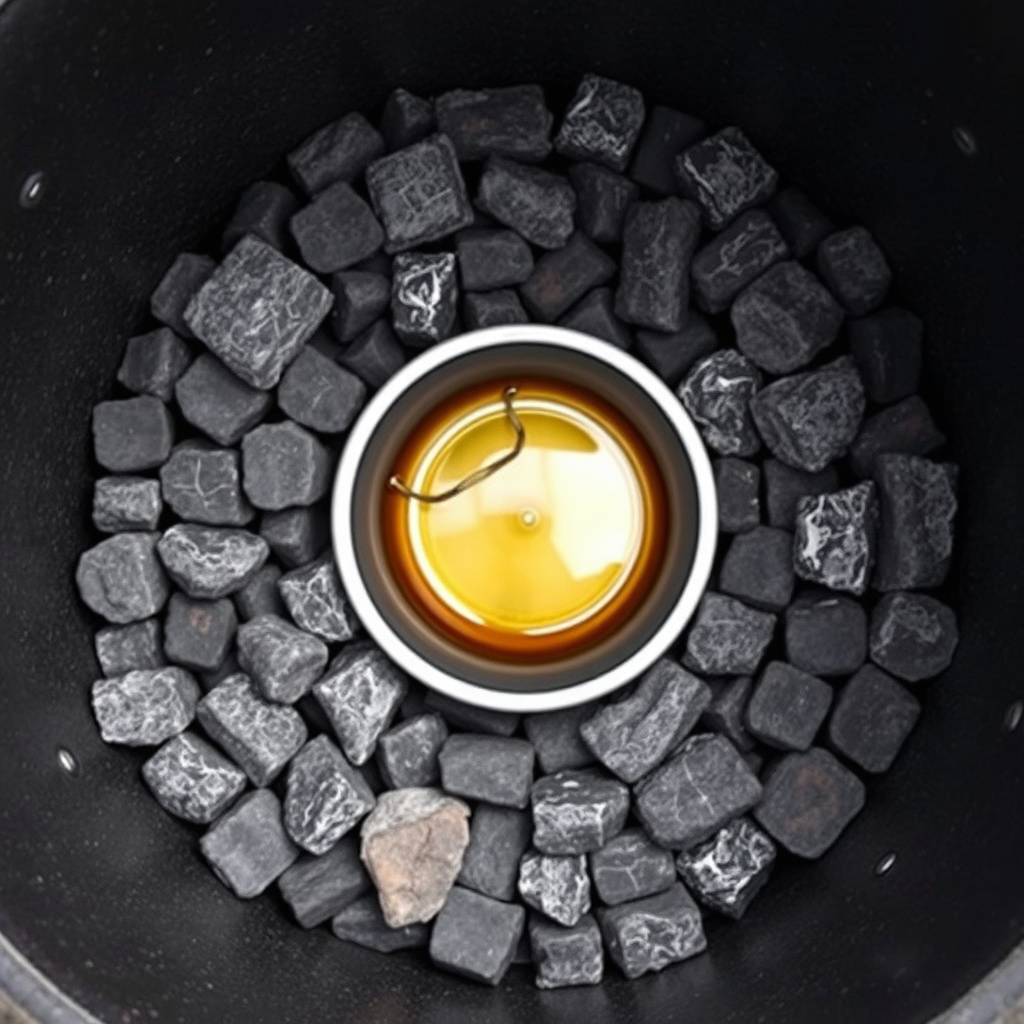
Direct vs Indirect Heat Setup
For smoking, you want indirect heat to ensure slow, even cooking without burning. Arrange charcoal on one side of the firebox or around the edges, leaving space in the center for the food and a water pan to regulate moisture.
Direct heat configuration involves spreading coals evenly under the cooking grate for grilling rather than smoking. Avoid this for long smokes, as it causes hot spots and uneven cooking.
- Pile coals on one side for indirect heat
- Place water pan between coals and food for moisture control
Using the Minion Method for Long Smokes
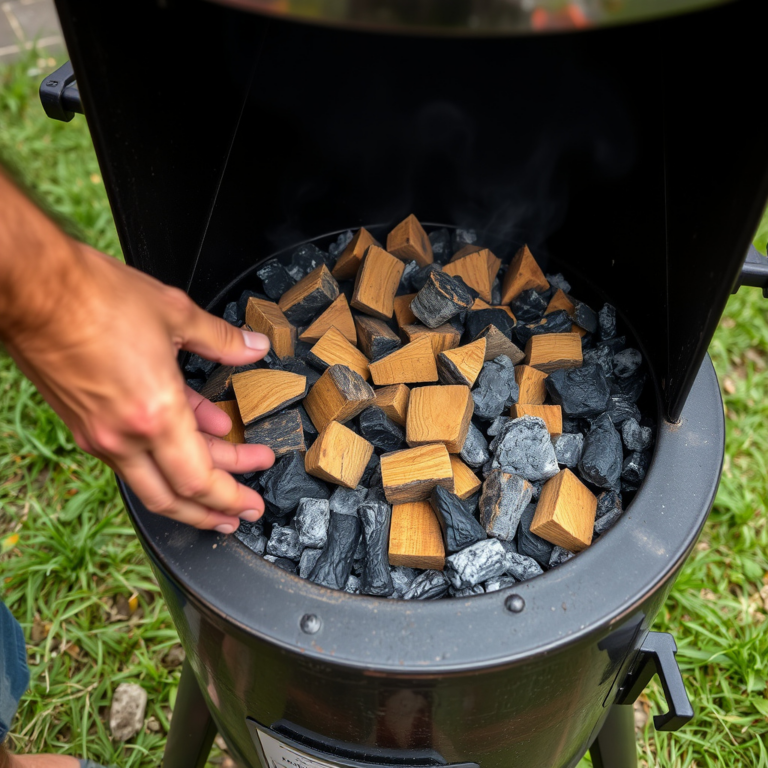
The Minion Method involves filling the charcoal chamber mostly with unlit coals and placing a small pile of lit coals on top. This setup allows the fire to gradually ignite the surrounding fuel over hours, maintaining steady temperatures with minimal intervention.
This method is popular for long smoking sessions requiring consistent heat, as it reduces the need to add charcoal frequently and keeps smoke clean.
- Fill chamber with unlit charcoal
- Add small lit charcoal pile on top
- Allows slow, consistent ignition
Controlling Airflow and Temperature in a Charcoal Smoker
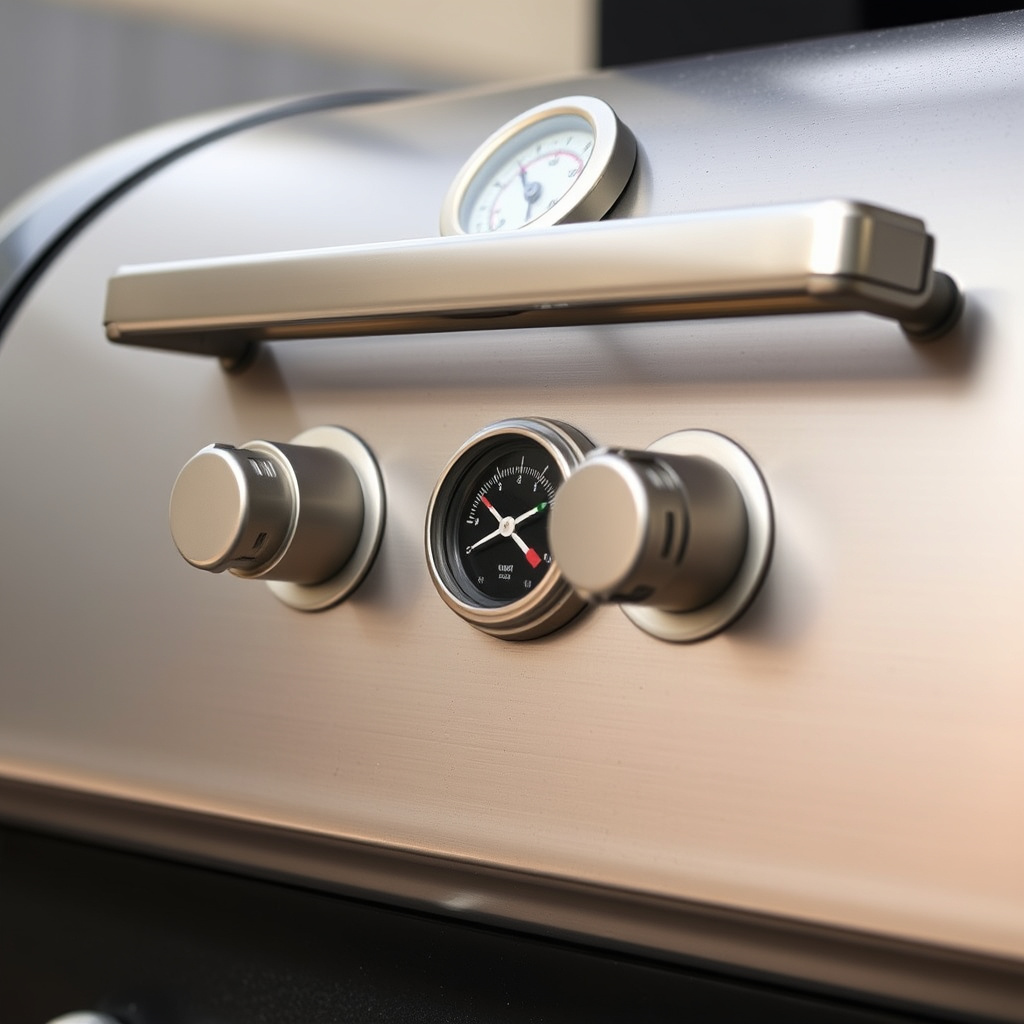
How to Adjust Intake and Exhaust Vents
Controlling airflow is essential to managing temperature and smoke density. Opening the intake vent increases oxygen supply, causing the charcoal to burn hotter, while closing it lowers temperature by reducing oxygen.
The exhaust vent allows smoke to escape and encourages air movement. Keeping it partially open prevents stale, thick smoke from accumulating and promotes a clean burn, producing better-flavored food.
- Open intake vent to raise temperature
- Close intake vent to lower temperature
- Keep exhaust vent partially open for airflow
For more on this, see our related guide: How to Smoke Meat on a Charcoal Grill: A Step-by-Step Guide.
Using a Smoker Thermometer Effectively
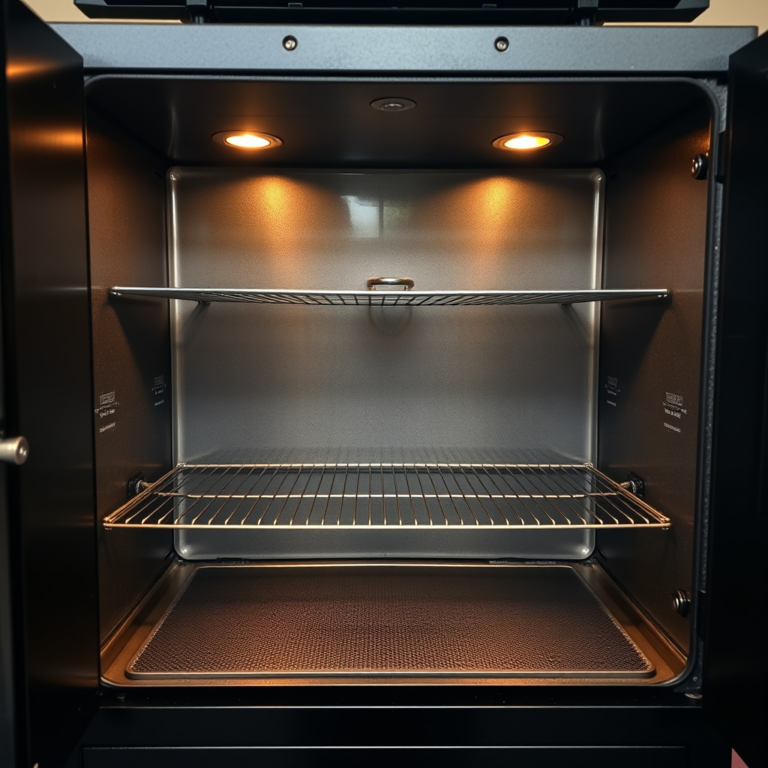
A reliable thermometer placed near the cooking grate is crucial for monitoring smoker temperature. Adjust vent positions based on the thermometer readings to maintain steady cooking heat.
Avoid opening the smoker lid too often, as it causes temperature fluctuations. Instead, make small vent adjustments to fine-tune heat without losing smoke or heat.
- Place thermometer at food level
- Adjust vents based on readings
- Minimize lid openings to keep temperature stable
Maintaining Smoke Quality During the Cook
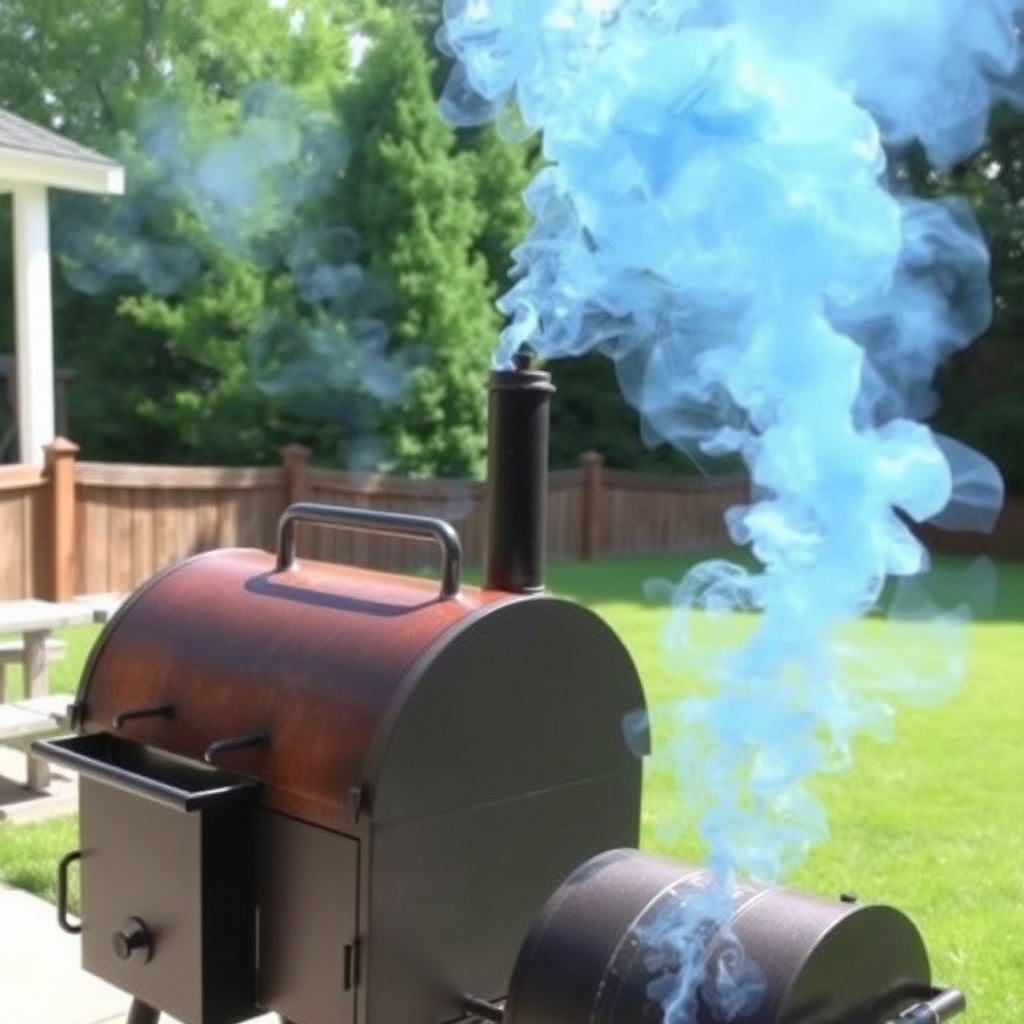
What Good Smoke Looks and Smells Like
Clean blue smoke indicates wood and charcoal are burning efficiently, producing flavorful smoke for your food. Thick white or gray smoke means incomplete combustion and can create bitter, sooty flavors.
Watch the smoke coming out of the exhaust stack to judge combustion quality. Aim for a steady, thin blue smoke for the best taste outcome.
- Blue smoke: clean, flavorful
- White/gray smoke: incomplete combustion, harsh taste
For additional details on charcoal smokers and their history, check out this comprehensive resource on charcoal smoker basics. Charcoal smoker basics on Wikipedia.
Using Wood Chunks and Chips Wisely
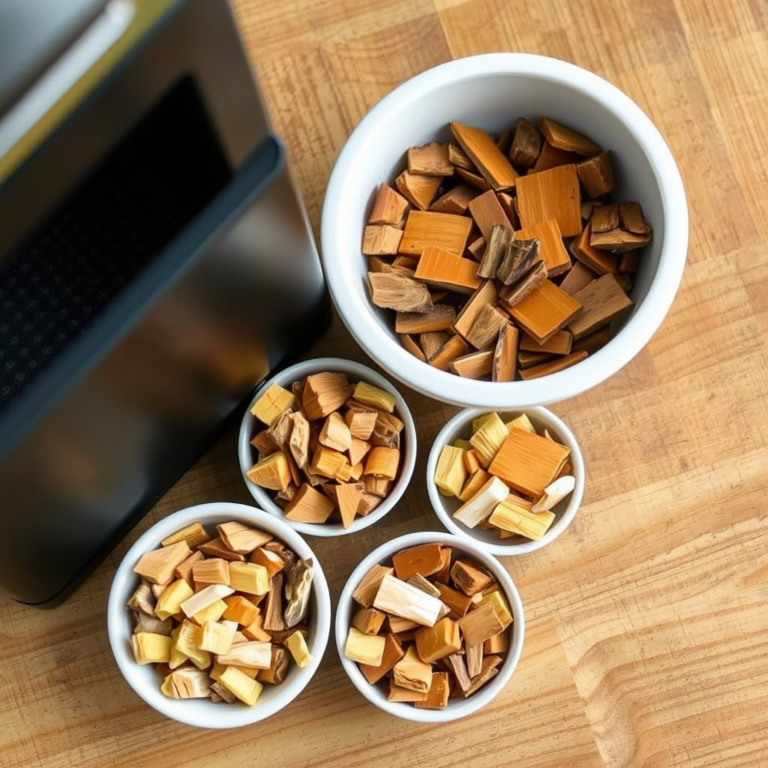
Adding hardwood chunks allows you to enhance smoky flavor without affecting temperature too much. Soak wood chips briefly to extend their burn time and avoid sudden flare-ups.
Introduce wood chunks slowly during the smoke to maintain a consistent smoke flow rather than dumping too much at once, which causes excessive smoke and bitter taste.
- Use hardwood chunks for consistent smoke
- Soak chips briefly before adding
- Add wood gradually to control smoke intensity
Charcoal Smoker Types Comparison
Here's a quick overview comparing popular charcoal smoker types to help you match your needs and preferences.
| Smoker Type | Heat Control | Portability | Ideal Use Case |
|---|---|---|---|
| Offset Smoker | Excellent – separate firebox for precise air control | Low – heavy and bulky | Long, traditional smoking sessions |
| Bullet Smoker | Good – vertical design focuses heat | Moderate – compact but heavy | Backyard smoking with moderate effort |
| Kettle Grill Smoker | Moderate – basic vent control, no water pan | High – portable and lightweight | Casual smoking and grilling |
| Kamado Smoker | Excellent – insulated ceramic retains heat | Low – heavy ceramic build | Versatile smoking and high-temp grilling |
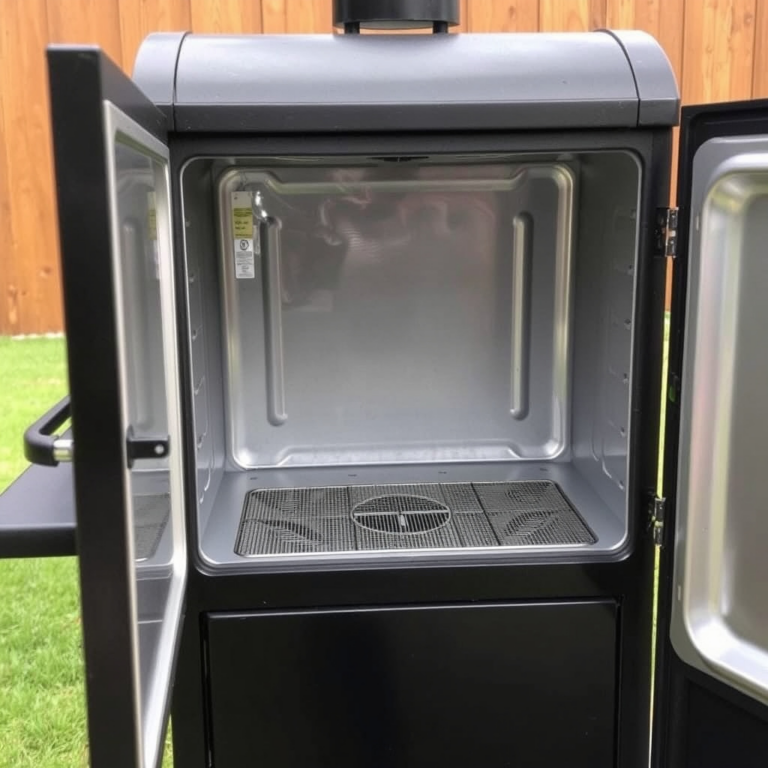
| Vertical Water Smoker | Good – water pan stabilizes temperature | Moderate – medium weight | Low-maintenance, steady smoking |
Frequently Asked Questions
How long should I wait for charcoal to be ready in a smoker?
Wait 10 to 15 minutes after lighting the charcoal until it is covered with a layer of gray ash. This indicates the coals are hot and ready for smoking.
Can I use lighter fluid to start my charcoal smoker?
Lighter fluid is not recommended as it can leave chemical residues affecting the flavor of your food. Use a chimney starter or natural fire starters instead.
How do I maintain a steady temperature in my charcoal smoker?
Control temperature by adjusting the intake and exhaust vents to regulate airflow. Use a good thermometer to monitor heat and avoid opening the lid frequently.
What type of wood should I use for smoking with a charcoal smoker?
Use hardwoods like hickory, oak, or apple wood chunks for clean, flavorful smoke. Avoid softwoods as they produce resinous, unpleasant smoke.
Is lump charcoal better than briquettes for smoking?
Lump charcoal burns hotter and produces less ash but burns faster and less evenly. Briquettes provide more consistent heat but create more ash that may clog vents.
Key Takeaways
- Use a chimney starter to light charcoal safely and evenly.
- Arrange charcoal for indirect heat to achieve true smoking.
- Control temperature by adjusting intake and exhaust vents carefully.
- Add hardwood chunks gradually for clean, flavorful smoke.
Conclusion
Starting a charcoal smoker involves more than just lighting the coals; it’s about managing fire, airflow, and smoke to create the ideal environment for slow cooking. By selecting the right charcoal type, using proven lighting methods like a chimney starter, and arranging your coals for indirect heat, you set the foundation for great barbecue. Controlling vents and monitoring temperature with a reliable thermometer ensure a stable cooking process that infuses food with smoky flavor and tenderness.
Different smoker types like offset, bullet, and kamado models each handle airflow and heat differently, so your approach may vary. For instance, offset smokers offer precise heat control for long cooks, while bullet smokers balance portability with consistent heat. Using techniques like the Minion Method is especially useful for long sessions, allowing steady burn without constant attention. Pair your charcoal with natural hardwood chunks to achieve rich smoke flavor without the bitterness of excessive or incomplete combustion.
As a practical first step, gather quality lump charcoal or briquettes free from additives, and acquire a chimney starter if possible. Experiment with vent adjustments on your smoker to learn how they affect temperature. Start with shorter smoking projects, maintaining thin blue smoke and avoiding frequent lid openings, and grow your skill from there. Mastering how to start a charcoal smoker opens the door to rewarding, flavorful backyard barbecues.