Using a charcoal smoker involves controlling fire and smoke to cook meat slowly and infuse it with rich smoky flavors. Start by lighting your charcoal evenly, letting it ash over before arranging it to create indirect heat zones inside the smoker. Add wood chunks for smoke, monitor airflow through vents, and maintain consistent temperature to achieve tender, flavorful results.
Smoking meat with a charcoal smoker matters because it allows slow cooking combined with smoky aromas that fuel unforgettable flavors distinct from other cooking methods. However, it can be tricky to maintain steady heat and avoid flare-ups without proper technique and equipment knowledge. Understanding how your smoker works and mastering fire management ensures you get consistent results every time.
This article will explain the essential steps to use a charcoal smoker successfully, including preparing your fuel, controlling airflow, managing temperature, and timing your cooks. You will also learn about choosing the right charcoal and wood types, and troubleshooting common issues. By the end, you'll feel confident running your charcoal smoker to make excellent barbecue.
Preparing Your Charcoal Smoker for Use
Selecting the Right Charcoal and Wood
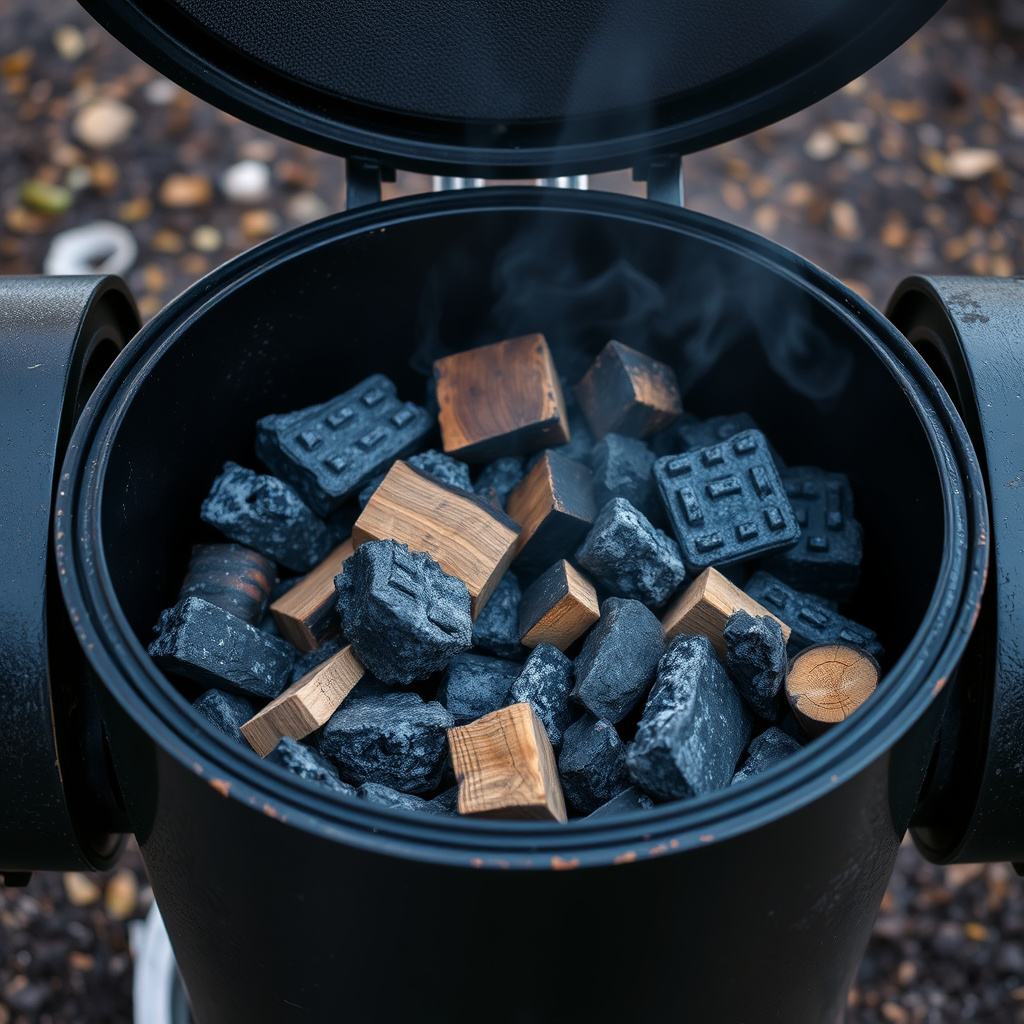
Choosing quality charcoal is vital because it burns longer and produces cleaner smoke. Lump charcoal offers high heat and less ash, while briquettes provide steadier temperatures over time. Combining the two can balance heat and burn duration for smoking.
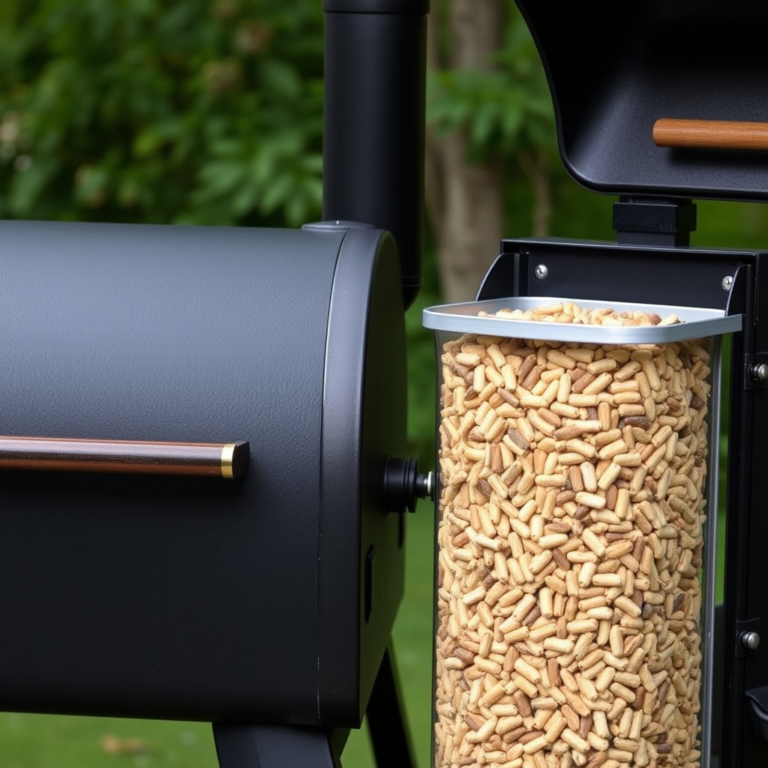
Wood chunks or chips add the essential smoky flavor. Hardwoods like hickory, oak, mesquite, and applewood each produce distinct aromas. Avoid softwoods that create unpleasant resinous smoke. Soak chips briefly if you want slower burning smoke bursts or use chunks directly for longer smoke sessions.
- Lump charcoal burns hotter with minimal additives
- Briquettes provide steady, prolonged heat
- Hickory and oak for strong, traditional BBQ flavor
- Applewood for milder, fruitier smoke notes
Setting Up Charcoal and Smoke Zones
Arrange your lit charcoal on one side or in a ring around the coal grate to create indirect heat zones. This setup prevents direct flame contact with food, allowing longer, slower cooking with smoke circulation.
Place a water pan opposite the charcoal. It stabilizes temperature and adds humidity, preserving meat moisture during smoking. Add soaked wood chunks directly atop charcoal or in a smoker box to create consistent smoke.
- Use chimney starter for quick, even lighting
- Arrange charcoal for indirect heat
- Place water pan for temperature and moisture regulation
- Add wood chunks for steady smoke production
Mastering Charcoal Smoker Temperature Control
Understanding Smoker Vents and Airflow
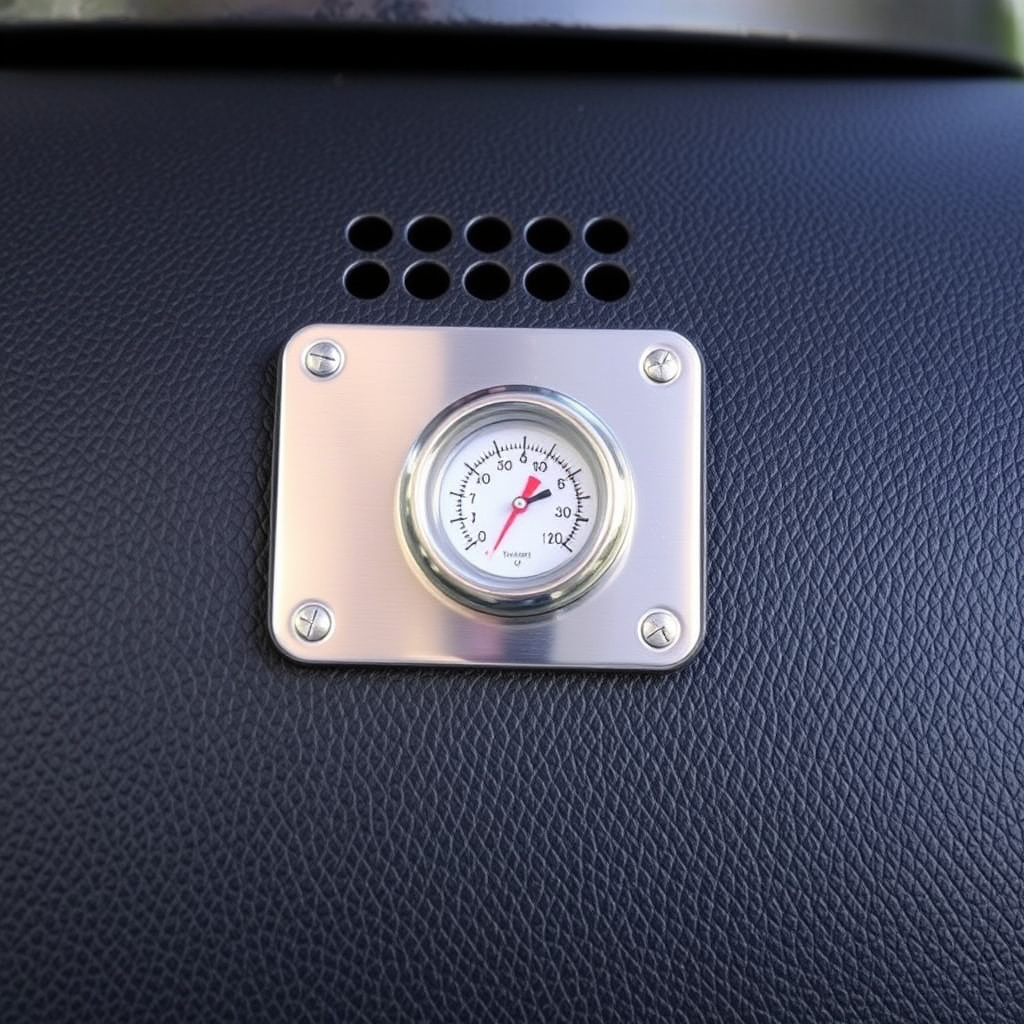
The smoker’s bottom and top vents control airflow, which influences how fiercely the charcoal burns. Opening vents increases oxygen flow, raising temperature; closing them restricts airflow and lowers heat. Adjust these vents carefully to stabilize your smoker’s internal temperature throughout cooking.
Keep vents partially open once the fire reaches desired heat. Avoid closing vents too much, which can smother the fire and cause temperature drops. Check vents regularly during cooking to maintain steady charcoal combustion.
- Bottom vents regulate oxygen supply to charcoal
- Top vents release smoke and heat
- Adjust both to balance temperature and smoke flow
For more on this, see our related guide: How Do Charcoal Grills Work? A Complete Guide to Charcoal Grilling Mechanics.
Maintaining a Consistent Smoking Temperature
Ideal smoking temperatures range between 225°F and 275°F. Use built-in thermometers and a reliable meat probe to monitor internal smoker and meat temps. Add small charcoal amounts or wood chunks as needed to maintain heat without large fluctuations.
Avoid opening the lid frequently, as this releases heat and disturbs airflow. Instead, trust vent adjustments and monitor thermometer readings. Experience and patience help develop an intuitive sense for managing your charcoal smoker temperature control.
- Target 225°F–275°F for low and slow smoking
- Add fuel in small increments to avoid temperature spikes
- Keep smoker closed except for necessary checks
Preparing and Placing Food in the Smoker
Prepping Meat for Smoking
Start with clean, trimmed meat. Apply a dry rub or marinade at least an hour before. Seasonings penetrate better during smoking, enriching flavor. Pat meat dry to help form a desirable crust or bark during cooking.
Bring meat to room temperature before smoking to promote even cooking. Larger cuts like briskets or pork shoulders benefit from overnight seasoning application to maximize smoke absorption.
Arranging Food for Even Cooking and Smoke Exposure
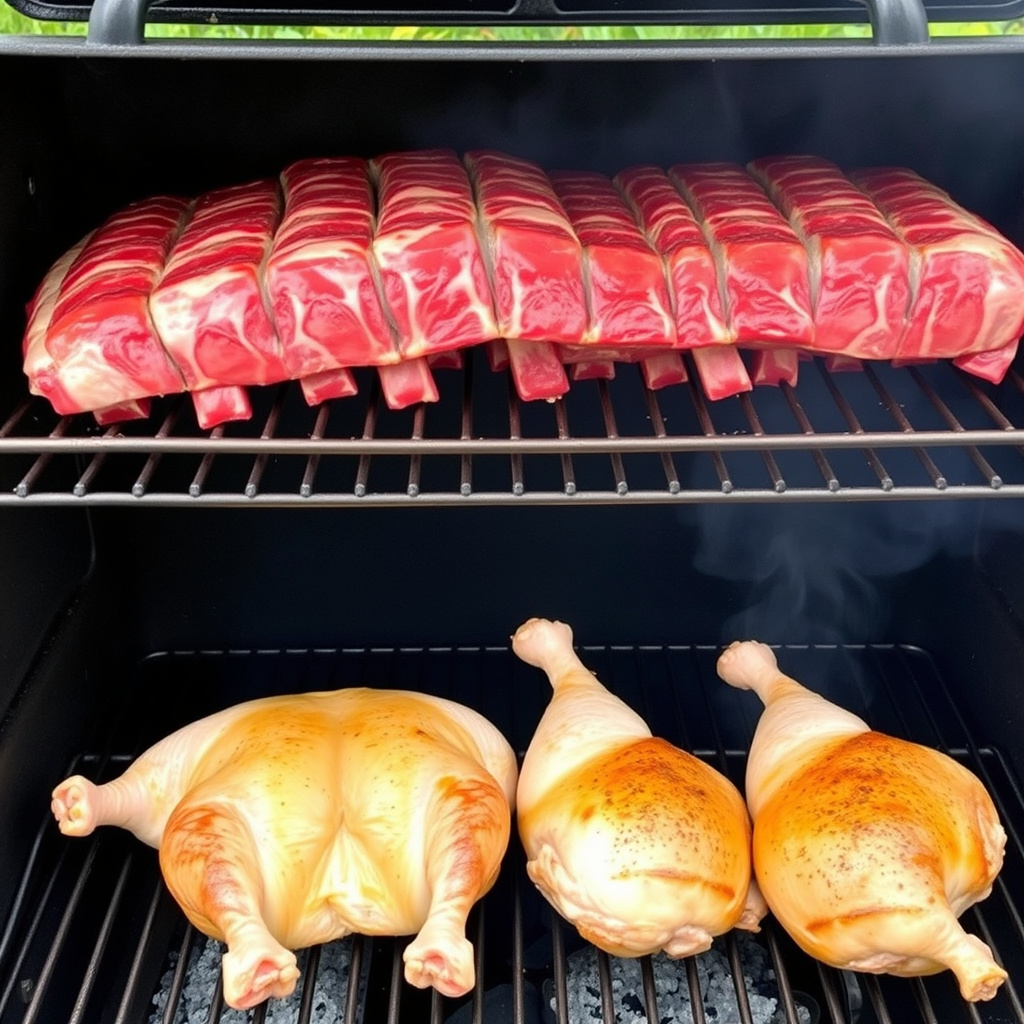
Place meat on the grates away from direct heat, usually above the water pan. Arrange pieces with space between them to allow uniform smoke circulation and prevent steaming.
Use multiple racks if available, rotating the meat as needed to expose all sides evenly to smoke and heat. Avoid overcrowding to maintain consistent smoke flavor and temperature.
- Keep thicker cuts closer to heat source
- Space food apart for proper smoke flow
- Rotate racks or pieces during long smokes
Managing Smoke Flavor and Duration
Choosing Wood Types for Desired Smoke Profiles
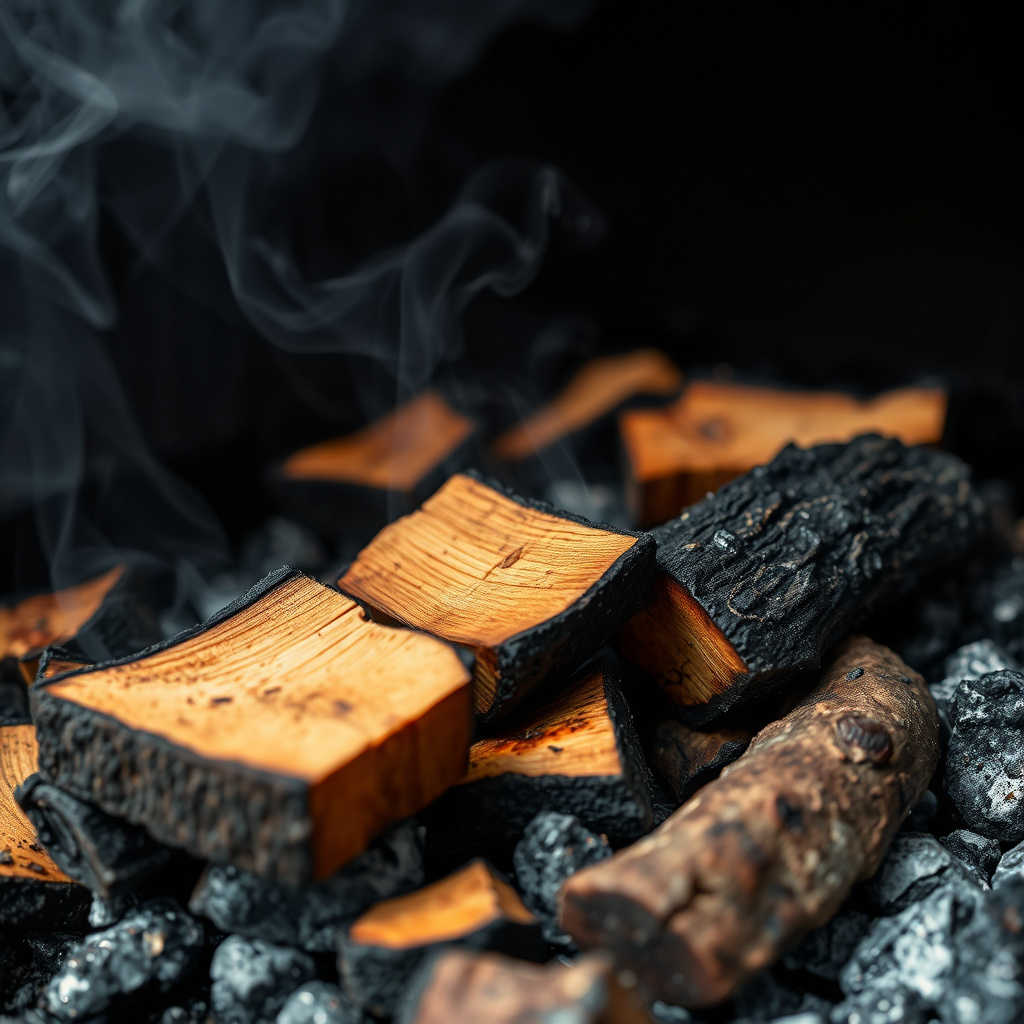
Strong woods like mesquite produce intense smoke best for robust meats but can overpower delicate flavors. Mild woods such as fruitwoods work well for poultry or fish. Mixing woods can create complex smoky layers that suit your taste.
Consider cooking time when selecting wood. Hardwoods produce longer-lasting smoke, while chips create quick bursts that burn out fast, affecting flavor intensity and duration.
- Mesquite: strong, bold flavor for red meats
- Applewood: mild, sweet smoke good for poultry
- Mix woods for custom flavor blends
For more on this, see our related guide: How to Smoke Meat on a Charcoal Grill: A Step-by-Step Guide.
Timing Wood Additions During the Smoking Process
Add wood chunks once the charcoal is hot and covered in light gray ash to produce clean smoke. Repeat as needed every 45–60 minutes to maintain steady smoke levels throughout the long cooking process.
Avoid over-smoking by adding too much wood at once, which can lead to bitter or acrid flavors. Smaller, more frequent additions yield better control over smoke intensity.
- Add wood only after charcoal is fully lit
- Replenish wood in small amounts at regular intervals
- Watch for thin, blue smoke as the sign of good smoking
Finishing and Serving Smoked Meat
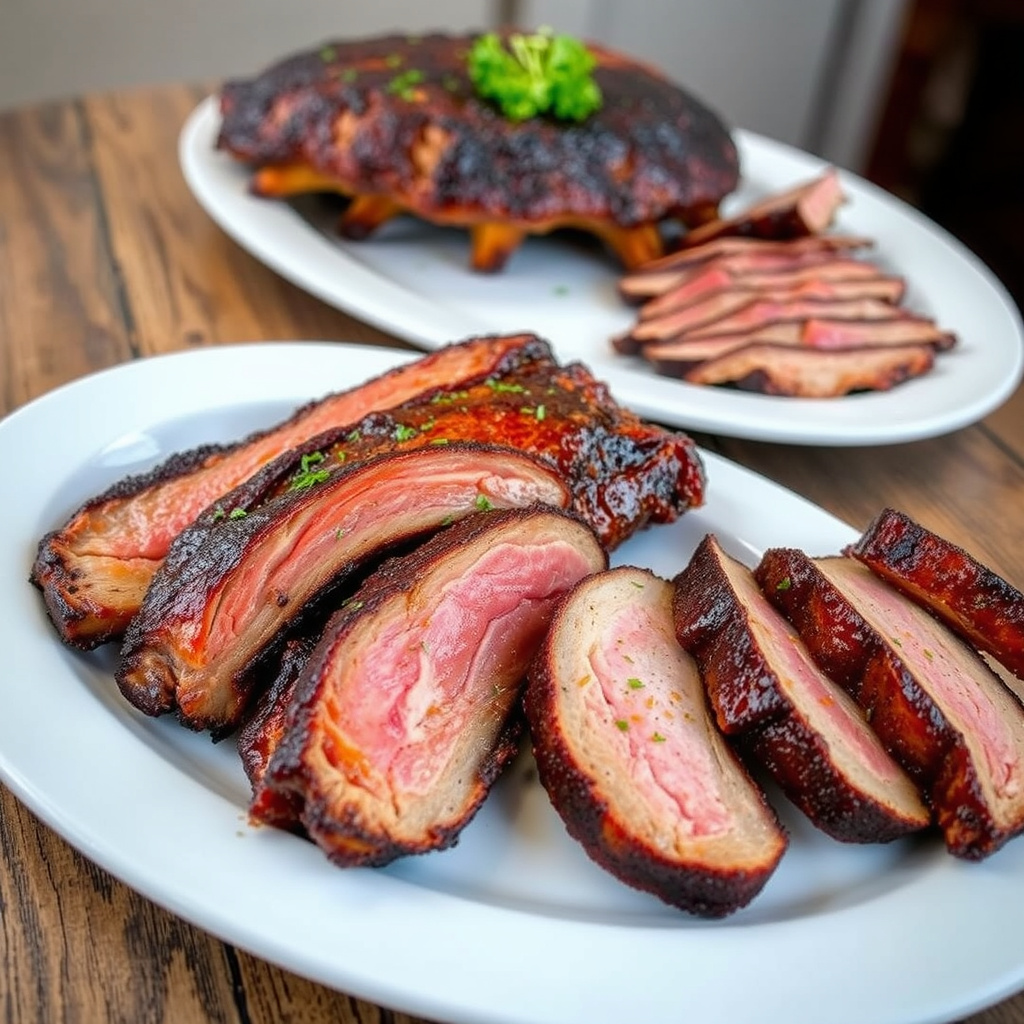
Checking for Doneness and Resting Meat
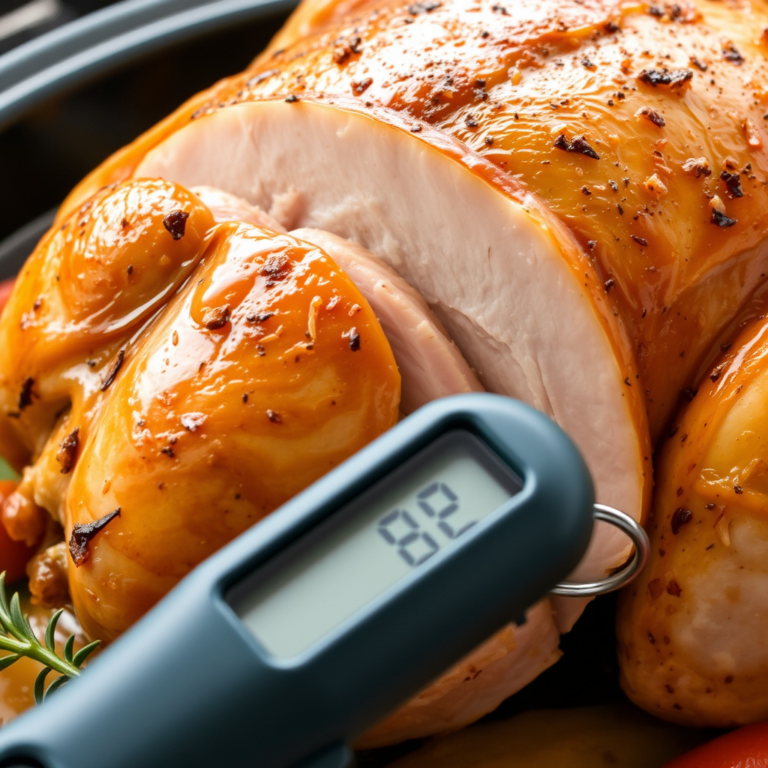
Use a reliable meat thermometer to check internal temperatures corresponding to the meat type and desired tenderness. For example, brisket is usually done near 195–205°F for tender pull-apart texture.
Once done, remove meat and let it rest covered loosely with foil for 20–30 minutes. Resting allows juices to redistribute, improving moisture and flavor.
- Target internal temperature based on meat cut
- Rest meat before carving
- Avoid cutting immediately to preserve juiciness
For additional background on smoked meat techniques and barbecue history, check the Barbecue Wikipedia article. Barbecue Wikipedia article.
Carving and Serving Tips
Slice brisket against the grain to shorten muscle fibers, making the meat easier to chew. Ribs can be pulled or cut between bones depending on style.
Serve smoked meat with complementary sides like coleslaw, pickles, or barbecue sauce. Leftovers can be refrigerated and are often even more flavorful the next day.
Charcoal Smoker Types Comparison
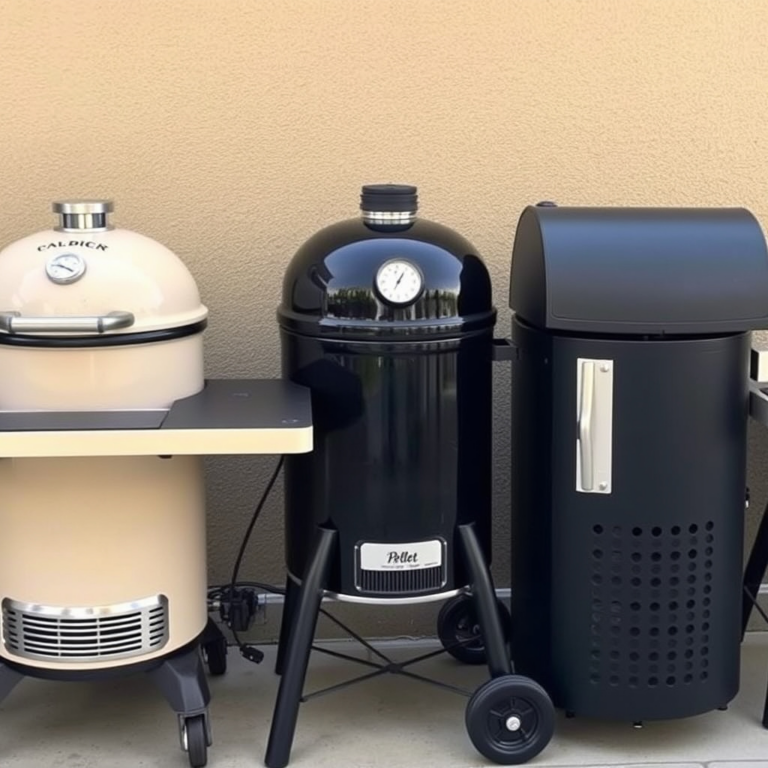
Here’s a comparison of popular charcoal smoker styles to help decide which fits your smoking needs best.
| Type | Price Range | Ease of Temperature Control | Portability | Capacity |
|---|---|---|---|---|
| Offset Smoker | $200–$1000 | Moderate to Difficult | Low | Large |
| Bullet/Vertical Smoker | $100–$400 | Easy to Moderate | Moderate | Medium |
| Drum Smoker | $150–$500 | Difficult | Low | Large |
| Kamado Smoker | $300–$2000+ | Easy to Moderate | Moderate | Varies, usually Medium |
| Portable Charcoal Grill with Lid | $50–$200 | Moderate | High | Small |
Frequently Asked Questions
How long does it take to smoke meat in a charcoal smoker?
Smoking times vary depending on the type and size of meat, usually ranging from 1.5 hours for smaller cuts to 12 hours or more for large briskets or pork shoulders.
Can I use charcoal briquettes instead of lump charcoal?
Yes, briquettes provide steady, long-lasting heat, though lump charcoal burns hotter and cleaner. Many pitmasters blend both for better temperature control.
How often should I add wood chunks during smoking?
Add wood chunks every 45 to 60 minutes once the charcoal is hot and glowing to maintain consistent smoke without overpowering the meat’s flavor.
Is it necessary to soak wood chips before using them in a charcoal smoker?
Soaking wood chips is optional. It prolongs smoke production by slowing combustion, but dry chunks generally produce cleaner smoke and are preferred for long cooks.
What internal temperature should I cook brisket to in a charcoal smoker?
For tender, pull-apart brisket, aim for an internal temperature between 195°F and 205°F, using a meat thermometer to monitor the progress.
Key Takeaways
- Proper charcoal and wood selection affects smoke flavor and heat control
- Controlling vents is essential to maintain steady cooking temperature
- Arrange meat for indirect heat and adequate smoke exposure
- Use a thermometer to monitor internal meat and smoker temperatures
Conclusion
To use a charcoal smoker well, focus on mastering fire management and airflow. Lighting charcoal properly and arranging it to create indirect heat are the foundations. Learn to adjust smoker vents to balance oxygen supply and smoke output, maintaining stable low temperatures essential for good barbecue. Equally important is selecting quality charcoal and wood that complement your cooking style and flavor goals.
Specific smoker types bring different challenges and advantages. For beginners, bullet smokers offer easier temperature control and moderate portability, while offset smokers appeal to enthusiasts seeking larger capacity and traditional techniques. Kamado-style smokers allow excellent temperature management with ceramic insulation, suitable for varied cooking styles including smoking. Choosing your smoker and fuel based on your cooking frequency, space, and budget ensures a more enjoyable experience.
Starting your smoking journey, prepare by seasoning meats thoroughly, using reliable thermometers, and practicing patience during long cooks. Build experience adjusting vents and fuel to refine temperature control. Eventually, you’ll develop the feel for producing tender, flavorful smoked dishes consistently. For further insights into smoking meat science and equipment, reliable resources like the Wikipedia article on barbecue can expand your knowledge.