Using a smoker involves controlling heat and smoke to cook meat slowly, allowing it to absorb rich flavors while becoming tender. The key steps include preparing your smoker, selecting the right wood, managing temperature, and monitoring cooking times. This method enhances flavors through slow cooking, making it ideal for meats like brisket, ribs, or pork shoulder.
Smoking meat has long been a favorite method for barbecue enthusiasts because it transforms tougher cuts into melt-in-your-mouth dishes with deep smoky flavors. Knowing how to use a smoker confidently lets you experiment with different wood types and recipes to suit your taste, while giving you full control over the cooking process.
This guide covers the essential steps in using a smoker, including setting it up, selecting fuel, prepping meat, maintaining temperature, and tips for finishing. Whether you own an electric, charcoal, or pellet smoker, these techniques will help you create delicious smoked foods every time.
Understanding Different Types of Smokers
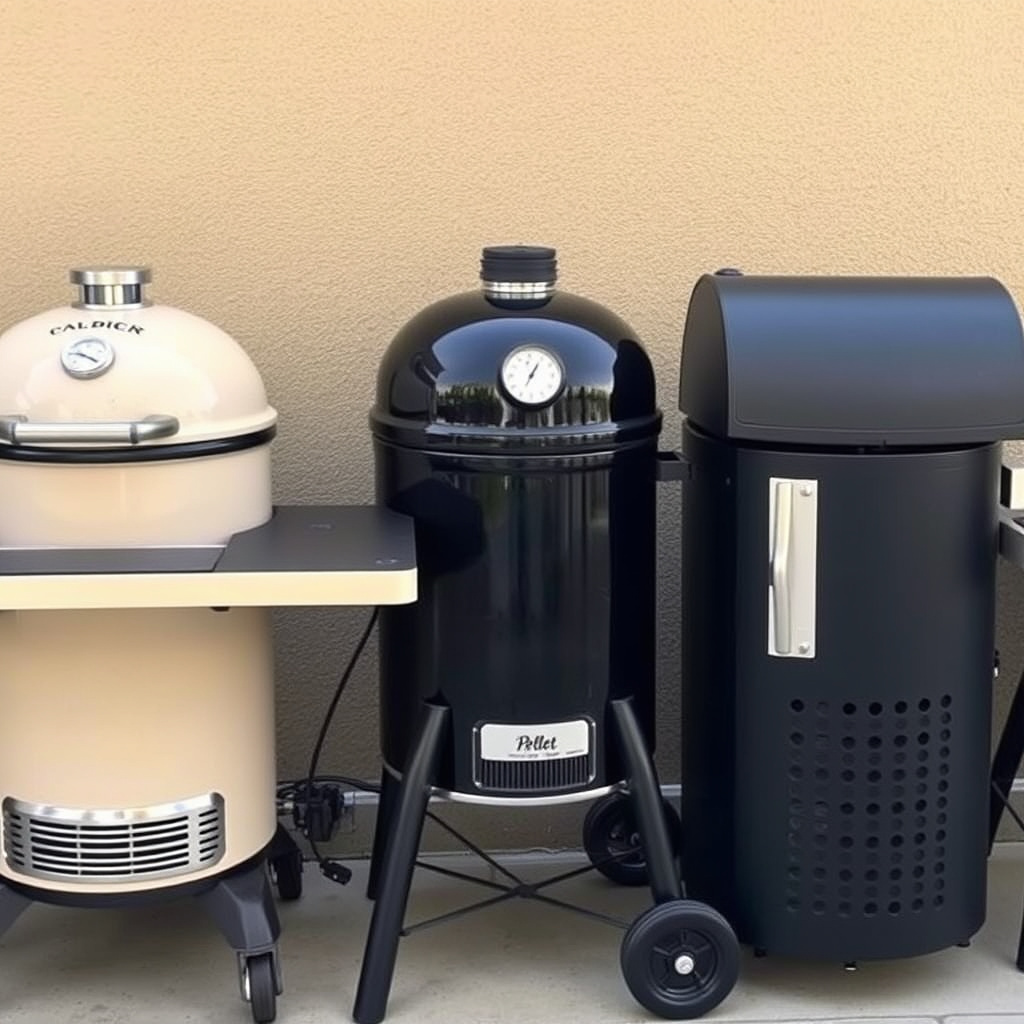
Charcoal Smokers: Traditional Flavor and Control
Charcoal smokers use lump charcoal or briquettes as their fuel source, providing a classic smoky flavor that many barbecue enthusiasts crave. They require manual adjustments to air vents and fuel to control the temperature, offering hands-on experience with smoke control.
These smokers are ideal for those who enjoy tuning their cook, but they demand attention to maintain steady heat and smoke levels. Charcoal smokers offer a deep, rich flavor profile unmatched by other types.
- Uses lump charcoal or briquettes
- Requires manual vent adjustments
- Produces intense smoky flavor
Electric and Pellet Smokers: Convenience and Consistency
Electric smokers offer consistent temperature control through a thermostat, plugging into a power source, making them user-friendly for beginners. Pellet smokers combine wood pellets and automated feeding systems, giving true wood-smoke flavor with less effort.
Both types simplify smoking by reducing the need for constant monitoring and adjusting, yet they still allow you to customize wood types for diverse flavors. They are well suited for users seeking ease without sacrificing smoked taste.
- Electric smokers use electricity for steady heat
- Pellet smokers feed wood pellets automatically
- Both allow consistent temps with less intervention
Preparing Your Smoker for Use
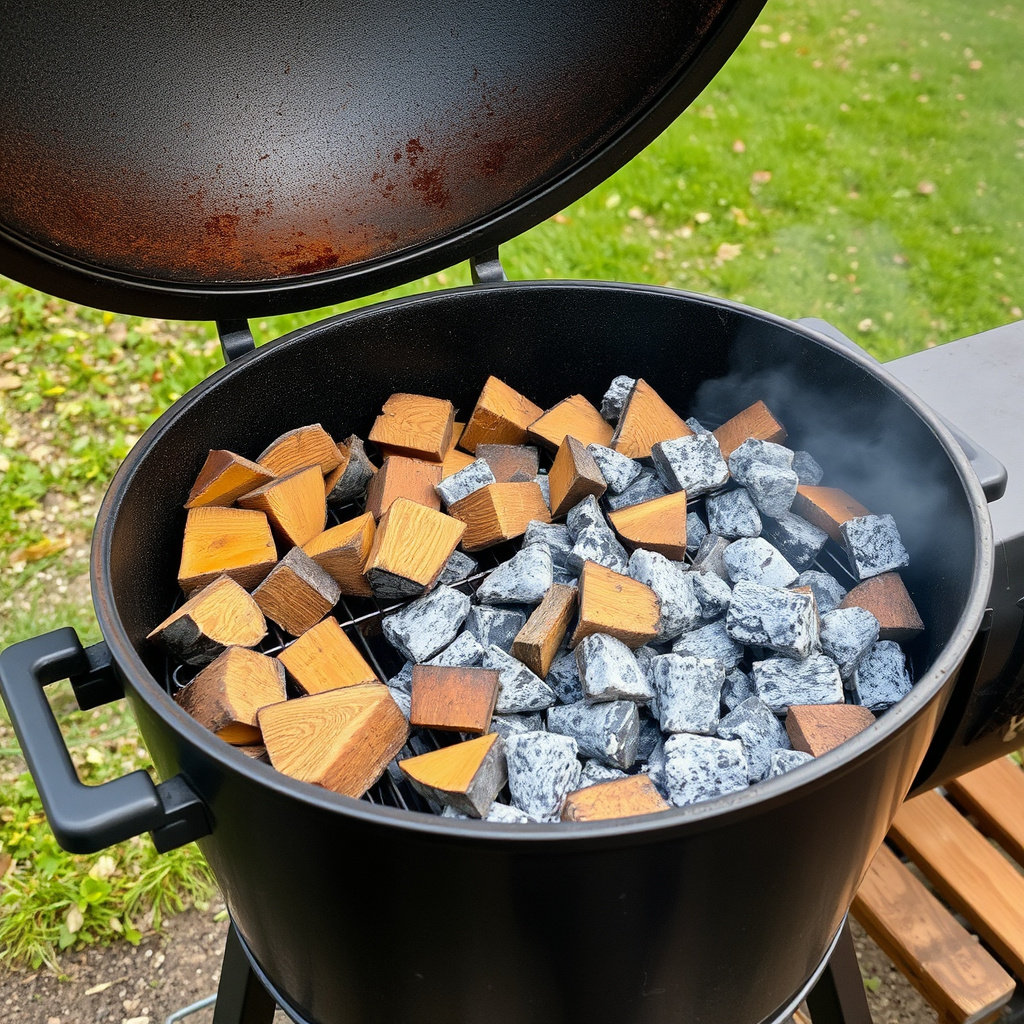
Cleaning and Inspecting Your Smoker
Before every use, clean the smoker’s cooking grates and firebox to remove old ash and grease, preventing off-flavors and ensuring airflow. Check seals, vents, and the fuel container for damage or buildup to maintain efficiency.
Keeping your smoker clean boosts its performance and lifespan. Routine inspection helps identify wear early, making your smoking sessions smoother and safer.
- Scrape cooking grates clean
- Remove ash from firebox
- Inspect seals and vents for damage
For more on this, see our related guide: How to Use a Smoker Box on a Gas Grill for Perfectly Smoked Flavors.
Selecting Wood and Fuel for Smoking
Choose wood types based on the meat you are smoking: fruit woods like apple and cherry offer mild, sweet smoke, while hickory and oak provide stronger, robust flavors. Avoid woods that produce bitter smoke, such as pine.
Fuel choice depends on smoker style—charcoal or wood chunks for charcoal smokers, pellets for pellet smokers, and electric smokers often require separate wood chips for smoke. Soaking chips occasionally helps them smolder longer.
- Apple and cherry for mild, sweet smoke
- Hickory and oak for strong, bold flavors
- Use soaked chips for longer smoke time
Managing Temperature and Smoke
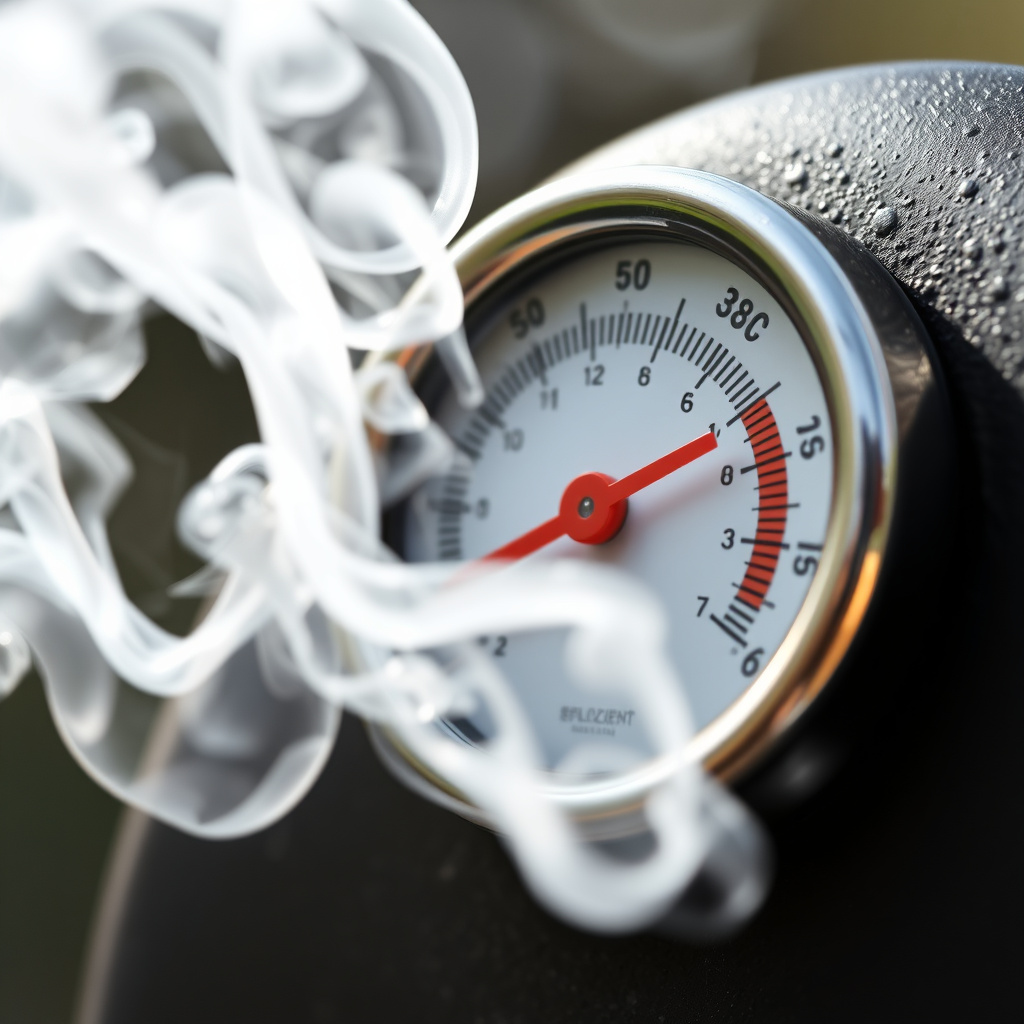
Controlling Heat Levels
Aim for a consistent smoker temperature between 225°F and 275°F for low-and-slow cooking. Use vents, dampers, or digital controls to adjust airflow and heat. Avoid high temperatures, which can dry out meat or produce bitter smoke.
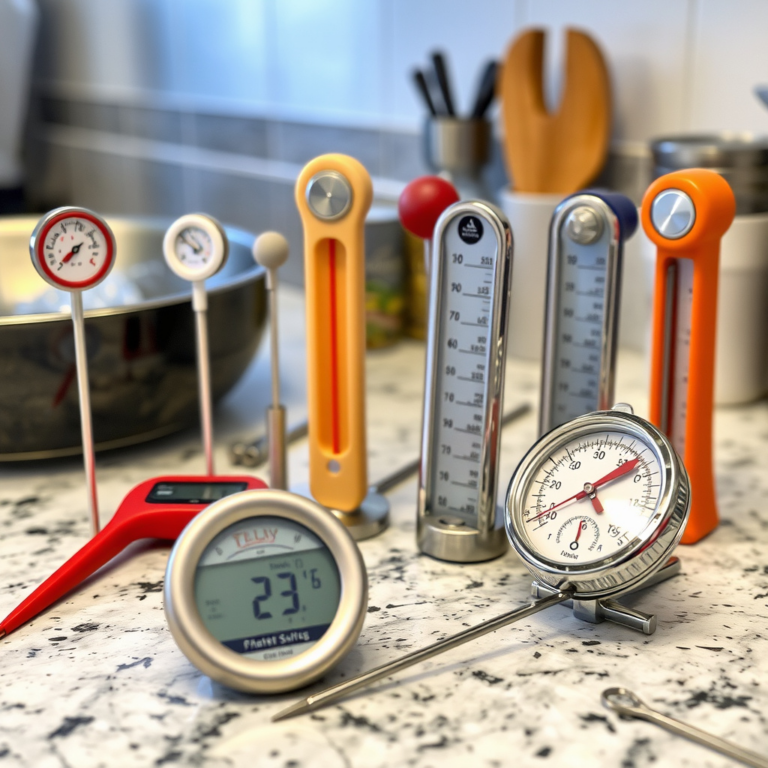
Regularly monitor temperature with a reliable probe or thermometer. Small adjustments to fuel or vents keep the environment stable for even cooking over several hours.
- Target 225°F to 275°F for smoking
- Adjust vents or fuel to control heat
- Use thermometer for steady monitoring
Balancing Smoke Production
Start with plenty of smoke during the first few hours to build flavor, then reduce smoke generation to prevent overpowering the meat with bitterness. Avoid thick, heavy smoke; thin blue smoke indicates clean burning.
Use dry wood and control the air supply to maintain optimal smoke quality. Over-smoking can result in acrid taste that masks natural meat flavors.
- Begin with heavy smoke, taper off later
- Aim for thin, blue smoke rather than thick white
- Keep wood dry and control airflow
Preparing and Smoking Meat
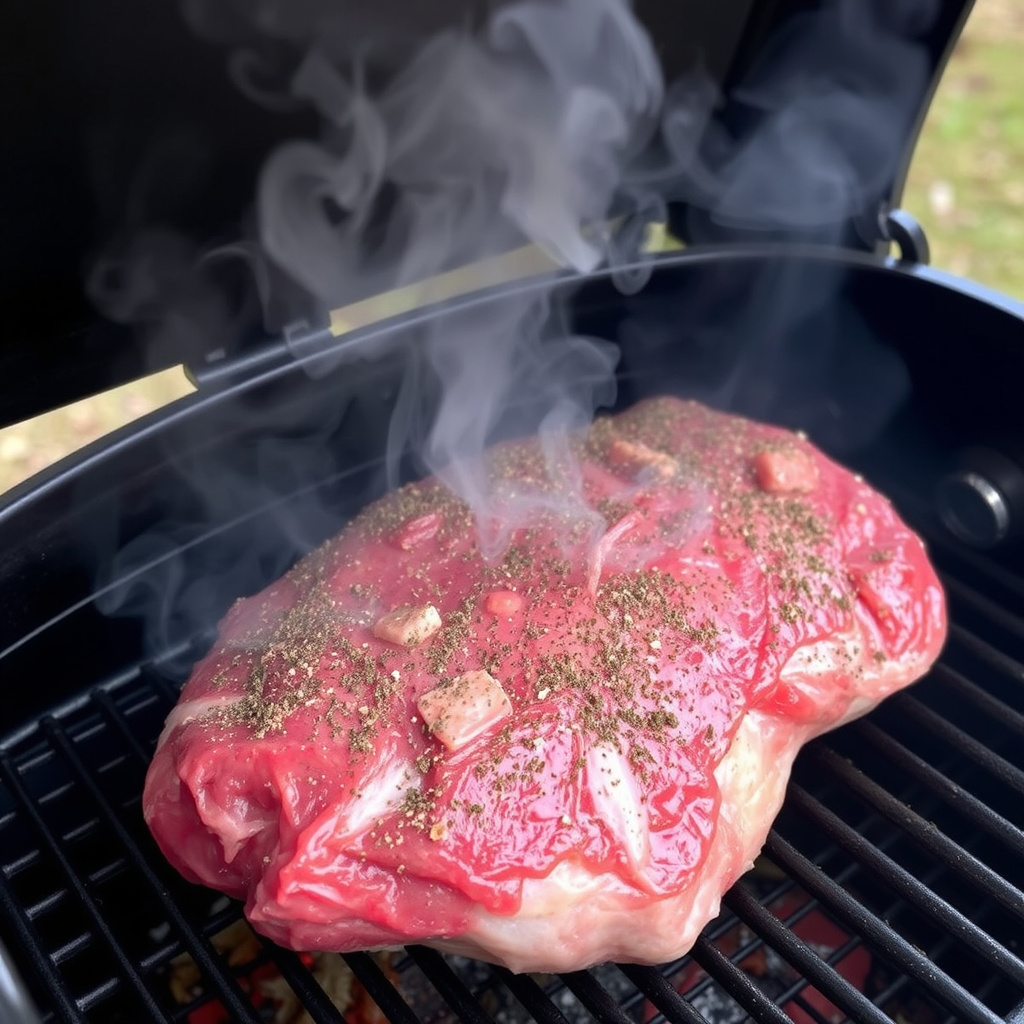
Meat Preparation and Seasoning
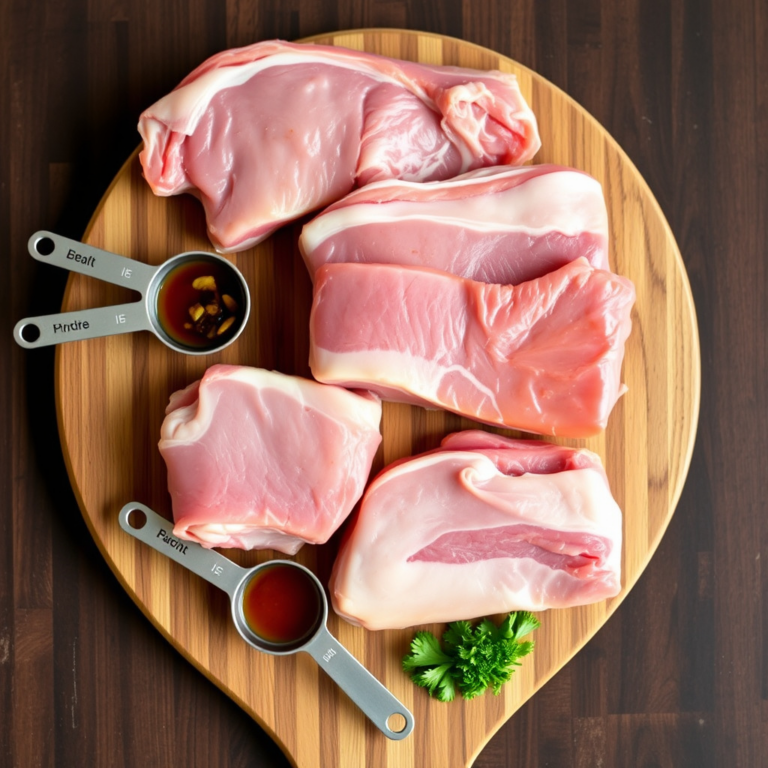
Trim excess fat and pat meat dry before applying rubs or marinades to enhance flavor penetration. Use salt-based rubs to help form a flavorful crust known as the bark during smoking.
Allow meat to rest at room temperature before smoking for even cooking. Consider injection for larger cuts to maintain moisture inside.
- Trim fat and dry meat
- Apply salt-based rub
- Let meat rest before cooking
For more on this, see our related guide: How to Use a Smoker Grill: A Practical Guide for Perfect BBQ.
Monitoring Cooking Progress
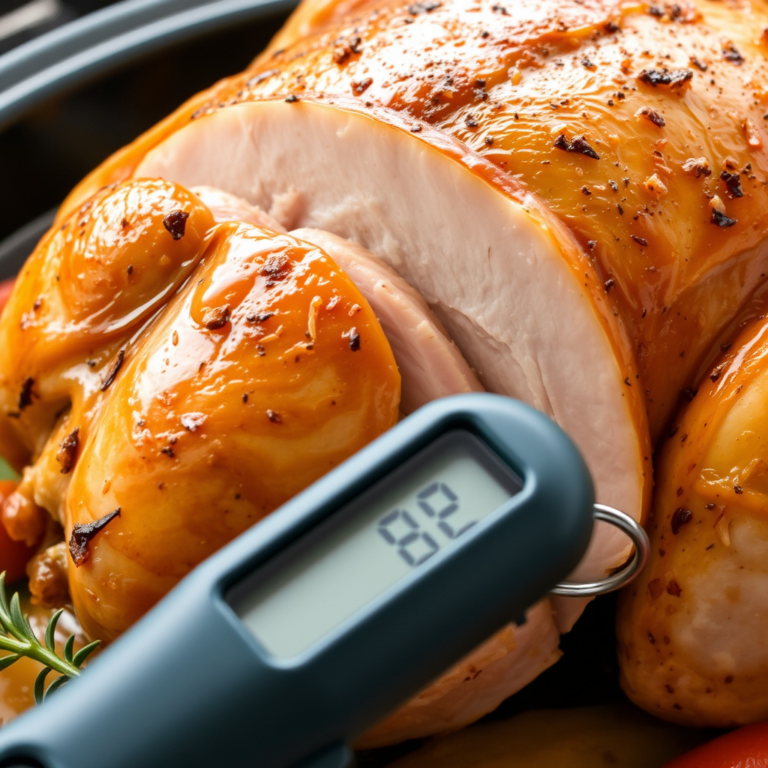
Insert a meat probe thermometer to track internal temperature accurately. Target temperatures vary by meat type—195°F to 205°F for pulled pork, 130°F to 135°F for medium-rare brisket slices.
Use the stall as a guide; when the internal temperature pauses around 150°F, patience is required as collagen breaks down, making meat tender.
- Use internal probe for accuracy
- Know target temps by meat type
- Expect and be patient through the stall
Finishing and Resting Smoked Food
Wrapping and Resting Meat
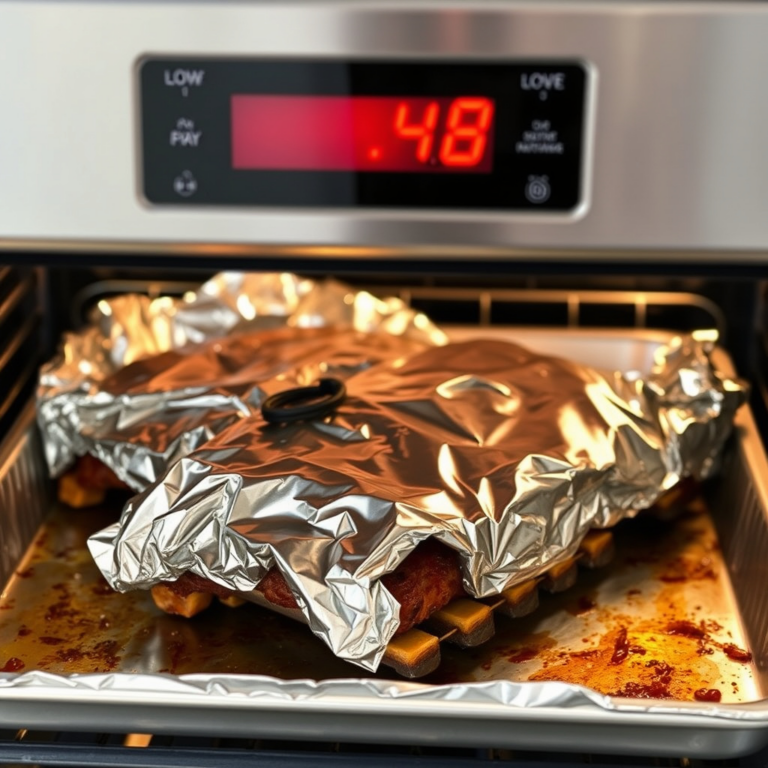
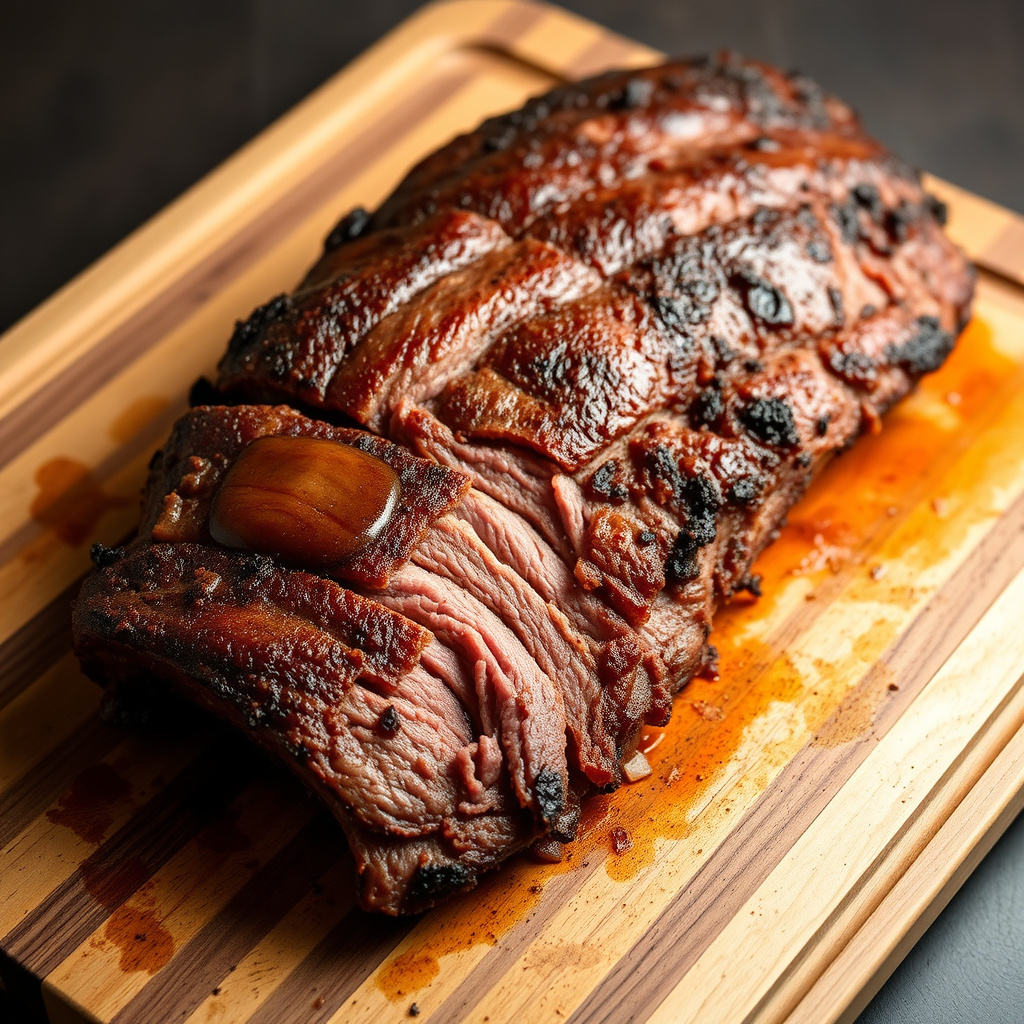
Wrap meats in foil or butcher paper during the final phase to retain moisture and accelerate cooking. Rest the meat 30 to 60 minutes post-smoking to allow juices to redistribute for juicier results.
Skipping resting risks dry meat as juices immediately run out when sliced.
- Wrap in foil or butcher paper
- Rest at least 30 minutes before slicing
For more in-depth information about the smoking cooking process, see Smoking (cooking) on Wikipedia. Smoking (cooking) on Wikipedia.
Serving and Storing Smoked Food
Slice against the grain for tenderness and serve with complementary sauces or sides. Leftover smoked meat stores well, retaining flavor for up to 4 days refrigerated or months frozen.
Reheat gently to preserve moisture and flavor.
- Slice against the grain
- Store leftovers properly
- Reheat carefully to avoid dryness
Types of Smokers Category Comparison
Here is a comparison of popular smoker types highlighting their fuel source, control methods, and typical flavor contribution.
| Smoker Type | Fuel Source | Temperature Control | Flavor Profile | Ease of Use |
|---|---|---|---|---|
| Charcoal Smoker | Charcoal/wood chunks | Manual vents | Strong, classic smoky | Requires attention |
| Electric Smoker | Electric heating element | Thermostat control | Mild, clean smoke (with wood chips) | Beginner friendly |
| Pellet Smoker | Wood pellets | Digital controls | Authentic wood smoke | Automated, easy |
| Gas Smoker | Propane or natural gas | Manual or thermostat | Subtle smoke, less intense | Moderate, steady |
Frequently Asked Questions
Can I use any type of wood in my smoker?
Not all woods are suitable—fruit woods like apple or cherry are preferred for mild flavors, while hardwoods like hickory provide stronger smoke. Avoid softwoods like pine as they produce unpleasant, resinous smoke.
How long does it usually take to smoke meat?
Smoking times vary by meat type and size but generally range from 4 to 16 hours at low temperatures between 225°F and 275°F, allowing the meat to tenderize and absorb smoke flavor.
Do I need to soak wood chips before smoking?
Soaking wood chips is optional. Dry chips smolder longer and produce clean smoke, while soaked chips may create more smoke initially but can cause flare-ups or bitter tastes.
How important is resting the meat after smoking?
Resting is vital to redistribute juices inside the meat after smoking, resulting in moister and more flavorful cuts. Skipping resting often leads to drier meat.
Can I smoke vegetables and other foods besides meat?
Yes, many vegetables, cheeses, nuts, and even fruits can be smoked, gaining subtle smoky flavors. Adjust smoking time and temperature accordingly to avoid overcooking.
Key Takeaways
- Maintain consistent temperatures between 225°F and 275°F for best smoking results
- Choose wood type based on desired flavor intensity for your meat
- Prepare and season meat to enhance smoke penetration and crust development
- Rest smoked meat before slicing to preserve juiciness
Conclusion
Learning how to use a smoker centers on managing temperature, smoke quality, and meat preparation to produce tender, flavorful results. Whether using a charcoal, electric, or pellet smoker, understanding how to control heat and smoke balances the cooking process and enhances flavor development. Consistent monitoring and adjusting during the cook ensure meats come out tender with a satisfying bark or crust.
For beginners, electric and pellet smokers offer simplicity and reliable temperature control, making them excellent starting points in smoking. Charcoal smokers, while more hands-on, provide the deepest smoky flavors and are preferred by enthusiasts with experience. Depending on your goals—convenience versus traditional flavor—you can pick a smoker type and follow straightforward techniques to achieve delicious smoked meats and other foods.
To get started, prepare your smoker by cleaning and selecting the right wood type, then follow recommended temperature ranges and monitor internal meat temps closely. Remember to wrap and rest meat after smoking for juicier results. With practice and patience, mastering how to use a smoker becomes an enjoyable adventure that yields impressive dishes your family and friends will appreciate.