Using an electric smoker is straightforward and offers a consistent way to infuse your food with rich smoky flavors without the fuss of traditional wood or charcoal smoking. To use one, start by seasoning the smoker if it’s new, preheating it to your desired temperature, adding wood chips to the designated tray, and then placing your meat or vegetables inside to smoke. Adjust the temperature and cooking time based on the recipe, and monitor occasionally to maintain the right smoke level.
Electric smokers matter because they combine ease of use with controlled heat and smoke output, eliminating much of the guesswork in traditional smoking. Their electric heating element keeps the temperature steady, making it easier for beginners and busy cooks to produce impressive smoked dishes with less effort and mess compared to charcoal or pellet smokers.
This guide will explain how to set up your electric smoker, select and prepare wood chips, manage temperature and cooking times, and safety precautions to consider, ensuring you get delicious results every time. You’ll also find tips for cleaning and maintaining your smoker so it lasts season after season.
Getting Started with Your Electric Smoker
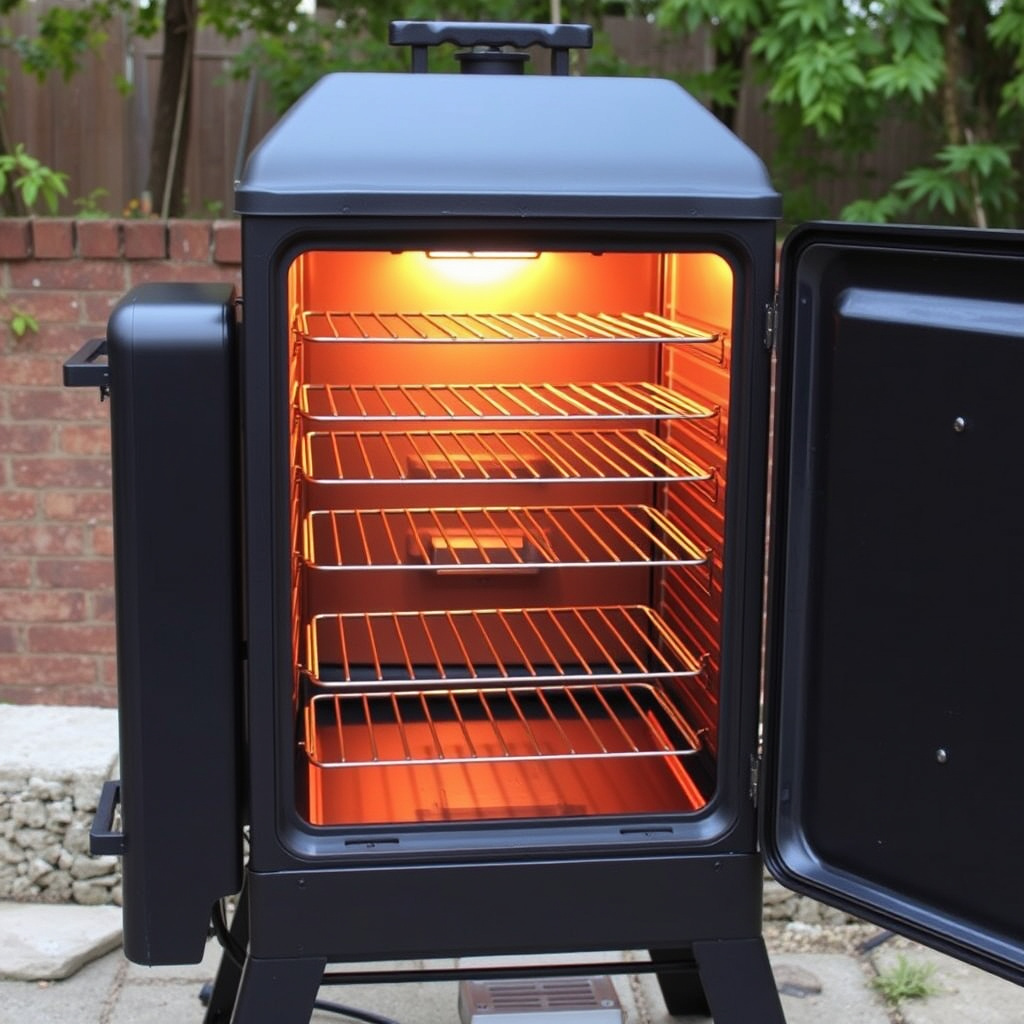
Preparing and Seasoning the Smoker
Before first use, your electric smoker should be seasoned to burn off factory residues and to create a protective coating. This involves running the smoker empty at about 275°F for 1 to 2 hours with wood chips added to the smoking tray. This process seals the interior surfaces and helps improve smoke flavor in future uses.
Make sure to clean the racks and drip tray before seasoning. Also, check your user manual for any specific instructions for your model. Seasoning prevents unwanted tastes and odors from transferring to your food during smoking.
Selecting Wood Chips for Flavor
Choose wood chips based on the flavor profile you want for your smoked dishes. Common options include hickory for strong, bacon-like flavor; applewood for sweet and fruity notes; and mesquite for bold, earthy taste. The amount and type of wood chips influence smoke intensity, so experiment to find your preferred balance.
Always soak wood chips in water for at least 30 minutes before adding them to the smoker to produce steady smoke rather than quick bursts that can burn the chips too fast.
- Hickory – strong, robust flavor
- Applewood – mild, sweet aroma
- Cherry – fruity, slightly sweet
- Mesquite – intense, earthy
Operating the Smoker: Temperature and Timing
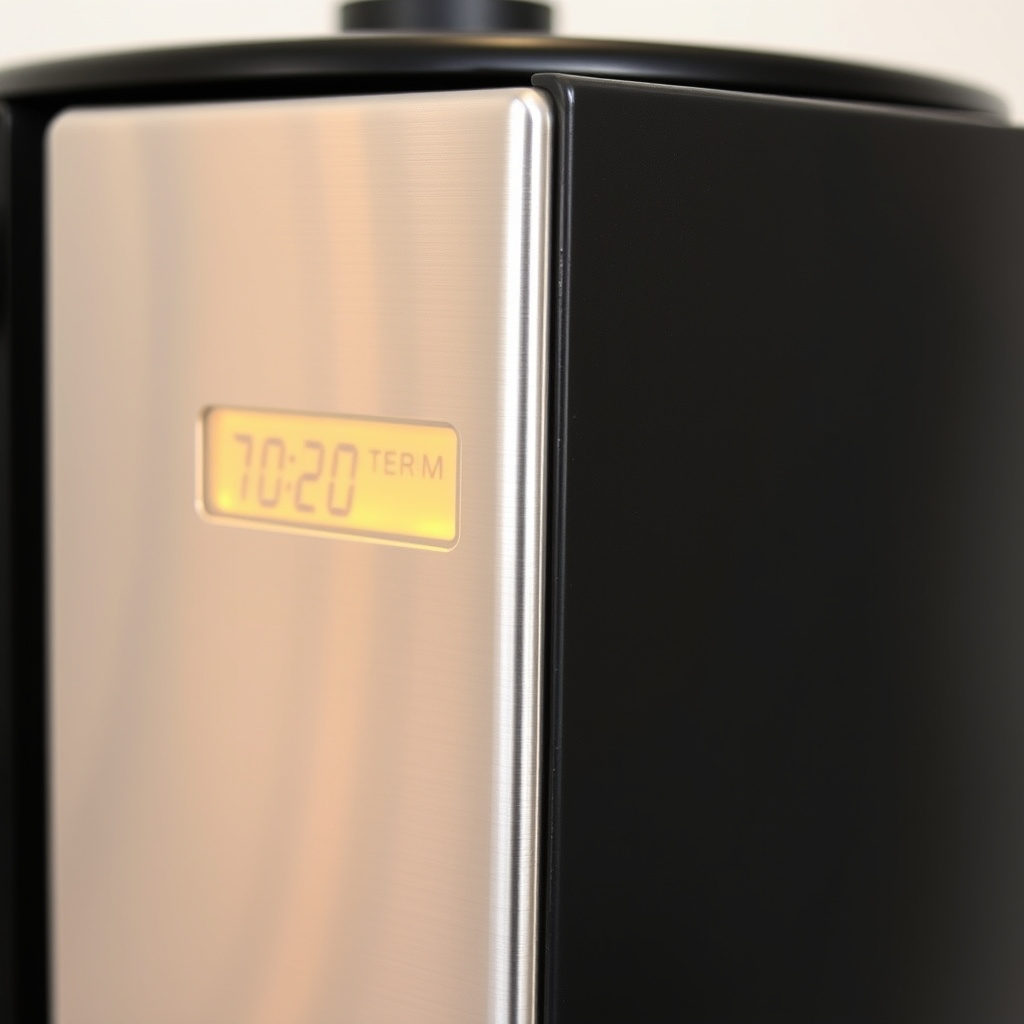
Setting and Maintaining Temperature
Electric smokers allow you to set a precise temperature, usually ranging from 100°F to 275°F, which is vital for different types of foods. Use the built-in thermostat control to select your cooking temperature. For most meats, smoking at 225°F to 250°F is ideal, giving the meat time to absorb smoke without drying out.
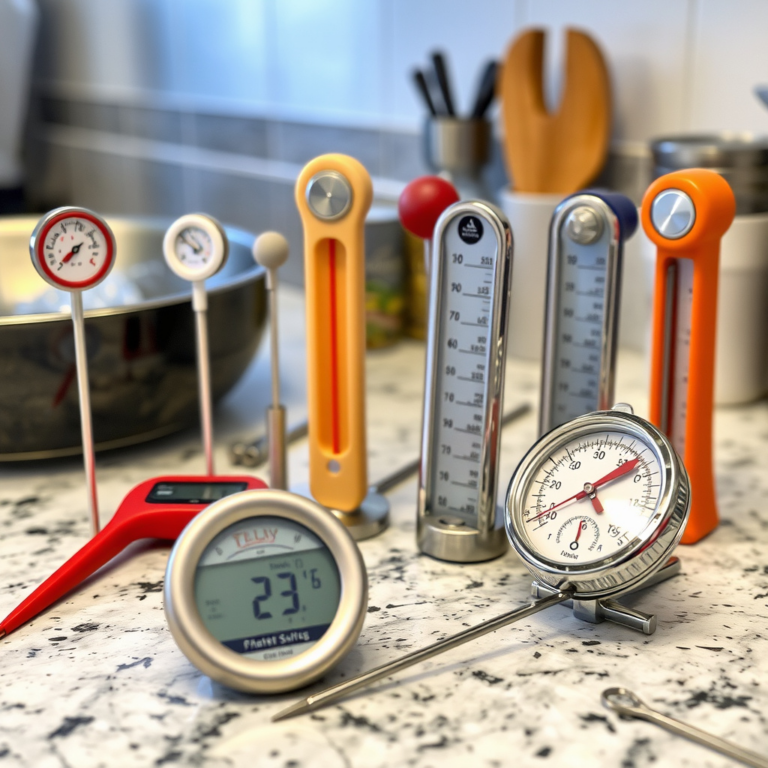
Monitor the internal temperature occasionally to ensure your smoker holds steady. Avoid frequently opening the smoker door, as temperature fluctuations can affect cooking consistency.
- Ideal smoking temps: 225°F – 250°F
- Keep door closed for consistent heat
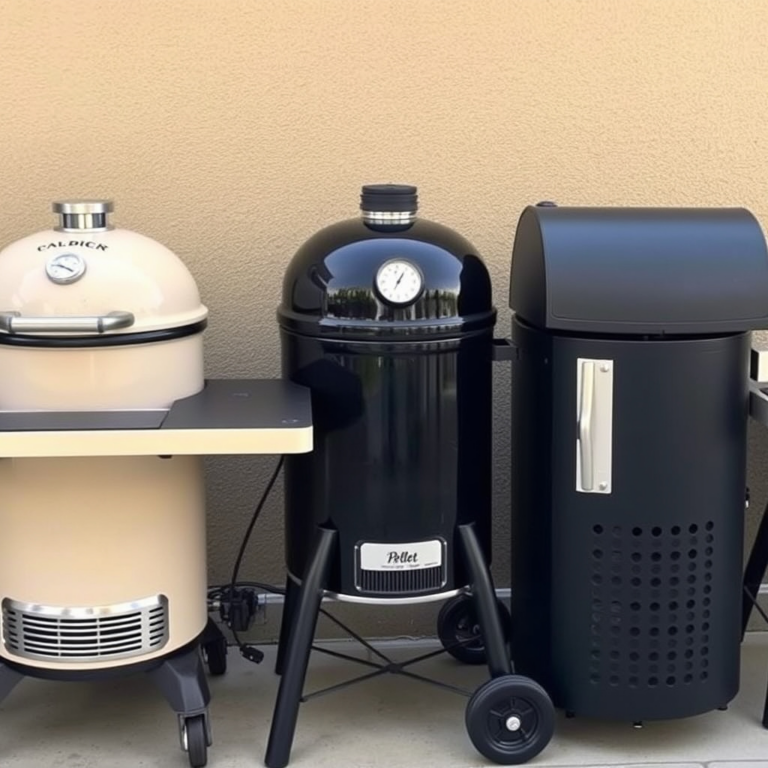
For more on this, see our related guide: The Difference Between a Pellet Grill and a Smoker: Which One Suits Your BBQ Style?.
Estimating Cooking Times
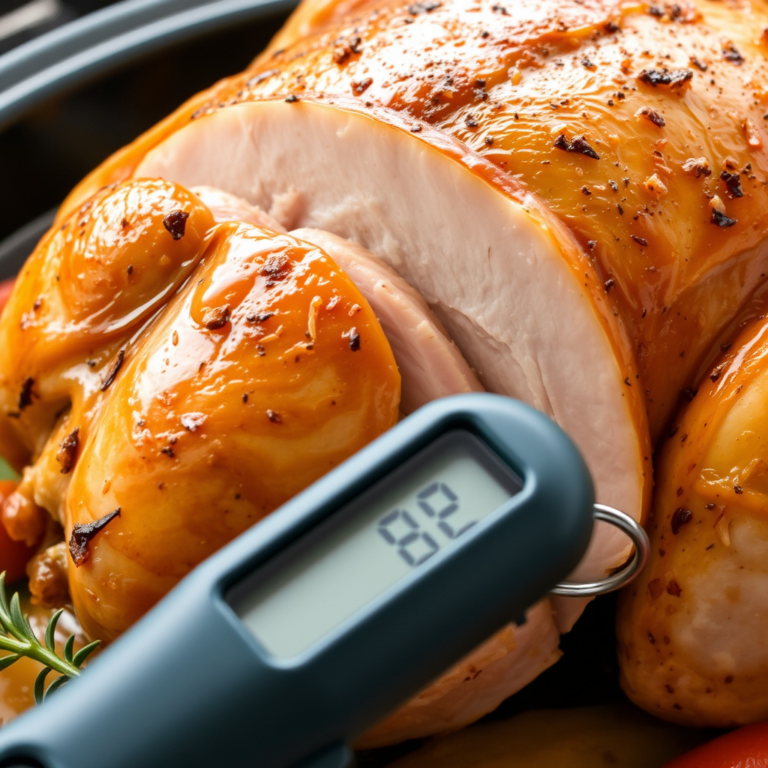
Cooking times vary greatly depending on the type and thickness of food being smoked. As a rule of thumb, most meats take between 1.5 and 3 hours per pound at 225°F. For example, a 4-pound pork shoulder might require 6 to 12 hours. Use a meat thermometer to check for safe internal temperatures rather than relying solely on time.
Plan ahead because smoking is slow cooking. Start your smoker early and prepare for long sessions, especially with larger cuts like brisket or whole poultry.
- Use meat thermometer for best results
- Smaller cuts cook faster than large roasts
Food Preparation and Placement Inside the Smoker
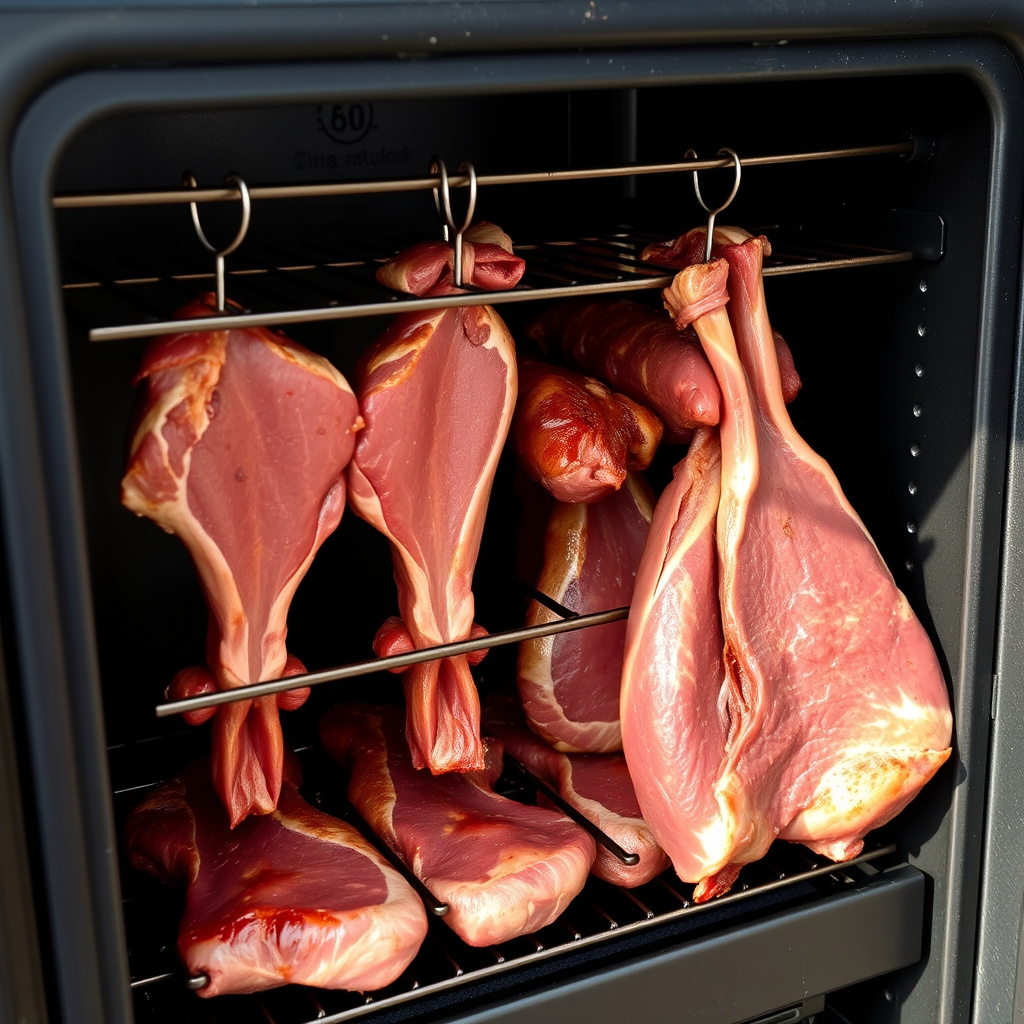
Preparing Meat and Vegetables for Smoking
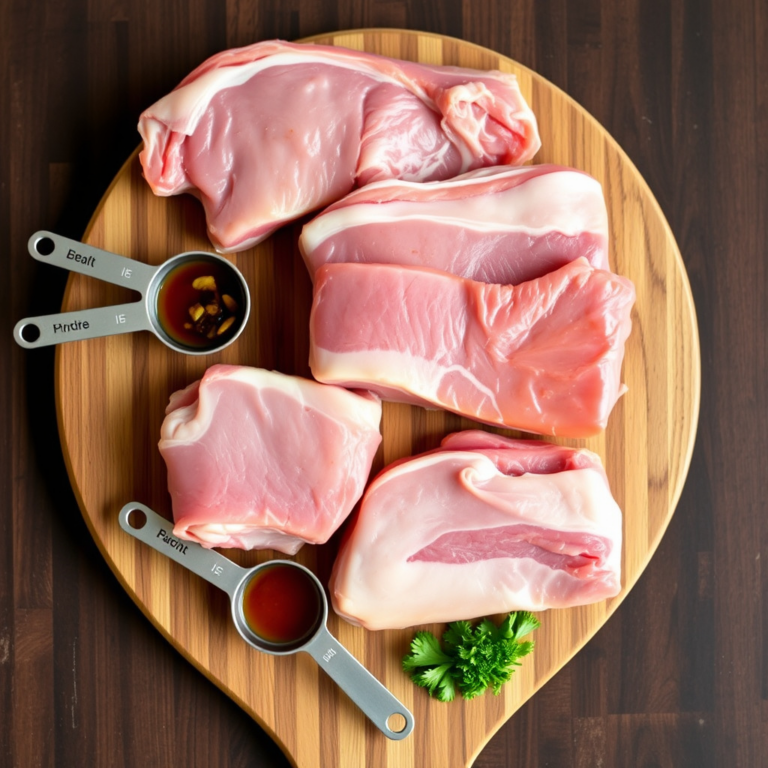
Season your food with dry rubs, marinades, or brines ahead of smoking to boost flavor and tenderness. For meats, remove excess moisture with paper towels before applying seasoning. Let the food rest at room temperature for about 30 minutes prior to smoking to promote even cooking.
Vegetables can be lightly brushed with oil and sprinkled with herbs before placing on the smoker racks. Uniform cuts help items cook evenly and absorb smoke flavor effectively.
Proper Rack Placement and Airflow
Arrange food in a single layer on smoker racks with space between pieces to allow smoke and heat circulation. Avoid overcrowding, which causes uneven cooking and poor smoke penetration. Place larger or thicker cuts near the bottom rack where heat is generally more concentrated.
Ensure vents on your smoker remain partially open for airflow but not too wide to let excessive heat escape. This balance helps maintain consistent smoking conditions.
- Keep food spaced well apart
- Use bottom rack for larger cuts
Cleaning and Maintaining Your Electric Smoker
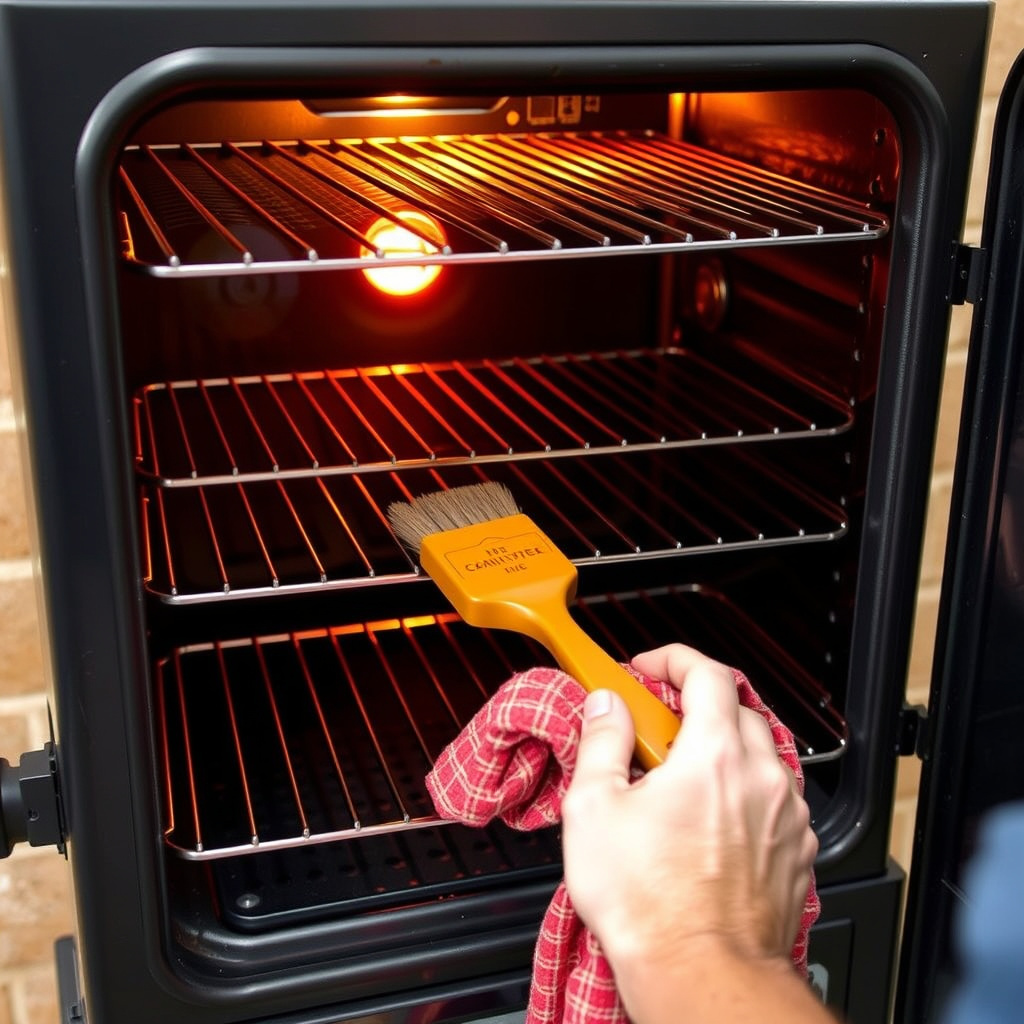
Cleaning After Each Use
Once the smoker has cooled, remove and clean the racks and drip tray with warm soapy water to remove grease and residue. Wipe down the interior surfaces with a damp cloth. Avoid using harsh chemicals that could leave harmful residues or damage the finish.
Regular cleaning prevents buildup that can alter smoke flavor and reduces the risk of flare-ups or unwanted odors.
For more on this, see our related guide: Understanding the Difference Between a Grill and a Smoker.
Seasonal Maintenance Tips
Periodically check heating elements and door seals for wear or damage and replace parts as needed. Lubricate hinges and moving parts lightly to keep them working smoothly. Store your electric smoker covered in a dry place during off-season to protect against rust and weather damage.
Keeping your smoker in good condition extends its lifespan and keeps it producing consistent, delicious smoke flavor.
Safety Tips for Using an Electric Smoker
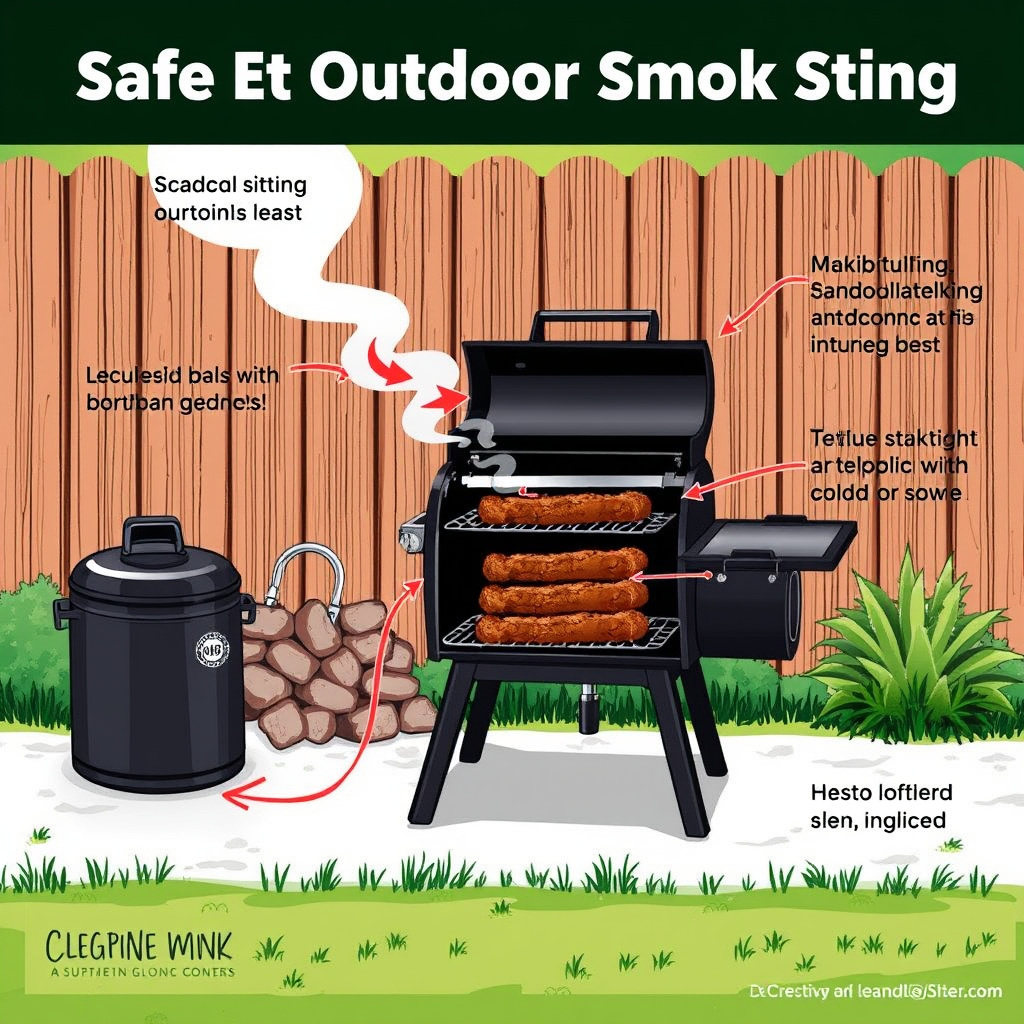
Electrical and Fire Safety
Always use your electric smoker outdoors in a well-ventilated area away from flammable materials or enclosed spaces. Check the power cord and plug for damage before each use. Use a grounded outlet and avoid extension cords where possible to minimize fire risk.
Never leave your smoker unattended for long periods during the smoking process, and keep a fire extinguisher nearby as a precaution.
- Use grounded outdoor outlets
- Keep smoker away from flammable objects
For more technical background on smokers, refer to this electric smoker overview on Wikipedia. electric smoker overview on Wikipedia.
Handling Hot Surfaces and Smoke
Wear heat-resistant gloves when adding wood chips or adjusting racks to avoid burns. Be cautious when opening the smoker door, as hot steam and smoke will escape suddenly. Keep children and pets away from the smoker during operation.
Following these safety steps helps prevent accidents while you enjoy the benefits of your electric smoker.
Electric Smoker Category Comparison
This table compares common electric smoker types with key features to help you decide which suits your needs best.
| Category | Temperature Range | Capacity (lbs) | Portability | Price Range |
|---|---|---|---|---|
| Entry-Level Models | 100-275°F | 10-15 | Lightweight, compact | $100-$200 |
| Mid-Range Models | 100-300°F | 15-30 | Medium size, some portability | $200-$400 |
| High-End Models | 100-350°F | 30-60 | Heavy, more stationary | $400-$700 |
| Commercial Grade | 100-400°F+ | 50-100+ | Large, heavy, fixed | $700+ |
Frequently Asked Questions
Do I need to soak wood chips before using them in an electric smoker?
Soaking wood chips for about 30 minutes helps them smolder and produce steady smoke rather than burning quickly, resulting in better smoke flavor and more consistent cooking.
How often should I clean my electric smoker?
Cleaning the racks and drip tray after every use and wiping down the interior regularly keeps your smoker functioning well and prevents residue buildup that can affect flavor.
Can I use an electric smoker indoors?
No, electric smokers should always be used outdoors in well-ventilated spaces to prevent smoke buildup and fire hazards.
What temperature should I smoke brisket at in an electric smoker?
Brisket is typically smoked at 225°F to 250°F to allow slow cooking that breaks down connective tissue and imparts smoky flavor.
Is it necessary to keep the smoker door closed during cooking?
Yes, keeping the door closed maintains consistent temperature and smoke levels, which is essential for even cooking and flavor development.
Key Takeaways
- Season and preheat your electric smoker before first use
- Select suitable wood chips soaked in water for steady smoke
- Maintain consistent temperature between 225°F and 250°F for most smoking
- Clean the smoker regularly to preserve flavor and prolong lifespan
Conclusion
Approaching smoking with an electric smoker means balancing temperature control, wood chip selection, and timing to achieve the desired smoky taste. Because electric smokers provide consistent heat and simplified operation, they suit both beginners and experienced outdoor chefs aiming for flavorful results without the complexities of charcoal or pellet devices. Understanding the specific temperature ranges and how to position food inside the smoker helps avoid common pitfalls like uneven cooking or drying out meats.
If you’re after ease and reliability, entry-level electric smokers excel for small gatherings and occasional use, while mid-range to high-end models offer larger capacities and temperature flexibility for regular smokers or bigger cuts like brisket and pork shoulder. Using best electric smoker tips such as soaking wood chips and monitoring internal meat temperatures will elevate your smoked dishes. Always keep safety in mind during operation to protect yourself and maintain your equipment.
Your next step is to prepare your workstation, season your smoker if new, and experiment with different wood chip flavors and cooking times. By paying attention to these details, you can confidently use an electric smoker to create delicious smoky meals perfect for any occasion.