Making smoked mac and cheese is all about combining creamy, cheesy pasta with rich, smoky flavors that elevate the traditional dish. The basic process involves preparing a well-seasoned cheese sauce, combining it with cooked pasta, and then smoking the entire dish slowly over wood chips to infuse that distinctive smoky aroma and taste.
Adding smoke introduces a depth of flavor that transforms mac and cheese into a unique, irresistible comfort food centerpiece. Whether cooked on a smoker grill or a stovetop smoker, the smoking step gently melts the cheese and envelopes the pasta in savory wood notes. Many people find this smoky twist makes it perfect for gatherings or as a hearty side dish.
This article covers everything from choosing the ideal cheeses, preparing the cheese sauce, cooking pasta to the right texture, smoking techniques, tips on wood types, and finishing steps. You'll also discover variations and troubleshooting to craft your own delicious smoked mac and cheese effortlessly.
Choosing the Best Cheese for Smoked Mac and Cheese
Types of Cheese That Melt Well
For smoked mac and cheese, selecting cheeses that melt smoothly is key. Cheddar is a classic choice because it provides sharpness and a creamy melt. Adding gouda or fontina introduces a mild smokiness and creaminess, while gruyere enhances nutty undertones. Avoid cheeses that don’t melt well, like feta or halloumi, as they can create a gritty texture.
Combining different cheeses balances flavor and meltability. Use about 70% sharp cheddar mixed with 15% gouda and 15% gruyere for a rich, smooth sauce that holds up well to smoking.
- Sharp Cheddar for flavor and meltability
- Gouda for smooth, mild smoke notes
- Gruyere for nutty richness
- Avoid crumbly or dry cheeses
Aging and Flavor Profiles
Aged cheeses bring complexity to smoked mac and cheese. Using aged cheddar, for example, deepens the flavor with tang and sharpness that contrasts nicely with smoky undertones. Younger cheeses tend to be creamier but less flavorful, so including some aged varieties enhances overall taste.
If you want added smoky flavor, consider using a smoked cheese like smoked gouda, but balance it with a milder cheese to prevent overpowering bitterness. The cheese blend you choose will influence how your smoked mac and cheese ultimately tastes.
Preparing the Perfect Cheese Sauce
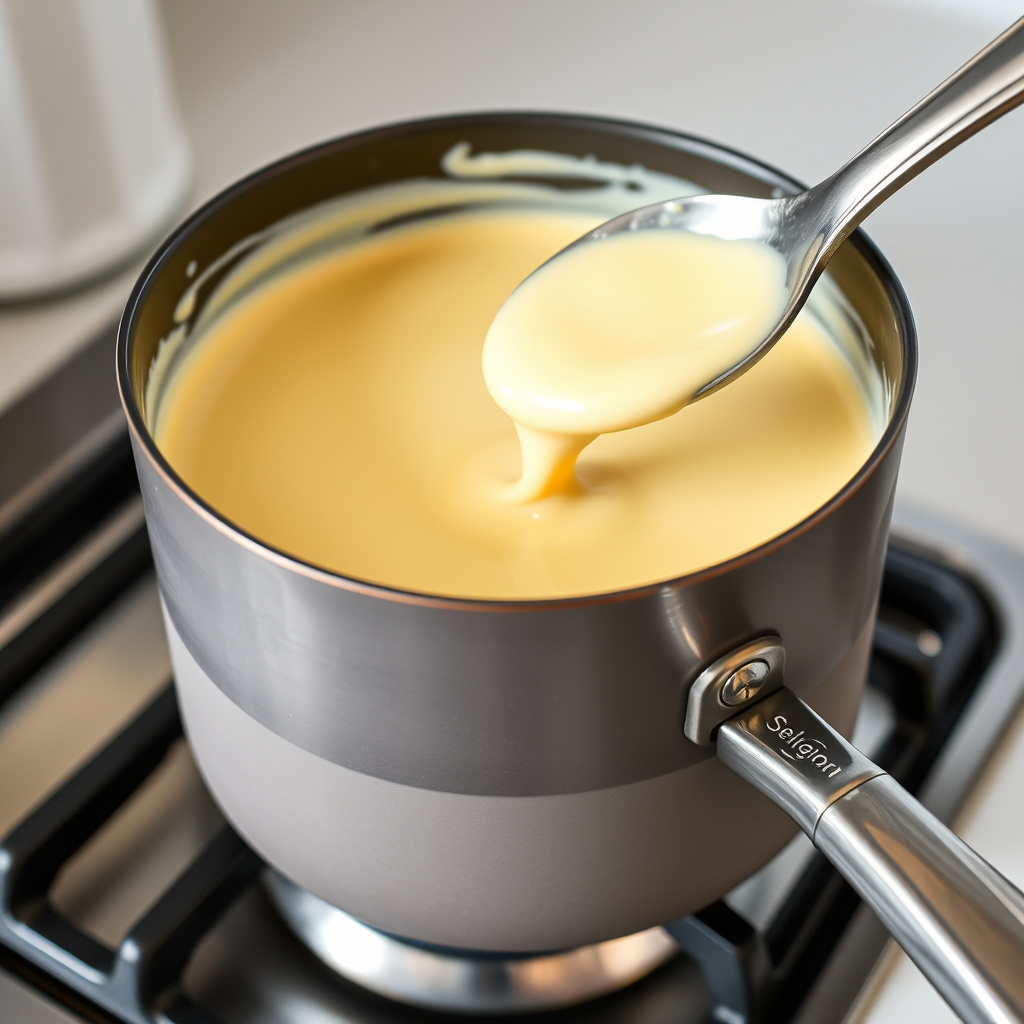
Making a Smooth Roux Base
Start by melting butter in a saucepan, then whisk in flour to create a roux. This acts as the thickening agent for your cheese sauce. Stir constantly over medium heat for about 2 minutes until the roux forms a golden paste without browning too much.
Next, gradually whisk in milk or cream to prevent lumps. Continue stirring until the mixture thickens to a creamy consistency. The smooth base is critical because it keeps the cheese from separating during cooking and smoking.
- Use equal parts butter and flour
- Add cold milk gradually
- Stir continuously to avoid lumps
Incorporating Cheese for Creaminess and Flavor
Remove the roux mixture from heat before adding shredded cheese to avoid overheating and graininess. Stir the cheese in small batches until fully melted and smooth. Season with salt, pepper, garlic powder, and a touch of mustard powder to elevate the flavor.
Adding a splash of hot sauce or Worcestershire sauce at this point can add complexity. The sauce should be thick enough to coat the pasta well but still pourable for easy combining.
Selecting and Cooking Pasta for Smoked Mac and Cheese
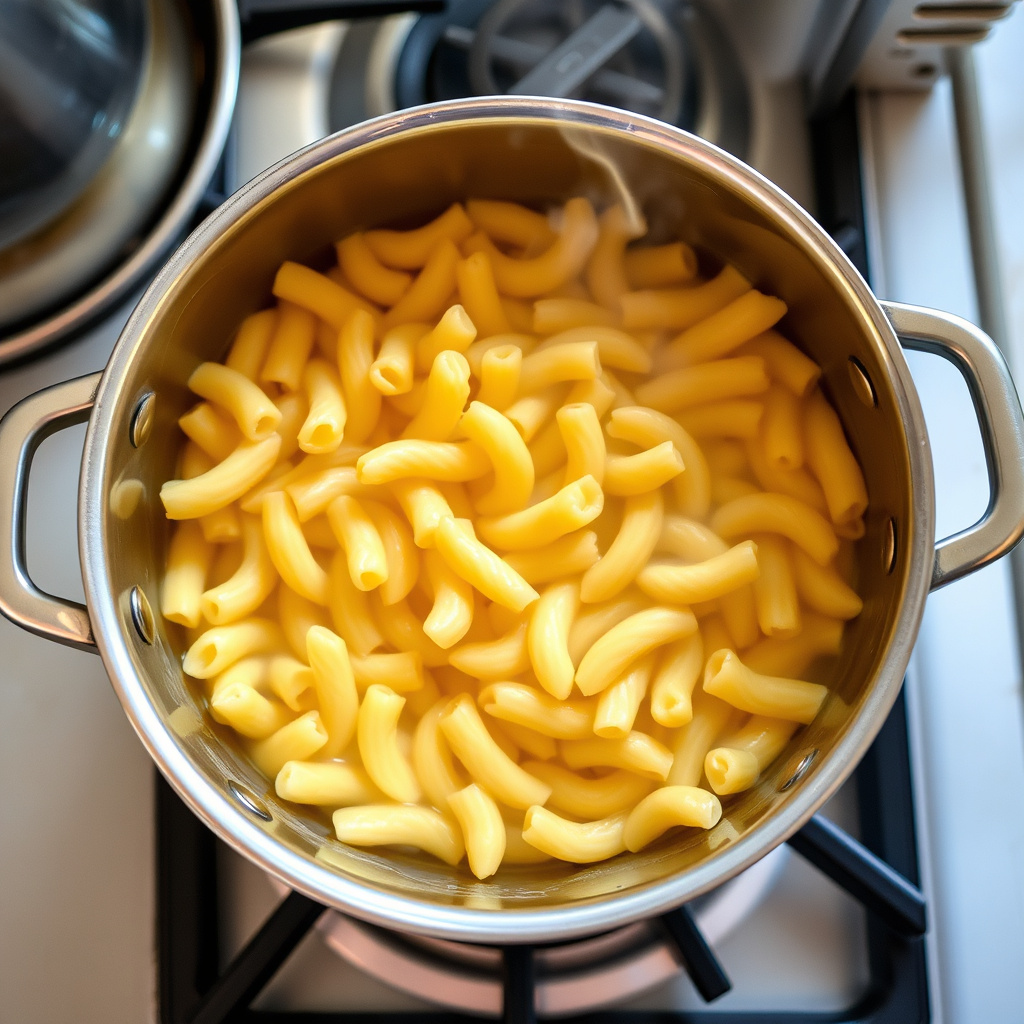
Best Pasta Shapes for Cheese Retention
Elbow macaroni is the traditional choice because its hollow shape holds cheese sauce well. Other excellent options include cavatappi, shells, and small rigatoni, which provide crevices where the sauce clings, maximizing flavor in every bite.
Avoid very thin or flat pastas, like angel hair or spaghetti, since they lack structure to hold the cheese sauce, potentially resulting in a less satisfying texture.
- Elbow macaroni
- Cavatappi
- Shells
- Small rigatoni
For more on this, see our related guide: How to Make Burnt Ends: A Step-by-Step Guide to Perfect BBQ Flavors.
Cooking Pasta to Al Dente Texture
Cook pasta slightly under al dente because it will continue to cook during smoking. Overcooked pasta will become mushy. Rinse pasta under cold water after draining to stop cooking and prevent sticking.
Once cooled, toss pasta lightly with a little butter or oil to keep pieces separate and prevent clumping when mixing with the cheese sauce.
Smoking Techniques for the Ultimate Flavor
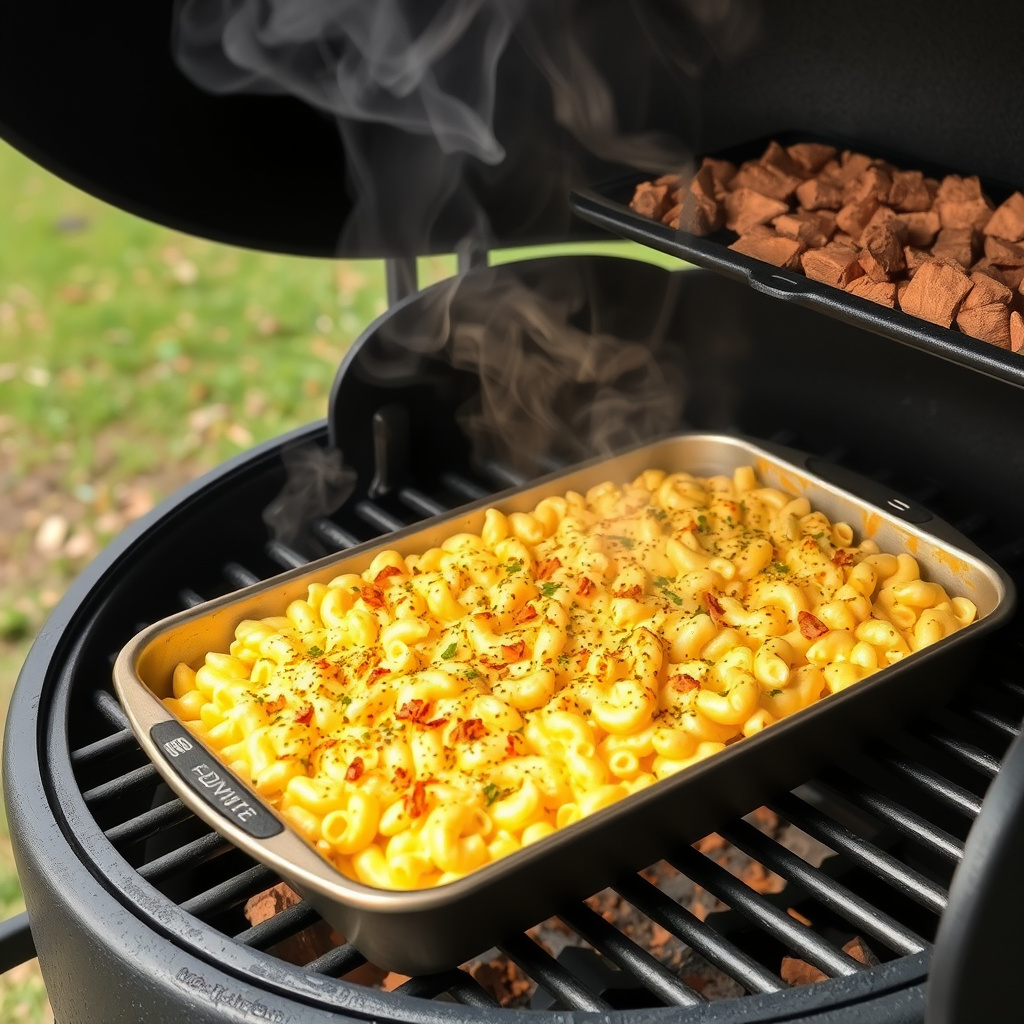
Choosing the Right Wood for Smoking
Mild woods like apple, cherry, or pecan complement the creamy cheese without overpowering it. These woods produce a subtle sweetness that pairs beautifully with cheese and pasta’s richness.
Avoid strong woods like mesquite or hickory, which can create bitter or overly intense smoke flavors that clash with the delicate cheese sauce.
- Apple wood for sweet smoke
- Cherry wood for mild fruitiness
- Pecan for a rich nutty flavor
- Avoid mesquite or heavy woods
Smoking Process and Equipment Tips
Preheat your smoker to around 225°F (107°C). Place the prepared mac and cheese in a heatproof dish and position it on the grill grates away from direct flame. Smoke for 1 to 2 hours, checking occasionally to avoid drying out.
A stovetop smoker with wood chips works well if you don’t have an outdoor smoker. Use a water pan under the pan of mac and cheese to maintain moisture during smoking.
Finishing Steps and Serving Suggestions
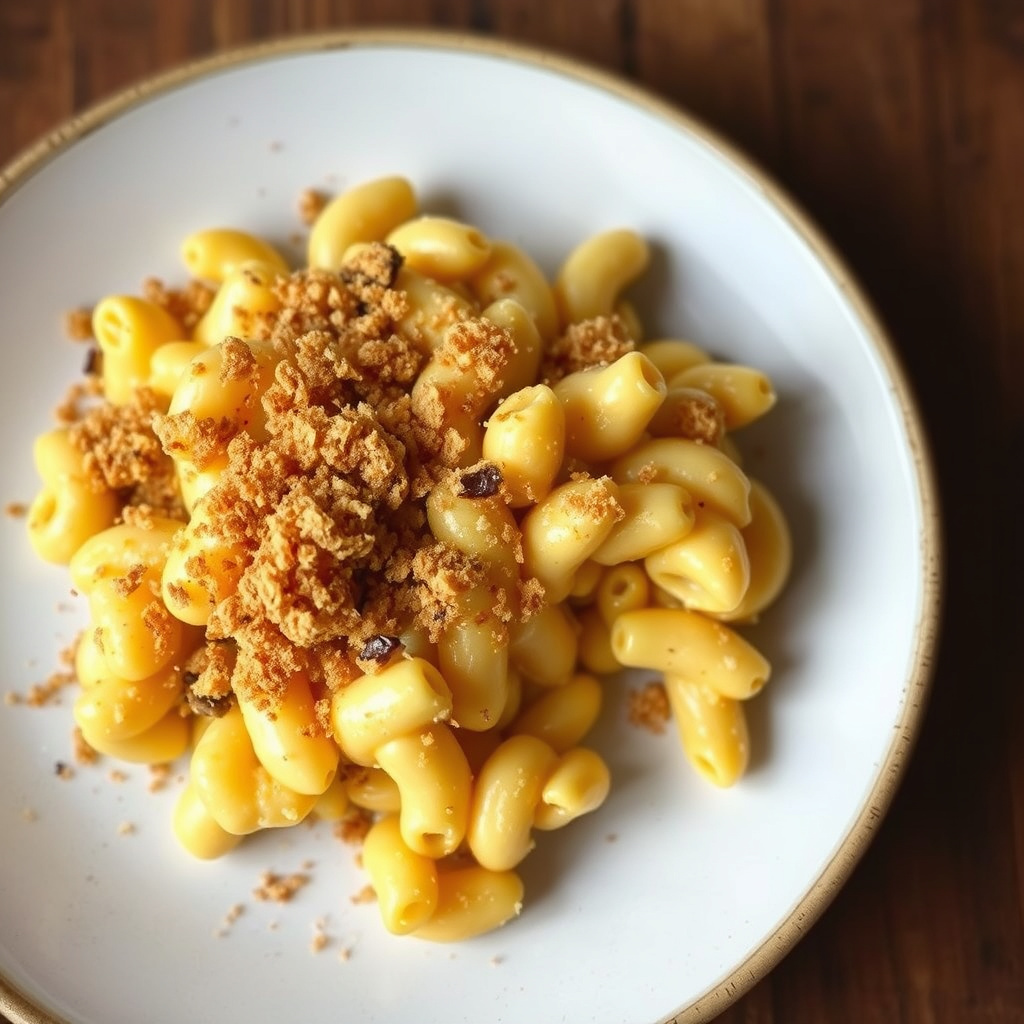
Adding a Crispy Topping
For extra texture, sprinkle a layer of panko breadcrumbs mixed with melted butter on top of the smoked mac and cheese. Broil in the oven for 3-5 minutes until golden and crunchy. This contrast enhances each bite.
Alternatively, topping with crushed potato chips or fried onions adds flavor with interesting texture without extra prep.
- Panko breadcrumbs with butter
- Crushed potato chips
- Fried onions
For more on this, see our related guide: How to Make Mac and Cheese on the Grill: A Step-by-Step Guide.
Pairing Smoked Mac and Cheese
Serve smoked mac and cheese as a hearty side with barbecued meats like ribs or chicken to complement the smoky flavors. It also shines as a standalone vegetarian comfort meal, paired with steamed vegetables or a crisp salad.
Leftovers reheat well in the oven with a splash of milk to restore creaminess.
Common Pitfalls and How to Avoid Them
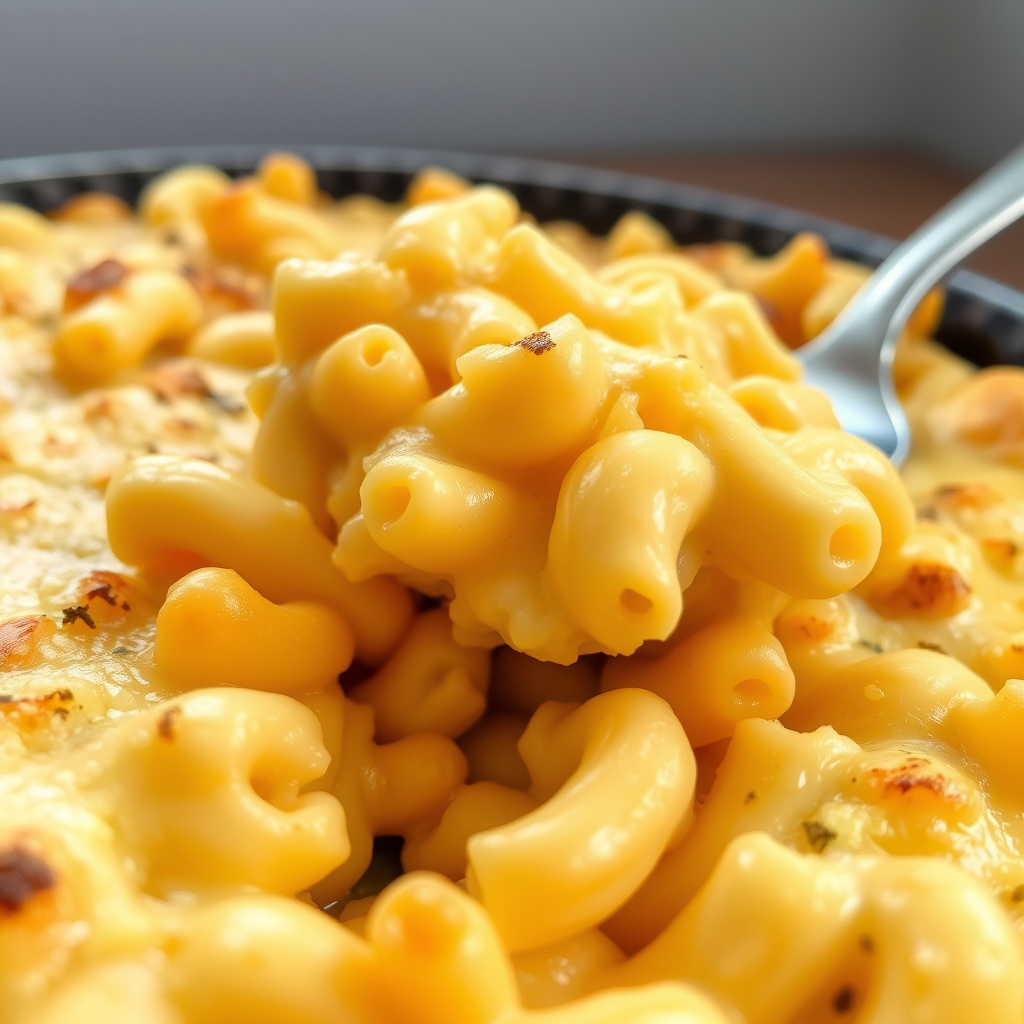
Preventing Grainy or Oily Sauce
Adding cheese to boiling sauce or overheating it causes the fats and proteins to separate, leading to a grainy texture. Remove the cheese sauce from heat before stirring in cheese and mix gently to form a smooth blend.
Using a high-fat cheese and avoiding overly processed varieties helps maintain creaminess during smoking.
For more background on mac and cheese traditions, check out this detailed article on the history and basics of macaroni and cheese. history and basics of macaroni and cheese.
Avoiding Overcooked Pasta
Cooking pasta past al dente results in mushy texture after smoking. Stop cooking when pasta is just under al dente and rinse immediately with cold water. Toss with a bit of oil to prevent sticking before mixing with sauce.
Keep smoke time monitored to prevent drying out the dish.
Smoked Mac and Cheese Cheese Blends Comparison
Here is a comparison of popular cheese blends used for smoked mac and cheese, focusing on flavor, meltability, and smoke compatibility.
| Cheese Blend | Flavor Profile | Meltability | Smoke Flavor Pairing |
|---|---|---|---|
| 70% Sharp Cheddar, 15% Gouda, 15% Gruyere | Sharp, nutty, creamy | Excellent, smooth | Excellent mild smoke complement |
| 100% Aged Cheddar | Bold, tangy | Good, firm | Strong cheese flavor can balance mild smoke |
| 50% Smoked Gouda, 50% Monterey Jack | Smoky, mild | Very good | Adds strong smoke flavor but can be overpowering |
| 60% Fontina, 40% Mozzarella | Creamy, mild | Excellent, stretchy | Pairs well with fruity smoke woods |
Frequently Asked Questions
Can I smoke mac and cheese in the oven?
You cannot create genuine smoky flavor in a conventional oven, but you can bake mac and cheese there. To infuse smoke taste, use smoked cheeses or add a liquid smoke seasoning carefully.
How long should smoked mac and cheese be smoked?
Smoked mac and cheese typically requires 1 to 2 hours at around 225°F to absorb enough smoke flavor without drying out. Check periodically to maintain moisture.
Is it necessary to use a cheese blend?
Using a blend of cheeses balances flavor, meltability, and smooth texture. Single cheeses might lack complexity or cause texture issues during smoking.
What if I don’t have a smoker?
If you don’t have a smoker, use a stovetop smoker or try smoked cheeses and bake in the oven. Some grills also have smoker boxes that can simulate smoke.
How do I store leftover smoked mac and cheese?
Store leftovers covered in the refrigerator for up to 3 days. Reheat gently in the oven with a bit of milk to restore creaminess.
Key Takeaways
- Use a blend of sharp cheddar, gouda, and gruyere for best flavor and melt.
- Cook pasta just under al dente to avoid mushiness after smoking.
- Choose mild fruit woods like apple or cherry for smoking.
- Add a crunchy topping to enhance texture and visual appeal.
Conclusion
When making smoked mac and cheese, the decision process revolves around balancing creamy texture with smoky flavor. Selecting cheeses with excellent meltability that complement smoke is foundational. Cooking pasta properly to resist over-softening during smoking also matters. Smoking low and slow with mild woods yields the most nuanced results. Attention to detail in each step leads to a harmonious final dish bursting with comfort and sophistication.
For concrete options, a cheese blend of sharp cheddar, gouda, and gruyere offers flavor complexity and melt smoothness that stands up well to smoking. Apple or cherry wood seasons the dish delicately without overpowering. Cooking pasta just shy of al dente and finishing with a buttered panko crust adds texture contrast that impresses at first bite. These approaches fit for enthusiasts aiming to elevate comfort food classics.
If you want to try smoked mac and cheese, start small by experimenting with different cheese blends and smoking durations to suit your taste. Use the recommended cheese blends, pasta types, and smoking woods outlined here to guide your first attempts. Whether for a family meal or gathering, this dish brings smoky richness and creamy satisfaction worth sharing and refining.