Brining a turkey for smoking involves soaking the bird in a seasoned saltwater solution to boost moisture retention and enhance flavor. This process penetrates the meat, helping it stay juicy during the long, slow cooking of smoking, which typically dries out unbrined poultry. By properly brining, you ensure the turkey remains tender and flavorful throughout smoking.
Smoking a turkey is popular for the rich, smoky aroma it imparts, but the extended cooking time can result in dry meat if the bird isn’t prepared well. Brining adds a critical moisture layer and seasoning that balances out the smoking process, making your turkey succulent and memorable. This extra step significantly improves the eating experience for smoked poultry lovers.
This article will explain how to prepare a brine suitable for smoking a turkey, including ratios, ingredients, timing, and techniques. You’ll also learn tips on choosing the right turkey size, preparing for smoking, and how to pair your brined bird with complementary flavors for the best results.
Understanding the Role of Brine in Smoking a Turkey
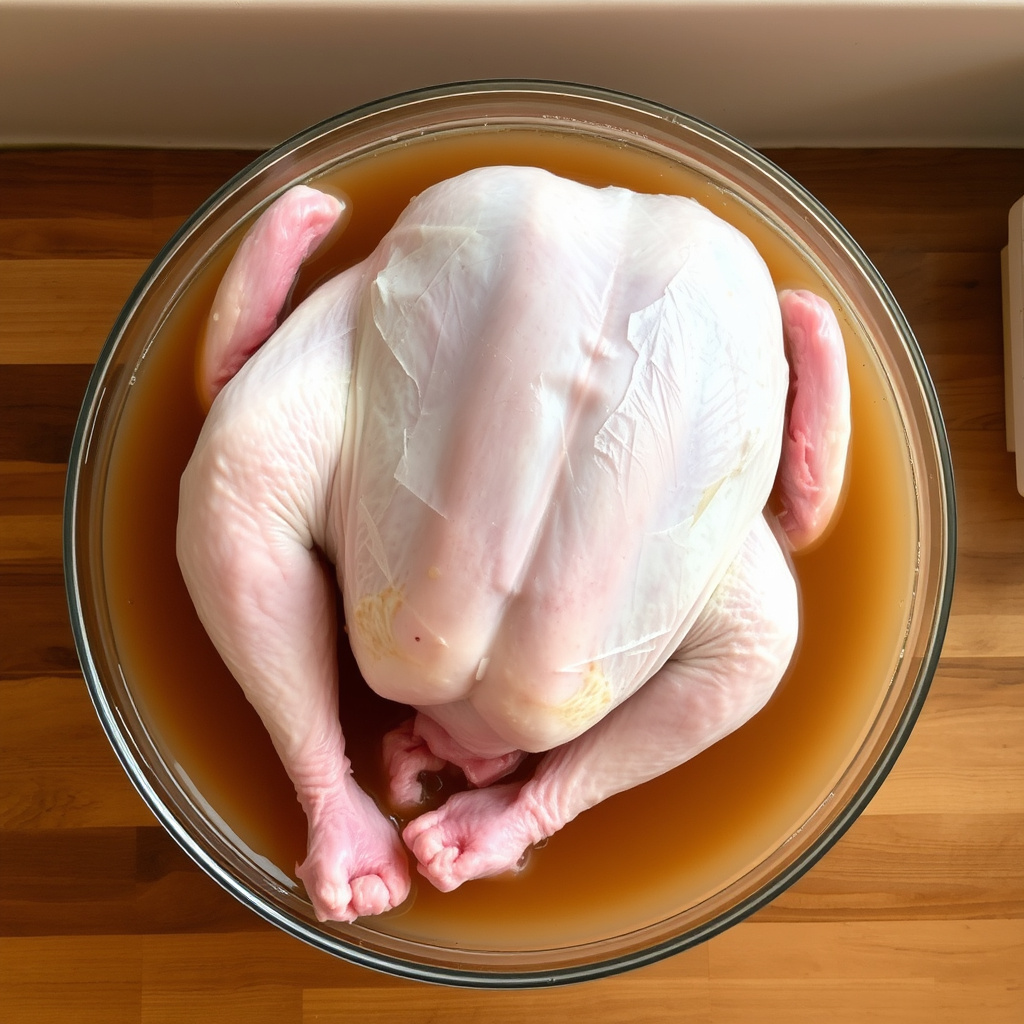
Why Brining Works for Smoked Turkey
Brining relies on osmosis to increase the turkey’s moisture content. Salt in the brine dissolves muscle proteins, allowing them to retain more water during cooking. This process prevents the meat from drying out even during long smoking sessions that expose the bird to consistent heat over hours.
Additionally, brining seasons the meat deeply throughout, rather than just on the surface. This is especially helpful for smoked turkey where the outer layers cook faster. A well-brined turkey gains juiciness from within and flavor all the way through the breast and thighs.
Common Brine Ingredients and Their Effects
A basic brine consists of water, salt, and sugar, but many recipes add herbs, spices, and aromatics like garlic, peppercorns, or citrus peels. Each ingredient contributes distinct flavors or chemical effects. For example, sugar balances saltiness and encourages browning, while herbs introduce complex aromas.
Beyond flavor, some additions can also affect texture. For instance, acidic ingredients like vinegar or apple cider can tenderize the meat but should be used sparingly to avoid side effects. Understanding your ingredient choices allows precise control over the final taste and texture.
Preparing and Mixing Your Brine Solution
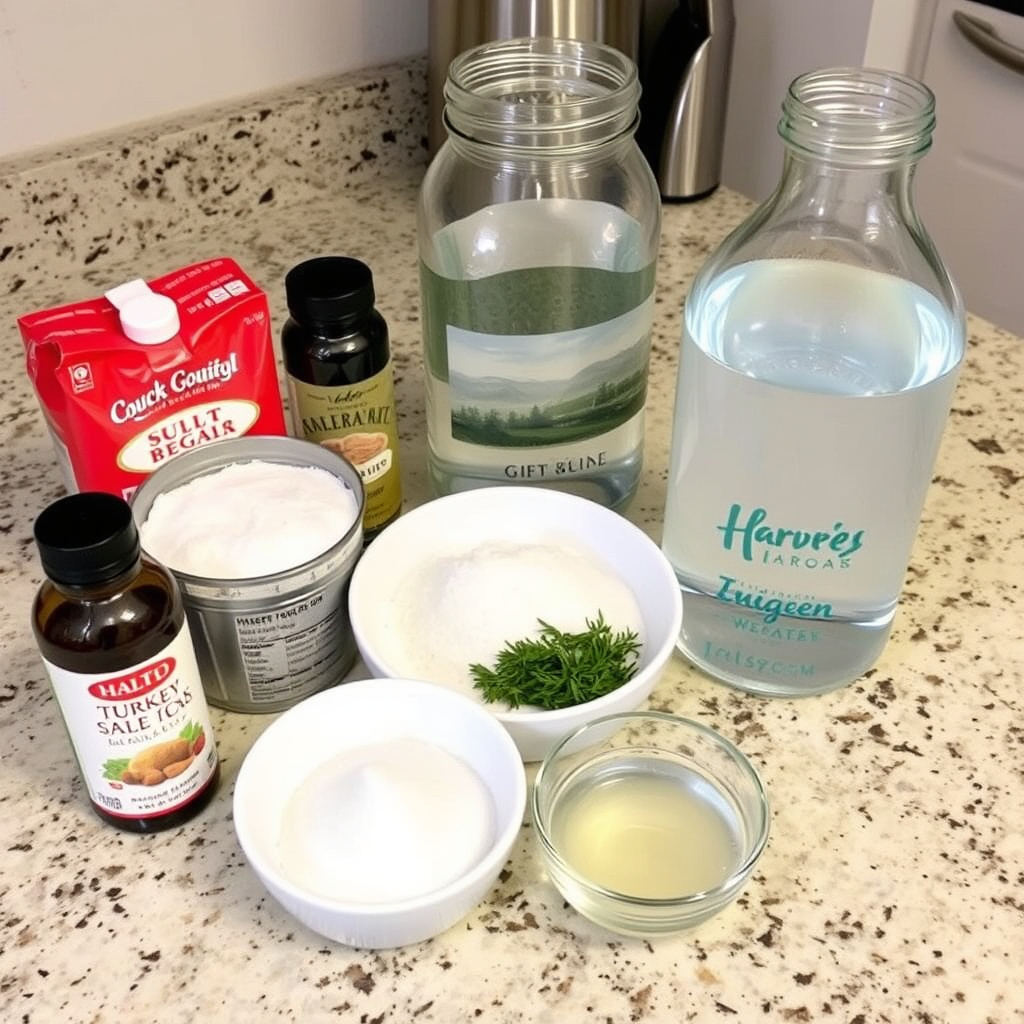
Measuring Salt and Sugar for the Brine
Most recipes recommend 1 cup of kosher salt and 1/2 cup of sugar per gallon of water, but adjustments can be made based on bird size and personal taste. It’s important to dissolve the salt and sugar completely in warm water before cooling to prevent gritty texture on the turkey skin.
The balance between salt and sugar influences both flavor and moisture retention. Using too much salt can make the meat overly salty, while too little can lead to insufficient moisture absorption. Always measure carefully for consistent results.
Adding Flavor Enhancers and Cooling Brine
Fresh herbs like rosemary, thyme, and bay leaves are commonly added to smoked turkey brine, along with sliced citrus fruits or peppercorns. These create subtle background flavors that complement smoke. Be sure to cool the brine fully before adding the turkey to avoid partial cooking or bacterial growth.
Cooling brine overnight in the fridge or on ice extends shelf life and maintains food safety. A cold brine also helps the turkey absorb flavor more effectively without risking uneven cooking during soaking.
- Fresh herbs for aroma
- Citrus slices for brightness
- Peppercorns for mild heat
- Always chill brine before use
Brining Techniques and Timing for Smoking
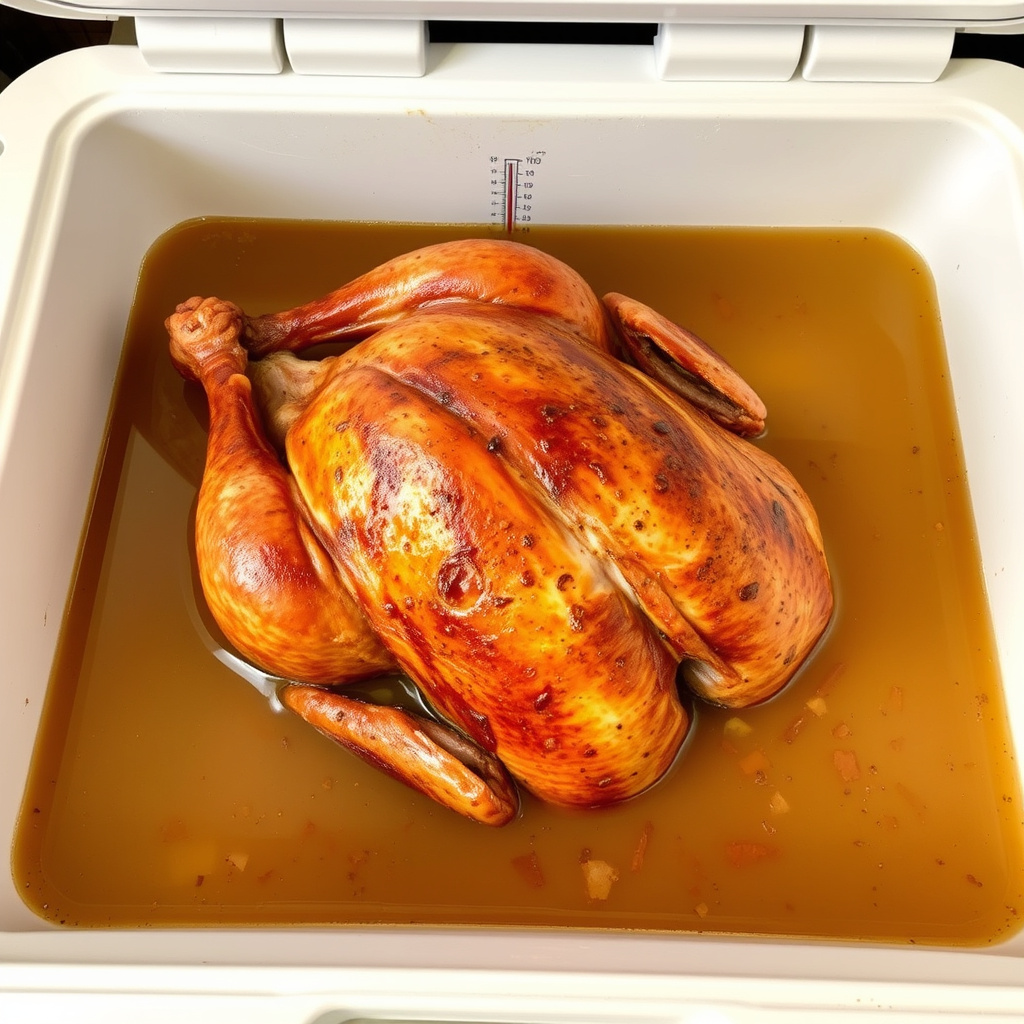
Choosing the Right Container for Brining
Non-reactive containers like food-grade plastic buckets, stainless steel, or large enamel pots are recommended for brining. Avoid aluminum or copper, as these metals can react with salt and produce off-flavors. The container must fit the turkey fully submerged to ensure even brining.
If space is limited in the fridge, some cooks use clean coolers with ice to maintain cold temperatures during a long brine period. Always check temperature regularly to keep the solution between 34-40°F to prevent spoilage.
Ideal Brining Time for Different Turkey Sizes
Brining times vary depending on the size of your turkey, but typically range from 8 to 24 hours. Smaller birds (8–12 pounds) can be brined for 8-12 hours, while larger turkeys benefit from closer to 18-24 hours. Exceeding these times can cause overly salty or mushy texture.
Timing also depends on the salt concentration in your brine and whether the turkey is whole, cut into parts, or thawed. Rinse the turkey well after brining to remove excess surface salt before smoking.
- 8-12 hours for 8–12 pounds
- 18-24 hours for 12–20 pounds
- Rinse thoroughly after brining
Preparing the Turkey for Smoking After Brining
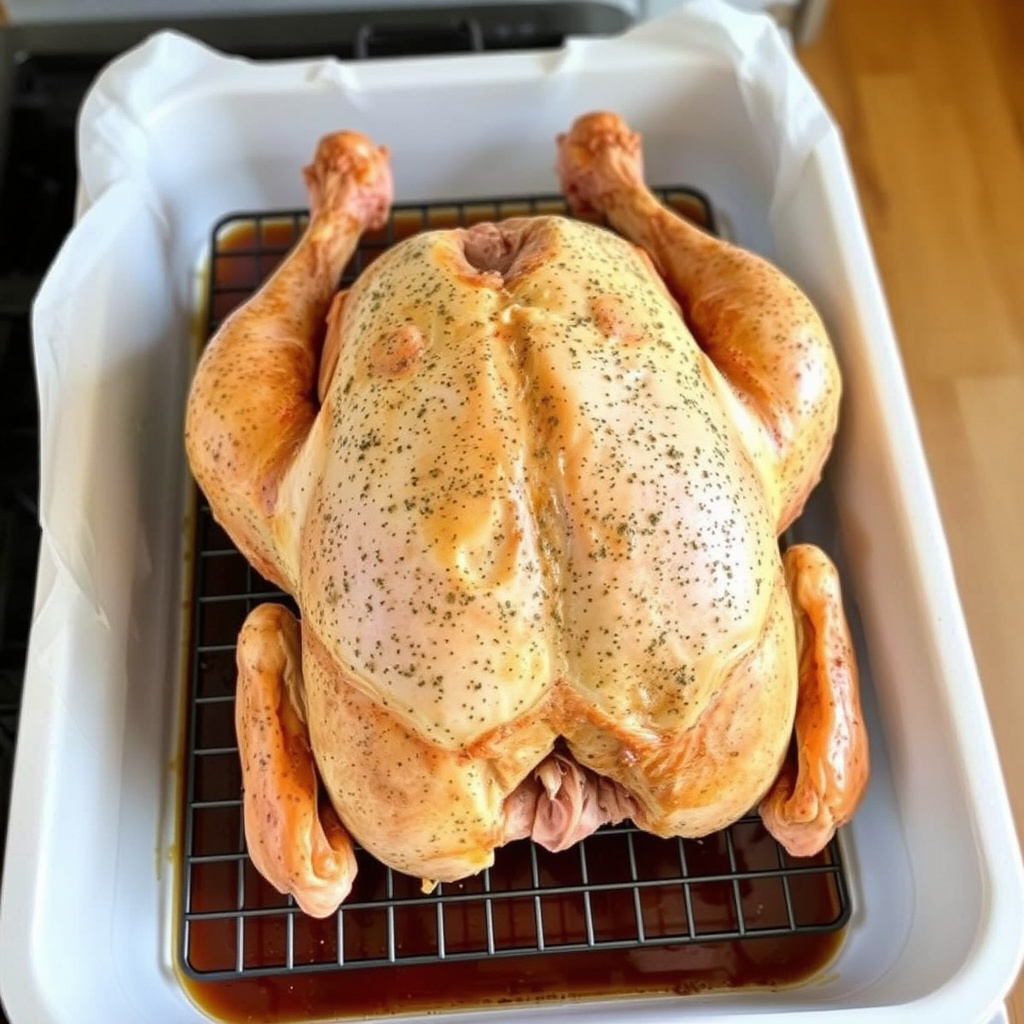
Drying and Seasoning the Turkey Surface
After removing the turkey from the brine, pat it thoroughly dry with paper towels. Dry skin crisps up better in the smoker and reduces steaming during cooking. You can then apply a dry rub, butter, or oil to enhance flavor and promote even browning.
Avoid heavy salt-based seasonings after brining to prevent making the bird too salty. Instead, focus on complementary spices like smoked paprika, garlic powder, black pepper, and herbs that will pair well with the underlying brine flavors.
- Pat turkey dry to crisp skin
- Use oil or butter for moisture
- Apply complementary dry rub
Trussing and Preparing for Smoking Setup
Trussing secures the legs and wings for even cooking, prevents flare-ups, and helps the turkey maintain its shape during smoking. You can also stuff the cavity with aromatics like onion, garlic, and herbs to introduce additional flavor.
Set your smoker to a steady temperature between 225-275°F for low-and-slow cooking, and use hardwood chips like apple or hickory to enhance the turkey with subtle smoke notes. Proper preparation here impacts both texture and final taste.
- Truss legs and wings tightly
- Add aromatic stuffing if desired
- Maintain smoker at 225-275°F
- Use fruit or hardwood chips for smoke
Monitoring Temperature and Cooking Time While Smoking
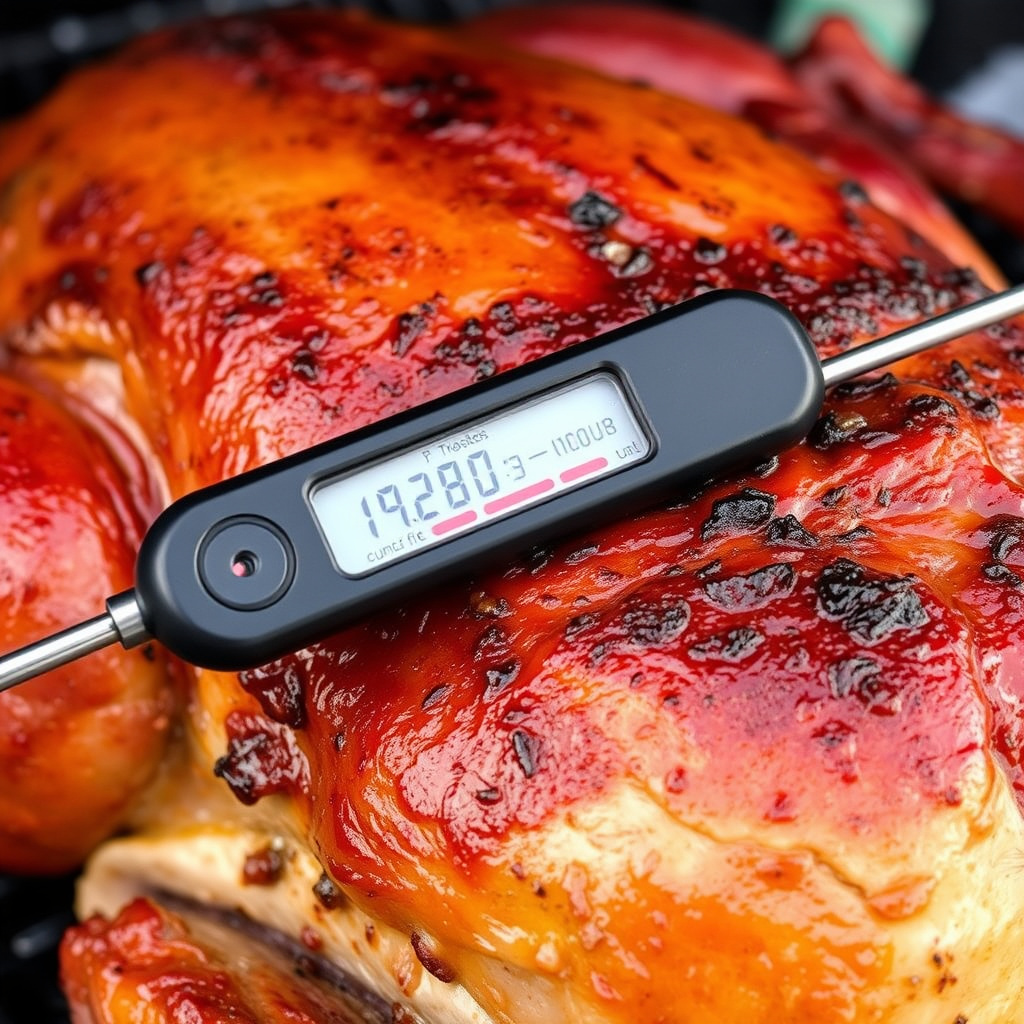
Using a Thermometer to Check Doneness
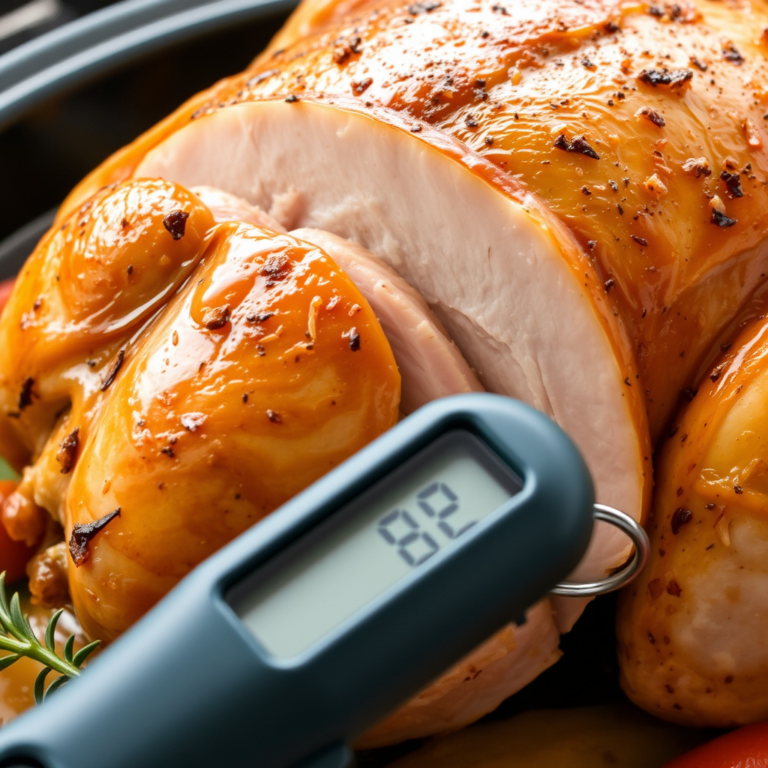
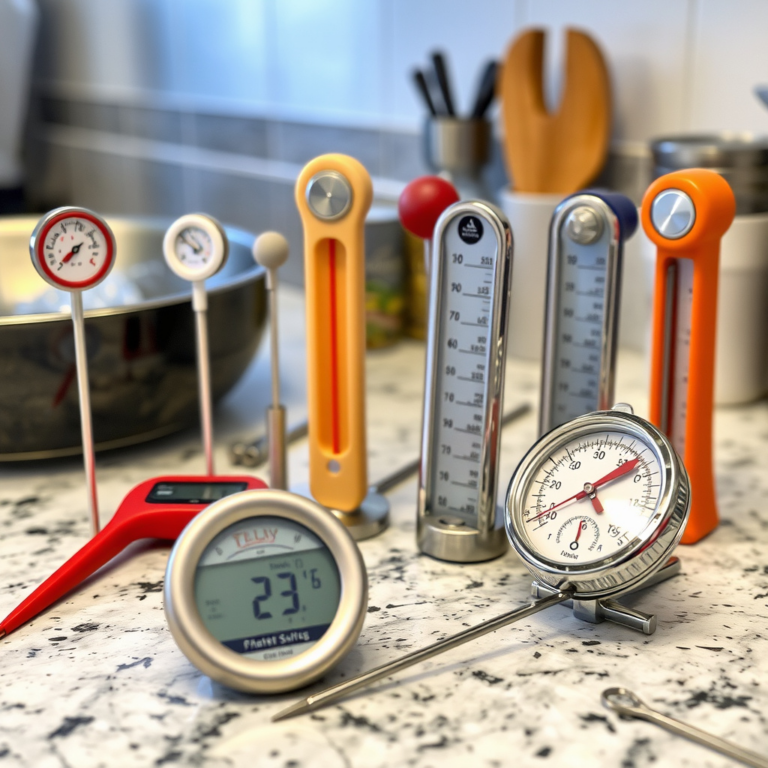
Invest in a reliable digital meat thermometer to monitor the turkey’s internal temperature throughout smoking. The USDA recommends an internal temperature of 165°F in the thickest part of the breast and 175°F in the thigh for safe consumption.
Frequent temperature checks also allow you to manage cooking time and avoid overcooking. A probe thermometer with remote monitoring is ideal so the bird can stay undisturbed and adhere to the smoker’s ideal conditions.
Estimating Smoking Duration by Bird Size
Smoking time depends on turkey size and temperature consistency. Generally, allow about 30-40 minutes per pound at 225-250°F. A 12-pound turkey may take roughly 6-8 hours, while larger birds need proportionally more time. Always plan for extra time to allow for fluctuations in heat or weather.
Resting the turkey for 20-30 minutes after smoking lets juices redistribute evenly within the meat. During rest, cover the bird loosely with foil to retain warmth without steaming the skin.
- Estimate 30-40 minutes per pound
- Allow extra time for variations
- Rest turkey 20-30 minutes after smoking
Flavor Pairing and Serving Suggestions for Brined Smoked Turkey
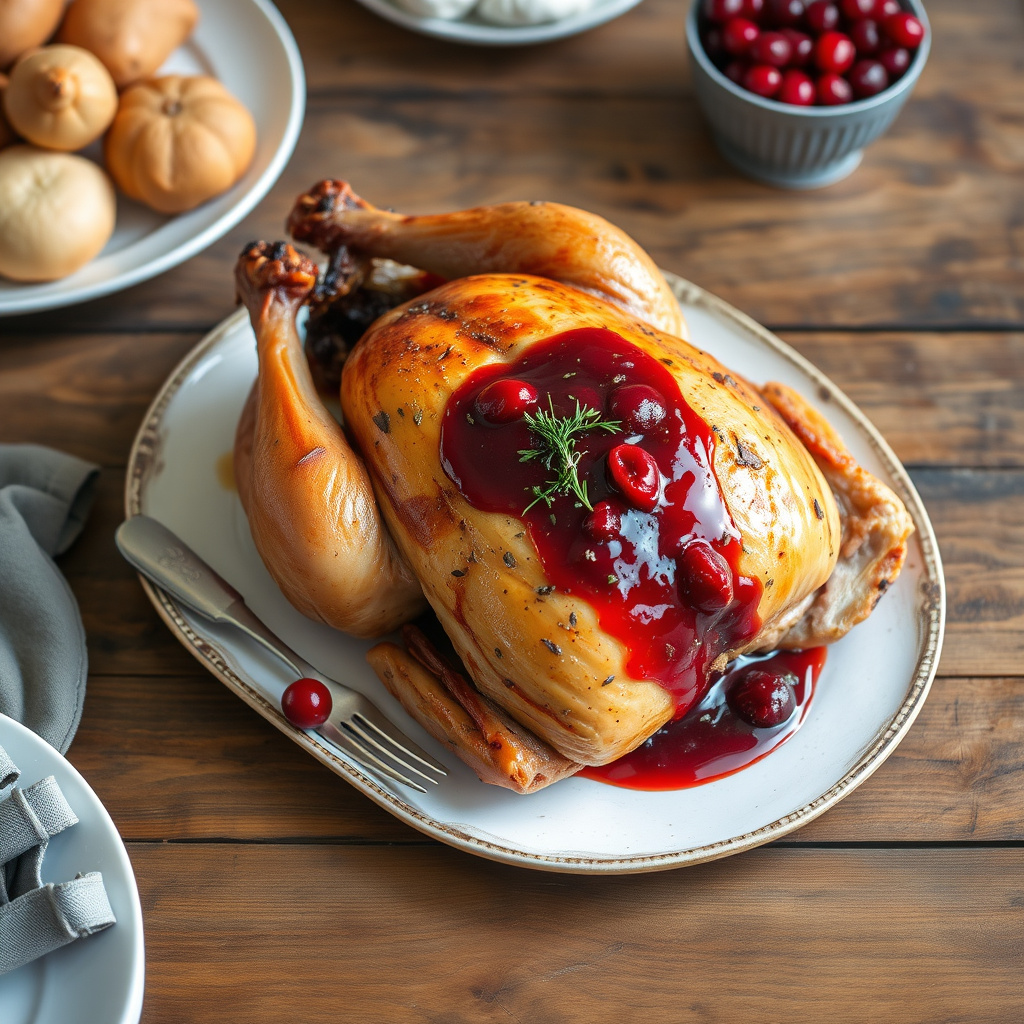
Complementary Side Dishes and Sauces
Brined smoked turkey pairs well with bold, savory sides like roasted root vegetables, wild rice pilaf, or tangy coleslaw. The deep smoky flavor balances sweet and tart accompaniments such as cranberry sauce or apple chutney. A mustard or cider-based gravy also highlights the enhanced meat seasoning from brining.
For a classic meal, try pairing the bird with garlic mashed potatoes, green beans with almonds, and fresh herb stuffing. These sides bring a comforting texture and flavor contrast to the rich, smoky meat.
For more detailed information about the science and history of brining, see the Wikipedia article on turkey brining basics. turkey brining basics.
Leftover Storage and Reheating Tips
Store leftover smoked turkey in airtight containers within two hours of serving and refrigerate for up to four days. Reheat gently in an oven or covered skillet with a bit of broth to maintain moisture without drying out the brined meat.
Sliced smoked turkey makes excellent sandwiches and salads for next-day meals. Proper handling preserves the juicy texture developed through brining and smoking, ensuring tasty leftovers.
- Refrigerate promptly in airtight containers
- Reheat slowly with moisture added
- Use leftovers for sandwiches and salads
Brining Methods Compared for Smoked Turkey
This table compares common turkey brining methods based on ingredients, time, flavor impact, and best uses for smoked turkey.
| Brining Method | Salt Concentration | Typical Duration | Flavor Notes | Best For |
|---|---|---|---|---|
| Wet Brine | High (5-8%) | 12-24 hours | Salty, evenly seasoned | Whole turkeys, beginners |
| Dry Brine (Salt Rub) | Moderate (2-3%) | 24-48 hours | Intense, crispy skin | Small to medium turkeys |
| Sugar-Enhanced Brine | Medium | 8-18 hours | Sweet, caramelized crust | Smoked turkeys with sweet rubs |
| Herbal Brine | Medium | 12-24 hours | Complex herbal aroma | Smoked turkeys paired with savory sides |
| Acidic Brine | Low | 4-8 hours | Tenderized, subtle tang | Thigh parts or turkey breasts only |
Frequently Asked Questions
Can I use table salt instead of kosher salt for brining?
Table salt is finer and denser than kosher salt, so if substituting, use about half the amount by volume. Using too much table salt can oversalt the turkey, so adjust carefully to maintain the right balance for brining.
Is it necessary to refrigerate the turkey while brining?
Yes, the turkey must stay at or below 40°F during brining to prevent bacterial growth. Always brine in the fridge or a cooler with ice to maintain safe temperatures throughout the process.
How long before smoking should I take the turkey out of the brine?
Remove the turkey from the brine just before prepping for smoking. After rinsing and drying, smoking should start immediately or within a couple of hours to maintain freshness and food safety.
Can I brine a frozen turkey?
Brining a frozen turkey is not effective because the brine cannot penetrate frozen meat. Thaw the turkey completely in the refrigerator before starting the brining process for best results.
What type of wood is best for smoking a brined turkey?
Mild fruitwoods like apple, cherry, or pecan complement the subtle flavors of a brined turkey without overpowering it. Hickory or oak can be used for a stronger smoke but monitor closely to avoid bitterness.
Key Takeaways
- Brining enhances moisture retention and overall flavor for smoked turkey.
- A balanced salt and sugar ratio in brine is essential for best results.
- Proper brining time depends on turkey size and brine concentration.
- Cooling the brine and using non-reactive containers promotes food safety.
Conclusion
Choosing to brine your turkey before smoking is a straightforward way to prevent dryness and infuse deep flavor. The key is balancing salt levels and timing the process to the size of your bird. By understanding the science behind brining, you transform a potentially dry smoked turkey into a juicy centerpiece with enhanced aroma and texture, elevating any meal or celebration.
For novices or those aiming for classic flavors, a wet brine with kosher salt, sugar, and aromatics like garlic and herbs works reliably. More experienced cooks might try dry brining to achieve crispier skin or incorporate herbal and fruit additions for complex smoke profiles. The decision ultimately depends on the desired flavor and cooking schedule, but all these methods improve the turkey’s smoked results significantly.
Getting started with turkey brining requires some planning but rewards you with a superior smoked turkey experience. Prepare your brine a day ahead and keep your bird chilled throughout soaking. When you’re ready to smoke, keep an eye on temperature and rest the meat before serving. These practical steps will ensure a flavorful, moist smoked turkey that impresses every time.