Lighting charcoal without lighter fluid is simple and effective using alternative methods like chimney starters, natural fire starters, or an electric charcoal starter. These options avoid chemical odors and flavors that lighter fluid can impart, while providing consistent, controllable heat for grilling.
Avoiding lighter fluid is important for many grillers who prefer a cleaner taste and safer handling when lighting their charcoal. Using alternatives also reduces flare-ups and chemical smoke during cooking, enhancing your grilling experience.
This article will cover several reliable ways to light charcoal without lighter fluid, comparing tools like chimney starters, electric starters, and natural fire starters, along with practical tips to get your grill ready quickly and efficiently.
Using a Chimney Starter to Light Charcoal
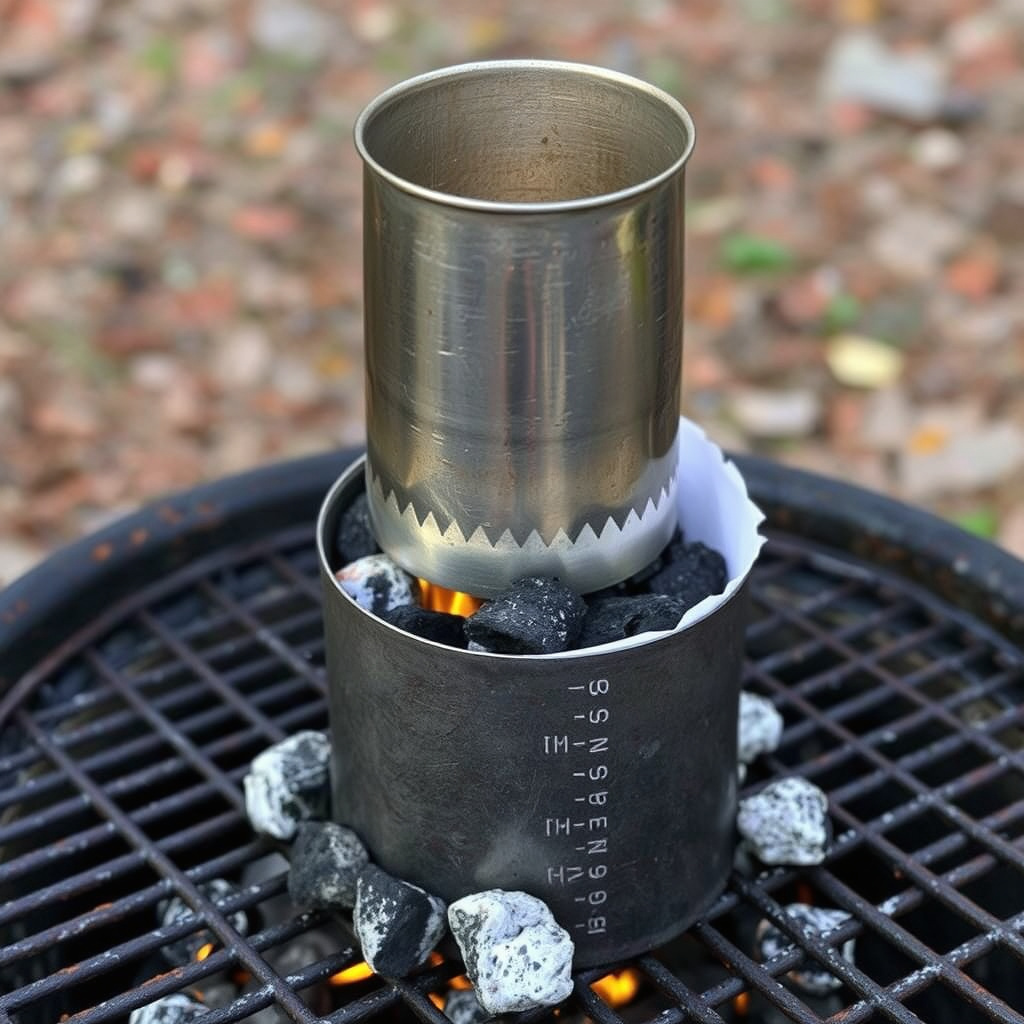
How a Chimney Starter Works
A chimney starter uses natural airflow to ignite charcoal from the bottom, without needing lighter fluid. It consists of a metal cylinder with ventilation holes, and a grate about a third up the chimney to hold charcoal above burning material below.
Igniting a fire starter or crumpled newspaper under the chimney creates heat that rises, lighting the charcoal gradually and evenly. This method avoids chemical odors and produces consistent heat for grilling.
- No chemicals involved
- Even charcoal ignition
- Quick lighting, about 10-15 minutes
Tips for Efficient Chimney Starter Use
Fill the chimney about two-thirds full with briquettes or lump charcoal for even burn. Light paper or fire starters under several holes of the chimney base to boost airflow and speed ignition.
Wait until the top coals are glowing red with gray ash before pouring into your grill. Use heat-resistant gloves to handle the chimney safely once hot.
- Use crumpled newspaper or natural fire starters below
- Place on heatproof surface during lighting
- Wear gloves for safe handling
Electric Charcoal Starters as a Chemical-Free Option
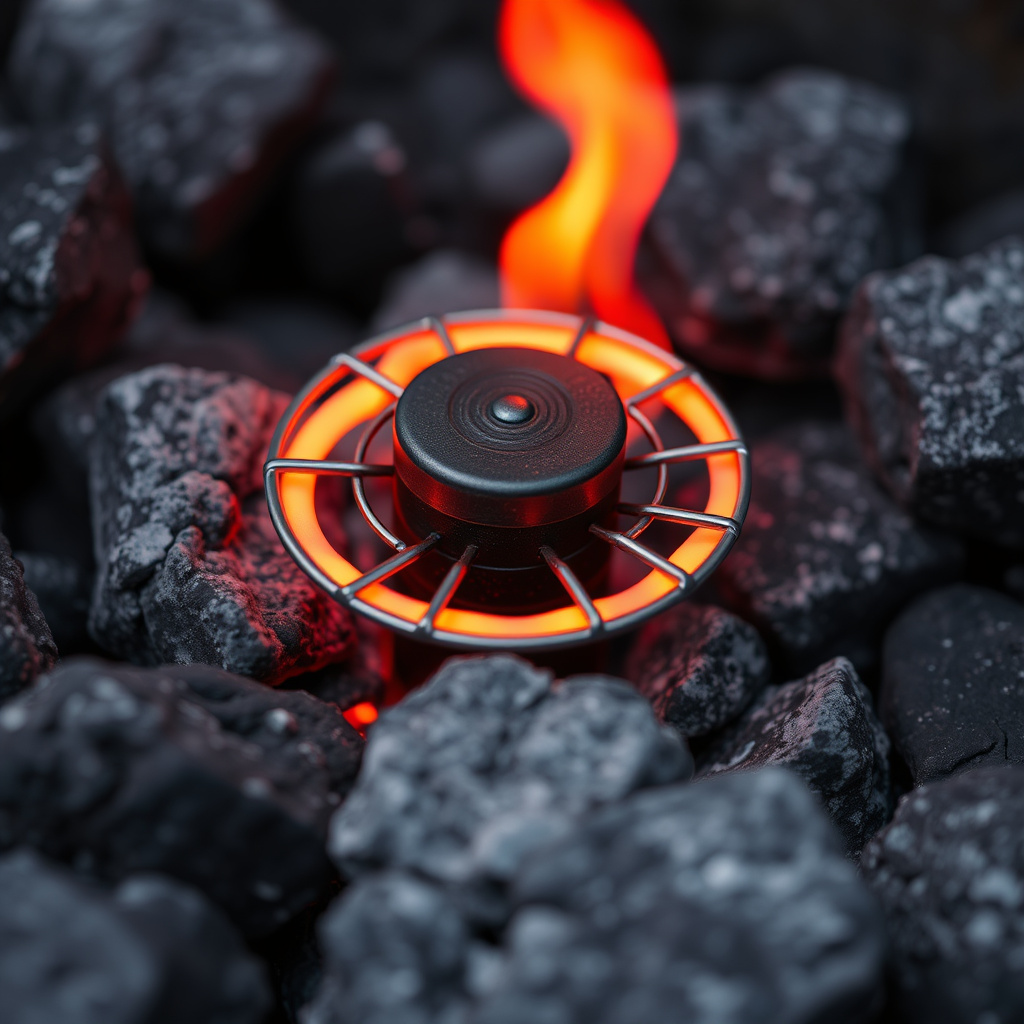
How Electric Starters Function
Electric charcoal starters are heating coils that get extremely hot when plugged in, igniting charcoal upon direct contact. They plug into a household outlet, providing a flameless, odor-free way to start coal.
They typically ignite the charcoal within 8 to 12 minutes, depending on the amount of charcoal. The heated coil is removed once the coals catch fire, leaving no chemical residue.
- No flames or fuel needed
- Quick charcoal ignition
- Reusable and easy to clean
Safety and Usage Tips for Electric Starters
Always use the electric starter on a non-flammable surface and keep it away from flammable materials. Unplug the device before handling, and allow it to cool fully before storage.
Place the coil under a pile of loosely arranged charcoal to maximize contact and airflow. Use the starter in well-ventilated areas and avoid direct contact during operation to prevent burns.
- Use on fireproof surfaces only
- Unplug before removing coil
- Allow cooling before storage
Natural Fire Starters for Eco-Friendly Lighting
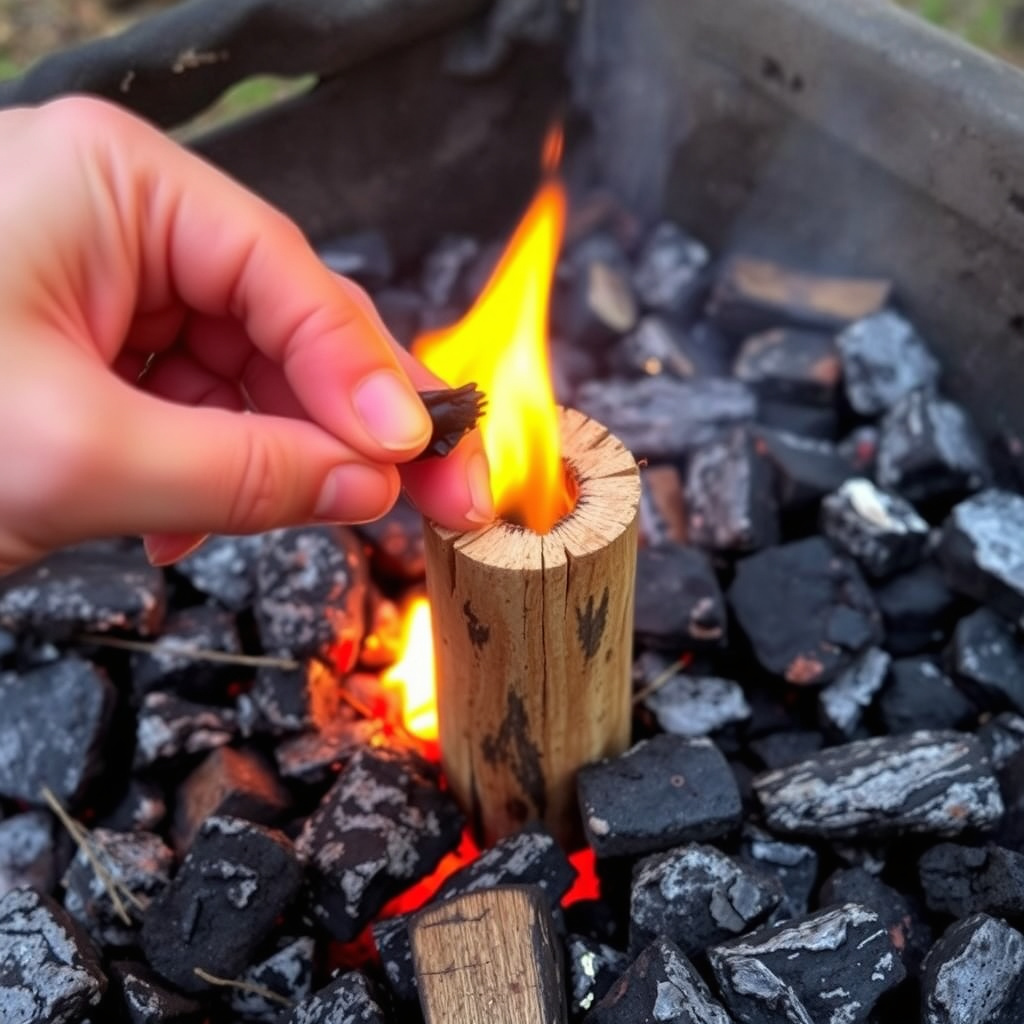
Types of Natural Fire Starters
Common natural fire starters include wood shavings, wax-coated sawdust cubes, and egg carton compost starters made from wax and newspaper. They ignite easily and burn long enough to light charcoal.
These fire starters avoid chemical compounds and add an eco-friendly element to grilling. They are biodegradable and safe to handle, making them a popular choice for those prioritizing natural materials.
- Wood wool or excelsior
- Beeswax or soy wax cubes
- Recycled paper starters
For more on this, see our related guide: How to Light a Charcoal Grill for Perfect Backyard BBQs.
Using and Storing Natural Fire Starters
Place several natural fire starters under or among loosely stacked charcoal. Light them carefully and allow charcoal to ignite gradually before adding more fuel.
Store fire starters in a cool, dry place to avoid moisture absorption which can reduce effectiveness. They can be homemade or purchased in packs designed specifically for charcoal lighting.
- Keep fire starters dry
- Light multiple starters for larger grills
- Avoid crowding charcoal to keep airflow
Preparing Charcoal Without Lighter Fluid: General Techniques
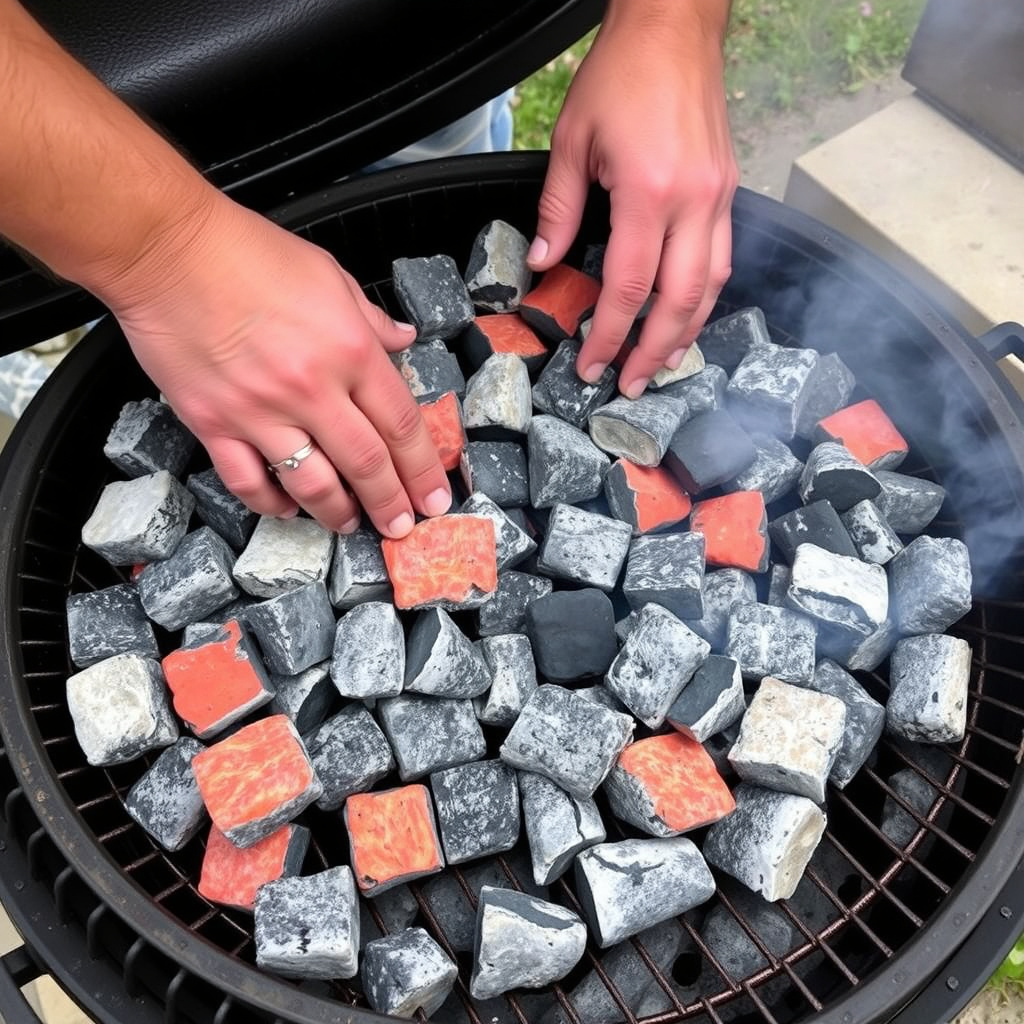
Arranging Charcoal for Optimal Airflow
Proper charcoal arrangement promotes faster and more even burning. Arrange coals in a pyramid or mound shape to concentrate heat and airflow. Leave gaps between pieces to allow oxygen to feed the flame.
A well-ventilated charcoal bed prevents smothered flames and helps coals reach cooking temperature faster, especially when using chimney starters or natural fire starters.
- Pyramid mound for ignition
- Space between briquettes
- Use a charcoal grate where possible
Using Newspaper and Other Household Items
Crumpled newspaper or cardboard strips can be effective and inexpensive fire starters alongside charcoal. Avoid shiny, colored, or heavily inked paper to minimize chemical additives.
Combine newspaper with charcoal in a chimney starter or lay under loosely stacked briquettes to help ignition without lighter fluid.
- Use plain newspaper only
- Avoid glossy or colored pages
- Crumple loosely for airflow
Safety Considerations When Lighting Charcoal
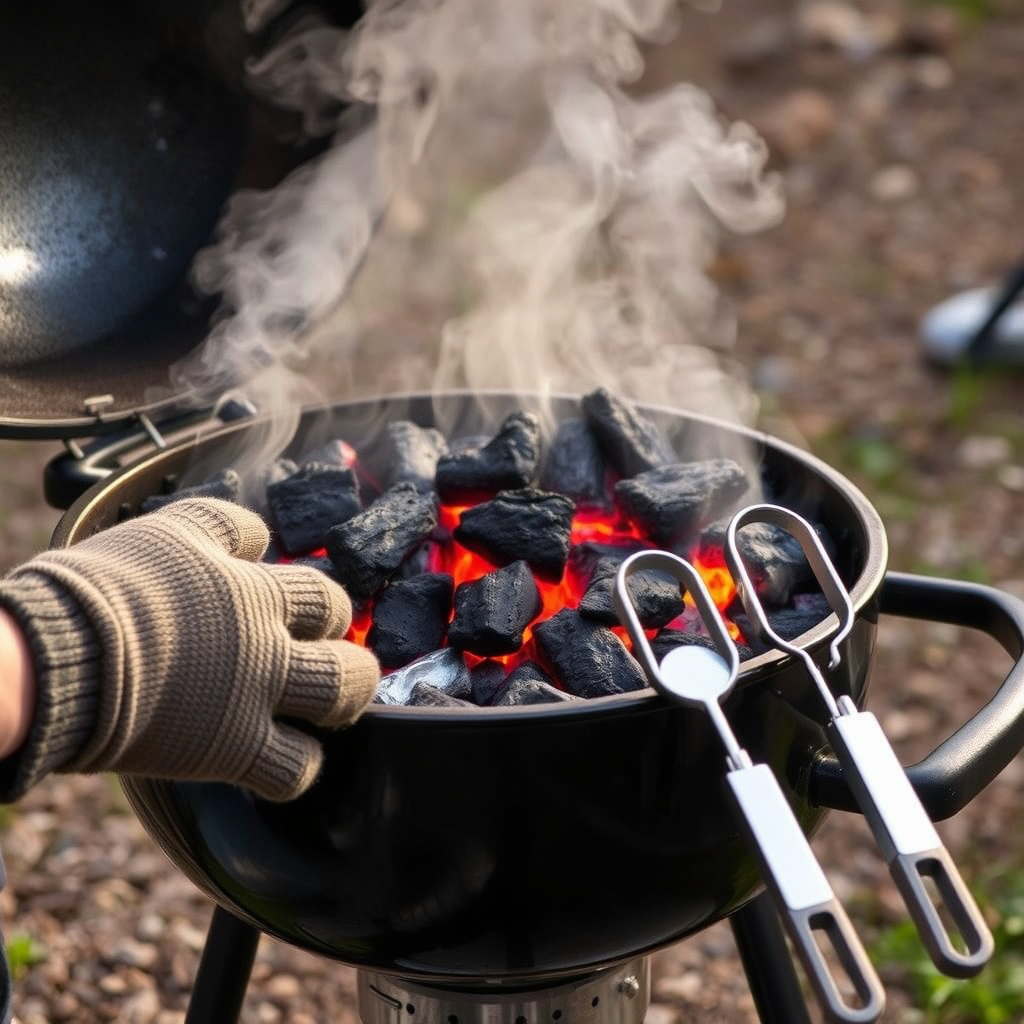
Handling Hot Charcoal and Tools Safely
Always use heat-resistant gloves and long-handled tongs when managing hot charcoal. Avoid wearing loose clothing that can catch fire easily during ignition.
Keep children and pets away from the grill area until the charcoal has fully settled and cooled after cooking.
- Heat-resistant gloves
- Long tongs or scoop tools
- Clear grill area of hazards
For more on this, see our related guide: How to Clean a Charcoal Grill: A Step-by-Step Guide for Sparkling Results.
Fire Safety Tips During and After Lighting
Light charcoal in a well-ventilated outdoor area away from flammable structures. Have a fire extinguisher, bucket of water, or sand nearby for emergencies.
Allow ashes to cool completely before disposing. Avoid using water to douse charcoal directly during cooking as it can cause steam burns or scatter hot ash.
- Use outdoor, open space for lighting
- Keep fire safety equipment nearby
- Dispose of ashes only when cold
Maintaining Charcoal for Consistent Grilling Performance
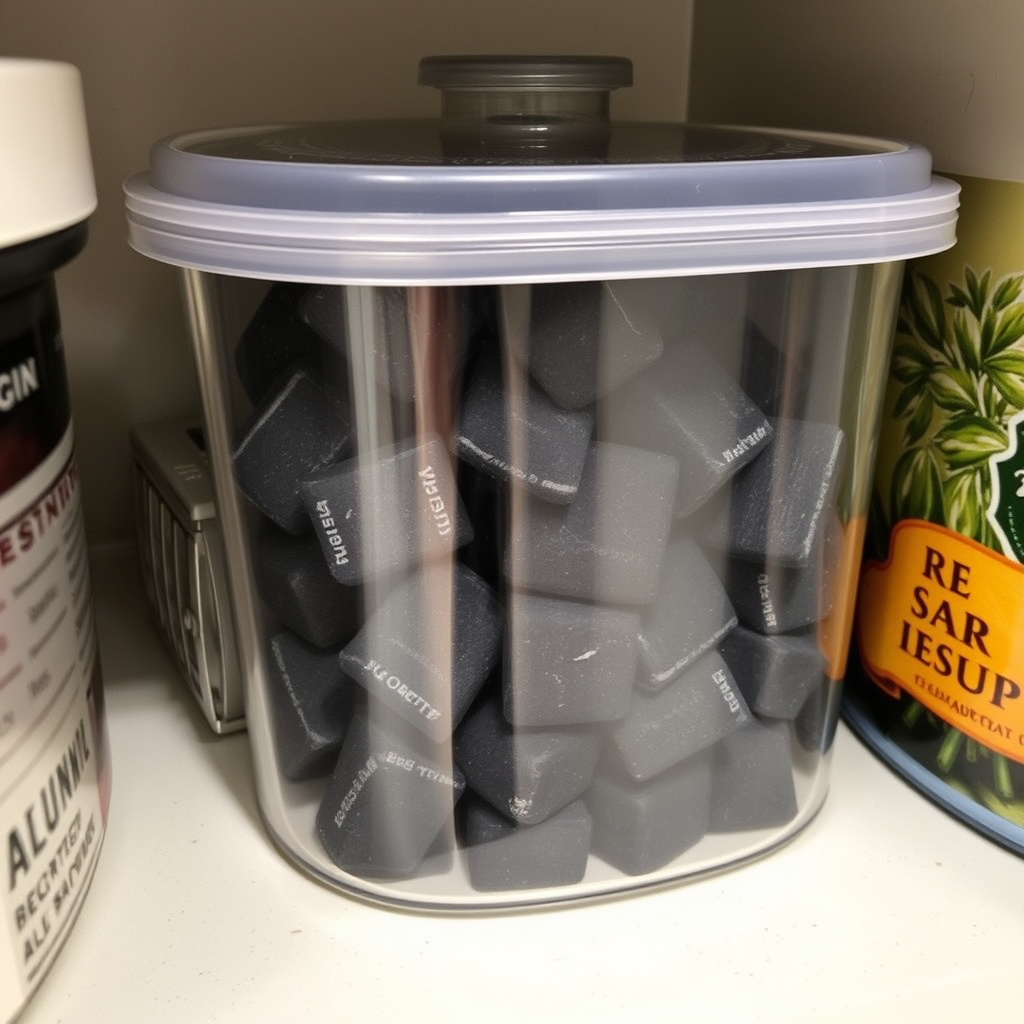
Proper Storage of Charcoal
Store charcoal in a cool, dry, and airtight container to prevent moisture absorption, which hampers ignition and causes uneven burning.
If using lump charcoal, avoid overly large pieces that burn unpredictably. Break large chunks into more uniform sizes for consistent heat output.
- Airtight containers
- Dry storage location
- Use uniform charcoal sizes
For more on traditional charcoal grilling methods and history, visit this comprehensive charcoal grilling basics page. charcoal grilling basics.
Cleaning and Reusing Charcoal
While charcoal cannot be reused once fully burned, you can carefully remove large, unburned chunks from the grill to use again.
Cleaning the grill grate and ash catcher regularly improves airflow and combustion efficiency, making lighting charcoal easier and improving cooking results.
- Separate unburned coals promptly
- Clean ash and debris after grilling
- Inspect for moisture or contamination
Charcoal Lighting Methods Comparison
The table below compares common charcoal lighting methods based on safety, cost, speed, and ease of use to help you choose the best option.
| Method | Safety | Cost | Ignition Speed | Flavor Impact |
|---|---|---|---|---|
| Chimney Starter | High – no chemicals | Low – reusable | 10-15 minutes | None |
| Electric Starter | High – no open flame | Medium – initial purchase | 8-12 minutes | None |
| Natural Fire Starters | High – natural materials | Low – buys or DIY | 12-20 minutes | None |
| Newspaper Only | Medium – risk of flare-ups | Very low | 15-20 minutes | Possible slight smoke |
| Lighter Fluid | Low – flammable chemicals | Low | 5-10 minutes | Can impart chemical taste |
Frequently Asked Questions
Can I light charcoal directly with matches or a lighter without any starter?
Lighting charcoal with just matches or a lighter is possible but inefficient. Charcoal lumps or briquettes take longer to ignite this way, require patience, and often need good airflow and stacking methods for success.
What are the advantages of using a chimney starter over lighter fluid?
A chimney starter provides an even, chemical-free ignition method that preserves food flavor and reduces flare-ups. It’s reusable, safe, and creates hot coals more consistently without odors.
Are natural fire starters safe to use indoors?
Natural fire starters should only be used in well-ventilated spaces or outdoors due to smoke. For indoor grilling or heating devices, specialized starters designed for indoor use are recommended.
How long does charcoal typically stay lit without lighter fluid?
With proper ignition methods like a chimney starter, charcoal stays lit and hot for about 1 to 2 hours, depending on the type and amount of charcoal, grill ventilation, and cooking conditions.
Is it necessary to wear gloves when handling lit charcoal?
Yes, heat-resistant gloves protect your hands from burns when handling hot charcoal, moving coals, or using tools during lighting and cooking.
Key Takeaways
- Chimney starters offer a chemical-free, effective way to light charcoal.
- Electric starters heat coals quickly without open flames or fuel.
- Natural fire starters provide eco-friendly ignition options.
- Safe charcoal handling and proper storage improve grilling success.
Conclusion
Choosing how to light charcoal without lighter fluid boils down to balancing convenience, safety, and flavor preferences. Chimney starters frequently emerge as the most popular alternative, thanks to their simplicity and chemical-free operation. Electric charcoal starters also suit those seeking a fast, flame-free ignition but require access to electrical outlets. Natural fire starters appeal to environmentally minded grills prioritizing clean materials. Each method enhances safety by avoiding volatile chemicals while maintaining high-quality heat for grilling.
For weekend grillers looking for a reliable classic technique, a chimney starter paired with crumpled newspaper remains an economical choice producing hot, ash-coated coals every time. Those grilling more regularly in fixed locations may invest in an electric starter for speed and ease. Natural fire starters suit any situation where minimizing chemical inputs matters most, though they may take longer. Avoiding lighter fluid altogether prevents flavor contamination and reduces flare-up risks, preserving the true smoky taste of your barbecue.
If you're just starting or upgrading your grill tools, consider which method best fits your cooking style and environment. Buying a sturdy chimney starter will serve you well for seasons of charcoal grilling. Meanwhile, stocking up on natural fire starters or acquiring an electric starter provides convenient chemical-free alternatives. Whichever approach you choose, practicing safe charcoal handling and proper preparation will make your grilling experience enjoyable and flavorful.