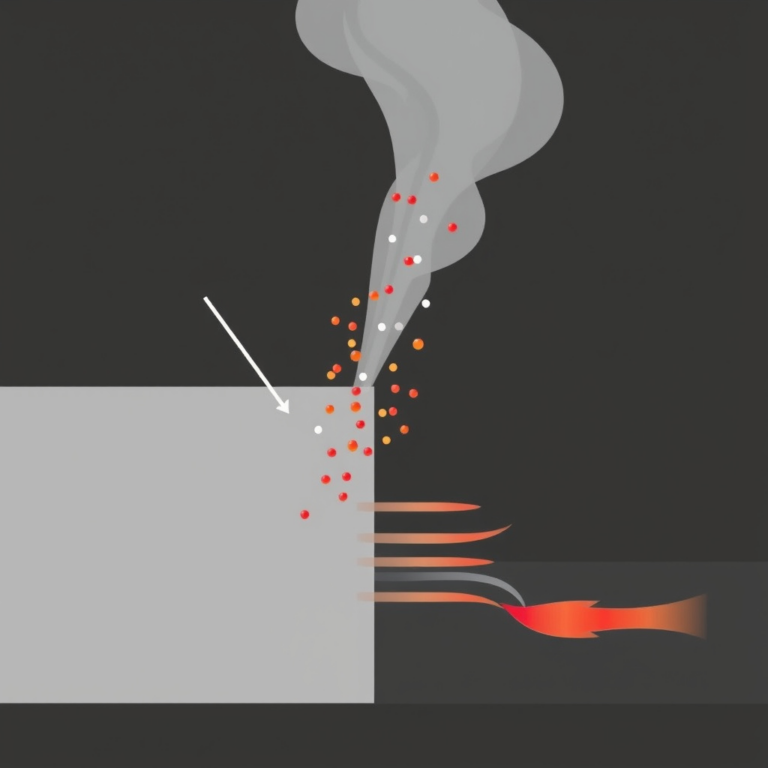
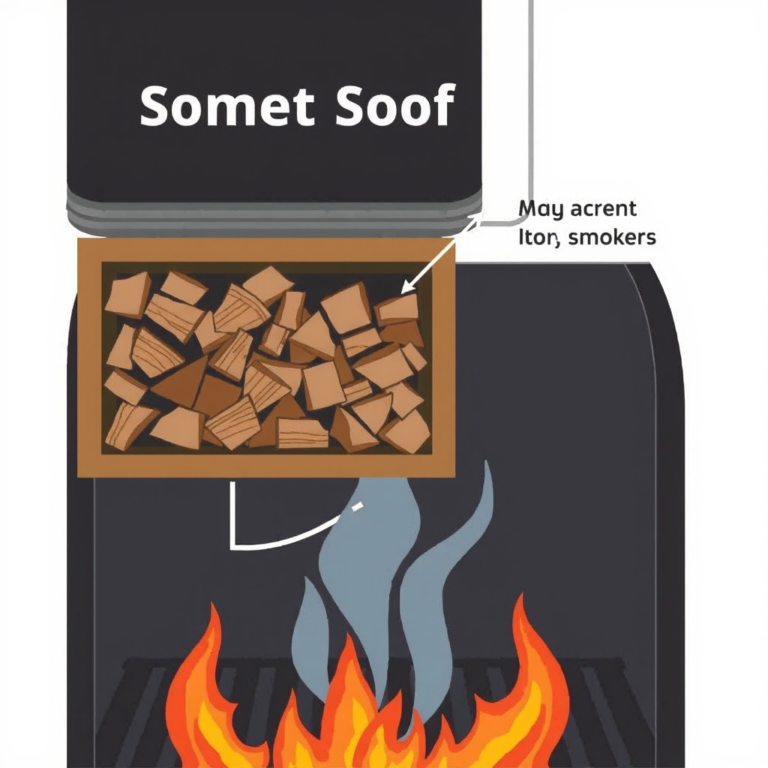
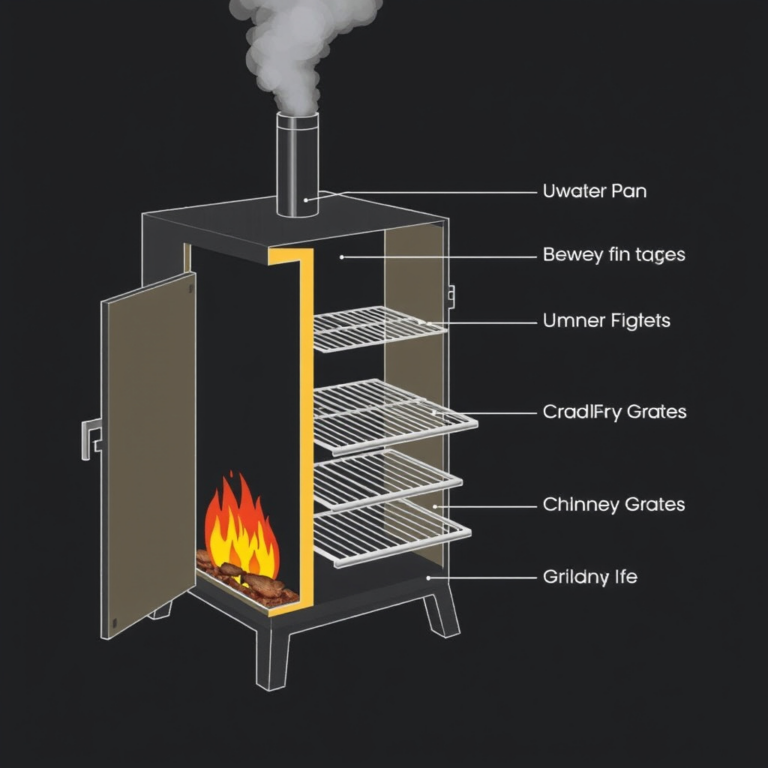
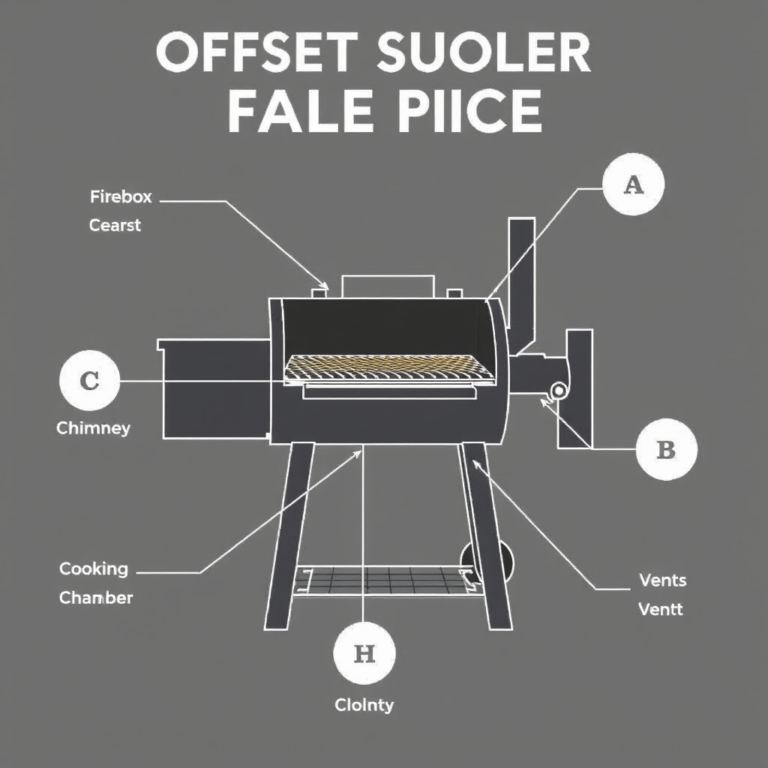
Wood chunks are an excellent way to add rich, smoky flavor to your barbecue when using a smoker. Simply place the chunks directly on the hot coals or in your smoker’s charcoal basket to produce slow-burning smoke that infuses your meat with a deep, natural taste.
Choosing the right wood chunks and using them properly affects the intensity and quality of the smoke flavor. Unlike chips, wood chunks burn slower and provide longer-lasting heat and smoke, making them ideal for low-and-slow cooking sessions popular with smoked ribs, brisket, and pork shoulder.
This article will guide you through the best methods for using wood chunks in a smoker, including how to prepare them, which types of wood work best, how to control smoke levels, and tips for pairing wood chunks with different meats. By following these guidelines, you’ll get the most flavor and consistency out of your wood chunks.
Choosing the Right Wood Chunks for Smoking
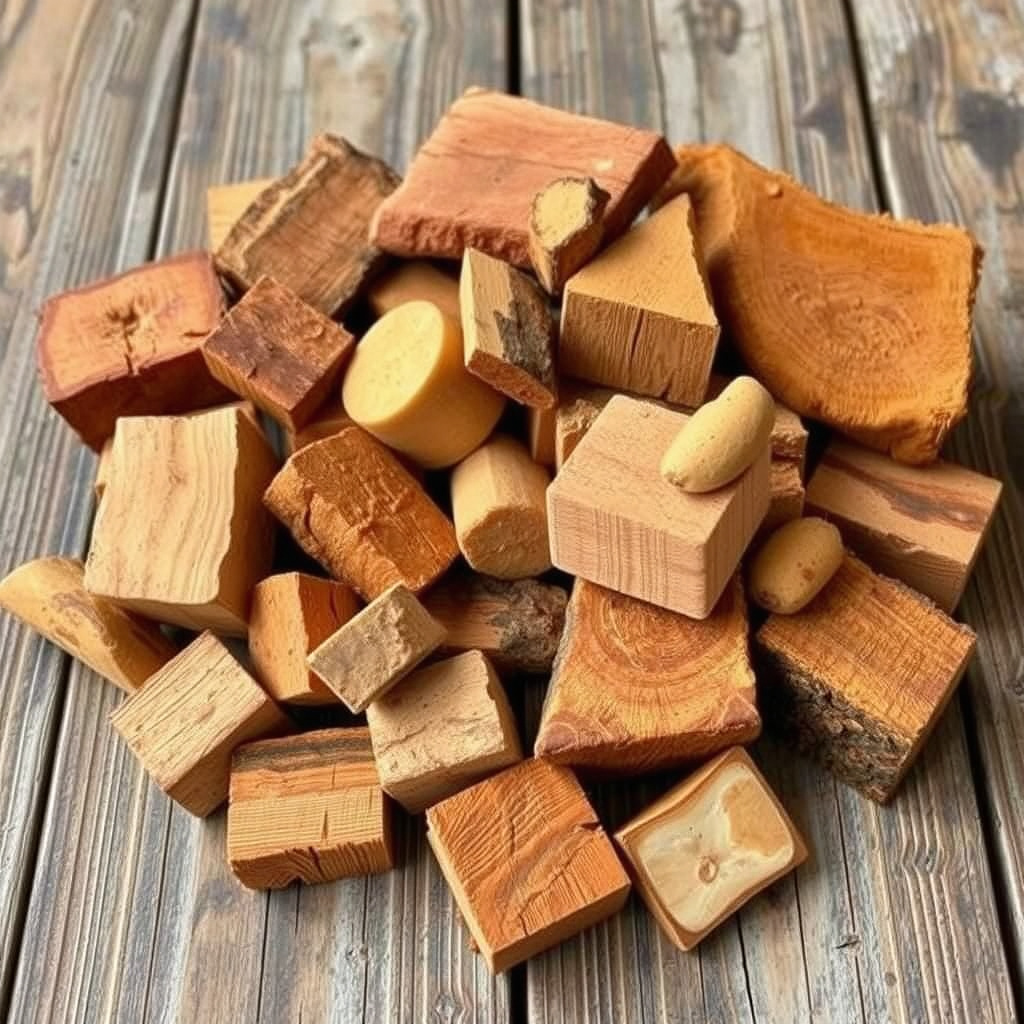
Popular Wood Types and Their Flavor Profiles
Different hardwoods produce distinct smoke flavors, so selecting the right wood chunks can help tailor your barbecue’s taste. For example, hickory offers a strong, bacon-like smoke that's great for beef, while apple wood delivers a sweet, mild flavor perfect for pork and poultry.
Mesquite burns hot with an intense, earthy smoke, ideal for quick cooks but potentially overpowering for delicate meats. Cherry wood provides a subtle, fruity smoke that pairs well with a range of meats and adds a rich color to the final bark.
- Hickory: Bold, smoky, bacon flavor
- Apple: Sweet and mild
- Mesquite: Strong and earthy
- Cherry: Fruity and subtle
How to Source Quality Wood Chunks
Look for hardwood chunks free of chemicals, bark, and mold to avoid unpleasant flavors and harmful substances. Many barbecue specialty stores and online vendors sell food-grade wood chunks specifically meant for smoking.
Avoid any wood treated with pesticides, paint, or preservatives. If you harvest your own wood, use hardwood from fruit trees or native species, cut into chunks about 1 to 2 inches square for optimal burn rate.
- Buy from reputable barbecue suppliers
- Use untreated, chemical-free hardwoods
- Cut chunks 1-2 inches wide for even burning
Preparing Wood Chunks for Your Smoker
Drying and Storing Wood Chunks
Wood chunks must be properly dried before use to produce clean smoke without excess creosote or bitterness. Ideally, chunks should be air-dried for at least six months to a year, stored in a dry, ventilated space away from moisture.
If your chunks feel damp, it’s best to dry them further in a warm, covered area. Properly dried wood chunks ignite steadily and create consistent smoke, contributing to better flavor and an easier smoking experience.
- Air-dry chunks 6-12 months
- Store in a dry, ventilated area
- Avoid using damp or green wood
Preparing Chunks Before Adding to Smoker
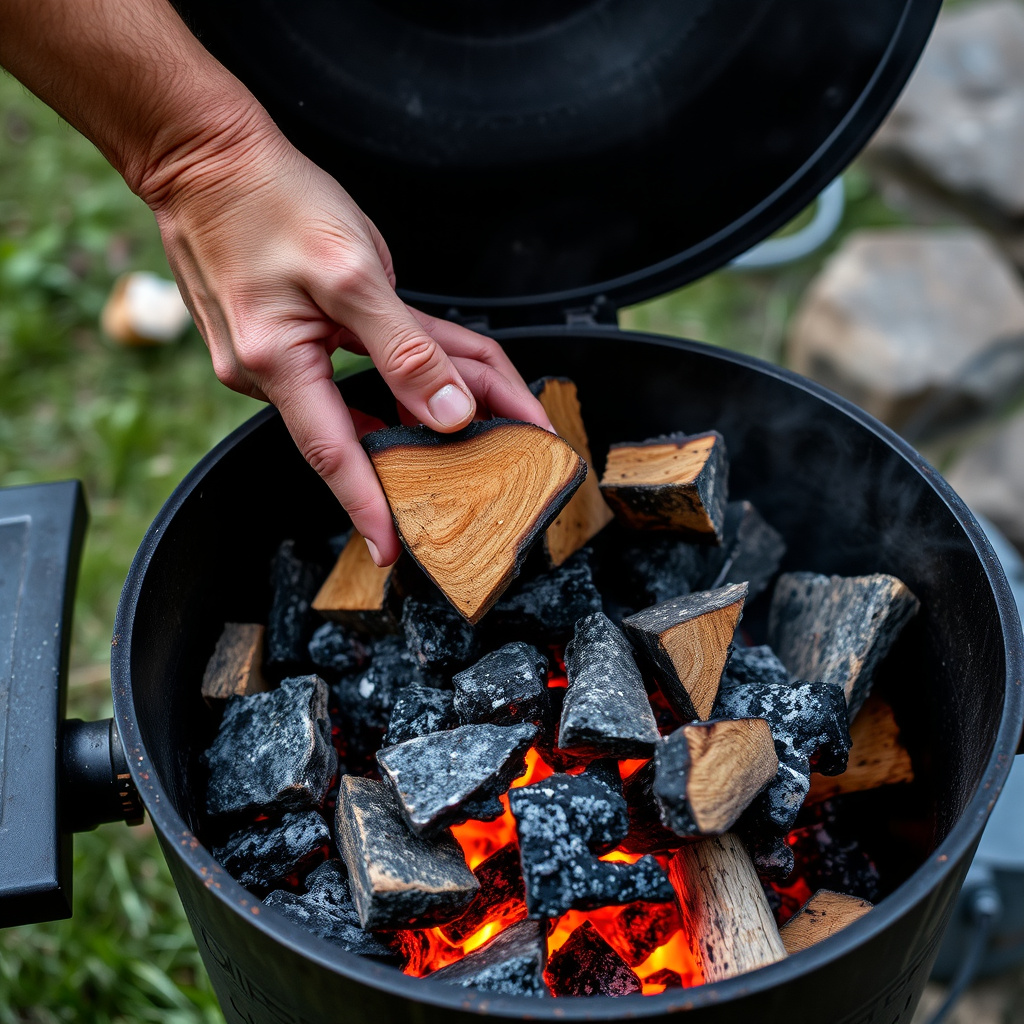
Unlike wood chips, wood chunks don’t require soaking in water before use. Soaking can actually cause them to smolder and produce excessive smoke or off-flavors. Simply add dry chunks directly to the charcoal or smoker box once your fire is well established.
For longer smoke sessions, arrange chunks spaced out for steady smoldering and avoid piling them to prevent overly thick smoke which can coat meat with bitter creosote.
- No soaking needed
- Add dry chunks to hot coals
- Space chunks for even smoke
How to Add Wood Chunks to Different Types of Smokers
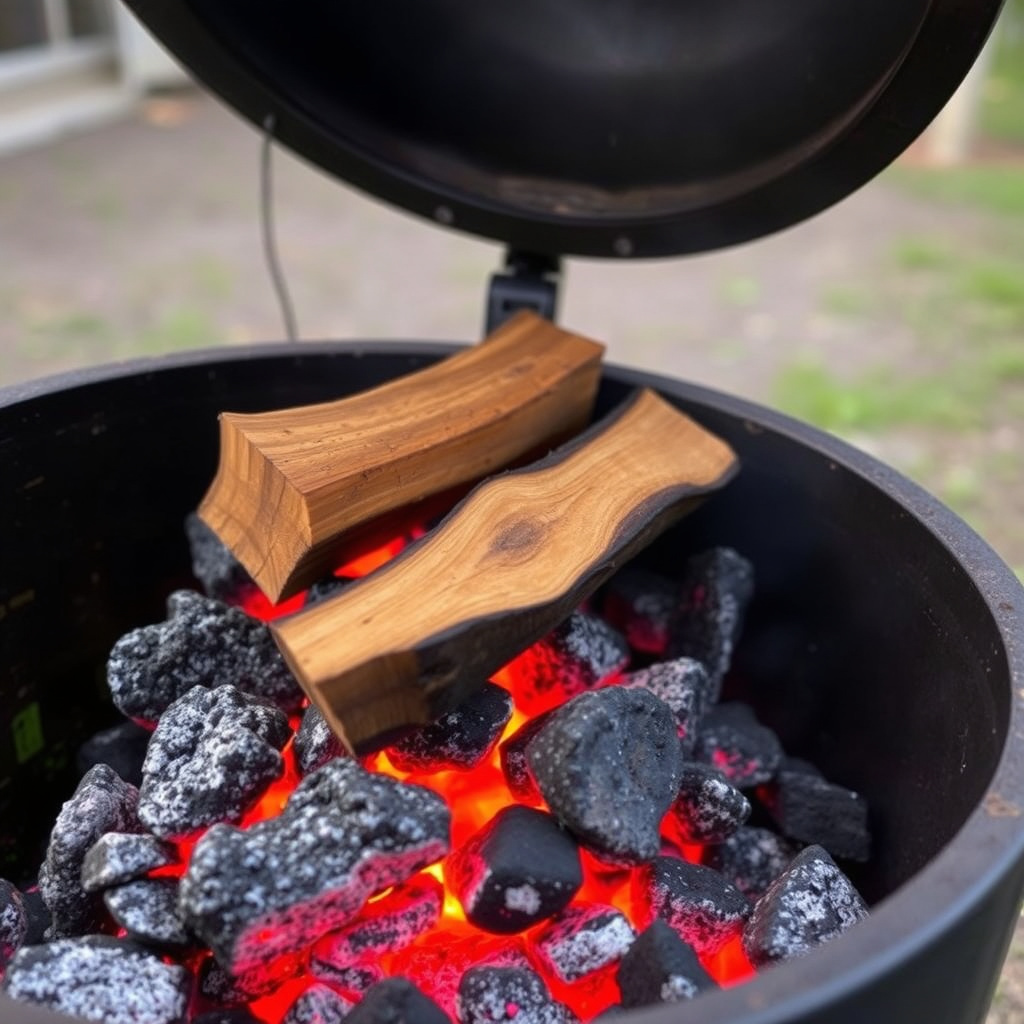
Using Wood Chunks in Charcoal Smokers
For charcoal smokers, place wood chunks directly on top of or alongside the hot charcoal once it’s burning consistently. The chunks will slowly ignite and release flavorful smoke throughout the cooking process.
For extended cooks, add chunks periodically every hour or so to maintain a steady smoke. Avoid placing wood chunks under unlit charcoal to ensure they catch fire and smoke properly.
- Add chunks to lit charcoal
- Replenish chunks hourly for long cooks
- Avoid burying chunks under unlit coal
For more on this, see our related guide: Can You Use a Gas Grill as a Smoker? Practical Tips and Techniques.
Using Wood Chunks in Electric and Gas Smokers
Electric and gas smokers sometimes include a wood box designed for chips but can accommodate small chunks. Place chunks in the smoker’s wood box or directly on the metal plate above the heat source to generate smoke.
Since gas and electric smokers maintain steady temperatures, adding wood chunks in small amounts every 45 minutes helps keep smoke consistent without overwhelming your meat with heavy flavors.
- Use smoker’s wood box or heat plate
- Add small chunks every 45 minutes
- Do not overload wood chunks
Controlling Smoke Intensity and Duration
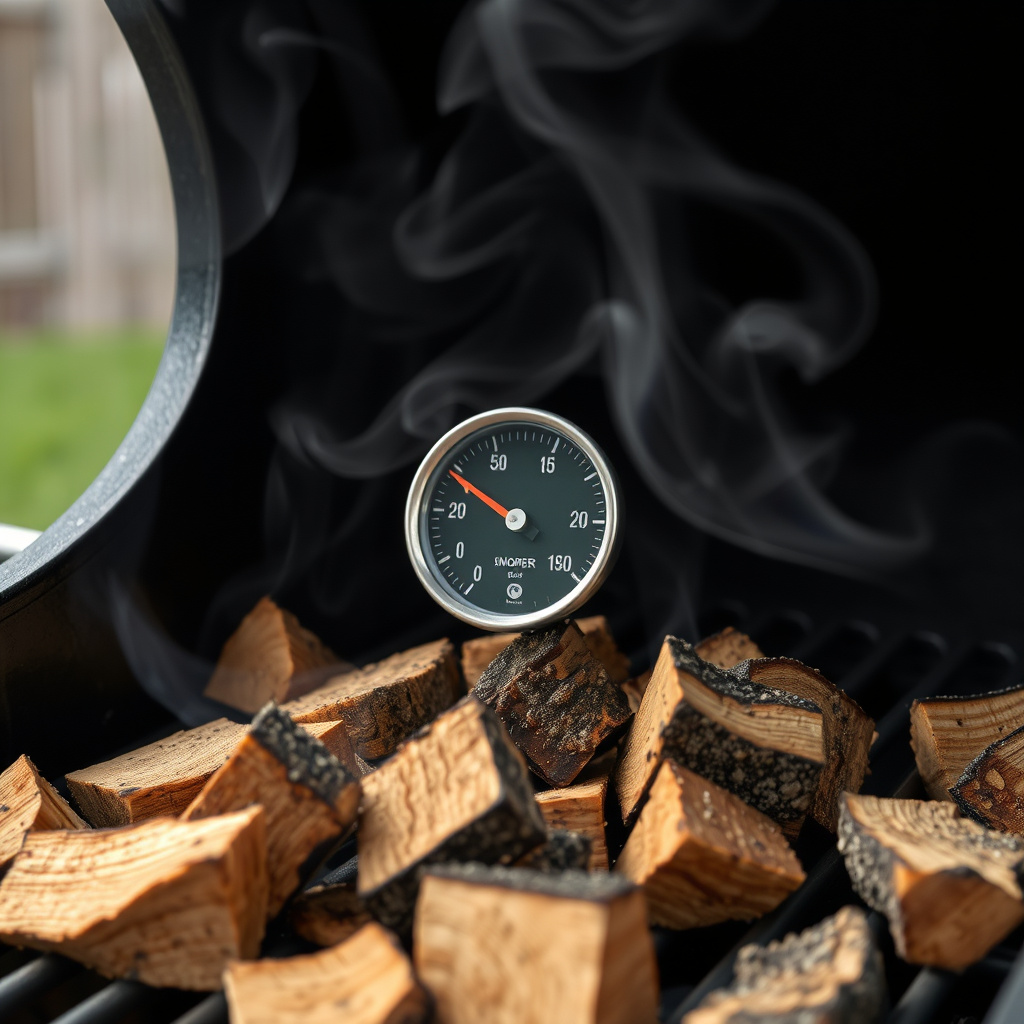
Adjusting the Number and Size of Wood Chunks
Placing fewer or smaller wood chunks produces lighter smoke, which suits delicate foods like fish or chicken. Larger or more chunks create thicker smoke for bold flavors needed in pork shoulder or brisket.
Experiment with chunk size between 1 to 2 inches and quantity depending on smoker airflow and cook time. Always monitor your meat to avoid heavy smoke, which can taste bitter or acrid.
- Use smaller chunks for mild smoke
- Add larger chunks for stronger smoke
- Balance quantity with airflow
Timing Wood Chunk Addition During Cooking
Start your smoke early by adding wood chunks once your coals are ready, but avoid adding chunks constantly at the start as your fire needs time to stabilize. Add chunks in intervals for a steady, even smoke throughout the cook.
Avoid excessive smoke in the last hour to prevent bitter flavors. Removing or reducing wood chunks after the initial smoke phase will improve the final taste balance.
- Add chunks in intervals, not all at once
- Reduce smoke near end of cook
- Monitor smoke color and intensity
Pairing Wood Chunks with Different Meats
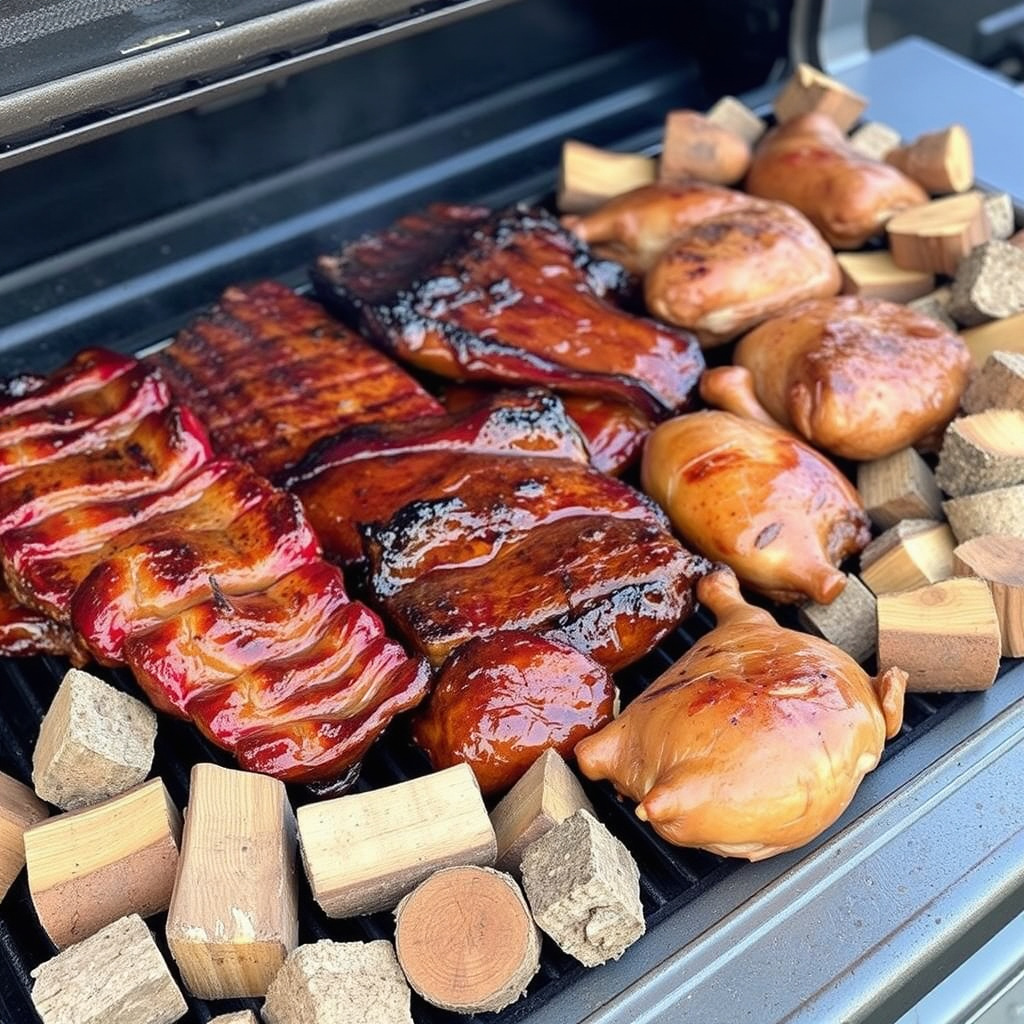
Best Wood Chunk Choices for Beef and Pork
Hardwoods like hickory and oak offer intense flavors commonly paired with beef brisket and pork ribs. Mesquite provides a strong southwestern flavor profile but should be used sparingly to avoid overpowering the meat.
Fruitwoods such as apple and cherry add sweetness and subtle complexity ideal for pork but also work well with beef for a milder smoke experience.
- Beef: Hickory, oak, mesquite (sparingly)
- Pork: Apple, cherry, hickory
For more on this, see our related guide: Can You Use Wood in a Charcoal Grill? Tips and Safety Advice.
Ideal Wood Chunks for Poultry and Fish
Light-smoked poultry and fish benefit from mild woods like alder and fruitwoods such as apple or cherry. These woods produce gentle smoke that complements rather than overwhelms the delicate protein flavors.
Avoid heavy woods like mesquite for poultry and fish as they can impart bitterness. Alder is frequently used for smoking salmon due to its clean, slightly sweet smoke.
- Poultry: Apple, cherry, alder
- Fish: Alder, apple
Maintaining and Cleaning Your Smoker After Using Wood Chunks
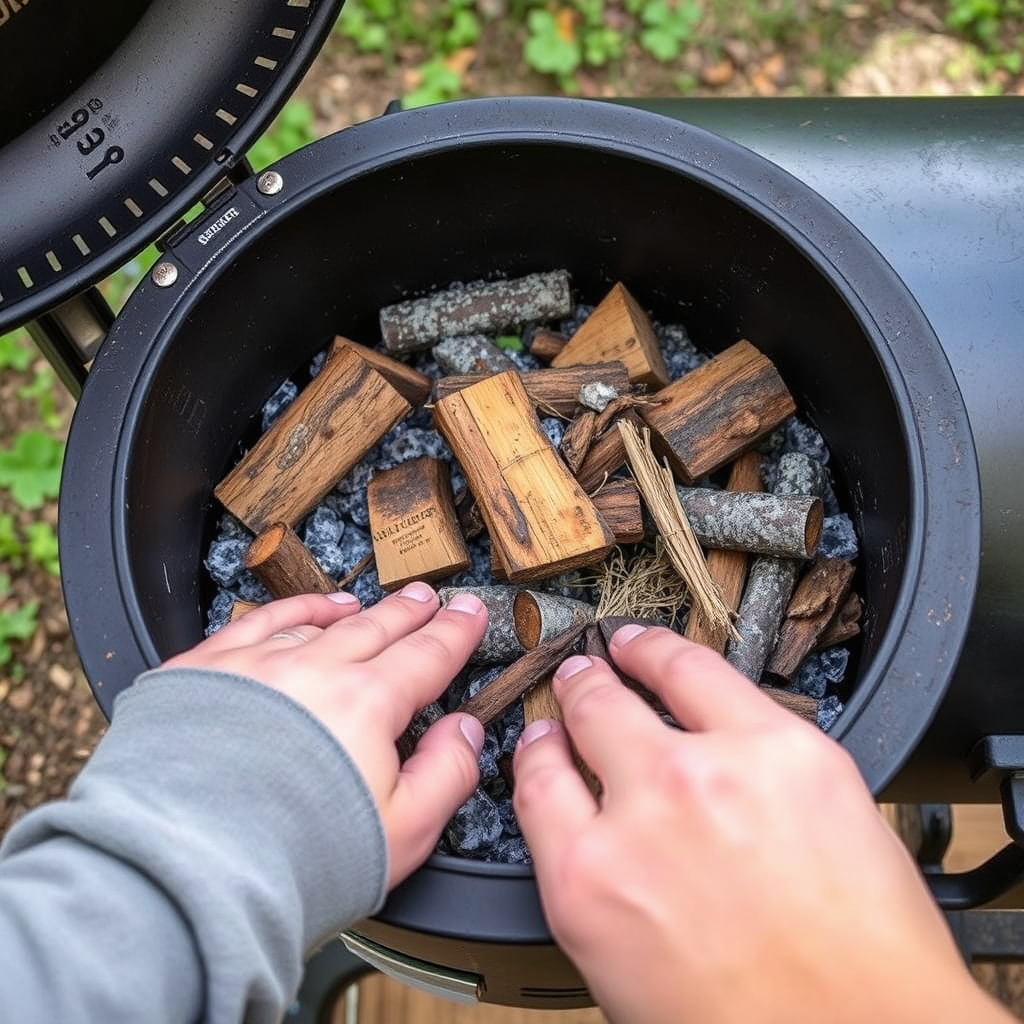
Cleaning Residue and Ash Build-Up
Wood chunks can leave behind ash and creosote deposits that affect your smoker’s airflow and flavor profile if not cleaned regularly. After each cook, scrape out ash and any remaining wood debris.
Cleaning the smoker grates and interior surfaces periodically prevents buildup that can cause unpleasant smoke or uneven heating during future sessions.
- Remove ash after each use
- Scrape accumulated creosote
- Clean interior surfaces regularly
For a broader understanding of the smoking process and history, the Wikipedia article on smoking meat offers valuable insights. Wikipedia article on smoking meat.
Storing Your Smoker and Wood Chunks Post-Cook
Keep your smoker dry and covered when not in use to protect it from rust and moisture. Store leftover wood chunks in a sealed container or plastic bag to maintain dryness and prevent mold growth.
Proper storage extends the life of your smoker and preserves the quality of your wood chunks for the next cook.
- Cover and store smoker in a dry place
- Keep wood chunks sealed and dry
- Avoid damp storage conditions
Wood Chunk Types for Smoking: Flavor and Burn Characteristics
This table compares popular wood chunks by flavor intensity, common meat pairings, and burn duration to help choose the right one for your smoker.
| Wood Type | Flavor Profile | Best For | Burn Duration |
|---|---|---|---|
| Hickory | Bold, smoky, bacon-like | Beef, Pork | 2-3 hours per chunk |
| Apple | Sweet, mild, fruity | Pork, Poultry, Fish | 2-3 hours per chunk |
| Mesquite | Strong, earthy, intense | Beef, Quick cooks | 1-2 hours per chunk |
| Cherry | Subtle, fruity, sweet | Pork, Beef, Poultry | 2-3 hours per chunk |
| Alder | Light, clean, slightly sweet | Fish, Poultry | 2-3 hours per chunk |
Frequently Asked Questions
Do wood chunks need to be soaked before using in a smoker?
No, wood chunks should be used dry as soaking can cause them to smolder and produce excessive smoke or bitterness.
How many wood chunks should I use in my smoker?
Start with 2-4 chunks spaced out over hot coals and add more every hour to maintain steady smoke, adjusting based on desired intensity.
Can I use the same wood chunks for different types of meat?
Yes, but matching the wood’s flavor profile to the meat improves taste—for example, fruitwoods for poultry and stronger woods like hickory for beef.
How long do wood chunks burn when smoking meat?
Typically, wood chunks burn for 1 to 3 hours depending on size, type of wood, and smoker airflow.
Is it safe to use any wood chunks for smoking?
Only use untreated, chemical-free hardwood chunks as treated or softwoods can produce harmful toxins and unpleasant flavors.
Key Takeaways
- Wood chunks provide longer, steadier smoke compared to chips, ideal for slow cooking.
- Choose wood types based on desired smoke flavor and meat pairing.
- Use dry wood chunks directly on hot coals without soaking.
- Maintain smoke intensity by spacing chunks and adding periodically.
Conclusion
Using wood chunks in a smoker offers a practical way to add deep, natural flavors to your barbecue. The decision on which type of wood chunks to use depends on the meats being smoked and the flavor profiles desired. With a proper approach to preparation, placement, and timing, wood chunks give you control over smoke quality and cooking duration, key factors in crafting great smoked dishes.
For those who want robust, traditional smoky flavor on beef or pork, hardwood chunks like hickory or oak are excellent choices. If you prefer mild, sweet smoke, especially for poultry or fish, consider apple or alder chunks for subtler flavors. Knowing how to use and gradually add wood chunks to your charcoal or gas smoker will keep smoke levels even, avoiding overpowering bitterness or insufficient smoke flavor.
To get started, source quality, dry wood chunks from trusted suppliers and avoid soaking them before use. Add chunks strategically during your smoking sessions and clean your smoker regularly for lasting performance. Experimenting with different wood chunks and meat pairings can refine your process, but this guide gives a solid foundation to maximize your smoker’s potential.