Smoking meat works by slowly cooking it with smoke from burning or smoldering wood, exposing the meat to low heat and flavorful smoke over an extended period. This method both tenderizes tough cuts and infuses them with complex, smoky flavors that can’t be replicated by other cooking techniques.
This process matters because it completely alters the meat’s texture and taste, breaking down connective tissues with gentle heat and allowing the smoke’s aromatic compounds to create a distinctive, savory profile. The choice of wood, temperature control, and timing are key factors that impact the final quality.
This article will explore exactly how smoking meat works on a technical and practical level. It covers how smoke interacts with meat, the temperature ranges ideal for smoking, different types of smokers available, wood selection tips, preparation methods, and how to master timing for consistent, delicious results.
The Science Behind How Smoking Meat Works
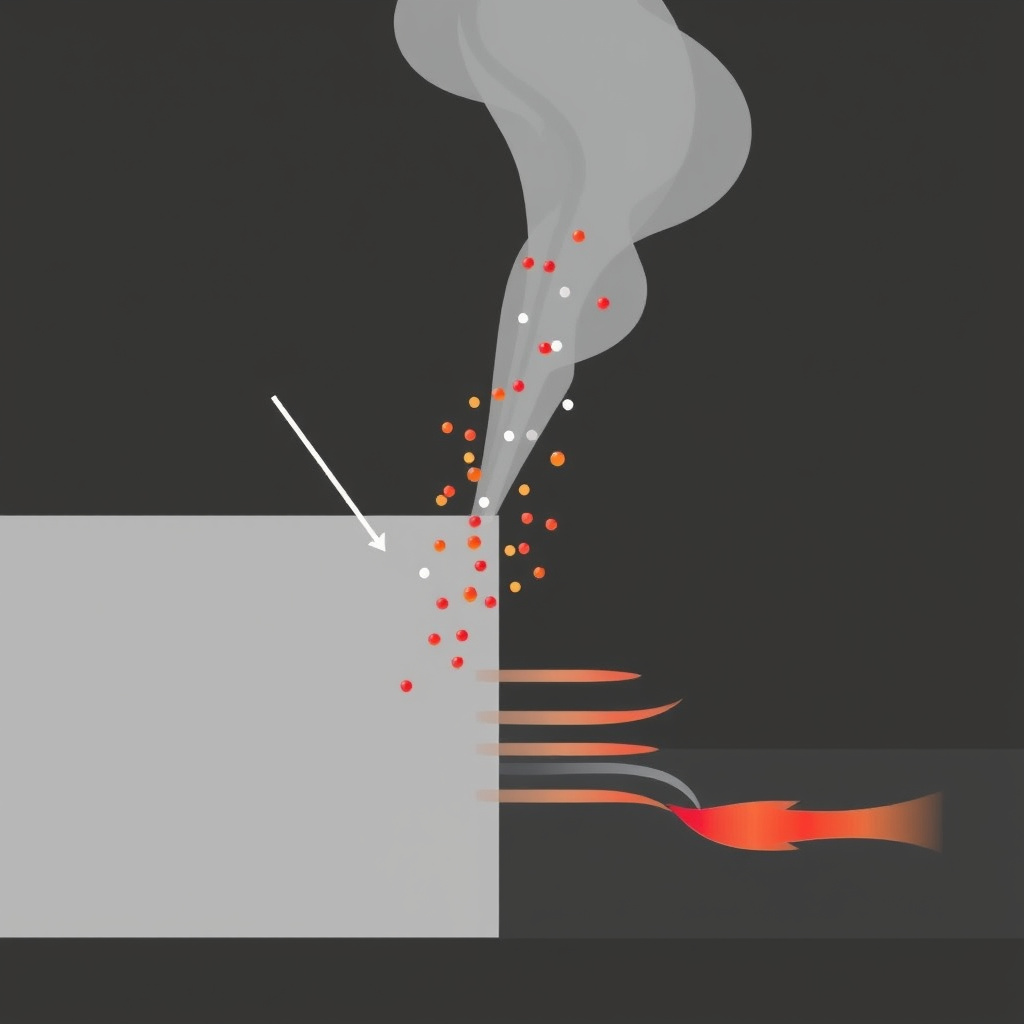
How Smoke Impacts Meat Flavor and Texture
Smoke from burning wood contains dozens of chemical compounds including phenols, carbonyls, and acids that adhere to the meat’s surface. These molecules not only give flavor but act as natural preservatives by inhibiting bacterial growth.
During smoking, the heat slowly breaks down collagen in connective tissues into gelatin, which moistens the meat and tenderizes tougher cuts. The slow cooking process also allows moisture to redistribute inside the meat, enhancing juiciness.
Temperature's Role in Smoking Meat
Smoking typically uses low temperatures ranging from 200 to 275°F (93 to 135°C). This range prevents the meat from drying out or cooking too quickly, allowing the smoke flavor to penetrate deeply.
Maintaining a consistent temperature is crucial because fluctuations can cause uneven cooking, tough meat, or a bitter smoke taste. A good smoker enables steady airflow and heat control to achieve this temperature stability.
- Ideal smoking temps: 225-250°F for most meats
- Higher temps risk drying or burning
- Lower temps risk prolonged cooking time
Types of Smokers and Their Smoking Methods
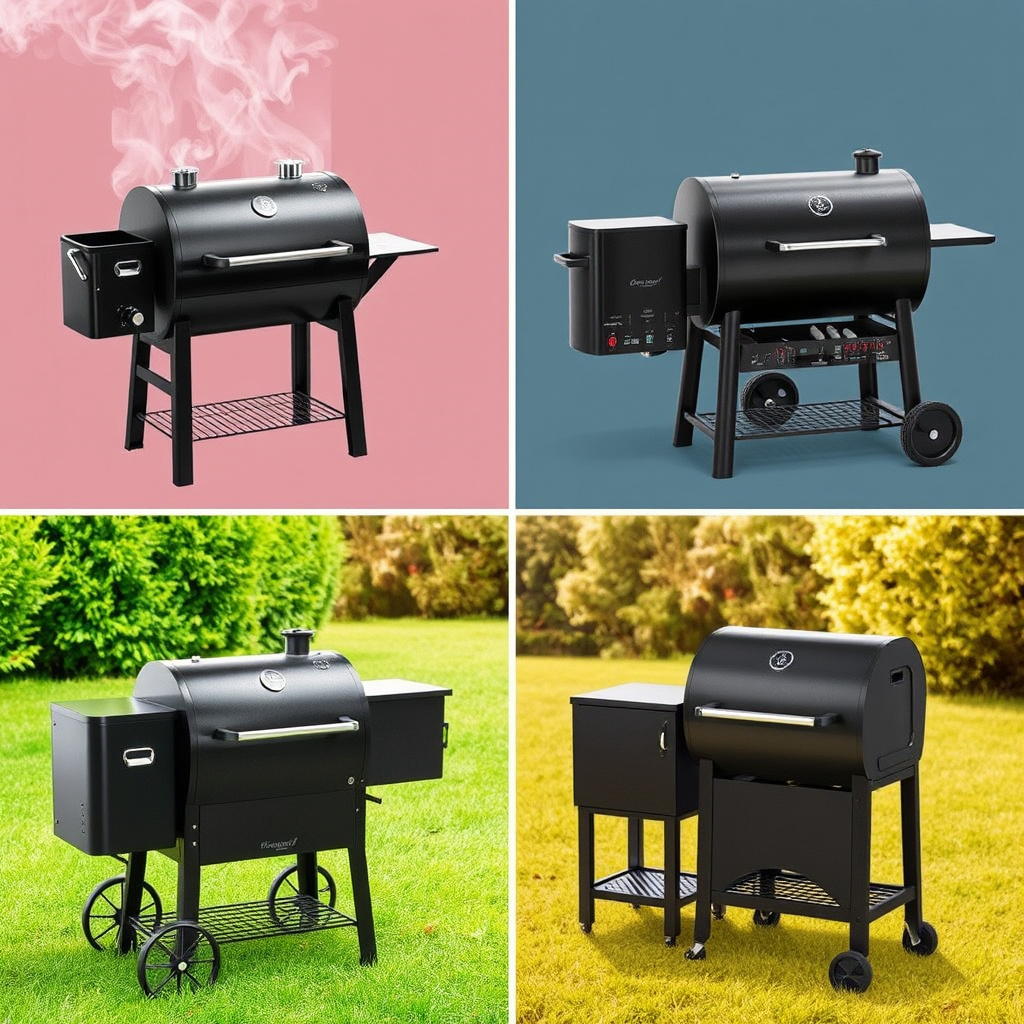
Charcoal and Offset Smokers
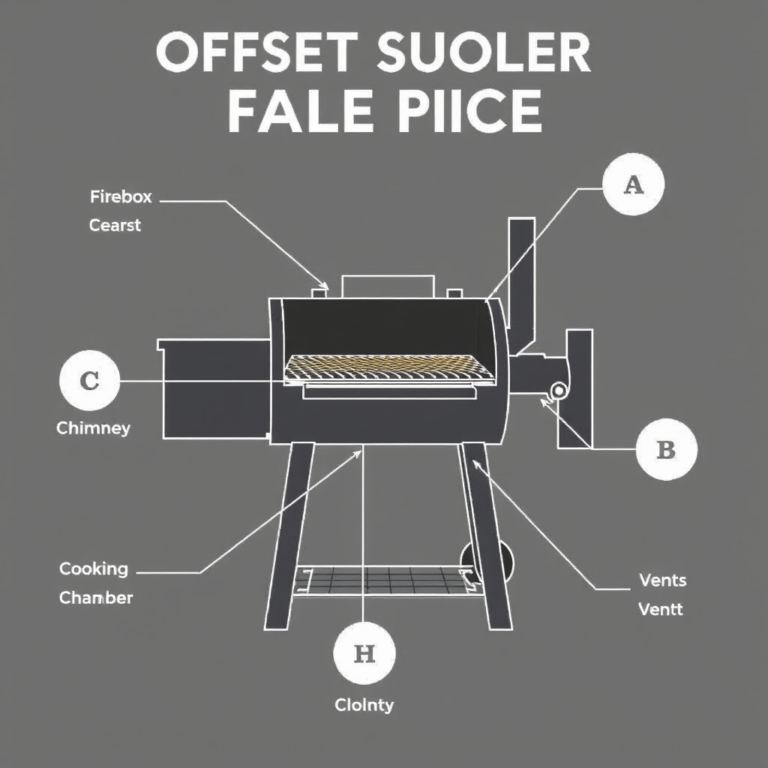
Charcoal smokers burn charcoal and wood chunks or chips, combining radiant heat and smoke for authentic flavor. Offset smokers have a firebox attached to the side that allows indirect heat and smoke to flow under the meat chamber.
These traditional smokers require skillful fire management and airflow control to maintain steady temperatures, but they excel at imparting deep smoky flavors favored by pitmasters.
- Pros: intense smoky flavor, versatile wood choice
- Cons: requires active temperature management
Electric and Pellet Smokers
Electric smokers use an electric heating element to heat wood chips, providing easy temperature control and unattended operation. Pellet smokers feed compressed wood pellets into a controlled fire pot automatically, combining precision and wood-fired flavor.
These smokers are popular for beginners due to their simplicity but may impart a milder smoke flavor compared to charcoal or offset methods.
- Pros: consistent temps, easier to use
- Cons: sometimes less smoky intensity
Choosing the Best Wood for Smoking Meat
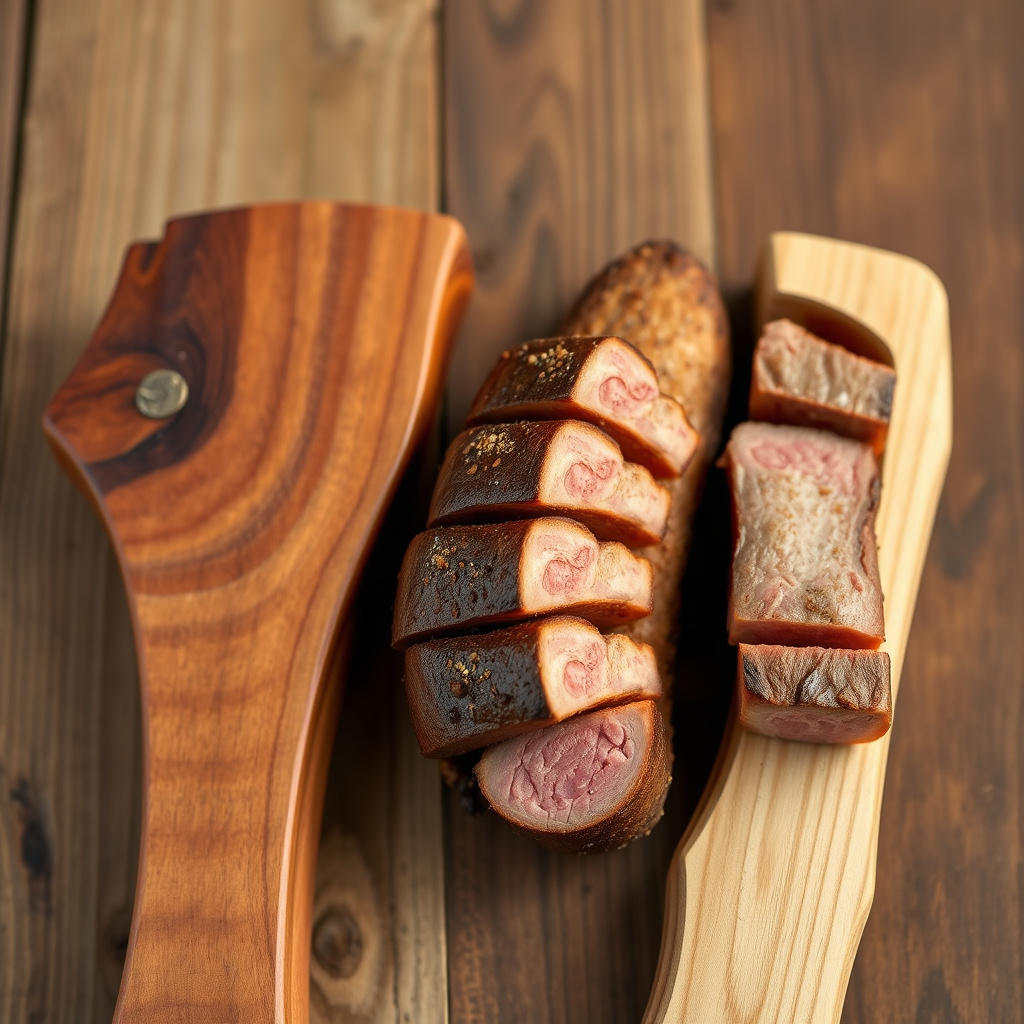
Common Wood Types and Their Flavor Profiles
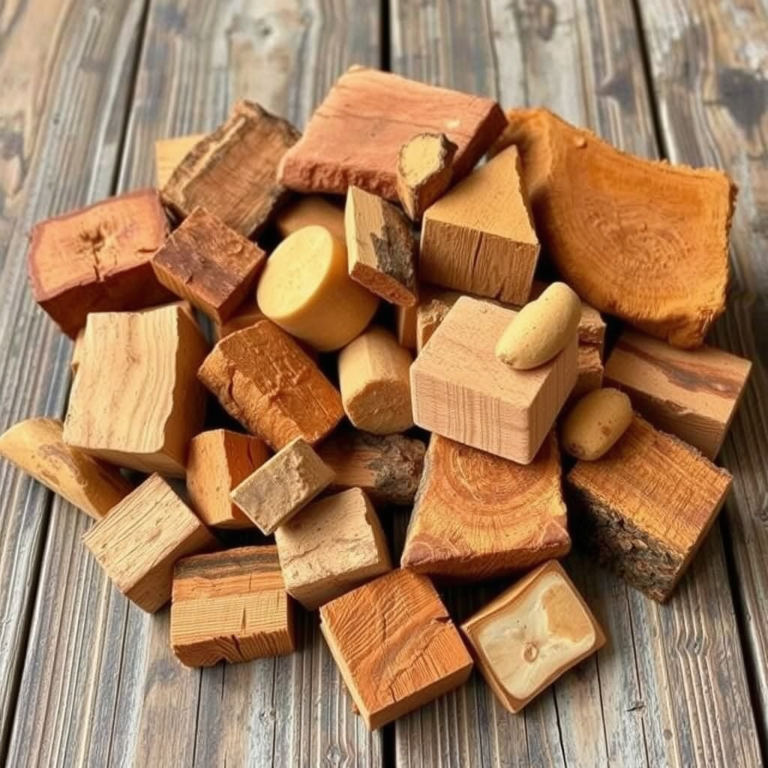
Different woods offer distinct smoke flavors: hickory gives a strong, bacon-like taste ideal for pork; apple and cherry woods provide mild, sweet fruitiness perfect for chicken and fish; mesquite delivers an intense, earthy flavor best for red meats.
Your choice should complement the meat you’re smoking to avoid overpowering its natural flavor. Using combinations of woods can also create layered smoky aromas.
- Hickory: hearty, smoky
- Apple: mild, sweet
- Mesquite: strong, earthy
- Cherry: sweet, subtle
For more on this, see our related guide: How Do Kamado Grills Work? A Complete Guide to Their Unique Cooking Style.
Wood Preparation and Usage Tips
Wood should be well-seasoned and dry to produce clean smoke and avoid bitterness. Avoid resinous woods like pine as they create harsh, toxic smoke.
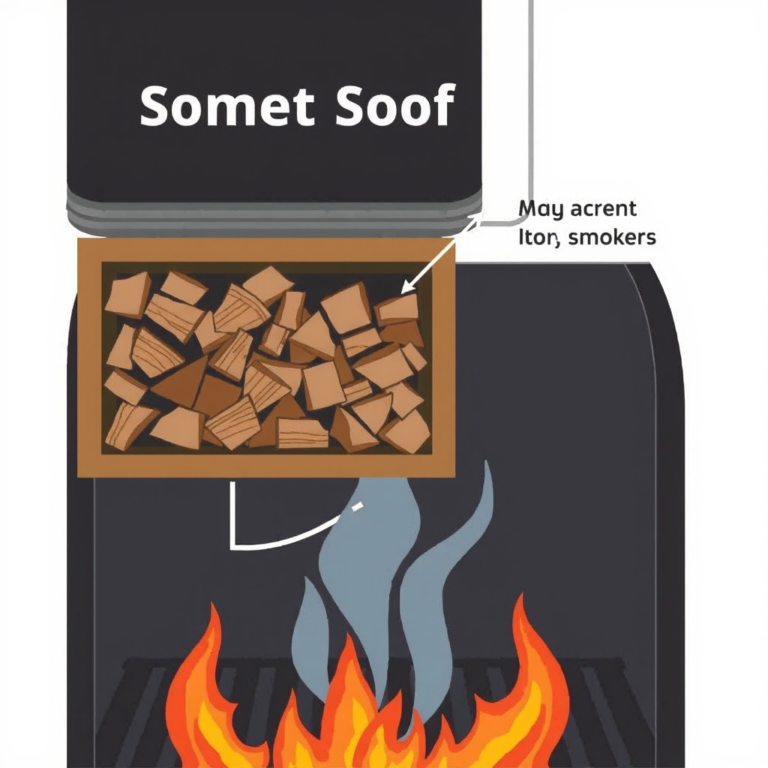
Using chunks or logs prolongs smoke production, while chips burn quickly and are often soaked beforehand. Controlling the amount of wood affects smoke density and flavor intensity.
- Use seasoned hardwoods only
- Soak chips to slow burn
- Don’t over-smoke to prevent bitterness
Preparing Meat for Smoking
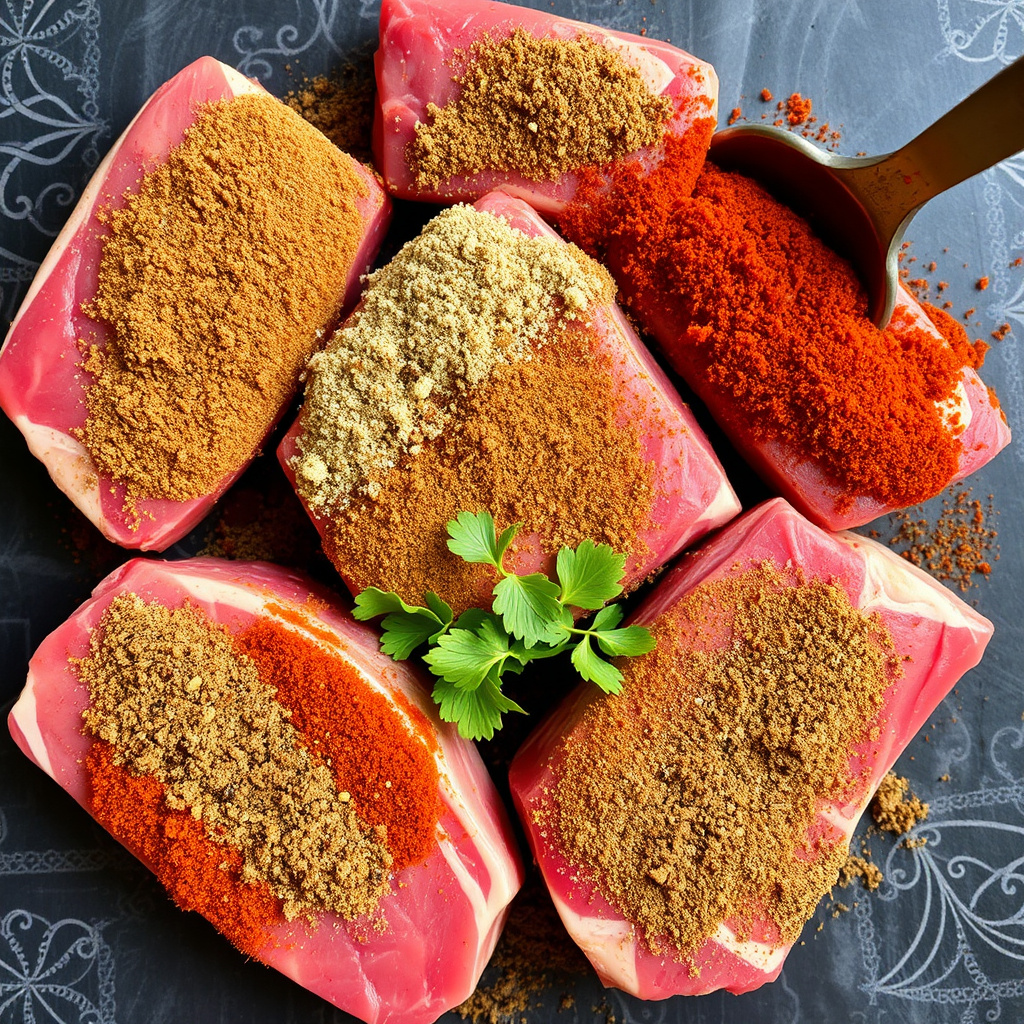
Seasoning and Marinating
Smoked meat benefits greatly from dry rubs or marinades that enhance flavor and moisture retention. Salt in rubs helps break down proteins and improves texture.
Marinades with acidic components like vinegar or citrus can tenderize meat, but excessive acidity may inhibit smoke absorption. Balancing these ingredients optimizes final flavor and tenderness.
- Use salt-based dry rubs
- Acidic marinades sparingly
- Apply seasoning hours before smoking
Resting and Internal Temperature
Allowing meat to rest at room temperature before smoking promotes even cooking. During smoking, monitoring internal temperature is key to avoid drying or undercooking.
Most smoked meats are done when they reach a specific internal point: for example, brisket is tender around 195°F, while poultry should reach 165°F for safety. Using a reliable meat thermometer is essential.
- Rest meat 30 minutes prior
- Target safe internal temps per meat type
- Use probe thermometer for accuracy
Mastering Timing and Smoke Duration
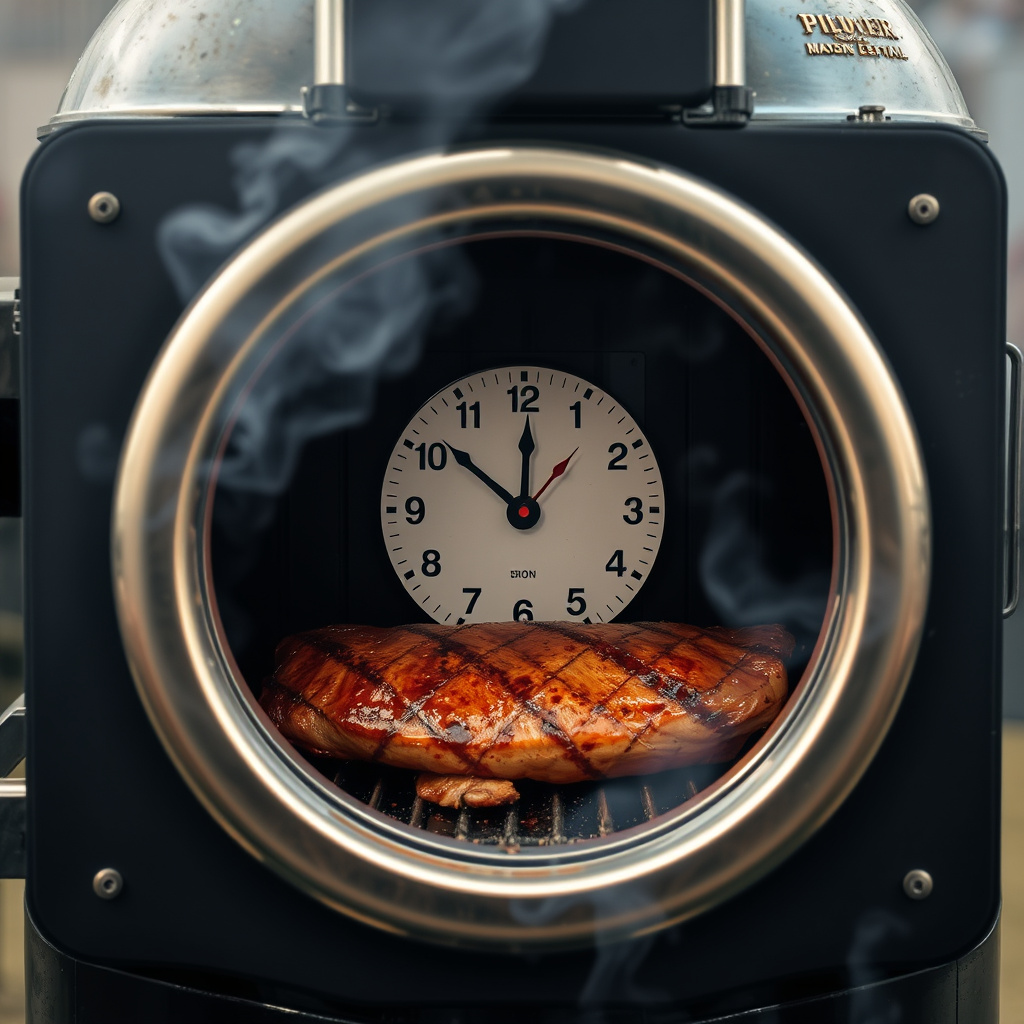
How Cooking Time Affects Meat and Smoke Absorption
Extended smoking allows smoke flavors to build gradually while collagen breaks down into gelatin, tenderizing the meat. Too short a smoke time leads to weak flavor and toughness.
However, excessive smoke can cause bitterness. Optimal smoke duration depends on meat size, type, and smoker temperature, typically ranging from 1.5 hours for fish to 12-16 hours for large briskets.
For more on this, see our related guide: How Do Infrared Grills Work: A Complete Guide to Infrared Grilling Technology.
Resting After Smoking
Resting smoked meat before slicing redistributes juices for moister results. It also lets residual smoke flavors even out inside the meat for balanced taste.
Tent the meat loosely with foil and rest from 20 minutes to 1 hour depending on the cut size. This final step impacts texture and mouthfeel greatly.
- Rest at room temp 20-60 mins
- Loosely cover with foil
- Avoid slicing immediately
Common Pitfalls and Tips for Smoking Meat Success
Avoiding Dry or Bitter Meat
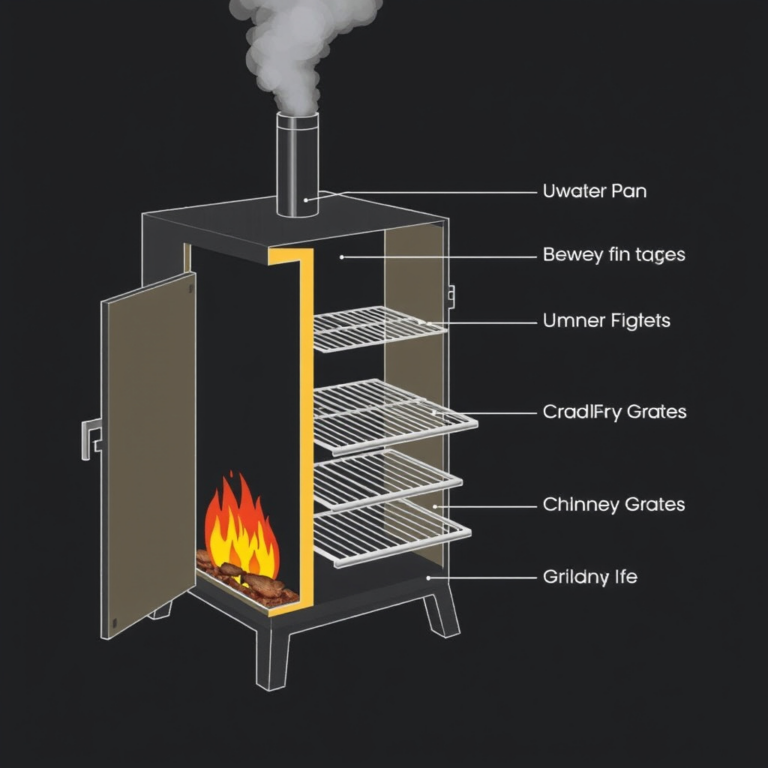
Dry meat usually results from too high temperatures, overcooking, or insufficient moisture. Maintaining steady low heat and using a water pan can keep smoke moist.
Bitter flavors often come from using wet green wood or over-smoking. Always use seasoned hardwood and moderate smoke exposure for a pleasant, balanced flavor.
- Keep smoker below 275°F
- Use water pan for humidity
- Avoid green or resinous wood
For a more technical explanation of smoking meat, you can read about smoking meat techniques on Wikipedia. smoking meat techniques.
Maintaining Consistent Smoke Quality
Controlling airflow is essential to keep smoke thin and blue rather than thick and white, which can coat meat with soot and cause off-flavors.
Use adjustable vents and avoid opening smoker frequently to preserve smoke consistency and temperature.
- Aim for thin, blue smoke
- Adjust vents gradually
- Do not open smoker often
Types of Meat Smoking Methods Comparison
Here’s a quick overview comparing different smoking methods based on flavor, ease of use, and temperature control.
| Method | Flavor Intensity | Temperature Control | Ease of Use | Typical Uses |
|---|---|---|---|---|
| Charcoal Smoking | High | Moderate | Challenging | Brisket, pork shoulder |
| Offset Smoking | Very High | Moderate | Difficult | Large cuts, ribs, whole hog |
| Electric Smoking | Moderate | Easy | Easy | Chicken, fish, beginners |
| Pellet Smoking | Moderate-High | Very Easy | Very Easy | Versatile for most meats |
| Cold Smoking | Low | Requires Focus | Moderate | Fish, cheese, cured meats |
Frequently Asked Questions
What temperature is best for smoking meat?
Most meats smoke best between 225°F and 250°F, balancing slow cooking with flavor infusion for tender, juicy results.
Can you smoke meat indoors?
Smoking meat indoors is generally unsafe due to smoke buildup and fire risk. Specialized indoor electric smokers with ventilation are exceptions.
How long should I smoke a brisket?
A brisket usually smokes for 10 to 16 hours depending on its size and smoker temperature, until internal temperature reaches around 195°F for tenderness.
Does soaked wood produce better smoke?
Soaking wood chips slows burning and smoke production, producing milder smoke. However, some pitmasters prefer dry wood for cleaner smoke.
What’s the difference between hot smoking and cold smoking?
Hot smoking cooks meat at low heat (usually 200-275°F), while cold smoking exposes meat to smoke without cooking, used mainly for flavor and preservation.
Key Takeaways
- Smoking meat involves low heat and flavorful smoke to tenderize and flavor meat
- Wood type and preparation greatly influence taste and smoke quality
- Temperature control and consistent smoke are essential for good results
- Resting meat after smoking enhances juiciness and balances flavors
Conclusion
Understanding how smoking meat works requires both scientific knowledge and practical experience. The key is controlled application of smoke and heat, allowing complex chemical interactions to tenderize meat and develop signature smoky aromas. Managing temperature and smoke density throughout the process is essential for creating tender, juicy meat with rich flavor. Whether using traditional charcoal or a modern pellet smoker, grasping these fundamentals supports repeatable success in smoked dishes.
For those exploring smoking meat, instruments like electric smokers offer beginner-friendly temperature control but may deliver milder flavor, while charcoal and offset smokers demand hands-on fire management but excel at building deep smoky profiles favored in barbecue culture. Choosing wood type tailored to meat varieties also enhances outcome: hickory and mesquite suit robust red meats, whereas fruitwoods like apple are perfect for poultry and fish. Timing must balance tenderness and smoke penetration, usually requiring hours subject to cut size and smoker efficiency.
If you’re ready to start smoking, select a smoker type you can manage, pick hardwood suitable for your preferred meat, and monitor internal temperatures carefully. Begin with smaller cuts to hone your skills before progressing to larger, complex pieces. With practice, patience, and these principles, smoking meat becomes a gratifying cooking method that transforms simple ingredients into savory masterpieces.