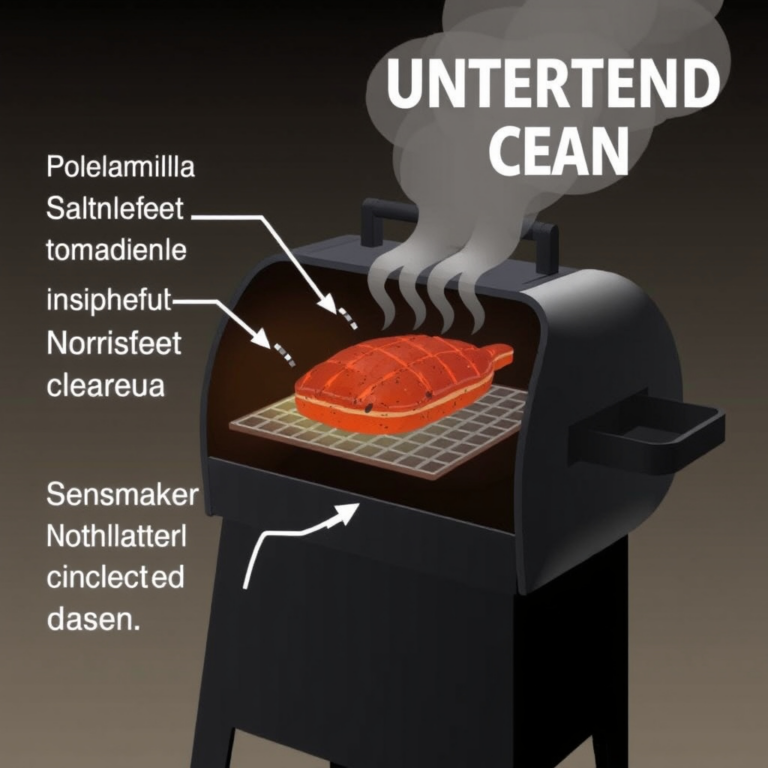
Offset smokers work by using a separate firebox attached to the cooking chamber, where wood or charcoal burns to create smoke and heat. This heat and smoke then flow through the main chamber, cooking and flavoring the meat indirectly at a controlled temperature. The key to how offset smokers work lies in their ability to maintain low, steady heat and smoky air for a long, slow cooking process.
This method of smoking is popular because it allows the cook to control the temperature and smoke levels precisely by adjusting vents and fire intensity. Unlike direct grilling, offset smokers create a gentle, smokey environment that tenderizes tough cuts over several hours, resulting in rich barbecue flavors that are hard to replicate with other equipment.
In this guide, we'll explain the structure of offset smokers, how their airflow system functions, temperature control tips, maintenance advice, and how to get the best results when using them. Whether you’re an enthusiast planning to buy your first smoker or you want to improve your technique, understanding how offset smokers work is essential to making great smoked meats.
Understanding the Structure of Offset Smokers
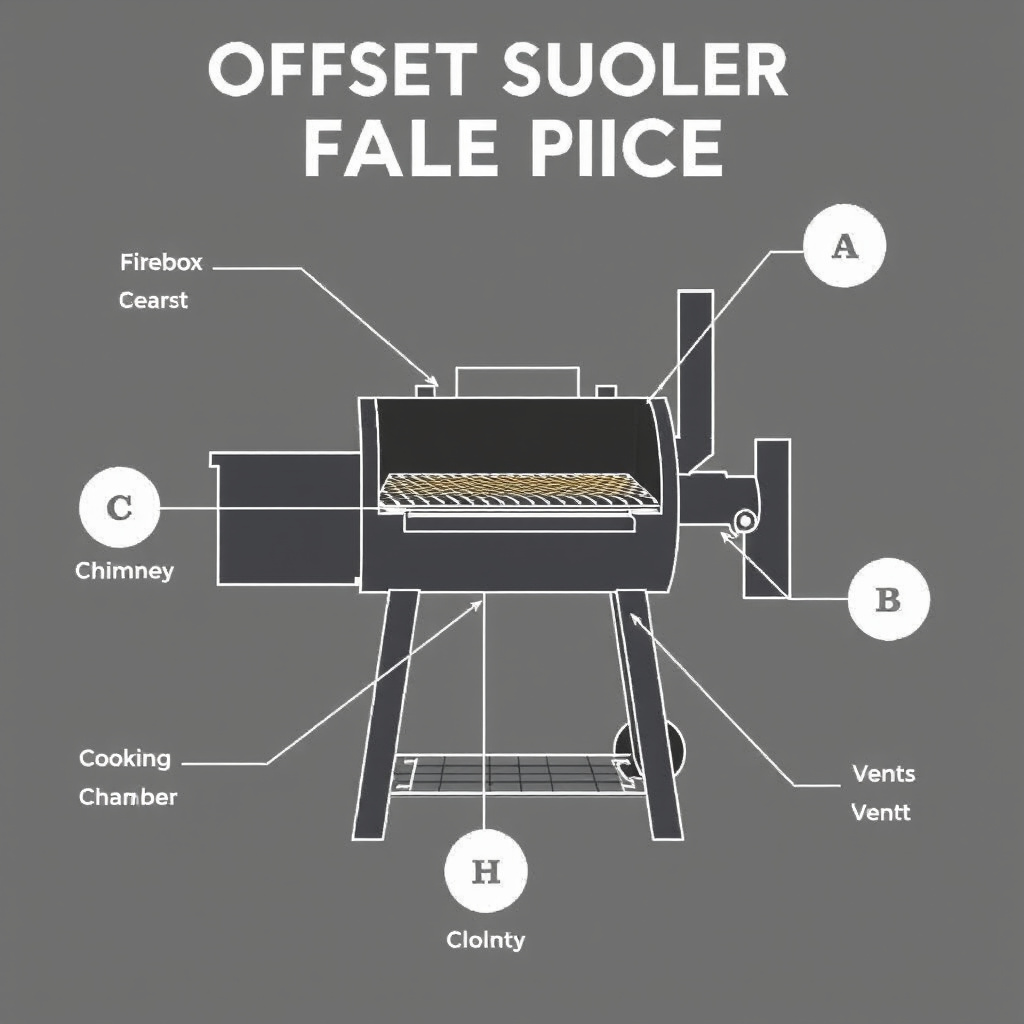
The Firebox and Cooking Chamber
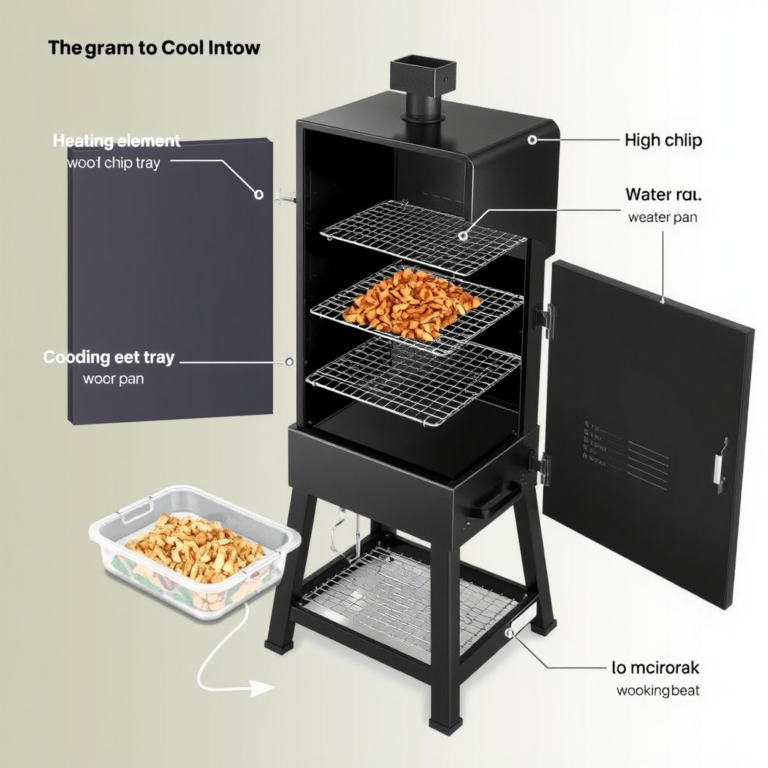
The firebox is where the wood or charcoal is burned to generate heat and smoke. It is attached to one side of the larger cooking chamber, which is where the food is placed. Heat and smoke from the firebox travel into the cooking chamber through an opening, allowing the meat to cook indirectly.
The design keeps the flames and burning materials separate from the meat, preventing it from being burned by direct heat. This setup enables slow cooking at lower temperatures, which is ideal for tough cuts like brisket or pork shoulder.
- Firebox generates heat and smoke
- Cooking chamber holds the meat
- Indirect heat protects food from direct flames
Airflow Control: Vents and Chimney
Offset smokers have adjustable vents on the firebox and a chimney on the cooking chamber’s opposite side. These control how much oxygen reaches the fire and how quickly the smoke exits, which directly affects temperature and smoke density inside the cooking chamber.
By opening or closing the vents, you can increase or decrease airflow. More airflow intensifies the fire, raising temperature, while limiting airflow slows combustion and cools the chamber. The chimney ensures smoke flows through the cooking space, carrying flavor and drawing heat evenly.
- Vents regulate oxygen to the fire
- Chimney directs smoke flow
- Adjustments control temperature and smoke intensity
The Smoking Process and Heat Management
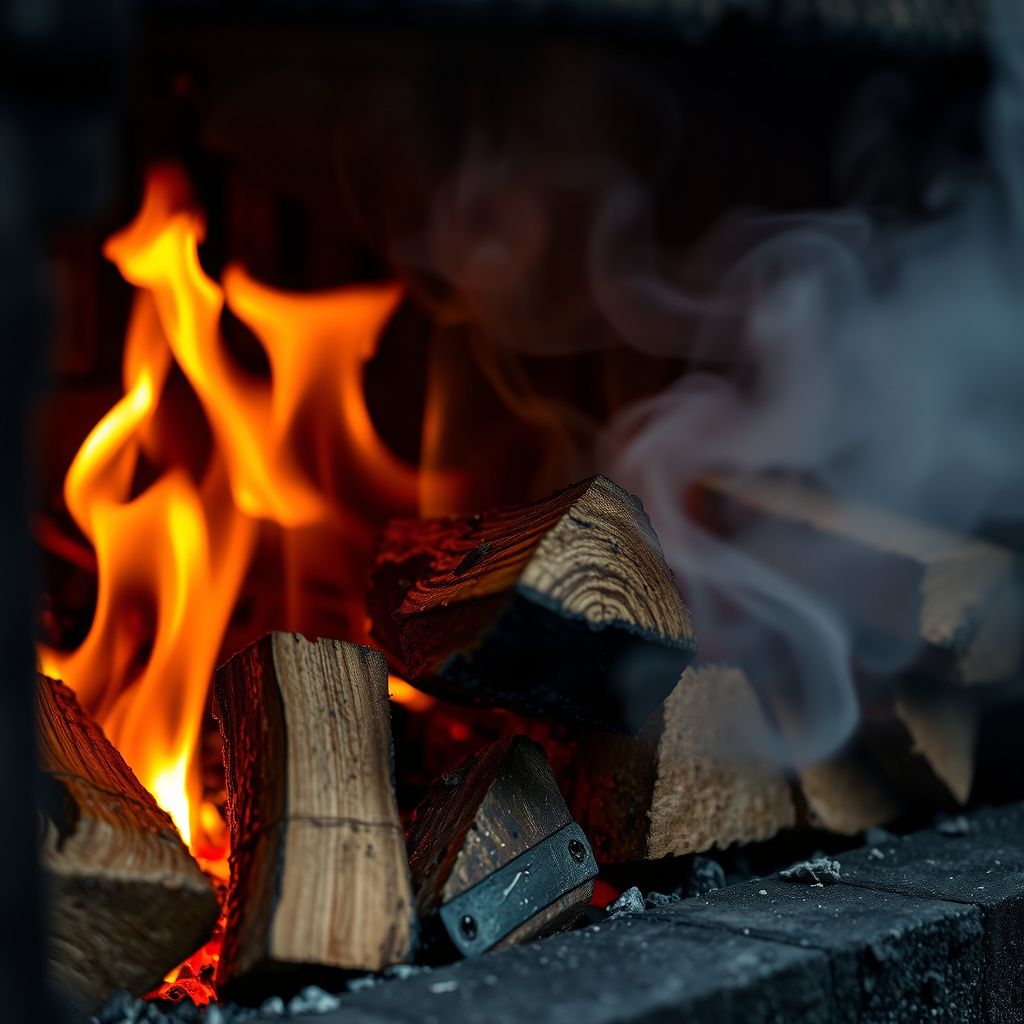
Maintaining Steady Temperature
Offset smokers rely on steady, low temperatures, usually between 225°F and 275°F, for extended periods. Maintaining this requires regular fire management: feeding small amounts of wood or charcoal and adjusting vents to keep the heat consistent.
Temperature gauges help monitor the cooking chamber, but knowing how to read smoke color and fire behavior is equally important. Proper insulation and a tight smoker lid reduce heat loss, making it easier to maintain the target range.
- Ideal smoking temperature is 225°F to 275°F
- Regular small fuel additions maintain heat
- Use vents and chimney to fine-tune airflow
For more on this, see our related guide: How to Smoke Meat on a Charcoal Grill: A Step-by-Step Guide.
Types of Wood and Smoke Flavor
Choosing the right wood is fundamental to the flavor profile. Hardwoods like oak, hickory, or mesquite produce strong smoke flavors, while fruitwoods like apple or cherry offer mild, sweet smoke. Wood chunks or chunks are preferred over chips for longer, more sustained smoke.
Wood moisture content also matters; too wet wood creates thick, bitter smoke, while dry wood burns cleaner. Balancing the wood selection with the meat type helps achieve a harmonious taste.
- Hardwoods for robust flavors
- Fruitwoods for mild, sweet smoke
- Use dry wood chunks for steady smoke production
Practical Tips for Using Offset Smokers
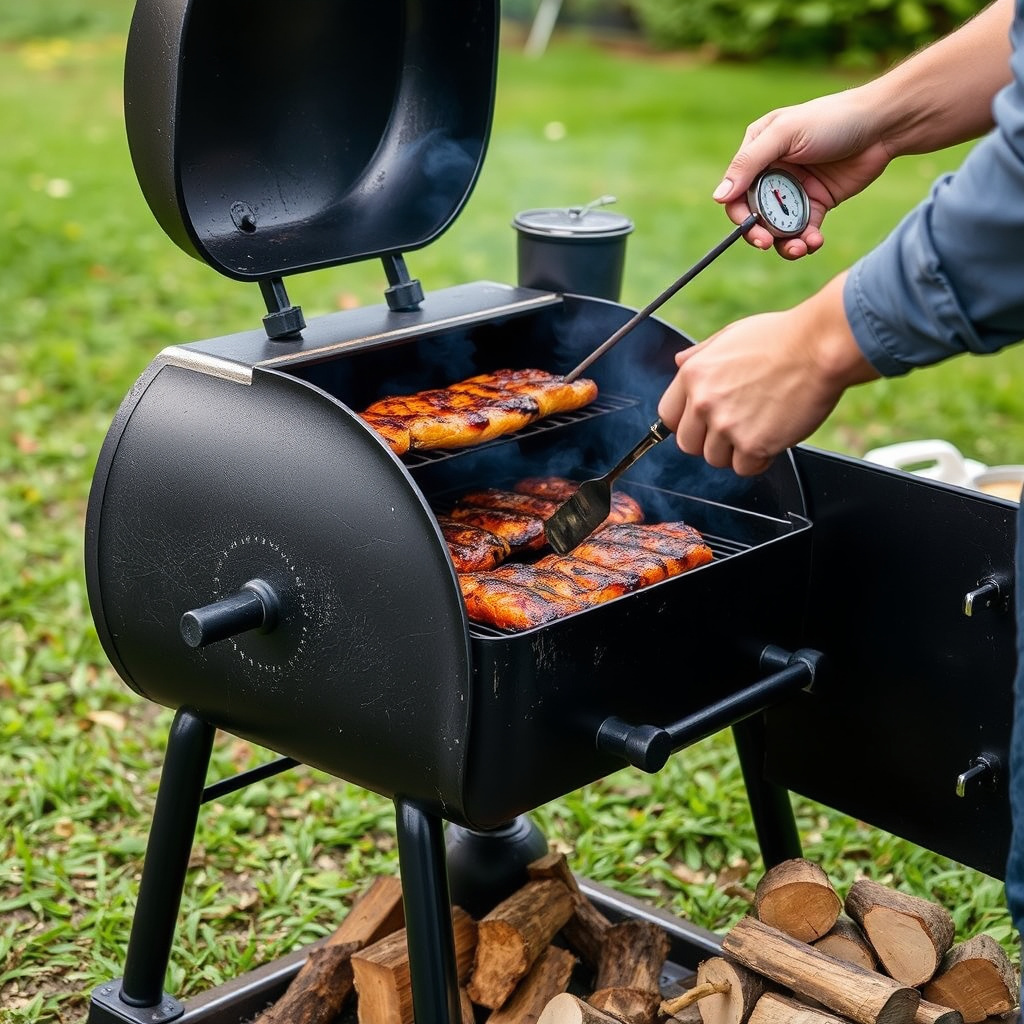
Fuel Management and Fire Starting
Starting a fire in an offset smoker can be done with charcoal as a base and wood chunks added for smoke. Use a chimney starter to light charcoal evenly before placing it in the firebox. Proper fire preparation helps achieve a stable temperature quickly.
Keep extra fuel nearby to add as needed, but avoid adding too much at once to prevent temperature spikes. Patience and incremental feeding create a better smoking environment.
- Use chimney starters for quick, even lighting
- Start with charcoal, add wood for smoke
- Add fuel in small amounts to maintain heat
Cleaning and Maintenance for Efficiency
Regular cleaning of ash and creosote buildup from the firebox and chimney ensures efficient airflow and consistent heat. After each use, remove ashes and check for rust or damage.
Applying high-temperature paint or rust-resistant coatings can prolong smoker life. Keeping the cooking chamber clean prevents off-flavors and maintains sanitary conditions.
- Clean ashes after each use
- Inspect and treat rust spots
- Regularly clean cooking chamber
Common Challenges and Troubleshooting
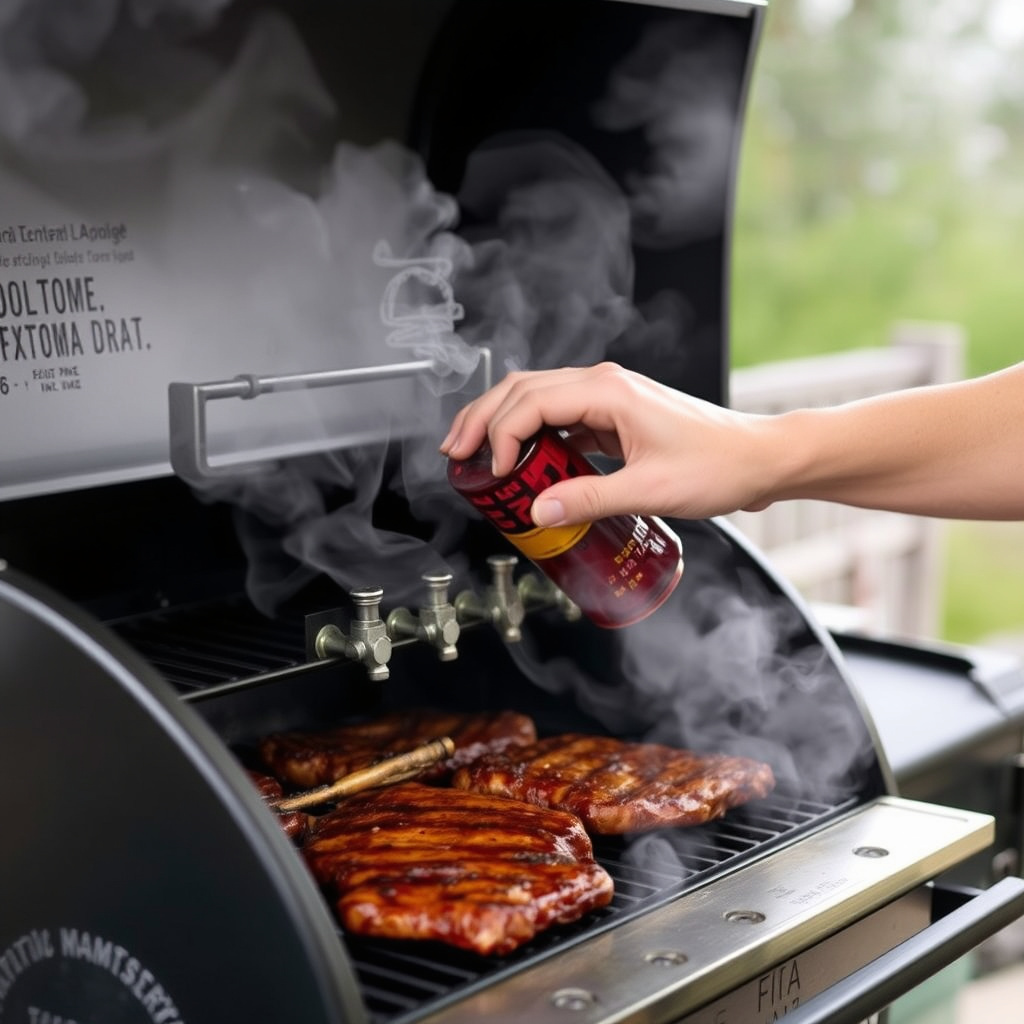
Managing Temperature Fluctuations
Temperature swings are a frequent issue due to wind, weather, or fuel inconsistencies. Closing vents too much may suffocate the fire, while too much airflow tends to make it run hot.
Use a water pan inside the cooking chamber to stabilize temperatures and add moisture. Positioning the smoker sheltered from wind can also reduce fluctuations.
- Adjust vents carefully to balance airflow
- Use water pan to regulate heat and humidity
- Shelter smoker from wind if possible
For more on this, see our related guide: The Difference Between a Pellet Grill and a Smoker: Which One Suits Your BBQ Style?.
Avoiding Bitter or Harsh Smoke Flavor
Bitter smoke usually results from burning wet or softwoods, or from overheating the fire producing creosote. Maintaining a clean-burning, smoldering fire with dry hardwood chunks prevents this.
Keep the firebox temperatures in the recommended range and avoid piling too much fuel at once. Patience and consistent fire management are key to good smoke flavor.
- Use dry hardwood chunks only
- Avoid high flames that produce creosote
- Maintain steady, low fire temperatures
Choosing the Right Offset Smoker
Size and Capacity Considerations
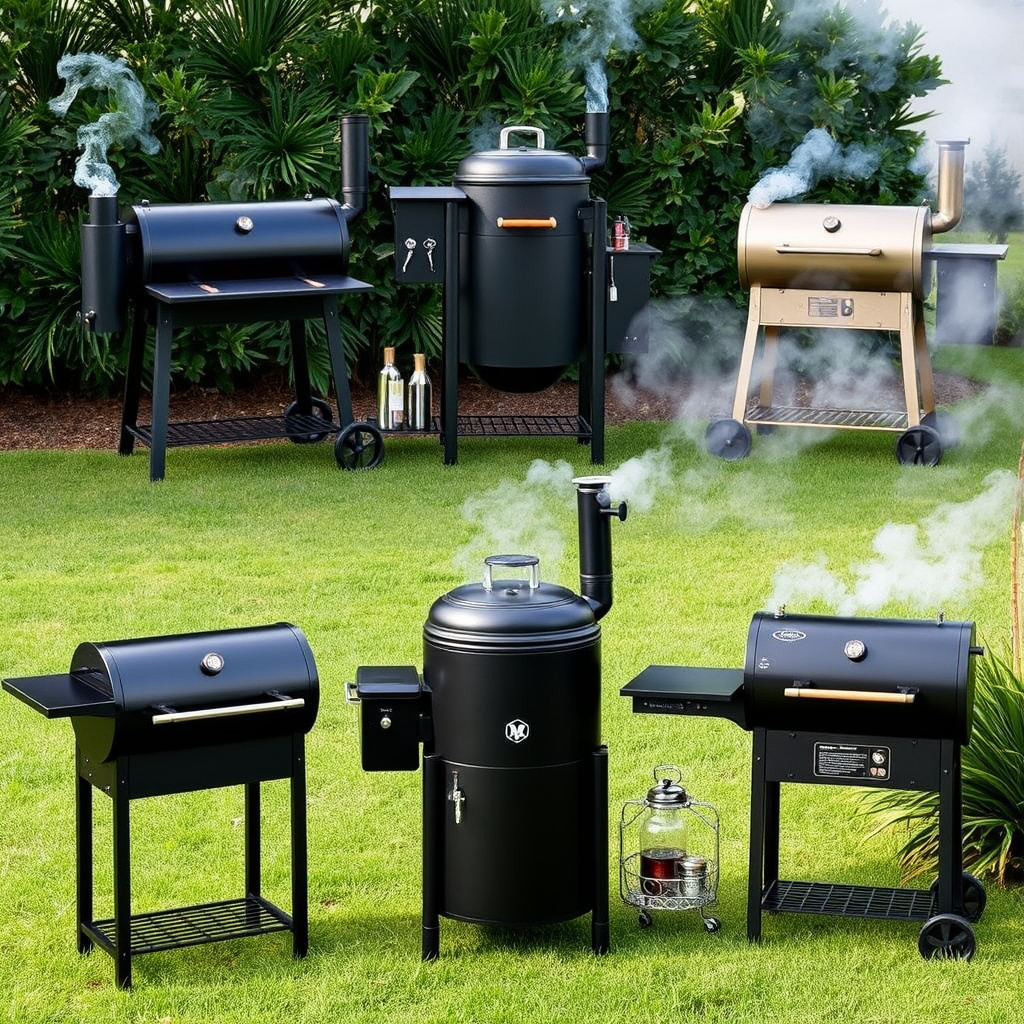
Offset smokers come in various sizes, from small portable models to large backyard rigs. Your choice depends on how much food you want to cook and how often. Larger smokers offer more cooking surface but require more fuel and heat management skill.
For beginners or occasional smokers, a mid-sized model offers a good balance of capacity and ease of use, allowing enough space for several racks of meat without becoming overwhelming.
- Small smokers for portability and quick meals
- Medium smokers for balanced use
- Large smokers for big gatherings and competition
For more historical and technical background on offset smokers, you can visit the Offset smoker article on Wikipedia. Offset smoker article on Wikipedia.
Material and Build Quality
Heavier gauge steel smokers retain heat better and are more durable but are heavier to move around. Thicker steel also reduces hot and cold spots, making cooking more even.
Look for models with sturdy welds, quality hinges, and strong vents. Some smokers come with heat-resistant paint coatings that protect against rust and enhance longevity.
- Heavy steel for heat retention and durability
- Sturdy welds and hinges
- Rust-resistant coatings extend life
Offset Smokers Category Comparison
Here’s a comparison of different offset smoker types to help you choose one that fits your needs based on size, portability, and price.
| Category | Size (Cooking Area) | Weight | Portability | Price Range (USD) |
|---|---|---|---|---|
| Small Portable Offset | 150-250 sq. in. | 30-50 lbs | High | $150-$300 |
| Medium Backyard Offset | 400-600 sq. in. | 70-120 lbs | Medium | $300-$600 |
| Large Competition Offset | 1000+ sq. in. | 150-300 lbs | Low | $800-$2000 |
| Trailer-Mounted Offset | 1500+ sq. in. | 500+ lbs | Very Low | $2000+ |
Frequently Asked Questions
Can I use an offset smoker in cold weather?
Yes, but maintaining a steady temperature is harder in the cold. Wind and low ambient temperatures cause heat loss, so you may need extra fuel and insulation to keep the smoker within the desired range.
How often should I add wood or charcoal when smoking?
Typically, you add small amounts of fuel every 45 minutes to an hour depending on your smoker’s size and the outside temperature. This helps maintain consistent heat and smoke without sudden temperature spikes.
Is an offset smoker suitable for beginners?
Offset smokers have a learning curve because of their manual heat management, but beginners can succeed by starting with smaller models and using basic hardwood charcoal until they get comfortable controlling airflow and temperature.
What is the difference between an offset smoker and a pellet smoker?
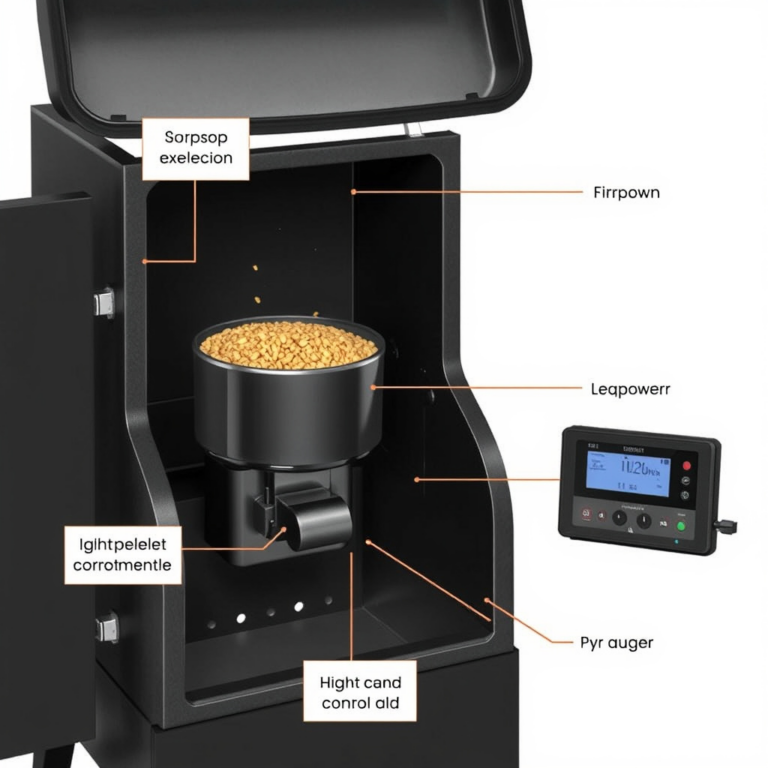
An offset smoker uses wood or charcoal fires managed manually, while a pellet smoker automatically feeds wood pellets into a firepot controlled by a thermostat, making temperature control easier but potentially sacrificing some traditional smoke flavor.
How do I clean an offset smoker after use?
Remove ashes from the firebox, scrub grease and residue from cooking grates, and clean the inside cooking chamber with warm soapy water. Regular cleaning prevents rust, buildup, and improves flavor in future smoking sessions.
Key Takeaways
- Offset smokers use a separate firebox to create indirect heat and smoke.
- Controlling airflow with vents and chimney adjusts temperature and smoke levels.
- Maintaining steady low heat is essential for perfect smoked meats.
- Choose wood type and moisture carefully to balance smoke flavor.
Conclusion
Understanding how offset smokers work involves grasping their fundamental design where the firebox generates smoke and heat, which then flows into a separate cooking chamber. Their indirect heat method requires managing airflow through adjustable vents and the chimney to maintain a steady temperature for slow cooking. This precise temperature and smoke control creates tender, flavorful meats that attract barbecue enthusiasts worldwide. Successful smoking depends on patience, consistent fuel feeding, and fire management knowledge combined with proper smoker maintenance.
For those wanting to get started or advance their skills, smaller or medium-sized offset smokers are practical choices offering adequate cooking space without demanding excessive fuel or handling complexity. Selecting hardwoods like oak or hickory and ensuring wood chunks are dry will help in achieving desirable smoke flavor while avoiding the bitterness that comes from poor fire management. Meanwhile, larger or competition-size models suit experienced users planning for big group gatherings, requiring more attention and resources but delivering superior cooking capacity.
Your next step should be choosing an offset smoker that fits your cooking volume and lifestyle, practicing basic fire management, and experimenting with different woods and recipes. This hands-on approach will build the confidence and skill to master this traditional barbecue tool. For detailed historical and technical background on smoking methods and equipment, resources such as barbecue history and science provide further reading.