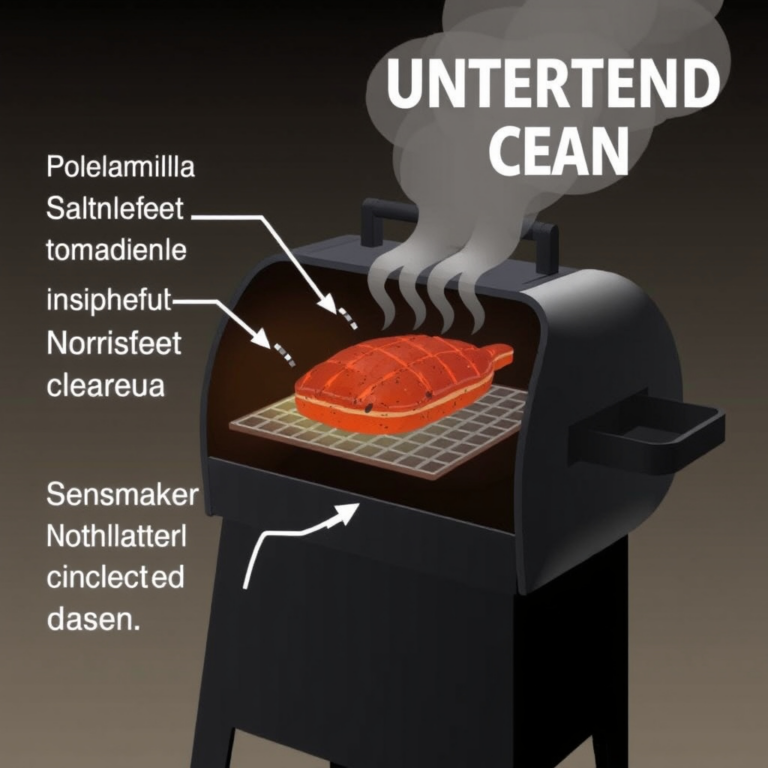
Electric smokers work by using an electric heating element to generate consistent heat, which then burns wood chips or pellets to produce smoke that flavors the food inside. Unlike traditional smokers that require managing charcoal or wood fire, electric smokers offer controlled temperature settings with minimal supervision, making smoking accessible and convenient.
This method matters because it simplifies the smoking process, allowing users to achieve that classic smoky flavor without the fuss of tending a fire. Maintaining steady heat throughout cooking ensures food is cooked evenly and that the smoke infuses properly, resulting in tender, tasty meats or vegetables.
In this article, we will explain the major components of electric smokers and detail how each contributes to creating smoked dishes. We will explore different types of electric smokers, their heating mechanisms, wood chip usage, temperature controls, and offers tips on selecting the best electric smoker for beginners and seasoned BBQ fans alike.
Understanding the Core Components of Electric Smokers
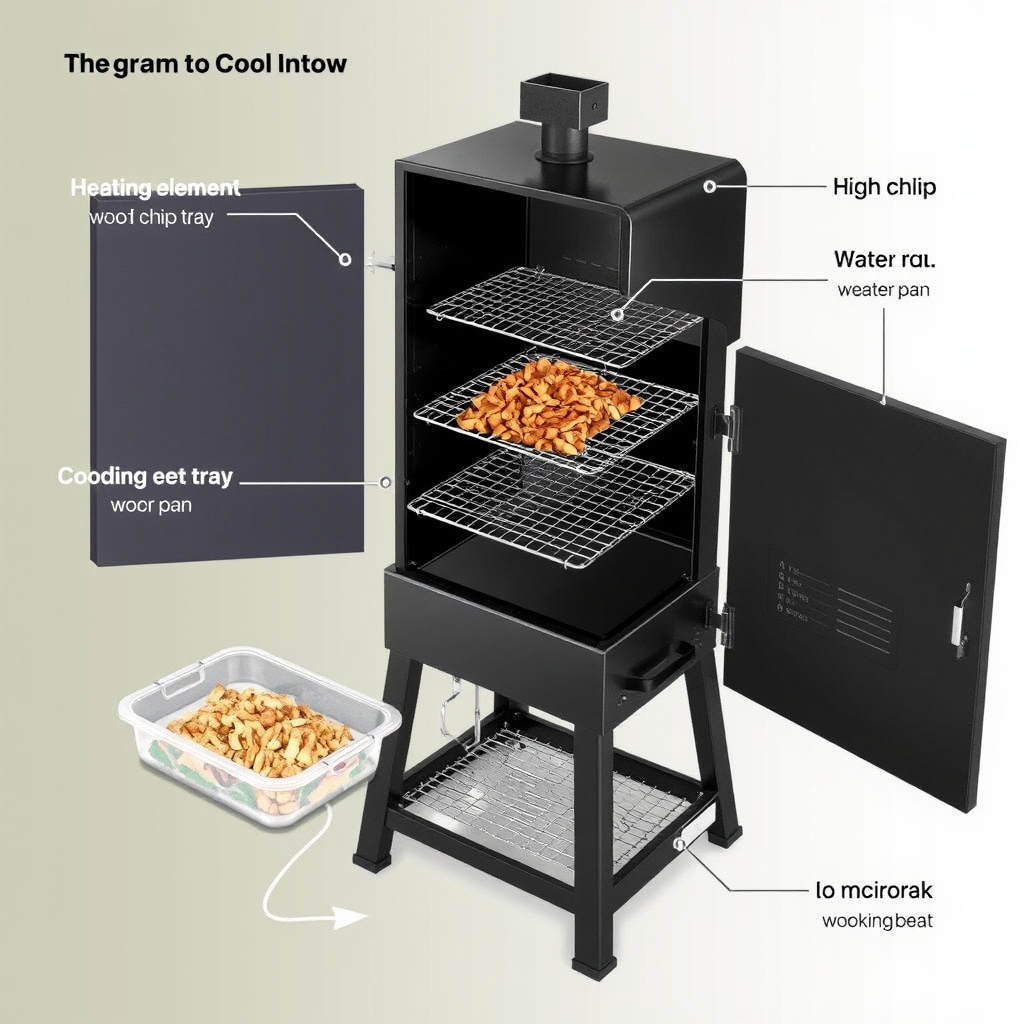
The Electric Heating Element and Heat Generation
The heating element in an electric smoker is similar to those found in electric ovens. It converts electricity into heat by resistance, providing a steady and controllable source of warmth. This stable heat is crucial for producing smoke steadily over long cooking periods without temperature spikes or drops.
Most electric smokers allow users to adjust the temperature usually between 100°F and 275°F, offering precise control that is difficult to achieve with charcoal or wood smokers. This consistent heat ensures wood chips smolder rather than burn, producing a clean smoke ideal for flavoring food.
Wood Chip or Pellet Tray for Smoke Generation
Electric smokers include a dedicated tray or box where small wood chips or pellets are placed. When heated by the electric element, these wood pieces begin to smolder slowly and release smoke that permeates the cooking chamber.
Users can choose different wood types—like hickory, mesquite, or applewood—to influence the flavor profile of their smoked foods. Since the heat is consistent, wood chips don’t ignite but burn gently, creating a smoke that’s steady and less harsh.
Temperature Control and Its Role in Smoking
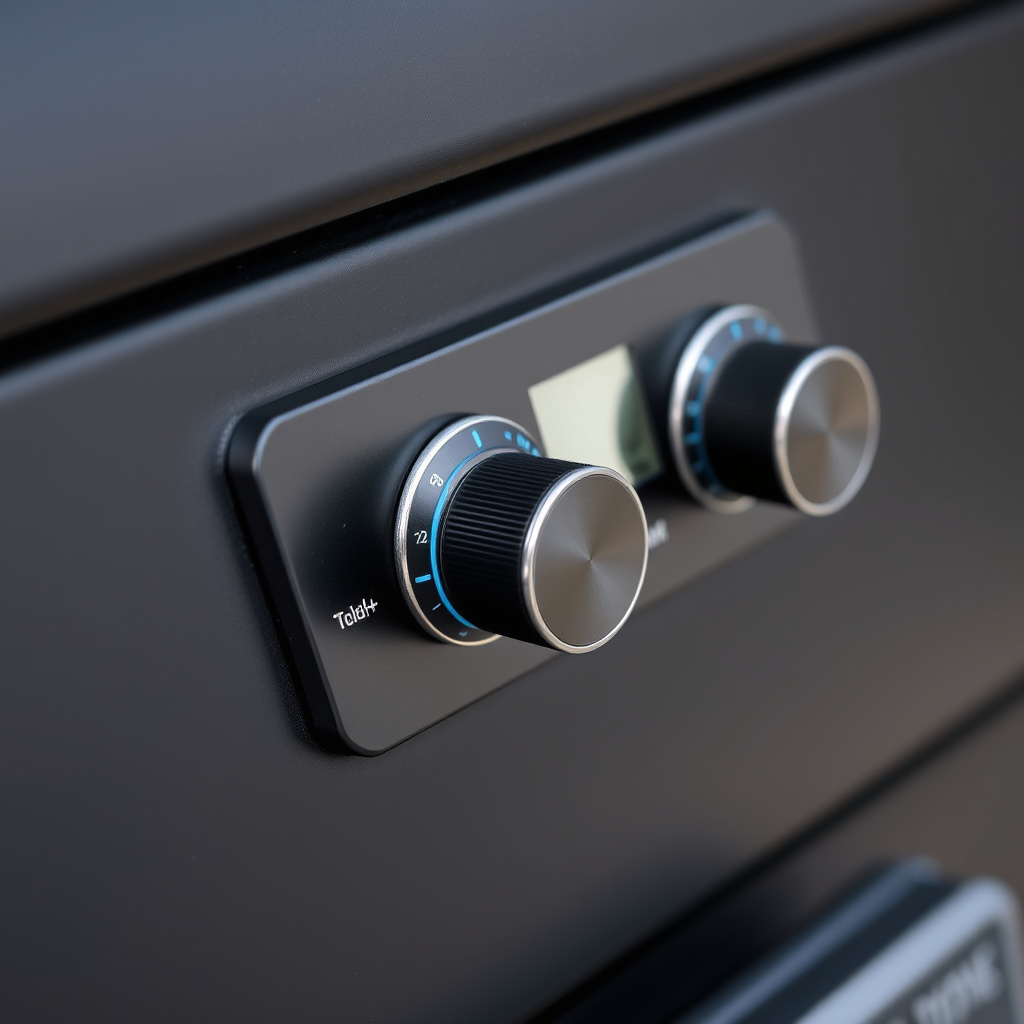
Mechanical vs Digital Temperature Controls
Early electric smokers mostly used mechanical knobs to set temperatures, which required manual adjustments and could have temperature fluctuations. Modern models increasingly feature digital controllers that provide precise temperature regulation with programmable settings.
Digital controls often include built-in thermometers and timers, allowing for hands-off cooking with less risk of overheating or under-smoking. This technological advance makes smoking more consistent and accessible, particularly for beginners.
- Mechanical controls: simple, less expensive
- Digital controls: precise, programmable, user-friendly
The Importance of Consistent Low Heat
Smoking requires steady low heat to slowly cook food and melt connective tissues, achieving tenderness while allowing smoke to penetrate. Electric smokers maintain temperatures typically between 200°F and 250°F for hours without dramatic shifts.
This controlled environment is key to producing reliably good results. A sudden spike or drop in temperature can dry out food or create an unpleasant burnt flavor, which electric smokers help avoid through their heating method and insulation.
Water Pan and Moisture Control During Smoking
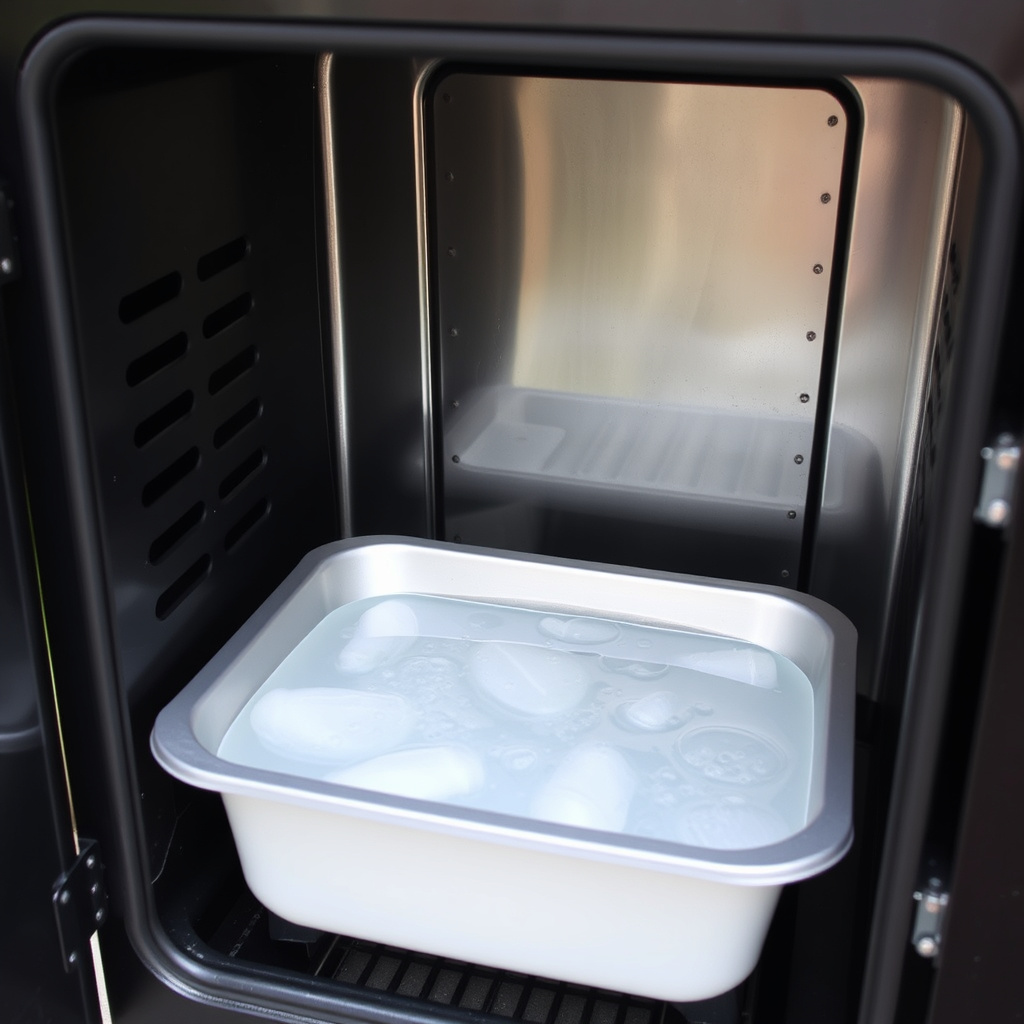
How Water Pans Prevent Drying Out
Many electric smokers include a water pan positioned below the cooking racks. Adding water creates a humid environment inside the chamber, preventing food from drying out during the long cooking process.
The slow evaporation of water helps regulate temperature by absorbing some heat and releasing moisture, which contributes to tender, juicy smoked meat with a moist surface rather than a dry crust.
For more on this, see our related guide: How Do Infrared Grills Work: A Complete Guide to Infrared Grilling Technology.
Alternatives to Water Pans and Their Effects
Some users prefer to experiment by adding other liquids like apple juice or beer to the pan for added flavor vapor. Others may omit the water pan for a drier, more bark-heavy finish on meats.
While using a water pan adds moisture and moderates temperature swings, it also raises cooking times slightly since heat is partially absorbed by the water. Choosing to use or skip the water pan depends on personal taste and recipe requirements.
Wood Types and Flavor Profiles in Electric Smokers
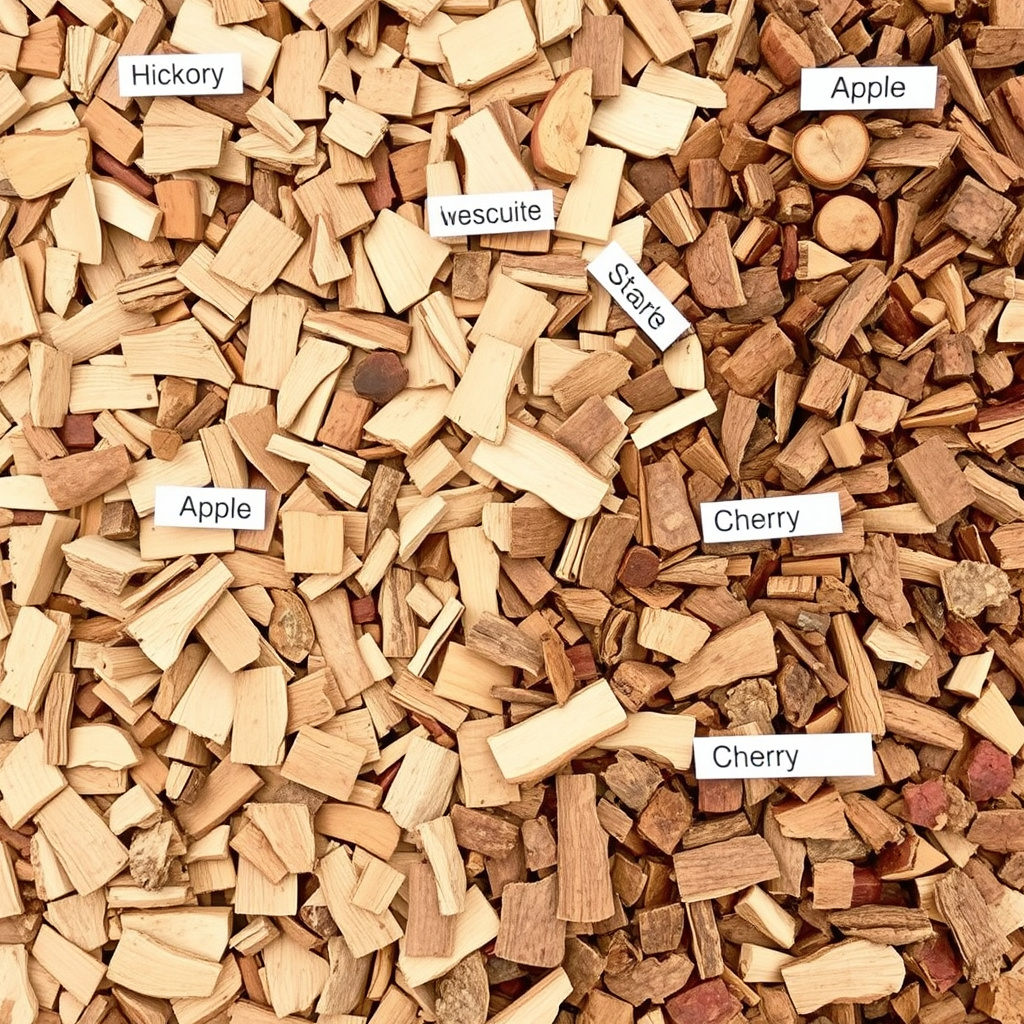
Popular Wood Types for Smoking
Different wood varieties impart distinct flavors to smoked foods. Hickory offers a strong, bacon-like smoke, ideal for pork and ribs. Applewood gives a sweet, mild aroma perfect for poultry and fish. Mesquite provides a bold, earthy taste favored for beef.
Knowing which wood to use lets you tailor the flavor of your meals. Electric smokers accommodate any wood chip type, provided they’re dry and cut small enough to smolder efficiently in the chip tray.
- Hickory: strong, savory
- Applewood: sweet, mild
- Mesquite: bold, earthy
- Cherry: fruity, subtle
Mixing Wood Chips for Complex Flavors
For more nuanced smoke flavor, some pitmasters blend different wood chip types, such as combining fruitwoods with hickory. This blending balances intensity and introduces layers of aroma and taste to the finished product.
When using mixed wood chips in electric smokers, it’s important to replenish them consistently to maintain smoke production and avoid sudden changes in flavor intensity during long cooks.
Types of Electric Smokers Available
Vertical Cabinet Smokers
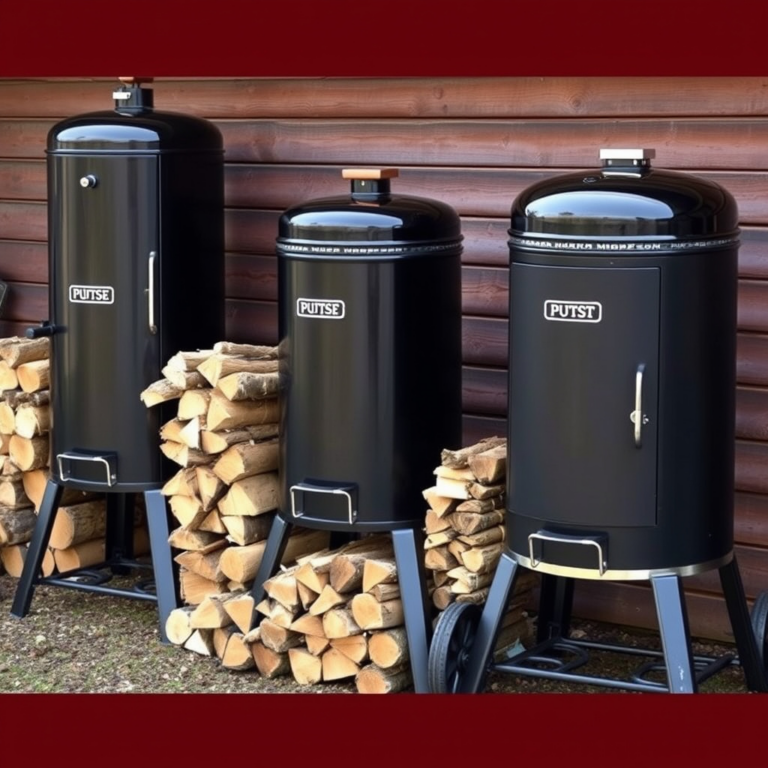
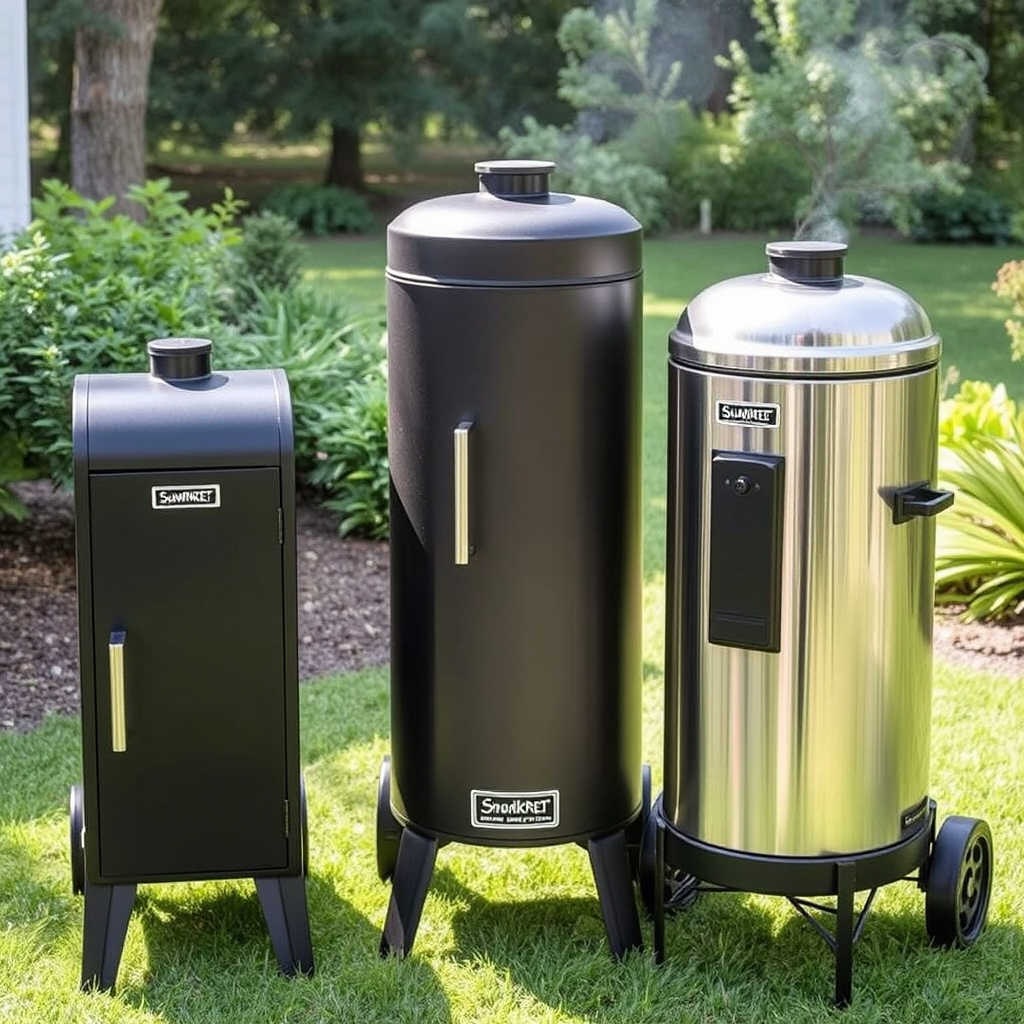
Vertical cabinet electric smokers have racks stacked inside a tall enclosed chamber, allowing you to cook multiple layers of food simultaneously. They usually come with a built-in heating element and wood chip box at the bottom.
These smokers are popular for large batches due to spacious interiors and more efficient heat circulation, making them suitable for gatherings or regular smokers who cook large volumes.
For more on this, see our related guide: How Do Pellet Grills Work? A Clear Guide for BBQ Enthusiasts.
Bullet and Portable Electric Smokers
Bullet-style smokers are more compact and shaped like a cylinder, often preferred for smaller spaces or quick cook sessions. They heat up faster and consume fewer wood chips but have less cooking capacity.
Portable electric smokers are designed for easy transport and outdoor use. They prioritize convenience and lightweight design, ideal for picnics or camping, though their smaller size limits the quantity of food smoked at once.
Selecting the Best Electric Smoker for Beginners
Features to Prioritize for New Users
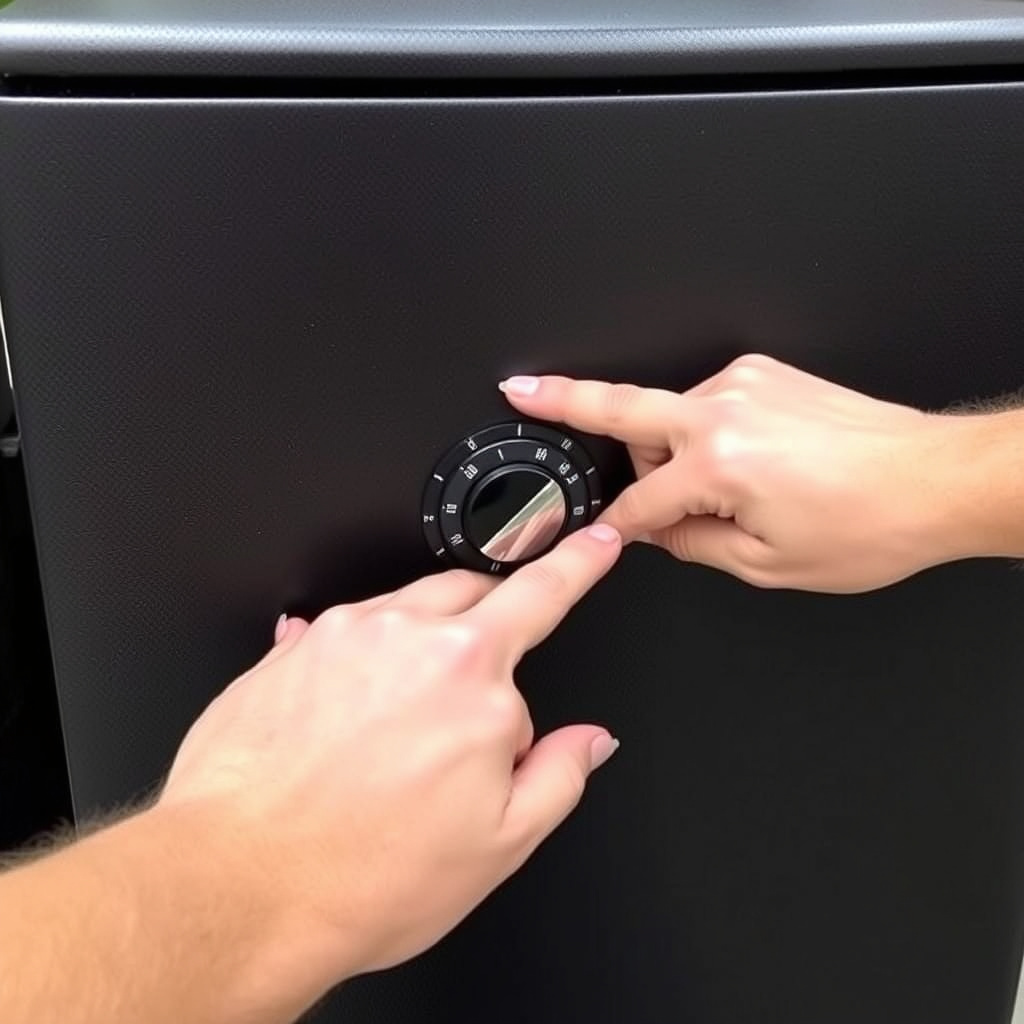
Beginners should focus on smokers with straightforward controls—digital temperature settings, clear displays, and easy-to-access wood chip trays—to simplify the smoking process. A reliable temperature range and good insulation also help maintain consistent heat.
Look for warranty support and user manuals that explain basic maintenance and cooking tips. Features like removable water pans and accessible cleaning ports make upkeep easier, which boosts the initial user experience.
- Digital controls for ease of use
- Clear temperature range up to 275°F
- Easy-to-clean design
- Good warranty coverage
For a more detailed history and technical overview, you can visit the Electric smoker information on Wikipedia. Electric smoker information on Wikipedia.
Recommended Models for Starters
Some well-regarded models for beginners include the Masterbuilt Digital Electric Smoker, known for its digital controls and spacious design, and the Char-Broil Deluxe Electric Smoker, which offers simple operation and solid construction.
These provide a good balance of price, performance, and user-friendly features perfect for those new to smoking who want reliable results without complexity.
Electric Smoker Types Comparison
Here’s a comparison of common electric smoker types highlighting their main features, cooking capacity, and best use cases to help you decide.
| Type | Cooking Capacity | Portability | Temperature Control | Best For |
|---|---|---|---|---|
| Vertical Cabinet | Large (up to 4 racks) | Low | Digital or Mechanical | Large batches, home use |
| Bullet Smoker | Small to Medium (1-2 racks) | Medium | Mostly Digital | Small groups, quick smoking |
| Portable Smoker | Small (single rack) | High | Basic Digital or Mechanical | Camping, tailgating |
| Combination Models | Varies | Varies | Advanced Digital | Experienced hobbyists |
Frequently Asked Questions
Can electric smokers be used indoors?
Electric smokers are generally designed for outdoor use because they produce smoke and require ventilation. Using them indoors can be a fire hazard and lead to smoke buildup, so they should only be operated in open or well-ventilated areas.
How often should I add wood chips during smoking?
Most electric smokers require adding wood chips every 45 minutes to an hour. The chip tray is usually easy to access, allowing you to replenish chips without disrupting the cooking temperature significantly.
Do electric smokers use a lot of electricity?
Electric smokers are fairly energy efficient, typically using between 800 and 1500 watts depending on the model and temperature setting. Compared to running an oven for several hours, their power consumption is moderate.
Can I smoke different types of food together?
Yes, electric smokers allow you to cook multiple types of food at once using separate racks. However, be mindful of cooking times and flavors, as some foods like fish have strong odors that might affect milder items.
Are electric smokers easy to clean?
Most modern electric smokers have removable trays, racks, and water pans designed for easy cleaning. Regular removal of ash and grease is recommended to maintain performance and flavor quality.
Key Takeaways
- Electric smokers use a heating element and wood chips to produce steady smoke and flavor food.
- Precise temperature control and water pans help maintain moisture and consistent cooking.
- Various wood chip types influence the final flavor profile of smoked dishes.
- Beginners benefit most from user-friendly digital controls and easy maintenance features.
Conclusion
Making a decision about which electric smoker to buy depends largely on your cooking needs, experience level, and how much food you plan to smoke regularly. Understanding how electric smokers work—the electric heating element, wood chip usage, and temperature control—can help you choose a model that meets your requirements while simplifying the smoking process. Because these devices provide controlled, steady heat and smoke, they help avoid the challenges related to traditional smokers such as flare-ups or inconsistent flavor.
If you are new to smoking, look for a model with digital temperature settings and a water pan for moisture control, such as the Masterbuilt Digital Electric Smoker, which offers a good balance of user-friendliness and capacity. For those who want portability or quicker cooks, bullet or portable electric smokers are solid options. Selecting the right wood chip type for your preferred flavor profile further personalizes your smoking results, making every cook session enjoyable and rewarding.
To get started, decide on the size and features you need, focusing on ease of use to build confidence in your smoking technique. Experiment with different woods and recipes to find your favorite style. Over time, your electric smoker will become a versatile backyard tool delivering delicious smoked meals with predictable results and minimal fuss.