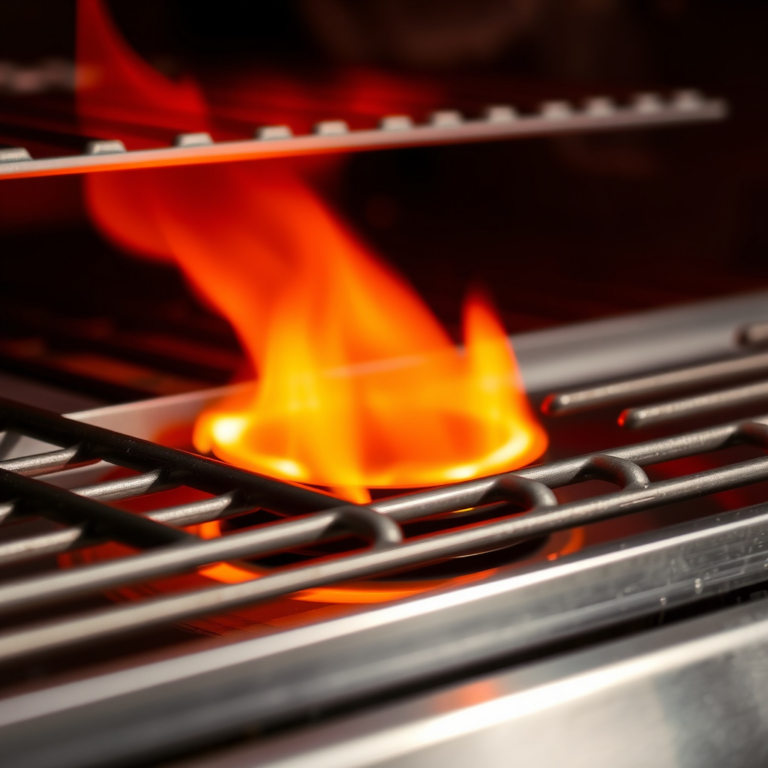
To light a propane grill, first make sure the grill lid is open to avoid gas buildup. Open the propane tank valve, turn on the burner control knob to the high setting, then use the grill's ignition button or a long lighter to ignite the burner. If your grill doesn’t have an ignition system, use a long match or lighter carefully after turning on the gas.
Knowing how to light a propane grill properly is essential for safety and effective grilling. Igniting the grill correctly prevents dangerous gas accumulation and ensures even heating for cooking your food well. Whether you’re a beginner or have used grills before, understanding this process helps you avoid flare-ups or failed ignition attempts.
This article will guide you through the step-by-step process of lighting a propane grill, including safety precautions, troubleshooting common ignition issues, maintenance tips for your grill’s ignition system, and how these practices contribute to better grilling performance.
Preparing Your Propane Grill for Lighting
Checking the Propane Tank and Hoses
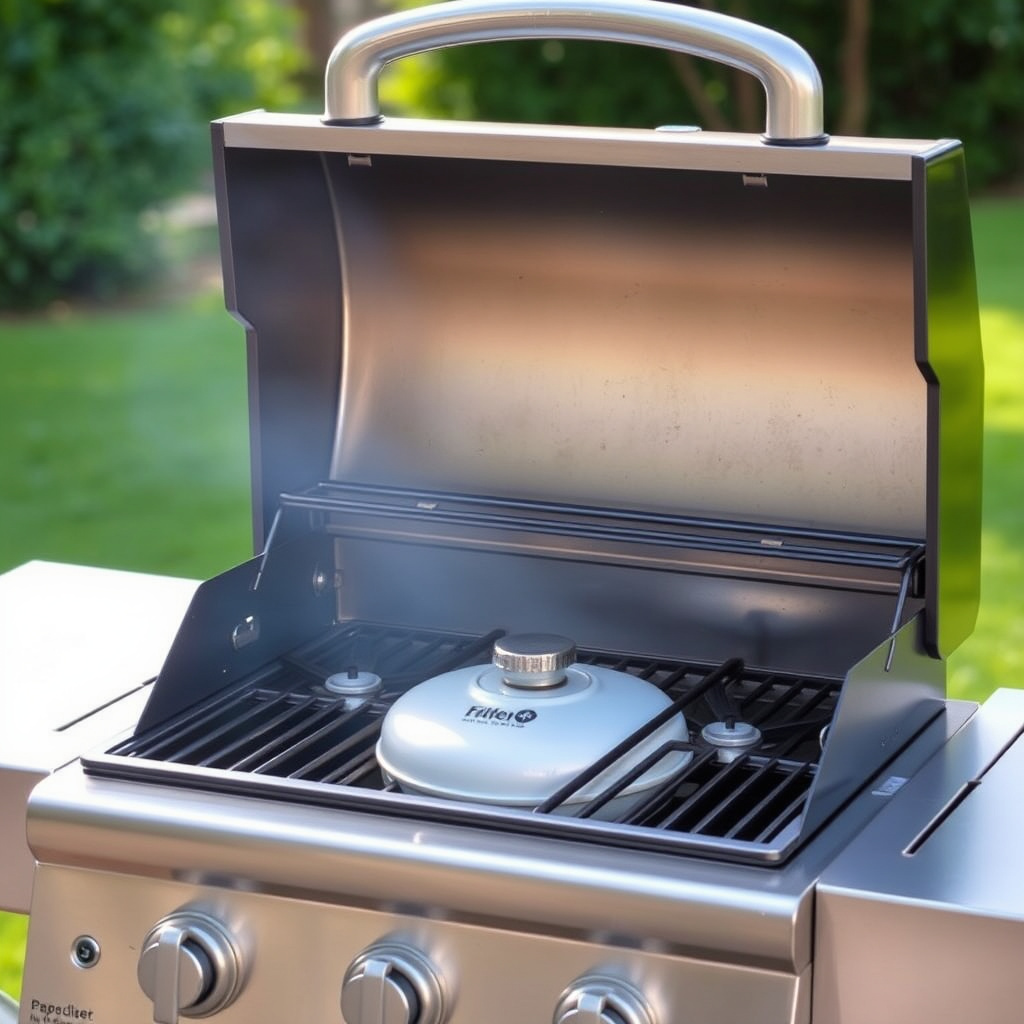
Before lighting your grill, inspect the propane tank and hoses for any visible damage or leaks. Ensure the tank is sufficiently filled and securely connected to the grill’s regulator. A quick leak test involves applying soapy water to the connection points—bubbles indicate a leak that must be fixed before proceeding.
Regular inspection helps prevent unsafe situations caused by gas leaks. A damaged hose or ill-fitting connection can lead to unintentional gas escape, posing fire or explosion hazards. Always close the propane valve if you detect any problems and replace faulty parts promptly.
- Check hose for cracks or wear
- Apply soapy water to connection points
- Look for bubbles indicating leaks
Cleaning the Grill Before Ignition
Cleaning accumulated grease or debris from burners and grilling surfaces is crucial before lighting. Grease buildup can cause flare-ups once the grill is on. Use a grill brush to scrape off residue and wipe down surfaces with a damp cloth to maintain optimal grill performance.
A clean grill not only improves ignition success but also extends the lifespan of the equipment. Dirt and blockages in burner ports may disrupt gas flow, making it harder to light and maintain the flame.
- Brush burners to remove debris
- Wipe grill surfaces with a cloth
- Clear blocked burner ports
Step-by-Step Propane Grill Lighting Process
Igniting with an Automatic Ignition System
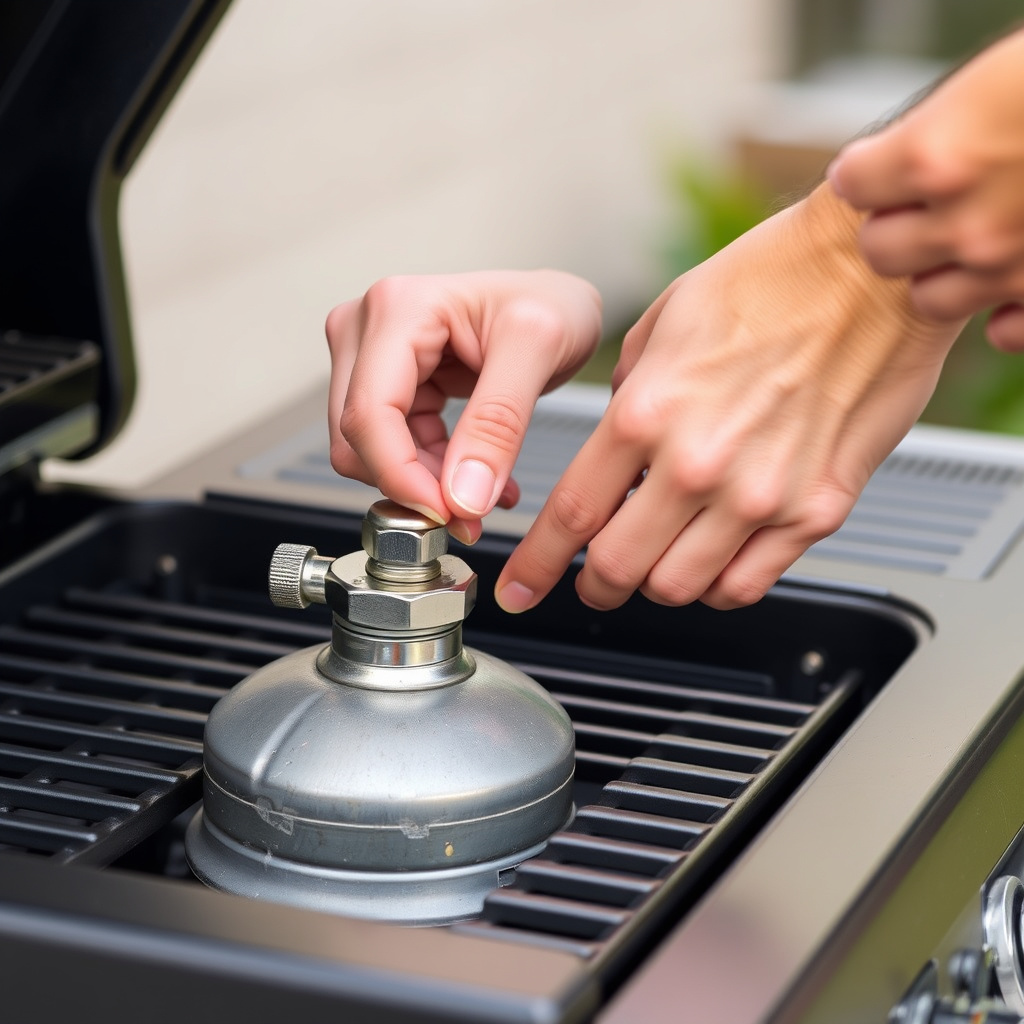
Start by opening the grill lid and turning on the propane tank valve. Next, turn the burner control knob to its highest setting. Press the ignition button repeatedly as needed until you hear a click and see the burner ignite. Keep the lid open during this process for safety.
If the grill doesn’t ignite after several presses, turn the knob off and wait a few minutes to allow any gas to dissipate before trying again. This routine prevents gas accumulation and reduces the risk of flare-ups.
- Open lid and propane valve
- Turn control knob to high
- Press ignition button until lit
For more on this, see our related guide: How to Light a Gas Grill Safely and Effectively.
Lighting Without an Automatic Ignition
If your grill lacks an ignition button, open the lid and propane valve, then turn the burner control knob to high. Use a long-reach barbecue lighter or match to ignite the burner through the side lighting hole or burner ports without placing your face or hands directly over the grill.
This manual method demands caution to avoid burns or accidents. Keeping the grill lid open prevents gas buildup inside the cooking area, significantly enhancing safety during ignition.
- Open lid and propane valve
- Turn burner knob to high
- Light burner carefully with long lighter or match
Troubleshooting Common Propane Grill Ignition Issues
Ignition Button Not Working
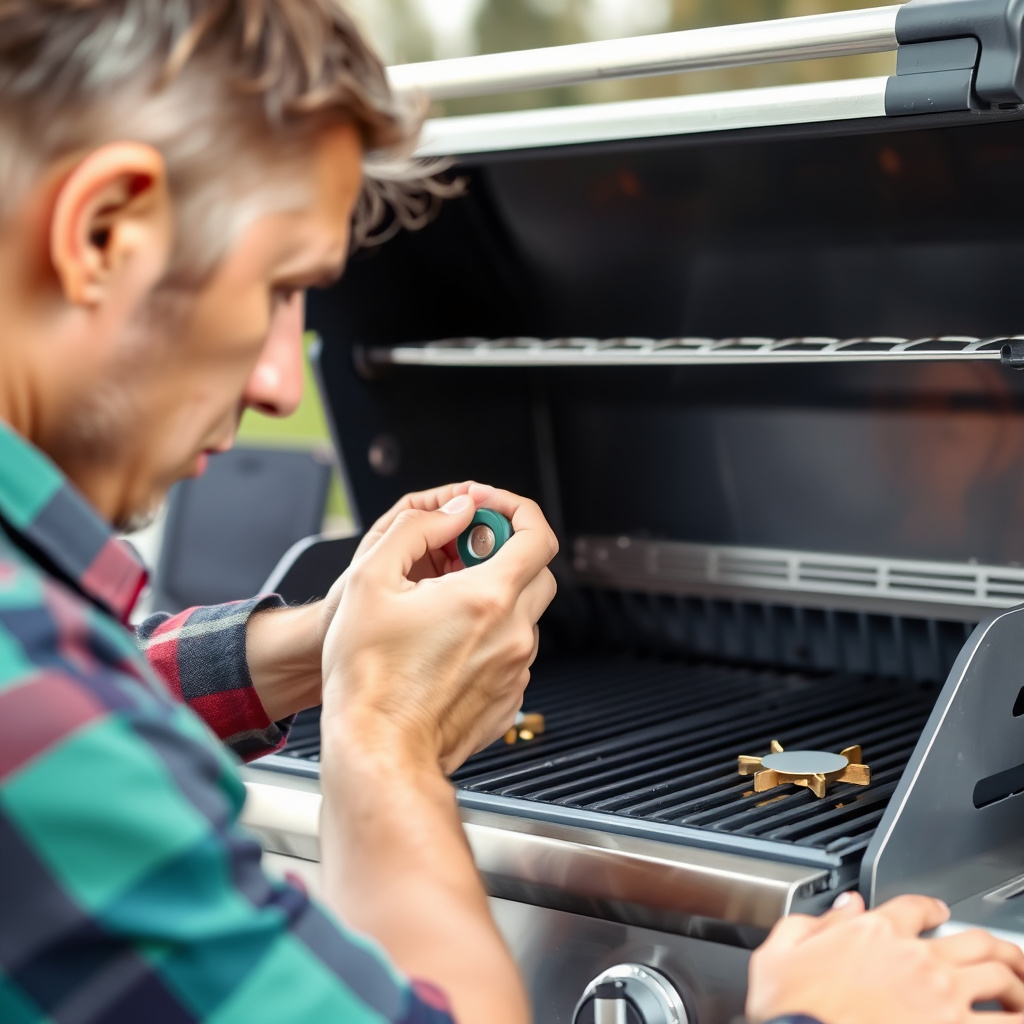
When the ignition button fails to spark, first verify the propane tank has gas and the valve is open. Check the battery if the ignition system uses one. Clean any debris around the ignition electrodes, as dirt can impair the spark.
Sometimes, moisture from rain or washing can temporarily disable the ignition. Drying the electrodes or gently tapping the button can restore function. If these steps don’t work, manual lighting is a safe alternative.
- Check propane tank and valve
- Inspect or replace ignition battery
- Clean ignition electrodes
Burner Won’t Ignite or Flame is Weak
A burner that won’t ignite or produces a weak, uneven flame typically has clogged orifices. Use a wire brush or needle to clean burner holes and remove blockages. Also verify the regulator is functioning correctly and not restricting gas flow.
Inconsistent flame patterns may indicate air shutter adjustment issues, which control the gas-to-air mixture. Adjusting these can stabilize the flame and improve ignition reliability.
- Clean clogged burner holes
- Check and adjust air shutters
- Inspect regulator and gas flow
Safety Precautions When Lighting Your Propane Grill
Avoiding Gas Build-up and Flare-ups
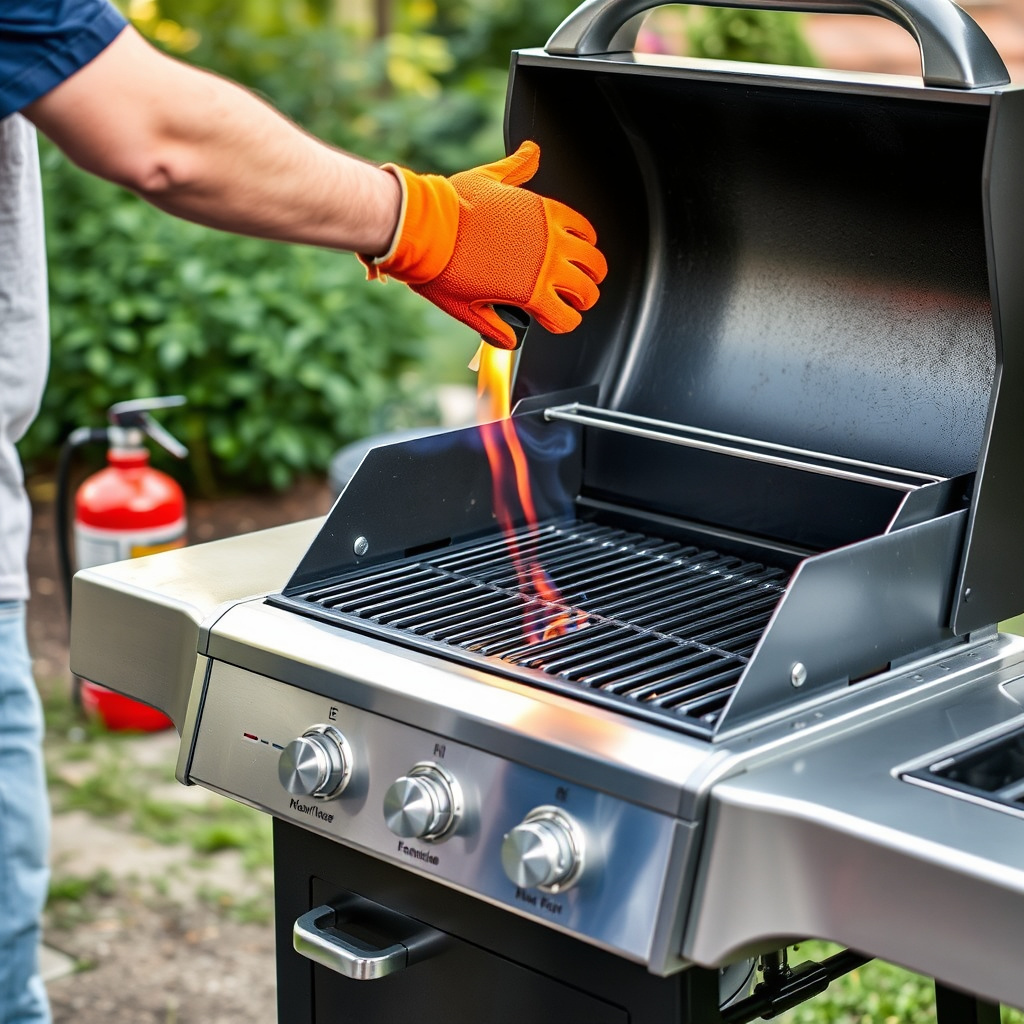
Always open the grill lid before lighting to prevent gas buildup inside the grill that can cause dangerous flare-ups or explosions. Open propane valve slowly and turn burner knobs on only when ready to ignite.
If the grill fails to light after several attempts, close the propane valve and wait at least five minutes for gas to dissipate before trying again. This interval reduces ignition risks.
For more on this, see our related guide: How to Clean Grill Burners for Safe and Efficient Cooking.
Proper Placement and Ventilation
Place your grill on a stable, flat surface away from flammable materials or overhead structures. Good ventilation is critical for safe operation to disperse any leaked gas quickly.
Never use a propane grill indoors or in enclosed areas. Keeping a fire extinguisher nearby adds an extra layer of safety for accidental fires during ignition or cooking.
Maintaining Your Propane Grill and Ignition System
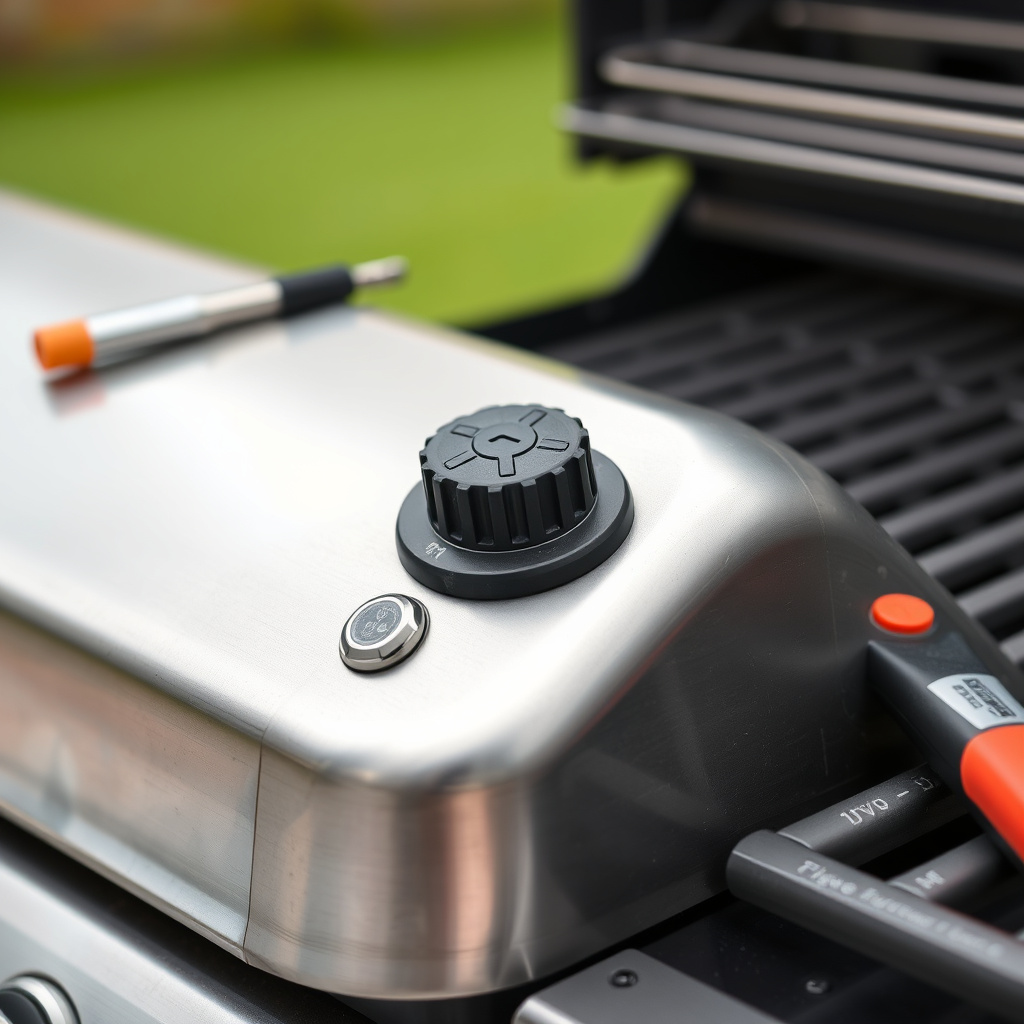
Regular Cleaning and Inspection
Schedule regular cleaning of burners, ignition components, and gas connections to maintain reliable ignition and cooking performance. Remove grease and food particles after each use to prevent buildup.
Inspect ignition wires and electrodes for damage periodically. Replace any worn or cracked parts promptly to avoid ignition failure.
- Clean burners and ignition regularly
- Inspect wires and connections
- Replace damaged ignition components
For more detailed information about propane grills and safety considerations, refer to the comprehensive coverage on propane grill safety on Wikipedia. Propane grill safety on Wikipedia.
Storing Your Grill Safely
When not in use, close the propane tank valve firmly and disconnect the tank if storing the grill indoors for extended periods. Keep the grill covered and store it in a dry place to protect ignition parts from moisture and rust.
Proper storage prolongs the life of your grill and reduces the chances of ignition issues when you next use it.
- Close propane valve
- Disconnect tank for indoor storage
- Keep grill covered and dry
Propane Grill Ignition Methods Compared
Here’s a comparison of common propane grill ignition methods highlighting key features and usability factors to help you choose the right system for your grilling needs.
| Ignition Method | Ease of Use | Reliability | Cost | Maintenance |
|---|---|---|---|---|
| Electronic Ignition Button | Very Easy | High | Medium | Moderate |
| Piezo Ignition (Push-Button) | Easy | High | Low | Low |
| Manual Lighter or Match | Moderate | Medium | None | Low |
| Battery-Powered Ignition | Easy | High | Medium | Battery Replacement Needed |
Frequently Asked Questions
Why do I need to open the grill lid before lighting a propane grill?
Opening the grill lid prevents gas buildup inside the grill which can cause flare-ups or explosions when igniting the burner.
What should I do if the propane grill doesn’t light after pressing the ignition button?
Turn off the burner and propane valve, wait several minutes for the gas to clear, check the ignition system and propane supply, then try lighting again.
Can I use a regular lighter to light my propane grill?
You can use a long-reach lighter or match to safely light the grill if it does not have an automatic ignition system, ensuring you keep the lid open and your hands clear.
How often should I check the propane grill’s ignition system?
Inspect and clean the ignition components regularly, ideally before each grilling season or every few uses, to ensure consistent performance.
Is it dangerous if I smell gas when trying to light my propane grill?
Yes, a gas smell indicates a leak. Turn off the propane immediately, do not light the grill, and check your connections or contact a professional.
Key Takeaways
- Always open the grill lid before lighting to prevent gas buildup.
- Check propane connections and clean burners regularly to ensure safe ignition.
- Use the grill’s ignition button if available for safer, easier lighting.
- If ignition fails, wait for gas to dissipate before retrying to avoid flare-ups.
Conclusion
Lighting a propane grill involves straightforward steps but demands careful attention to safety details. Opening the grill lid, verifying propane supply, and using the appropriate ignition method together reduce risks and improve grilling success. The main keyword 'how to light a propane grill' centers on safely igniting this appliance while avoiding gas buildup and flare-ups. This approach balances efficiency with preventive actions, making grilling enjoyable and secure.
For beginners or those upgrading, grills with electronic ignition buttons provide convenient and reliable startup. Piezo and battery-powered ignitions offer similar benefits at varied costs, while manual lighting remains practical for simpler or older models. Maintenance to keep burners clean and connections leak-free bolsters ignition reliability with any system. Understanding these nuances helps you select a grill and ignition method suited to your cooking style and frequency.
If you’re preparing to light your propane grill, start by familiarizing yourself with your grill’s ignition type and conducting a quick safety inspection. Follow the step-by-step instructions laid out here, combined with regular upkeep, and you’ll ensure your propane grill lights quickly and safely every time you fire it up. Equipping yourself with these skills makes for confident, worry-free outdoor cooking.