To smoke meat properly, the amount of wood you need depends on the type of smoker, the duration of smoking, and the type of wood you choose. For most home smokers, a general rule is 1 to 2 ounces of wood per hour of smoking, which might translate to about 5 to 10 pounds for an average 10-hour smoke session.
The amount of wood directly affects the smoke intensity and flavor profile. Using too little wood can result in mild smoke flavor, while too much wood produces bitter, overpowering smoke. Understanding this balance helps maintain consistent temperatures and the desired smoky aroma throughout the cooking process.
In this article, you will find an overview of factors influencing wood consumption, recommendations for different smoker types, the impact of wood species, and practical tips on monitoring wood usage to achieve perfect smoked meat every time.
Estimating Wood Needs Based on Smoker Type
Charcoal Smokers and Wood Usage
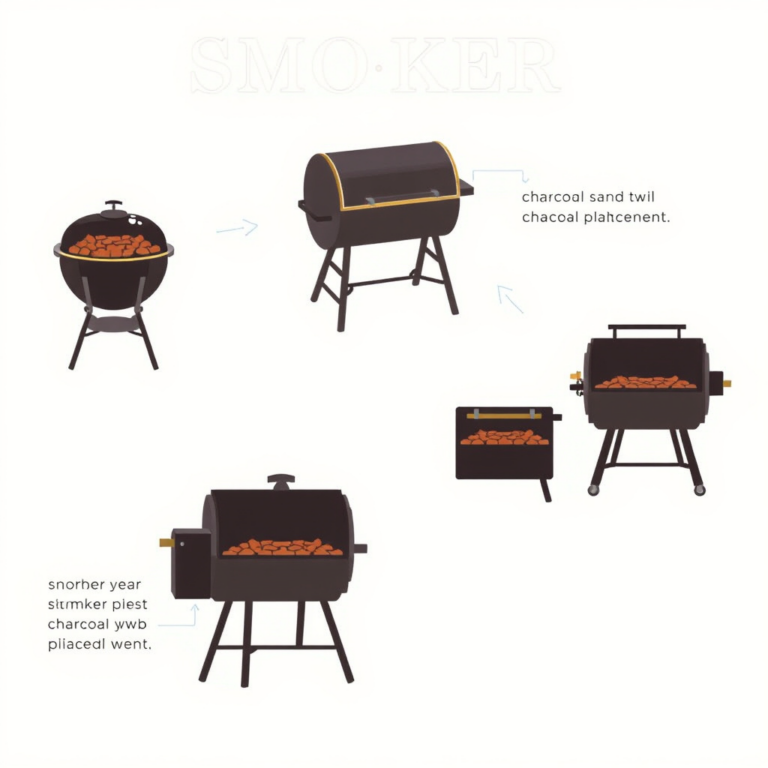
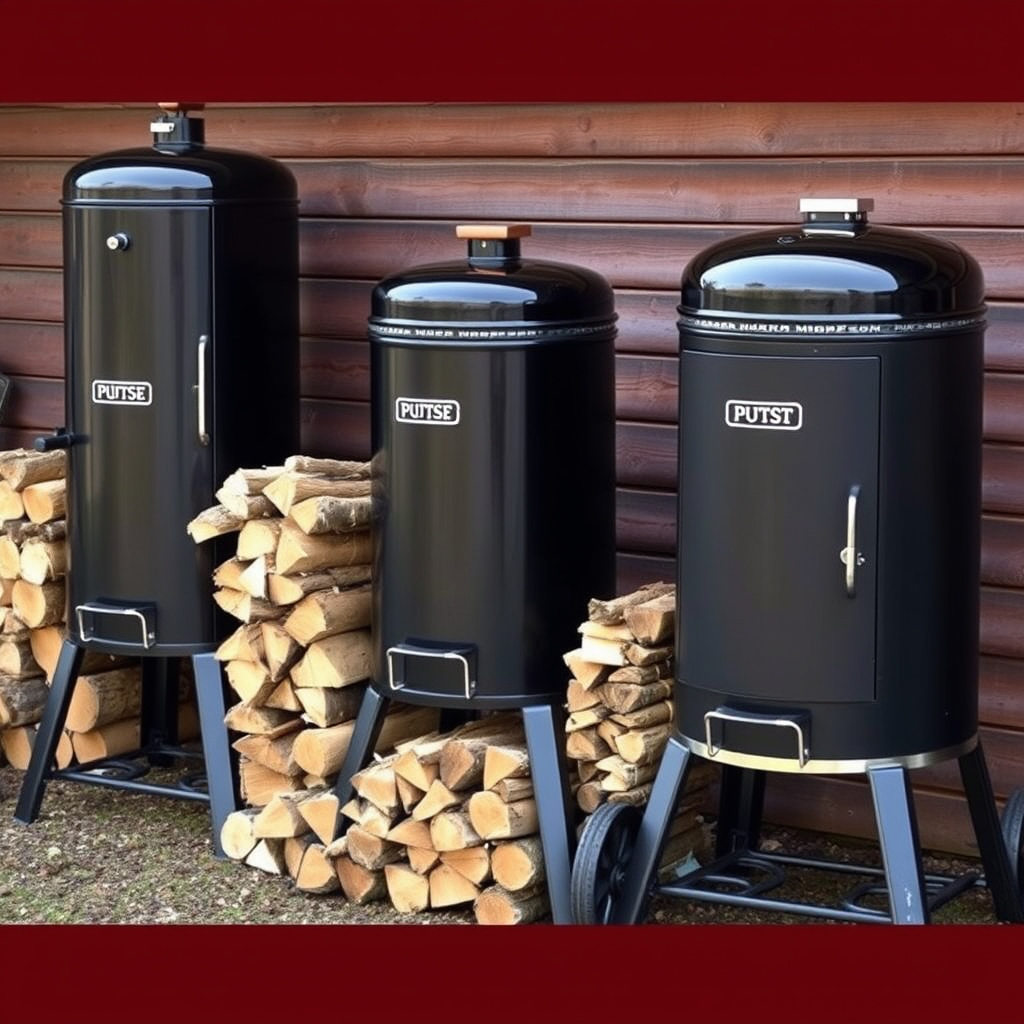
Charcoal smokers rely on using charcoal as the main fuel, supplemented by wood chunks or chips to generate smoke. Typically, you will add wood every hour or two to maintain consistent smoke levels. For a 6-8 hour cook, 3 to 6 pounds of wood chunks are usually enough.
Wood chips burn quickly, so they're best used for shorter smokes or to add bursts of smoke flavor. Chunks provide longer-lasting smoke, reducing the frequency of replenishing. The wood-to-charcoal ratio will affect temperature stability and smoke production.
- Use 1-2 chunks of wood every 45 minutes to 1 hour
- Keep charcoal fresh to maintain heat consistency
- Add a small amount of chips at start for immediate smoke
Electric and Pellet Smokers Wood Consumption
Electric and pellet smokers automate fuel feeding but require wood pellets or chips for flavor. Pellet smokers use compressed wood pellets as the primary fuel, making wood consumption more predictable—often around 1 to 2 pounds per hour based on temperature settings.
Electric smokers often need wood chips added in small batches every 30-60 minutes depending on the model. Since these smokers rely on electricity for heat, wood primarily provides the smoke, thus requiring less volume than charcoal smokers.
- Pellet smokers: 1-2 pounds of pellets per hour
- Electric smokers: add 0.5 to 1 pound of chips every hour
- Adjust wood amount for desired smoke intensity
Wood Species and Their Impact on Smoking Quantity
Common Wood Types for Smoking Meat
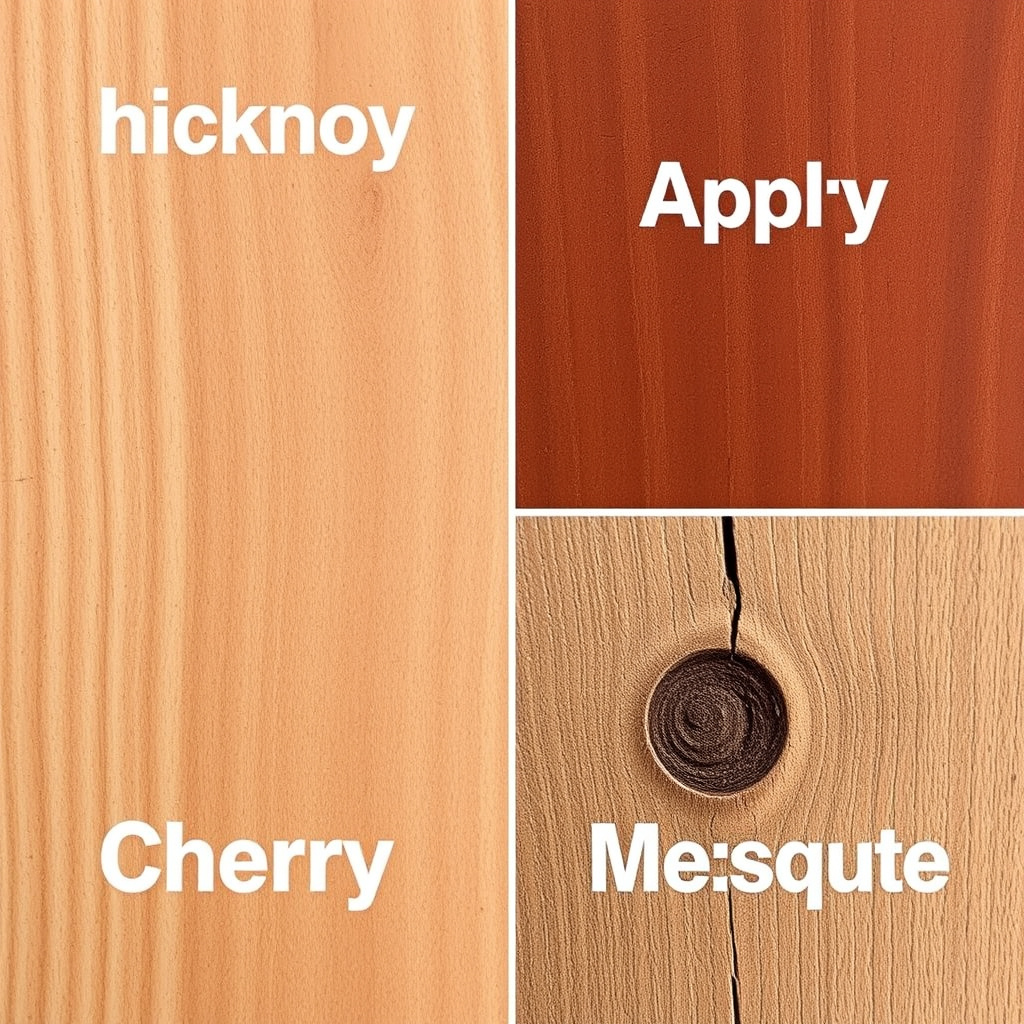
Hickory is a strong-flavored wood, often requiring less quantity to achieve desired smokiness, making it ideal for pork and beef. Apple and cherry woods provide mild, sweet smoke profiles, which can be used in larger amounts without overpowering the meat.
Mesquite burns quickly and produces a very intense smoke, so it should be used sparingly or mixed with milder woods. Knowing the combustion rate and flavor strength helps you estimate how much wood to use without overwhelming your meat.
- Hickory: strong flavor, use moderately
- Fruitwoods (apple, cherry): mild, good for longer smokes
- Mesquite: intense, use sparingly or in blends
For more on this, see our related guide: How Do Kamado Grills Work? A Complete Guide to Their Unique Cooking Style.
Adjusting Wood Amounts Based on Wood Density
Denser woods like hickory and oak burn longer and slower, so you need fewer pieces for the same smoking time compared to lighter woods such as fruitwoods. The moisture content also affects burn rate; drier wood produces cleaner smoke and lasts longer.
If you use wood scraps or less dense materials, expect to replenish more frequently, increasing total wood consumption. Keeping wood properly stored and seasoned will help maintain consistent smoke output.
- Use seasoned wood with moisture content below 20%
- Denser woods burn slower, requiring less frequent additions
- Store wood in a dry place to prevent smoldering smoke
Smoke Duration and Wood Quantity Relationship
Estimating Wood for Short vs. Long Smokes
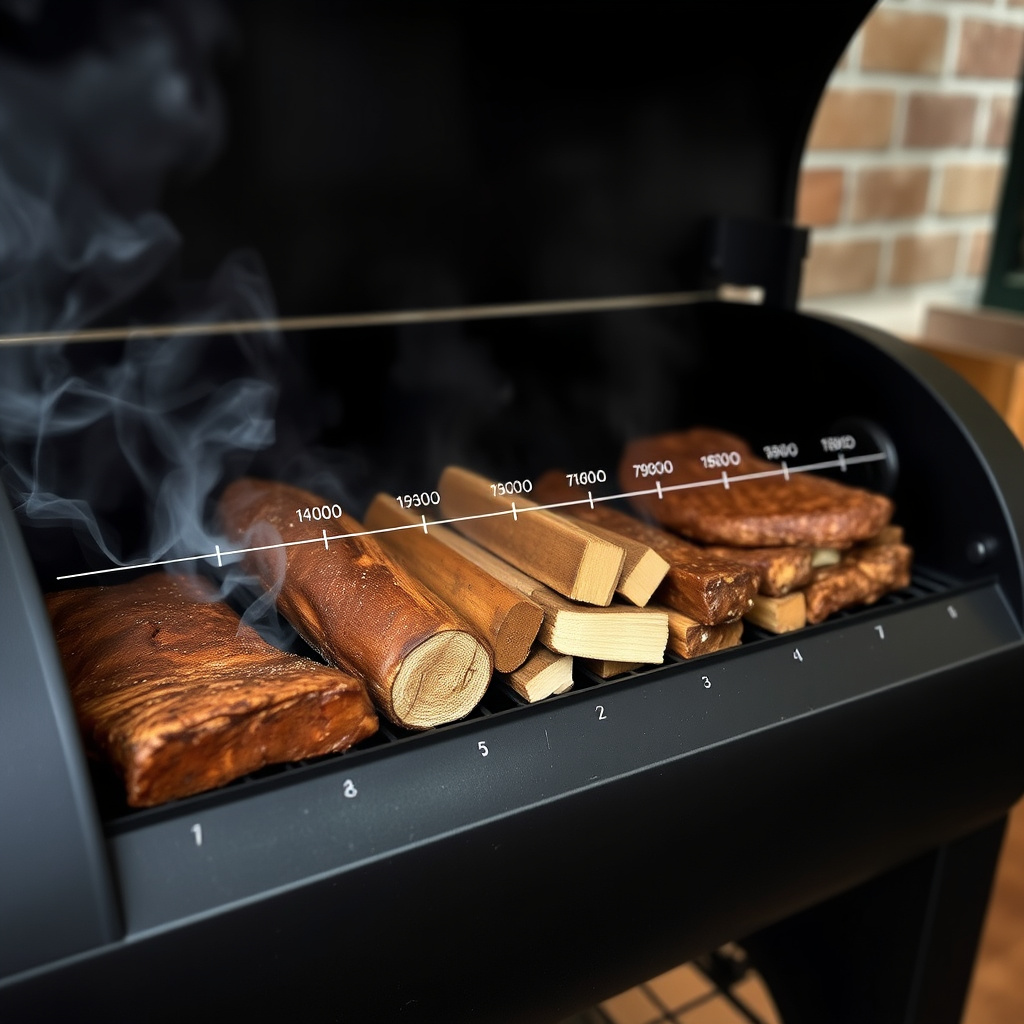
Short smokes of 2 to 4 hours need less wood, typically 1 to 3 pounds, especially if smoke intensity is moderate. Long smokes, such as brisket or pork shoulder which can take 8 to 12 hours or more, require more wood, often between 5 and 15 pounds depending on method and wood type.
Planning wood amounts ahead prevents interruptions and flavor inconsistencies. Measuring wood by volume or weight before cooking simplifies managing your smoke and heat.
- 2-4 hour smoke: 1-3 pounds of wood
- 8-12 hour smoke: 5-15 pounds of wood
- Monitor wood consumption during cooking for adjustments
Balancing Smoke Intensity with Wood Quantity
Adding wood too frequently can lead to harsh, bitter smoke and uneven cooking temperatures. Conversely, too little wood produces weak smoke flavors. Finding the right balance involves regulating how often and how much wood you add during the cook.
Basic practice is to add small wood amounts regularly to maintain a thin blue smoke, considered ideal for flavor. This gradual approach uses wood efficiently, extending the smoking period with steady smoke output.
- Aim for thin, blue smoke rather than thick, white smoke
- Add small wood pieces every hour for controlled smokiness
- Avoid overloading to prevent bitter flavors
Practical Tips for Managing Wood During Smoking
Pre-soaking Wood Chips or Chunks
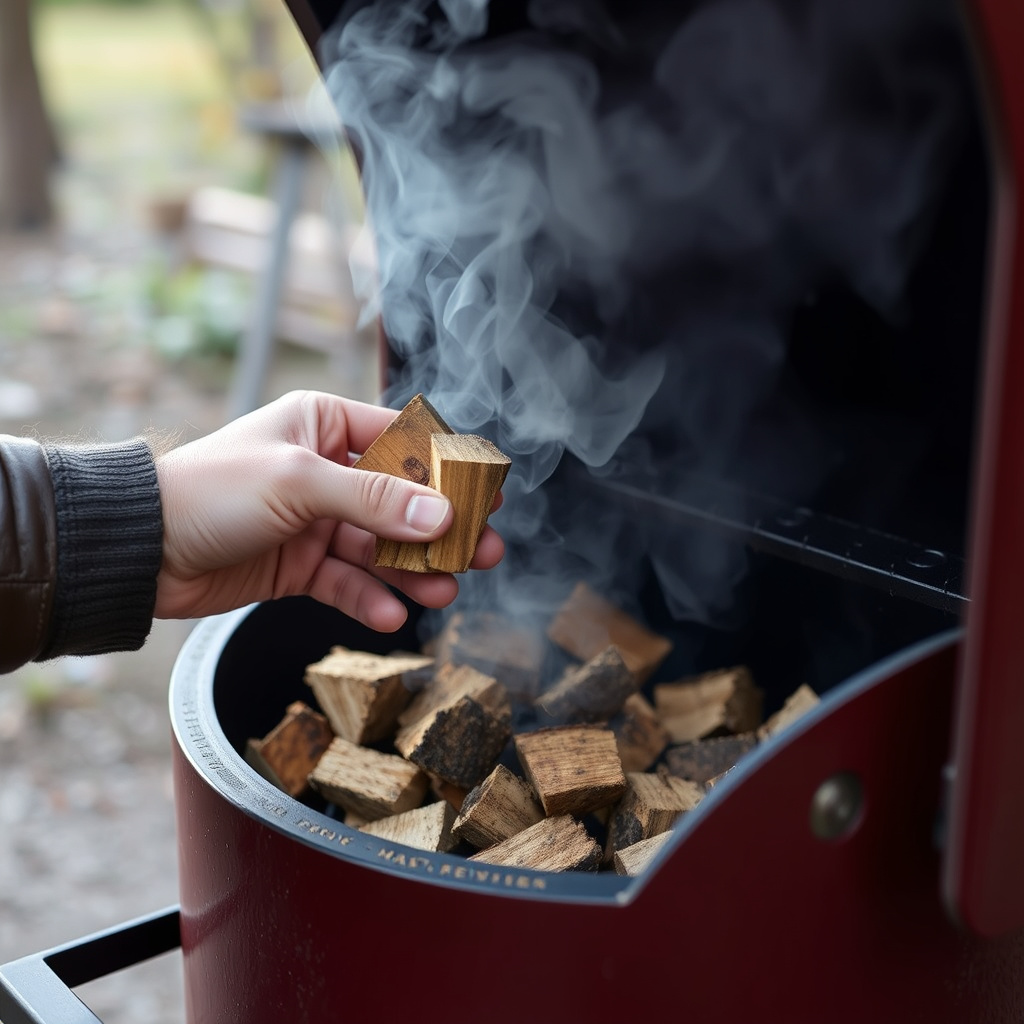
Some users soak wood chips or chunks in water to slow burn rate and generate more smoke. However, soaking actually delays ignition but does not substantially extend smoke time. Dry wood generally produces better smoke quality.
For long smokes, using dry wood chunks rather than chips helps maintain consistent smoke without constantly adding soaked chips, allowing more precise control over smoke quantity.
- Soak chips for 30 minutes if using
- Dry chunks outperform soaked wood in steady smoke output
- Experiment to see which method suits your smoker best
For more on this, see our related guide: How Many Pounds of Charcoal Do You Need for a Grill?.
Wood Storage to Maintain Quality
Storing wood in a dry, ventilated area preserves its seasoning and density. Moist or green wood burns inefficiently, creating thick smoke with bitter taste and difficulty maintaining temperature.
Keep wood elevated off the ground and covered but breathable to avoid moisture absorption. Properly stored wood will have predictable burn times and consistent flavor impact.
- Store wood in a dry, ventilated space
- Avoid exposing wood to rain or ground moisture
- Rotate stock to use older wood first
Calculating Wood for Specific Meat Types
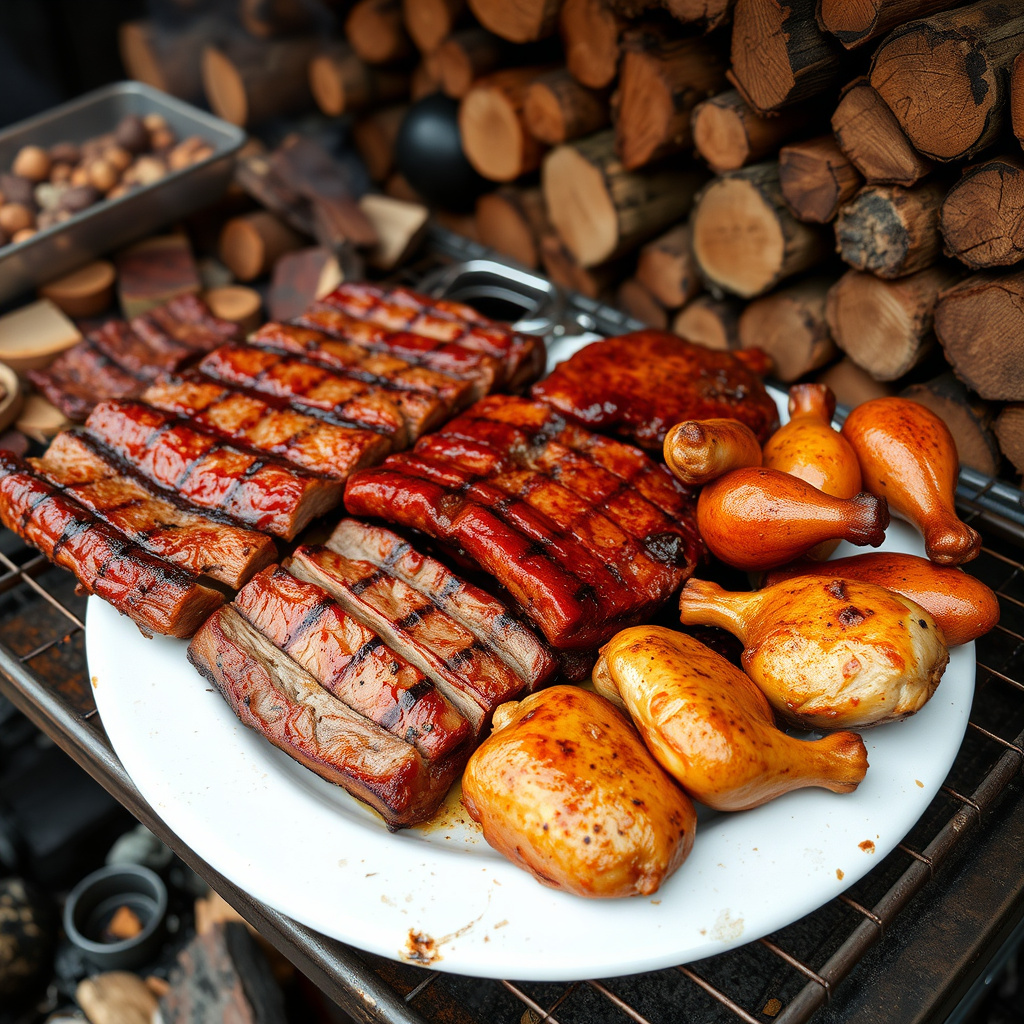
Wood Quantities for Beef and Pork Cuts
Beef cuts like brisket benefit from 10-15 pounds of wood over extended smokes lasting 10-12 hours, with careful wood addition to sustain low and slow temperatures. Pork shoulders require slightly less wood, roughly 5-10 pounds for about 8-hour smokes.
Both meats handle stronger woods like hickory or oak well but can be balanced with fruitwoods to soften the flavor. Estimating wood weight before cooking helps maintain control over smoke volume.
- Brisket: 10-15 pounds wood for 10-12 hours
- Pork shoulder: 5-10 pounds wood for 8 hours
- Mix strong and mild woods for balanced flavor
For a deeper understanding of smoking meat techniques and history, this Wikipedia article offers excellent background information. Smoking meat techniques.
Wood Usage for Poultry and Fish
Poultry and fish have more delicate flavors that can be overwhelmed by heavy smoke. Use lighter woods such as apple, cherry, or alder with less wood, around 2-4 pounds for a 3-5 hour smoke to add subtle flavor without overpowering.
Shorter smoke times and mild wood varieties are preferred to protect the texture and natural taste. Monitor the wood additions closely to avoid excessive smoke buildup during these cooks.
- Use mild woods for delicate proteins
- 2-4 pounds wood for 3-5 hour smokes
- Avoid strong woods like mesquite on fish or poultry
Wood Type and Smoker Category Comparison
This table summarizes common wood types and smoker categories, detailing average wood consumption and ideal meat pairings for quick reference.
| Category | Wood Consumption per Hour | Ideal Meat Types | Flavor Profile |
|---|---|---|---|
| Charcoal Smoker with Wood Chunks | 0.5 – 1 lb | Beef, Pork | Strong, rich smoke |
| Pellet Smoker with Wood Pellets | 1 – 2 lbs | All types | Consistent, mild to medium smoke |
| Electric Smoker with Wood Chips | 0.25 – 0.5 lb | Poultry, Fish | Mild, subtle smoke |
| Mesquite Wood | Varies – intense smoke | Beef only | Very strong, bold flavor |
| Apple or Cherry Wood | Moderate | Pork, Poultry, Fish | Sweet, mild fruitwood aroma |
Frequently Asked Questions
Can I use any type of wood to smoke meat?
Not all wood types are suitable for smoking meat. Avoid resinous woods like pine, which produce harmful fumes. Fruitwoods and hardwoods such as hickory, oak, apple, and cherry are best for safe, flavorful smoking.
How often should I add wood during smoking?
Typically, you add wood every 45 minutes to an hour for charcoal smokers, while pellet smokers feed wood automatically. Electric smokers require adding chips every 30-60 minutes. Adjust based on smoke output and cook time.
Does soaking wood chips affect how much wood I need?
Soaking wood chips delays their ignition but doesn’t lengthen overall burn time significantly. Using dry wood chunks often provides more consistent smoke, potentially reducing the total wood needed.
How can I tell if I am using too much wood?
Excessive wood produces thick, white smoke that tastes bitter. Ideal smoke is thin and blue. If your meat develops a harsh bitter flavor or the smoker becomes difficult to control, you are likely using too much wood.
Does wood quality affect how much I need to use?
Yes, properly seasoned, dry wood burns longer and cleaner, so you use less overall. Green or damp wood creates poor smoke and burns faster, causing you to add wood more frequently, increasing total consumption.
Key Takeaways
- Wood quantity varies based on smoker type, smoke duration, and wood species.
- Denser woods like hickory burn longer than lighter fruitwoods, affecting how much you add.
- Short smokes require less wood; long smokes can consume over 10 pounds.
- Maintaining thin, blue smoke ensures better flavor and efficient wood use.
Conclusion
Understanding how much wood you need to smoke meat hinges on recognizing the relationships between your smoker type, the length of your cook, and the kind of wood you prefer. This knowledge helps maintain steady temperatures and smoke levels, both crucial to achieving the smoky flavors that make barbecued meat so delicious. By measuring wood use in pounds or ounces and adjusting based on your specific setup, you can control smoke intensity and avoid overpowering your food with harsh flavors, creating more consistent results.
For example, charcoal smokers need regular wood chunk additions, especially on longer cooks lasting 8 to 12 hours, where 5 to 15 pounds is typical. Pellet smokers automate wood feed, consuming 1 to 2 pounds of pellets per hour, simplifying management. Softer woods like apple and cherry are perfect when smoking poultry or fish, requiring less wood to gently flavor the meat. For beef and pork, combining stronger woods like hickory or oak with milder fruitwoods can provide balanced flavor profiles without excessive smoke use.
If you want to start smoking meat, begin by calculating your estimated cook time and selecting appropriate wood types. Weigh your wood usage in advance and keep a smoke log to refine how much you add on future cooks. This practical approach saves you wood, enhances flavor, and takes the guesswork out of smoking. Start small, adjust based on your results, and enjoy crafting perfectly smoked meats every time.