Resting smoked meat involves letting it sit undisturbed after cooking to redistribute its juices evenly, which results in a moister, more flavorful bite. Whether you’ve smoked brisket, ribs, or pork butt, allowing the meat to rest is essential before slicing or serving.
This step matters because while smoked meat may appear ready when it reaches the target internal temperature, the juices are still concentrated in certain areas and not fully absorbed by the muscle fibers. Resting gives those juices time to settle and be reabsorbed, preventing excessive moisture loss and dry, stringy texture.
In this guide, we'll explain why resting is important for smoked meat, detailed methods to rest different cuts effectively, timing guidelines, and practical tips on wrapping, cooling, and serving. You’ll learn how to maximize tenderness and juiciness for your next barbecue session.
Why Resting Smoked Meat Makes a Difference
The Science Behind Resting Meat
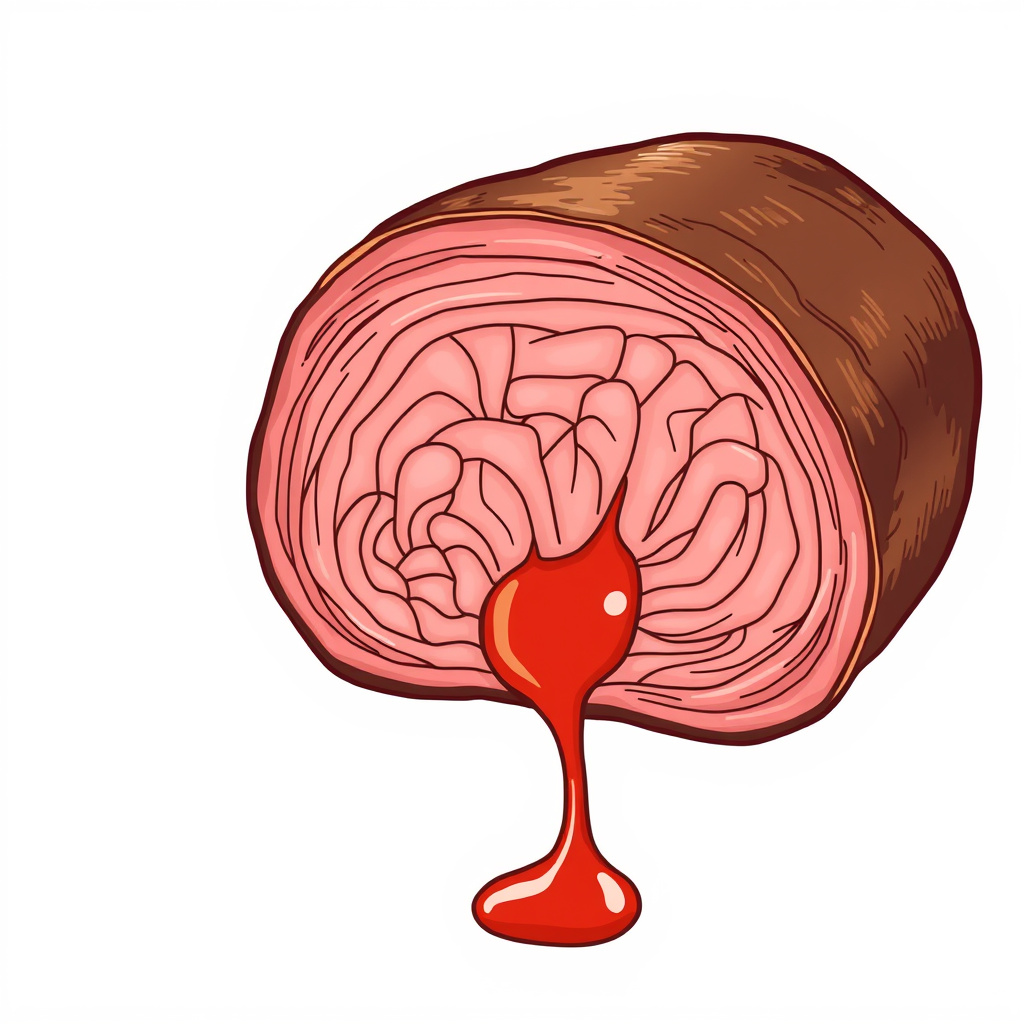
When smoked meat finishes cooking, the heat forces juices towards the surface, causing them to pool rather than stay inside the muscle fibers. Resting allows the meat temperature to even out and the muscle fibers to relax, reabsorbing those juices for a moist texture.
Without resting, slicing smoked meat immediately causes the trapped juices to spill out onto the cutting board, leaving drier meat behind. This is especially critical for thicker cuts, where internal temperature gradients are more pronounced.
How Moisture Retention Affects Flavor and Texture
Juices are carriers of flavor and tenderness in meat. Proper resting improves bite quality by balancing moisture content throughout the piece and softening the overall mouthfeel.
Rested smoked meat also has better bark integrity—the crispy, flavorful outer crust—because the moisture stabilizes rather than creating sogginess from premature slicing.
Resting Times: How Long Should You Rest Smoked Meat?
General Guidelines by Meat Cut
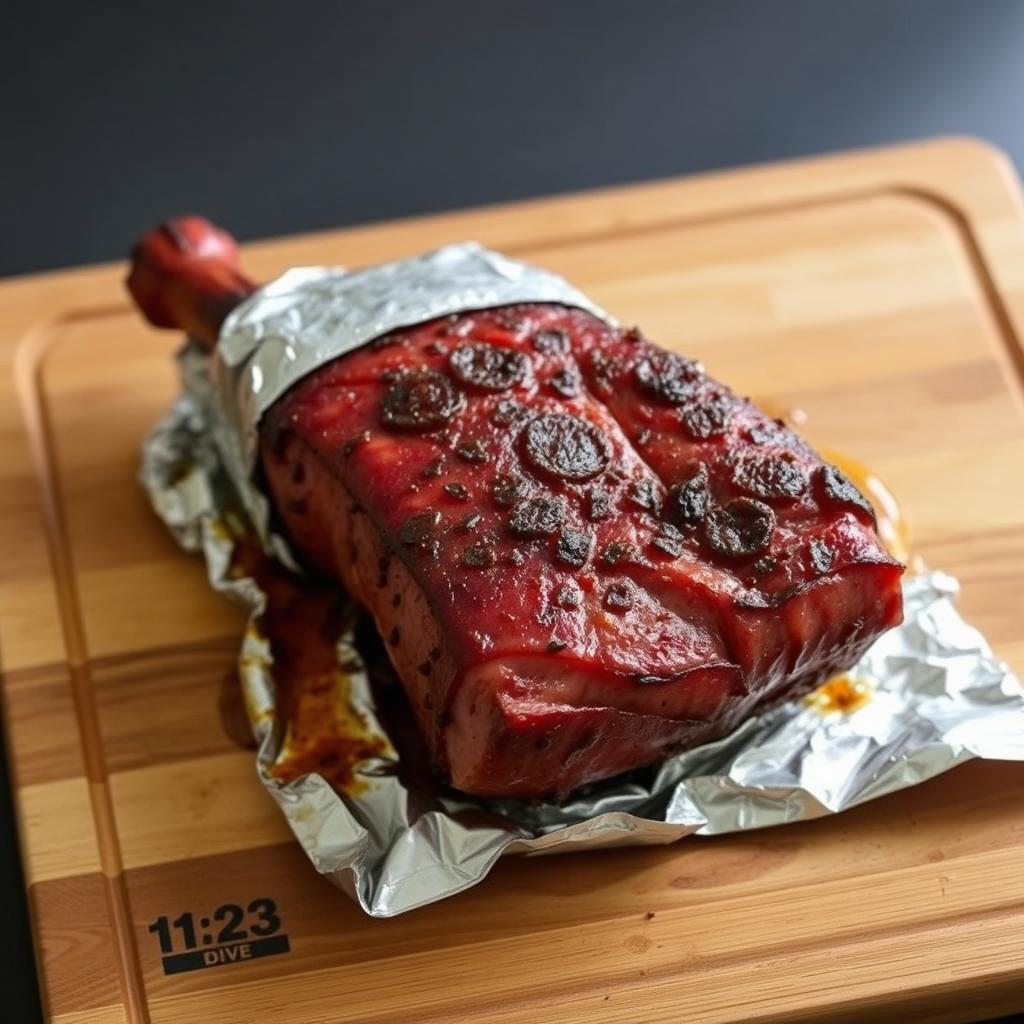
Smaller smoked cuts like ribs or chicken thighs benefit from a resting time of 15 to 30 minutes, enough to redistribute juices without cooling down too much. For larger cuts like brisket or pork shoulder, resting for 45 minutes to 2 hours is typical.
The larger the cut, the longer it requires to fully redistribute internal juices and stabilize. Resting time also depends on how long the meat will be kept before serving; longer rest requires insulating techniques.
- Ribs: 15-30 minutes
- Smaller poultry: 15-30 minutes
- Brisket: 45-90 minutes
- Pork shoulder/butt: up to 2 hours
Factors That Influence Resting Duration
Ambient temperature, meat thickness, and how the meat is wrapped or stored during rest influence how long the process takes. Cooler rooms or unwrapped meat cool faster, sometimes necessitating shorter resting or additional insulation.
If you're planning to hold smoked meat for serving at a later time, resting and then wrapping tightly can keep juices locked in while preventing temperature loss.
Methods to Rest Smoked Meat Properly
Using Foil and Towel Wraps
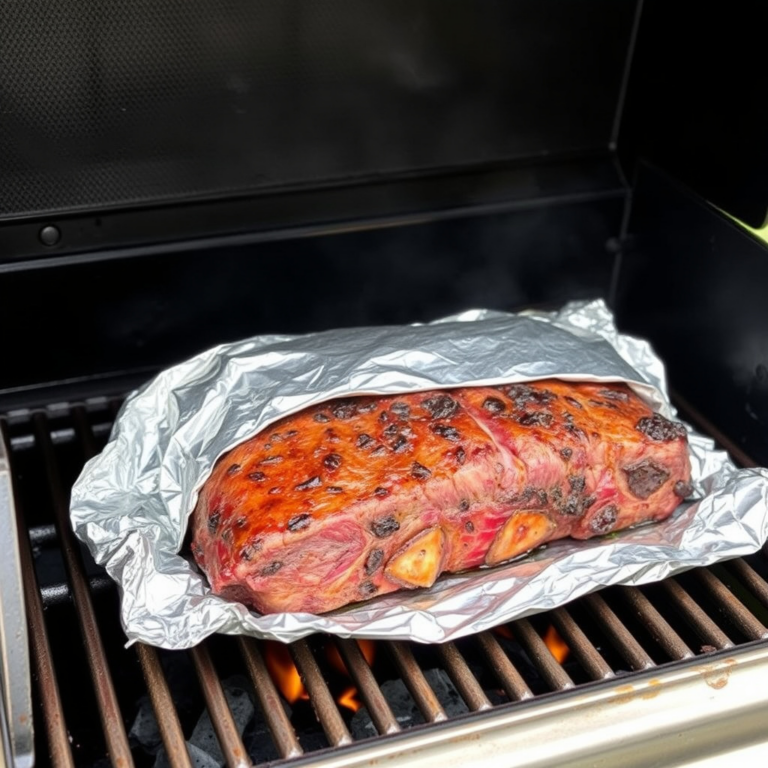
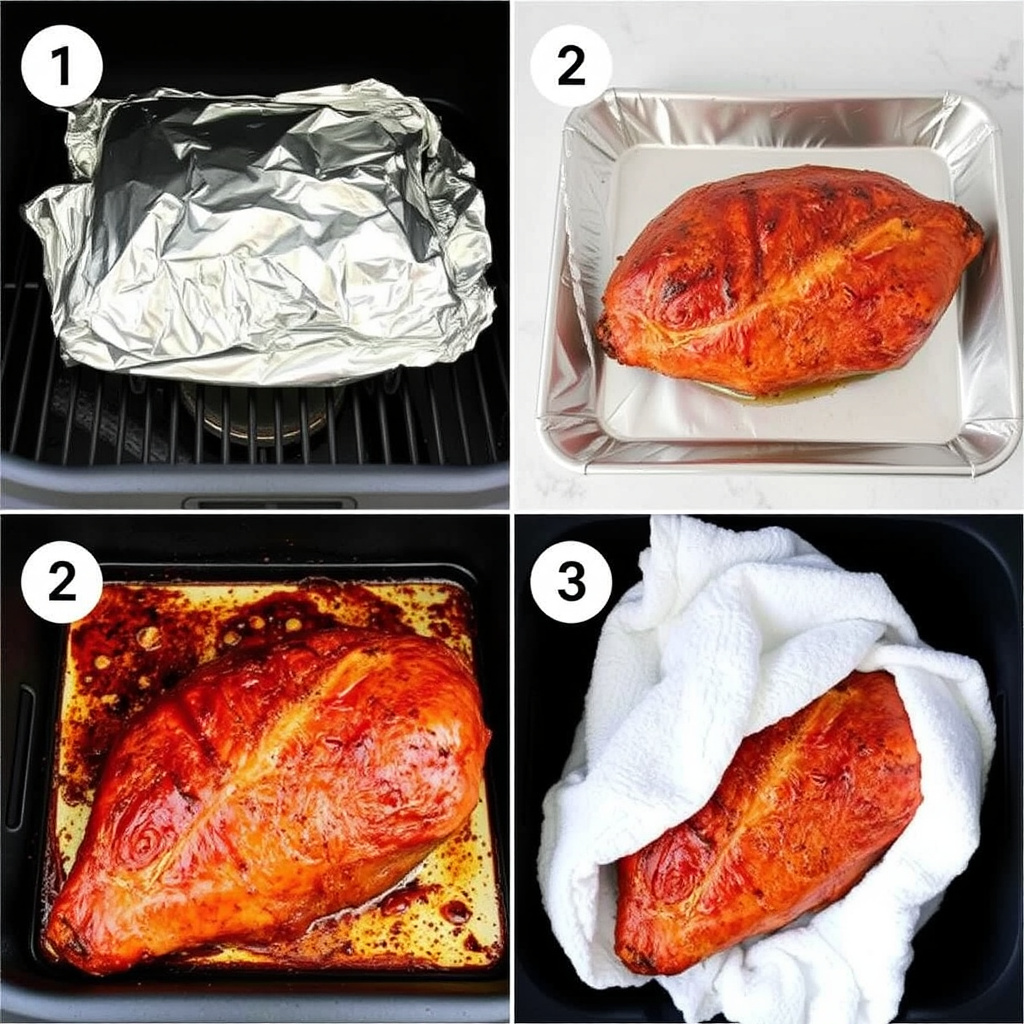
Loosely tent smoked meat with heavy-duty aluminum foil to trap heat without compressing the bark. Then wrap the foil-covered meat with a clean towel or blanket to maintain warmth and allow gentle heat dissipation.
This method is widely used for brisket because it balances retaining warmth and moisture while preserving the crust. Avoid wrapping foil too tightly during initial rest to prevent sweating and softening the bark.
For more on this, see our related guide: How to Smoke Meat on a Charcoal Grill: A Step-by-Step Guide.
Using Insulated Coolers or Cambros
For longer rests or holding meat for serving later, placing foil-wrapped meat inside a preheated insulated cooler keeps it around 140–160°F for hours. This replicates a gentle warming environment, allowing slow juice redistribution without overcooking.
This approach is ideal for competition or catering scenarios requiring long holding times. Ensure to preheat the cooler with hot water and discard the water before adding meat to avoid steaming.
Cutting and Serving After Resting
How to Slice for Best Texture
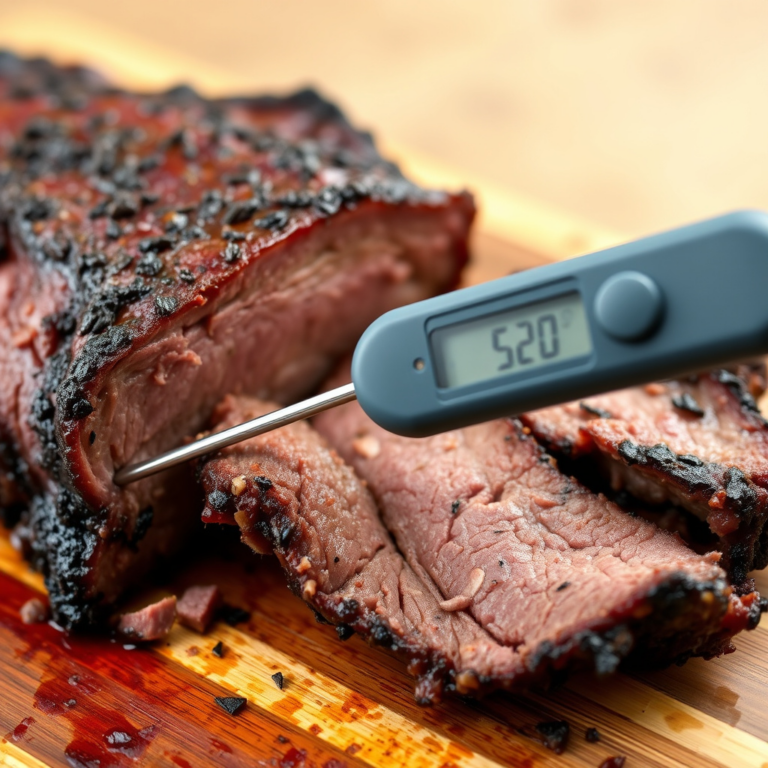
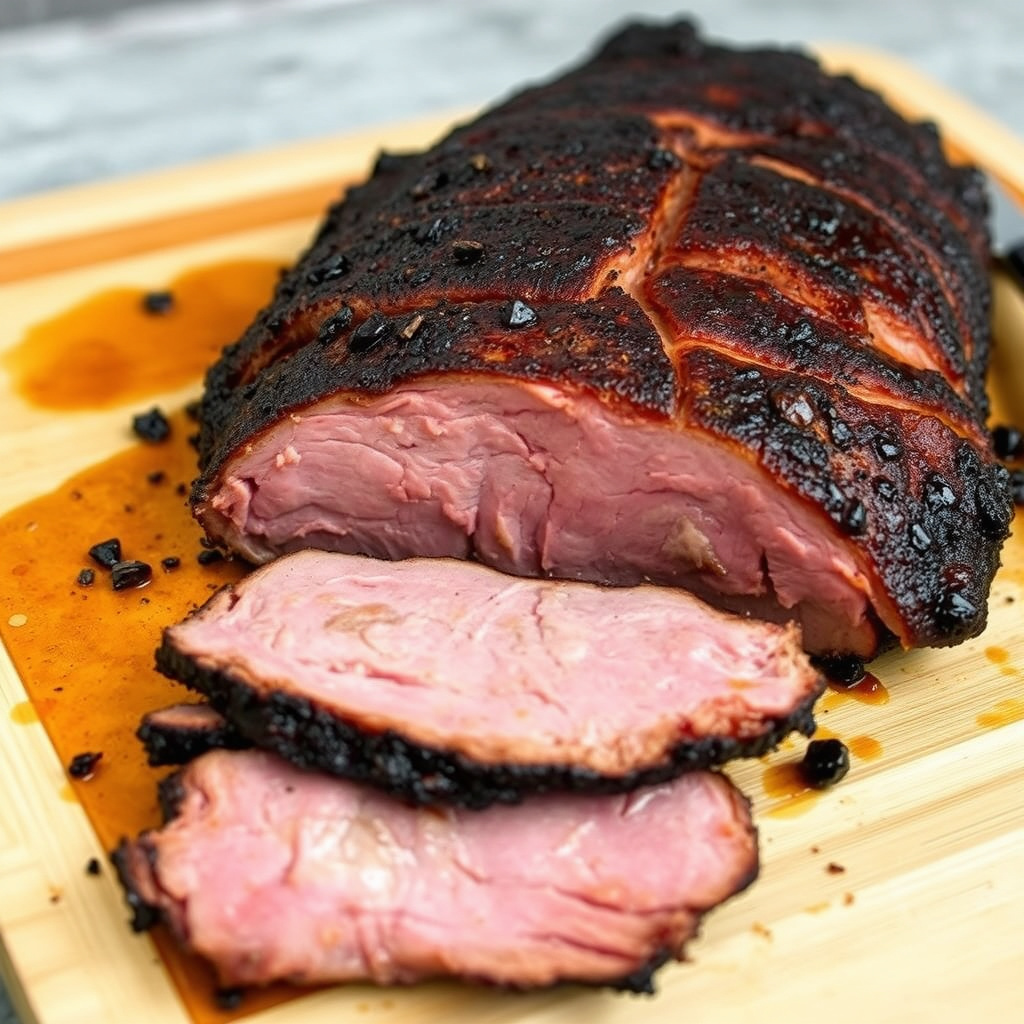
Slice smoked meat against the grain to break up muscle fibers and maximize tenderness. Make smooth, clean cuts using a sharp slicing knife.
For brisket specifically, identify the grain direction in both the flat and point sections before slicing to maintain consistent bite and moisture retention.
Serving Temperature and Presentation
Serve rested smoked meat at warm but not hot temperatures—about 130–150°F—to showcase juiciness without drying out. If the meat cools too much during rest, a brief low-heat warming before serving can help.
Arranging slices with the bark visible enhances both flavor and visual appeal, while avoiding over-handling keeps meat moist.
Common Mistakes and How to Avoid Them When Resting Smoked Meat
Skipping or Shortening the Resting Period
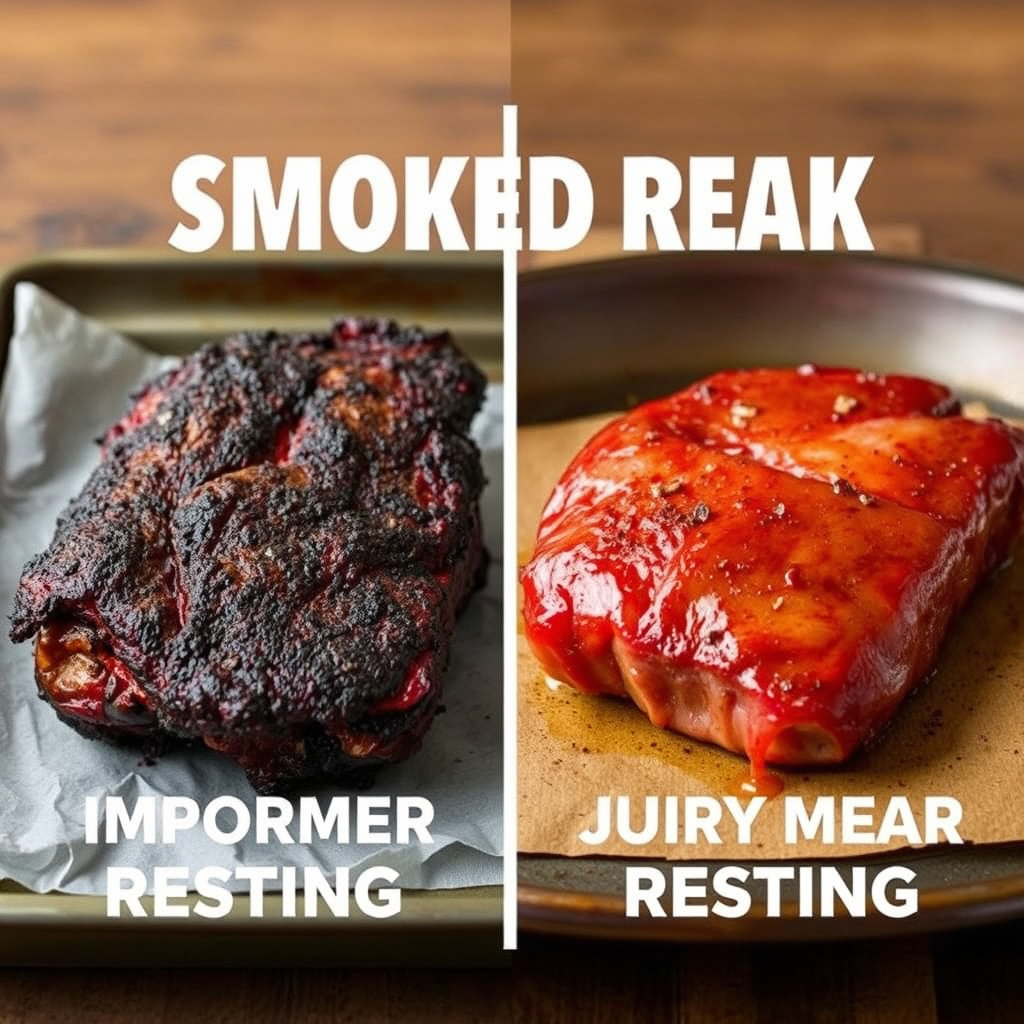
Cutting into smoked meat immediately after cooking causes significant juice loss, resulting in dry and less flavorful meat. Even a short rest of 10-15 minutes makes a noticeable difference.
Plan your smoking schedule to allow resting time between the end of the cook and serving, avoiding rushed slicing.
For more on this, see our related guide: How to Smoke Meat on a Gas Grill: A Step-by-Step Guide.
Wrapping Too Tightly or Not at All
Wrapping smoked meat tightly in foil right away traps steam and moisture, softening the bark and creating a less appealing texture. Conversely, not wrapping at all on larger cuts lets the meat cool too quickly, affecting tenderness and serving temperature.
Use a loose foil tent initially, followed by a towel wrap or insulated container to balance moisture retention and bark preservation.
Using Resting Techniques to Enhance Flavor
Flavor Infusion During the Rest
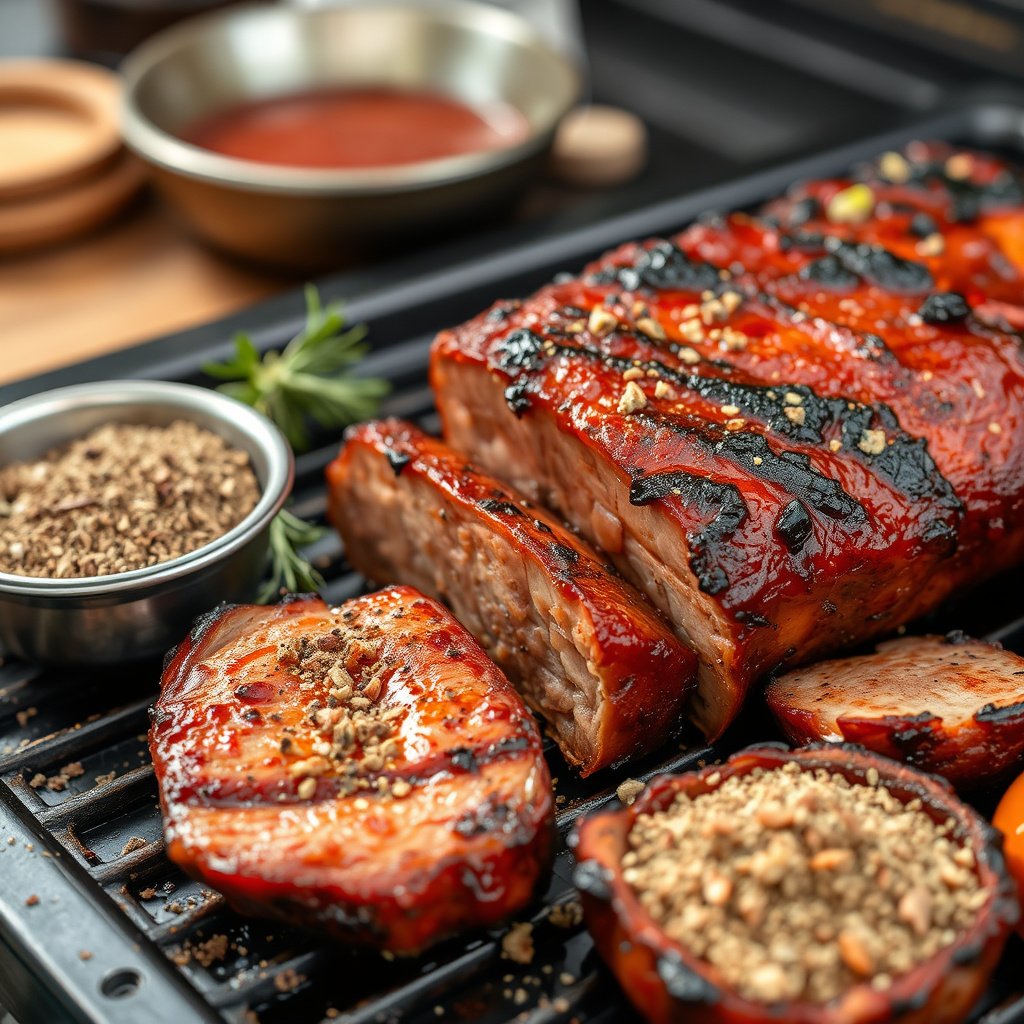
Some pitmasters inject or lightly brush smoked meat with finishing sauces or juices just before resting. This brief contact under foil helps sauces meld with meat while keeping moisture in.
Avoid heavy sauces too early as they might dilute or blur the smoke ring and bark, but a light glaze can add depth during the resting phase.
For more scientific details on the resting process, check out this resting meat explanation on Wikipedia. Resting meat on Wikipedia.
Seasoning Adjustments to Improve Post-Rest Taste
Sprinkling a touch of finishing salt, pepper, or rub before resting can enhance flavor perception without overpowering. Resting allows seasoning flavors to settle and meld naturally into the meat fibers.
Experiment with subtle changes like smoked paprika or garlic powder applied lightly post-cook for nuanced flavor that rests in.
Resting Methods Comparison for Smoked Meat
Here's a quick comparison of popular resting methods highlighting pros, cons, and typical resting durations.
| Method | Best For | Typical Rest Time | Effect on Bark | Ease of Use |
|---|---|---|---|---|
| Foil Tent + Towel Wrap | Large cuts like brisket | 45 min to 2 hrs | Preserves well with loose tent | Easy, low cost |
| Insulated Cooler | Long holds/catering | Up to several hours | Good if preheated properly | Requires equipment |
| Uncovered on Tray | Quick rests, small cuts | 15-30 minutes | Maintains bark crispness | Very simple |
| Wrapped Tightly in Foil | Holding short term | 15-60 minutes | Can soften bark | Simple but less ideal |
| Resting Bags or Butcher Paper | Medium-sized cuts | 30-60 minutes | Moderate bark preservation | Requires extra supplies |
Frequently Asked Questions
Why is resting meat after smoking important?
Resting allows juices to redistribute evenly within the meat, leading to juicier, more flavorful smoked meat rather than losing moisture when sliced too soon.
Can I rest smoked meat without wrapping it?
Yes, smaller cuts can rest uncovered for short periods to maintain bark crispness, but larger cuts benefit from loose foil tenting and insulation to retain heat and moisture.
How do I know when smoked meat has rested enough?
Resting times vary, but generally 15-30 minutes for small cuts and up to 2 hours for larger cuts like brisket ensures juices have settled evenly before slicing.
Does resting smoked meat affect food safety?
Resting involves holding meat at safe warm temperatures when done properly, so it does not pose a safety risk if meat stays above 130°F during the period.
Should I wrap smoked meat tightly right after the cook?
No, wrapping tightly immediately traps steam and can soften the bark. It’s better to tent softly with foil first, then wrap with towels or use an insulated cooler for longer rests.
Key Takeaways
- Rest smoked meat to redistribute juices and improve tenderness.
- Rest times depend on cut size: 15-30 mins for small cuts, up to 2 hours for large ones.
- Use loose foil tenting and towel wraps to preserve bark and retain warmth.
- Avoid cutting too soon or wrapping tightly right away to prevent moisture loss.
Conclusion
Resting smoked meat is a small but impactful step that transforms a finished cook into a truly enjoyable eating experience. By allowing the internal juices to balance and the fibers to relax, you preserve moisture and tenderness that direct slicing simply cannot achieve. This process also safeguards the flavorful crust, or bark, which defines great barbecue. With an understanding of resting science and timing, you can time your barbecue sessions so resting fits naturally before serving. This attention to detail separates good smoked meat from memorable smoked meat.
When deciding how to rest your smoked meat, consider the cut size, serving timeline, and your available equipment. For brisket or pork shoulder, a loose foil tent combined with a towel wrap is a trusted, approachable technique that maintains temperature and protects the bark for up to two hours. Smaller cuts like ribs or chicken should rest uncovered or tented for 15 to 30 minutes. For extended holding, insulated coolers preheated to a safe temperature provide a controlled environment preserving moisture and warmth for hours. Understanding these options lets you pick the right method that fits your barbecue style and planned mealtime.
To put resting into practice, plan your cooking schedule to end a bit before you intend to serve, giving the meat time to rest without rushing. Prepare your resting setup—foil, towels, or insulated containers—so it’s ready post-cook. When the meat reaches target temperature, tent or wrap it properly and let nature finish the job. The resulting smoky, juicy, tender slices will showcase your cooking skill and make all the effort worthwhile.