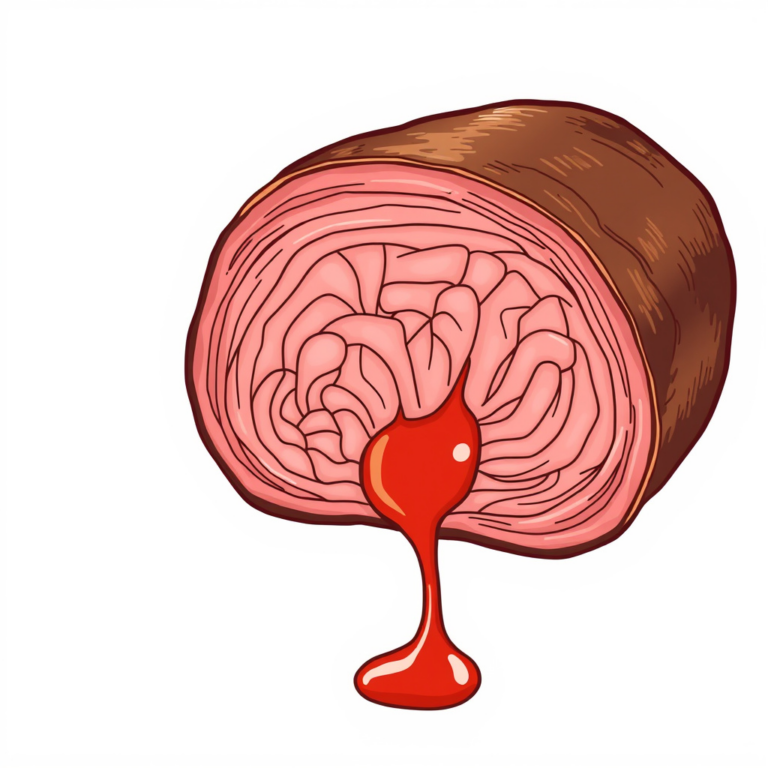
Wrapping brisket is a key step in the smoking process that helps retain moisture and tenderness while speeding up cooking time. It involves covering the brisket with foil or butcher paper partway through cooking, creating a steamy environment that prevents the meat from drying out.
This matters because brisket is a tough cut that requires long, slow cooking to break down collagen and become tender. Without wrapping, the outer bark can become too hard and dry, while the interior may take longer to finish. Wrapping creates a balance between bark formation and moisture retention.
In this article, you will learn when and how to wrap brisket effectively, the pros and cons of different wrapping materials, and tips to maximize flavor and texture. Whether you’re a beginner or looking to improve your smoking technique, these insights will help you achieve consistent, restaurant-quality brisket.
When to Wrap Brisket During Smoking
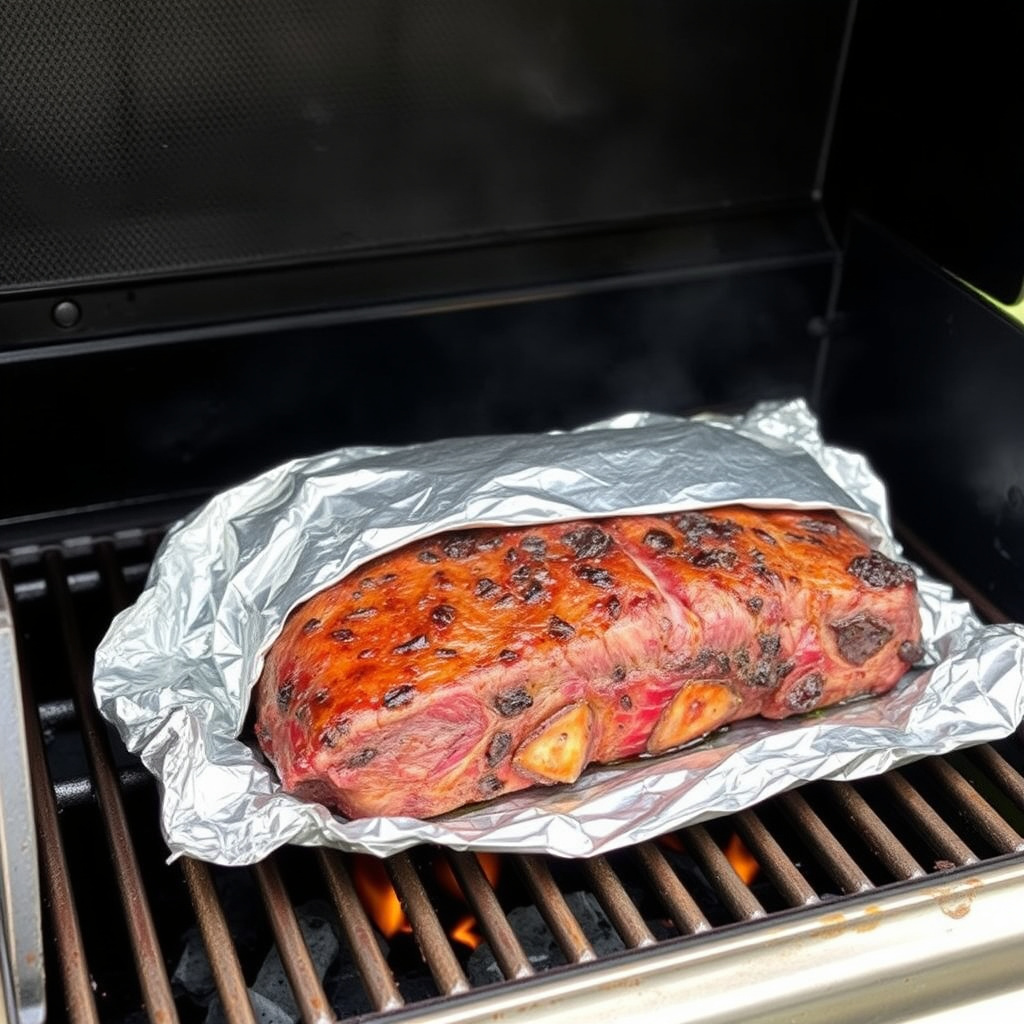
Recognizing the Stall and Its Impact
The 'stall' occurs around the 150–170°F internal temperature mark, where the brisket's temperature plateaus due to evaporative cooling. Wrapping at this point helps push through the stall by trapping moisture and heat.
Understanding the stall allows you to choose the right moment to wrap, which is usually once the brisket develops a firm bark but before it drys out.
Timing Options: Early vs. Late Wrapping
Some pitmasters wrap brisket early, around 160°F, to speed cooking and retain moisture. Others wait until the bark is fully formed near 170-180°F to preserve crust integrity.
Deciding when to wrap depends on your texture preference; wrapping early yields softer bark and moist meat, while later wrapping provides a firmer bark but potentially longer cook time.
Choosing the Best Wrapping Material for Brisket
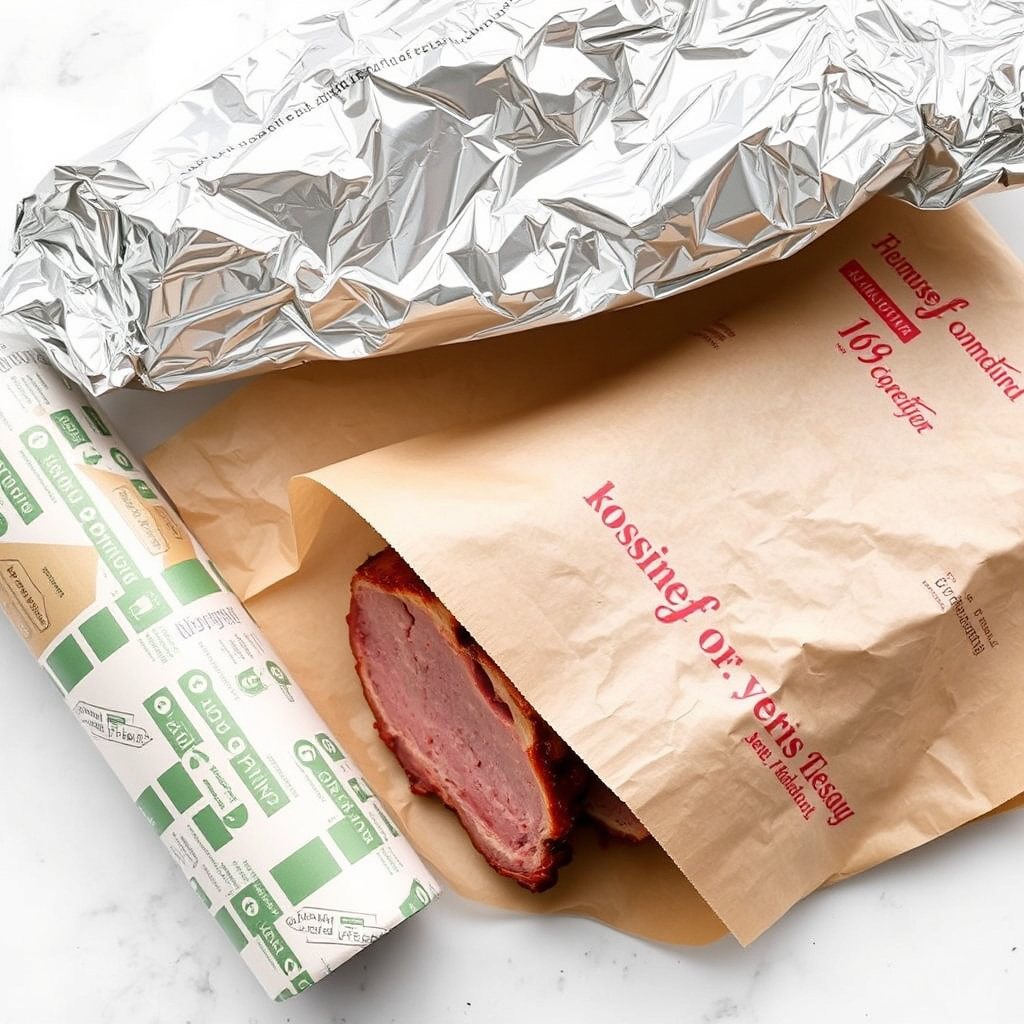
Aluminum Foil: Sealing in Moisture and Heat
Aluminum foil creates a tight seal, trapping all moisture and heat around the brisket. This method helps cook the brisket faster and produces a tender texture but can soften the bark.
Foil wrapping is popular for those who prioritize juiciness and want to finish cooking brisket relatively quickly without worrying about bark texture.
- Fast heat retention
- Locks in moisture
- Softens bark
Peach or Butcher Paper: Breathable Wrapping
Peach or butcher paper lets some moisture escape while maintaining warmth, supporting bark formation alongside tenderness. This option is favored for a balanced bark and juicy interior.
Paper wrapping requires more careful handling during cooking because it won't trap heat as completely as foil but results in a texturally superior bark.
- Breathable surface
- Preserves bark texture
- Moderate heat retention
How to Wrap Brisket: Step-by-Step Guide
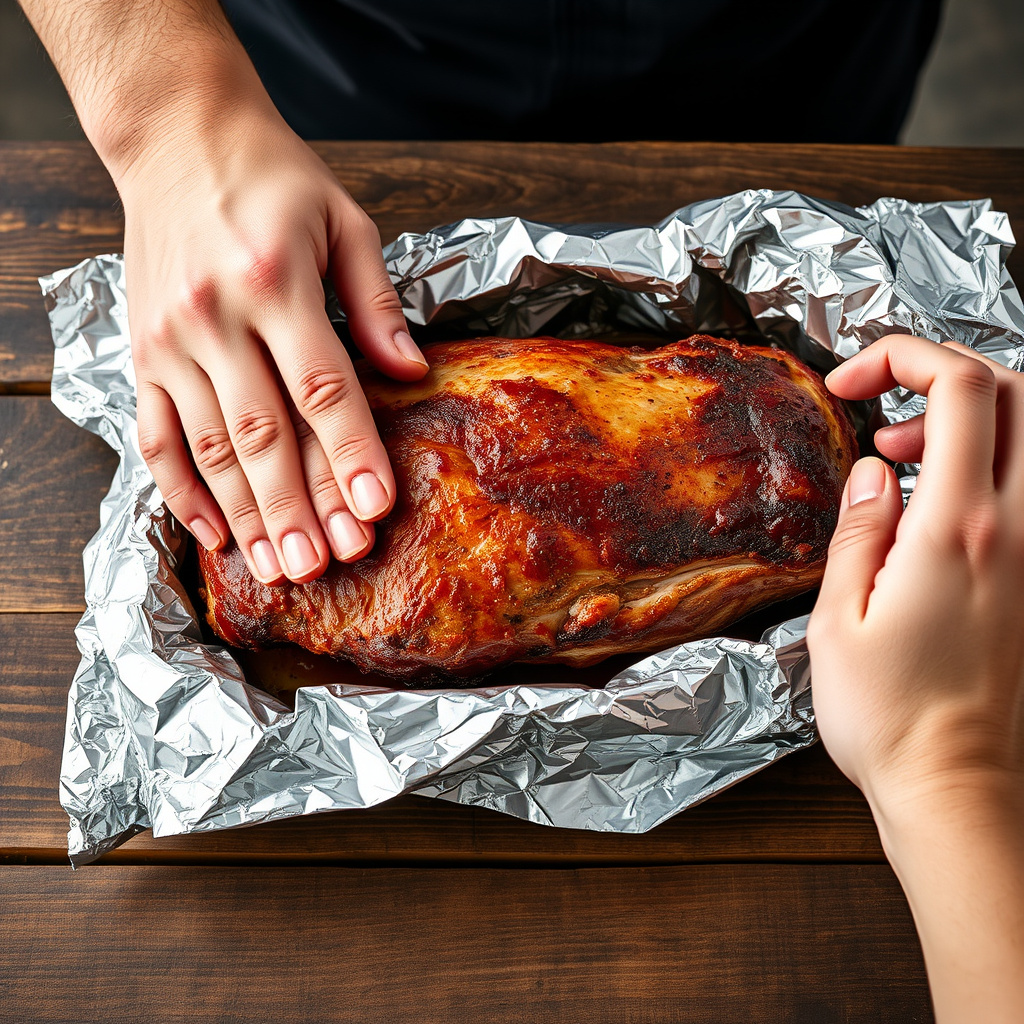
Preparing the Brisket for Wrapping
Before wrapping, ensure the brisket has reached the desired internal temperature and the bark is nicely developed. Trim loose bark or fat that might interfere with wrapping.
Place the brisket on a large sheet of wrapping material laid flat on a clean surface. Make sure the sheet is large enough to cover the entire brisket completely.
For more on this, see our related guide: How to Smoke Meat on a Charcoal Grill: A Step-by-Step Guide.
Wrapping Technique and Sealing Tips
Bring the edges of the foil or paper up and fold tightly around the brisket, sealing every edge to lock in moisture. Avoid puncturing the wrap to maintain the internal environment.
Double wrapping with foil can provide extra protection and prevent leaks. When using paper, wrap snugly but be gentle to avoid tearing.
- Use large sheets for full coverage
- Fold seams tightly
- Avoid wrinkles and punctures
- Consider double layering with foil
Finishing the Brisket After Wrapping
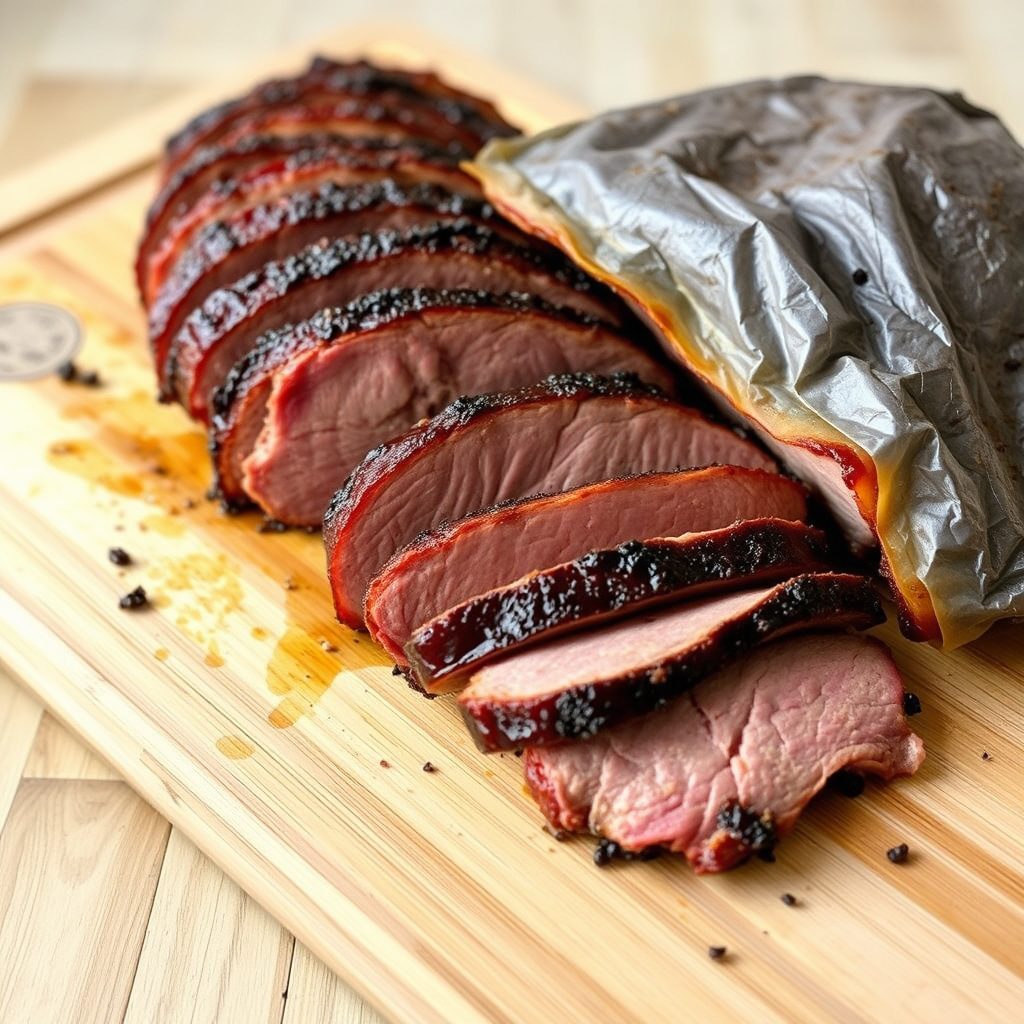
Cooking to Final Temperature
Once wrapped, continue cooking until the internal temperature reaches 200–205°F to ensure connective tissue breaks down fully for tenderness.
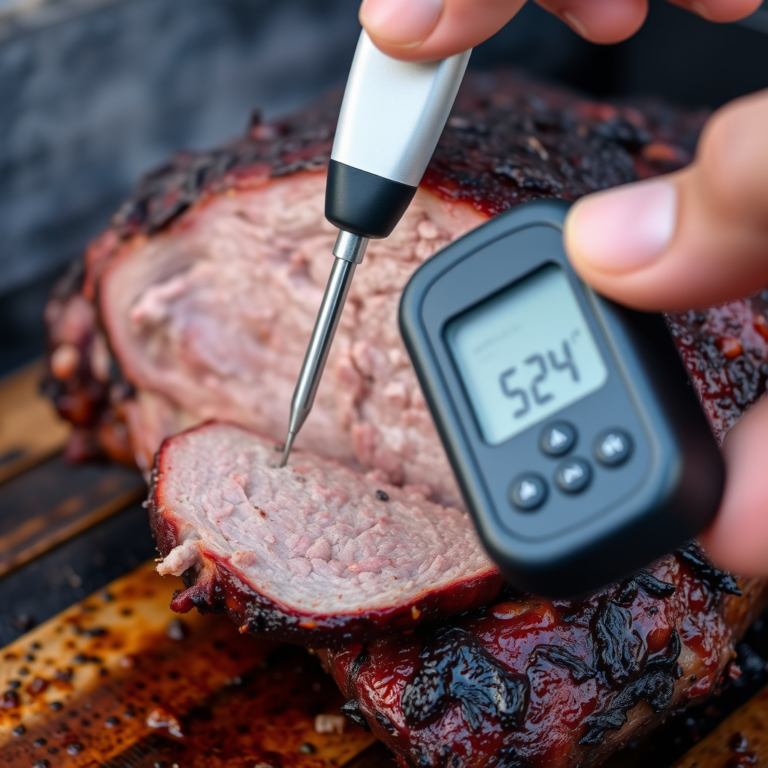
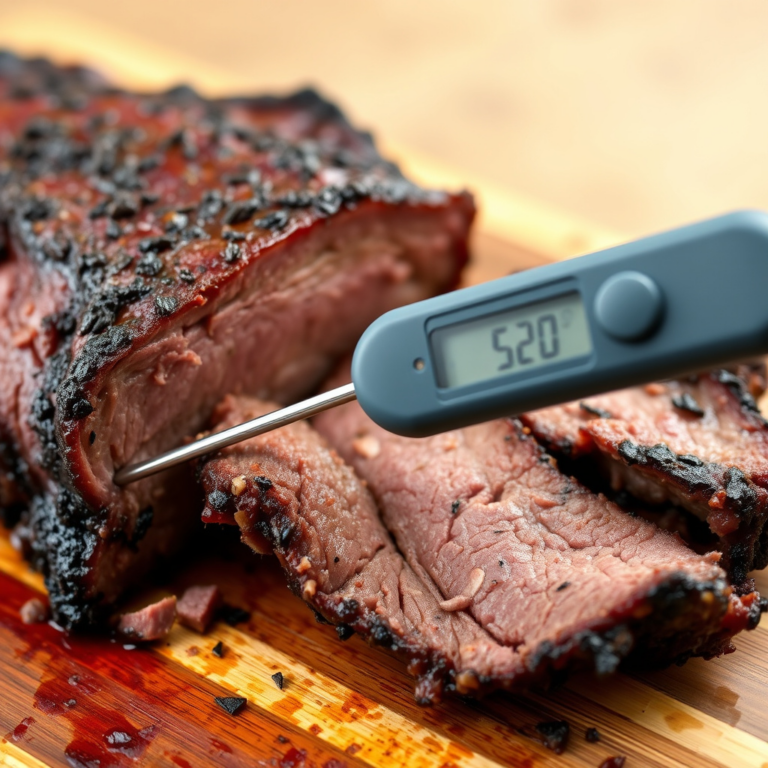
Use a reliable meat thermometer inserted into the thickest part of the brisket to monitor progress and avoid overcooking.
Resting After Wrapping and Cooking
Allow the brisket to rest wrapped for at least 30–60 minutes post-cook. Resting lets the juices redistribute evenly, improving flavor and moistness.
You can keep the brisket wrapped in a cooler or insulated container to maintain temperature during resting for best results.
- Rest 30 to 60 minutes
- Use insulated container
- Keeps juices locked in
Common Mistakes When Wrapping Brisket
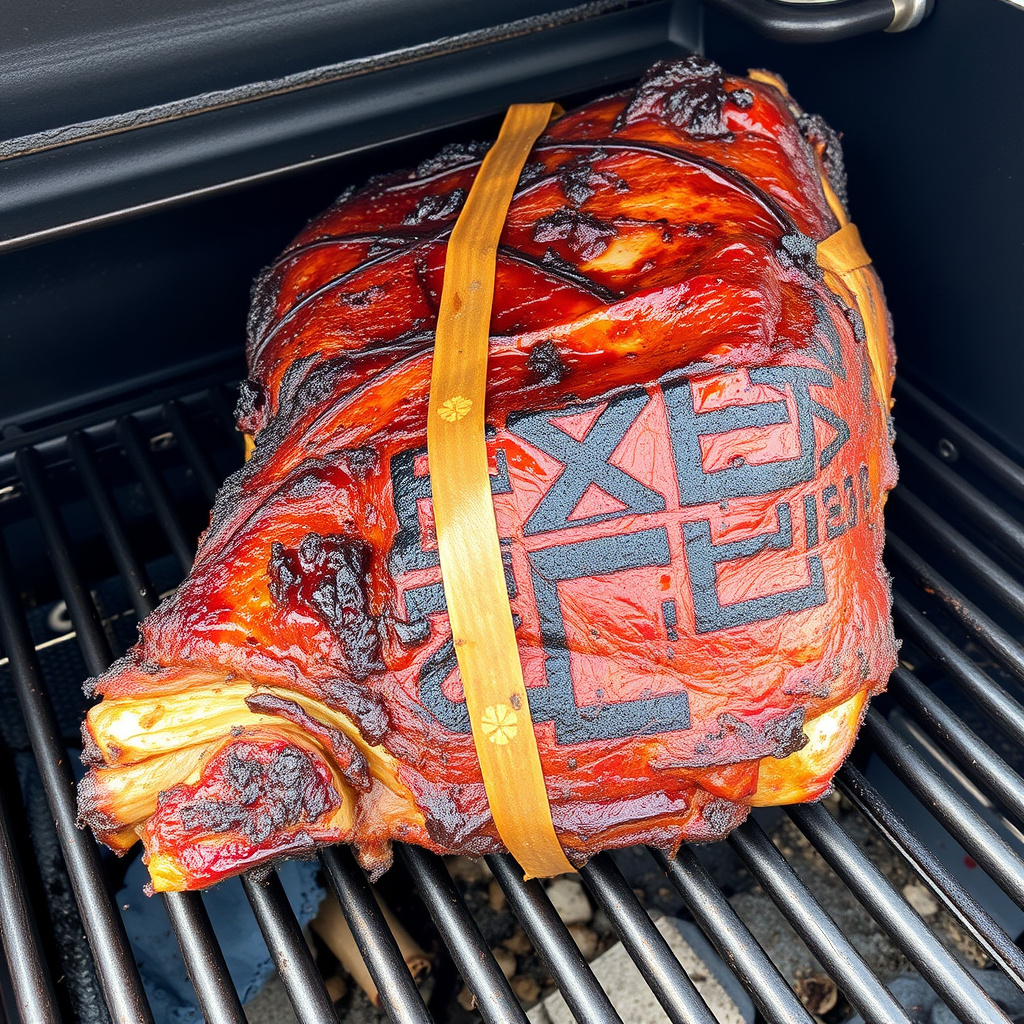
Wrapping Too Early or Too Tightly
Wrapping before the bark forms can cause a pale, mushy surface and prevent flavor development. Overly tight wrapping may also create a steaming effect that softens the bark excessively.
Allow enough bark development before wrapping to preserve texture and avoid sealing in too much liquid.
For more on this, see our related guide: How to Smoke Meat on a Gas Grill: A Step-by-Step Guide.
Using the Wrong Material or Improper Sealing
Using thin or punctured foil or paper can cause leaks that dry out the brisket. Other materials not designed for cooking might impart off-flavors or fail to trap heat correctly.
Always use heavy-duty foil or butcher paper specifically made for smoking meats and double-check for tight seals.
Exploring Alternatives: No-Wrap Brisket Methods
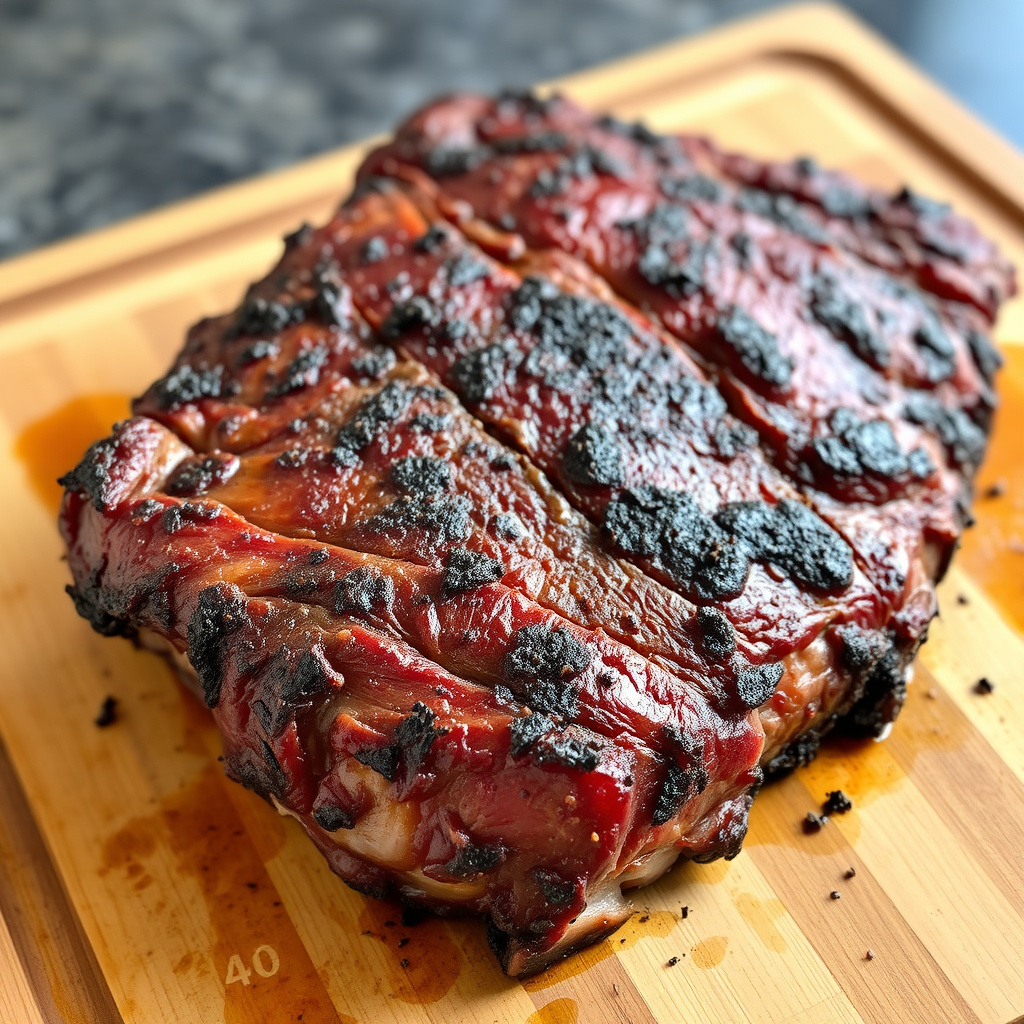
Direct Smoking Without Wrapping
Some pitmasters smoke brisket entirely without wrapping to maximize bark development and smoky flavor. However, this requires longer cook times and precise temperature control to avoid drying out the meat.
No-wrap brisket suits those who prize bark texture over guaranteed moisture but demands close monitoring.
For further reading about brisket preparation, the Wikipedia article on brisket smoking techniques offers detailed information. brisket smoking techniques.
Spritzing and Mopping to Maintain Moisture
To compensate for moisture loss when not wrapping, spritz or mop the brisket periodically with water, broth, or vinegar solutions during smoking. This keeps the surface hydrated and can extend cooking time.
While spritzing aids moisture, it cannot replicate the insulation and trapped steam effect wrapping provides.
- Use spray bottle or mop
- Spritz every 45–60 minutes
- Avoid over-wetting bark
Brisket Wrapping Material Comparison
Here's a quick comparison of popular brisket wrapping materials based on heat retention, bark preservation, and ease of use.
| Material | Heat Retention | Bark Preservation | Ease of Use |
|---|---|---|---|
| Aluminum Foil | High | Softens bark | Easy |
| Butcher Paper | Moderate | Preserves bark | Moderate |
| Peach Paper | Moderate | Good bark texture | Moderate |
| No Wrap (Spritzing) | Low | Maximum bark | Requires attention |
Frequently Asked Questions
Can I wrap brisket with plastic wrap or regular kitchen foil?
Plastic wrap is not suitable for cooking due to melting and safety concerns; use heavy-duty aluminum foil designed for grilling or butcher paper specifically made for smoking meats.
Should I wrap the brisket fat side up or down?
For wrapping, place the brisket fat side down if your heat source is above the meat, so fat protects the meat from drying; otherwise, fat side up allows rendered fat to baste the brisket.
Is it necessary to wrap brisket during smoking?
Wrapping is optional but recommended for retaining moisture and speeding cook time; unwrapped brisket develops a thicker bark but requires attentive temperature control.
How tight should I wrap my brisket?
Wrap tightly enough to avoid air leaks and retain heat but avoid crushing the bark or puncturing the wrap; folds should be snug but gentle.
Can I reuse foil to wrap brisket?
It's best to use fresh heavy-duty aluminum foil to avoid tears and contamination; reused foil may be thin, weaker, and less effective at sealing moisture.
Key Takeaways
- Wrap brisket around 160–170°F to push through the stall and retain moisture.
- Aluminum foil seals moisture but softens the bark; butcher paper balances moisture and bark texture.
- Proper wrapping technique requires tight, complete sealing and adequate wrap size.
- Resting wrapped brisket post-cook enhances juiciness and tenderness significantly.
Conclusion
Mastering how to wrap brisket can transform your barbecue results by balancing tenderness and bark quality. The choice to wrap, when to do it, and the material used all shape the final flavor and texture. Observing the stall and responding with the right wrapping technique helps manage moisture loss and reduces cooking time while preserving surface crust. Cooking with attention to these steps gives consistent, succulent brisket that impresses every time.
For those seeking maximum juiciness with a tender bite, aluminum foil wrapping started around 160°F works well due to its heat sealing properties. In contrast, enthusiasts focused on bark texture may prefer butcher paper wrapping a bit later to retain the crust while maintaining moistness. If you prefer bark over softness or want to experiment, no-wrap with spritzing is an option but requires more vigilance. The ideal method aligns with your taste preferences and patience during the smoke.
Next, try practicing the wrapping process timed to when your brisket hits the stall temperature, using heavy-duty foil or butcher paper. Experiment with leave-on bark texture versus softness to find your perfect balance. Also, remember to rest your wrapped brisket adequately post-cooking. With practice and these guidelines for how to wrap brisket, your smoked meat will reach new heights of flavor and tenderness.