Maintaining steady heat is the key to successful smoking, and controlling smoker temperature means managing airflow, fuel, and the smoker’s vents precisely. This ensures your food cooks evenly and absorbs just the right amount of smoke flavor.
Temperature control matters because fluctuating heat can ruin your brisket or ribs by drying them out or causing uneven cooking. With effective smoker temperature control, you get consistent results and a smoky flavor profile that’s just right, whether you’re aiming for low-and-slow or hotter grilling sessions.
This article explores how you can control your smoker’s temperature by understanding your fuel, managing airflow, using thermometers, and more. You’ll find detailed strategies for different smoker types, troubleshooting tips, and a comparison of popular smoker temperature control methods.
Understanding Smoker Temperature Fundamentals
How Heat Is Generated in a Smoker
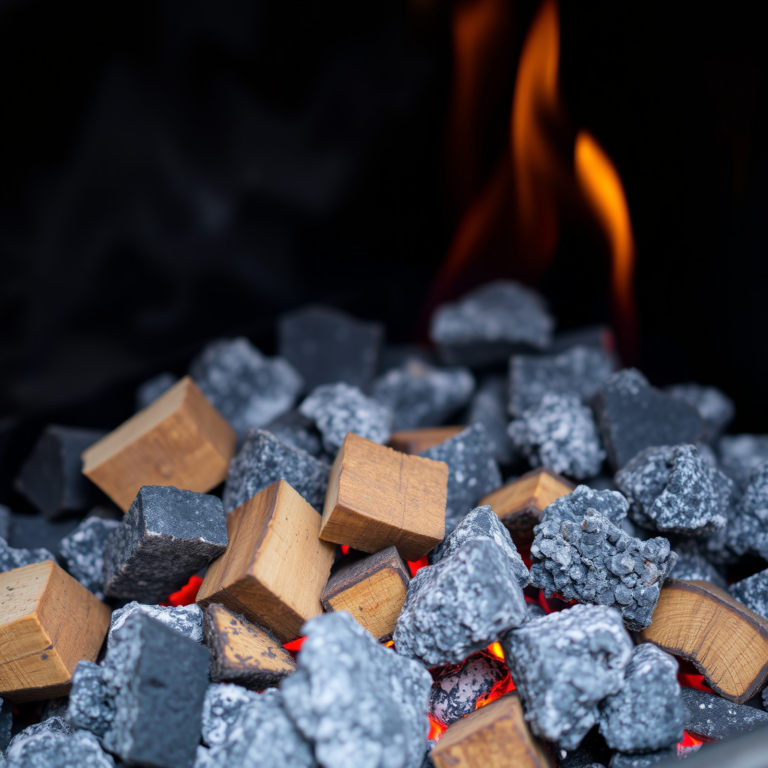
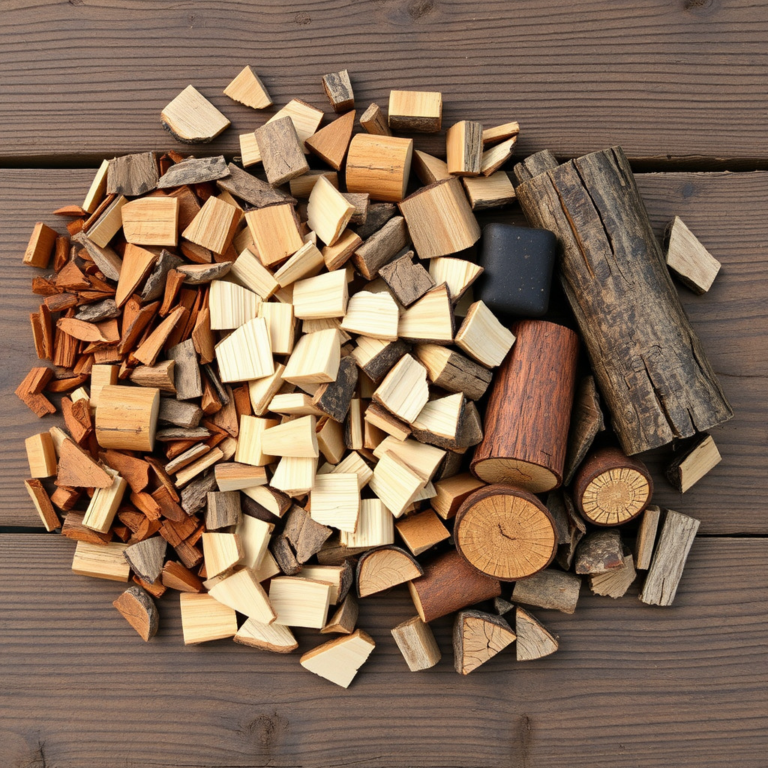
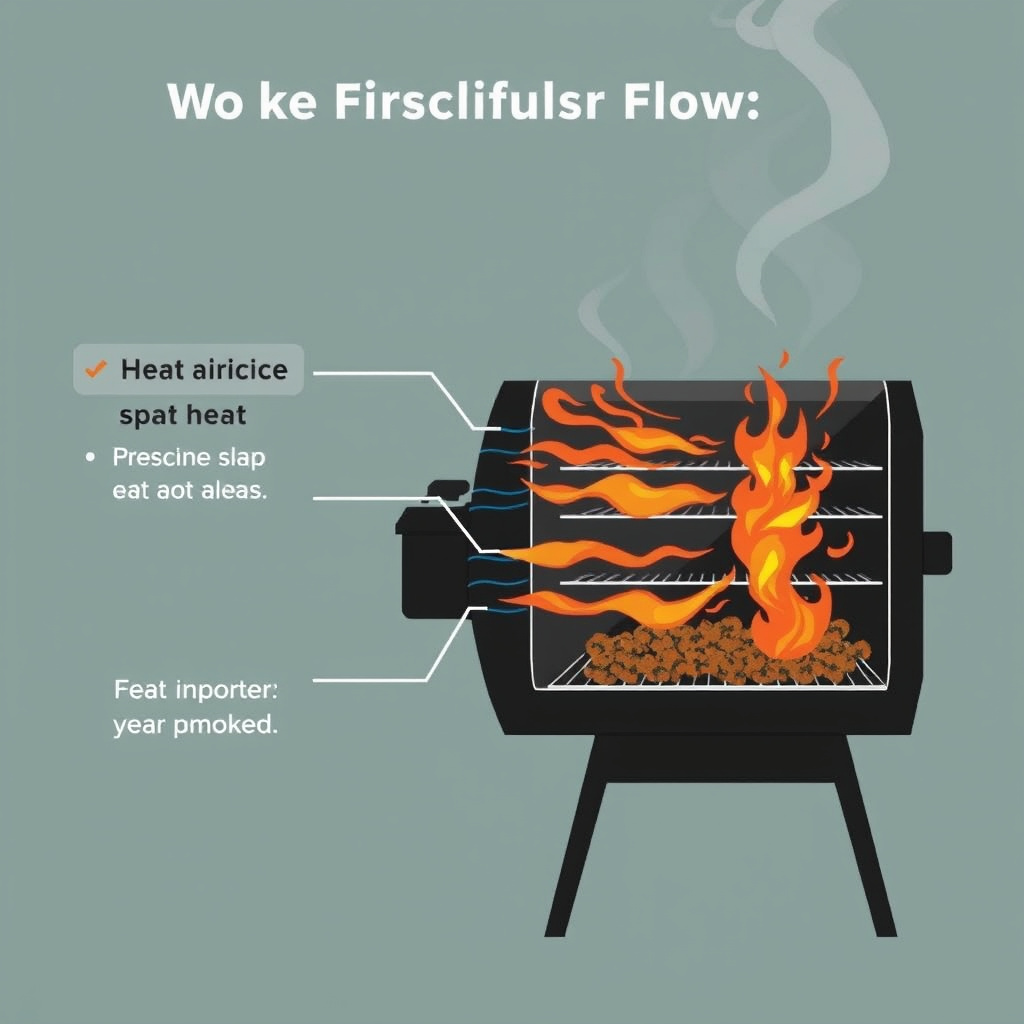
Smokers generate heat primarily through the combustion of wood, charcoal, or gas. The amount and type of fuel and how it burns determine how much heat is produced. Charcoal tends to burn hotter and longer, while wood adds more flavor but requires careful management.
The core challenge is maintaining a steady temperature during a long cook, which means understanding how your fuel choice and quantity influence the heat output. Knowing these fundamentals sets the stage for effective smoker temperature control.
Role of Airflow in Temperature Control
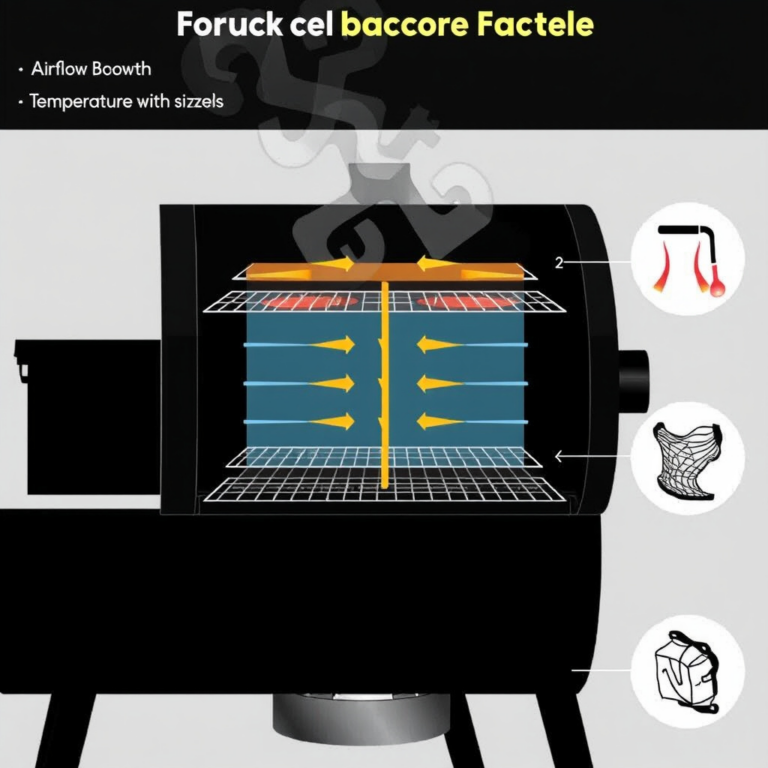
Airflow is the smoker’s throttle—more oxygen means your fuel burns hotter, less slows the fire. Adjustable dampers control the intake and exhaust, giving you fine control over burning intensity and temperature.
Proper ventilation prevents smoke buildup and keeps fuel burning efficiently. Learning to balance airflow with your fuel load is the foundation of reliable smoker temperature control.
- Intake damper regulates fresh air entry
- Exhaust damper releases smoke and heat
- Adjusting dampers controls oxygen flow
Tools and Techniques for Smoker Temperature Control
Using Thermometers for Precision
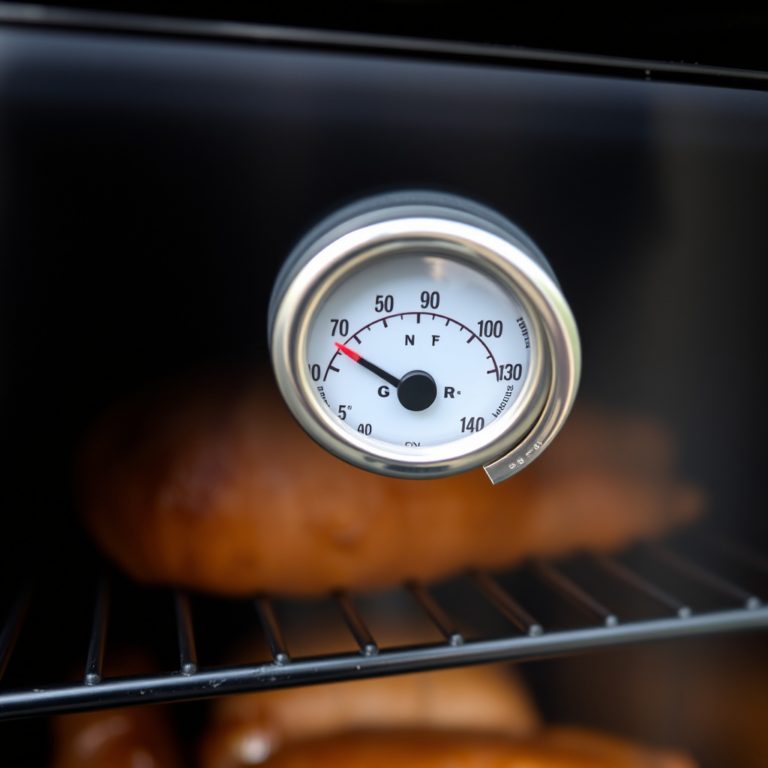
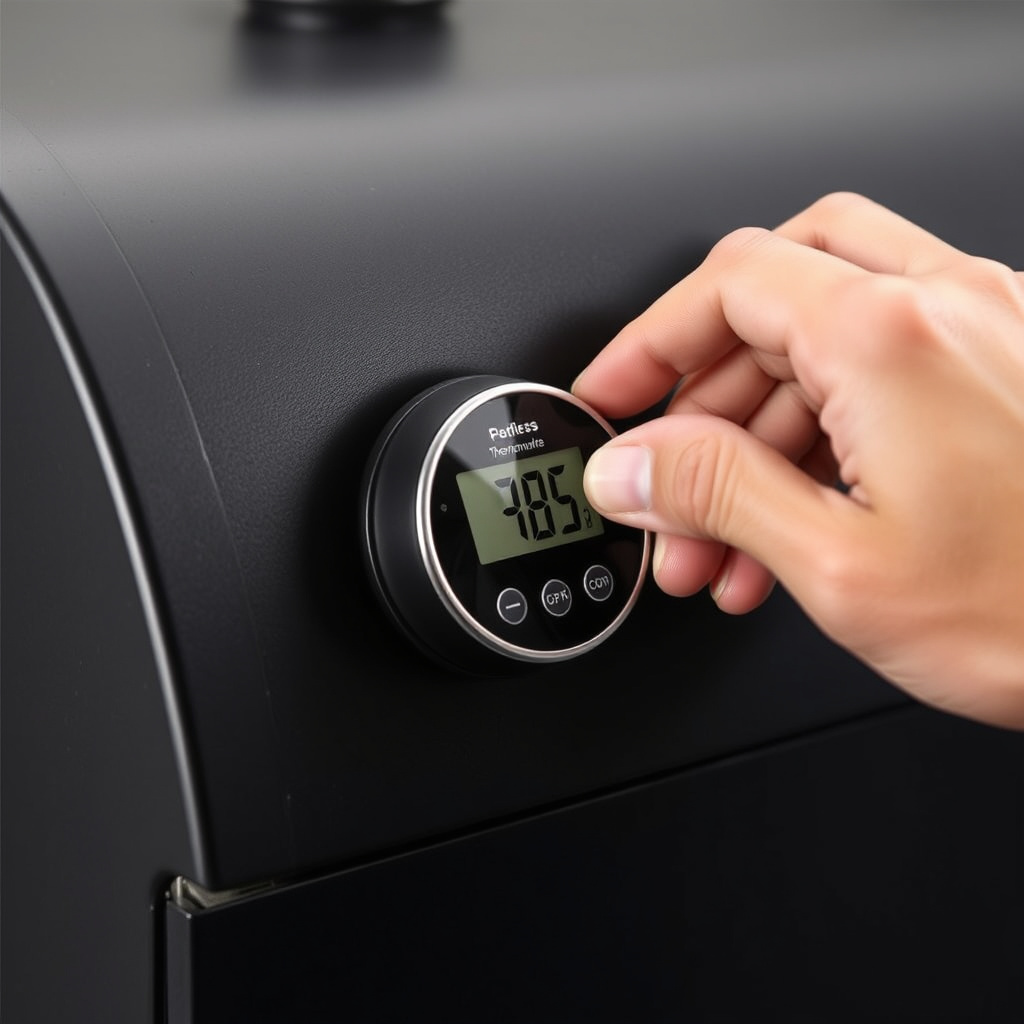
Having accurate temperature readings is crucial. Use a high-quality digital thermometer with a probe inside the cooking chamber to track air temperature near the food. Some cookers have built-in gauges, but external thermometers are often more reliable.
Monitoring temperature frequently allows you to make needed adjustments quickly. Wireless or Bluetooth thermometers provide real-time data, helping maintain steady smoker temperature during long cooks.
- Placement near food for accuracy
- Consider dual-probe thermometers
- Regularly calibrate your thermometers
Adjusting Airflow and Fuel
Fine-tuning the fuel’s burn rate by opening or closing intake and exhaust vents is the main method of temperature control. Opening vents lets in more oxygen, raising temperature; closing them lowers it.
Adding small amounts of fuel instead of large batches prevents sudden temperature spikes. It’s best to make gradual changes and allow time for the smoker to react.
- Open vents for higher heat
- Close vents to lower temperature
- Add fuel incrementally
Controlling Temperature on Different Smoker Types
Managing Temperature in Offset Smokers
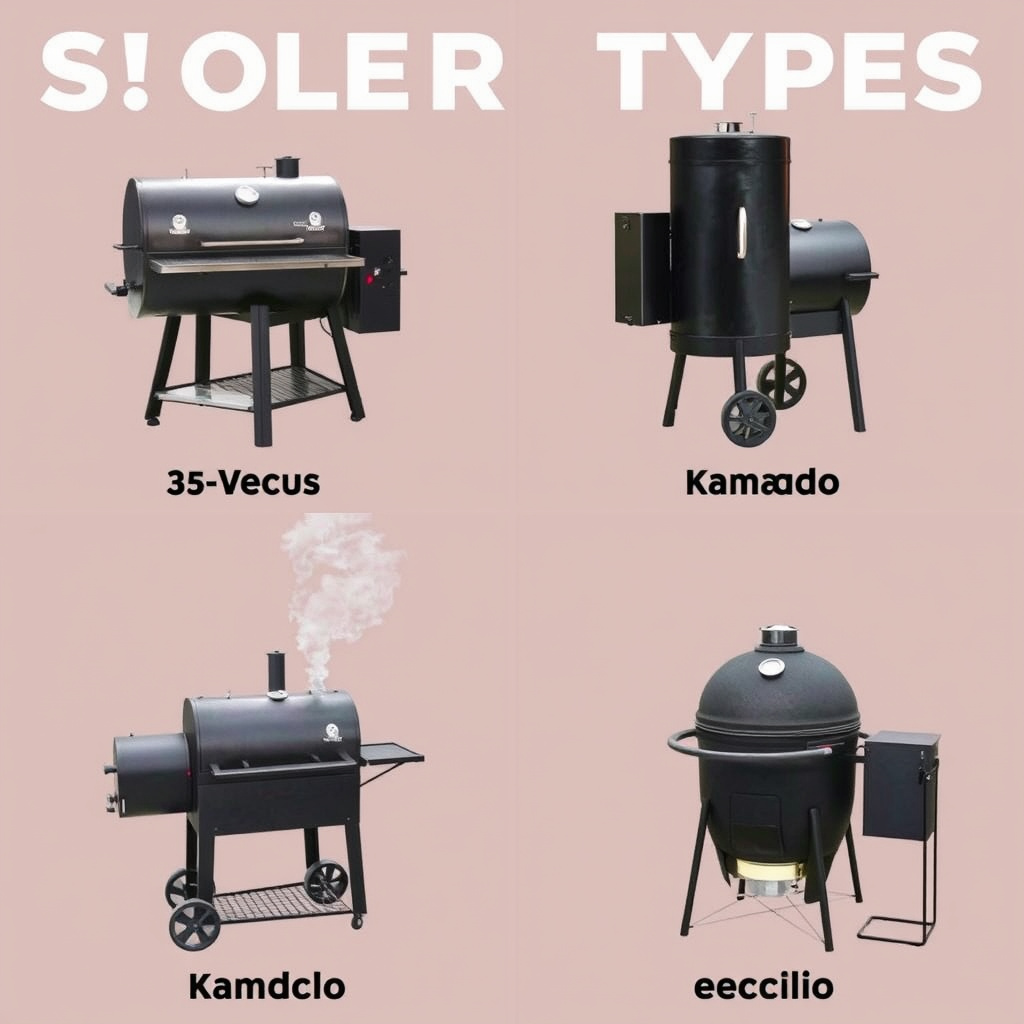
Offset smokers have a separate firebox connected to the cooking chamber. Control temperature by managing fire intensity in the firebox and adjusting airflow with vents on both firebox and main chamber.
Because heat travels sideways, insulation and proper sealing around doors help prevent heat loss. Learning how your particular offset smoker behaves under certain vent positions is key.
- Use firebox vents to control fire burn
- Adjust chimney damper to regulate exhaust
- Seal door gaps to minimize leaks
For more on this, see our related guide: Can You Use a Gas Grill as a Smoker? Practical Tips and Techniques.
Smoker Temperature Control for Kamado and Pellet Smokers
Kamado smokers use thick ceramic walls for heat retention and require careful vent adjustments to fine-tune temperature. Pellet smokers automate temperature via a digital controller feeding pellets as needed, but manual override and monitoring can enhance precision.
Because pellet smokers rely on electronic controls, make sure sensors and feed systems are clean and functioning well to avoid temperature fluctuations.
- Kamados rely heavily on vent tuning
- Pellet smokers use automated fuel feeding
- Keep pellet feed systems clean
Common Challenges When Controlling Smoker Temperature
Troubleshooting Temperature Fluctuations
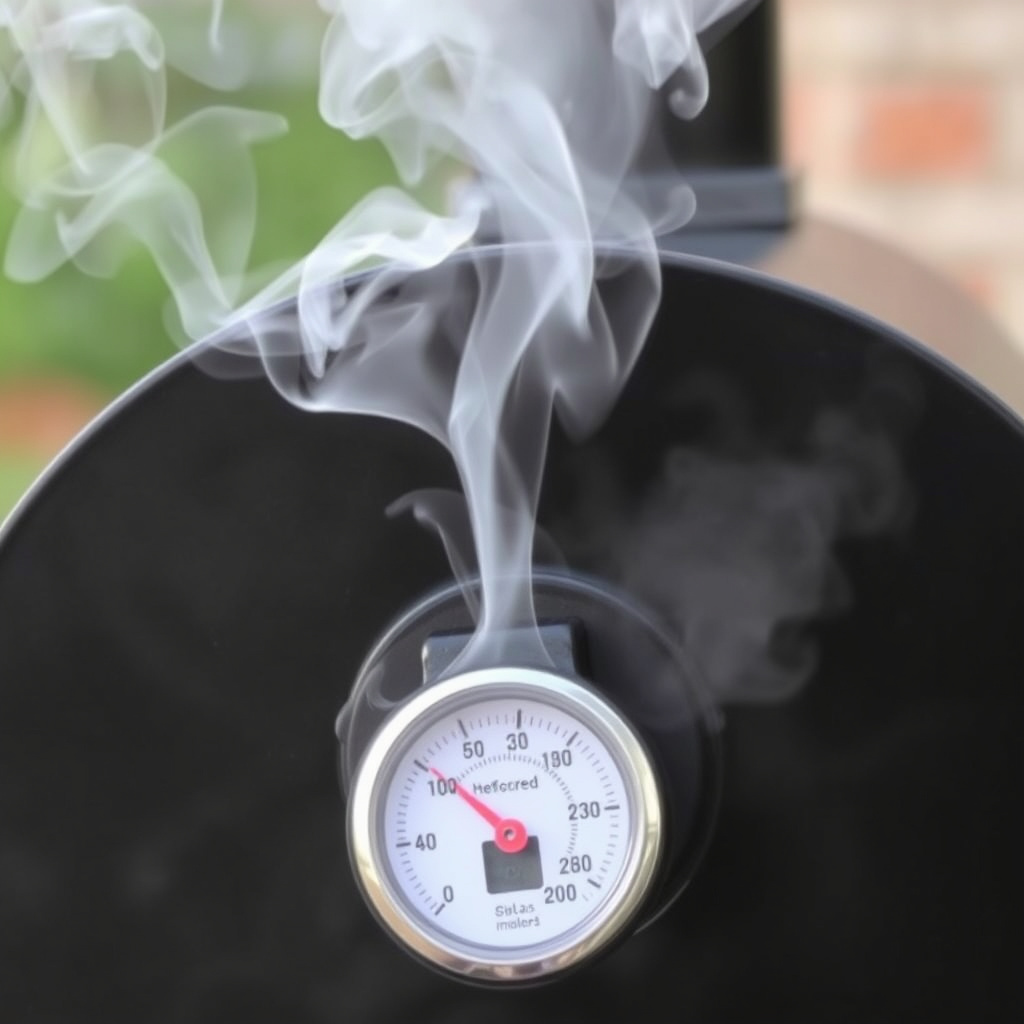
Rapid temperature swings often stem from poor fuel management, airflow leaks, or weather conditions like wind and cold. Identifying these causes helps stabilize heat by improving the smoker’s seal or adjusting vent settings.
Humidity and outdoor temperature also affect fuel burning rates, requiring attentive adjustments during the cook cycle.
Preventing Heat Loss and Leaks
Leaky doors or vents let heat escape and cause inconsistent temperature control. Use high-temp gasket material and check seals before smoking sessions. Cover structural gaps and insulation issues to reduce heat loss.
Regular maintenance of smoker seals and vents preserves heat retention and smooth airflow, resulting in improved smoker temperature control.
- Inspect and replace gaskets as needed
- Seal cracks with high-temp sealant
- Keep vents clean and operational
Advanced Smoker Temperature Control Strategies
Using Water Pans and Heat Shields
Water pans inside the smoker add moisture and act as heat sinks, helping stabilize temperature spikes. Heat shields deflect direct heat, promoting more even cooking by reducing hot spots.
Adding a water pan is a simple tweak that improves temperature consistency, especially during long, low-temperature smokes.
- Fill pan with hot water before cook
- Position heat shields to block direct flames
For more on this, see our related guide: The Difference Between a Pellet Grill and a Smoker: Which One Suits Your BBQ Style?.
Incorporating Digital Controllers and Automation
Digital controllers for wood pellet or electric smokers automate fuel delivery and fan speed to keep temperature steady within a tight range. Using these devices reduces manual intervention and improves accuracy for long smoking sessions.
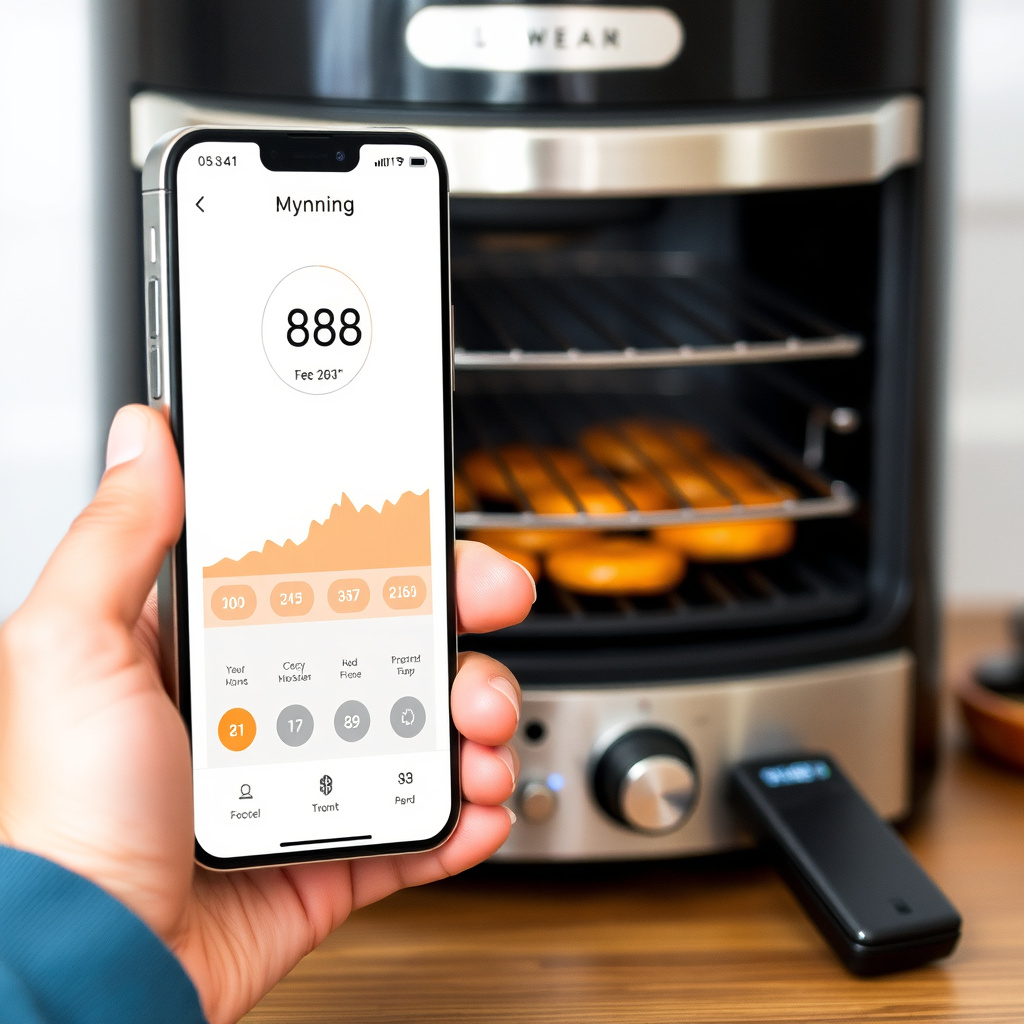
Smart controllers that connect to phone apps offer remote monitoring and control, making smoker temperature control more convenient and precise.
- Automate vent and pellet feeding
- Monitor via smartphone app
- Set temperature alarms
Smoker Temperature Control Tips for Consistent Results
Preparing Your Smoker Before Cooking
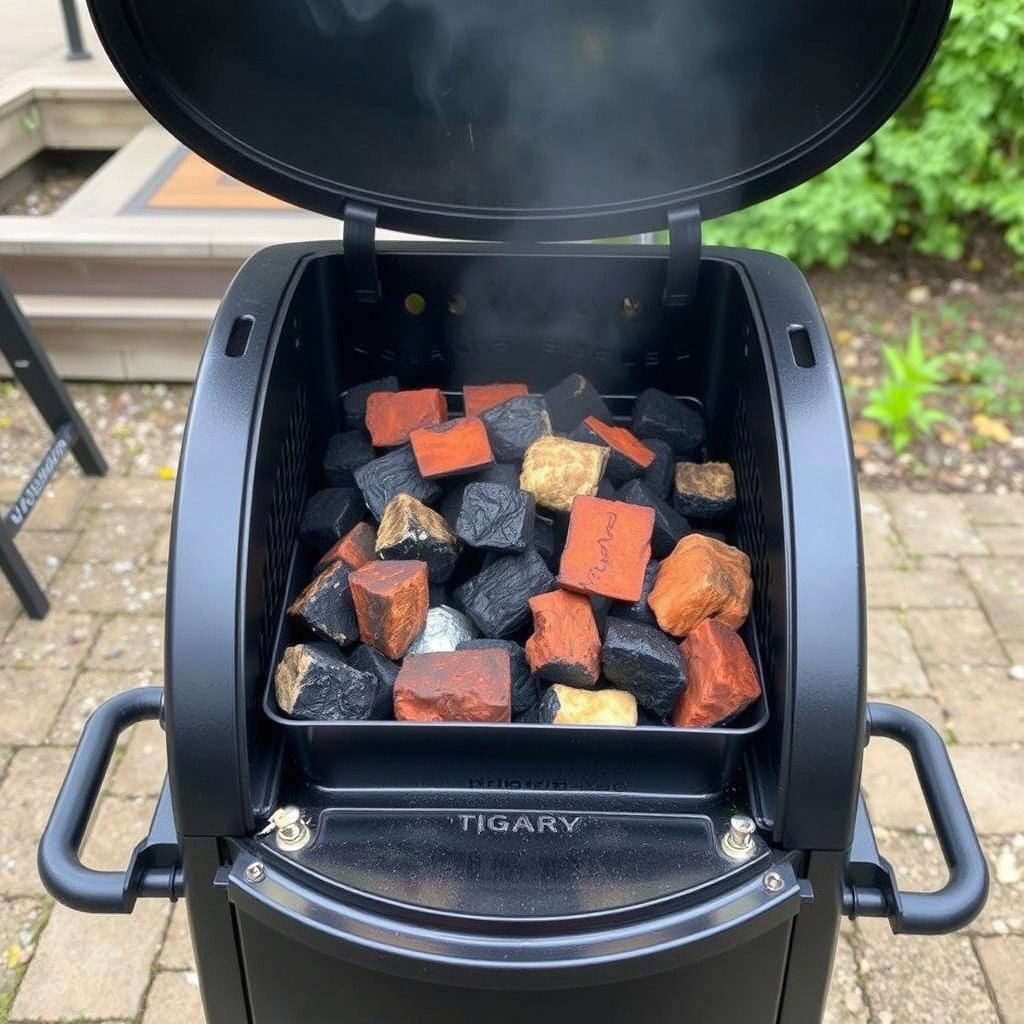
Season wood or charcoal and preheat the smoker to the target temperature before adding food. This builds a stable heat environment and avoids sudden temperature drops when the lid is opened.
Clean the smoker chamber and check all seals and vents. Proper preparation lays the groundwork for successful smoker temperature control.
- Preheat smoker 30-40 minutes
- Clean cooking grate and chamber
- Inspect seals and vents
For more on the basics and history of smoking, see the Smoking (cooking technique) Wikipedia article. Smoking (cooking technique) Wikipedia article.
Maintaining Steady Temperature During Long Cooks
Avoid opening the smoker lid too often, as this causes heat loss and fluctuating temperatures. Use a reliable thermometer to monitor internal conditions and make minor vent adjustments only when necessary.
Patience is key since temperature changes take time to stabilize. Consistency wins over rapid corrections.
- Resist frequent lid opening
- Make gradual vent adjustments
- Regularly monitor temperature
Smoker Temperature Control Methods Comparison
Here’s a comparison of common smoker types and their temperature control techniques to help you identify which fits your cooking style best.
| Smoker Type | Heat Source | Temperature Control Method | Typical Temperature Range | Ease of Control |
|---|---|---|---|---|
| Offset Smoker | Charcoal/Wood | Manual airflow (vents) and fuel adjustments | 180-300°F | Moderate |
| Kamado Smoker | Charcoal | Vent adjustments with ceramic insulation | 150-600°F | Moderate to High |
| Pellet Smoker | Wood Pellets | Digital controller feeding pellets and fan control | 150-400°F | High |
| Electric Smoker | Electric heating element | Thermostatic digital controller | 165-275°F | Very High |
| Propane Gas Smoker | Propane burner | Manual gas flow regulator and vents | 180-300°F | Moderate |
Frequently Asked Questions
What is the ideal temperature range for smoking meat?
Most smoking is done between 225°F and 275°F, which allows for slow cooking and smoke flavor absorption without drying out the meat.
How often should I adjust the vents to control temperature?
Make small vent adjustments and wait 10-15 minutes to see the effect before changing again. Frequent changes can cause unstable temperatures.
Can I use a water pan to help control smoker temperature?
Yes, water pans moderate heat fluctuations by absorbing and releasing heat and add moisture to the cooking environment.
Are digital thermometers necessary for controlling smoker temperature?
While not strictly necessary, digital thermometers provide more accurate, real-time temperature readings, improving control and results.
How do weather conditions affect smoker temperature control?
Wind and cold can cause heat loss, requiring more frequent adjustments to vents and fuel to maintain consistent smoker temperature.
Key Takeaways
- Controlling airflow is the most effective way to manage smoker temperature.
- Accurate thermometers are essential for consistent temperature monitoring.
- Different smoker types require tailored temperature control techniques.
- Water pans and digital controllers improve temperature stability and ease.
Conclusion
Approaching smoker temperature control with a clear understanding of heat generation and airflow principles simplifies the cooking process. Whether using wood, charcoal, or pellets, adjusting air intake and exhaust vents allows you to fine-tune heat levels precisely. Regular thermometer checks and gradual vent tweaks prevent wild temperature swings, producing perfectly smoked BBQ.
For those using offset smokers, manual vent management combined with sealing door leaks ensures reliable temperature control. Kamado enthusiasts benefit from ceramic insulation and careful vent adjustments, while pellet smoker users enjoy digital controllers that automate temperature maintenance. Electric and propane smokers offer consistent heat with minimal work. Choosing the right smoker and method helps match your preferred cooking style and skill level.
Start by preparing your smoker with proper fuel, secure seals, and preheating to your target. Use quality thermometers to track temperatures and make patient, incremental adjustments to airflow. Incorporate water pans or digital devices as needed to smooth temperature variations during long cooks. Mastering smoker temperature control turns barbecue from a challenge into a rewarding craft with reliable, delicious results.