Dry smoked meat is usually the result of incorrect smoking time, temperature, or preparation techniques that cause moisture loss. Overcooking, using too high heat, or not properly brining or marinating the meat are common causes leading to dry, tough results.
Understanding what causes meat to dry out during smoking helps improve your next batch. Smoking is a slow cooking method that ideally breaks down connective tissue and infuses flavor without evaporating all the meat juices, but when the process is off—even slightly—it affects texture and moisture retention.
This article breaks down why smoked meat turns dry, including key factors like temperature control, meat preparation, and smoking duration. You'll find practical advice on changing your methods to maintain juiciness and delicious flavors every time.
Controlling Smoking Temperature and Time to Prevent Dryness
Ideal Smoking Temperatures for Different Meats
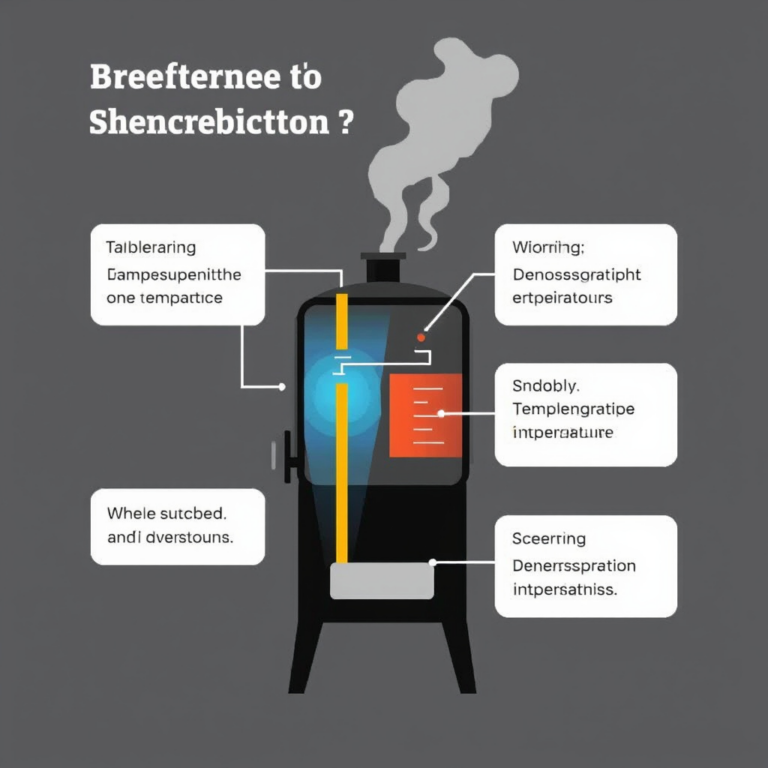
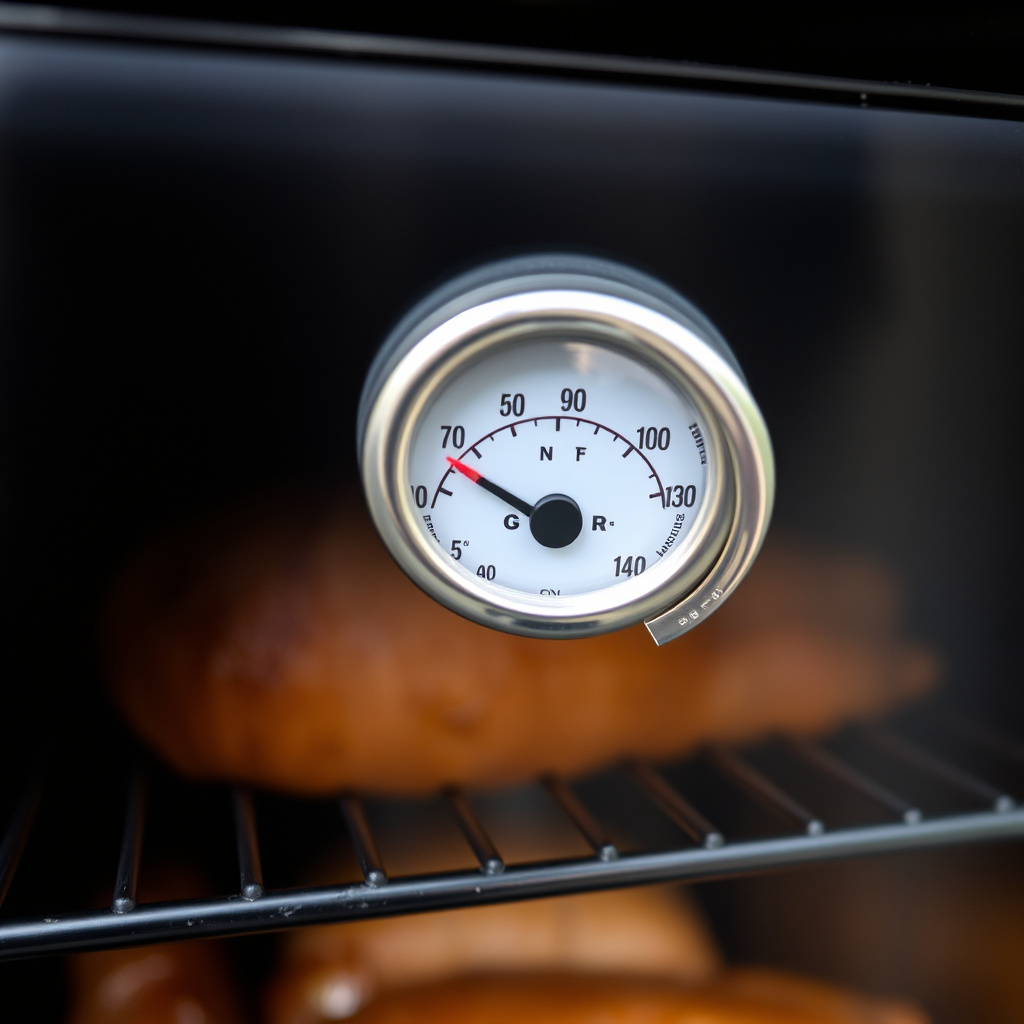
Smoking meat at too high a temperature causes rapid moisture loss, leading to dryness. Most meats smoke best between 225°F and 275°F, which allows collagen breakdown and flavor absorption while retaining juices.
If you exceed these temperatures, the outer layers cook too fast and the meat dries out before the inside is tender. Monitoring your smoker’s heat closely is essential to avoid drying.
- Pork shoulders: 225°F to 250°F
- Brisket: 225°F to 275°F
- Chicken: 225°F to 275°F
Finding the Right Smoking Duration
Smoking meat for too long dries it out even at correct temperatures. The internal temperature rise is gradual, but pushing the meat beyond its ideal finish point pulls moisture from within.
Use a meat thermometer to track doneness and remove the meat when it reaches safe internal temperatures. Also, consider resting time to redistribute juices.
Preparing Meat Properly to Maintain Moisture During Smoking
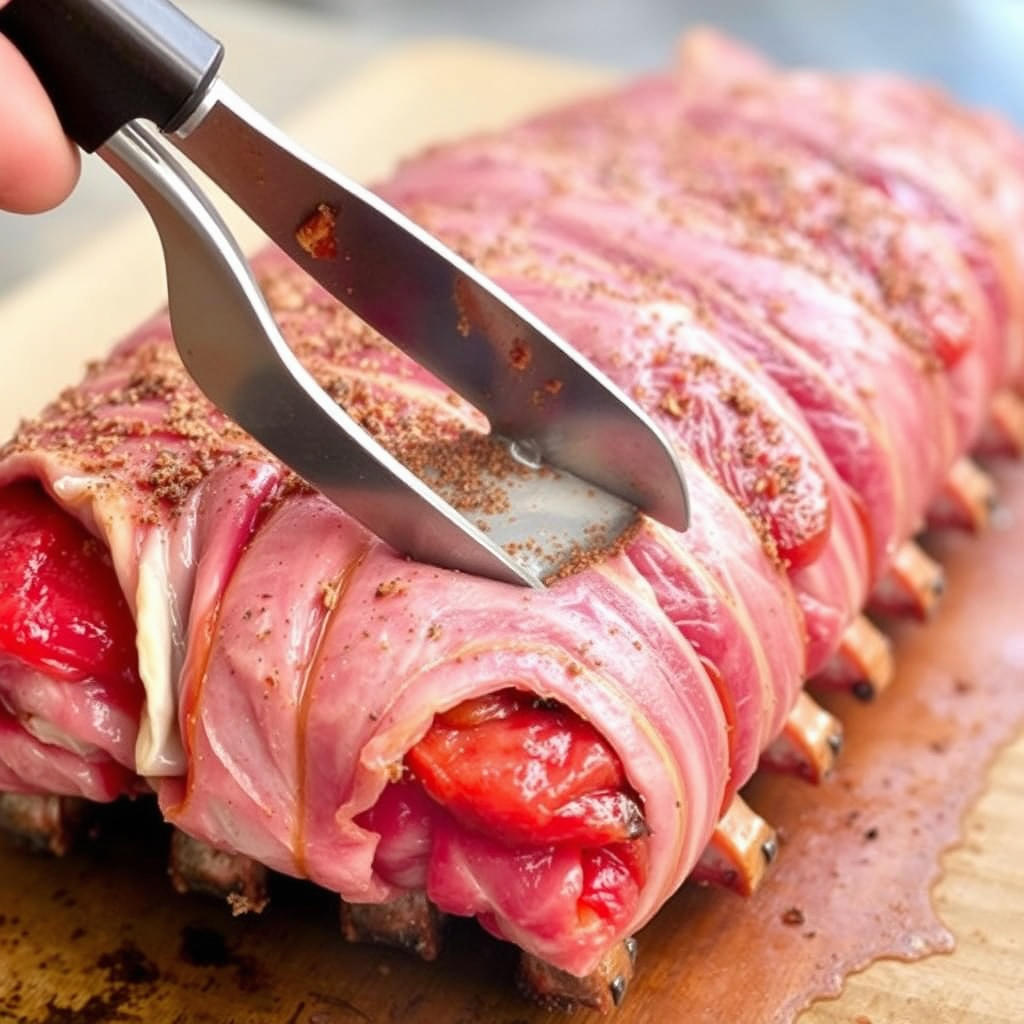
Brining and Marinating Before Smoking
Brining injects salt and moisture into the meat, increasing water retention during smoking. A basic brine with water, salt, and sugar can prevent drying and add flavor depth.
Marinating adds acidity and oils that tenderize fibers, but overly acidic mixtures can dry meat if left too long. Timing and ingredients matter for balanced moisture retention.
- Use a 5-8% salt solution for brining
- Limit acidic marinades to a few hours
For more on this, see our related guide: Can You Use a Gas Grill as a Smoker? Practical Tips and Techniques.
Using Fat and Wrapping Techniques
Fat content helps keep smoked meat juicy; lean cuts may need additional fat sources or wrapping during cooking. Wrapping meat in foil or butcher paper partway through prevents moisture escape and speeds cooking.
The “Texas Crutch” technique wraps meat after a smoke bark forms, reducing drying risk and softening textures without flavor loss.
- Wrap in foil after bark formation
- Add butter or oil to lean cuts
Choosing the Right Wood and Smoke for Juicy Results
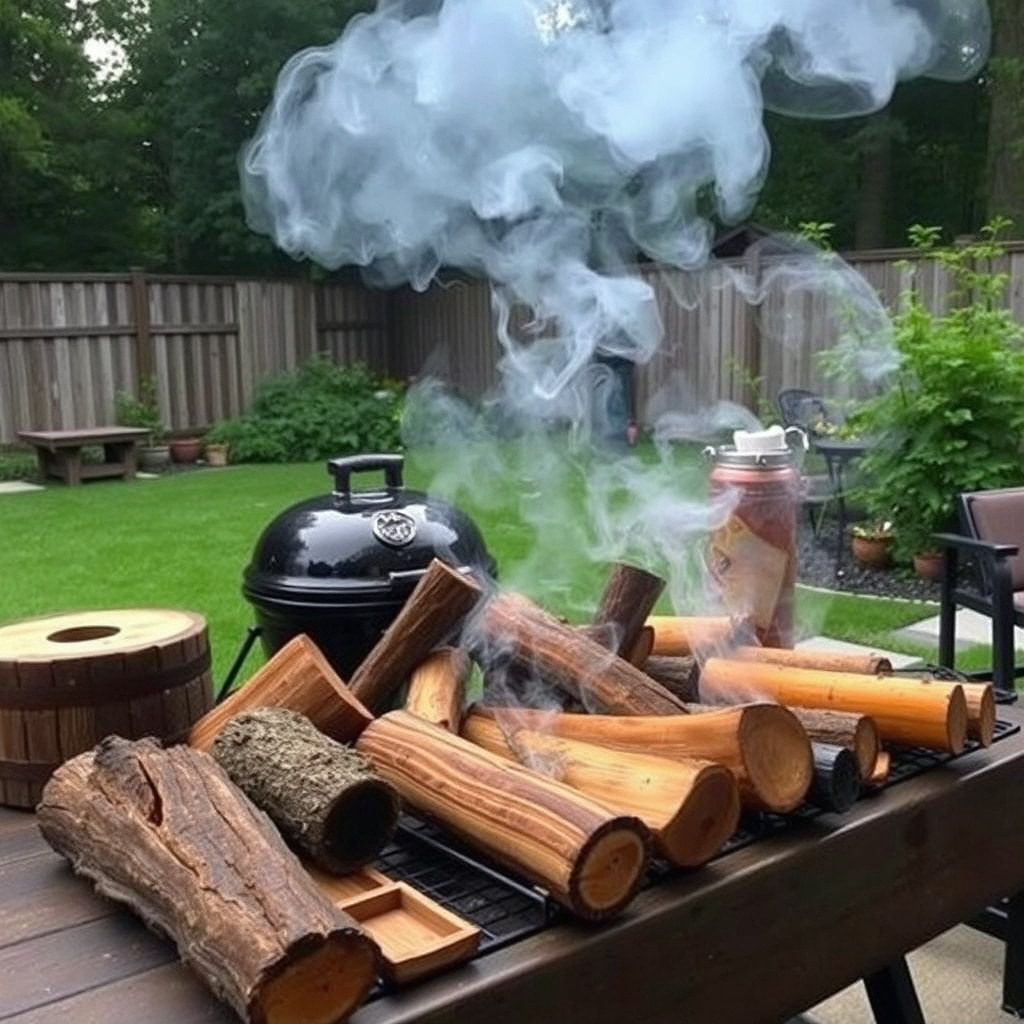
Impact of Wood Type on Meat Moisture
Some woods produce heavier, hotter smoke that can dry meat quicker, while milder woods create gentler smoke with less drying effect. Popular woods like apple or cherry produce sweeter smoke that balances moisture retention.
Avoid excessive smoke exposure; too much smoke can dry out the meat's surface and create bitterness.
- Milder woods: apple, cherry, pecan
- Strong woods: hickory, mesquite
Managing Smoke Density and Airflow
Controlling airflow in your smoker affects how aggressively the smoke interacts with the meat. Too little airflow causes thick, dense smoke that can overwhelm meat flavors and dry surfaces.
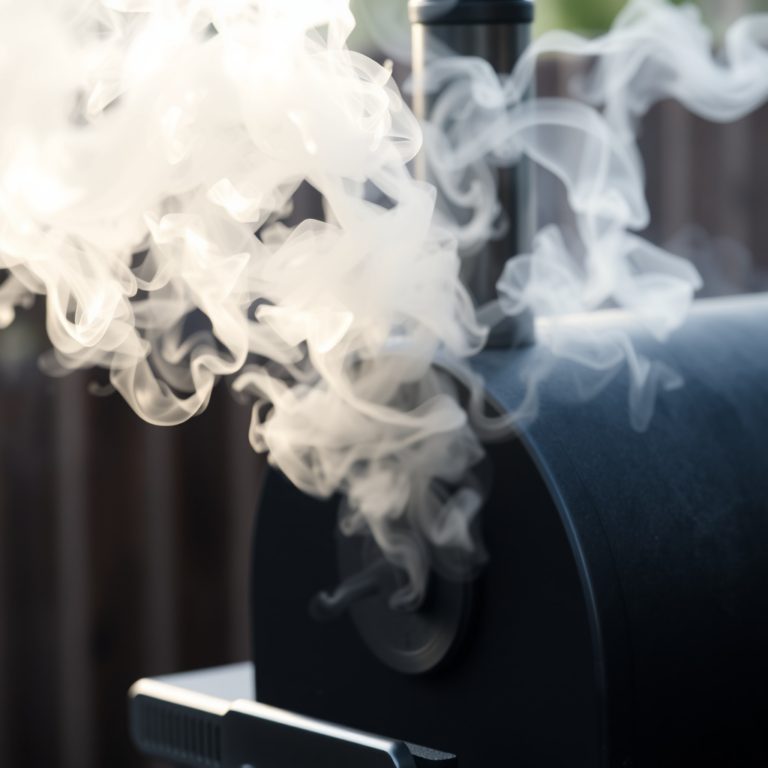
Aim for thin, blue smoke rather than heavy white smoke for balanced flavor and moisture retention.
Monitoring Meat Internal Temperature for Perfect Juiciness
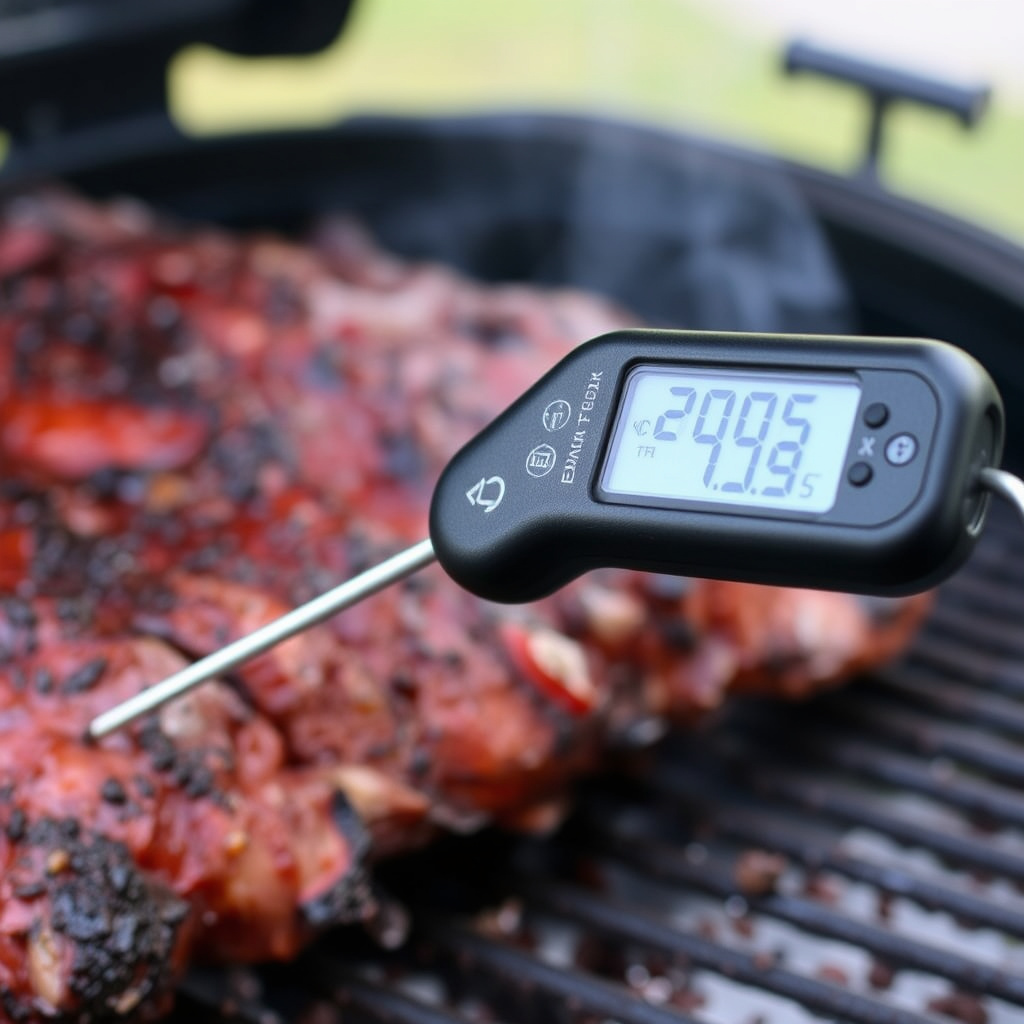
Using a Reliable Meat Thermometer
A quality meat thermometer helps avoid overcooking, the main cause of dryness. Check internal temperature regularly but avoid frequently opening the smoker, which causes heat loss.
Instant-read thermometers provide quick results, while probe thermometers can monitor internal temps without opening.
- Ideal brisket temp: 195°F – 205°F
- Pork shoulder temp: 195°F – 205°F
For more on this, see our related guide: Can You Grill in the Winter? Practical Tips for Cold-Weather Barbecuing.
Resting Meat after Smoking
Resting allows juices to redistribute from the center to outer layers, making meat more tender and moist. Skip resting and meat will lose juices when sliced.
Cover meat loosely with foil for 20-30 minutes after removing from smoker before slicing.
Other Factors Affecting Smoke Meat Moisture
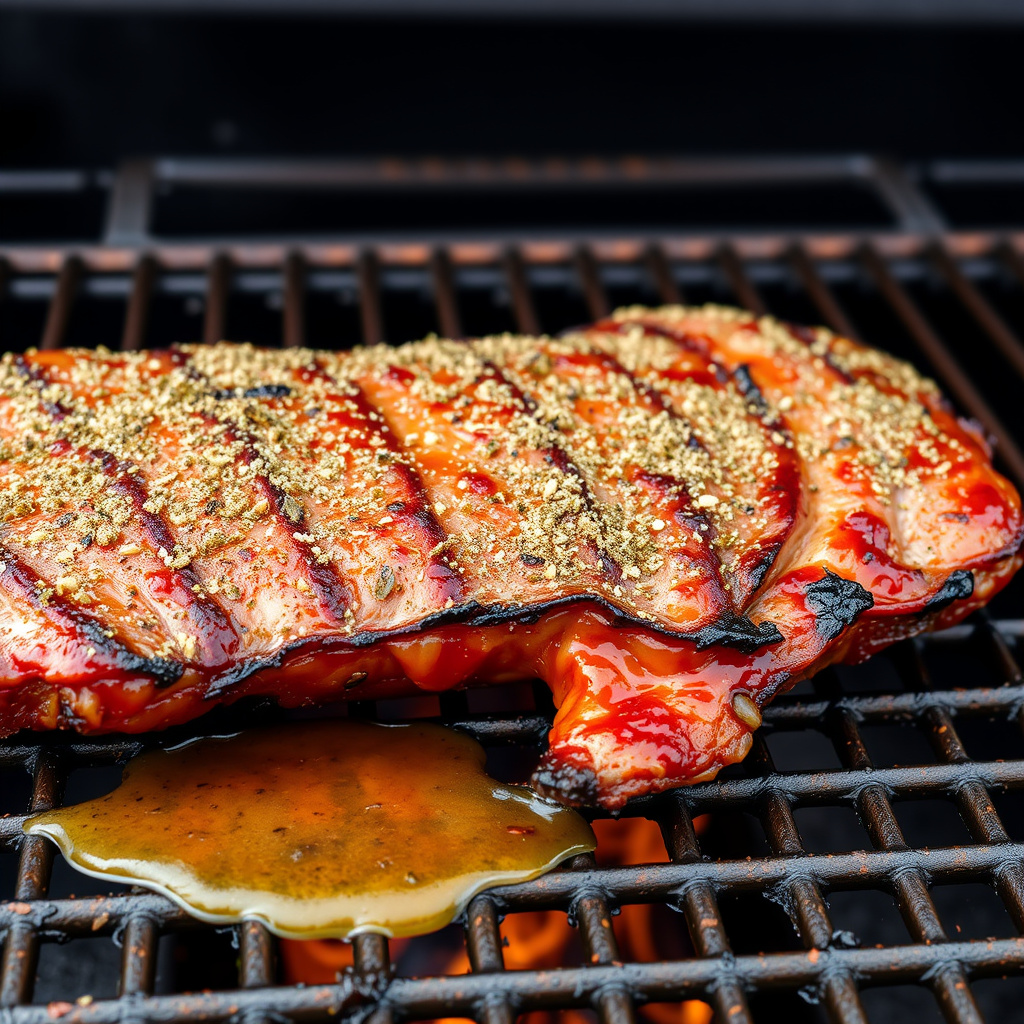
Meat Quality and Cut Choice
Higher-quality cuts with better fat marbling tend to stay juicier through smoking. Select cuts known for retaining moisture like pork shoulder vs. leaner brisket flats.
Freshness and storage before smoking also impact moisture content and texture after cooking.
For a broader understanding of the smoking process and its variations, explore this detailed article on smoking meat techniques. Smoking meat techniques.
Seasoning and Basting Practices
Dry rubs can enhance flavor without drying if applied correctly. Applying water-based mops or sauces during smoking keeps surfaces moist, helping prevent dryness.
Avoid sugary sauces early during smoking as they can burn and cause bitter, dry spots.
- Apply sauces in last 30 min of smoking
- Use vinegar-based mops for moisture
Types of Smoking Methods Compared
Here's a breakdown of common smoking techniques and how they impact meat moisture and flavor.
| Smoking Method | Typical Temperature Range | Juiciness Impact | Flavor Intensity |
|---|---|---|---|
| Cold Smoking | 68°F – 86°F | Minimal impact on juiciness; meat remains raw | Subtle smoky flavor |
| Hot Smoking | 225°F – 275°F | Can dry meat if overcooked, but properly done retains moisture | Robust smoky flavor |
| Smoke Roasting | 300°F – 350°F | Higher temp risks dryness but faster cooking | Moderate smoky flavor |
| Electric Smoker | 225°F – 275°F | Consistent temps help maintain juiciness | Mild to medium smoky flavor |
Frequently Asked Questions
Can wrapping smoked meat help prevent dryness?
Yes, wrapping smoked meat in foil or butcher paper partway through cooking locks in moisture and speeds cooking, reducing dryness while preserving smoky flavor.
Does brining really make a difference for smoked meat?
Brining enhances moisture retention by allowing meat fibers to absorb more water and salt, which helps keep smoked meat tender and juicy.
What happens if I smoke meat at too low a temperature?
Smoking too low can extend cooking time excessively and may not break down tough connective tissue properly, sometimes resulting in dry, stringy meat.
Is it better to use a dry rub or marinade to keep meat moist?
Both can be effective, though brining or marinades with moderate acidity and oil content help maintain juiciness better than dry rubs alone.
How long should I let smoked meat rest before slicing?
Rest smoked meat loosely covered for 20 to 30 minutes to allow juices to redistribute evenly, improving tenderness and moisture.
Key Takeaways
- Maintaining correct smoking temperature and duration is key to avoiding dry smoked meat.
- Proper meat preparation, including brining and wrapping, helps retain moisture during smoking.
- Wood choice and smoke management influence meat juiciness and flavor balance.
- Using a meat thermometer and resting meat after smoking ensures juicy, tender results.
Conclusion
Achieving moist smoked meat begins with managing how heat and time affect the cooking process. Paying close attention to your smoker’s temperature range and avoiding extended cooking beyond the ideal internal temperatures keeps moisture locked inside. Additionally, preparing meat with brines or suitable techniques before smoking sets the stage for juicier results. Combining these practical strategies lets smoke flavor penetrate without drying out the meat fibers, ensuring a tender, flavorful outcome.
When selecting your smoking method, consider that traditional hot smoking at 225°F to 275°F tends to yield the best balance of moisture and smoke flavor if carefully monitored. Cuts like pork shoulder and brisket with good fat marbling respond well to these conditions, especially when wrapped midways with foil or butcher paper. For leaner cuts or lower-fat meats, adding a marinade or fat source can help maintain juiciness, and electric smokers offer consistent temperature control, reducing risk of excessive drying.
Finally, invest in a reliable meat thermometer to track internal temperatures and practice resting your meat before slicing. This simple step retains juices and improves texture. Experiment with different wood types for milder or bolder smoke as you prefer, but avoid over-smoking or overheating. With some testing and attention, you can quickly transform dry smoked meat into consistently moist, flavorful dishes that impress every time.