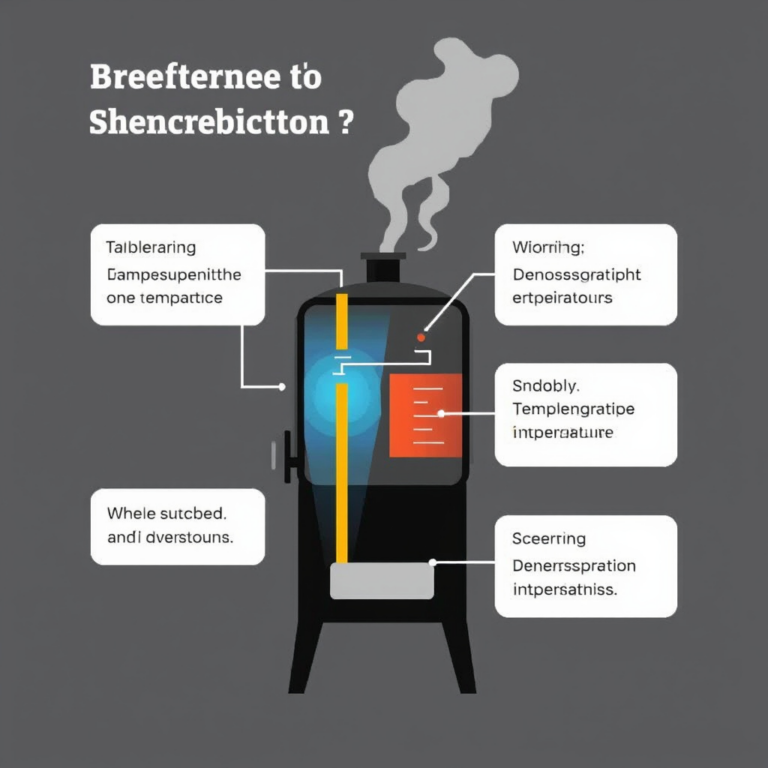
If your smoked meat has a bitter flavor, it usually stems from factors like the type of wood used, excessive smoke exposure, or improper temperature control during smoking. Bitter notes often result from incomplete combustion of the wood or burning hardwoods that emit harsh compounds. Understanding these causes can help you identify exactly why your meat developed that off-putting bitterness.
This bitter taste matters because it can overpower the natural flavors of your meat, ruining the overall eating experience. Smokers rely on a delicate balance of smoke intensity and wood choice to enhance meat’s flavor, but incorrect techniques can easily shift the taste into unpleasant bitterness. Knowing what to watch for helps you avoid these flavor pitfalls.
This article breaks down key reasons why smoked meat turns bitter, including wood selection, smoke quantity, and temperature. It also covers how to adjust your smoking process and which wood types are friendliest for mild, delicious smoke. Lastly, you’ll find tips to recover bitterness if it already occurred.
Understanding Wood's Role in Smoking Meat
Which Woods Cause Bitterness in Smoked Meat?
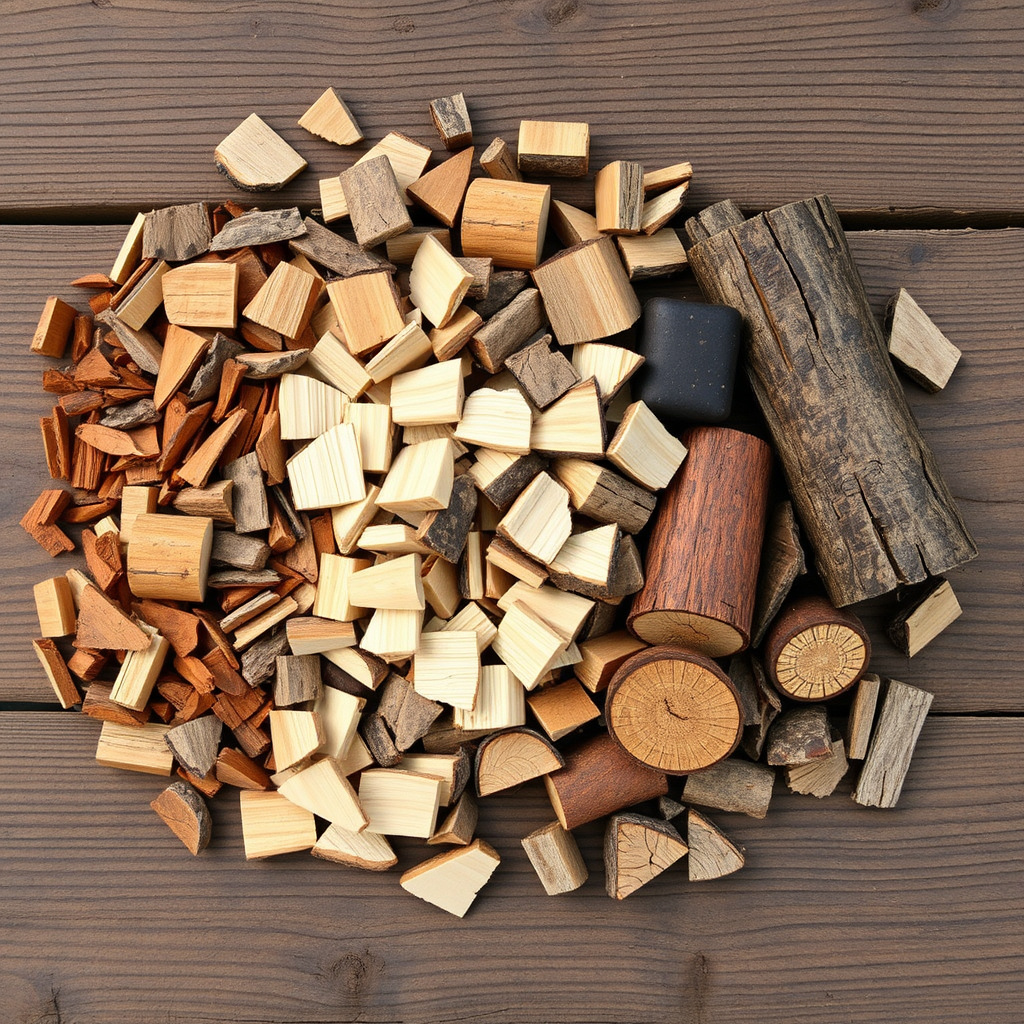
Certain woods can produce bitter smoke if they contain high levels of resins or sap, such as pine, cedar, or fir. These woods release creosote and other compounds during combustion that are pungent and astringent, negatively affecting meat flavor.
Avoiding resinous softwoods and instead choosing hardwoods like hickory, apple, or cherry ensures cleaner smoke. Hardwood smoke is less harsh and complements meat with subtle sweetness or fruitiness, minimizing bitterness potential.
- Avoid pine, fir, cedar, and spruce due to high resin content
- Use fruitwoods like apple or cherry for mild flavor
- Hickory and oak are popular hardwood options but monitor quantity
How Wood Preparation Influences Smoke Quality
Using wet or green wood causes the fire to smolder inefficiently, generating heavier smoke with bitter phenols. Properly dried wood burns more steadily and produces cleaner smoke that enhances rather than masks meat’s natural taste.
Chips soaked excessively before smoking can mimic this effect by drowning the fire and creating acrid smoke. It’s best to use wood with around 20% moisture content and avoid long soak times to keep smoke quality optimal.
- Use well-seasoned wood with low moisture content
- Limit soaking smoking chips to 30 minutes max
- Store wood properly to prevent excessive dampness
Smoke Management and Its Effect on Bitterness
Why Too Much Smoke Causes Bitter Meat
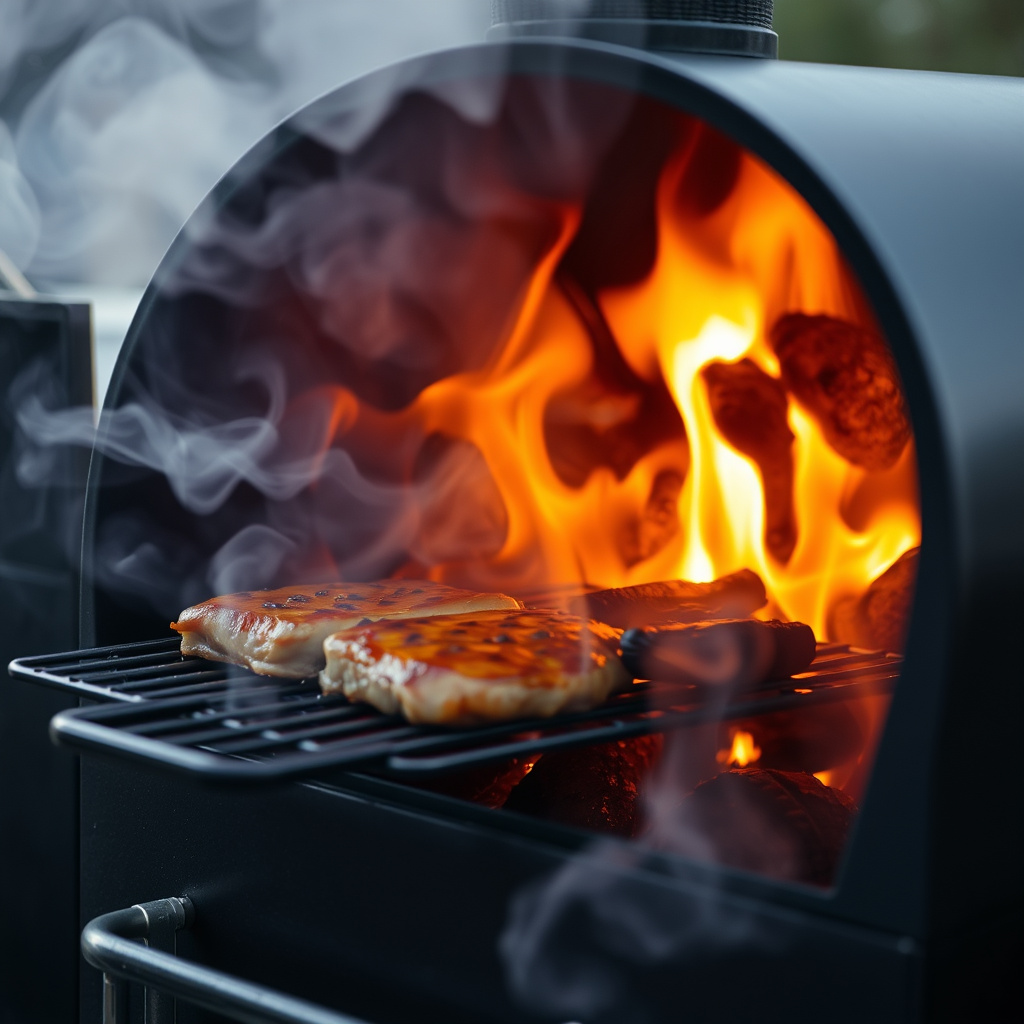
Overexposing meat to smoke, especially dense or thick smoke, deposits high levels of bitter compounds on the surface. Continuous thick smoke indicates incomplete combustion, which produces soot and creosote that taste acrid.
Balancing the airflow and controlling the amount of smoking wood prevents excessive smoky buildup. Thin, steady blue smoke created by slow-burning wood is ideal, while thick white or black smoke signals over-smoking risk.
- Aim for thin, blue smoke instead of heavy white or black smoke
- Avoid piling on too much wood at once
- Maintain good airflow to support clean combustion
Timing Your Smoke Exposure Properly
Prolonged smoking sessions with heavy smoke exposure increase bitterness as the surface absorbs more problematic compounds. Intermittent smoking or ‘smoke bursts’ help control flavor intensity without overwhelming the meat.
Limiting the smoking phase to the first few hours or adding smoke toward the end of cooking can reduce bitter flavor development, keeping the taste pleasant and balanced.
- Use shorter smoking times with longer low heat cooking
- Consider intermittent smoke applications
- Monitor smoke density during entire cooking process
Temperature Control in Smoking: Avoiding Bitter Outcomes

How Excessive Heat Leads to Bitter Smoke Flavor
Smoking at too high a temperature causes wood to burn too quickly, producing bitter-tasting smoke rich in burnt compounds. High heat fosters incomplete combustion, increasing creosote and phenol buildup that deposit bitterness.
Temperatures between 225°F and 275°F (107°C to 135°C) generally produce cleaner smoke. Avoid temperature spikes and direct flame contact with wood for smoother smoke generation.
- Maintain smoker temperature around 225°F to 275°F
- Prevent flare-ups that create harsh smoke
- Use indirect heat setups to moderate fire intensity
For more on this, see our related guide: Can You Use a Gas Grill as a Smoker? Practical Tips and Techniques.
Monitoring Internal Meat Temperature
Smoking low and slow doesn’t just benefit smoke quality; it helps meat cook evenly without developing off flavors from burnt edges. Internal meat temperature guides proper doneness while preventing overcooking that could cause bitterness through charring.
Thermometers placed inside the thickest part of the meat provide accurate readings, ensuring the smoking process is both flavorful and safe.
- Use a reliable meat thermometer during smoking
- Cook to recommended internal temperatures for meat type
- Rest meat after smoking to balance flavor
Fixing and Preventing Bitterness in Smoked Meat
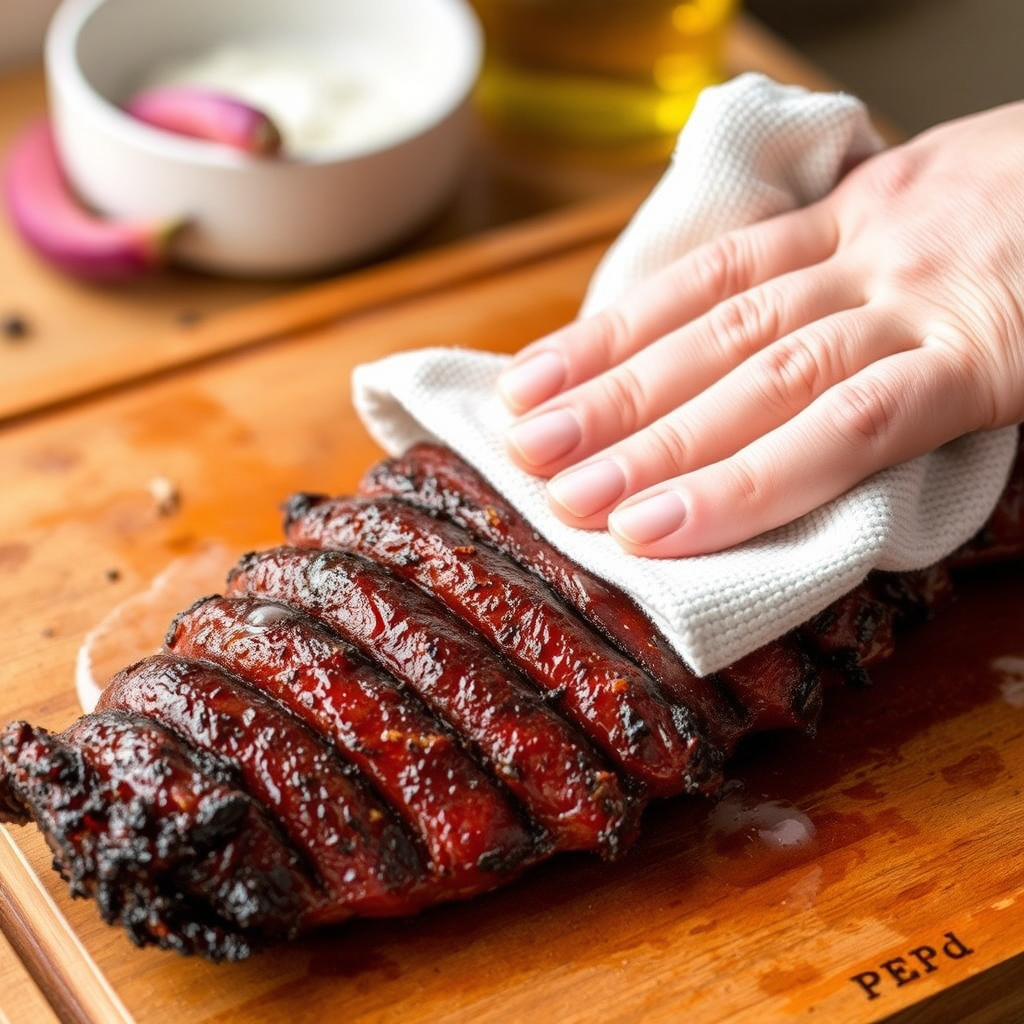
Post-Smoking Techniques to Reduce Bitterness
If bitterness has developed, lightly wiping smoked meat with a damp cloth can reduce surface residue. Additionally, trimming the outer bark or crust may remove portions with concentrated bitter compounds.
Marinating or glazing meat after smoking with vinegar-based sauces or sweet glazes also helps balance bitterness by masking harsh smoky notes.
- Wipe off excess smoke residue gently
- Trim outer burnt crust to remove strong flavors
- Apply sweet or tangy glazes after smoking
Steps to Prevent Bitter Smoked Meat
Controlling wood choice, maintaining proper temperature, and managing smoke density prevents bitterness from forming in the first place. Regular smoker maintenance also helps avoid soot buildup that contributes to harshness.
Using fruitwoods or mild hardwoods and avoiding resinous softwoods reduce bitter byproducts. Allow wood to dry properly and avoid over-smoking to produce consistently delicious meat.
- Choose mild hardwoods like cherry, maple, or apple
- Keep smoking temperature steady and moderate
- Balance smoke exposure with good airflow and timing
Smoke Flavor Profiles and Wood Types
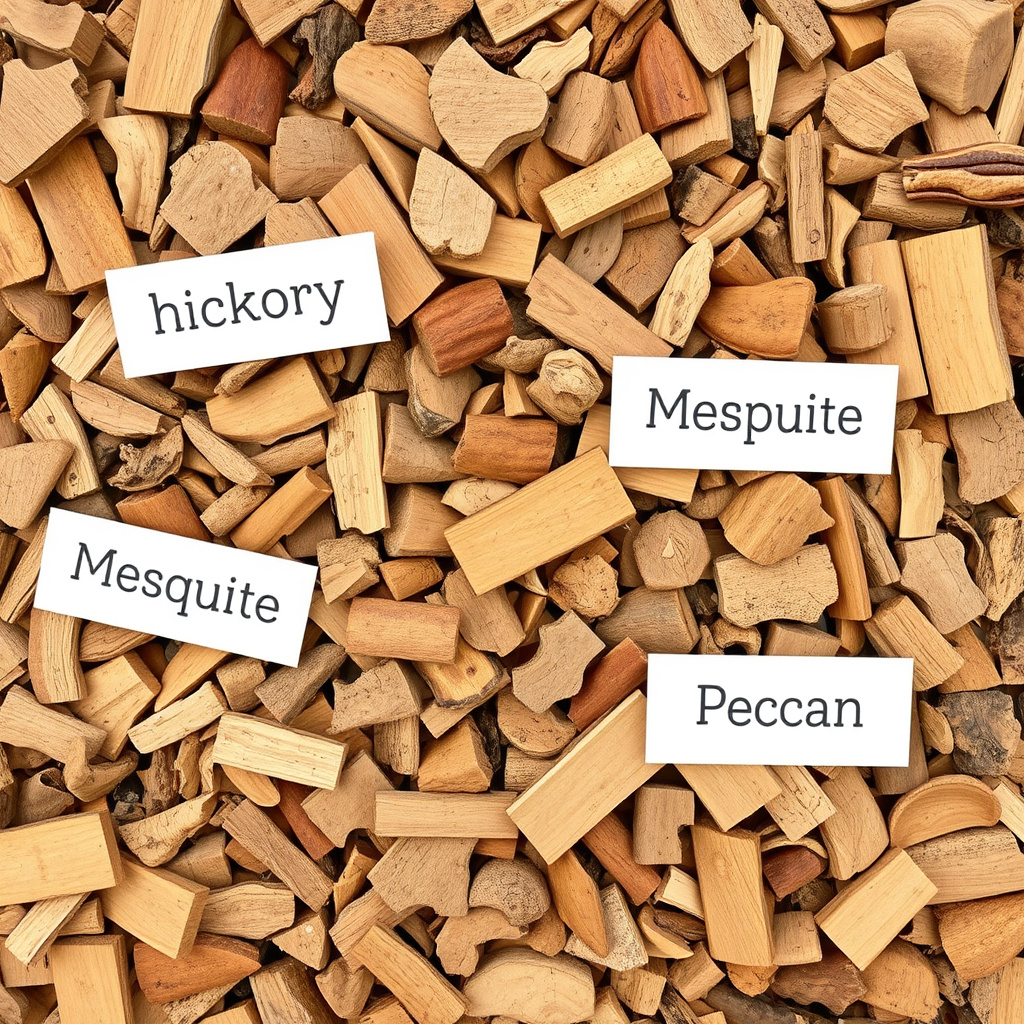
Familiar Woods and Their Flavor Contributions
Hickory produces strong, robust smoke with a slightly bacon-like flavor, ideal for pork and ribs but can lead to bitterness if overused. Mesquite burns hot and fast, offering an intense and earthy flavor that needs careful moderation.
Apple and cherry woods impart sweet, fruity aromas that complement poultry and pork without harshness. Their mild smoke helps prevent bitterness while enhancing natural meat sweetness.
- Hickory: strong, smoky, risks bitterness if heavy
- Mesquite: bold, earthy, must use sparingly
- Apple and cherry: mild, sweet, beginner-friendly
Regional Wood Preferences and Taste Variations
Southern BBQ often favors hickory for its punchy flavor, while Texas-style BBQ sometimes uses mesquite sparingly for authentic heat and aroma. Northern regions may opt for maple or fruitwoods that generate subtler smoke suited for pork or fish.
Adapting wood choices to cooking style and regional taste norms helps avoid bitterness by matching smoke intensity to traditional flavor expectations.
- Southern styles favor hickory or oak
- Texas uses mesquite with caution
- Northern smokers lean toward fruitwoods
Tools and Techniques for Quality Smoking
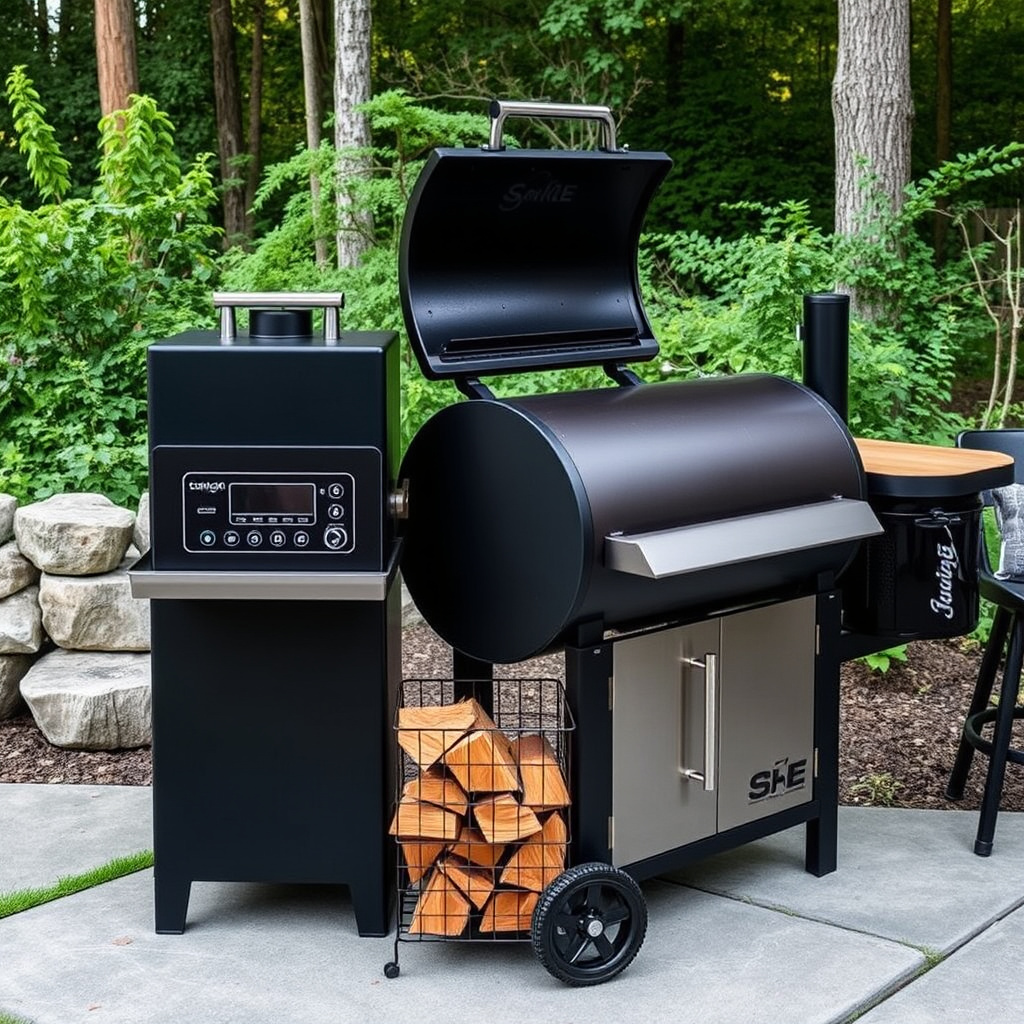
Using Technology to Control Smoke and Heat
Digital smokers and temperature controllers help maintain precise heat and airflow, reducing chances of bitter smoke. Consistent temperatures encourage stable wood combustion, which produces cleaner smoke flavors.
Wireless meat probes provide real-time feedback to adjust smoking parameters instantly, ensuring meat doesn’t overcook or sit in heavy smoke too long.
- Invest in a smoker with temperature control options
- Use meat probes to monitor doneness
- Adjust smoke wood amounts based on readings
For further reading on smoking meat techniques and wood types, this Wikipedia article offers comprehensive insights. Smoking meat techniques.
Traditional Techniques That Minimize Bitterness
Using a water pan inside your smoker adds humidity and reduces creosote buildup on meat, limiting bitterness. Removing ashes regularly and cleaning grates prevent smoky residue accumulation that transfers harsh flavors.
Partial smoke breaks by opening the smoker briefly to release excess smoke also help maintain balanced intensity and avoid flavor overload.
- Use water pans for moisture and smoke filtering
- Clean smoker regularly to prevent soot buildup
- Introduce smoke breaks by venting occasionally
Comparison of Common Smoking Wood Types
Here’s a breakdown of popular smoking wood options to help you understand flavor profiles and bitterness risks.
| Wood Type | Flavor Profile | Bitterness Risk | Recommended Meat Types |
|---|---|---|---|
| Hickory | Strong, smoky, bacon-like | Medium, if overused | Pork, ribs, beef |
| Mesquite | Bold, earthy, intense | High, if heavy | Beef, game meats |
| Apple | Sweet, fruity, mild | Low | Poultry, pork, fish |
| Cherry | Sweet, fruity, slightly tart | Low | Poultry, pork, beef |
| Oak | Medium smoky, balanced | Low to medium | Beef, pork, poultry |
Frequently Asked Questions
Can using wet wood make my smoked meat taste bitter?
Yes. Wet or green wood produces thick, acrid smoke rich in bitter compounds due to incomplete combustion, which can make smoked meat taste harsh and bitter.
How does the temperature of my smoker affect bitterness?
High temperatures cause wood to burn too quickly and unevenly, releasing bitter-tasting creosote and phenols. Maintaining moderate heat helps produce cleaner smoke and avoids bitterness.
Is it possible to fix bitterness after the meat is smoked?
You can reduce bitterness by wiping the meat’s surface, trimming burnt edges, or applying sweet or acidic glazes that balance harsh smoke flavors.
What woods are best to avoid bitterness in smoked meat?
Use mild hardwoods like apple, cherry, or maple. Avoid resinous softwoods like pine or cedar, which produce bitter smoke.
Does over-smoking cause bitterness even with good wood?
Yes. Excessive smoke exposure deposits too many bitter compounds on meat regardless of wood quality. Controlling smoke quantity and duration is key.
Key Takeaways
- Bitterness often comes from resinous wood or heavy smoke buildup
- Use well-seasoned hardwoods like apple or cherry to avoid harsh flavors
- Maintain steady, moderate temperatures between 225°F and 275°F
- Control smoke exposure timing and density to balance flavor
Conclusion
When faced with bitter smoked meat, identifying the root cause involves examining wood selection, smoking temperature, and smoke management together. Bitterness generally results from resinous woods, incomplete combustion, or over-smoking. By focusing on these elements, you refine your smoking technique for richer, more balanced flavors with every cook.
Specifically, choosing mild hardwoods such as apple, cherry, or maple wood reduces bitterness risks and complements a wide range of meats. Techniques like controlling smoker temperature between 225°F and 275°F and avoiding thick smoke by regulating airflow and wood volume create cleaner smoke profiles. Shorter smoke periods or intermittent smoke applications prevent overwhelming the meat’s flavor with bitter compounds.
For your next smoking session, take inventory of your wood type and drying method, check your smoker’s temperature control, and pay attention to smoke color and density. Experiment with milder woods if needed and try post-smoke treatments like glazes to balance any residual bitterness. These strategies will help transform smoky bitterness into rich, savory delight.