Your smoker temperature fluctuates mainly because of inconsistent airflow, fuel quality, environmental conditions, or equipment issues. These fluctuations impact the cooking process and the final flavor, making temperature stability essential for great barbecue.
Smokers rely on a delicate balance between oxygen, heat source, and insulation. Changes in airflow, wind, or damp wood can quickly cause swings in temperature. Understanding these factors helps you manage and reduce these temperature spikes and drops.
This article explains common reasons behind smoker temperature fluctuations, practical methods to maintain a steady heat, and tips on controlling airflow and fuel. We will also compare popular smoker types to see how they handle temperature regulation.
How Airflow Affects Smoker Temperature
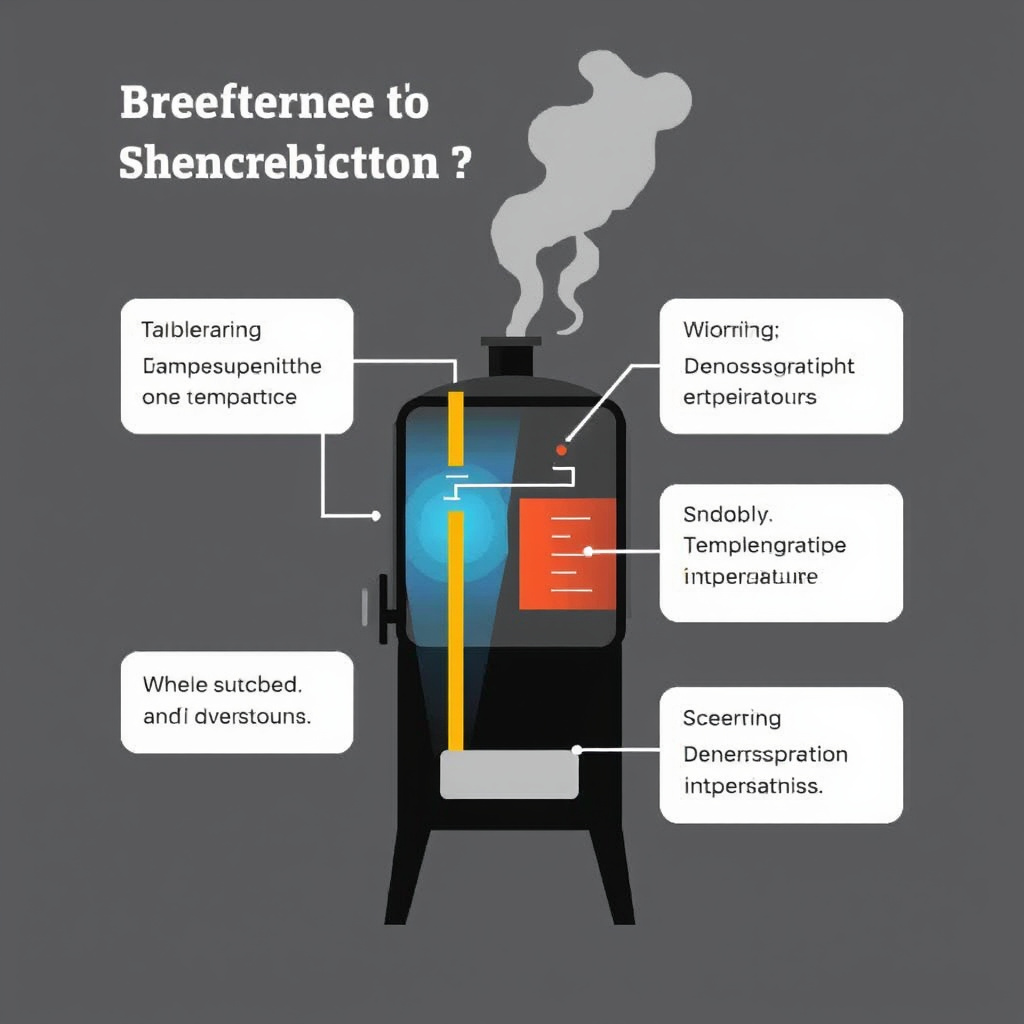
The Role of Air Vents in Temperature Fluctuations
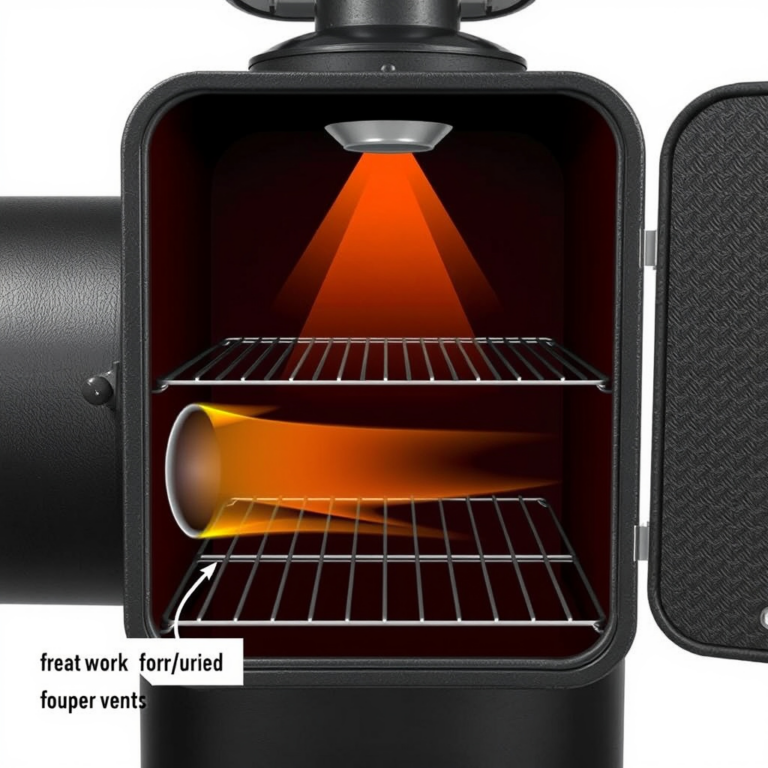
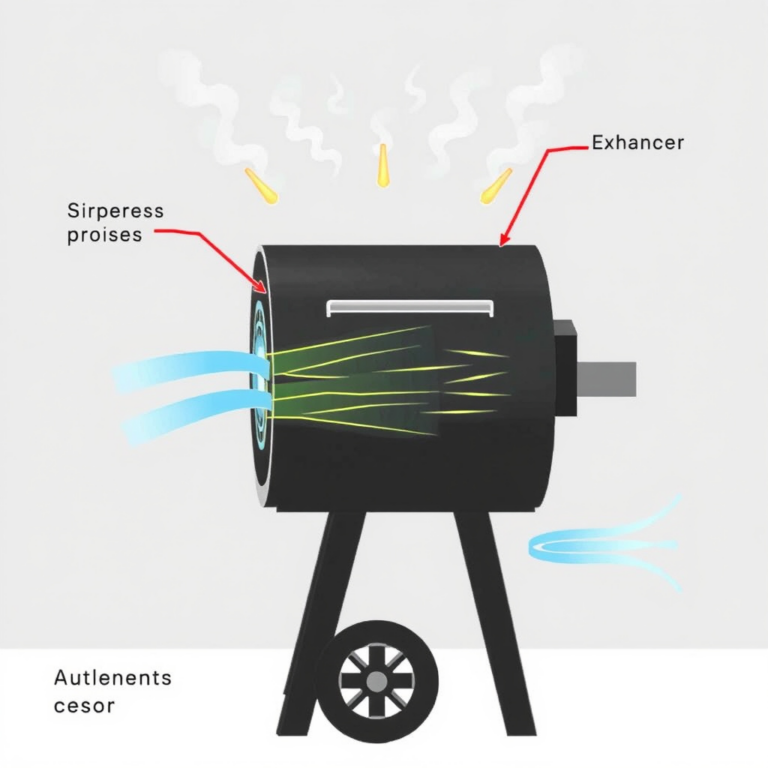
Air vents regulate how much oxygen reaches the fire, directly influencing burner intensity and smoker temperature. Opening or closing intake and exhaust vents adjusts oxygen flow, resulting in temperature changes.
If vents are opened too much, the fire grows hotter, causing spikes. Too closed, and it starves the fire, causing dips. The right vent adjustments help keep a consistent burn and steady temperature.
- Open intake vents for more oxygen and higher heat
- Adjust exhaust vents to control airflow rate
- Avoid sudden, large vent changes to prevent sharp temperature swings
How Wind and Environmental Airflow Impact Smoking
External wind can force extra oxygen through vents unpredictably or cool the smoker walls, leading to temperature shifts. Wind direction and speed are key contributors to temperature instability outdoors.
Placing your smoker in a wind-protected area and using windbreaks can minimize airflow variations. Proper smoker design with balanced vent placement also helps counter wind effects.
- Set up smoker away from strong winds
- Use shields or wraps for wind protection
- Monitor wind direction during smoking sessions
Fuel Quality and Its Influence on Temperature Stability
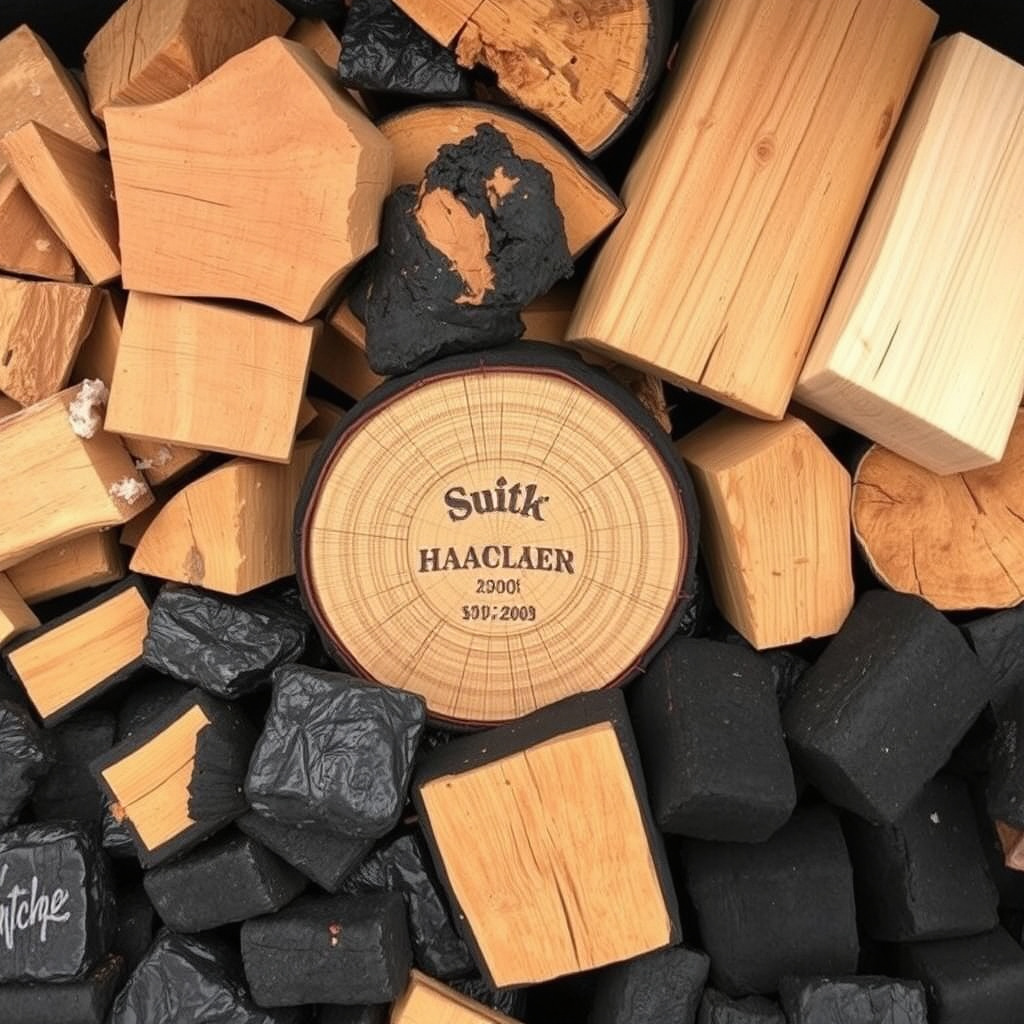
Why Wood Moisture Content Causes Temperature Issues
Wet or green wood contains moisture that hinders burning consistency. When heated, moisture vaporizes and cools the fire, causing the smoker temperature to drop unexpectedly.
Dry, seasoned wood burns hotter and more steadily, allowing better temperature control. Checking wood moisture content before use can prevent erratic heat fluctuations.
- Store wood in a dry area for 6-12 months
- Avoid freshly cut or green wood
- Use a moisture meter to check wood dryness
Charcoal and Fuel Type Effects on Temperature
Different fuels have varied burn rates and heat outputs. Lump charcoal ignites quickly with fluctuating heat, while briquettes provide steadier, longer-lasting heat.
Mixing fuels or using poor-quality charcoal can cause uneven burning and temperature swings. Consistent fuel types with known burn characteristics aid temperature control.
- Choose high-quality briquettes for stable heat
- Avoid mixing fuel types mid-cook
- Use charcoal chimneys to light fuel evenly before adding
Smoker Design and Its Effect on Temperature Consistency
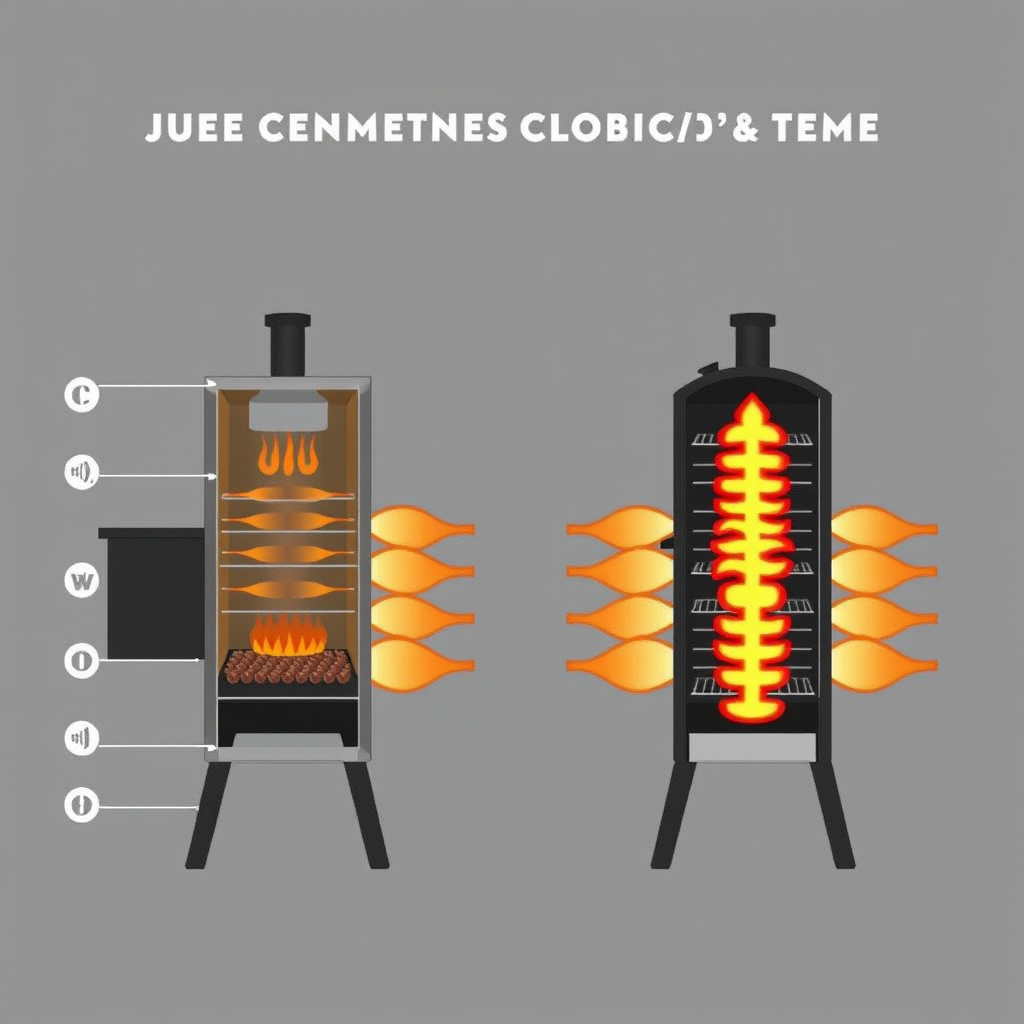
Comparing Offset vs. Vertical Smokers on Temperature Fluctuation
Offset smokers can be more prone to hot spots due to separate fireboxes and longer airflow paths, causing temperature swings that need constant vent adjustment.
Vertical smokers generally provide more even heat distribution since the fire is directly under the cooking chamber, leading to fewer fluctuations and easier temperature control.
- Offset smokers require attention to fire management
- Vertical smokers deliver more stable heat
- Choosing based on your skill and preferences matters
The Role of Insulation and Construction Material
Well-insulated smokers retain heat better, smoothing out temperature changes caused by ambient weather. Thicker steel and insulated fireboxes help dampen temperature swings.
Thin or poorly insulated smokers react more to external temperature changes and wind, causing larger fluctuations. Upgrading insulation or using heat retention accessories can improve stability.
- Heavy gauge steel holds heat longer
- Insulated fireboxes reduce temperature loss
- Adding insulation blankets boosts temperature retention
Techniques for Maintaining Smoker Temperature Control
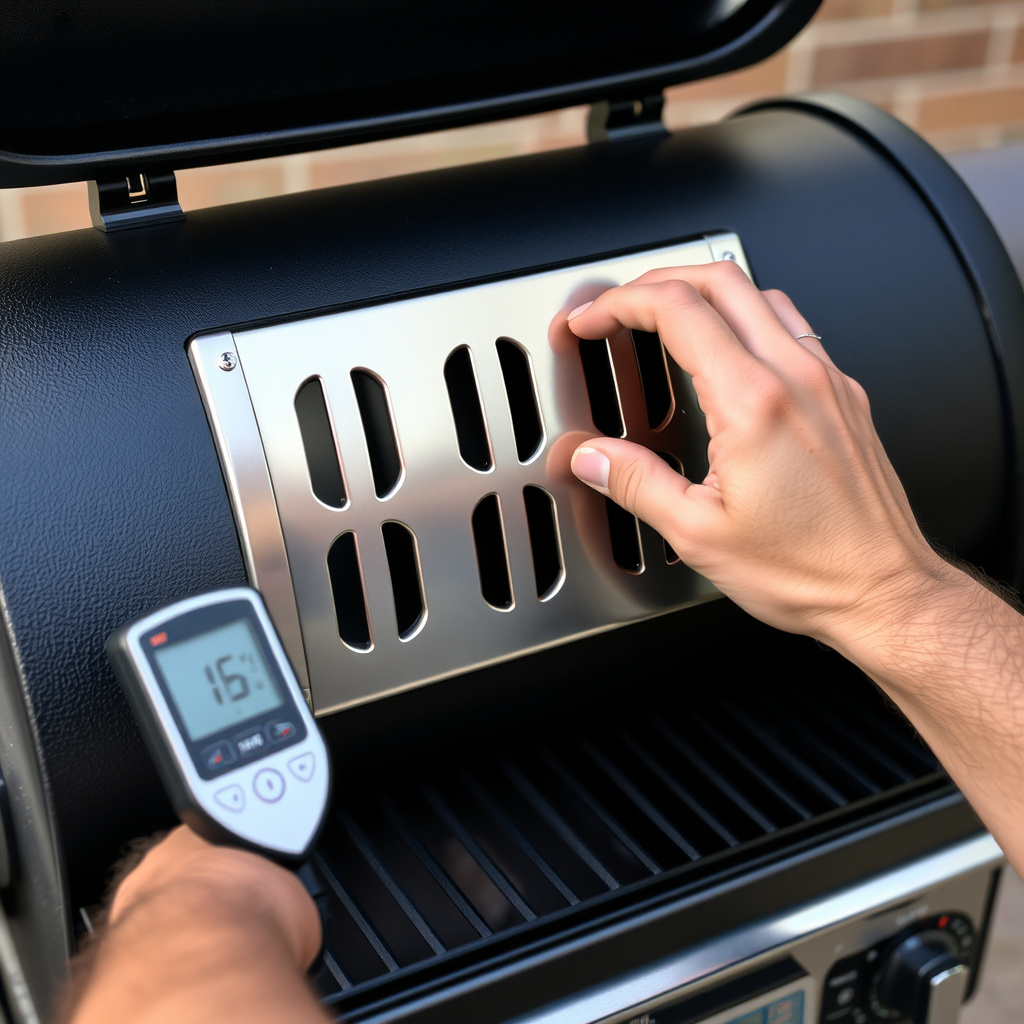
Using Water Pans and Temperature Monitoring Tools
Water pans add humidity and absorb heat fluctuations, acting as a thermal buffer inside the smoker. They help moderate sudden temperature spikes or drops during smoking.
Digital thermometers and controllers provide real-time temperature readings, allowing precise adjustments. Investing in reliable monitoring tools benefits temperature control.
- Fill water pans to stabilize heat and humidity
- Use dual-probe thermometers for cooking and ambient temperature
- Consider electronic temperature controllers for automation
Fire Management and Fuel Addition Strategies
Adding small fuel amounts gradually keeps the fire steady rather than causing surges. Avoid dumping large fuel batches that spike heat unpredictably.
Managing the firebox by maintaining airflow and stirring embers also helps achieve consistent temperature during long smoke sessions.
- Add charcoal or wood in small, timed increments
- Stir firebox occasionally to redistribute heat
- Adjust vents mildly rather than abruptly
Environmental Factors Affecting Smoker Temperature Stability
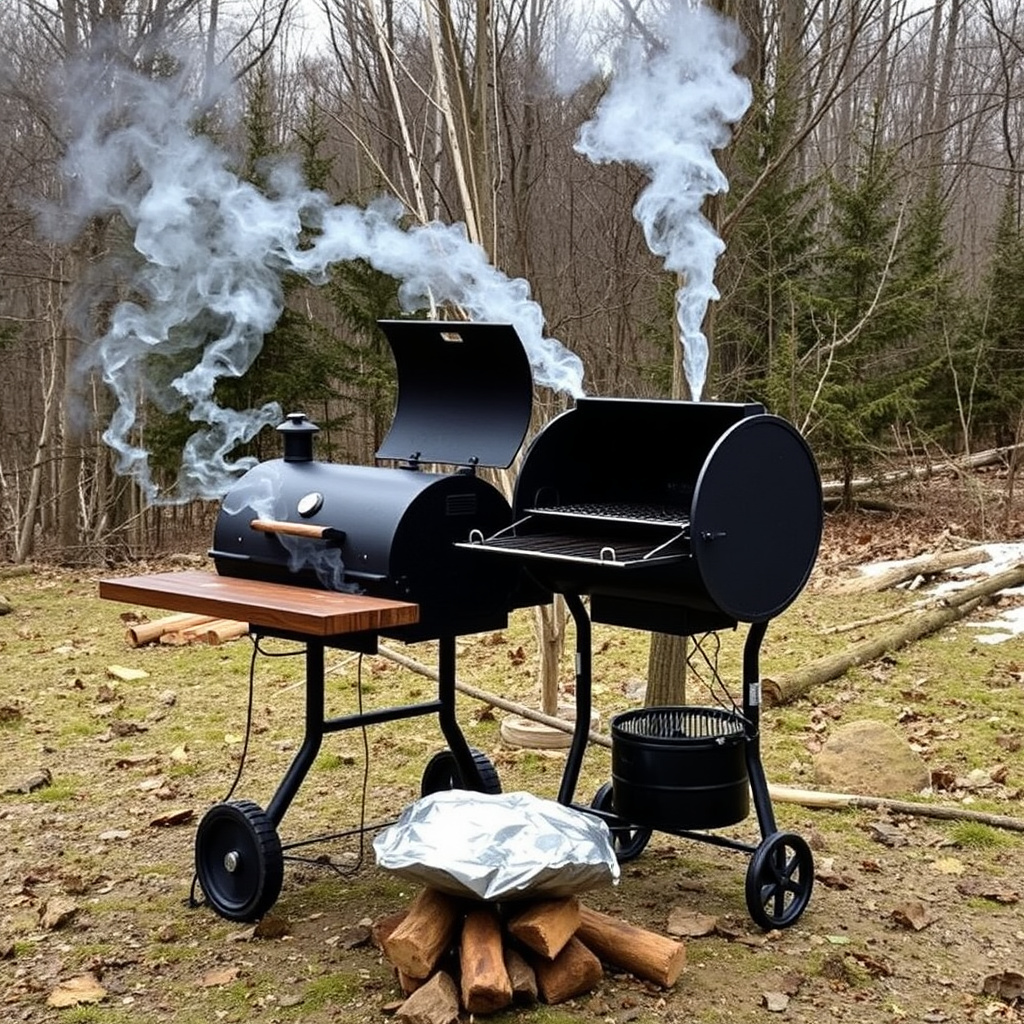
Impact of Ambient Temperature and Weather
Colder weather slows fire combustion and cools the smoker body, causing temperature dips. Similarly, rain or high humidity can lower internal temps and cause fluctuations.
Planning smoking sessions around weather forecasts and using insulated covers can help counteract temperature instability caused by environmental changes.
- Smoke during milder weather if possible
- Use insulated smoker blankets in cold weather
- Protect smoker from rain and moisture
For a deeper understanding of smoke cooking methods, review the detailed smoking meat techniques on Wikipedia. smoking meat techniques on Wikipedia.
Placement and Positioning to Reduce Temperature Swings
Position your smoker on a level, sheltered surface to provide steady airflow and prevent wind-driven air surges. Avoid placing near open doors or vents that alter airflow.
Surroundings like buildings or trees can block wind and help maintain a stable temperature. Thoughtful placement is key in reducing smoker temperature fluctuations.
- Choose sheltered spots for better wind protection
- Place smoker on stable, level ground
- Use barriers or natural windbreaks nearby
Smoker Types and Their Temperature Fluctuation Characteristics
This table compares popular smoker types to highlight which models typically maintain more stable temperatures during use.
| Smoker Type | Temperature Stability | Ease of Control | Best Use Case |
|---|---|---|---|
| Offset Smoker | Moderate – prone to hot spots | Requires frequent adjustment | Experienced pitmasters who want precise smoke flavor |
| Vertical Water Smoker | High – water pan dampens swings | Easy with steady airflow | Stable, long smokes for beginners and pros |
| Pellet Smoker | High – automated control | Very easy with digital control | Convenience-focused cooks seeking consistent temps |
| Kamado Smoker | High – excellent insulation | Moderate, needs vent mastery | Smoking and grilling with excellent heat retention |
| Electric Smoker | Moderate to high – thermostat controlled | Easy to use | Low-maintenance, indoor/outdoor use |
Frequently Asked Questions
How often should I adjust vents to keep the temperature steady?
Adjust vents gradually every 10 to 15 minutes depending on temperature changes. Large, rapid adjustments can cause wild temperature swings, so slow and small changes work best.
Can weather really affect my smoker's temperature that much?
Yes, wind, cold, and humidity all influence combustion and heat retention within your smoker, often causing noticeable temperature fluctuations during cooking.
Is it better to use wood or charcoal to maintain steady temps?
Charcoal, especially briquettes, typically provides steadier heat output. Wood adds flavor but can introduce more temperature variability unless dry and carefully managed.
Do water pans actually help with temperature fluctuations?
Water pans absorb excess heat and add moisture, helping to moderate temperature spikes and create a more stable cooking environment inside the smoker.
Can insulation upgrades reduce temperature swings?
Yes, adding insulation blankets or choosing thicker steel smokers improves heat retention, smoothing out temperature drops caused by wind or cold weather.
Key Takeaways
- Airflow and vent adjustments are primary factors behind smoker temperature fluctuations.
- Fuel type and moisture content significantly influence fire consistency and heat output.
- Smoker design and insulation affect heat retention and temperature stability.
- Using water pans and monitoring tools helps maintain steady cooking temperatures.
Conclusion
Controlling smoker temperature requires balancing airflow, fuel, and environmental influences. Understanding how these elements interact provides a strong foundation to reduce fluctuations and improve cooking results. Regular vent adjustments and careful fire management are key practical steps for temperature consistency.
Depending on your smoking style and experience, different smokers offer varying levels of temperature control. For example, pellet smokers and vertical water smokers excel at stable temperatures with less vigilance, while offset smokers demand more skillful airflow and fuel adjustments. Selecting a smoker that aligns with your patience and cooking style is a critical choice.
Use this knowledge to experiment with better airflow techniques, fuel preparation, and smoker placement. Employing water pans and reliable thermometers can further smooth temperature swings. With these approaches, you’ll achieve more consistent smoker temperatures and tastier barbecue every time.