Yes, you can smoke meat on a charcoal grill by using indirect heat and adding wood chips for flavor. Charcoal grills can create the low and slow cooking environment necessary for smoking, allowing you to infuse your meat with smoky richness without a dedicated smoker.
Smoking meat on a charcoal grill matters because it brings a traditional smoky flavor and tender texture to meats, elevating backyard barbecues. While a charcoal grill is primarily designed for direct grilling, with the right setup and patience, it can mimic smoker conditions and produce delicious results.
This guide covers how to set up your charcoal grill for smoking, types of wood to use for flavor, temperature control techniques, recommended cuts of meat, and how to maintain heat and smoke for hours. By the end, you'll know how to confidently turn your charcoal grill into a smoker.
Setting Up Your Charcoal Grill for Smoking
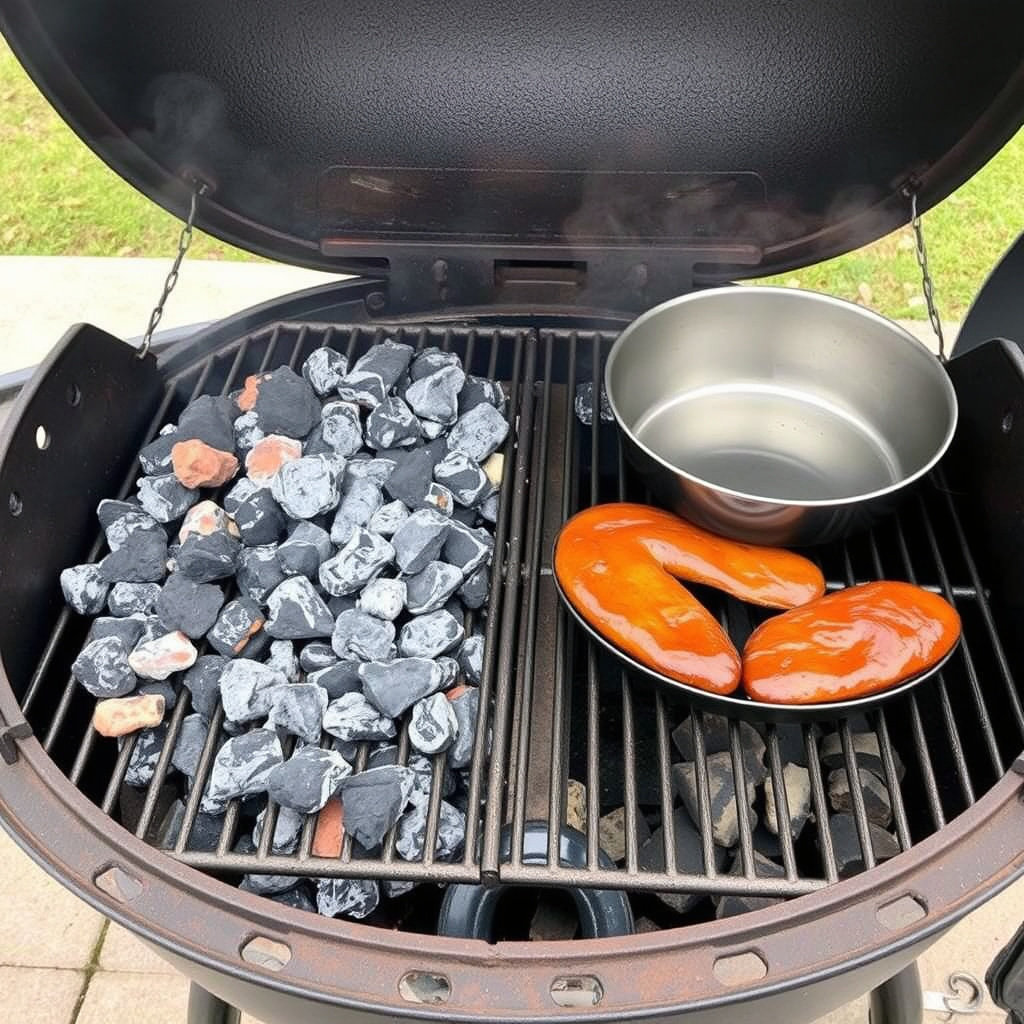
Arranging Charcoal for Indirect Heat
Indirect heat is key for smoking on a charcoal grill. Arrange your lit charcoal on one side of the grill, leaving the other side empty to create a cool zone where you place the meat. This setup prevents direct flames from cooking the meat too quickly.
Use a good quality charcoal and pile enough coals to maintain a consistent temperature for several hours. Employing a two-zone fire allows lower, steady heat ideal for slow smoking rather than direct searing.
- Light charcoal with a chimney starter for even ignition
- Arrange coals on one side only
- Use a drip pan under the meat to catch drippings
- Control airflow with grill vents
Using Wood Chips or Chunks for Smoke
Adding wood chips or chunks to the charcoal generates the smoke essential for flavor. Soak wood chips in water for 30 minutes before adding to prevent quick burning and to produce slower, clean smoke.
Choose wood based on the flavor profile you want: hickory for hearty flavors, apple or cherry for sweeter smoke, or mesquite for bold, intense aromas.
- Soak wood chips 30-60 minutes before use
- Place wood on hot coals or in a smoker box
- Add more wood over time to maintain smoke
- Avoid pungent woods like pine or cedar
Temperature Management and Monitoring
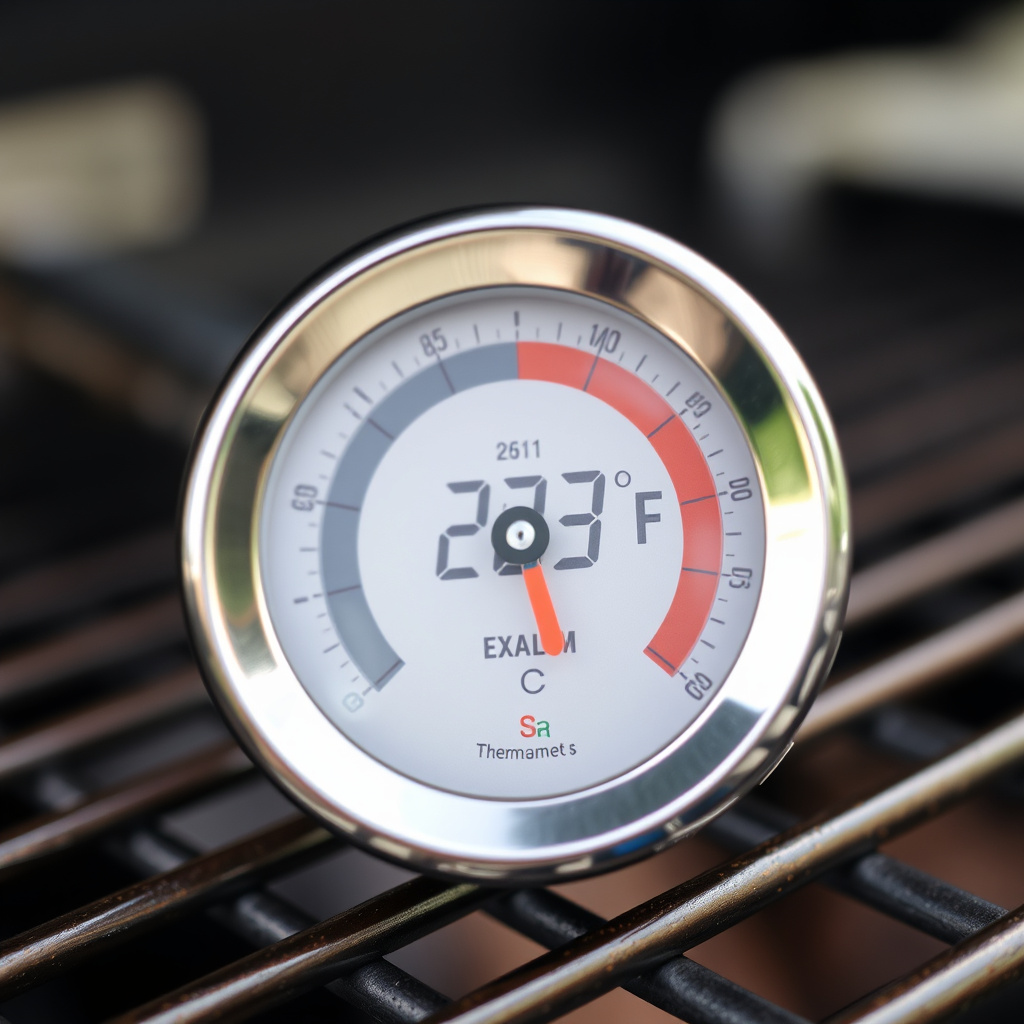
Controlling Temperature on a Charcoal Grill
Maintaining a steady temperature between 225°F and 275°F is ideal for smoking meat. Adjust the grill’s bottom and top vents to control airflow and heat intensity; opening vents increases combustion and temperature, while closing them lowers heat.
Adding small amounts of charcoal every hour helps sustain the temperature. Use heat-resistant gloves and tongs for safety while adjusting coals and vents during smoking sessions that last several hours.
- Maintain vents partially open for steady airflow
- Add charcoal gradually for consistent heat
- Avoid opening the lid too often to keep temperature stable
For more on this, see our related guide: How Do Electric Grills Work? A Clear Guide to Their Operation.
Using Thermometers for Precision
A dual-probe thermometer is invaluable for smoking meat on a charcoal grill because it monitors both grill temperature and internal meat temperature simultaneously. This ensures the meat cooks evenly and reaches safe doneness.
Place the grill thermometer near the cooking grate on the cool side and insert the meat thermometer probe into the thickest part of the meat. Constant monitoring helps avoid undercooking or drying out your smoked meat.
- Use a digital meat thermometer with alerts
- Check grill temperature frequently
- Insert probe in the thickest part of the meat
Choosing the Right Meat Cuts for Smoking
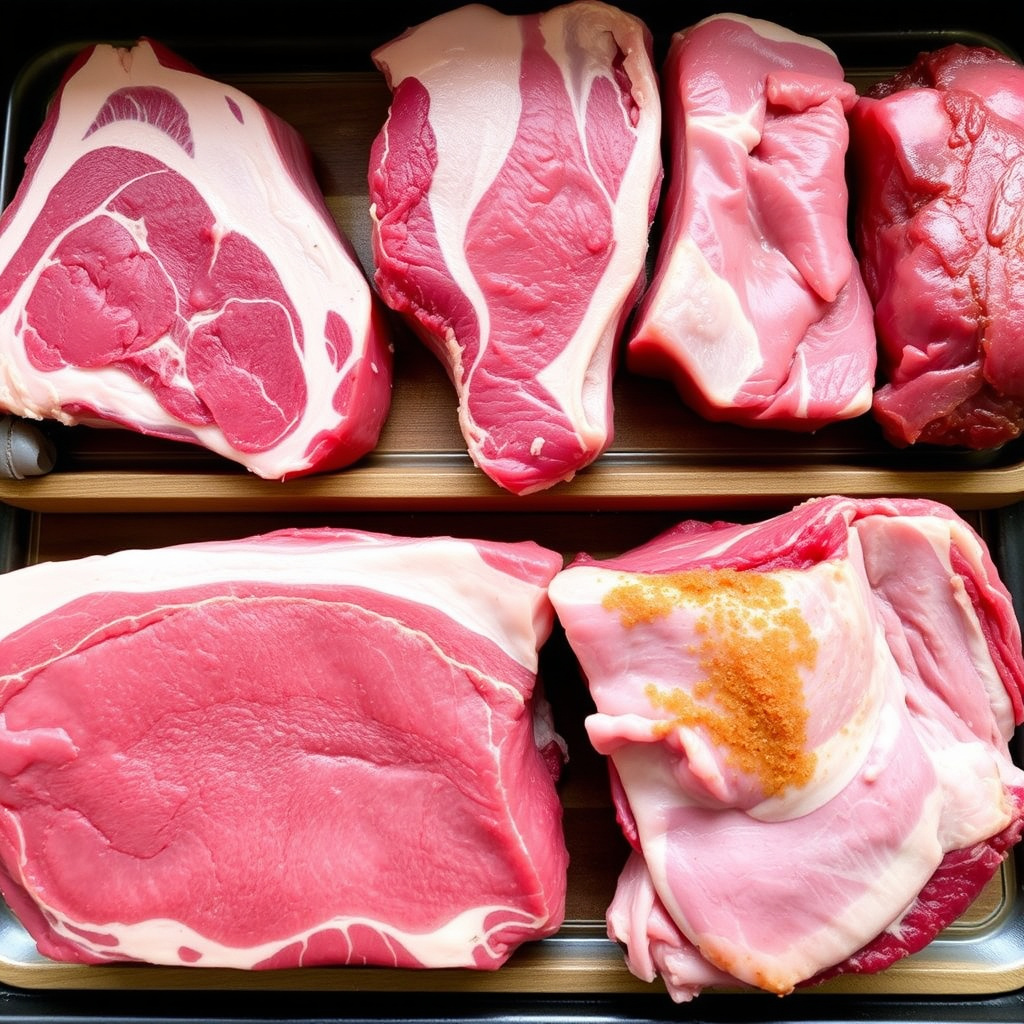
Ideal Cuts for Low and Slow Smoking
Tougher cuts with ample connective tissue like brisket, pork shoulder, and ribs benefit the most from smoking because the low and slow heat breaks down collagen, resulting in tender, juicy meat.
Lean cuts like chicken breast can also be smoked, but they require careful timing to avoid drying out. Fat content helps retain moisture and flavor during the long smoke process.
- Brisket
- Pork shoulder (Boston butt)
- Pork ribs
- Whole chicken or chicken thighs
Preparing Meat for the Smoker
Before smoking, trim excess fat to prevent flare-ups but leave a thin layer to enhance moisture retention. Apply a dry rub or marinade hours before to enhance flavor penetration during cooking.
Let the meat come to room temperature before placing it on the grill. This helps with even cooking and better smoke absorption.
- Trim excess fat but keep a thin layer
- Apply dry rub or marinade 2-4 hours prior
- Bring meat to room temperature before smoking
Maintaining Smoke During Long Cook Times
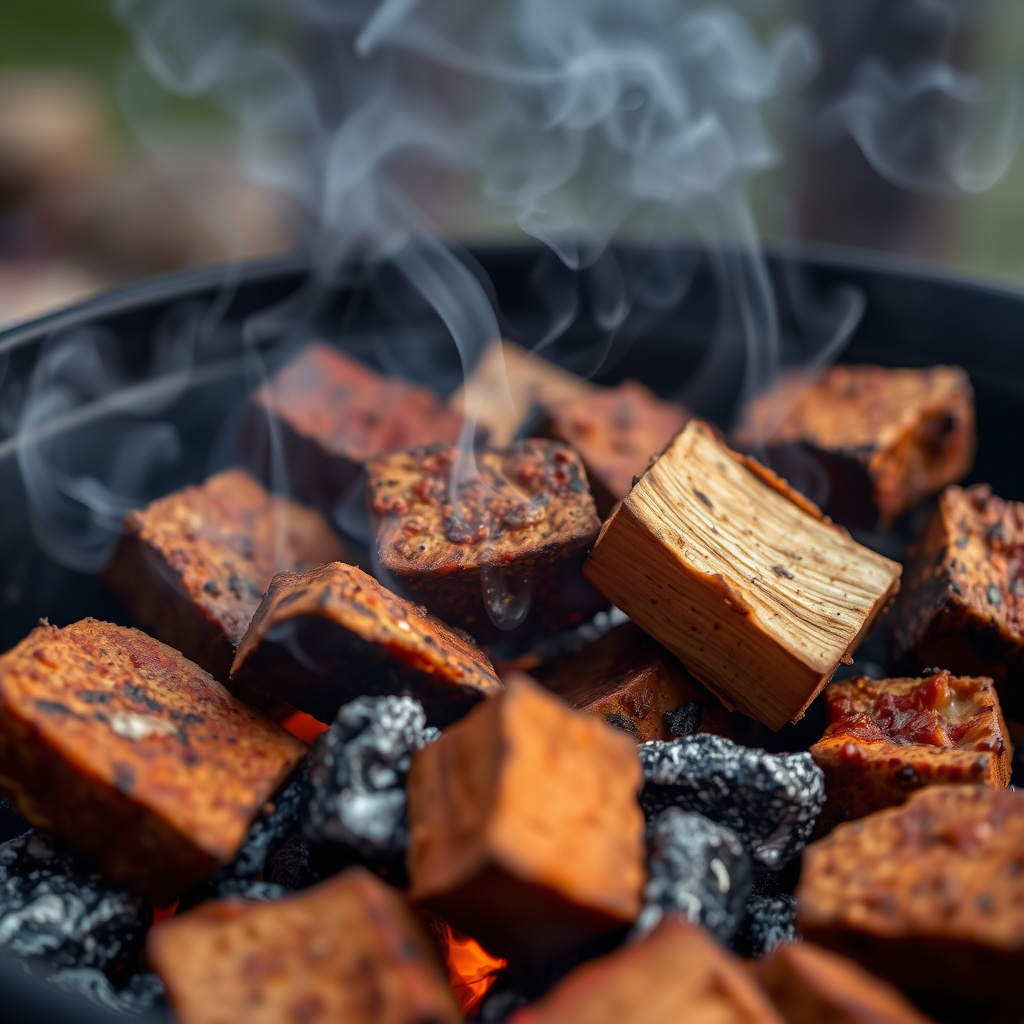
Managing Smoke Production
Steady smoke production is critical for flavor and appearance. Avoid thick white or black smoke which indicates incomplete combustion and can cause bitter flavors. Thin blue smoke is ideal for clean aromatic results.
Replenish wood chips or chunks gradually instead of all at once, to maintain balanced smoke levels without overwhelming the meat or extinguishing coals.
- Look for thin blue smoke signals
- Add wood chunks progressively
- Avoid adding too much soaked wood at once
For more on this, see our related guide: How Do Kamado Grills Work? A Complete Guide to Their Unique Cooking Style.
Dealing with Flare-Ups and Moisture
Flare-ups can occur from fat drippings contacting hot coals. Use a drip pan to catch drippings and reduce flare-ups. Spritzing meat occasionally with water or apple juice keeps the surface moist and helps absorb smoke.
Maintaining humidity inside the grill with a water pan below the cooking grate also reduces drying and improves smoke adherence.
- Use a drip pan under meat
- Spritz meat with liquid every 45 minutes
- Place a water-filled pan on the grill for humidity
Cleaning and Post-Smoking Care for Your Grill
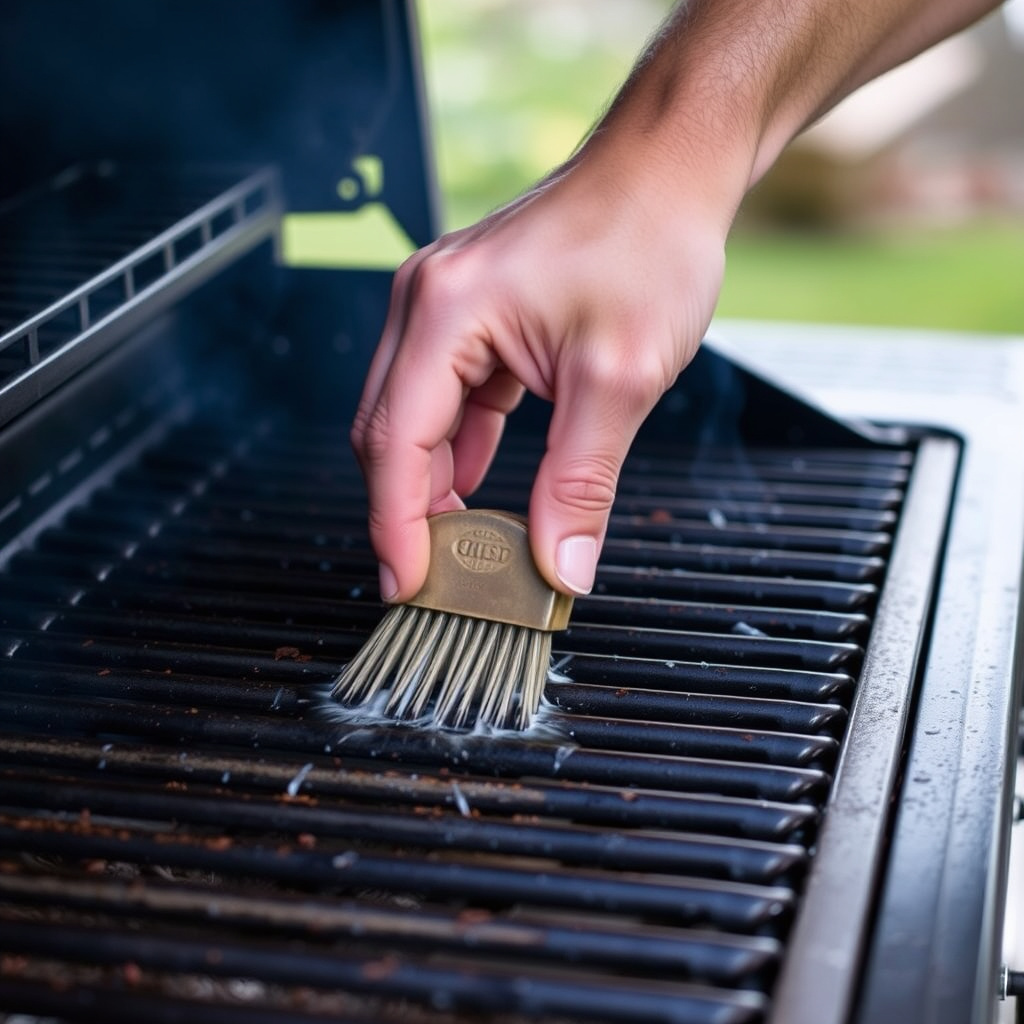
Cleaning Grates and Removing Residue
After smoking, clean your grill grates thoroughly to remove grease and residue buildup. Use a stiff wire brush while the grill is still warm to make cleaning easier and prevent rust.
Remove ash from the charcoal bed after it cools to maintain airflow and extend the life of your grill.
- Clean grates with wire brush
- Empty ash catcher routinely
- Wipe down exterior surfaces
For a detailed overview of smoking as a cooking technique, see smoking meat on Wikipedia. smoking meat on Wikipedia.
Storing the Grill Safely
Store your charcoal grill covered in a dry place to protect it from moisture and rust. Detach any removable parts like the drip pan or thermometers and clean them separately.
Proper storage preserves grill components and ensures a ready-to-use setup for your next smoking session.
- Use a grill cover
- Store in a shaded area or garage
- Clean and store accessories separately
Charcoal Grill Smoking Methods Compared
Here's a comparison of common charcoal smoking techniques and setups to help you pick your method.
| Method | Setup Complexity | Temperature Control | Smoke Flavor | Ideal Use |
|---|---|---|---|---|
| Two-Zone Fire | Moderate | Good | Balanced | Long smoking of large cuts |
| Snake Method | High | Excellent | Consistent | Very long smoke sessions |
| Minion Method | Moderate | Good | Balanced | Extended cooking with fewer adjustments |
| Direct Coals with Wood Chips | Simple | Limited | Strong but short-lived | Quick smoke flavor enhancement |
Frequently Asked Questions
Can I use a charcoal grill for cold smoking?
Cold smoking requires very low temperatures over long periods, which a charcoal grill typically can't maintain safely without specialized equipment, making it unsuitable for cold smoking.
How long does it take to smoke meat on a charcoal grill?
Smoking times vary by meat type and size but generally range from 3 to 12 hours on a charcoal grill, depending on cut thickness and temperature maintenance.
What wood types are best for smoking on charcoal?
Fruit woods like apple and cherry offer sweet smoke, hickory adds a stronger flavor, and mesquite gives a bold taste. Avoid resinous woods like pine to prevent harsh flavors.
Do I need special tools to smoke meat on a charcoal grill?
While not mandatory, tools like a chimney starter, dual-probe thermometer, and smoker box help control temperature and smoke, improving the smoking experience and results.
How do I keep my charcoal grill temperature steady for hours?
Control airflow with vents, add charcoal gradually, avoid opening the lid often, and use water pans to stabilize heat and humidity inside the grill.
Key Takeaways
- A charcoal grill can be converted into a smoker using indirect heat and wood chips.
- Controlling temperature and smoke quality is essential for tender, flavorful meat.
- Choose tougher, fatty cuts like brisket or pork shoulder for best smoking results.
- Regular cleaning and proper grill storage extend your equipment’s life.
Conclusion
Deciding to smoke meat on a charcoal grill involves understanding how to create and maintain indirect heat and steady smoke. The approach centers around managing airflow through vents, arranging coals carefully, and introducing wood for smoke, alongside using thermometers for precision. Despite lacking built-in smoker controls, a charcoal grill offers flexibility and great smoky results with proper technique and patience.
For those eager to try, the two-zone fire method provides an accessible way to start smoking on a regular charcoal grill, balancing complexity and control. More advanced methods like the snake or minion techniques offer refined temperature consistency over long hours, ideal for large cuts such as brisket and pork shoulder. Using quality charcoal and selecting wood chips aligned with desired flavors enhances the experience. Avoid quick direct flame exposure to prevent drying or burning the meat.
If you’re new to smoking or want a straightforward setup, begin with a chimney starter and basic vent adjustments to hold around 225–250°F, adding soaked wood chips periodically. Invest in a reliable meat thermometer for monitoring doneness. Over time, explore more complex methods like the snake technique for extended cooks at controlled temps. With these steps, your charcoal grill becomes a versatile tool for mouthwatering smoked dishes.