Smokers can be worth it if you enjoy deeply flavored, slow-cooked meats and want to expand your outdoor cooking skills. A good smoker adds a unique taste and texture that grills or ovens typically can't match, transforming simple cuts into tender, smoky delights.
This investment matters because smokers come in various types, sizes, and price ranges, each suited for different cooking styles and skill levels. Understanding what makes a smoker valuable for your specific needs can save money and frustration while enhancing your culinary experience.
This article will explore different types of smokers, factors affecting their value, select models recommended for various uses, and tips to maintain and maximize your purchase. Whether you want simple weekend ribs or professional-level brisket, you'll find guidance here.
Types of Smokers and Their Advantages
Offset Smokers: Traditional Flavor and Control
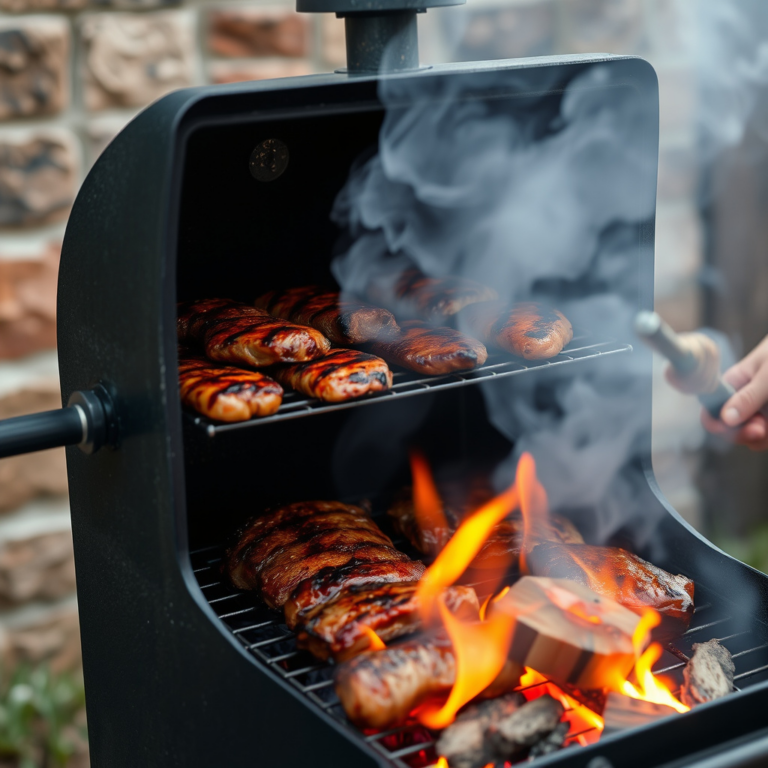
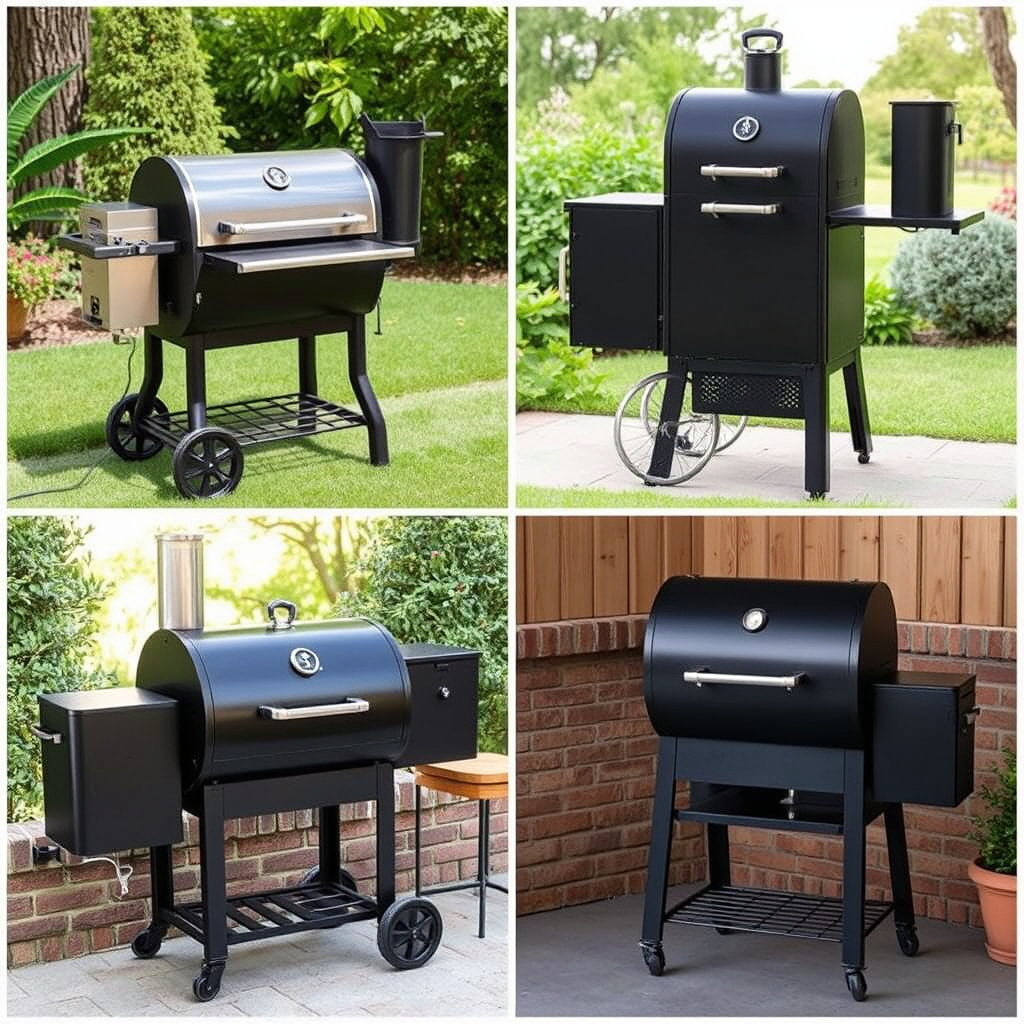
Offset smokers use a separate firebox to generate smoke and heat, offering excellent control over temperature and smoke flow. They rely on wood or charcoal, providing authentic smoky flavors that many barbecue enthusiasts prize.
These smokers require more attention to maintain temperature and manage airflow but reward users with classic smoke rings and rich flavors. They’re ideal for those who enjoy hands-on cooking and have space for larger units.
- Uses wood or charcoal firebox
- Manual temperature management
- Generates intense smoke flavor
- Typically larger footprint
Electric and Pellet Smokers: Convenience Meets Flavor
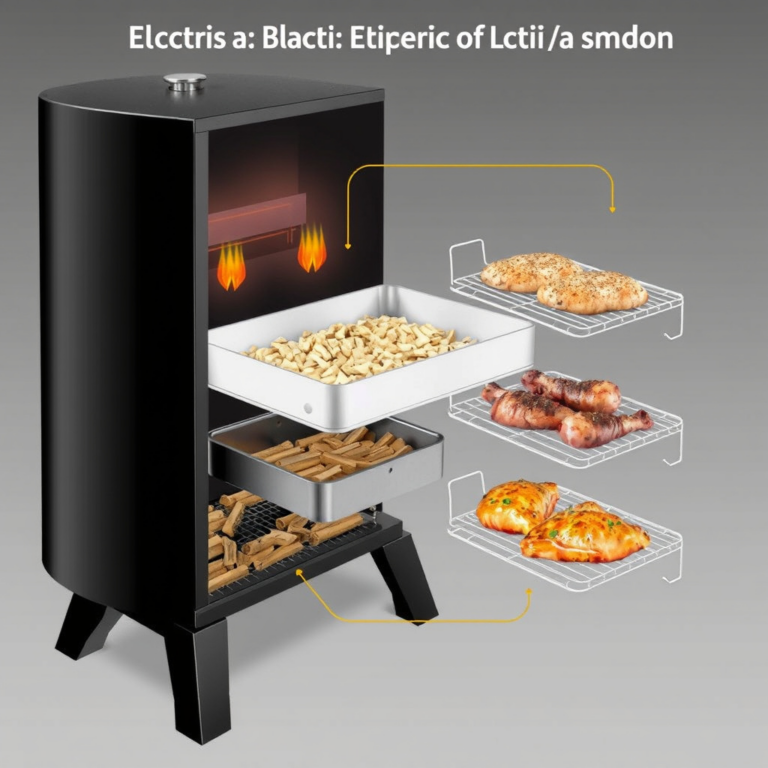
Electric smokers simplify the smoking process using an electric heating element and wood chips for smoke. Pellet smokers automate temperature and smoke control through pellets and digital controllers, combining ease of use with consistent results.
These types are great for beginners or those wanting low-maintenance smoking. Pellet smokers, particularly, offer programmable features, making it easier to replicate favorite recipes without constant supervision.
- Easy temperature control
- Uses electricity with wood chips or pellets
- Lower maintenance during cooking
- Good for small to medium batches
Factors That Determine If a Smoker Is Worth It
Budget and Initial Investment
Smokers range in cost from under $100 for basic models to several thousand dollars for high-end or custom units. The price often reflects build quality, features, and fuel type. Determining your budget upfront helps narrow options without overspending.
Consider also accessories and fuel costs, which add up over time. A moderately priced pellet smoker might cost more up front but save money on fuel and time compared to a large offset smoker that requires wood and frequent monitoring.
- Initial purchase price
- Fuel and accessory expenses
- Long-term maintenance costs
Usage Frequency and Cooking Style
How often you plan to use the smoker impacts its value. Frequent users benefit more from durable, feature-rich models that consistently produce great results, while casual cooks may prefer simpler, more affordable smokers.
Also, your preferred cooking style—low and slow brisket, quick fish smoke, or smoking vegetables—can dictate the type of smoker that best fits your needs and whether that smoker's features justify its cost.
- Regular vs. occasional use
- Types of food you want to smoke
- Desired cooking duration and complexity
How to Choose the Best Smoker for Beginners
Simplicity and Ease of Use
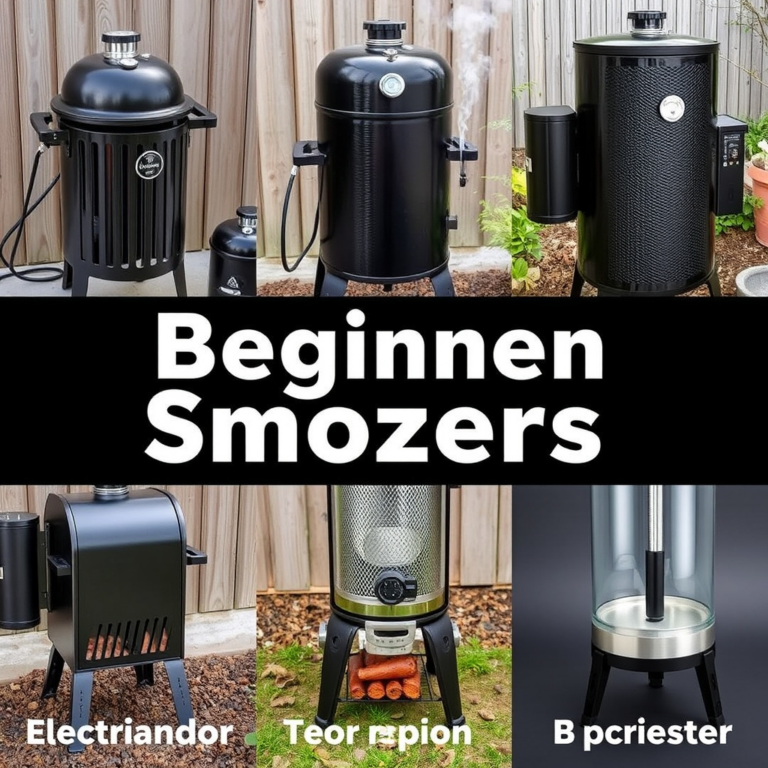
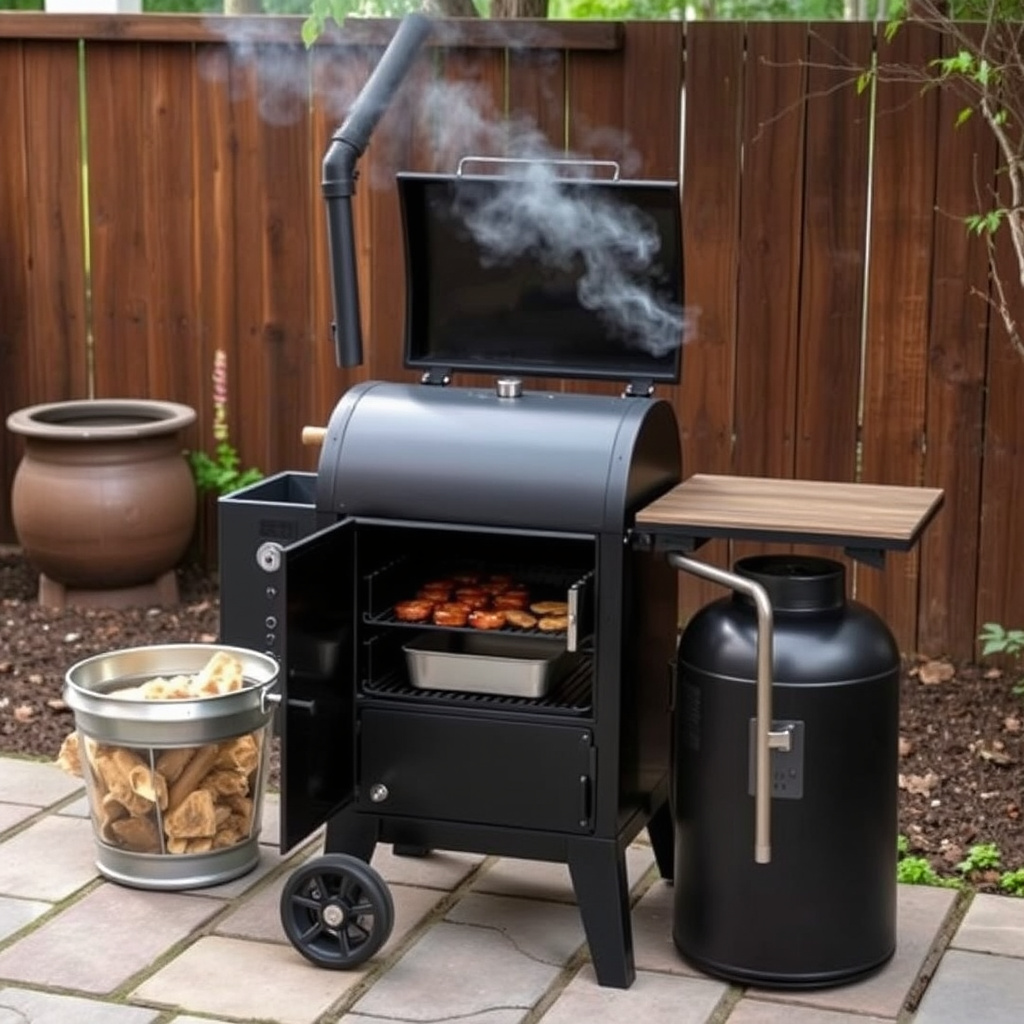
For people new to smoking, starting with an easy-to-use model like an electric or small pellet smoker reduces frustration and learning curve. These smokers offer steady temperatures and minimal monitoring, helping beginners achieve good results quickly.
Look for features such as digital controls, automatic pellet feeders, or removable racks for easy cleaning. These elements make smoking accessible and more enjoyable.
- Digital temperature controls
- Minimal assembly required
- Compact size for limited space
For more on this, see our related guide: Are Kamado Grills Worth It? A Practical Guide to Their Value and Performance.
Affordability Without Sacrificing Quality
You don’t need to invest heavily at first. Basic smokers priced around $150-$300 offer good build and food results. Avoid the cheapest models that may lack durability or consistent heat retention.
Many well-reviewed beginner smokers balance price and performance, making them ideal stepping stones to more complex systems once skills improve.
- Reliable brands with good warranties
- Reading user reviews before buying
- Starter models with upgrade paths
Maintenance and Longevity of Smokers
Routine Cleaning and Care
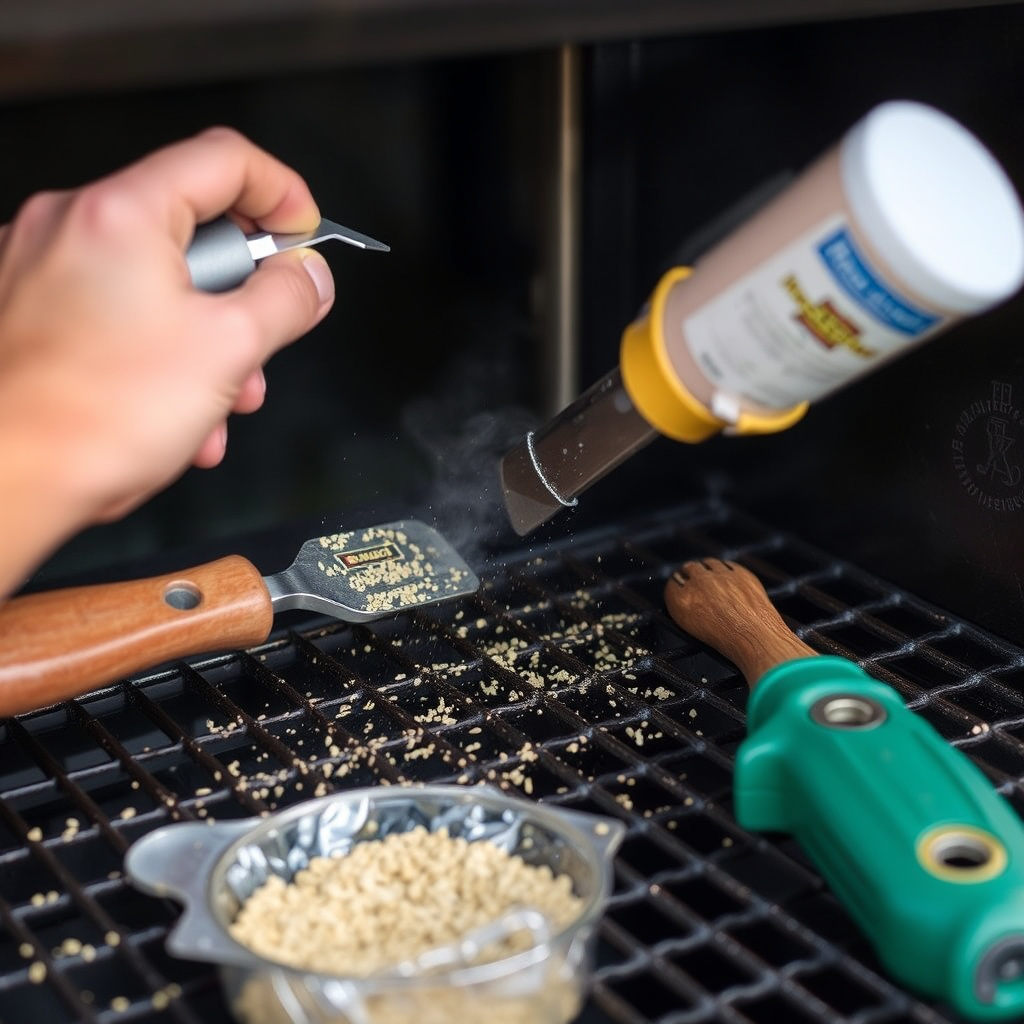
Maintaining a smoker after every use preserves its function and taste quality. This includes ash removal, cleaning grates, and checking seals or gaskets, preventing rust and buildup that can affect cooking.
Consistent cleaning habits extend the smoker’s life and keep food flavors pure. Some smokers have removable parts to simplify this process, a useful feature to prioritize.
- Removal of ashes and grease buildup
- Cleaning cooking grates
- Checking seals and gaskets
- Applying protective coatings
Durability Factors and Materials
Smokers made of thicker steel or cast iron tend to retain heat better and resist warping over years. Powder-coated or stainless steel finishes help prevent rust from outdoor exposure.
High-quality welds and reinforced doors or lids increase structural integrity. Investing in these durable features enhances long-term value and performance.
- Steel thickness and type
- Weather-resistant coatings
- Sturdy build and weld quality
- Replaceable parts availability
Cost vs. Benefit: Are Smokers Worth It for Your Needs?
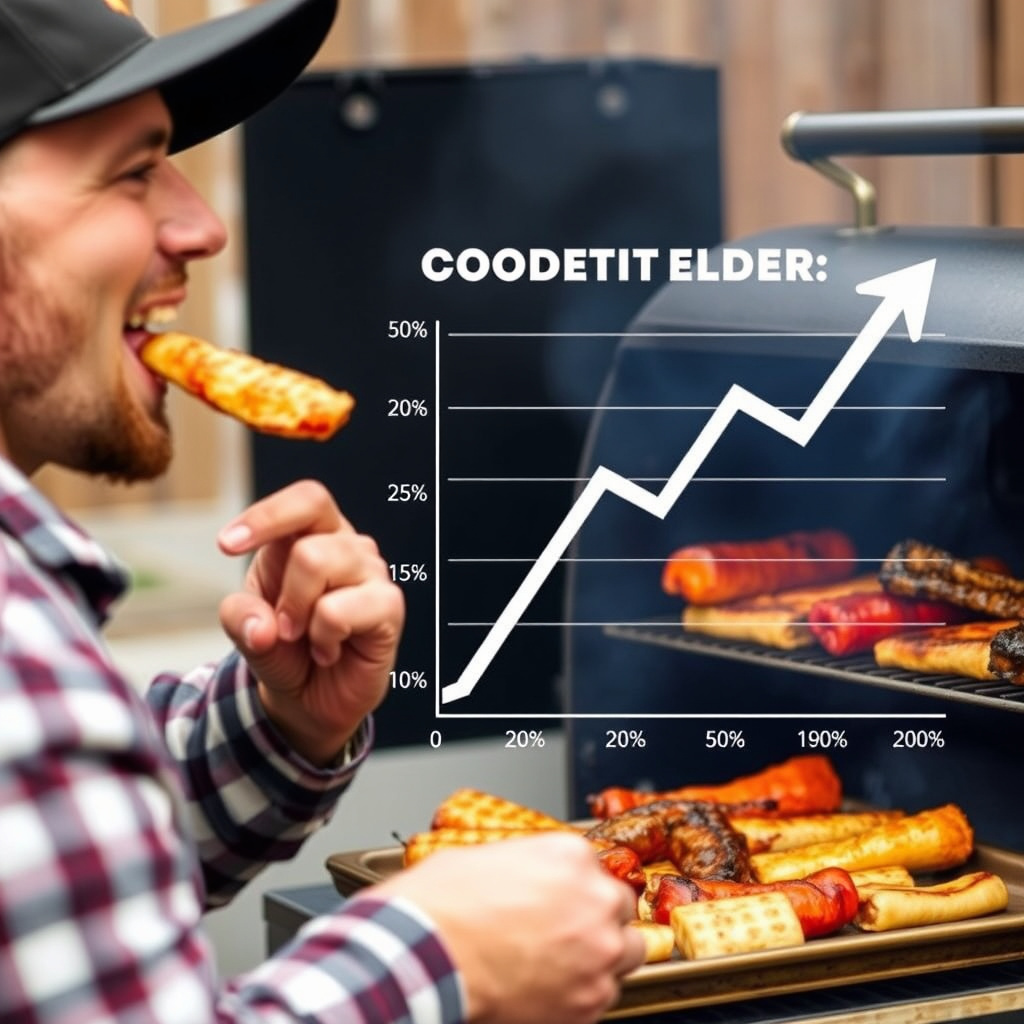
Flavor and Culinary Rewards
The primary benefit of using a smoker is the unique flavor profile and tenderness it imparts, often described as richer or more complex than grilled or oven-cooked food. This alone can justify the cost for those passionate about barbecue.
Smoking also allows meal prep in larger batches and the opportunity to explore new recipes and techniques that elevate typical outdoor cooking.
- Distinct smoky flavor
- Versatility with different foods
- Ability to prepare large quantities
For more on this, see our related guide: Are Pellet Grills Worth It? A Detailed Guide to Pellet Grill Benefits and Drawbacks.
Time and Effort Considerations
Smoking demands long cooking times and sometimes continuous temperature management, which might deter those looking for quick meals. Convenience-focused smokers lessen this burden but also cost more.
Balancing your available time with the smoking style influences whether investing in a smoker fits your lifestyle and brings enjoyment rather than frustration.
- Long cook durations
- Active temperature monitoring
- Automatic features for ease
Popular Smoker Brands and Models
Well-Known Brands for Quality and Trust
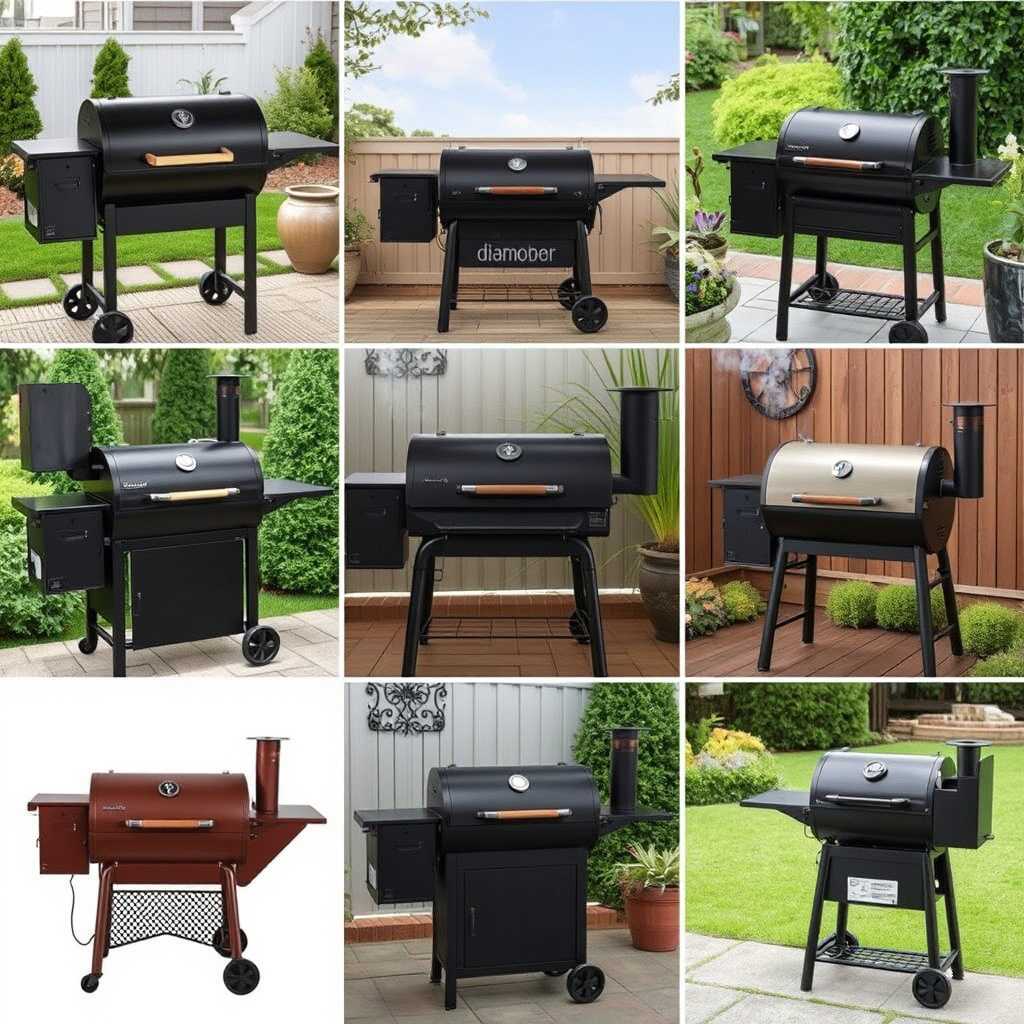
Brands like Weber, Traeger, and Char-Broil are renowned for producing reliable smokers that cater to a range of budgets and skill levels. Their models often come with extensive support, warranties, and community resources.
Each brand has signature strengths: Weber excels in charcoal smokers, Traeger is known for pellet smokers, and Char-Broil offers electric smokers with user-friendly features.
- Weber: charcoal and built quality
- Traeger: pellet smoker innovation
- Char-Broil: electric smoker accessibility
For more detailed background on the smoking process, the Wikipedia article on smoking (cooking) offers extensive information. smoking (cooking) on Wikipedia.
Models Recommended for Different Uses
For beginners, the Traeger Pro Series offers simple digital controls and reliable temperature management. Serious barbecue enthusiasts might prefer the Weber Smokey Mountain for traditional offset smoking.
Electric smokers like Char-Broil’s Digital Electric Smoker provide easy operation, while large offset smokers give scope for authentic, hands-on barbecue experiences in bigger gatherings.
- Traeger Pro Series for beginners
- Weber Smokey Mountain for purists
- Char-Broil Digital Electric Smoker for convenience
- Large offset smokers for experts
Smoker Type Comparison: Pros and Cons
Here's a quick look at how different smoker types stack up based on flavor, ease of use, cost, and maintenance.
| Smoker Type | Flavor Quality | Ease of Use | Price Range | Maintenance |
|---|---|---|---|---|
| Offset Smoker | Excellent, classic smoky flavor | Moderate to hard | $300 – $1500+ | High, frequent cleaning and monitoring |
| Pellet Smoker | Very good, consistent flavor | Easy to moderate | $400 – $1200 | Moderate, pellet refills and cleaning |
| Electric Smoker | Good, lighter smoke flavor | Very easy | $150 – $600 | Low, simple ash and chip cleanup |
| Charcoal Smoker | Great, traditional smoke | Moderate | $100 – $500 | Moderate, ash removal and fuel prep |
Frequently Asked Questions
Are smokers difficult to use for beginners?
Some smokers, especially offset models, require practice to manage temperatures and smoke. However, electric and pellet smokers are beginner-friendly with automated controls, making the smoking process simpler.
How much space do smokers need?
Smokers vary in size from compact electric models suitable for small patios to large offset smokers requiring ample backyard space. Measure your space before purchasing to ensure a good fit.
Can smokers be used year-round?
Yes, smokers can be used in most seasons. Cold weather might require more fuel or insulation to maintain consistent temperatures, but many enthusiasts smoke even in winter.
What types of food can I smoke?
You can smoke many foods including beef, pork, poultry, fish, vegetables, and even cheese. Each food benefits from specific times and smoke intensity.
Is it expensive to maintain a smoker?
Maintenance costs include fuel (wood, pellets, charcoal) and occasional parts replacement. Routine cleaning keeps long-term costs low, making smokers cost-effective over time.
Key Takeaways
- Smokers offer unique flavor and texture that justify their cost for enthusiasts.
- Choosing the right smoker depends on budget, usage frequency, and cooking style.
- Electric and pellet smokers are great for beginners seeking convenience.
- Regular maintenance maximizes smoker longevity and cooking quality.
Conclusion
Determining whether smokers are worth it matches your enthusiasm for flavor-rich, slow-cooked foods against the time, effort, and initial cost involved. A smoker can transform basic cuts into barbecue masterpieces but requires commitment to monitoring and maintenance. Balancing these factors with your available space and skill level helps make a sensible choice that aligns with your culinary goals.
For frequent users who love hands-on cooking and authentic wood smoke, an offset or charcoal smoker offers satisfying depth of flavor despite the higher learning curve and maintenance. Beginners or those seeking convenience and consistent results may find pellet or electric smokers more suitable, especially models like the Traeger Pro Series or Char-Broil Digital Electric Smoker. Consider how often and what you want to smoke most when selecting your device.
If you decide a smoker fits your lifestyle, start with a reliable, well-reviewed model within your budget and take time learning the smoking process gradually. Join barbecue communities for tips and recipes to make the most of your investment. With patience and practice, a smoker can become a treasured centerpiece of your outdoor cooking routine.