Yes, you can use a smoker in the winter, but it requires some adjustments to compensate for colder temperatures and weather challenges. Winter smoking is perfectly doable whether you use an electric, charcoal, or pellet smoker. The key is maintaining consistent heat and protecting your smoker from harsh outdoor elements.
Winter smoking matters because colder air causes heat loss, making it harder to keep your smoker at the right temperature, which affects cooking time and the quality of your smoked foods. Additionally, snow, ice, and wind can impact smoker performance and safety. Understanding how to adapt your setup ensures great results even in freezing conditions.
This article covers everything you need to know to successfully use a smoker in the winter. We'll explore how cold weather affects smoker operation, ways to insulate and protect your equipment, tips for fuel management, safety measures, and smart accessory choices to make your winter smoking experience enjoyable and effective.
How Cold Weather Impacts Smoker Performance
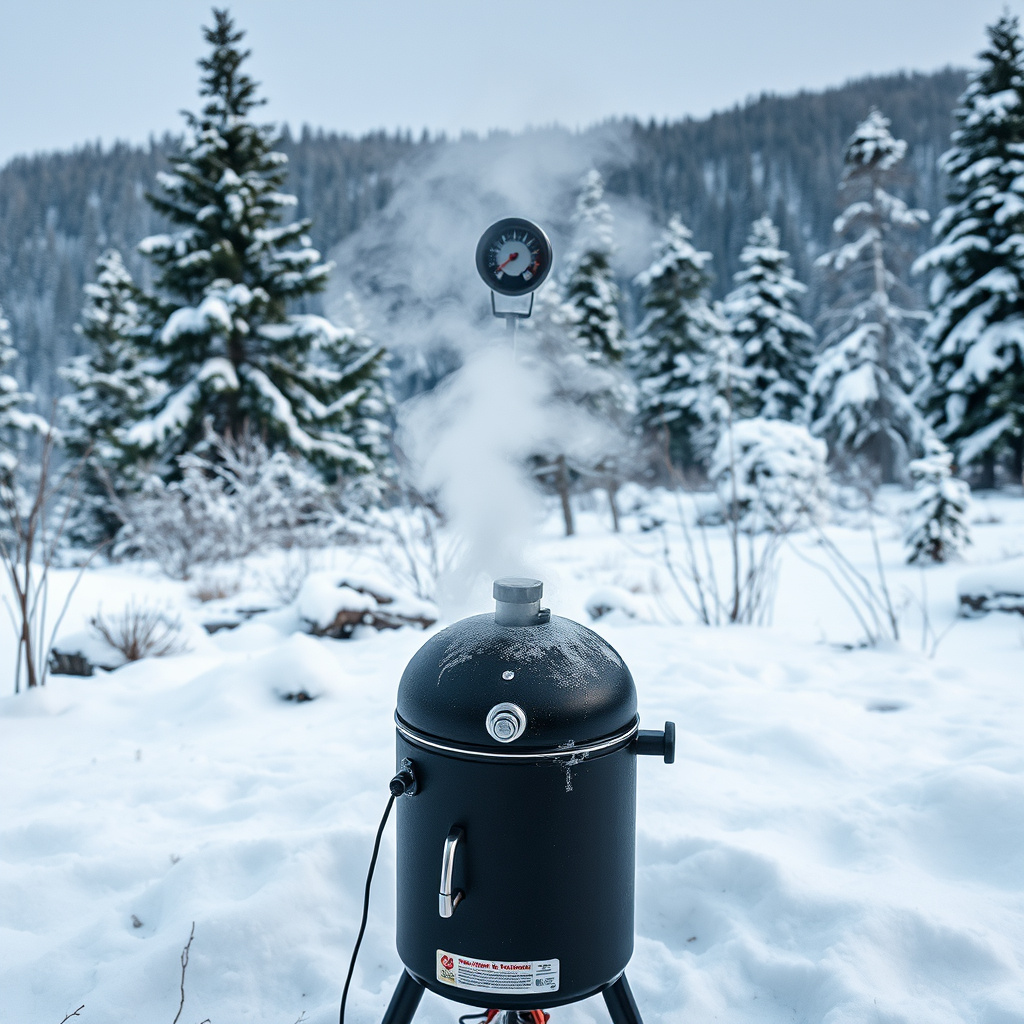
Heat Loss and Temperature Control Challenges
Cold outdoor temperatures cause your smoker to lose heat more rapidly, forcing it to work harder to maintain stable cooking temperatures. This leads to more fuel consumption and often longer cooking times. Wind chill further intensifies this heat loss by pushing away warm air around the smoker’s surface.
To keep temperature consistent, you need to monitor the smoker closely and sometimes adjust vents or fuel input more frequently. The internal temperature may fluctuate without protection, risking undercooked or unevenly smoked food if not managed properly.
- Increased fuel use in cold weather
- More frequent temperature adjustments
- Potential cooking time extensions
Effects of Humidity, Snow, and Ice
Winter humidity levels tend to be lower, which can dry out meat faster during smoking. Additionally, snow and ice can block vents or create moisture inside the smoker, affecting heat and smoke flow. Ice buildup near smoker legs or doors might also interfere with proper sealing.
Managing moisture is important: keeping your smoker dry, checking vents for blockages, and occasionally brushing snow away from the base can help maintain optimal smoking conditions despite winter’s challenges.
Protecting and Insulating Your Smoker in Winter
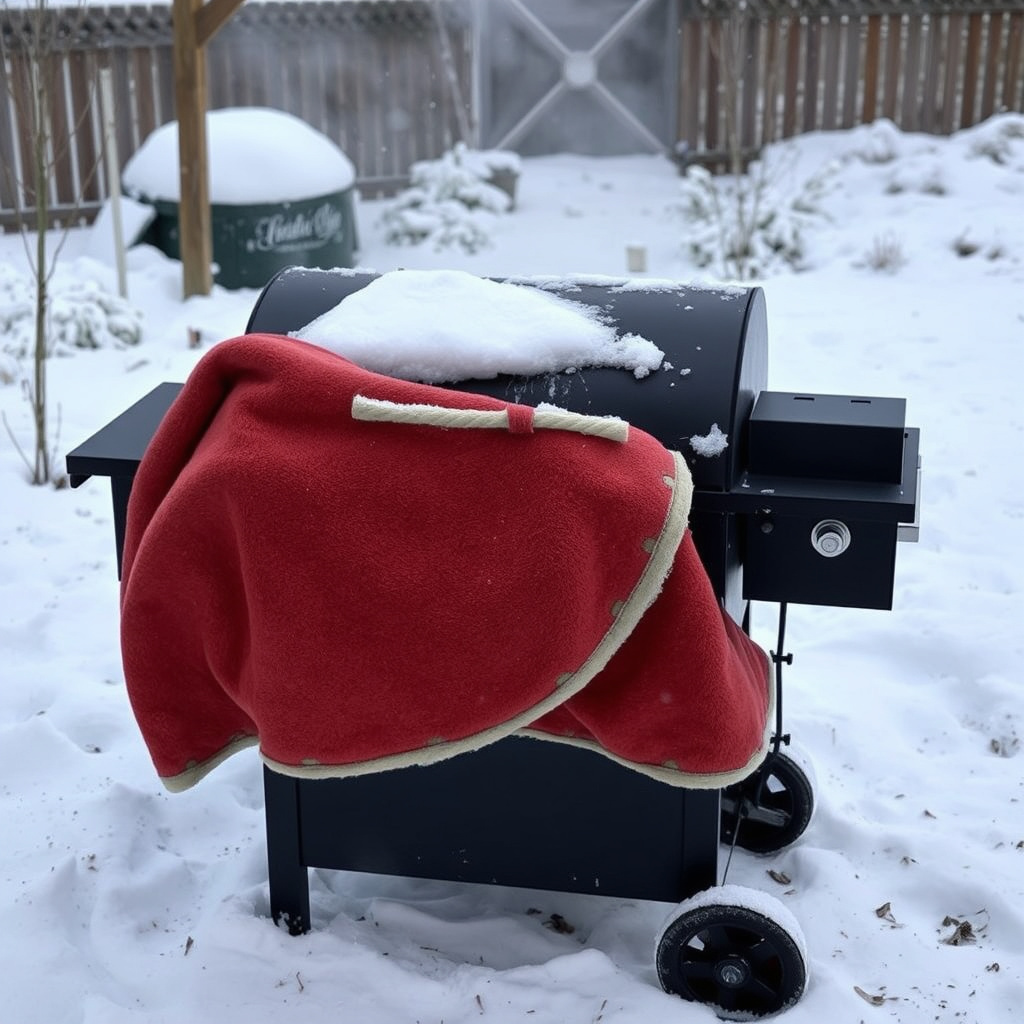
Using Smoker Insulation Blankets
Insulation blankets designed for smokers can significantly reduce heat loss by protecting the smoker’s body from cold air. These blankets cover the smoker’s exterior and improve fuel efficiency by minimizing the amount of energy needed to maintain temperature.
Look for weather-resistant materials that fit your smoker model well. Proper insulation helps keep the cooking chamber warm, stabilizing temperatures and cutting down on fuel consumption during longer winter smoke sessions.
- Custom-fit for smoker model
- Weather and heat resistant
- Improves fuel efficiency
For more on this, see our related guide: Pellet vs Gas Grill: Which is Better for Your Backyard BBQ?.
Wind Barriers and Shelters
Wind is a major factor causing your smoker to lose heat quickly. Setting up a wind barrier with plywood, tarps, or dedicated outdoor shelters helps block gusts, preserving the smoker’s internal temperature. Position your smoker in a naturally sheltered spot such as near a wall or fence.
Small, portable smoking tents or enclosures designed for outdoor cooking can also provide protection during snowy or windy conditions without restricting airflow, which is vital for smoke circulation.
- Use natural windbreaks if possible
- Portable enclosures for extra protection
- Keep airflow unrestricted
Managing Fuel and Temperature Consistency in Winter Smoking
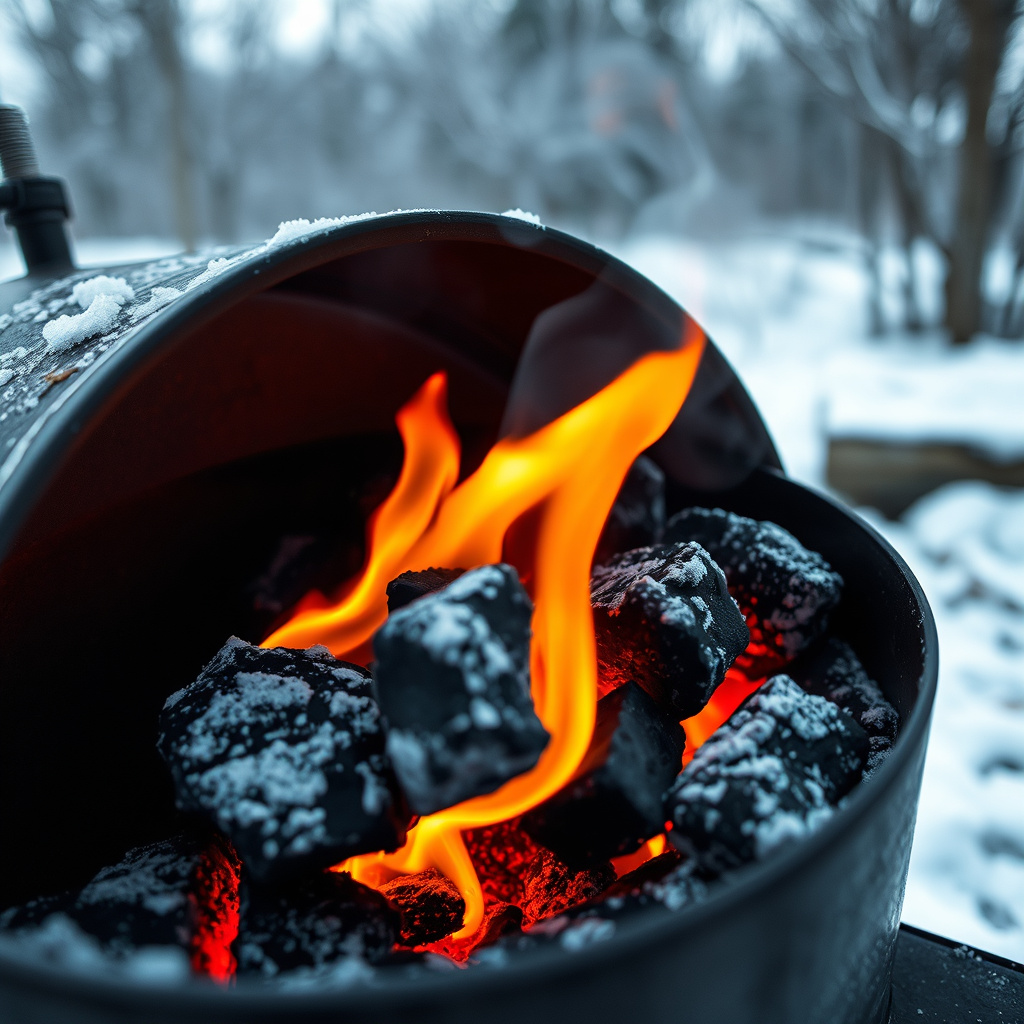
Choosing the Right Fuel for Cold Weather
Charcoal and wood fuels respond differently to cold temperatures. Lump charcoal tends to light faster and burn hotter than briquettes, which may help compensate for winter heat loss. Pellet smokers depend on consistent pellet feed and electricity, so cold weather can strain components like augers or motors.
Keep extra fuel on hand, and preheat your fuel source to ensure a stable smoking temperature. For pellet smokers, monitoring pellets for moisture is essential, as damp pellets won’t burn efficiently.
- Lump charcoal preferred for quick heat
- Keep pellets dry in cold conditions
- Monitor fuel levels closely
Techniques for Maintaining Stable Temperatures
Frequent temperature checks with a reliable lid or probe thermometer allow you to adjust airflow and fuel input promptly. Adding hot coals or wood chunks instead of large amounts all at once helps prevent temperature spikes or drops.
Using a windproof lighter and keeping vents only partially open balances oxygen flow with heat retention. Remember that prolonged cooking times are normal in winter, so patience is important to let flavors develop properly.
Safety Considerations When Using a Smoker in Winter
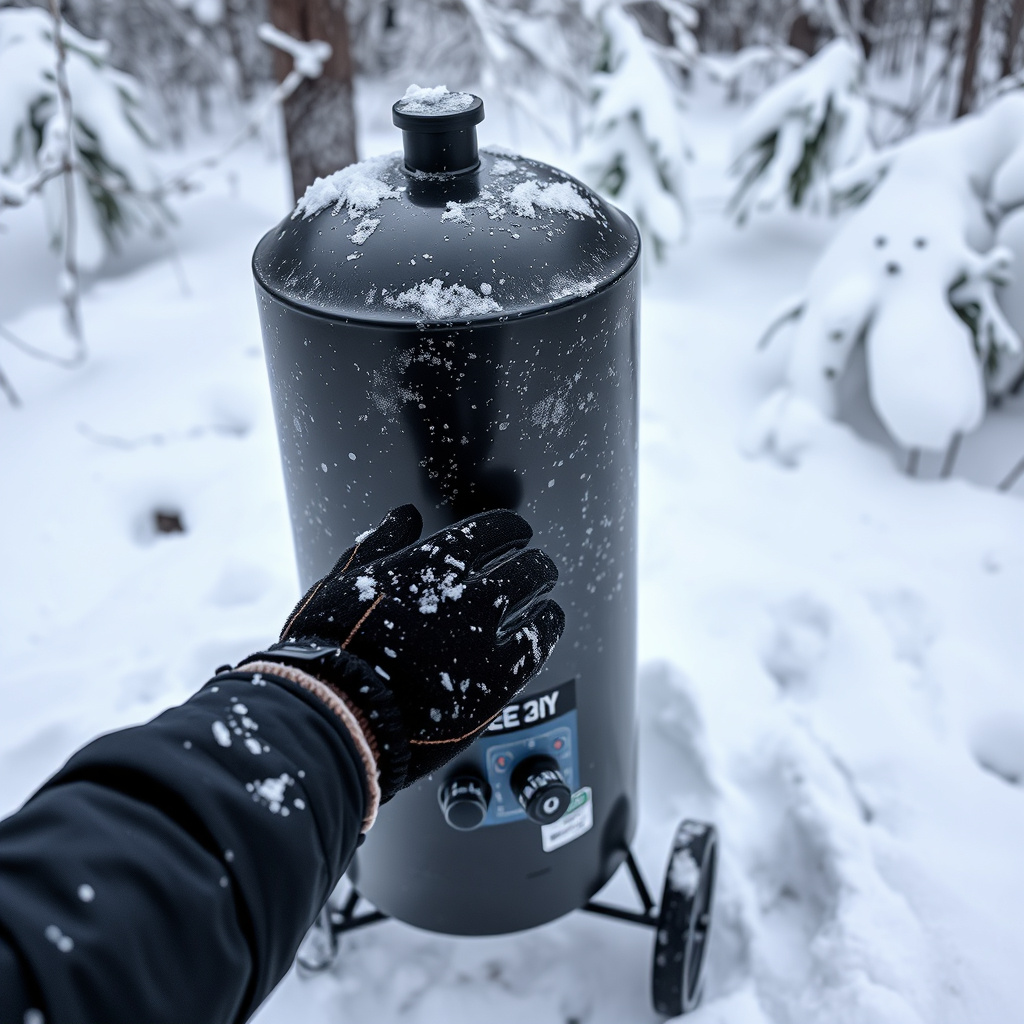
Preventing Carbon Monoxide Risks Outdoors
While smoking outdoors generally reduces carbon monoxide concerns, extra caution is needed during winter when smoke can hang closer to the ground due to temperature inversion. Avoid using smokers in enclosed or poorly ventilated areas, such as unheated garages or small sheds.
Stay aware of wind direction and ensure exhaust doesn’t accumulate near windows or doors of your home to protect household members from exposure to harmful fumes.
- Never smoke inside enclosed spaces
- Monitor wind direction
- Keep smoker away from house openings
For more on this, see our related guide: How to Build an Outdoor Kitchen with a Grill: A Step-by-Step Guide.
Handling Fuel and Equipment Safely
Cold weather can make handling hot equipment more difficult as gloves reduce dexterity. Use insulated, heat-resistant gloves to avoid burns when adding fuel or adjusting vents. Keep pathways to your smoker cleared of ice and snow to prevent slips.
Store fuel away from moisture and open flames, and inspect electrical components, such as cords and plugs for pellet smokers, for cold-related damage before use.
- Use proper insulated gloves
- Clear icy paths
- Inspect electrical parts
Recommended Accessories and Tools for Winter Smoking
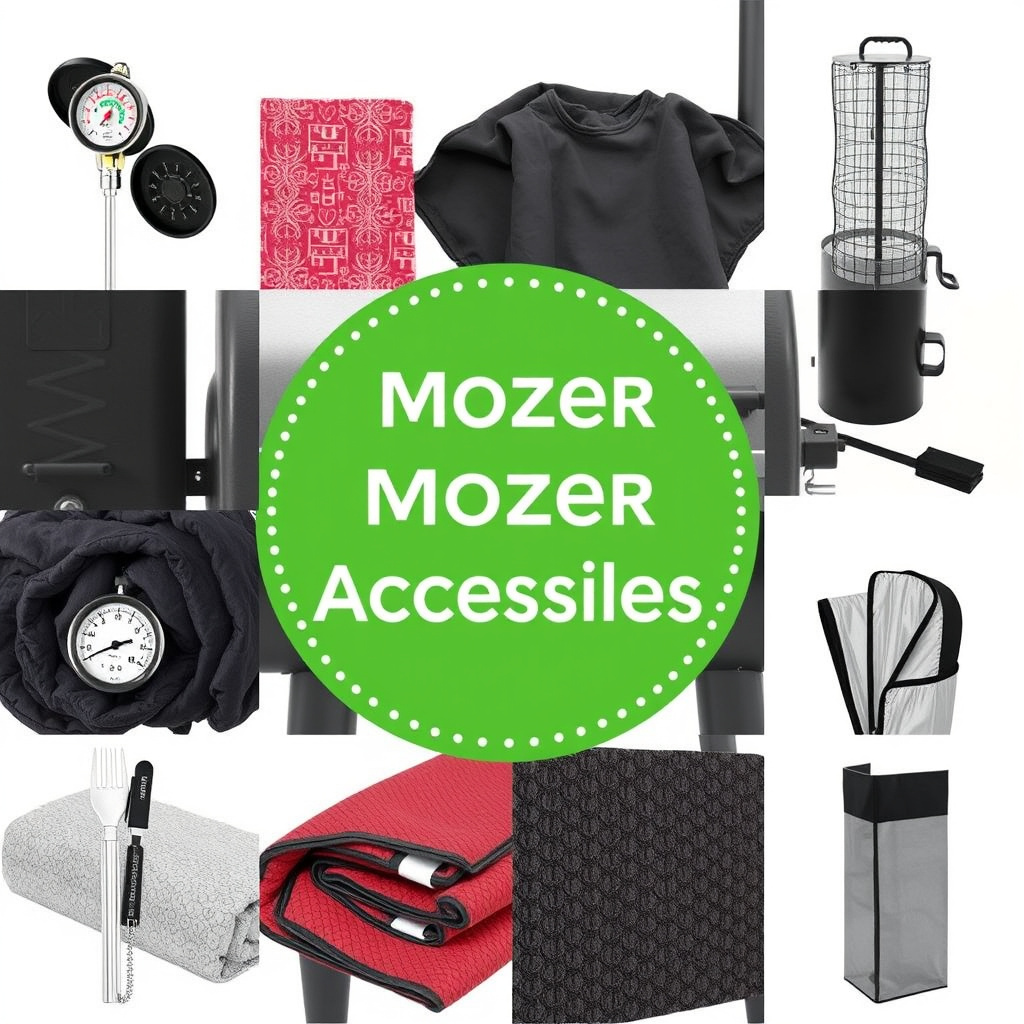
Digital Thermometers and Warm Storage Cases
Accurate temperature monitoring is critical when winter smoking. Choose digital, remote probe thermometers to track internal meat and smoker temperatures without opening the lid often, which lets heat escape. Carry cases that insulate thermometer probes keep readings reliable even in freezing air.
Thermometer apps that connect via Bluetooth or Wi-Fi allow for convenient monitoring from indoors, minimizing exposure to cold.
- Remote probe thermometers
- Insulated probe cases
- Smartphone temperature apps
For more background on smoking techniques and equipment, see Wikipedia’s article on Barbecue. Wikipedia’s article on Barbecue.
Smoker Covers and Weatherproof Mats
Weatherproof smoker covers protect your equipment from snow and ice when not in use, extending its lifespan. Use durable, waterproof materials that fit tightly yet allow ventilation to prevent moisture buildup under the cover.
Non-slip mats placed under the smoker can improve stability on icy or uneven ground, reducing accident risk and making setup easier even in winter conditions.
- Waterproof smoker covers
- Ventilated designs prevent moisture
- Non-slip ground mats for stability
Smoker Types for Winter Use: Pros and Cons
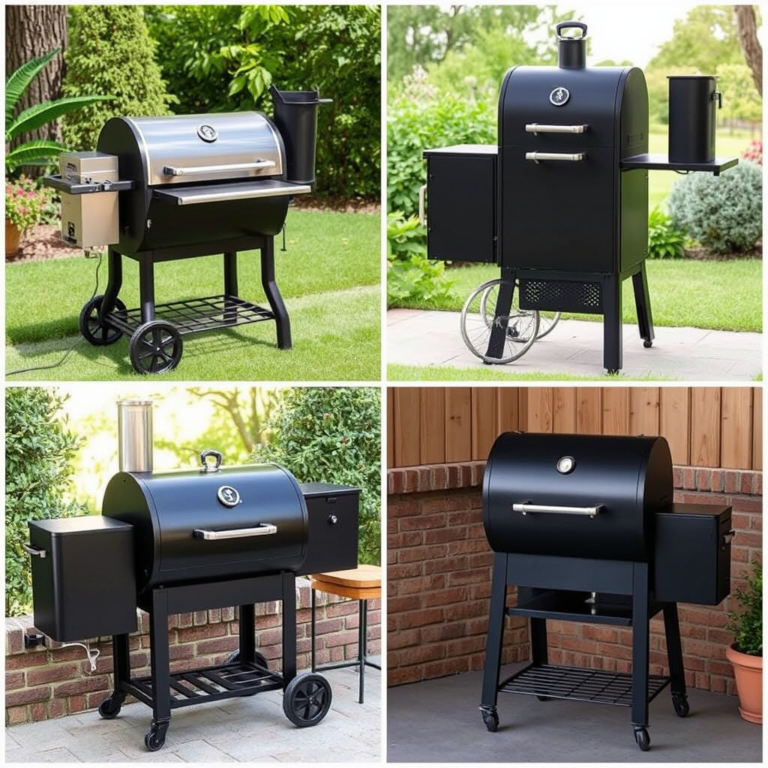
Here’s a quick comparison of popular smoker types to help you decide which suits winter smoking best based on heat retention, fuel type, and ease of use.
| Smoker Type | Heat Retention | Fuel Type | Winter Ease of Use | Maintenance |
|---|---|---|---|---|
| Charcoal Smoker | Moderate – good with insulation | Charcoal/Wood | Requires frequent monitoring | Regular ash removal |
| Pellet Smoker | High – consistent heat | Pellets (electric powered) | Easy temp control but sensitive to cold | Keep pellets dry and clean electronics |
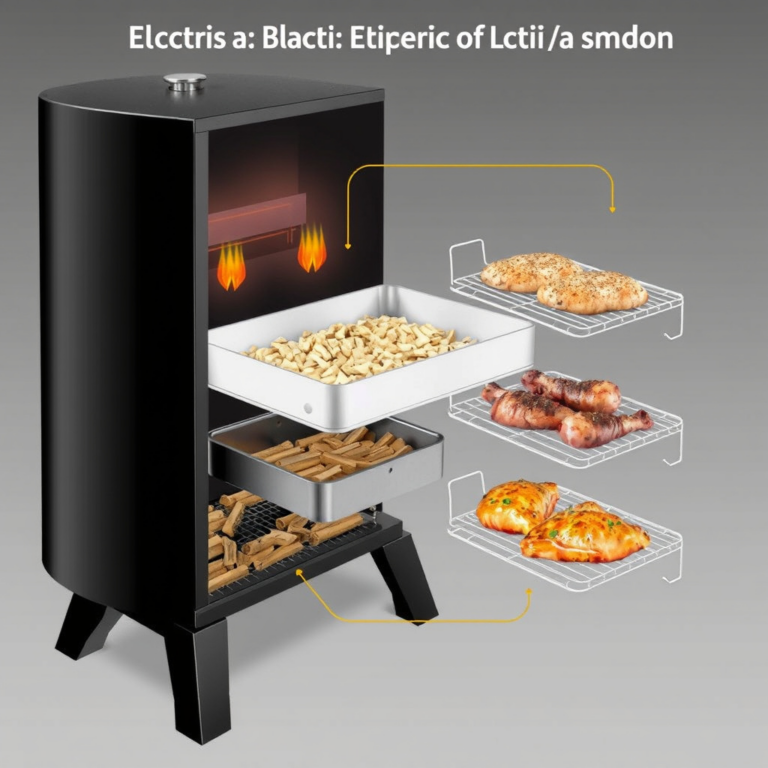
| Electric Smoker | Moderate – sensitive to wind | Electric | Simplest to operate, less heat output | Minimal maintenance |
| Propane Smoker | Moderate – quick heat up | Propane gas | Good cold weather performance | Check propane levels and hoses |
| Offset Smoker | Lower – heat loss if not insulated | Charcoal/Wood | Challenging, needs skill | Frequent cleaning and fuel management |
Frequently Asked Questions
Can I keep my smoker outside during winter?
Yes, but protect it with a weatherproof cover and insulation blankets to prevent moisture damage and reduce heat loss during cooking.
Does winter smoking change cooking times?
Cold air causes longer cooking times because smokers lose heat faster, so expect some extension depending on outdoor temperature.
Is it safe to use an electric smoker in freezing temperatures?
Yes, but keep electrical components dry and warm when possible. Avoid letting cords freeze or become brittle.
How can I prevent my meat from drying out in winter smoking?
Use water pans inside the smoker to maintain moisture and keep humidity higher during smoking sessions.
Should I bring the smoker indoors during heavy snow or ice?
Avoid operating indoors due to carbon monoxide risk. Instead, shelter your smoker outdoors in a covered, ventilated area.
Key Takeaways
- Using a smoker in winter requires managing heat loss and cold air impacts.
- Insulation blankets and wind barriers improve temperature stability and fuel efficiency.
- Choose fuel types wisely: lump charcoal and dry pellets work best in cold.
- Safety includes using proper gloves, avoiding enclosed spaces, and protecting electrical parts.
Conclusion
Successfully smoking meat in winter hinges on adapting to colder outdoor conditions by keeping cooking temperatures steady and minimizing heat loss. Understanding the particular challenges of cold weather—like wind chill, snow, and moisture—can influence how you manage your smoker’s heat flow and fuel. Monitoring your equipment closely and making adjustments as needed ensures your smoking sessions turn out tasty, even in freezing weather.
If you regularly smoke outdoors during winter, consider investing in insulation blankets and windbreaks to reduce temperature fluctuations. Pellet smokers offer consistent heat and temperature control, but require maintenance to keep electrical components dry and functioning. Charcoal smokers with lump charcoal give faster heat recovery but need attentive fuel management. For less hands-on operation, electric smokers may be easier, although wind can affect their efficiency. Choose accessories such as digital thermometers and insulated cases to keep track of temperatures without losing heat.
In practical terms, prepare your smoking area with safe footing by clearing ice, use insulated gloves for handling hot parts, and always operate your smoker in well-ventilated outdoor spaces. By following winter smoking tips and adapting your setup, smoking during cold months can be rewarding and enjoyable, extending your grilling season and flavors even when temperatures drop.