Seasoning grill grates is essential to protect them from rust, improve non-stick performance, and enhance the flavor of your grilled food. The process involves coating the grates with oil and heating them to create a durable, protective layer. This treatment turns iron or steel grates into a well-seasoned cooking surface that stays non-stick and easier to clean over time.
Without seasoning, grill grates are vulnerable to corrosion when exposed to moisture and air, leading to rust that can ruin their usability and contaminate your food. Properly seasoned grates also reduce food sticking during cooking, which means less scrubbing afterward and better grill marks on your food.
This article will cover how to season grill grates step by step, explain which oils work best, discuss timing and temperature tips, and share maintenance advice to keep your grates in prime condition season after season.
Understanding the Importance of Seasoning Grill Grates
Why Grill Grates Need Seasoning
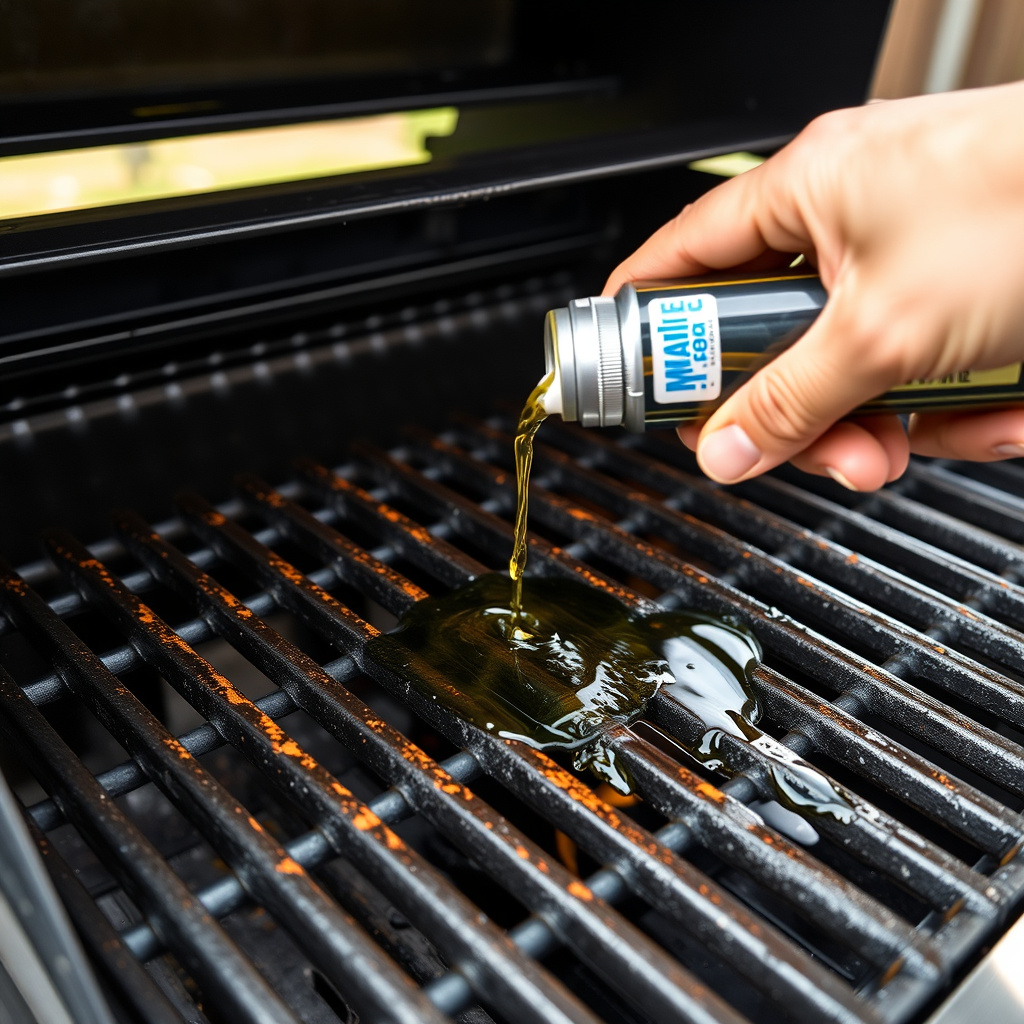
Grill grates, especially those made of cast iron or steel, are prone to rust when exposed to moisture and air. Seasoning forms a protective layer that blocks these elements and prevents corrosion. This coating also creates a naturally non-stick surface that protects food from sticking and tearing while grilling.
Without seasoning, grill grates can degrade quickly, requiring costly replacements or complex cleaning routines. Seasoning extends the lifespan of your grates, making cooking smoother and grilling more enjoyable.
How Seasoning Affects Grill Performance
A well-seasoned grate enhances heat distribution and retention, providing consistent cooking temperatures. The oily layer also helps in browning and caramelizing food, adding depth to the natural smoky taste from the grill.
Seasoned grates reduce flare-ups by preventing food residue from burning and sticking. This process leads to cleaner fires and food that tastes better without burnt bits clinging to it.
Choosing the Best Oil for Seasoning Grill Grates
Types of Oils Suitable for Seasoning
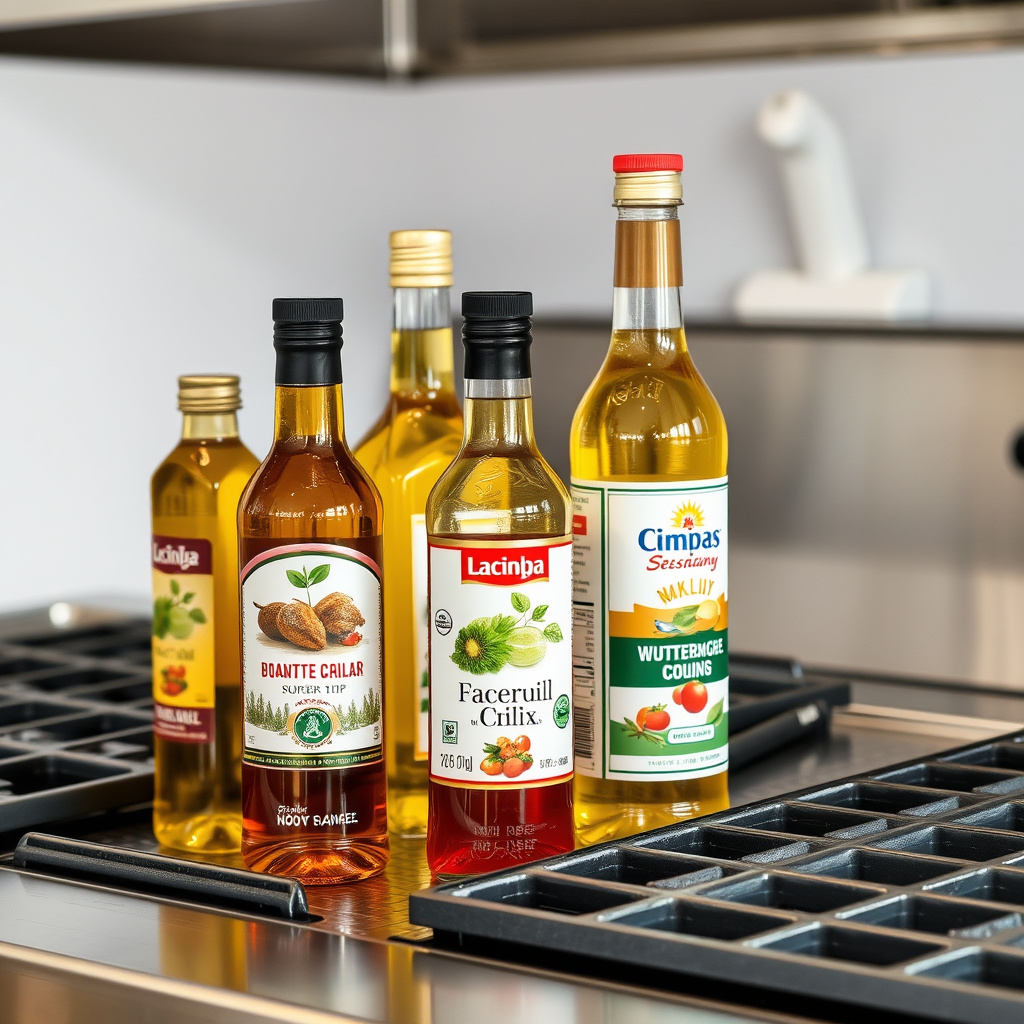
Not all oils are equally effective for seasoning grill grates. High smoke point oils like flaxseed oil, grapeseed oil, and canola oil are preferred because they polymerize more effectively when heated, forming a hard, durable coating.
Vegetable oil and olive oil can be used, but their lower smoke points mean the seasoning layer won’t be as resilient. Avoid butter or unrefined oils since they burn quickly and can leave sticky residues.
- Flaxseed oil – high smoke point, durable finish
- Grapeseed oil – neutral flavor, stable at high heat
- Canola oil – affordable and effective
- Avoid butter and unrefined oils
For more on this, see our related guide: How to Season a Grill for Long-Lasting Performance.
Where to Buy and What to Consider
Flaxseed oil is often available at health food stores or specialty cooking shops, while canola and grapeseed oils are easy to find in most grocery stores. For grill grate seasoning, make sure to select oils labeled as refined or with a high smoke point for the best results.
Price varies among oils, but investing in a high-quality oil for the initial seasoning ensures a long-lasting protective layer that reduces maintenance needs.
Step-by-Step Guide to Seasoning Grill Grates
Preparing the Grill Grates
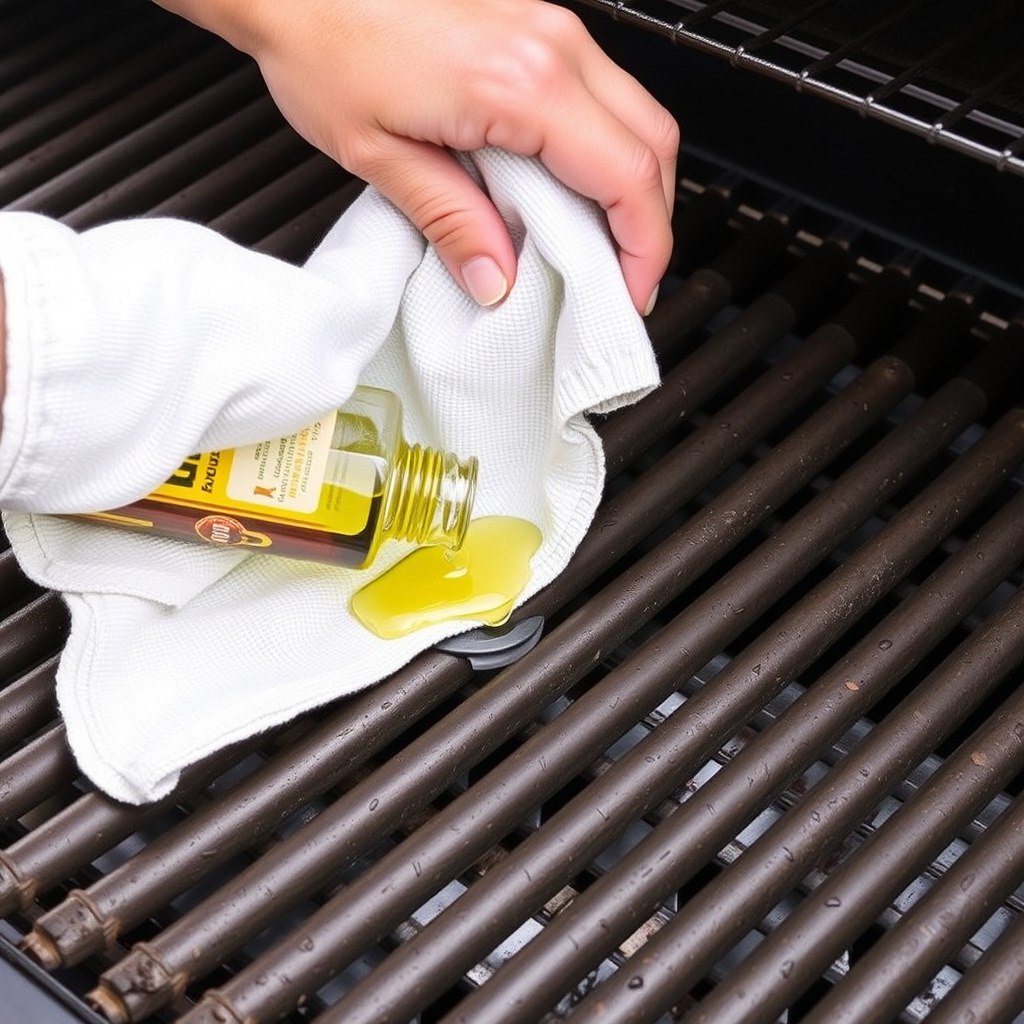
Start with a clean grill grate by removing rust, debris, or burnt-on food. Use a grill brush and warm soapy water or vinegar to cleanse the surface thoroughly. Dry the grates completely to avoid trapping moisture under the oil layer.
If the grates have heavy rust, consider sanding or using steel wool before cleaning. Proper preparation ensures the oil bonds well to the metal for an even seasoning layer.
Applying Oil and Heating the Grates
With a lint-free cloth or brush, apply a thin coat of your chosen high smoke point oil over the entire grate surface. Avoid over-oiling, as excess oil can cause a sticky buildup.
Preheat the grill to a high temperature (around 450°F to 500°F) and place the oiled grates on it. Let them bake for 45 minutes to an hour to allow the oil to polymerize and bond tightly to the metal. Repeat the coating and heating process 2-3 times for best results.
- Use a clean cloth or brush for even oil application
- Bake grates during seasoning to harden the coating
- Apply multiple thin coats rather than one thick coat
Maintaining Seasoned Grill Grates for Longevity
Cleaning Without Damaging the Seasoning
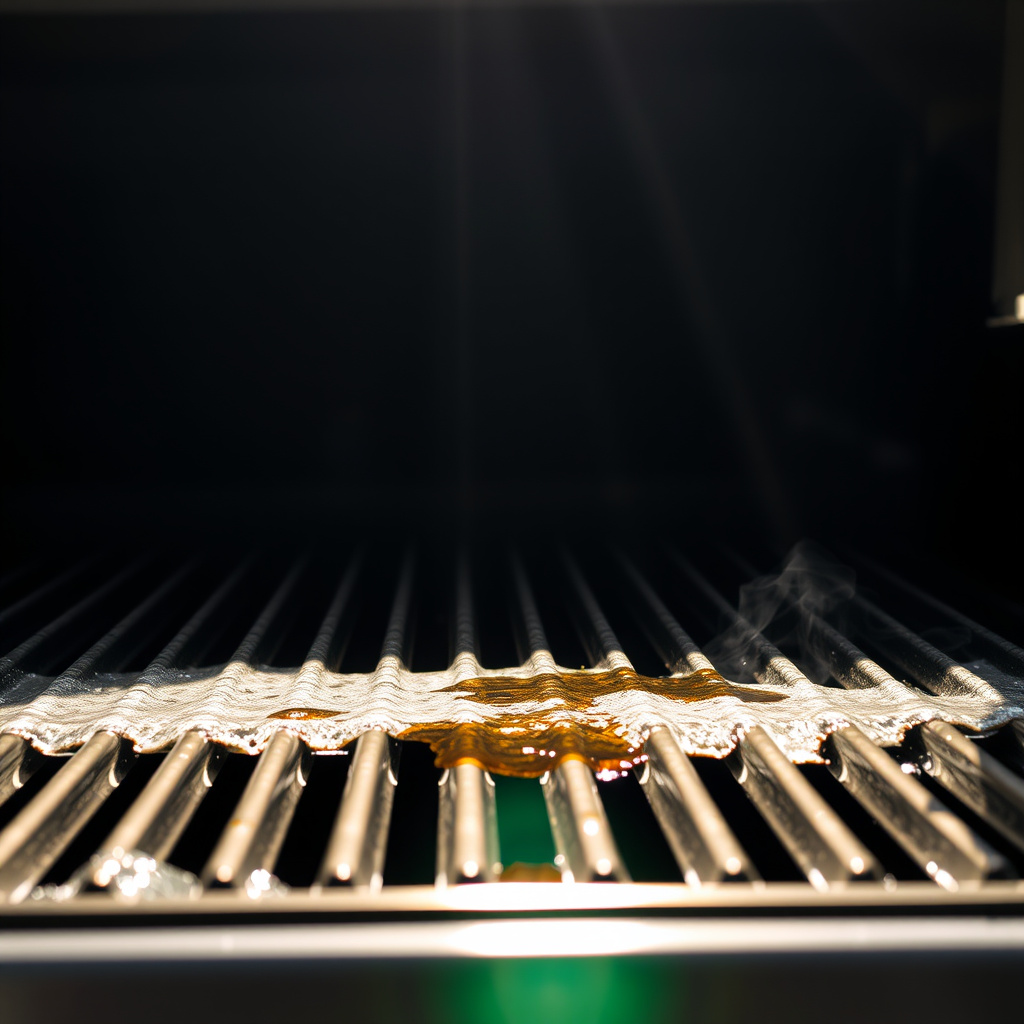
After grilling, avoid harsh scrubbing that strips the seasoning. Use a soft grill brush or scraper while the grates are warm to remove food residue. Avoid using soap or soaking in water frequently as this can degrade the oil layer prematurely.
If rust spots appear, clean and re-season those areas promptly to prevent spread. Regular light cleanings preserve the seasoning and prevent buildup.
For more on this, see our related guide: How to Clean a Grill with Vinegar: A Simple Guide for Spotless BBQs.
Reapplying Oil Seasoning Over Time
Every few uses, apply a light coat of oil to the warm grill grates after cleaning. This practice replenishes the seasoning and keeps the surface slick and rust-resistant.
Before long-term storage, perform a thorough cleaning and seasoning session to protect the grates from moisture and rust during off-season periods.
- Oil grates after every few uses
- Season thoroughly before winter storage
- Promptly treat rust spots
Common Mistakes to Avoid When Seasoning Grill Grates
Over-Oiling and Sticky Residues
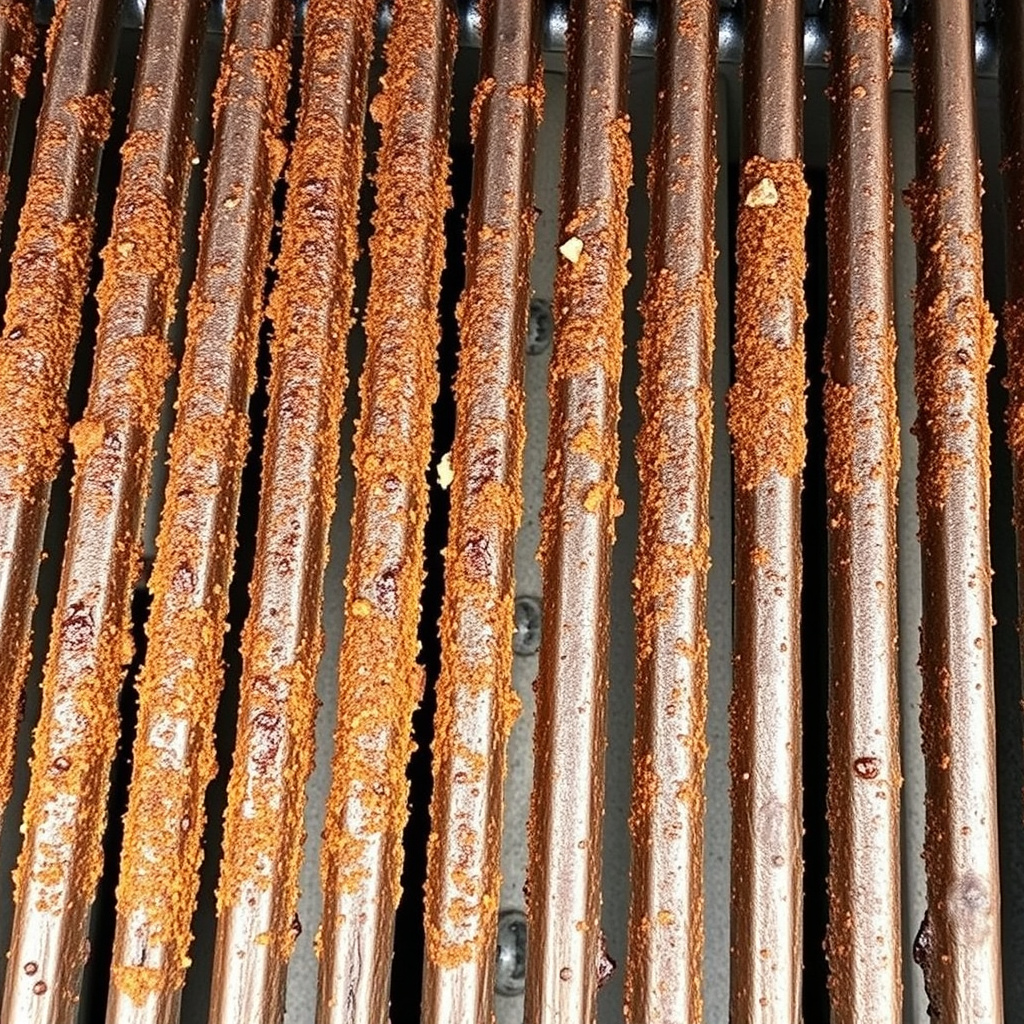
Applying too much oil can leave a sticky, uneven coating that attracts dirt and food particles. Thin, even coats are essential to prevent this problem.
If a sticky residue forms, clean the grates with a grill brush and repeat the seasoning process with thinner oil applications to restore a smooth surface.
For more detailed background on the science of seasoning grates and cast iron cookware, the Wikipedia page on cast-iron cookware provides helpful insights. Seasoning Cast Iron Grill Grates.
Using the Wrong Oils or Inadequate Heating
Some oils don't harden into a durable layer when heated, making the seasoning ineffective. Make sure to use oils with a high smoke point and heat the grates sufficiently to allow polymerization.
Not allowing the grates to heat long enough during seasoning can result in a weak coating that wears off quickly during use.
Comparison of Popular Grill Grate Seasoning Oils
Here's a comparison of common oils used for seasoning grill grates, focusing on smoke point, durability, cost, and availability.
| Oil Type | Smoke Point (°F) | Durability | Cost | Availability |
|---|---|---|---|---|
| Flaxseed Oil | 495 | High – Forms a hard coating | Moderate | Specialty stores |
| Grapeseed Oil | 420 | High – Durable and neutral | Moderate | Supermarkets |
| Canola Oil | 400 | Medium – Good for beginners | Low | Widely available |
| Vegetable Oil | 400 | Medium – Easy to find | Low | Widely available |
| Olive Oil (refined) | 465 | Low – Softer coating | Moderate | Supermarkets |
Frequently Asked Questions
How often should I season my grill grates?
Seasoning frequency depends on use, but a solid seasoning session every few months is recommended. Light oiling after each use helps maintain the protective coating longer.
Can I season stainless steel grill grates the same way?
Stainless steel grates can be seasoned but don’t require it as urgently as cast iron. Light oiling before and after cooking helps prevent sticking and maintains their finish.
Is it safe to use cooking spray to season grill grates?
Cooking sprays often contain additives that can leave residues and burn unevenly. Using pure oils with high smoke points is safer and more effective for seasoning.
What if my grill grates have rusted before seasoning?
Remove rust thoroughly with a wire brush or sandpaper before seasoning. Any rust left behind will prevent a smooth, durable oil layer from forming.
Can I season porcelain-coated grill grates?
Porcelain-coated grates don’t absorb oil like cast iron. Light oiling can help prevent sticking, but avoid heavy seasoning as it can chip the coating.
Key Takeaways
- Seasoning protects grill grates from rust and improves cooking performance.
- Use high smoke point oils like flaxseed or grapeseed for best results.
- Apply thin layers of oil and heat grates to polymerize the coating.
- Regular maintenance and light oiling extend seasoning life.
Conclusion
When deciding how to season grill grates, focus on preparing the surface thoroughly, choosing the right oil, and applying the seasoning layer correctly through heating. Seasoning creates a protective, non-stick surface that protects your investment and elevates your grilling experience. Adopting a consistent seasoning routine prevents rust and food sticking, making cleanup easier and grilling safer.
For cast iron or plain steel grates, flaxseed oil offers a robust finish, although canola and grapeseed oils are also effective and more accessible. Seasoning should be done after deep cleaning, repeated multiple times for a durable bond. Stainless steel grill users can benefit from light oiling but generally need less rigorous seasoning. Avoid seasoning porcelain-coated grates heavily, as this might damage their surface.
Start by cleaning your grill grates and choose a high smoke point oil you can easily source. Follow the heating and oiling process carefully, then maintain your grates with light oil applications after each use. Keeping up these habits ensures your grill grates stay in prime condition, adding years to their lifespan and improving every cookout.