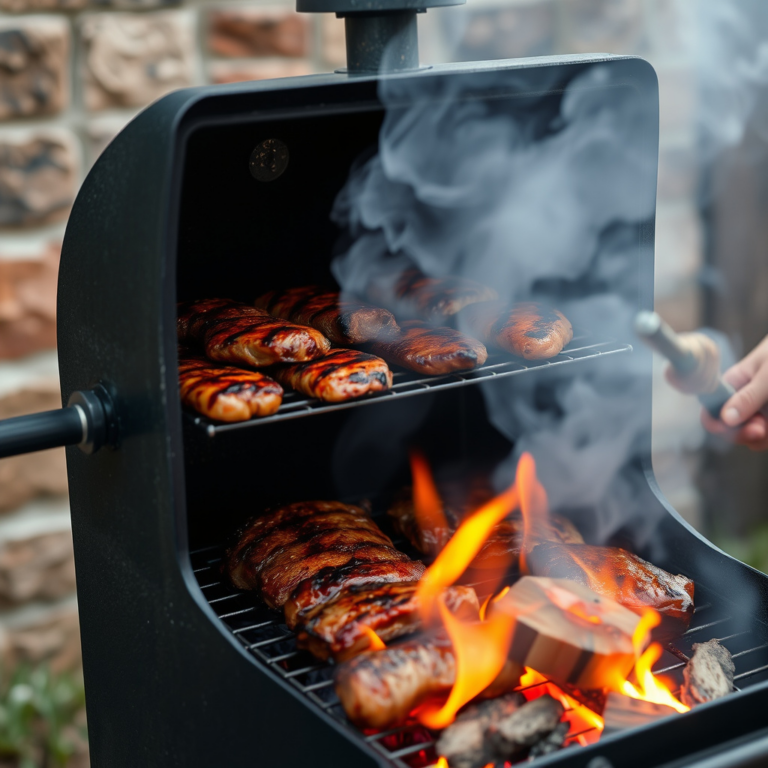
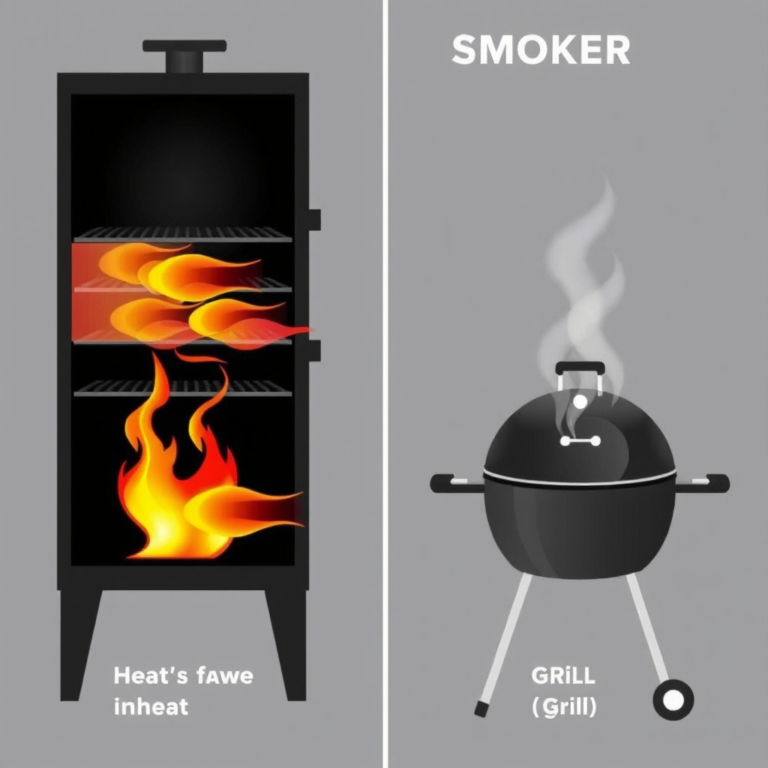
Smoking and grilling are two popular outdoor cooking methods, but their differences lie primarily in temperature, cooking time, and flavor infusion. Smoking uses low, indirect heat over a long period to cook food slowly while imparting a smoky flavor, whereas grilling cooks food quickly over high, direct heat, producing a charred, seared exterior.
Recognizing the difference matters because it helps cooks choose the right technique for the desired texture and flavor. Smoking is ideal for tougher cuts of meat needing tenderization and flavor enhancement, while grilling suits thinner cuts that benefit from fast cooking and crisp crusts.
This article will explore how smoking and grilling differ in equipment, heat sources, cooking temperatures and times, flavor profiles, and best practices. You’ll also see comparisons across cooking styles and get answers to common questions about these two distinct yet often confused methods.
Differences in Cooking Methods
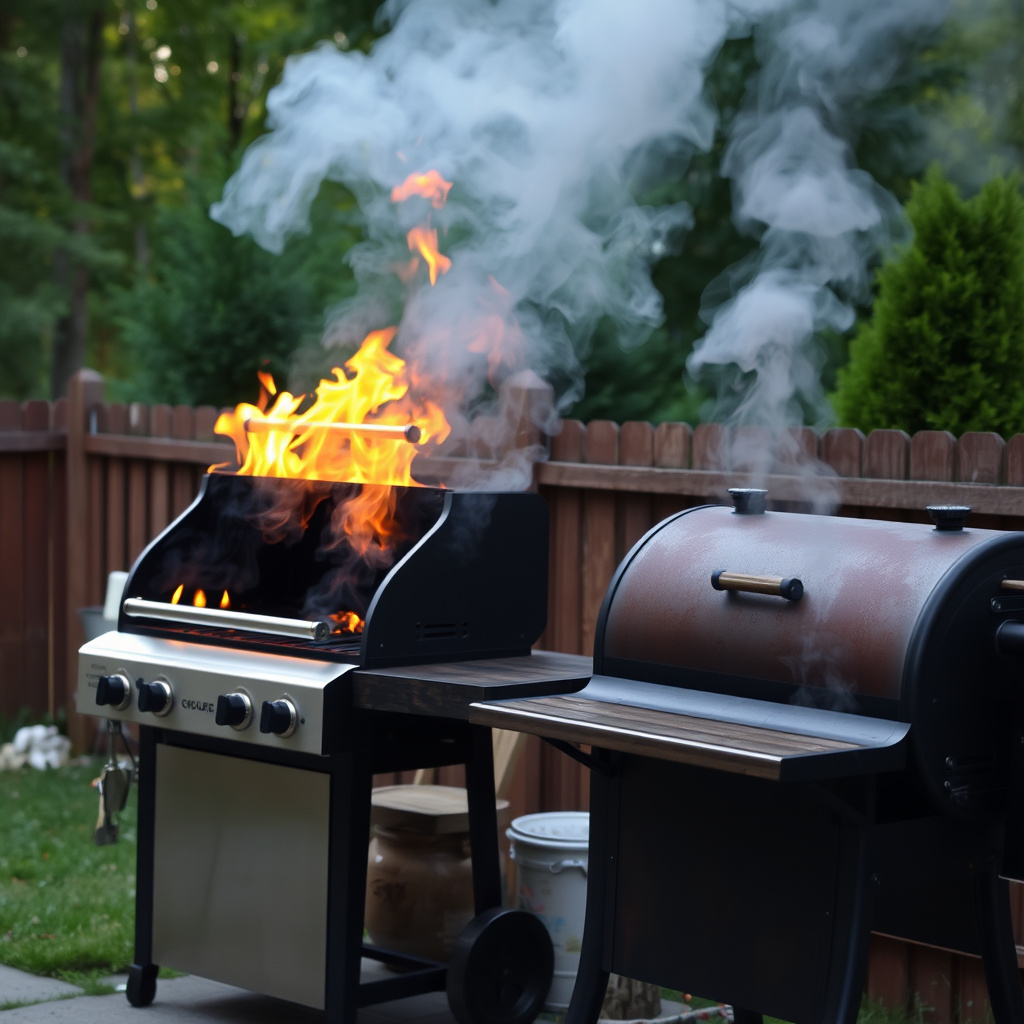
Heat Source and Temperature Control
Smoking involves maintaining low temperatures, generally between 200-275°F, using indirect heat and wood or charcoal to generate smoke. The slow cook time allows the smoke to penetrate the food for deep flavor.
Grilling uses direct, high heat between 400-550°F from gas, charcoal, or electric sources. This high heat quickly cooks the food’s surface, creating grill marks and a caramelized crust.
Cooking Duration and Atmosphere
A typical smoking session can last several hours, from 4 to 12 hours depending on the meat size, as the aim is gentle cooking and flavor absorption through smoke.
Grilling usually takes minutes, typically 5 to 20, focusing on quick cooking to preserve juiciness and texture without smoke flavor.
Equipment Used for Smoking and Grilling
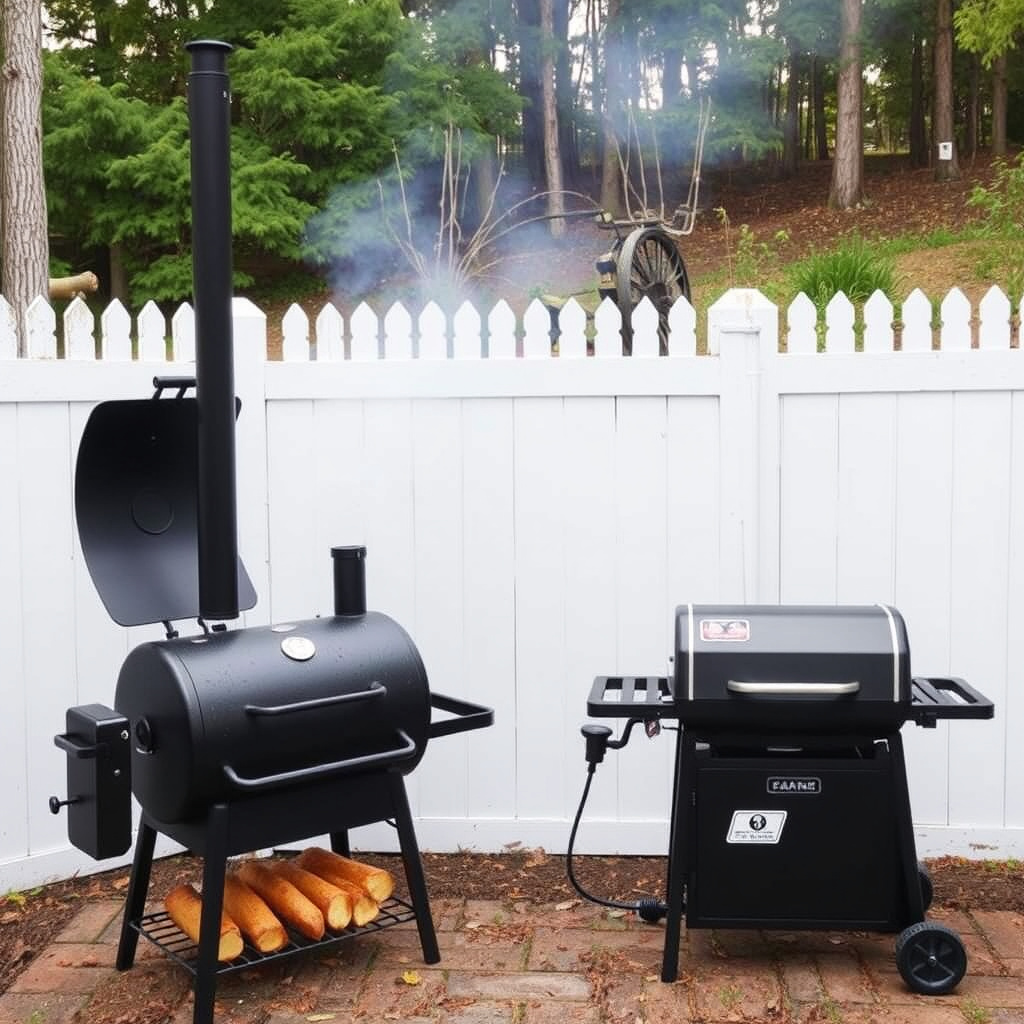
Types of Smokers
Smokers come in various styles such as offset smokers, vertical water smokers, and pellet smokers. Each is designed to keep the food separated from direct heat while circulating smoke for consistent flavor.
The equipment often includes features to control airflow and temperature precisely, essential for maintaining a steady smoke environment during long cook times.
For more on this, see our related guide: How Do Charcoal Grills Work? A Complete Guide to Charcoal Grilling Mechanics.
Grilling Appliances
Grills range from simple charcoal grills to advanced gas or electric models with multiple burners. They emphasize heat output and quick temperature adjustments.
Many grills have open grates allowing direct contact with flames or hot coals, which is key for the signature grilling sear.
Flavor Profile and Food Texture Differences
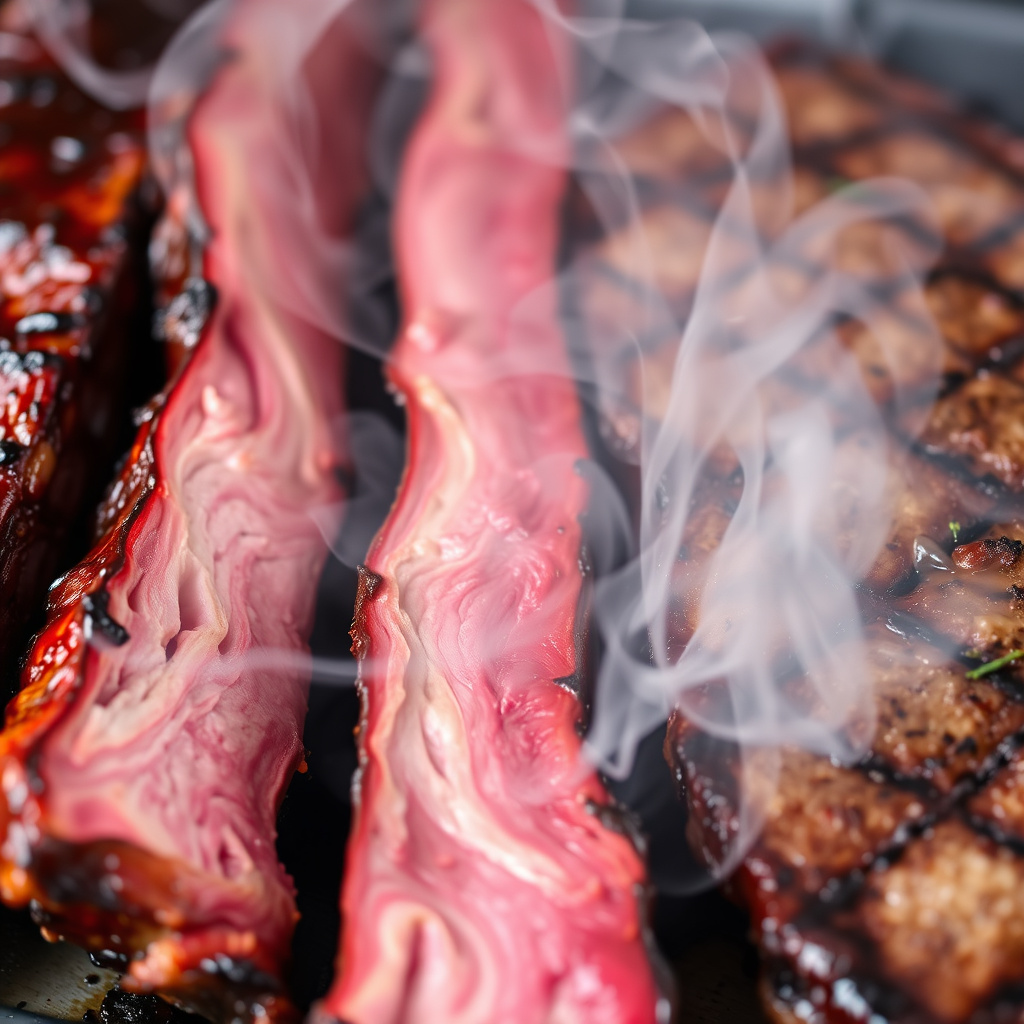
Flavor Infusion in Smoking
Smoking imparts complex smoky flavors that penetrate the food deeply, often accompanied by a notable “smoke ring” around the meat, a sign of chemical reactions between smoke and protein.
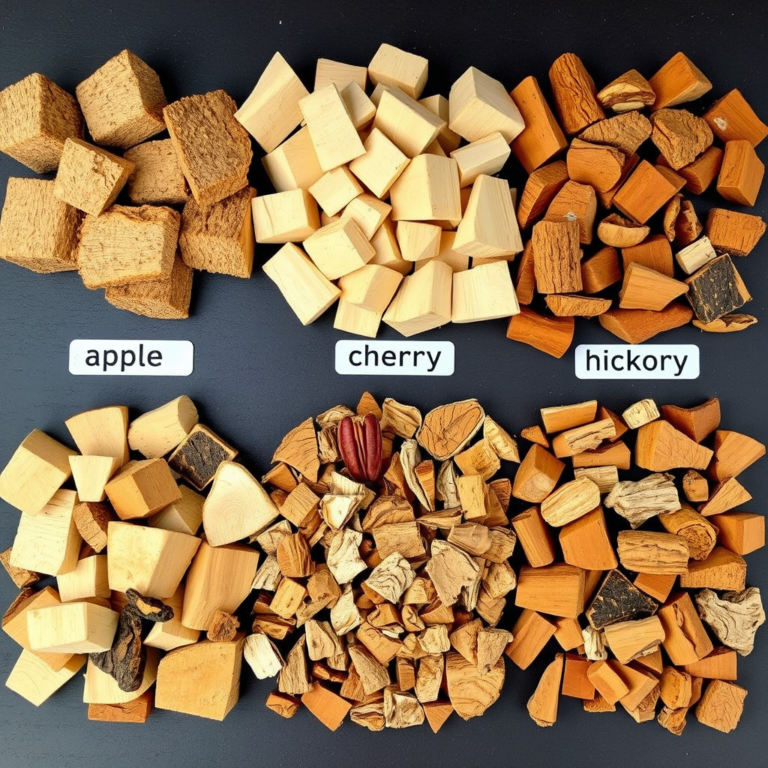
Different types of wood chips or chunks (like hickory, mesquite, applewood) can tailor the flavor, ranging from sweet to intensely smoky.
Taste and Texture From Grilling
Grilling develops a crisp, caramelized crust while keeping the inside moist. The high heat triggers the Maillard reaction, creating rich, browned flavors quickly.
As grilling focuses on direct flame contact, the food retains more of its natural flavor compared to smoking, with a fresh, charred taste.
Best Types of Food for Smoking and Grilling
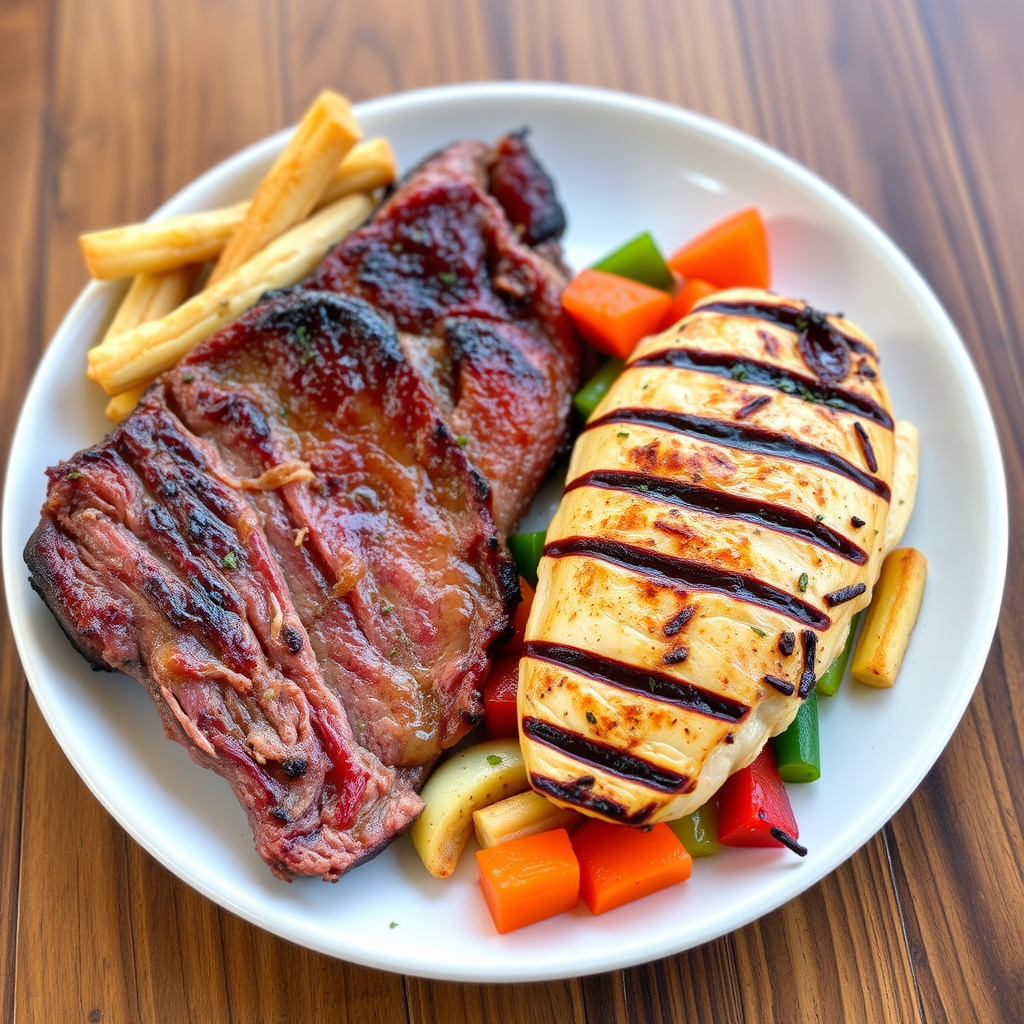
Ideal Foods for Smoking
Smoking works best with tougher, larger cuts like brisket, pork shoulder, ribs, and whole poultry that benefit from long cooking and tenderization.
It also suits fish, cheeses, and some vegetables for those seeking nuanced smoky flavors.
For more on this, see our related guide: How to Control Temperature on a Gas Grill for Perfect Grilling.
Grilling Food Preferences
Grilling is excellent for steaks, burgers, thin cuts of meat, sausages, quick-cooking vegetables, and seafood that cook fast over high heat.
It’s the go-to for summertime cookouts where immediate results and seared textures are desired.
Techniques and Tips for Outdoor Cooking Success
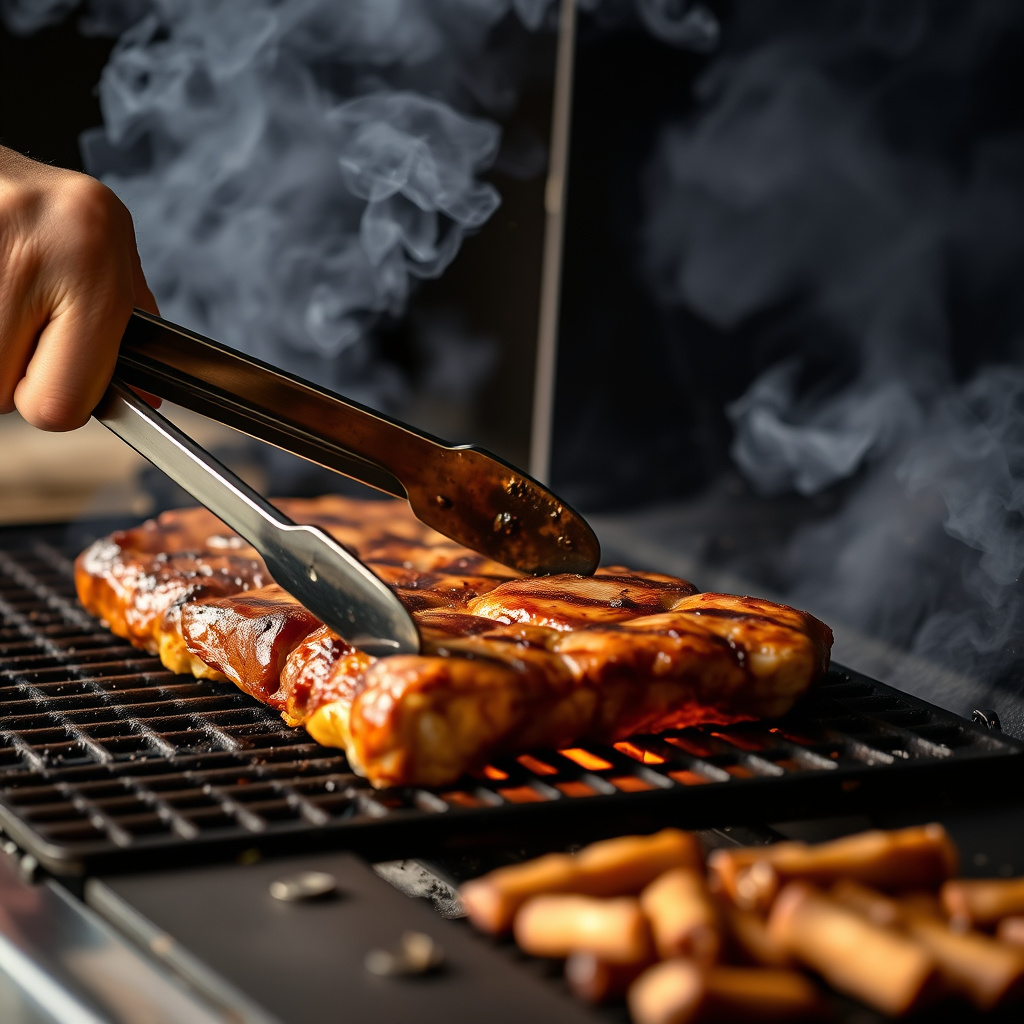
Smoking Best Practices
Maintaining consistent temperature and airflow is vital; frequent checking of smoker vents and a reliable thermometer ensures steady conditions.
Using water pans inside smokers stabilizes humidity, helping keep meat moist during long cooks.
- Patience is key—don’t rush the slow cooking process
- Choose wood chips that complement your meat
- Avoid frequent lid openings to keep temperature steady
For more detailed information about smoking and grilling cooking techniques, you can refer to the Wikipedia article on barbecue. Smoking and Grilling Cooking Techniques.
Grilling Tips
Preheat the grill properly to reach the high temperatures that create a good sear and prevent sticking.
Use direct heat for quick cooking and indirect heat zones for thicker cuts or finishing.
- Clean grates before cooking
- Oil meat lightly to avoid sticking
- Don’t press down on food to keep it juicy
Smoking vs Grilling Category Comparison
Here is a concise comparison of key aspects between smoking and grilling methods to help you decide which suits your food and style.
| Category | Smoking | Grilling |
|---|---|---|
| Cooking Temperature | Low (200–275°F) | High (400–550°F) |
| Cooking Time | Long (4–12 hours) | Short (5–20 minutes) |
| Heat Source | Indirect heat with smoke | Direct radiant heat |
| Flavor Profile | Deep smoky infusion | Charred and seared |
| Best Food Types | Tough, large cuts, fish, cheese | Quick cooking meats, vegetables, seafood |
| Equipment | Specialized smokers, wood chips | Charcoal, gas, or electric grills |
Frequently Asked Questions
Can I grill food to get smoky flavor?
Grilling over wood or charcoal can add some smoky notes, but it won’t produce the deep, pervasive smoke flavor created by long smoking sessions.
Is smoking healthier than grilling?
Both methods can be healthy if managed properly, but excessive grilling at high heat risks char formation, which contains harmful compounds. Smoking is slower but uses lower temps, reducing this risk.
Do I need special equipment for smoking?
While you can smoke on some grills, dedicated smokers provide better temperature control and consistent smoke circulation for optimal results.
What wood is best for smoking meats?
Popular woods include hickory for strong flavor, applewood for mild sweetness, and mesquite for intense smokiness, chosen depending on the meat and desired taste.
Can I combine smoking and grilling in one cooking session?
Yes, often meats are smoked low and slow for tenderness, then finished on high-heat grills to develop crust and texture, blending benefits of both methods.
Key Takeaways
- Smoking uses low heat and smoke for long periods to tenderize and flavor food deeply.
- Grilling cooks food quickly over direct high heat, emphasizing sear and texture.
- Different equipment and temperature control distinguish smoking from grilling.
- Choosing between the two depends on the food type and desired flavor profile.
Conclusion
When deciding between smoking and grilling, focus on your desired outcomes regarding flavor, texture, and cooking time. Smoking slow-cooks meat with rich smoky aromas and a tender texture, which takes patience and specialized equipment. Grilling, by contrast, delivers fast, high-heat cooking that caramelizes surfaces for immediate enjoyment. Knowing these differences allows you to match your cooking approach to the specific dish and occasion.
For those preparing large, tough cuts like brisket or pork shoulder, smoking is generally the best option to achieve tenderness and deep flavor. Conversely, for leaner or smaller cuts such as steaks, burgers, or vegetables, grilling’s quicker process and charred taste excel. Combining both methods can yield a smoky, tender interior finished with a crisp exterior, offering the best of both worlds. Selecting the right technique increases your culinary success outdoors.
To begin, decide whether you prioritize the smoky flavor and tenderness of slow cooking or the quick, flavorful sear of grilling. Invest in proper equipment based on your choice, such as a smoker for longer smokes or a grill for versatile quick meals. Experiment with different woods or grill fuels to customize flavor. With practice, you can refine your technique and create memorable meals whether smoking low and slow or grilling hot and fast.