Smoking a turkey typically takes about 30 to 40 minutes per pound at a steady temperature of 225°F to 250°F. For example, a 12-pound turkey will require approximately 6 to 8 hours to smoke thoroughly and reach the safe internal temperature of 165°F. This timing ensures the meat is tender, juicy, and infused with smoky flavor.
Knowing how long to smoke a turkey matters because under-smoking can leave the meat unsafe or tough, while over-smoking can dry it out. Maintaining consistent heat and monitoring internal temperature are vital for delicious results. The smoking process also adds a unique richness that roasting alone can't achieve.
This article covers recommended smoking times by weight, temperature settings, wood choices, preparation tips, and common mistakes to avoid. Whether you're new to smoking turkey or aiming to perfect your technique, you'll find detailed guidance to create a flavorful centerpiece for your next meal.
Understanding Smoking Times for Turkey
Smoking Duration by Turkey Weight
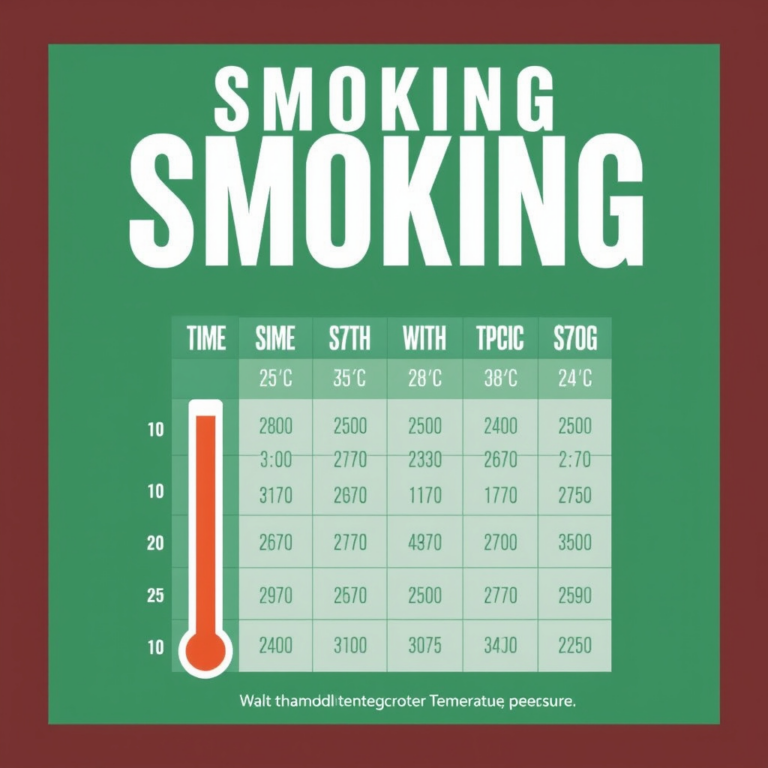
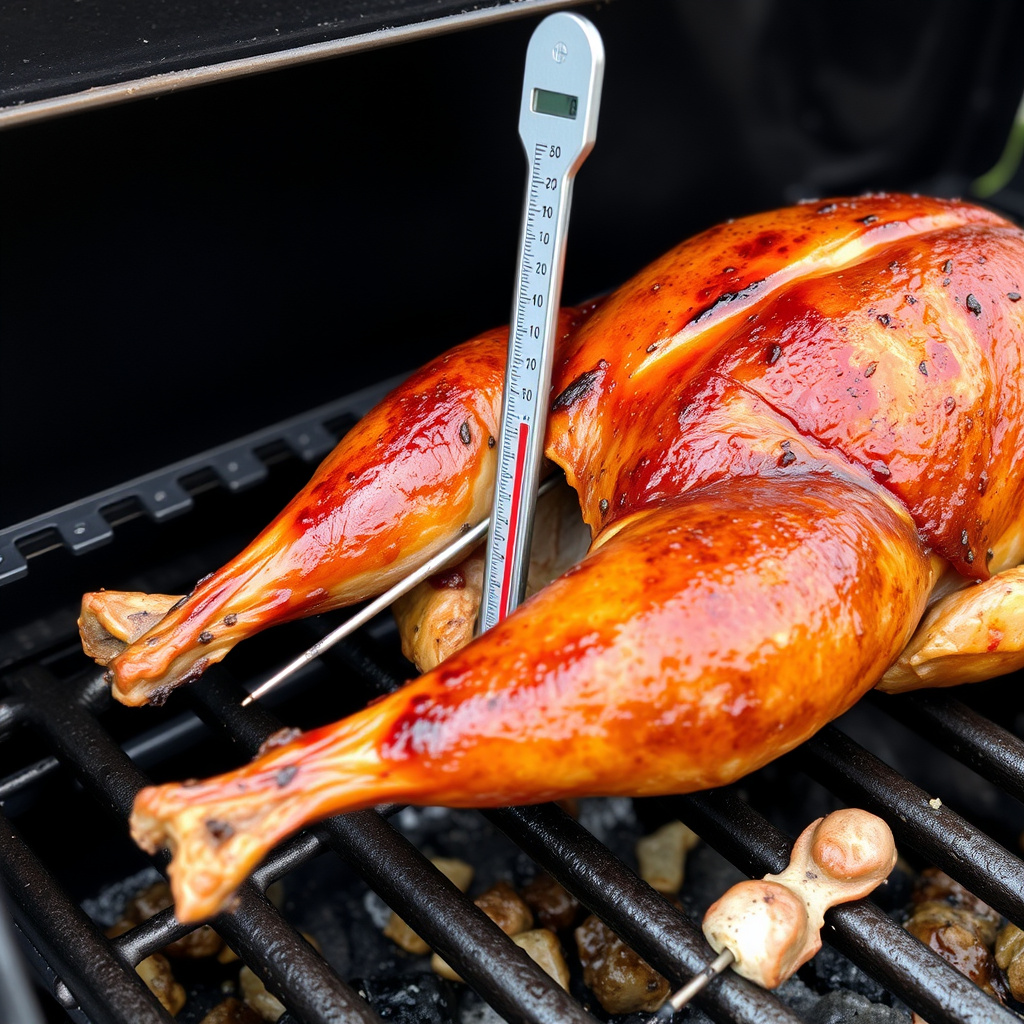
The smoking time for turkey depends primarily on its weight. As a general guideline, most smokers operate effectively at 225°F to 250°F, requiring about 30 to 40 minutes per pound. Keep in mind that larger birds closer to 20 pounds can take up to 10 hours, while smaller turkeys around 8 pounds may only need 4 to 5 hours.
It's important to use a reliable meat thermometer to track the internal temperature, ensuring it reaches 165°F in the breast and 175°F in the thighs for food safety. Time estimates serve as a starting point, but internal temperature is the final indicator for doneness.
- 8 lb turkey: 4 to 5 hours
- 12 lb turkey: 6 to 8 hours
- 16 lb turkey: 8 to 10 hours
- 20 lb turkey: 10+ hours
Factors Influencing Smoking Time
External variables like weather conditions, smoker type, and maintaining a steady temperature impact smoking duration. Cold weather or fluctuating heat can extend cooking time significantly. Electric and pellet smokers often provide more consistent temperatures compared to charcoal or offset smokers.
Additionally, brining the turkey or injecting marinade can help reduce drying and slightly alter smoking time. The bird's initial temperature and whether it’s fully thawed also matters because partially frozen meat will extend the process and risk uneven cooking.
Temperature Tips When Smoking a Turkey
Ideal Smoker Temperature Range
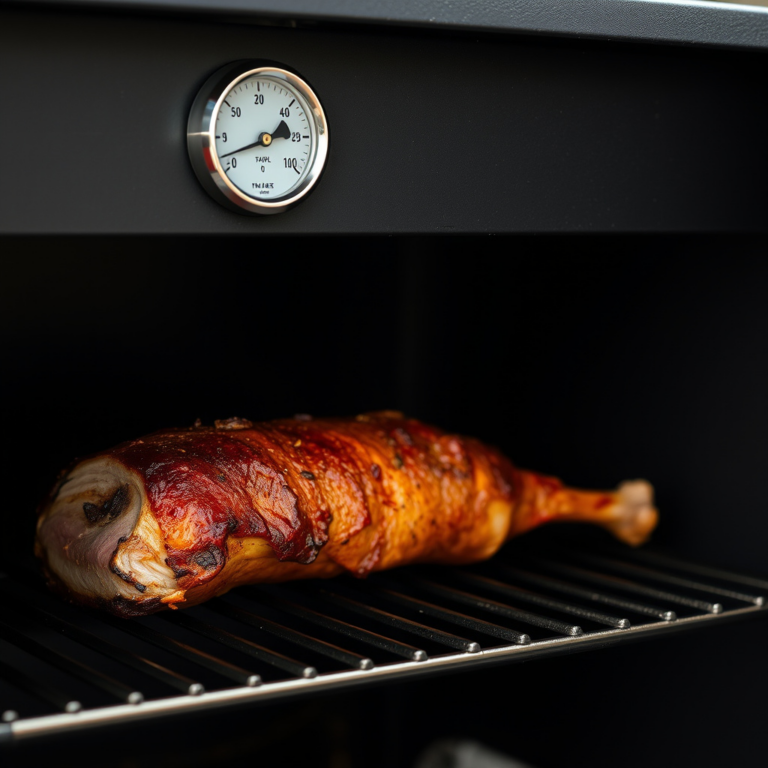
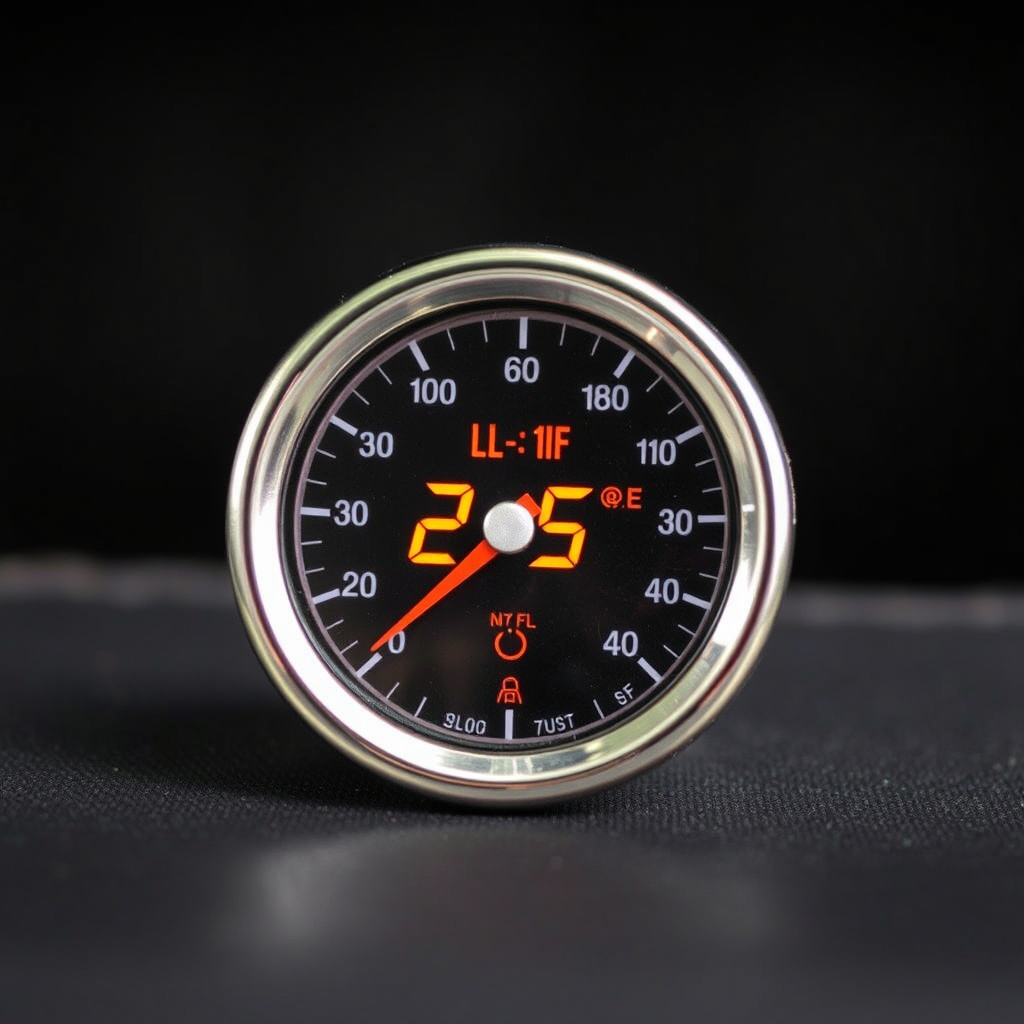
A steady smoker temperature between 225°F and 250°F is ideal for cooking turkey low and slow. This range allows for even cooking without drying the bird. Maintaining consistent heat ensures the turkey absorbs smoke flavor gradually and the skin develops a desirable bark.
Temperatures above 275°F risk overcooking the exterior before the interior is done, while temperatures below 200°F may result in unsafe cooking times or uneven texture. Using a smoker thermometer to monitor the chamber helps maintain the best range.
- Recommended range: 225°F to 250°F
- Avoid exceeding 275°F
- Use a digital thermometer for accuracy
- Preheat smoker before placing turkey inside
For more on this, see our related guide: How to Smoke Meat on a Charcoal Grill: A Step-by-Step Guide.
Monitoring Internal Turkey Temperature
Internal temperature monitoring is the most reliable way to confirm when a smoked turkey is done. Insert a digital probe thermometer into the thickest part of the breast and thigh, avoiding bones. The USDA recommends 165°F in the breast and 175°F in the thigh to ensure safety and juiciness.
Some pitmasters prefer to remove the turkey when breast hits 160°F and allow residual heat to raise the temperature during resting, ensuring tender meat without dryness. Using a leave-in thermometer probe during smoking helps track progress consistently.
Choosing the Best Wood for Smoking Turkey
Popular Wood Types for Turkey Smoking
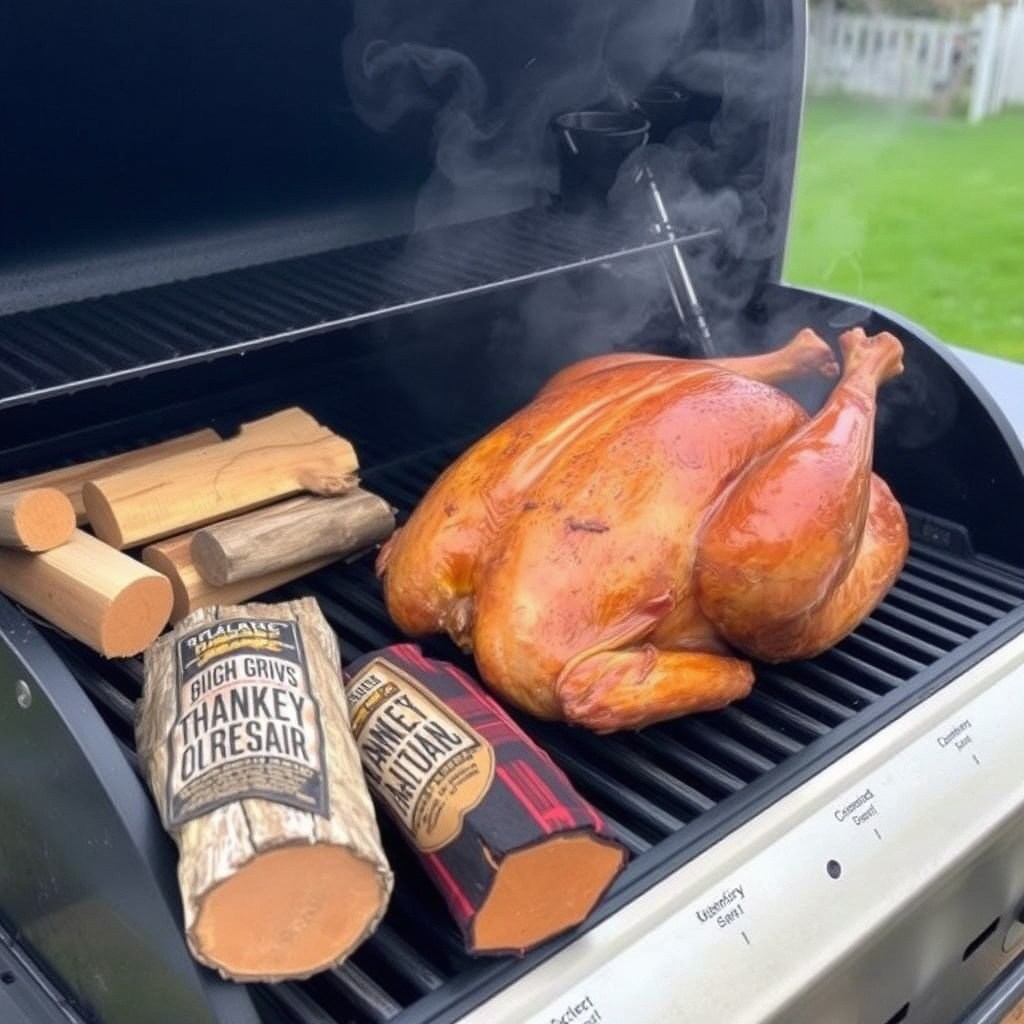
Mild fruitwoods such as apple and cherry are widely favored for turkey because they impart a sweet, subtle smoky flavor that doesn't overpower the delicate meat. Hickory is stronger and can give a bacon-like flavor but should be used sparingly or mixed with milder woods.
Mesquite wood tends to be too intense for poultry and is typically reserved for red meats. Experimenting with combinations like pecan and apple can create a balanced flavor profile that enhances turkey without masking it.
- Apple: sweet, mild
- Cherry: fruity, delicate
- Hickory: strong, smoky
- Pecan: rich, nutty
Using Wood Chips vs. Wood Chunks
Wood chips ignite quickly and produce smoke faster, which suits shorter cooking sessions or adding bursts of flavor. Wood chunks burn longer, providing steady smoke ideal for longer smoking times like those required for turkey.
Soaking wood chips in water before use can slow burning and reduce flare-ups but is optional depending on smoker type. Using a combination of chunks and chips provides controlled and consistent smoke throughout the extended cooking period.
- Chips: quick smoke burst
- Chunks: long-lasting smoke
- Soak chips to slow burn
- Combine chips and chunks for control
Preparation Techniques for Smoking Turkey
Brining and Seasoning Options
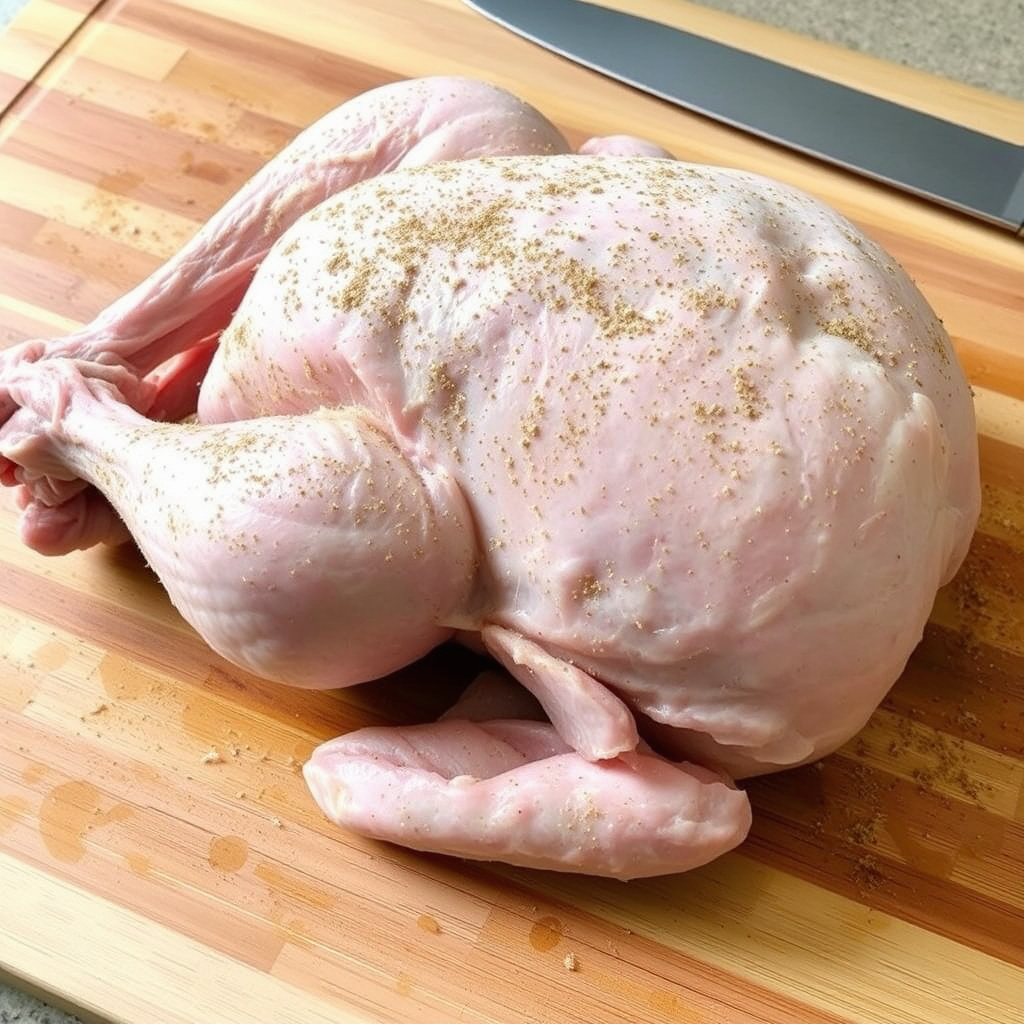
Brining a turkey adds moisture and flavor, making it juicier after the long smoking process. Wet brines involve submerging the bird in a saltwater solution with herbs and spices for 12 to 24 hours, while dry brining uses salt rub applied directly to the skin and stored in the fridge overnight.
After brining, apply a dry rub for added taste—common spices include paprika, black pepper, garlic powder, and brown sugar. Ensuring the turkey skin is dry before smoking helps develop a crispy crust.
- Wet brine: 12-24 hours soak
- Dry brine: salt rub overnight
- Season with paprika, garlic, pepper
- Pat skin dry before smoking
For more on this, see our related guide: How Long to Grill Hot Dogs for Perfectly Juicy Results.
Trussing and Placement in Smoker
Trussing the turkey by tying legs and wings close to the body encourages even cooking and prevents extremities from drying out or burning. It also makes handling easier when transferring in and out of the smoker.
Place the turkey breast side up on the smoker rack, ideally in the center for uniform heat exposure. Avoid overcrowding the smoker to allow good airflow around the bird for proper smoke circulation.
- Tie legs and wings snugly
- Breast side up placement
- Center rack positioning
- Leave room for airflow
Common Mistakes to Avoid When Smoking a Turkey
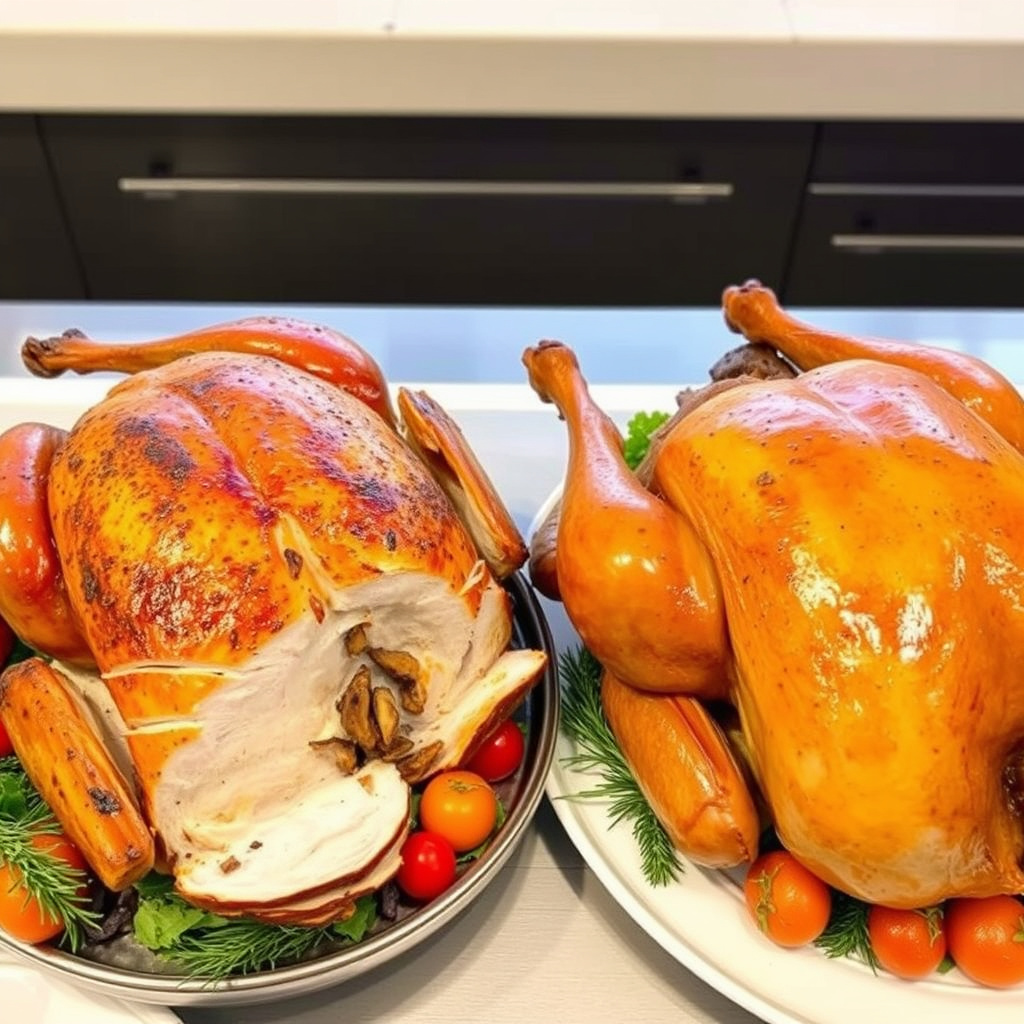
Overcooking and Drying Out the Meat
One common mistake is smoking at too high a temperature or for too long, which can dry out the breast meat and leave the turkey tough. Avoid the urge to speed up cooking by raising smoker heat.
Rely on internal temperature rather than time estimates and plan for resting time to let juices redistribute before carving. Overcooked turkey loses juiciness and flavor, negatively affecting your meal experience.
For more scientific details and historical context about smoking meat, you can consult the Wikipedia article on smoking. Wikipedia article on smoking meat.
Ignoring Temperature and Smoke Control
Failing to maintain stable smoker temperatures or using excessive smoke can lead to uneven cooking or an overpowering bitter flavor. Constant temperature monitoring and controlling wood load is necessary to produce consistent results.
Avoid using resinous woods like pine since they impart harsh flavors and can create creosote buildup. Good smoke control enhances turkey flavor without causing unpleasant bitterness or chemical taste.
Smoked Turkey Cooking Methods Comparison
Here's a quick comparison of popular turkey cooking methods with approximate times and flavor outcomes to help choose the right style.
| Method | Typical Cooking Time | Temperature Range | Flavor Profile |
|---|---|---|---|
| Smoking | 30-40 min per pound | 225°F to 250°F | Deep smoky, tender, juicy |
| Oven Roasting | 13-15 min per pound | 325°F to 350°F | Classic roasted flavor, crisp skin |
| Deep Frying | 3-4 min per pound | 350°F | Crispy skin, juicy interior, no smoke flavor |
| Grilling (Indirect) | 20-25 min per pound | 300°F to 350°F | Charred, smoky hints, moist |
| Spatchcock Smoking | 2.5-3 hrs total | 225°F to 250°F | Faster smoking, evenly cooked, smoky |
Frequently Asked Questions
Can I smoke a frozen turkey?
It's not recommended to smoke a frozen turkey as this causes uneven cooking. Always fully thaw the turkey to ensure safe, even smoking and proper internal temperature.
Should I brine my turkey before smoking?
Brining adds moisture and flavor, helping prevent drying during the long smoking process. Both wet and dry brines are effective before smoking.
What is the best wood for smoking turkey?
Mild fruitwoods like apple and cherry are ideal for turkey as they provide a sweet, subtle smoky flavor. Hickory can be used in moderation for stronger smoke.
How do I know when my smoked turkey is done?
Use a meat thermometer; the turkey is done when the breast reaches 165°F and the thigh reaches 175°F for safe consumption.
Can I smoke a turkey overnight?
Smoking overnight is possible with very low and controlled temperatures, but it's safer to plan to finish smoking during daylight hours to monitor temperature and avoid food safety risks.
Key Takeaways
- Smoke turkey at 225°F to 250°F for 30-40 minutes per pound.
- Use internal temperature (165°F breast, 175°F thigh) to confirm doneness.
- Mild woods like apple and cherry complement turkey flavor best.
- Prepare the turkey with brining and proper seasoning for juiciness.
Conclusion
Understanding how long to smoke a turkey requires balancing weight, smoking temperature, and internal temperature readings. Instead of relying solely on time, monitoring the meat's internal temperature gives the clearest indication of doneness and food safety. Keeping your smoker stable between 225°F and 250°F ensures the bird cooks evenly and stays juicy throughout the 6 to 8 hour process for a typical 12-pound turkey. Low and slow cooking produces tender meat with a delicate smoke flavor that complements the rich taste of turkey.
For those regularly smoking turkey, combining wood types like apple and hickory can add layered flavor complexity without overwhelming the meat. Preparation techniques like brining, seasoning with a balanced dry rub, and properly trussing the bird help maintain moisture and improve the end result. If time is a concern, consider spatchcocking for faster, even cooking while still achieving smoky notes. Avoid raising the smoker temperature excessively, which risks drying out the breast meat significantly.
Starting with a fully thawed bird and a quality digital thermometer will guide you throughout the session and help achieve dependable results. Whether this is your first smoked turkey or an annual tradition, focusing on temperature and maintaining steady smoker conditions will lead to a memorable meal. Plan your timing accordingly, trust the internal temperature, and savor the delicious, smoky turkey you’ve crafted.