
Yes, you can leave a grill outside in winter, but it requires thoughtful preparation to protect it from snow, ice, and freezing temperatures that could cause damage. Leaving a grill exposed without any protection often leads to rust, mechanical issues, and reduced longevity.
Grills are built to withstand some outdoor exposure, but winter weather conditions are harsher than usual, involving moisture, freezing cycles, and debris that could deteriorate grill components. Without proper winter grill storage techniques, grills might develop clogged burners, cracked parts, or corroded surfaces.
This article explains how you can leave a grill outside safely during winter, including key maintenance steps before the season begins and ways to shield your grill from common winter hazards. Additionally, it covers practical alternatives for storing or winterizing your grill for peace of mind.
Preparing Your Grill Before Winter
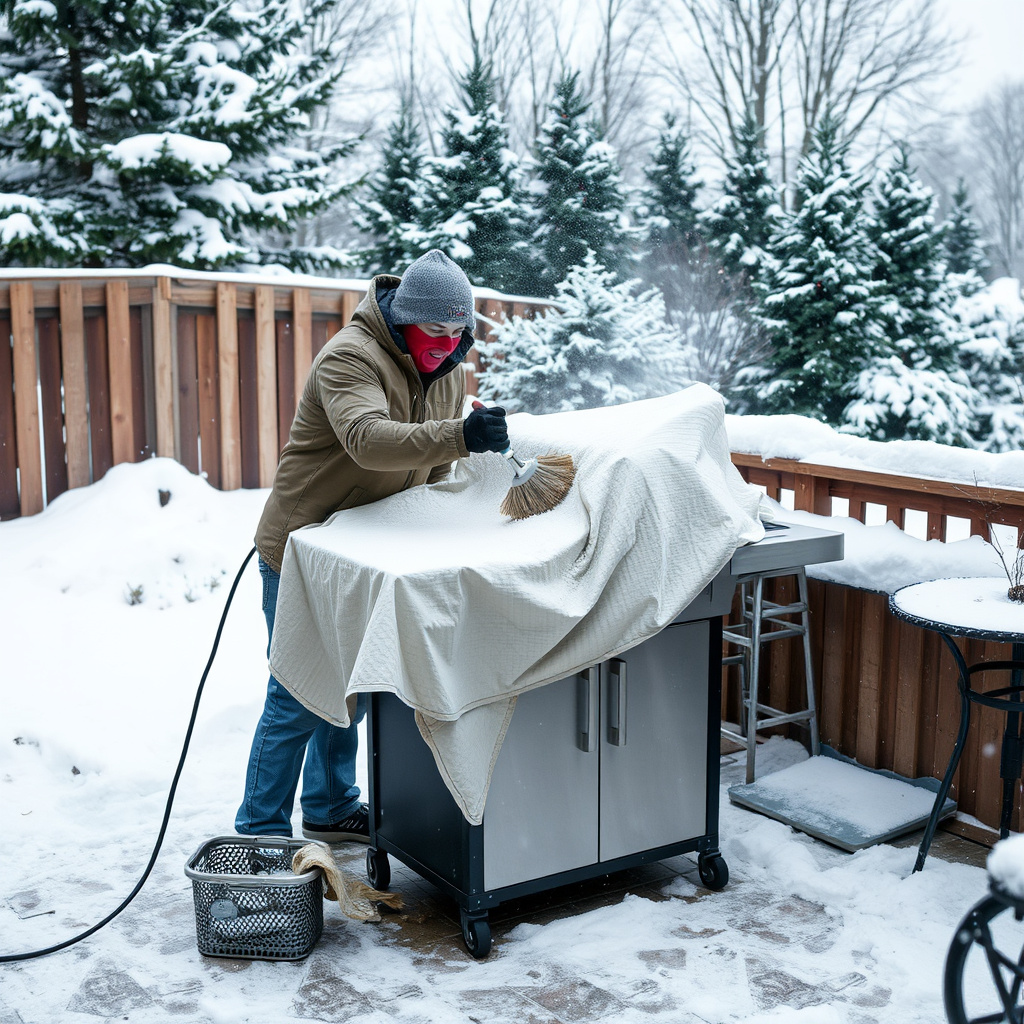
Thorough Cleaning and Inspection
Before the winter sets in, it's important to clean your grill completely. Remove all food residues, grease, and ashes to prevent buildup that attracts moisture and pests during cold months. Use a wire brush to scrub grates and wash surfaces with mild detergent.
Inspect components like burners, ignition systems, gas lines, and valves for any wear or damage. Replacing worn or broken parts before winter helps avoid breakdowns next season.
- Clear grease tray and ash catcher
- Check for rust spots and clean accordingly
- Examine gas connections for leaks
Apply Protective Measures
After cleaning, apply a thin layer of cooking oil to the grill grates to help prevent rust. Additionally, check if manufacturer recommendations suggest specific spray lubricants for hinges or moving parts.
Covering your grill with a heavy-duty, waterproof, and breathable grill cover is essential to protect it from snow, ice, and wind-driven debris. Avoid plastic tarps directly touching the grill as they can trap moisture.
- Use oil to coat grill grates
- Apply lubricant to moving parts if recommended
- Select a breathable, fitted grill cover
Weather Risks to Your Grill in Winter
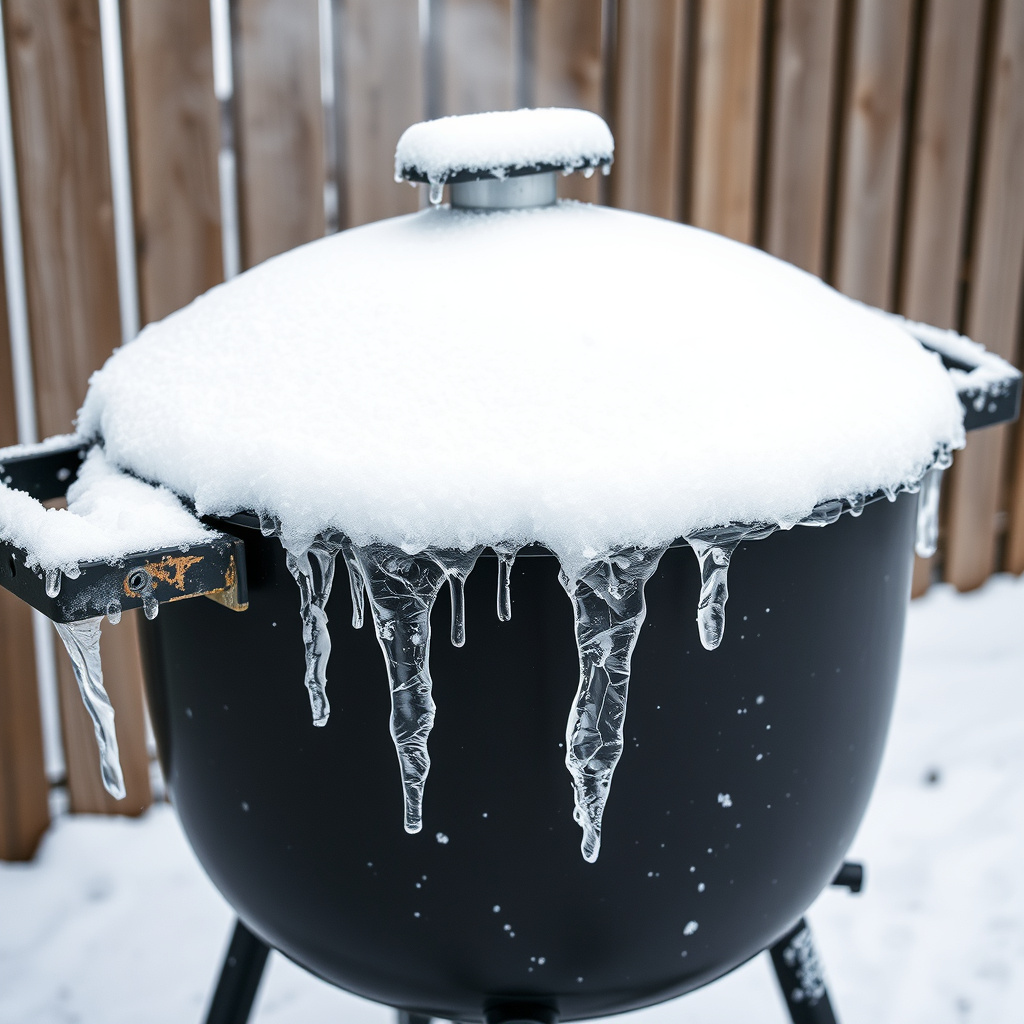
Effects of Moisture and Freezing Temperatures
Moisture from snow, rain, and ice can penetrate metal surfaces, causing rust and corrosion in critical grill parts. Freeze-thaw cycles expand cracks and degrade seals, potentially harming the grill’s structural components.
Repeated exposure to cold may also damage plastic knobs, hoses, and electrical ignition systems. Condensation inside the grill body can accumulate and promote mildew or rust.
Impact of Wind and Debris
Winter winds can blow leaves, twigs, and dirt into your grill, clogging burners and vents, interfering with airflow necessary for safe combustion. Frozen debris stuck on grates or burners is difficult to clean and may cause unsafe flare-ups.
Strong winds can also damage a loosely fitted cover, exposing the grill to weather elements unexpectedly.
Safe Ways to Store a Grill Outside in Winter
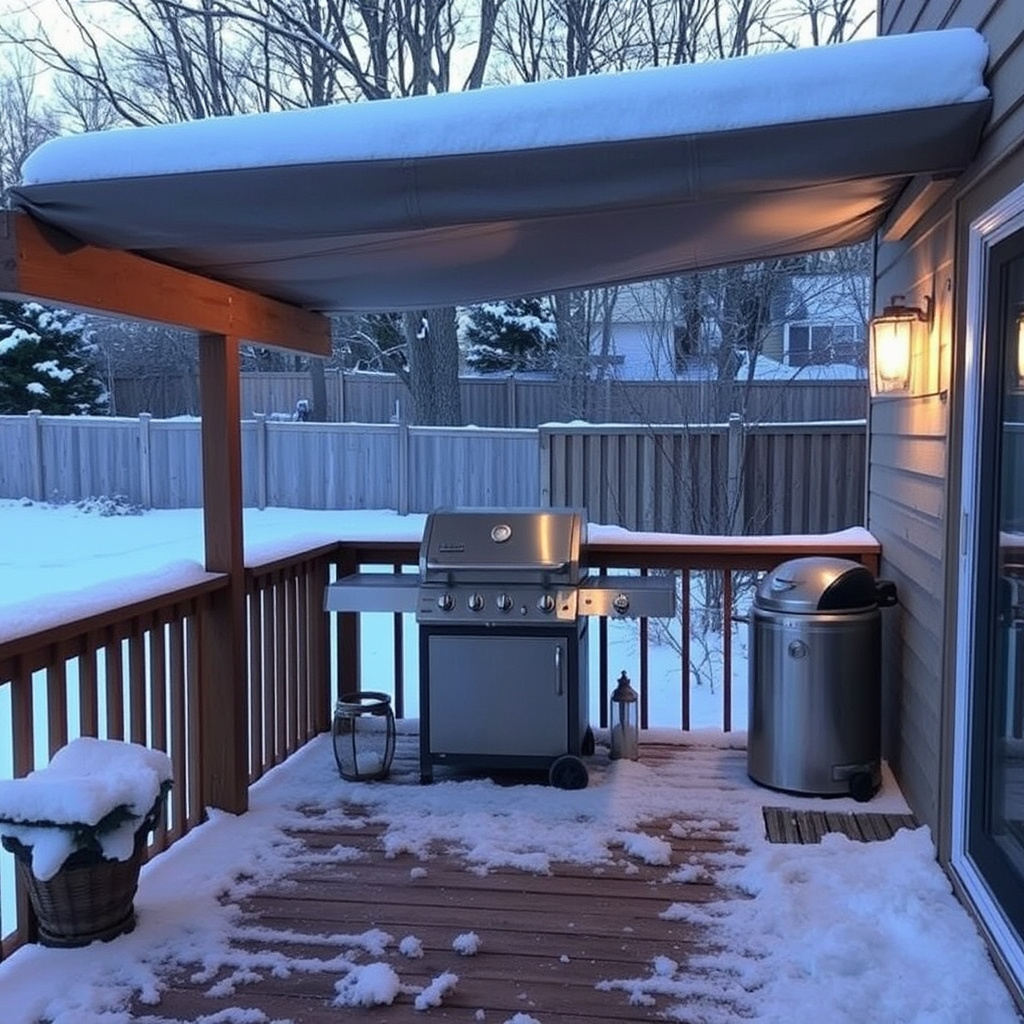
Choosing the Right Location
Place your grill on a flat, sheltered spot near your house if possible, such as under a covered patio or close to a wall that blocks wind. Avoid placing it directly under trees where snow or ice might fall onto the grill surface.
Elevating the grill slightly off the ground using bricks or a platform reduces direct contact with wet surfaces, preventing moisture from seeping into the grill base.
- Use sheltered and level ground
- Avoid overhanging branches
- Elevate grill off the damp ground
Covering and Sealing Off the Grill
Invest in a high-quality cover that fits snugly and is designed for winter use—waterproof yet allows airflow to reduce condensation buildup under the cover. You can also wrap hoses or vulnerable components with plastic wrap or foam insulation to shield them.
Avoid heavy plastic sheets that trap moisture, and secure the cover with tie-downs or bungee cords so it won’t blow off during winter storms.
- Select fitted, breathable covers
- Add insulation to hoses if needed
- Secure cover tightly against wind
Winter Grill Maintenance Tips
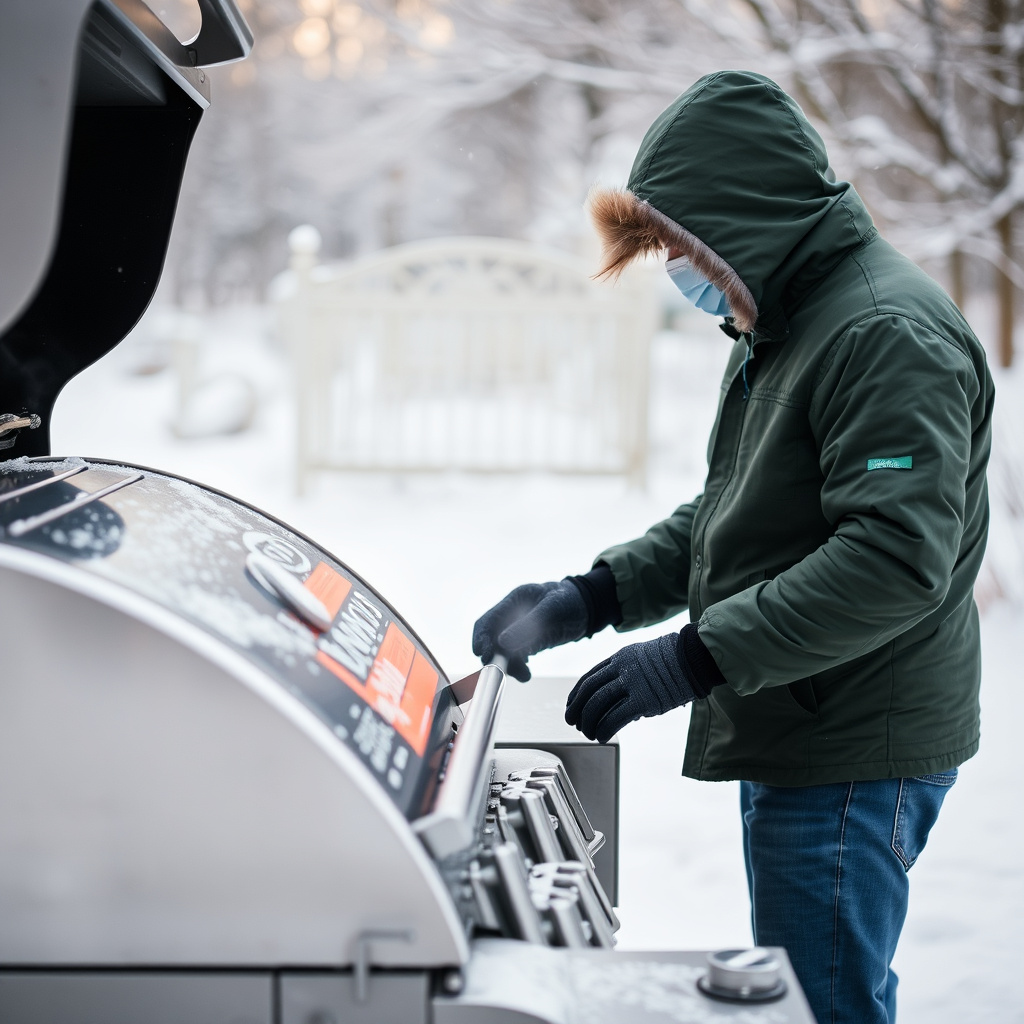
Performing Periodic Checks
Even when leaving your grill outside, schedule regular inspections throughout winter. Clear accumulated snow and ice gently off the cover and grill surfaces to avoid excessive weight and moisture intrusion.
Test gas lines and ignition systems for leaks or deterioration frequently to catch issues early and maintain safety.
- Remove snow buildup periodically
- Test fuel systems monthly
- Inspect for rust progression
Preparing for Spring Use
Once winter ends, thoroughly clean the grill before first use to clear residual moisture or dirt buildup. Check burners and valves for blockages caused by debris or corrosion.
Replace any parts that appear weak or damaged and test the ignition system to confirm reliable startup.
- Deep clean grill grates and surfaces
- Check burners for clogging
- Replace any faulty components
Alternatives to Leaving Your Grill Outside
Indoor Storage Options
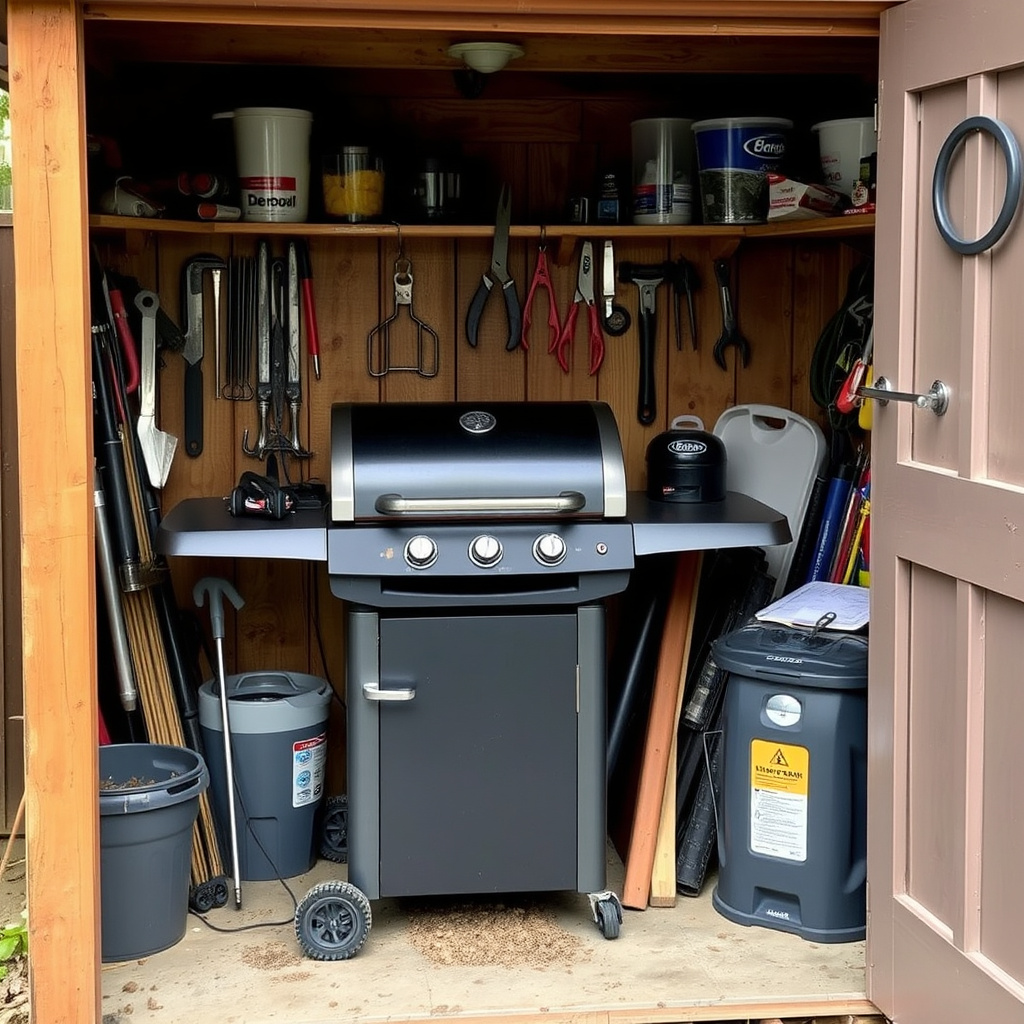
If space allows, storing your grill in a garage, shed, or basement offers superior protection from the winter elements. Dry indoor environments prevent rust and reduce wear on electronic components significantly.
Make sure to disconnect gas lines and clean the grill thoroughly before indoor storage, and keep it away from any flammable materials for safety.
- Disconnect propane tanks before indoor storage
- Ensure proper ventilation inside
- Avoid clutter around stored grill
Using Grill Winter Covers Specifically Designed for Your Model
Some manufacturers offer model-specific winter covers with custom fittings that seal tightly to keep out moisture and debris better than generic covers. These covers often feature reinforced seams and weather-resistant fabrics.
Using a manufacturer-approved cover helps to preserve warranties and maintain grill performance during extended cold spells.
- Check your grill’s brand for recommended covers
- Look for water-resistant and UV-protected materials
- Confirm warranty terms before use
Understanding Different Grill Types and Winter Exposure
Gas Grills in Winter
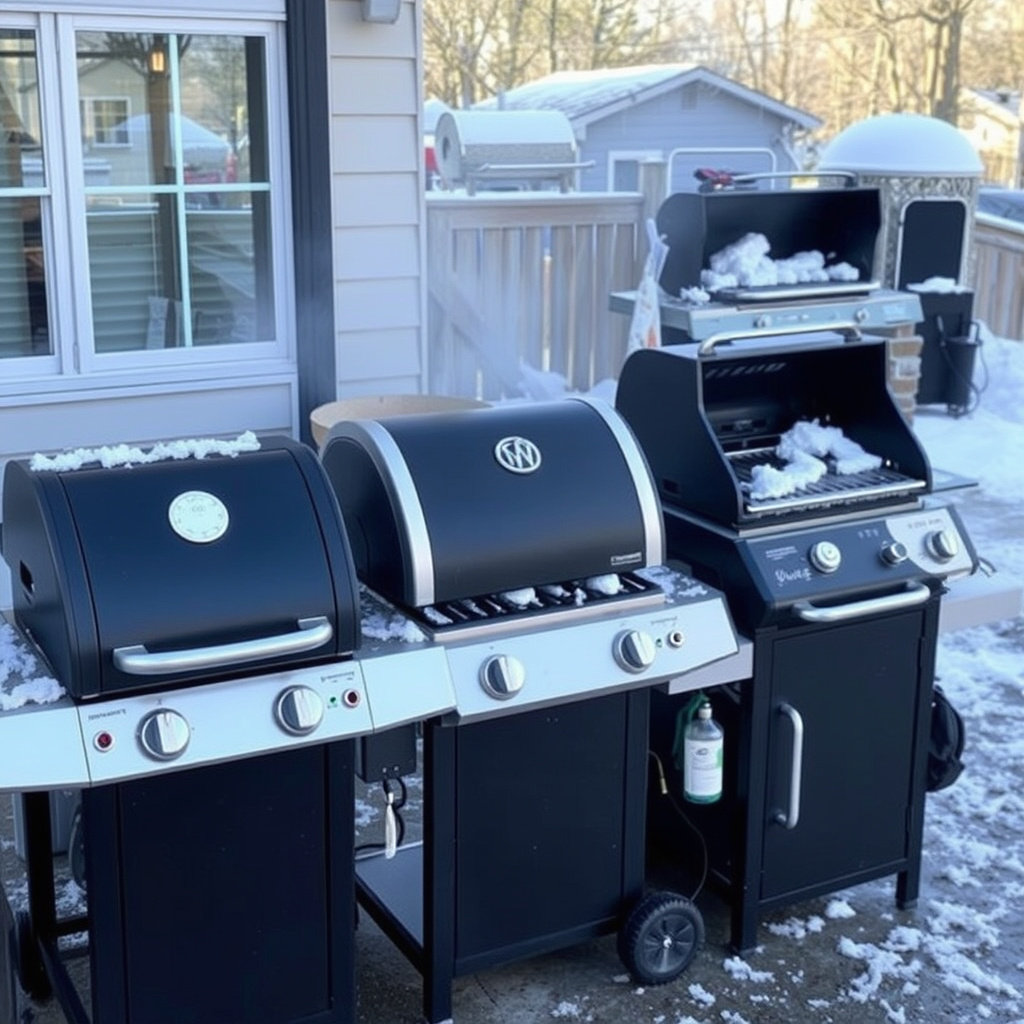
Gas grills are sensitive to freezing temperatures that can crack propane tanks or stiffen hoses. Winter grill storage tips for gas grills include draining excess gas and checking for leaks before and after cold weather exposure.
Covering well and storing gas cylinders upright in frost-free locations can help maintain pressure and flow.
For additional tips on grill care and safety, the USDA provides useful information on outdoor grilling maintenance. grill maintenance advice from the USDA.
Charcoal and Electric Grills in Cold Weather
Charcoal grills tend to handle cold slightly better but still require cleaning and covering to protect metal bodies. Electric grills face risks from moisture damaging wiring, making thorough covering and indoor storage preferable if possible.
Avoid using electric grills outside in wet or icy conditions.
Winter Grill Storage Method Comparison
Here’s a comparison of different winter grill storage options with key benefits and drawbacks for each method.
| Storage Method | Weather Protection | Maintenance Required | Cost | Ideal For |
|---|---|---|---|---|
| Outdoor with Cover | High (with proper cover) | Moderate (regular checks) | Low to Moderate | Most grill types with limited indoor space |
| Indoor Garage or Shed | Very High | Low (periodic cleaning) | Moderate | Anyone with indoor storage space |
| Winterizing & Draining Gas | Moderate | Moderate (drain & inspect fuel) | Low | Gas grill owners looking to minimize damage |
| Model-Specific Covers | Very High | Low | High | Owners focused on long-term protection |
Frequently Asked Questions
Can winter damage a propane grill if left outside?
Yes, extreme cold can cause propane tanks and hoses to crack or freeze, potentially leading to leaks or reduced fuel pressure, so extra care and protective covering are recommended.
Is it safe to cover a grill with plastic during winter?
Plastic covers can trap moisture, leading to rust and corrosion underneath. It’s better to use breathable, waterproof grill covers designed for winter conditions to allow airflow and prevent condensation.
How often should I check my grill during winter if stored outside?
Perform a thorough check every few weeks to remove snow buildup, inspect for damage, and verify gas lines and ignition systems are intact to avoid surprises in spring.
Should I disconnect propane tanks in winter storage?
Yes, disconnecting propane tanks helps reduce pressure risks and potential leaks. Store tanks upright in a cool, sheltered area away from freezing and direct sunlight.
Can charcoal grills withstand more cold exposure than gas grills?
Charcoal grills are generally more resilient to cold since they have fewer sensitive components, but proper cleaning and covering are still necessary to prevent rust and degradation.
Key Takeaways
- Thorough cleaning and inspection before winter reduce damage risks.
- Use breathable, waterproof covers designed for winter protection.
- Periodic checks during winter help avoid unexpected damage.
- Indoor storage or model-specific covers offer superior protection.
Conclusion
Deciding whether to leave your grill outside in winter involves weighing protection needs against available space. The main approach is thorough cleaning and shielding the grill well with a quality cover to keep moisture and debris out, minimizing rust and component wear. Regular maintenance checks throughout winter will help you catch and fix issues early, safeguarding your grill’s lifespan until warm weather returns.
For many grill owners, using high-quality, breathable winter covers or even model-specific covers tailored to their grill provides an effective balance of convenience and defense against harsh weather damage. Those with indoor space should consider storing their grills in garages or sheds to reduce exposure, particularly if they own gas grills prone to hose or tank damage. Charcoal grills usually tolerate winter conditions better but still benefit from proper care and covering.
To protect your investment, start by cleaning and inspecting your grill thoroughly before cold weather arrives. Invest in a reliable cover suited for your grill type and check it periodically during winter. If indoor storage isn’t an option, elevate the grill from the ground and place it in a sheltered location. Taking these straightforward steps allows you to leave your grill outside in winter confidently without sacrificing its performance for the next barbecue season.



