Knowing how much charcoal to use in a smoker is essential to maintaining the right temperature for slow-cooked, flavorful barbecue. Typically, a good starting point is to fill the charcoal chimney about halfway for a session of up to six hours, adjusting upward or downward based on your smoker size and cooking duration.
Getting the charcoal quantity right directly affects temperature control, smoke consistency, and the final taste of your food. Using too little charcoal risks temperature drops and longer cooking times, while too much may cause overheating and burnt flavors. Balancing the charcoal amount helps you maintain that ideal low-and-slow heat smokers depend on.
This guide covers how to estimate the charcoal needed based on smoker style and size, methods to control burn time, and some tips for efficient charcoal use, so you can keep your smoker at the perfect temperature for hours and serve delicious smoked dishes.
Understanding Charcoal Requirements in Different Smoker Types
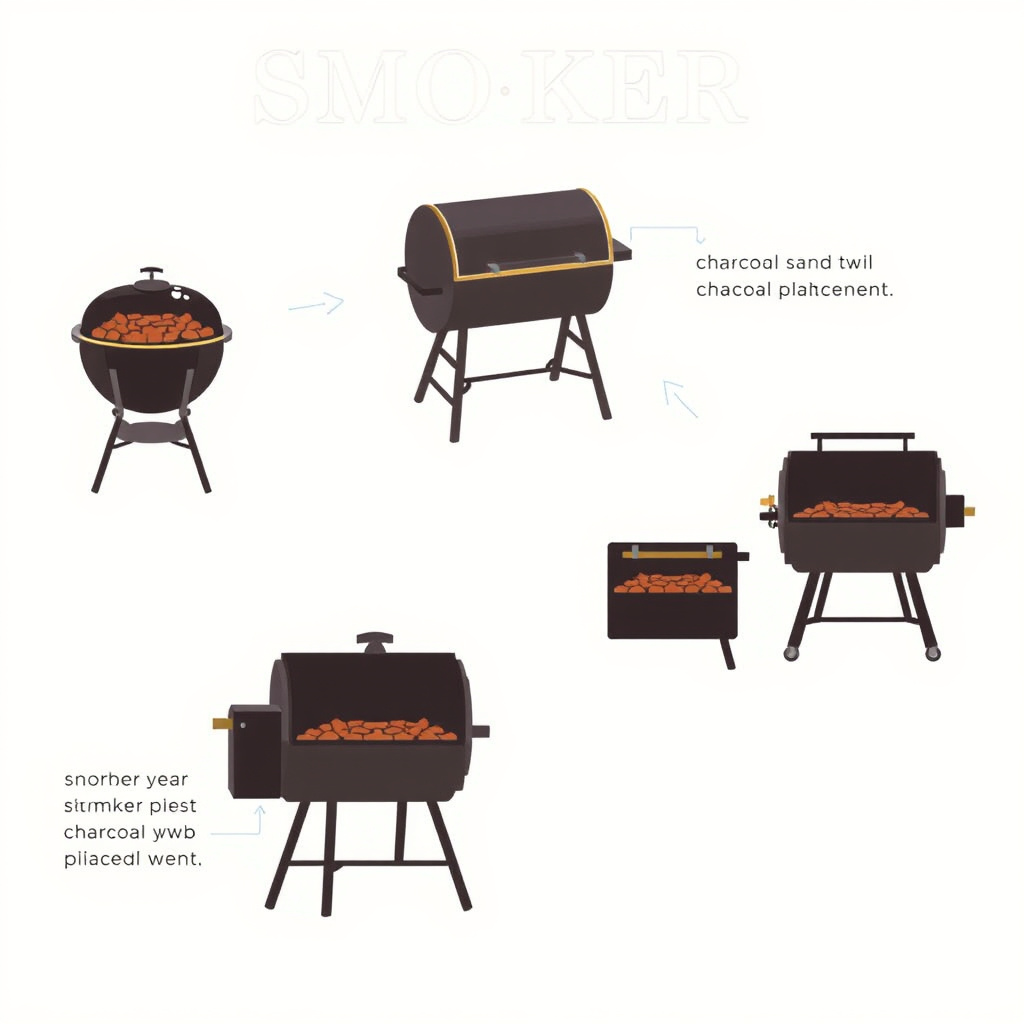
Charcoal Usage in Offset Smokers
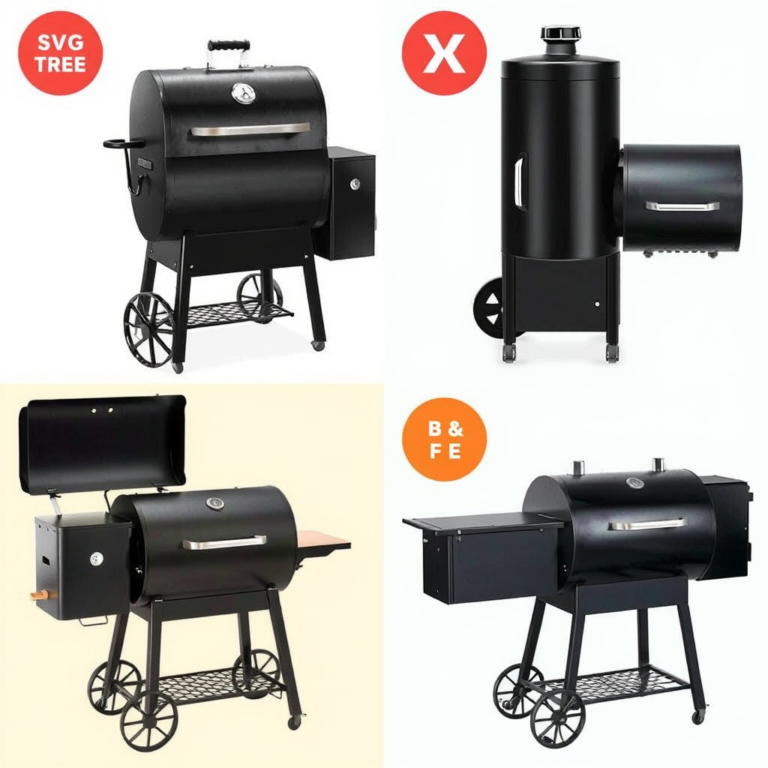
Offset smokers use a separate firebox where charcoal is burned indirectly, which usually means a larger charcoal load to maintain heat over long cooking sessions. Typically, filling the firebox halfway with lump charcoal or briquettes creates a good base for 4-6 hours of cooking. Adding wood chunks enhances flavor without major heat fluctuations.
Temperature control in offset smokers relies on adjusting charcoal amounts combined with damper settings. Starting with about 3 to 4 pounds of charcoal and replenishing gradually can keep the heat steady without constantly adding fuel, which is essential for traditional barbecue styles.
Charcoal Amounts for Bullet Smokers
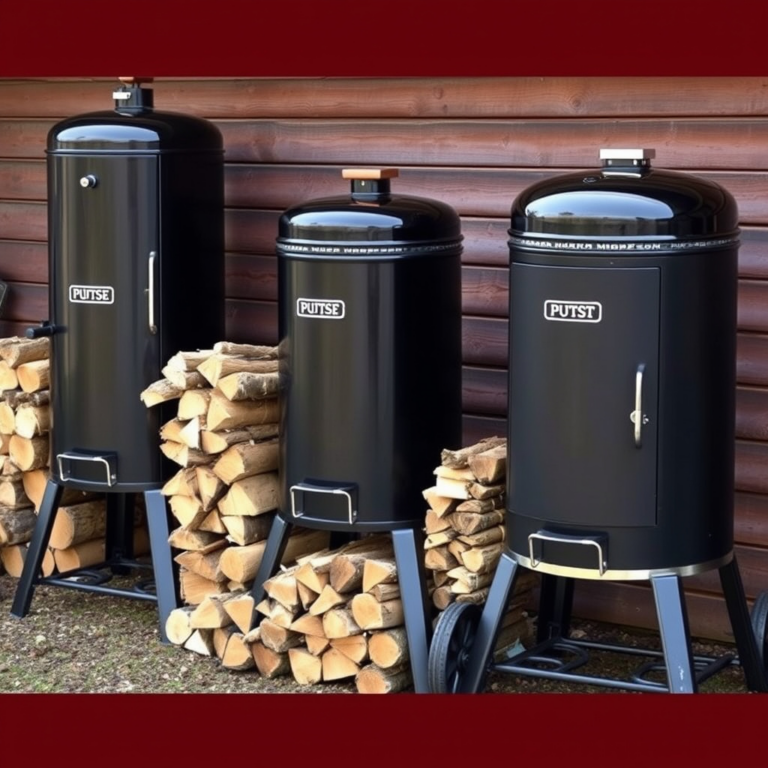
Bullet smokers feature a vertical design with a charcoal chamber below the cooking grates. Because of the smaller charcoal chamber, chunk charcoal or briquettes are arranged in a compact pile that typically requires 2 to 3 pounds for standard 4-hour cooks.
Stacking charcoal densely allows for longer burn times and stable heat output. Using a charcoal basket can help keep fuel organized, preventing ash from clogging airflow and maintaining consistent temperatures throughout your cooking session.
Estimating Charcoal Amount Based on Cooking Duration and Temperature
Calculating Charcoal for Short Smoking Sessions
For shorter cooks of 2 to 3 hours, such as smoking ribs or chicken, using around 1.5 to 2 pounds of charcoal works well. This quantity generates sufficient heat without overheating or requiring frequent refueling, especially if your smoker has good insulation and airflow.
Keep in mind that quick smokes often use higher temperatures (around 275°F to 300°F), so the charcoal to cooking time ratio is adjusted to avoid excessive fuel burning.
Adjusting Charcoal for Extended Smoking
Long cooks that last 6 hours or more, like brisket or pork shoulder, demand a larger starting pile of roughly 4 to 6 pounds of charcoal. The goal is to maintain a steady temperature near 225°F over several hours without constant attention.
Using the charcoal amount for smoking proportional to time reduces guesswork and encourages more even, tender results with well-developed smoke rings and flavor.
Methods to Control Charcoal Burn Rate and Heat Output
Using Dampers to Regulate Temperature
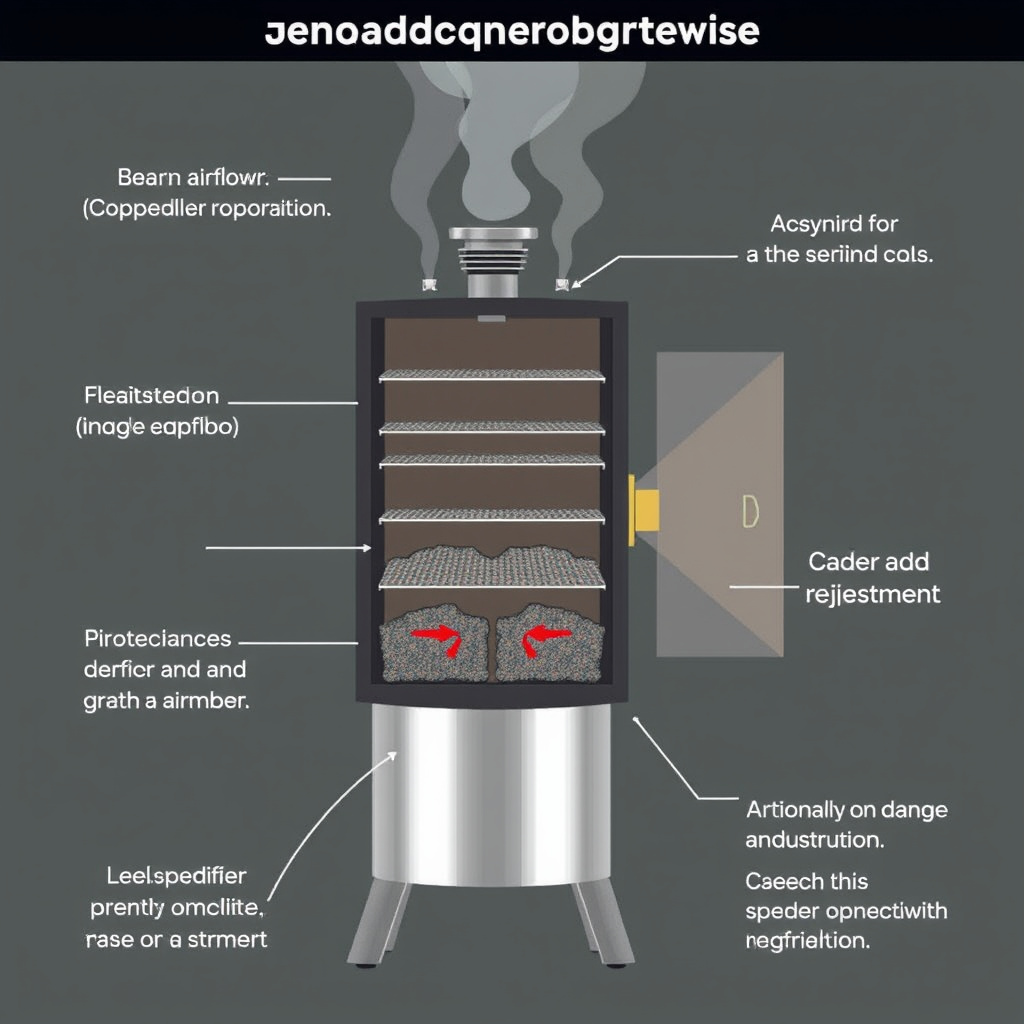
Adjusting intake and exhaust dampers controls the oxygen supply to your charcoal, affecting how fast it burns. Opening dampers increases airflow, causing higher temperatures, while closing them slows combustion and cools down the smoker.
Balancing damper positions with charcoal quantity allows you to fine-tune the heat for the specific cut of meat being smoked, making charcoal usage more efficient.
For more on this, see our related guide: How Much Does a Weber Grill Cost? A Complete Price Guide.
Adding Charcoal During Smoking Without Temperature Spikes
Rather than piling all the charcoal at once, many pitmasters add fresh charcoal in small amounts during the cook to maintain target temperature and extend burn time. This approach involves stacking a few fresh briquettes on the edge or placing new charcoal on hot coals to gradually ignite.
Slow additions avoid sudden heat surges, helping preserve the smoke’s subtlety and preventing burnt edges or dry meat.
Charcoal Types and Their Impact on Usage Amounts
Lump Charcoal Characteristics
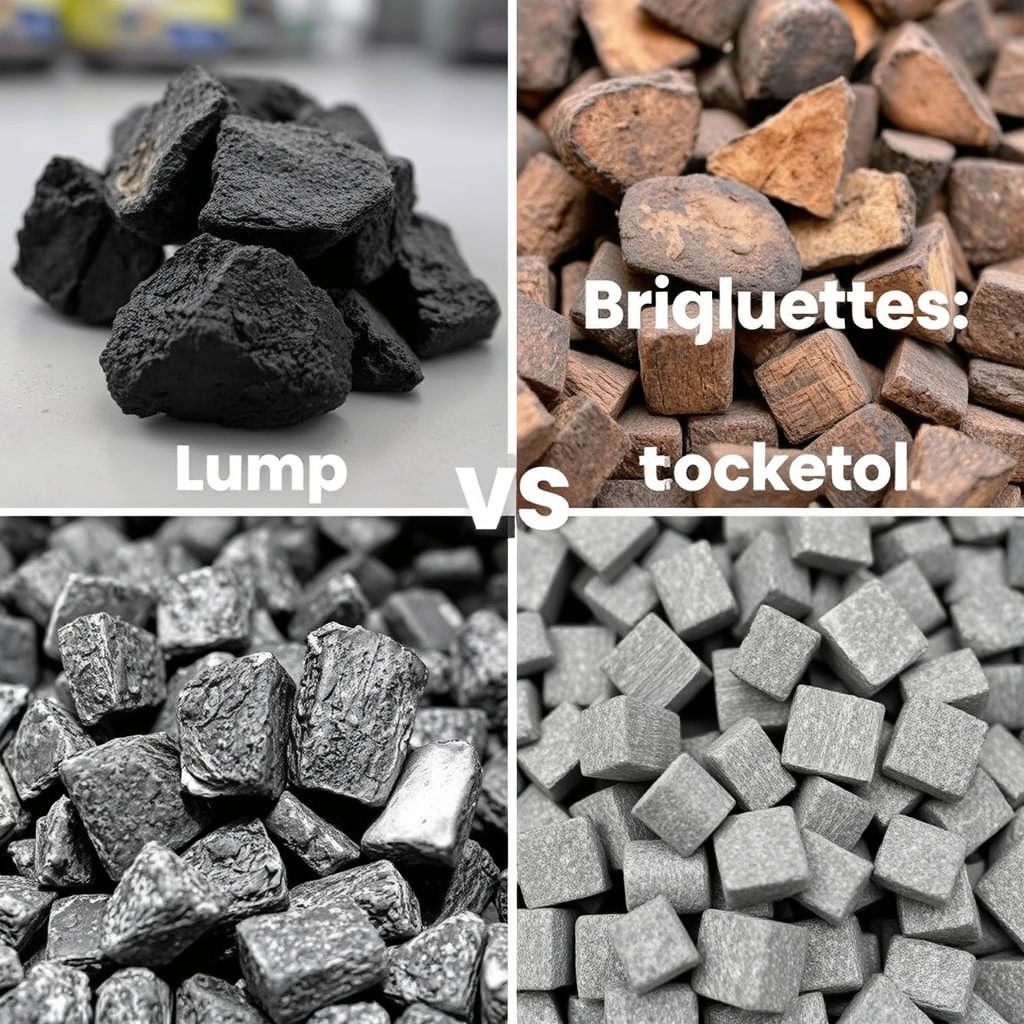
Lump charcoal burns hotter and faster than briquettes since it is simply charred wood without fillers. This means using slightly less lump charcoal to achieve the desired temperature for your smoker.
It produces less ash, which helps maintain airflow and stable temperatures, though it requires more frequent replenishing during long smokes.
Briquettes and Their Burning Properties
Charcoal briquettes are uniform in size, made from compressed coal dust and additives to extend burn time and consistency. They burn more steadily and last longer than lump charcoal, often translating to less frequent refueling during extended sessions.
Because of their slower burn, you may need a bit more briquettes to match the heat produced by lump charcoal.
Tips for Efficient Charcoal Use and Heat Maintenance
Preheating Charcoal for Even Burn
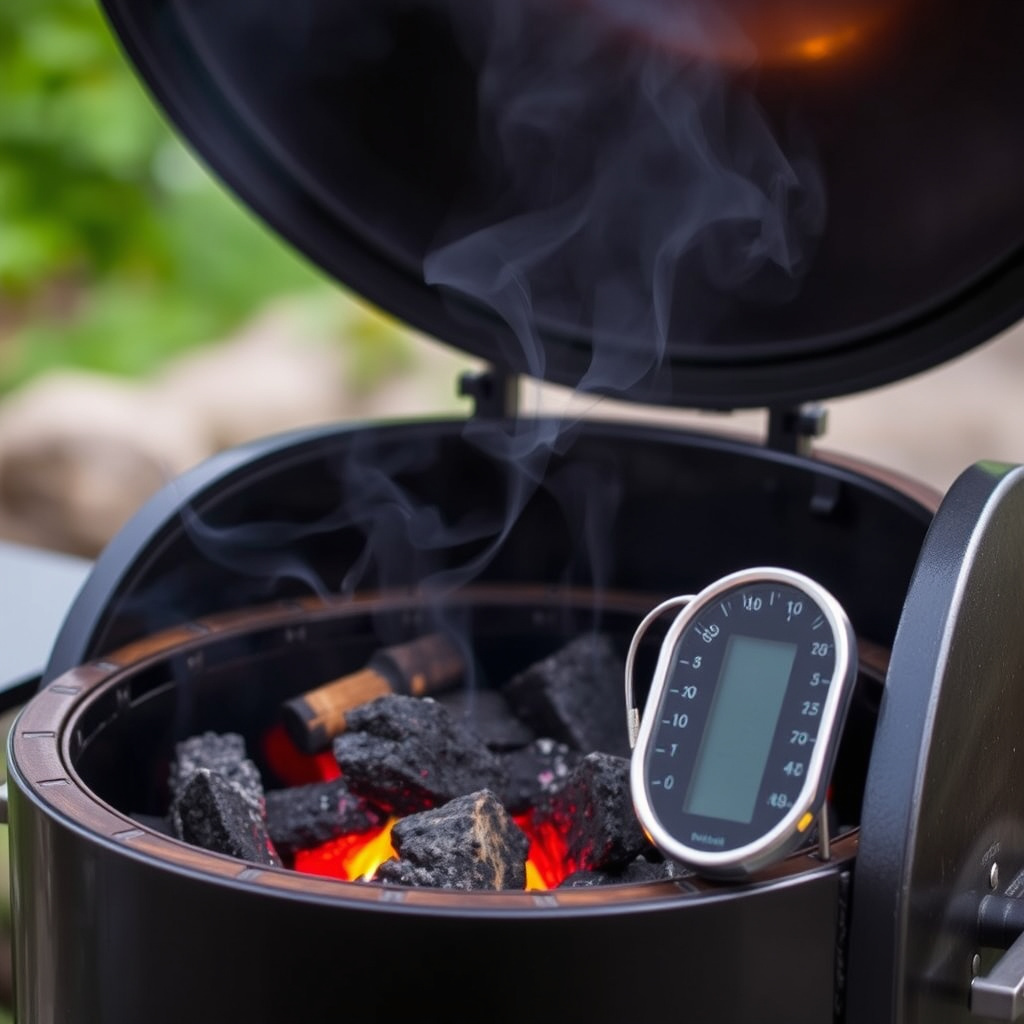
Light charcoal fully in a chimney starter before loading it into the smoker to help create even heat and reduce start-up temperature swings. Preheated charcoal produces consistent smoke and avoids cold spots under the cooking grate.
Chimney starters also simplify measuring charcoal amounts accurately since you fill the chimney to a certain level based on cooking time and smoker size.
For more on this, see our related guide: How to Smoke Meat on a Charcoal Grill: A Step-by-Step Guide.
Using Charcoal Baskets or Rosters
Charcoal baskets contain fuel in a compact space to improve airflow, make damper adjustments more effective, and keep ash from building up around the coals. This setup helps burn charcoal more evenly and efficiently.
Roasters can be especially beneficial in bullet smokers or smaller cooker designs, providing a controlled burn environment and consistent heat.
Safety and Handling When Using Charcoal in Smokers
Proper Storage and Handling of Charcoal
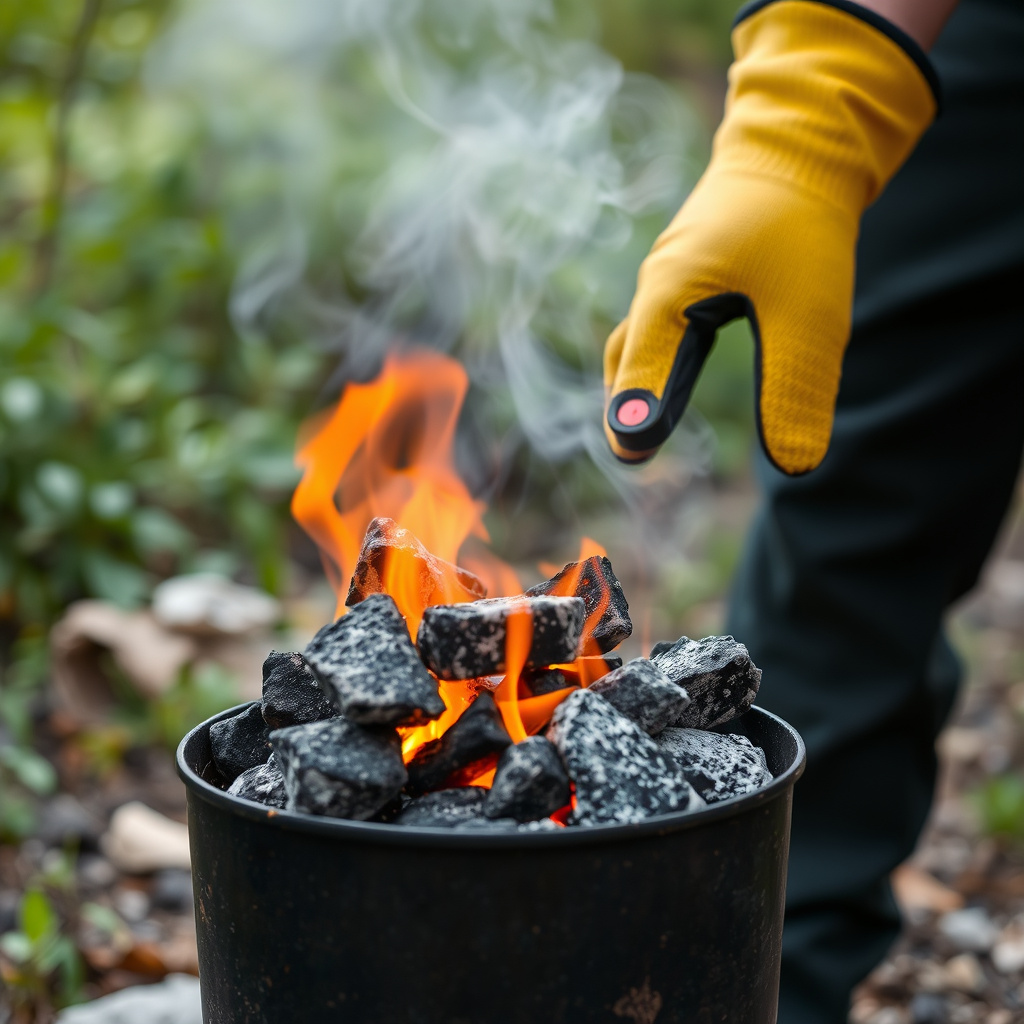
Store charcoal in a dry, ventilated place to prevent moisture absorption, which can cause poor lighting and uneven burning. Keep bags sealed and off damp surfaces.
When handling hot charcoal, always use heat-resistant gloves and tools designed for smoker work to avoid burns or accidents.
For more detailed background on types of smokers and their fuel usage, see the charcoal barbecue smoker entry on Wikipedia. Charcoal barbecue smoker.
Disposing of Ash Safely
Allow ash to cool completely before disposal, as hot ash can ignite nearby combustible materials. Use a metal container with a lid for storage of spent ashes, and never discard them directly on grass or near flammable objects.
Safe ash handling contributes to cleaner smoker performance and reduces fire hazards.
Charcoal Amounts for Different Smoker Types and Cooking Times
This table compares typical charcoal quantities needed for various smoker designs and cook durations to help plan your next BBQ.
| Smoker Type | Cooking Duration | Typical Charcoal Amount | Common Charcoal Type |
|---|---|---|---|
| Offset Smoker | 4-6 hours | 3-4 pounds | Lump charcoal |
| Bullet Smoker | 2-4 hours | 2-3 pounds | Charcoal briquettes |
| Kamado Smoker | 6+ hours | 4-6 pounds | Lump charcoal |
| Vertical Water Smoker | 3-5 hours | 2-3 pounds | Charcoal briquettes |
| Drum Smoker | 5-7 hours | 4-5 pounds | Lump charcoal |
Frequently Asked Questions
Can I use too much charcoal in my smoker?
Yes, using too much charcoal can cause overheating and uneven cooking, leading to burnt food or inconsistent smoke flavor. It's best to measure charcoal according to your smoker's design and cooking time.
How often should I add charcoal during a long smoke?
Adding small amounts of charcoal every 1-2 hours helps maintain steady heat without spikes. Monitor your smoker's temperature and add fuel as needed to keep consistent temperatures.
Is lump charcoal better than briquettes for smoking?
Lump charcoal burns hotter and faster with less ash, offering more natural flavor, but requires more attention. Briquettes provide steadier, longer burn times with consistent heat, ideal for long cooks.
Does the type of wood used with charcoal affect how much charcoal I should use?
Wood chunks add flavor but don’t significantly impact charcoal quantity. However, they can affect heat if used in excess, so balance wood and charcoal amounts to maintain temperature.
How do I measure the right amount of charcoal if my smoker has no instructions?
Start by filling your charcoal chimney halfway, then adjust based on cooking duration and temperature needs. Using a chimney starter also helps standardize charcoal quantities more easily.
Key Takeaways
- Use 2-6 pounds of charcoal based on smoker type and cooking duration.
- Control heat with a combination of charcoal quantity and damper settings.
- Lump charcoal burns hotter and faster than briquettes, affecting amounts needed.
- Adding charcoal gradually prevents temperature spikes during long cooks.
Conclusion
Determining how much charcoal to use in a smoker requires understanding your specific cooker type, cooking time, and temperature preferences. Balancing these factors helps maintain a steady heat essential for producing tender, smoky meats. Trial and error combined with consistent measuring methods like a chimney starter make charcoal management more predictable and efficient.
For shorter sessions in bullet or vertical water smokers, around 2 to 3 pounds of briquettes usually suffices, while offset and kamado smokers cooking low and slow generally need 4 to 6 pounds of lump charcoal. Monitoring and adjusting damper settings alongside charcoal quantity allows you to avoid both overheating and temperature dips during the cook.
Once you gain confidence with your smoker’s fuel needs, focus on efficient charcoal usage by preheating coals, using baskets or rosters, and adding charcoal gradually as needed. This will help keep your smoker at the perfect temperature to create delicious smoked meals with impressive flavor and texture.